
Most people who live with dogs would do almost anything to make them happy. We buy the fancy treats, the softest beds, the cutest harnesses, and we flood our phones with photos of their faces. But buried in all that love are a few habits that feel kind and normal to us, yet quietly stress our dogs out.
Once I started learning to really read canine body language, I realized I had been making my own dog uncomfortable in ways I never noticed: the tight hugs, the overexcited greetings, the constant chatter when he was clearly done for the day. None of it was cruel; it was just human. This article walks through ten of the most common “loving” things dog owners do that can actually make dogs uneasy, and shows you how to tweak each one so your dog not only feels safer, but trusts you more deeply.
1. Hugging And Squeezing Your Dog Like A Teddy Bear
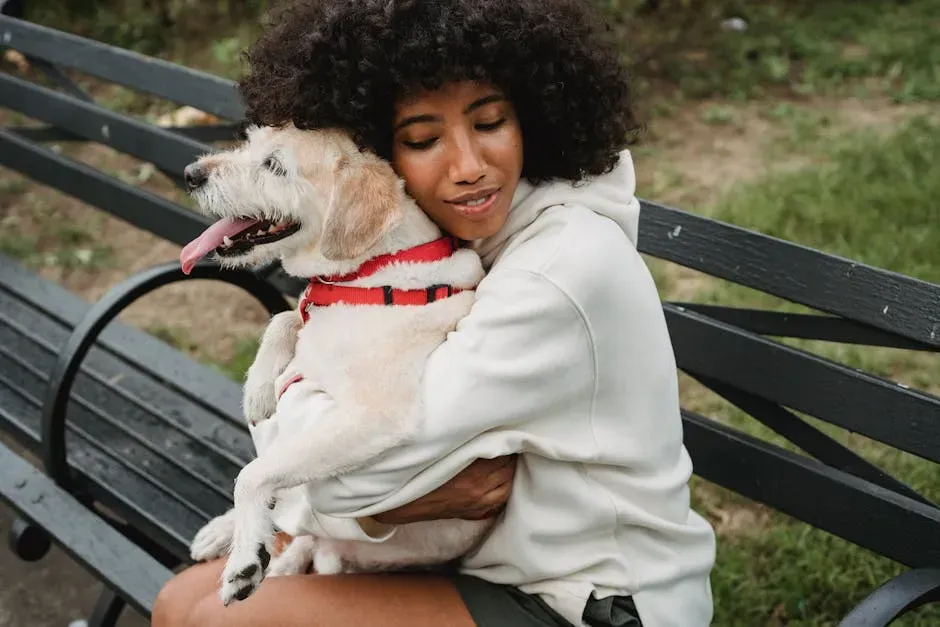
It feels natural to wrap our arms around something we love, but dogs are not wired the same way we are. In dog language, being pinned, held tightly, or having their movement blocked can feel more like restraint than affection. Many dogs quietly tolerate hugs, but if you look closely you’ll often see stress signals: a turned-away head, stiff body, lip licking, yawning, or showing the whites of the eyes.
That does not mean you can never be physically close. It just means affection should be on your dog’s terms, not driven by your urge to squeeze. Try sitting beside your dog and letting them lean on you, rest against your legs, or climb into your lap if they want to. If you pause mid-cuddle and your dog chooses to move away instead of re-engaging, that’s a clear sign they were enduring the hug, not enjoying it.
2. Overpetting Sensitive Areas Like The Head And Face
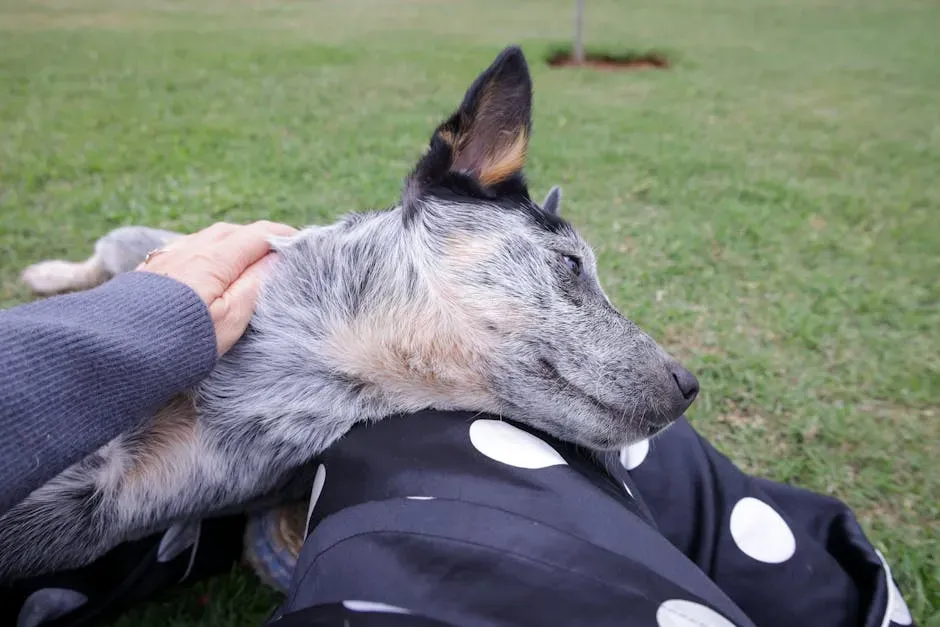
Almost every stranger who meets a dog goes straight for the top of the head, because that is what humans are used to doing with kids. For many dogs, however, a hand coming down from above, especially toward the eyes and ears, feels threatening or at least uncomfortable. They may duck their head, blink rapidly, lean away, or freeze slightly while you pat them, all subtle signs that they are not loving that style of contact.
Most dogs prefer being touched on the chest, shoulders, or side of the neck, and usually enjoy slow, predictable strokes more than rapid patting or tapping. As a quick experiment, offer your hand low and to the side, then see where your dog moves their body under your hand – many will naturally turn so you are rubbing the chest or flank. Paying attention to where your dog leans in versus where they flinch away can turn petting from something they tolerate into something that actually relaxes them.
3. Dressing Dogs In Clothes They Don’t Need Or Enjoy
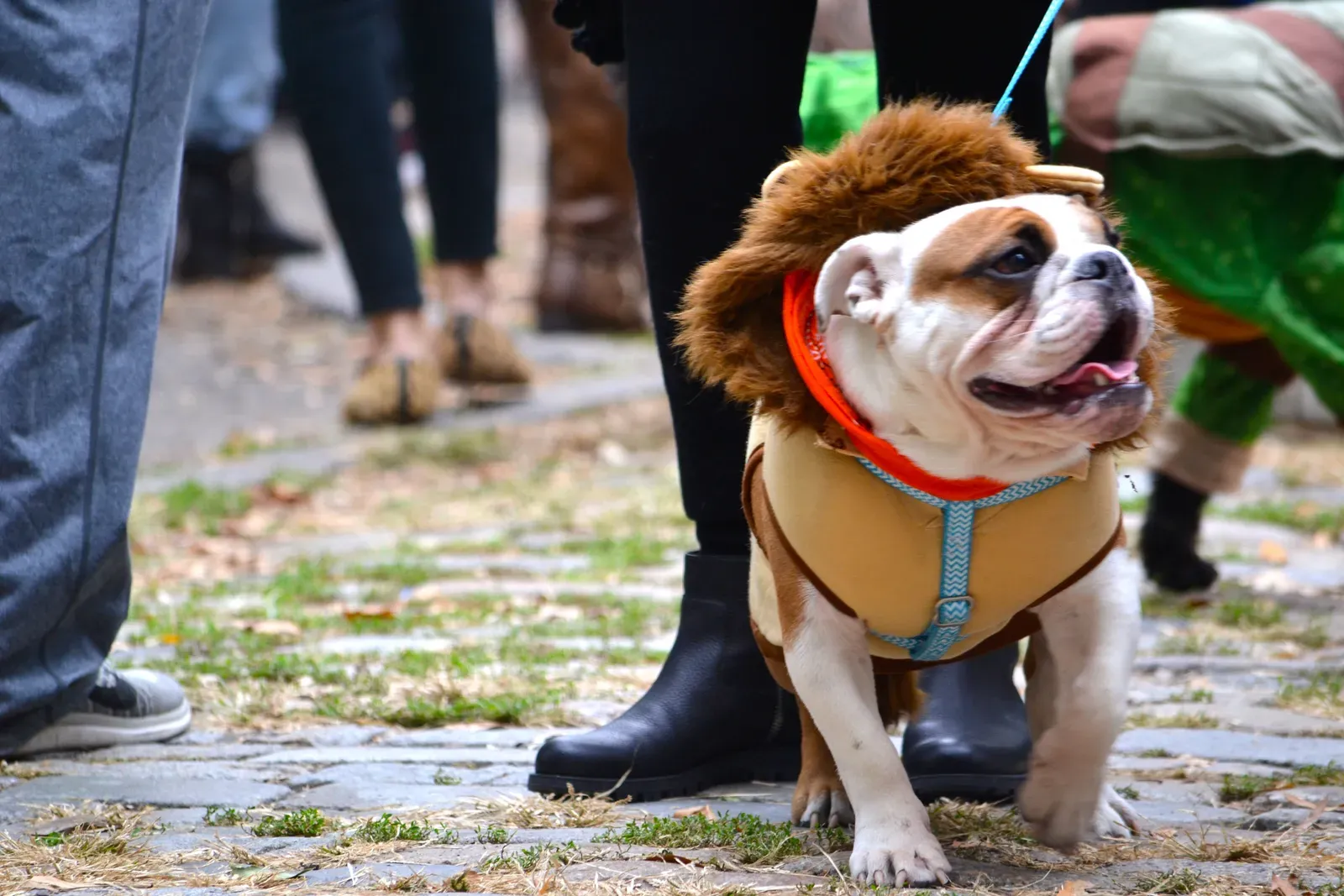
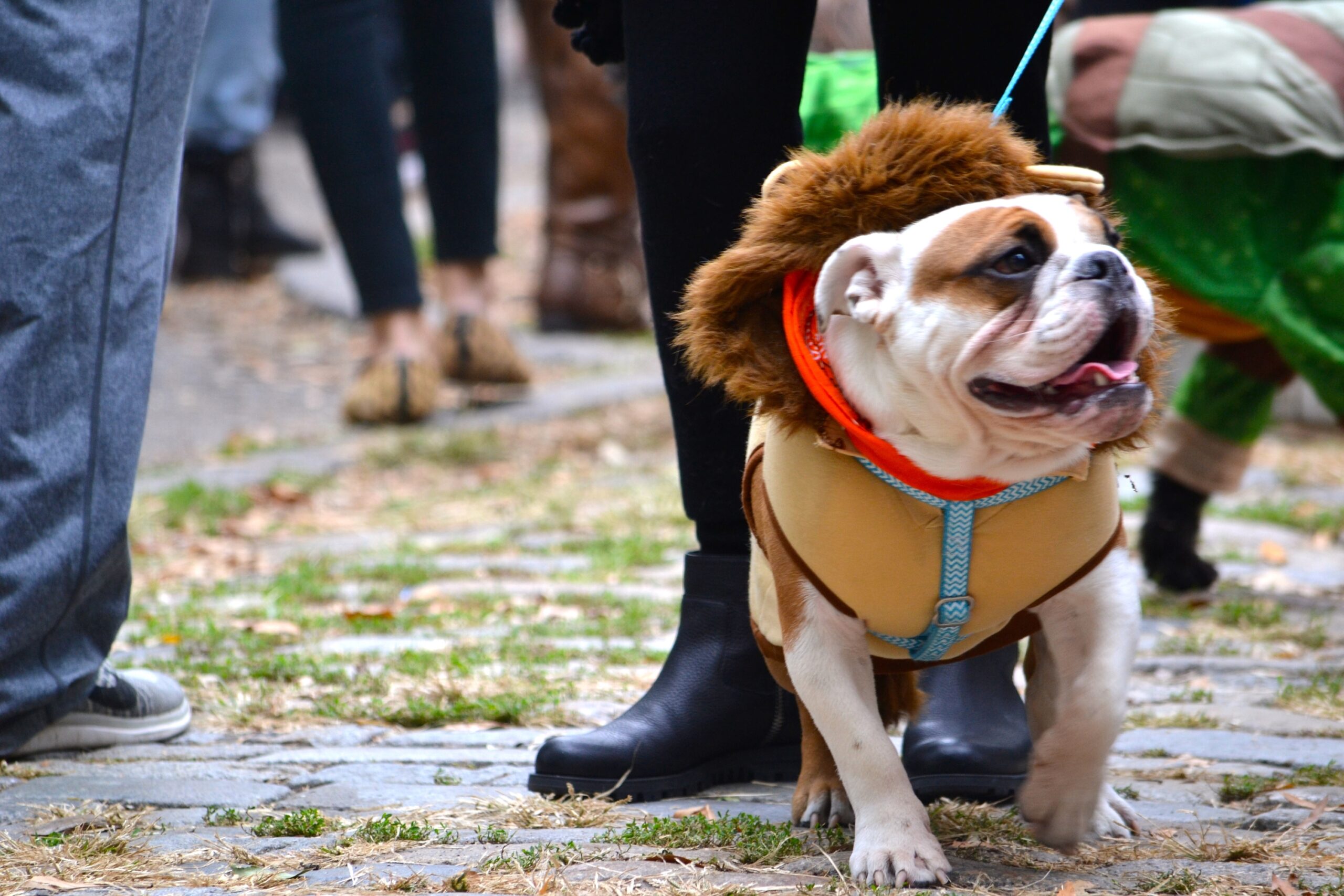
Dog coats, hoodies, and costumes look adorable to us, and sometimes they are genuinely useful for warmth, visibility, or medical reasons. The problem begins when clothing becomes about our aesthetic more than the dog’s comfort. Tight elastic, restrictive sleeves, heavy materials, or things covering the ears and tail can interfere with how dogs move, balance, and even communicate with other dogs.
If your dog freezes, droops their tail, licks their lips, or tries to shake or paw clothing off, they are telling you clearly that the outfit is not a win. There are sensitive dogs who genuinely relax with a well-fitted, gentle garment in cold weather or during anxiety, but the key is to introduce any clothing slowly and watch the body language carefully. If your dog perks up, can move freely, and goes about their normal activities, great. If they look like a statue in a Halloween costume, the joke is only funny to the humans.
4. Forcing Socialization With People And Other Dogs
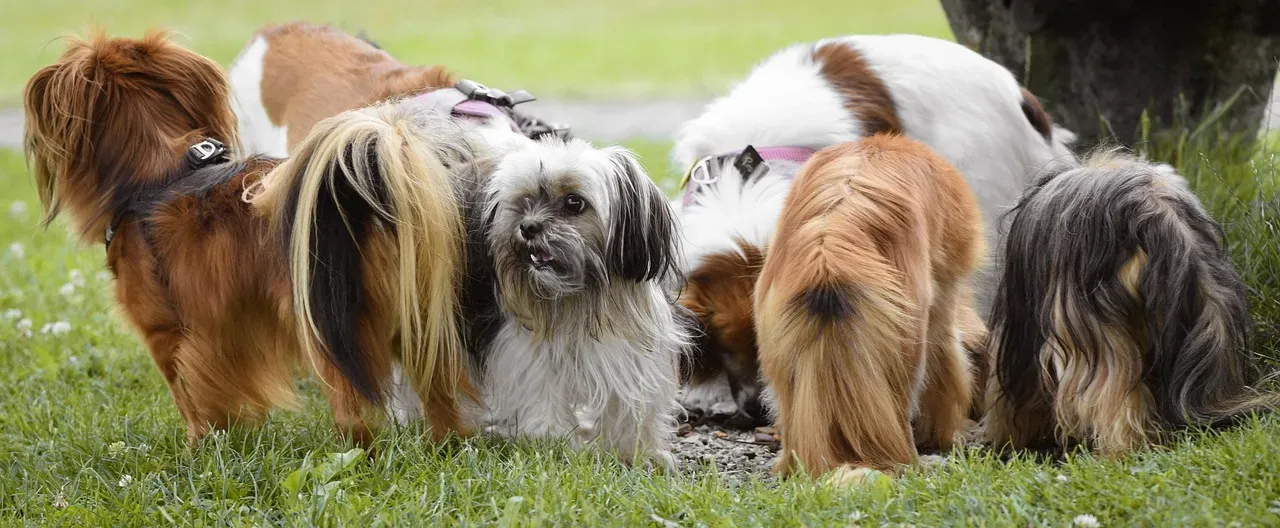
“He’s friendly!” is probably one of the most common phrases in dog parks and sidewalks, but it often ignores what the dog is actually saying. Many owners, wanting a sociable, well-adjusted pet, push their dogs into greetings with strangers or other dogs even when the dog is signaling discomfort. Leaning away, refusing to approach, low tail, tucked body, or even hiding behind you are all requests for space that sometimes get overridden by our desire to be polite or prove our dog is “nice.”
Healthy socialization is not about maximum exposure; it is about positive, controlled, and optional interactions. A confident dog will often approach with loose body language and curiosity. If your dog is choosing to keep distance, the kindest thing you can do is advocate for them: block pushy dogs, gently tell people “we’re training, please give him space,” and let your dog watch the world from a distance. Over time, letting your dog say “no” actually builds more trust and, ironically, often more genuine confidence.
5. Constant Talking, Noise, And Emotional Overload At Home
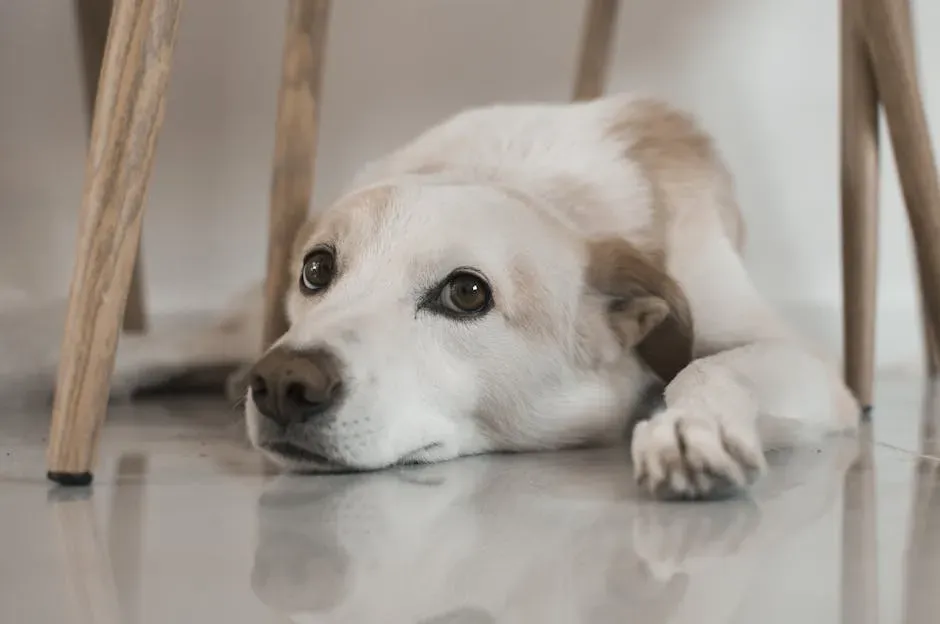
Dogs can adapt to human noise better than almost any other animal, but that does not mean they are indifferent to it. Loud voices, frequent shouting across rooms, TV blaring, music always on, constant video calls, and children squealing can all form a kind of background storm. Many dogs learn to cope, but coping is not the same as thriving. Some become hyperactive, others shut down, and some show stress behaviors like excessive licking, pacing, or sudden barking at small sounds.
Because we are used to our own soundscape, we often miss the moments our dogs are asking for quiet: retreating to another room, choosing the farthest corner of the couch, or sighing heavily when the energy spikes. Creating pockets of calm – no TV, softer voices, phones away – can be surprisingly powerful, like turning down the brightness on a screen that has been blindingly high. A home that occasionally feels a bit too quiet for you might be exactly what your dog’s nervous system has been craving.
6. Leaving Food Out All Day Instead Of Structured Mealtimes
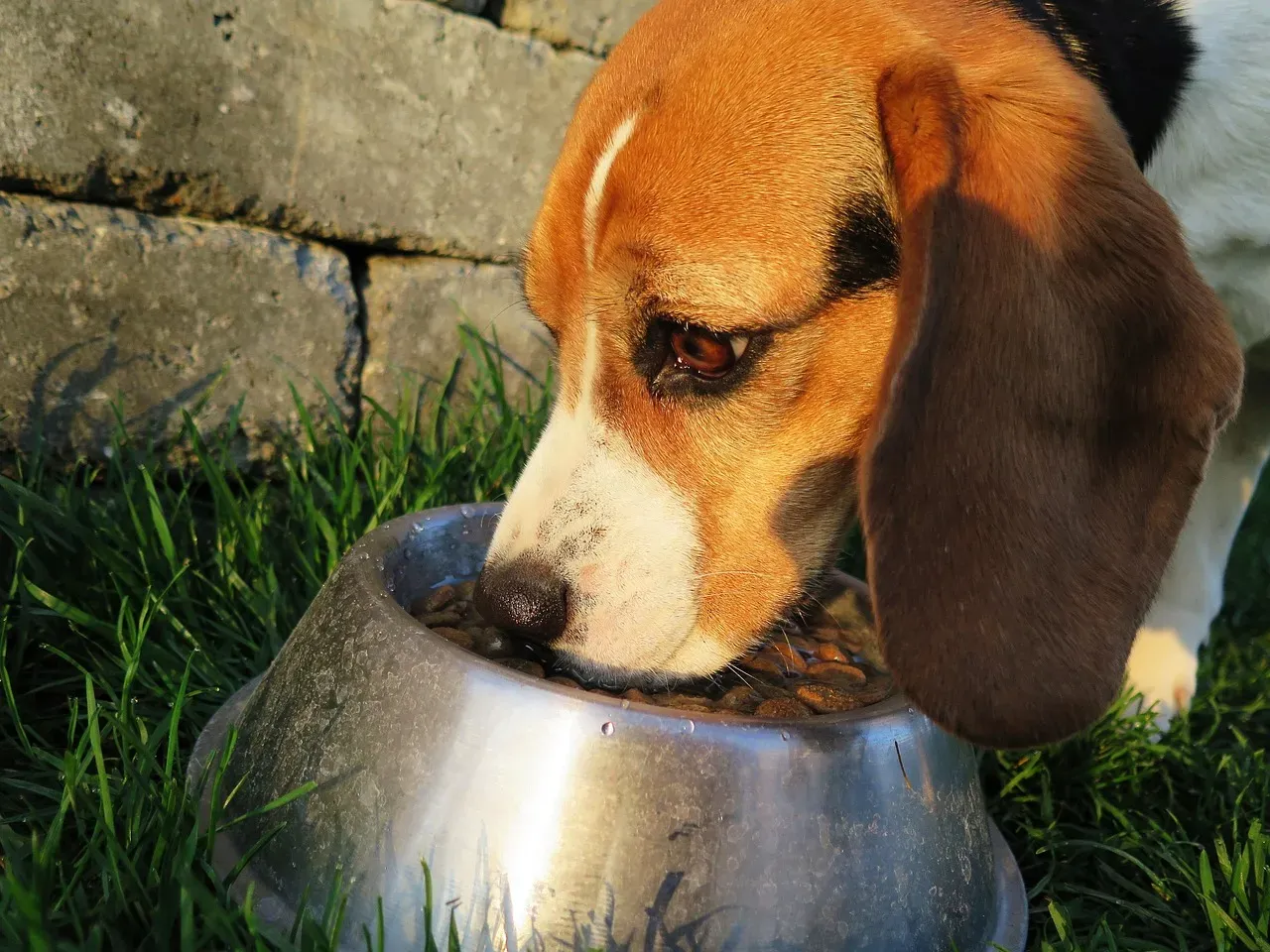
Free-feeding, or leaving food out for a dog to graze on all day, can seem generous and low-stress. After all, they can eat whenever they are hungry, right? But many dogs actually do better, physically and emotionally, with predictable mealtimes. Constant access to food can dull their natural appetite rhythms, make it harder to monitor how much they are eating, and increase the risk of overeating or missing health issues that show up as appetite changes.
Beyond nutrition, structured feeding gives a nice built-in routine: food appears at certain times, in certain places, and then disappears. Dogs often feel more secure when some parts of their day are stable and predictable, like anchors in their schedule. If you switch from free-feeding to set meals, introduce the change gradually and keep an eye on your dog’s body condition and mood. In many homes, dogs become more enthusiastic about eating, easier to train with food rewards, and more settled overall when meals are clear events, not an always-available buffet.
7. Using Punishment Or “Tough Love” To Show Who’s Boss
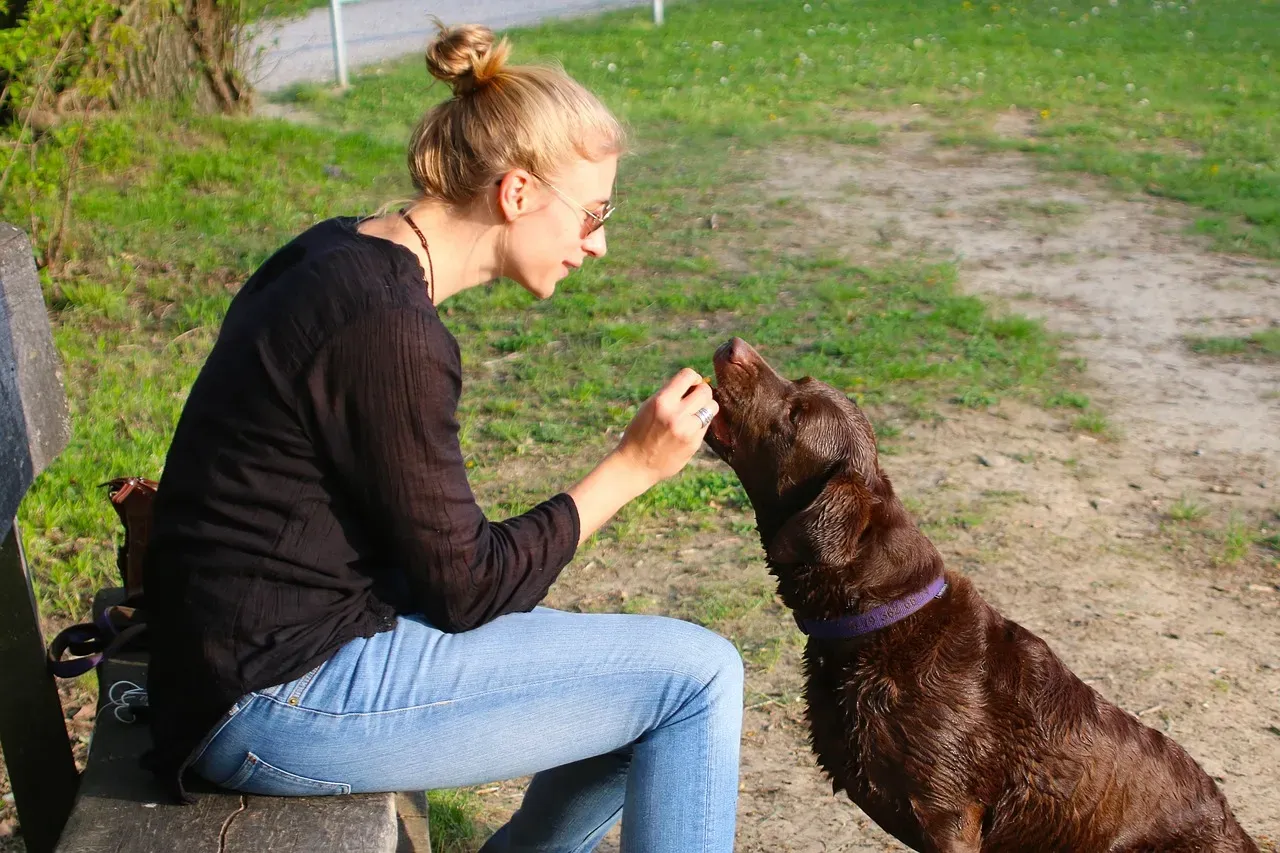
A lot of well-meaning owners grew up hearing that you need to “be the alpha,” use firm corrections, or show the dog who is in charge to earn respect. That mindset often leads to harsh scolding, leash pops, physical intimidation, or forced submission, all in the name of discipline. The problem is that dogs learn most strongly by association. If your presence consistently predicts fear, pain, or confusion, then trust quietly erodes, even if the dog still obeys.
Modern behavioral science supports reward-based methods and clear boundaries, not dominance games. That does not mean letting your dog run wild; it means teaching them what you want using timing, consistency, and reinforcement rather than fear. When mistakes happen – and they will – respond with information and management instead of anger. A dog who feels safe making mistakes around you is a dog willing to keep learning. A dog walking on eggshells may look obedient, but inside they are often anxious and uncertain.
8. Ignoring Subtle Signs Of Pain Or Discomfort During Play
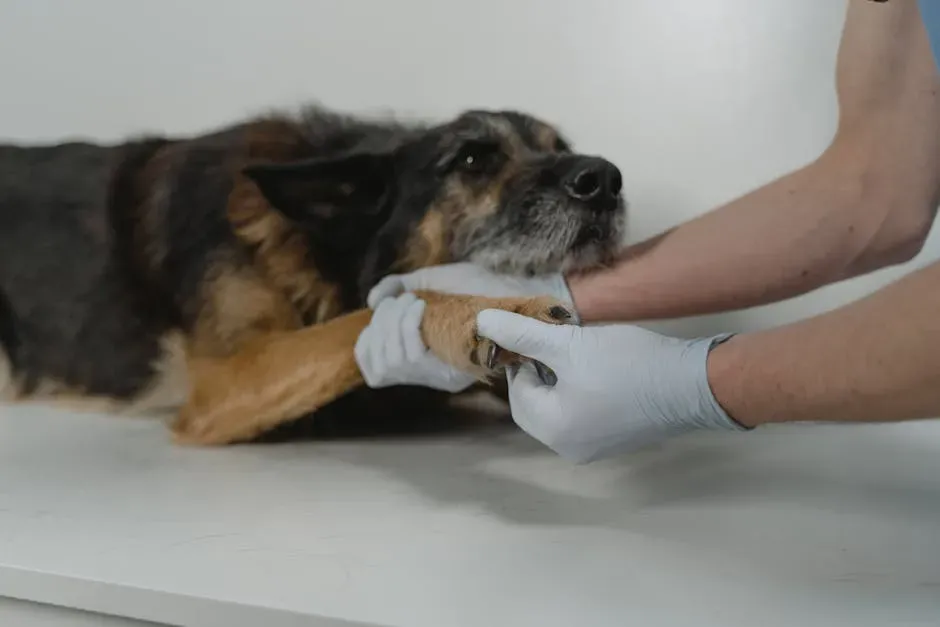
Playtime is usually where people feel most confident that their dog is happy, so it is easy to miss when fun tips into discomfort. Fetch, roughhousing, tug, and high-impact zoomies can put stress on joints, muscles, and teeth, especially in young puppies, seniors, or dogs with hidden issues like early arthritis. Dogs are stoic by nature and will often push through discomfort to keep playing, particularly if play is the main way they get attention.
Warning signs can be surprisingly small: a slight hitch in the gait after exercise, slower sit-downs, reluctance to jump into the car, or a dog who starts stopping a bit sooner during games they used to sustain for longer. Instead of pushing them to “burn off energy,” adjust games to their body: more sniffing walks, shorter bursts of fetch, softer toys, low-impact puzzle feeders. Paying attention here can mean catching health problems earlier and building a version of fun your dog can truly enjoy without silently hurting.
9. Bringing Dogs Everywhere As Emotional Support When They’d Rather Stay Home
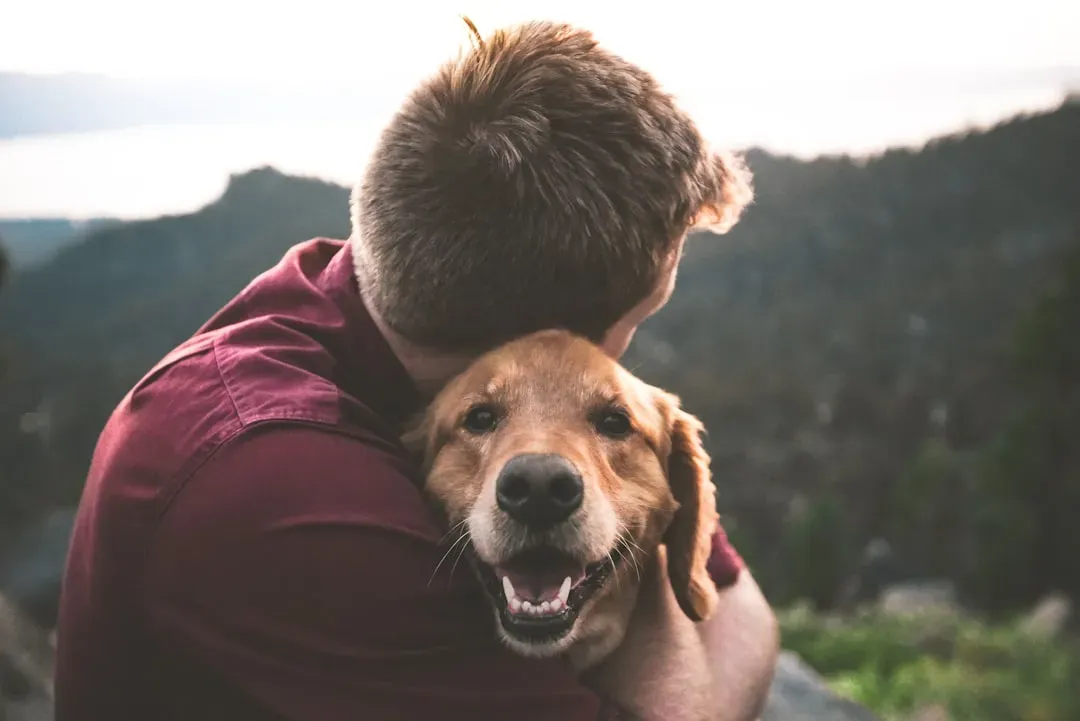
We love having dogs by our side, and they often bring comfort in stressful situations. Because of that, some owners begin bringing their dogs into crowded cafes, noisy events, family gatherings, or long errands simply because the human feels better with the dog there. The dog, however, may be overwhelmed by crowds, slippery floors, strangers reaching out, and unpredictable noises. A dog lying quietly under a table is not automatically a relaxed dog; they might be shutting down or enduring it.
It is worth asking honestly: is my dog here for me, or for them? A dog who genuinely enjoys these outings will show loose, curious, engaged behavior, explore a bit, and then settle with soft body language. A dog who sighs deeply, avoids eye contact, startles easily, or refuses treats is probably just counting the minutes until they can go home. Sometimes the kindest thing you can do is leave your dog resting safely at home with a chew toy instead of turning them into your emotional airbag in stressful human environments.
10. Over-scheduling Training, Activities, And “Enrichment”
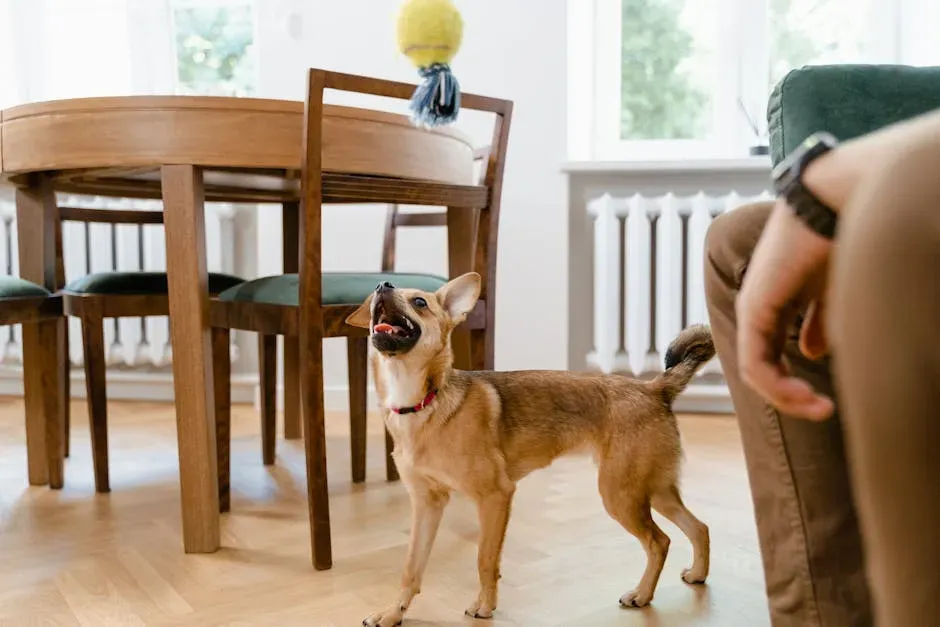
In the last few years, enrichment has become a buzzword, and it has done a lot of good. At the same time, some dogs now live like overbooked toddlers: morning training, mid-day agility, puzzle toys, daycare, evening sniff games, and weekend hikes. The intention is wonderful – we want them mentally and physically fulfilled – but dogs, like us, need real down time where nothing is expected of them. A constantly stimulated brain can become wired for restlessness instead of calm.
Signs of an over-enriched dog can look like constant pestering for attention, difficulty settling even when tired, or becoming frustrated when there is nothing to “do.” Building in genuine boredom, where the dog is safe, not entertained, and free to nap or simply exist, is as important as the fun stuff. A good rule of thumb is to watch how easily your dog can fall asleep in the middle of the day when nothing is going on. If rest comes quickly, your balance is probably good. If they pace, whine, or demand activity, it might be time to do the counterintuitive thing and plan a simpler, slower life for them.
Conclusion: Loving Them Means Listening, Not Just Trying Hard
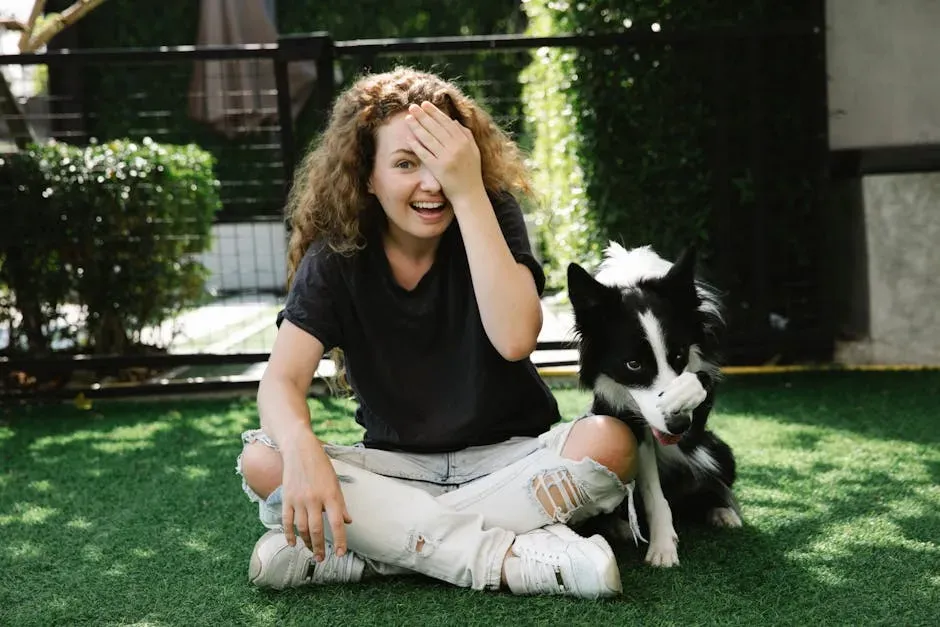
The toughest part of learning all this is realizing that some of the sweetest moments you thought you were giving your dog – huge hugs, busy days, constant company – might have actually been a little stressful for them. That stings at first, but it is also oddly freeing. Love is not about getting everything right from the start; it is about being willing to adjust when you learn better, even if that means letting go of what feels comforting to you.
When you start watching your dog’s body language closely and respecting their small “no’s,” you will usually see something beautiful happen: they volunteer more “yes.” They come closer on their own, relax more easily, and trust you more deeply, because you have shown them you are paying attention. In the end, the most dog-centered question to keep asking yourself is simple: is this for me, or for my dog – and am I brave enough to change course when the honest answer surprises me?


