
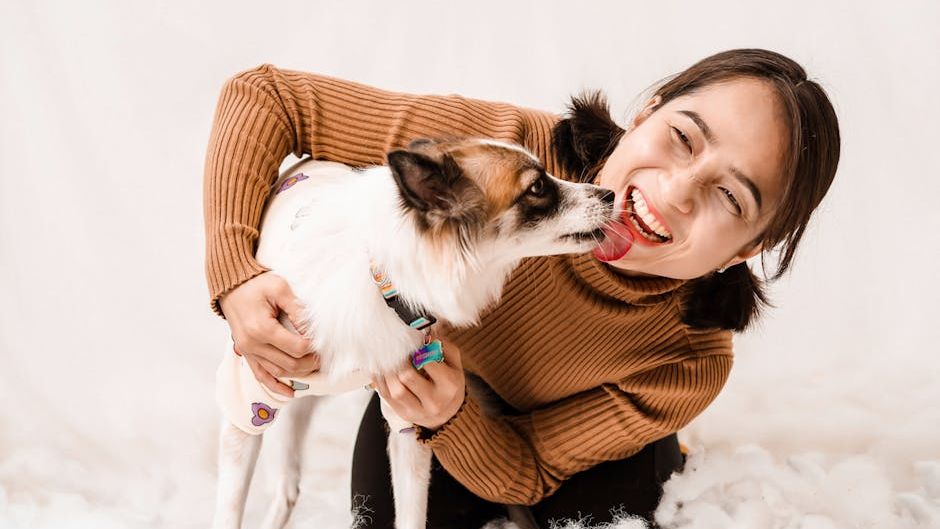
You’re sitting alone. The kind of quiet that settles in after something breaks, not your bones, but something harder to name. And then, without a sound, without being called, your dog is just there. No dramatic entrance. No nudging for a treat. Just a warm, steady presence that somehow makes the whole room feel less empty.
It’s one of those things dog owners talk about in hushed, almost disbelieving tones. How did they know? How did they get there so fast? The truth is, dogs are socially and emotionally tuned in to the people around them. They may not understand the why behind your tears, but they can read changes in your voice, your scent, your body language and your routine. What follows are ten of the quietest, most telling things your dog does when they sense you’re falling apart, and what each one really means.
#1. They Move Closer Without Being Asked
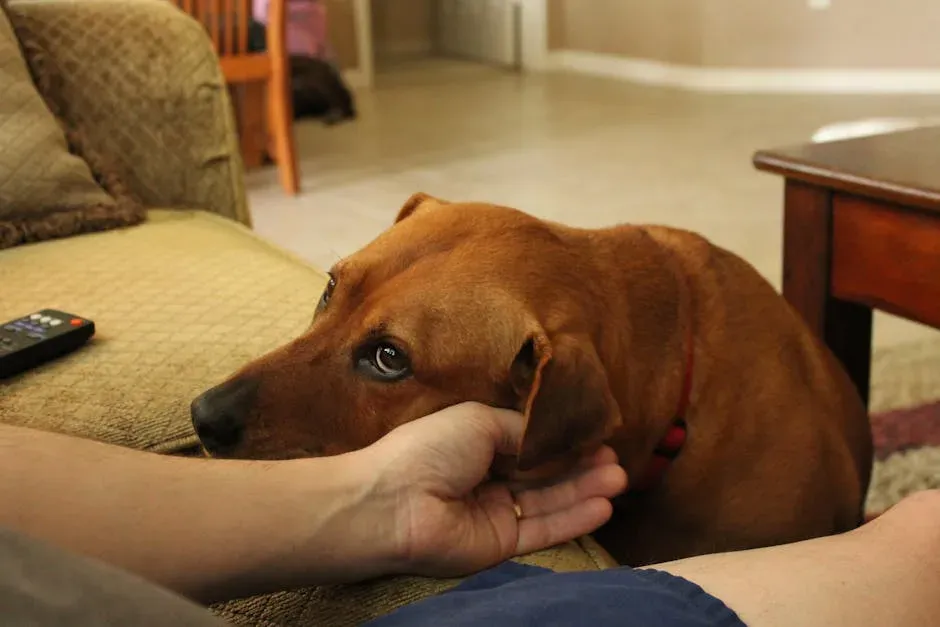
One of the first things most dogs do when their owner starts to cry is simply close the distance. There’s no fanfare. They don’t bark or spin in circles. They just walk over and sit beside you, or press their side against your leg as if to say, “I’m not going anywhere.”
As the tears come, you suddenly feel a warm nose on your arm, a paw on your knee, or your dog quietly curling up next to you without being asked. This isn’t coincidence or trained behavior. Research has found that dogs who are closely bonded with their owners will go out of their way to provide comfort if they see their human is clearly upset, because they can tell. That silent shuffle toward you is intentional, and it matters.
#2. They Rest Their Head on Your Lap
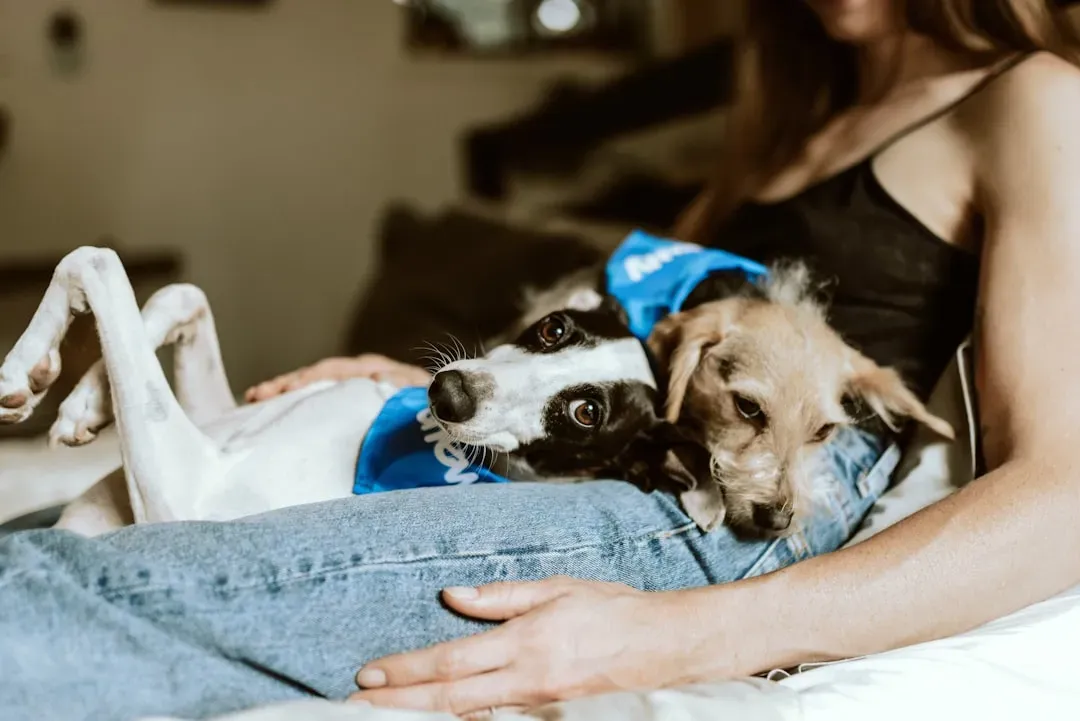
There’s something almost unbearably tender about a dog laying their head across your thigh while you cry. It’s one of the oldest gestures in the book, and it never loses its weight. Dogs are deeply empathetic creatures. They can detect subtle changes in your mood, tone of voice, and body language. If you’re feeling sad, tired, or overwhelmed, your dog may offer comfort by resting their head on you, sensing your emotions and responding with quiet presence.
When they lay their head on you, it’s a physical way to say, “I love you, human, and I feel safe in your presence.” This gentle touch releases oxytocin, the cuddle hormone, in both you and your pup, strengthening your bond. So that heavy little head on your lap isn’t just comfort. It’s biology working in your favor at exactly the right moment.
#3. They Lick Your Face or Hands
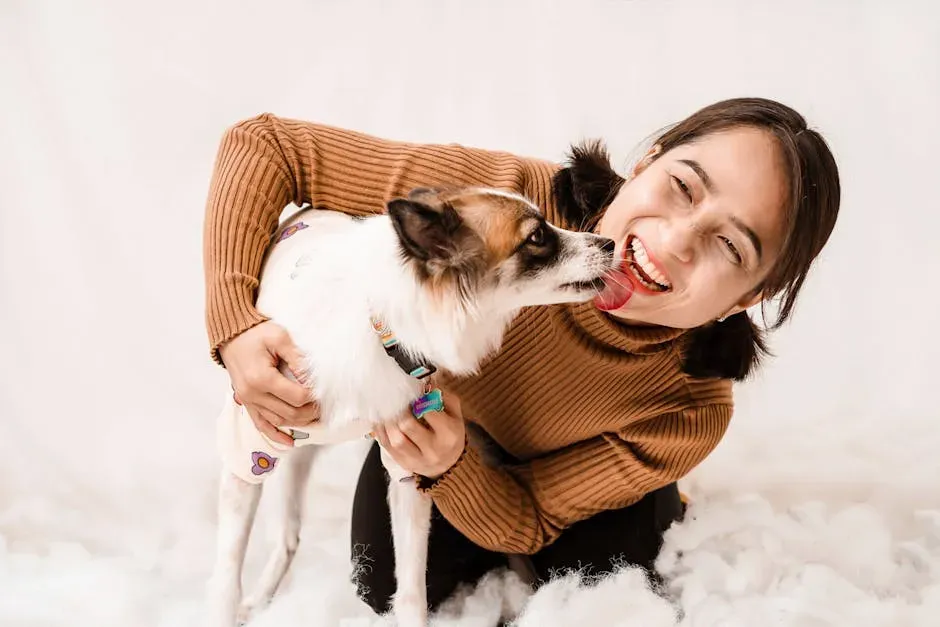
If your dog has ever licked the tears right off your cheeks, you probably already know this feels less like a reflex and more like deliberate care. You may notice when you’re sad your dog starts to lick you. Licking is often their way of offering comfort and support, similar to how they might comfort each other within their own pack.
It’s worth understanding that this behavior runs deep in canine social instinct. Licking is a bonding behavior used between dogs from birth, and when it’s directed at you, it carries the same emotional weight. Dogs possess remarkable emotional intelligence, able to read human emotions through facial cues, body language, and vocal tones. This skill allows them to bond deeply with humans, exhibiting empathy and providing comfort during distress. The lick is their version of reaching out.
#4. They Place a Paw on You

A soft paw landing on your knee or forearm when you’re upset is one of the more deliberate gestures dogs use to make contact. It’s gentle, it’s deliberate, and it tends to stop you mid-sob. Your dog may show signs of affection, like putting their head or paw on you, or cuddling in your lap. Most owners instinctively reach down and hold that paw. That’s exactly what the dog was hoping for.
Like other ways your dog tries to get a message across, placing a paw on you can signal a few different things. When it happens in the context of your distress, behavioral experts generally interpret it as a bid for connection, a canine way of initiating contact and staying close. Whatever the reason, the connection with your dog is real. That small, warm weight on your arm is not random. It’s chosen.
#5. They Make Steady, Prolonged Eye Contact
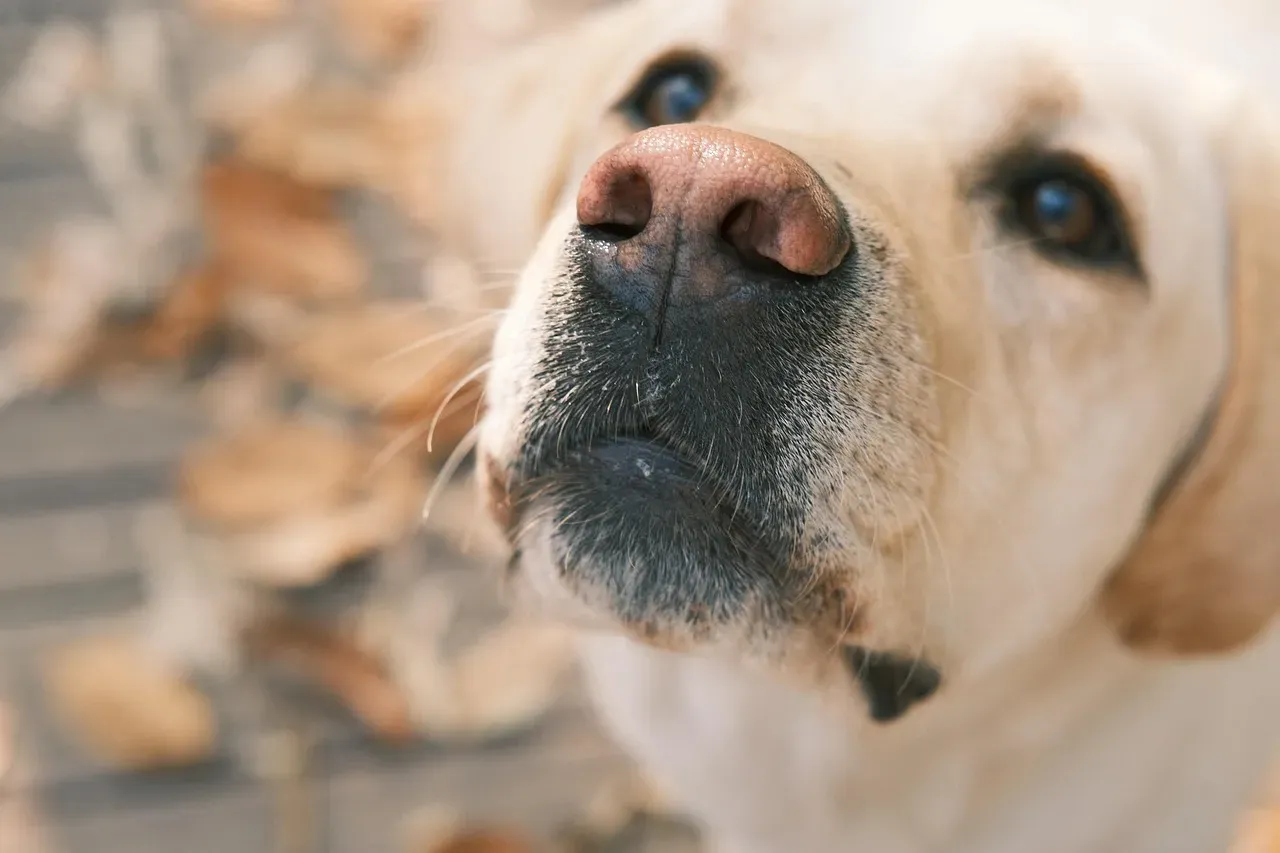
You’ve probably noticed it. You look up through blurry eyes and your dog is just staring at you. Not the excited, “let’s-play” stare. A slower, steadier one. Through millennia of domestication, dogs have become experts at reading our facial expressions, body posture, and micro-movements. Studies using eye-tracking technology have shown that dogs consistently look to human faces for emotional information and can successfully distinguish between happy, angry, and sad expressions.
Eye contact is crucial for dogs in understanding human emotions. Studies show that dogs can follow the direction of human gaze and interpret it to understand what we’re focusing on. When your dog holds your gaze during a hard moment, they are actively reading you. Eye contact between dogs and their owners stimulates the release of oxytocin, the “love hormone,” enhancing their bond and emotional connection. It’s one of the most underappreciated forms of care they offer.
#6. They Bring You a Toy or Object
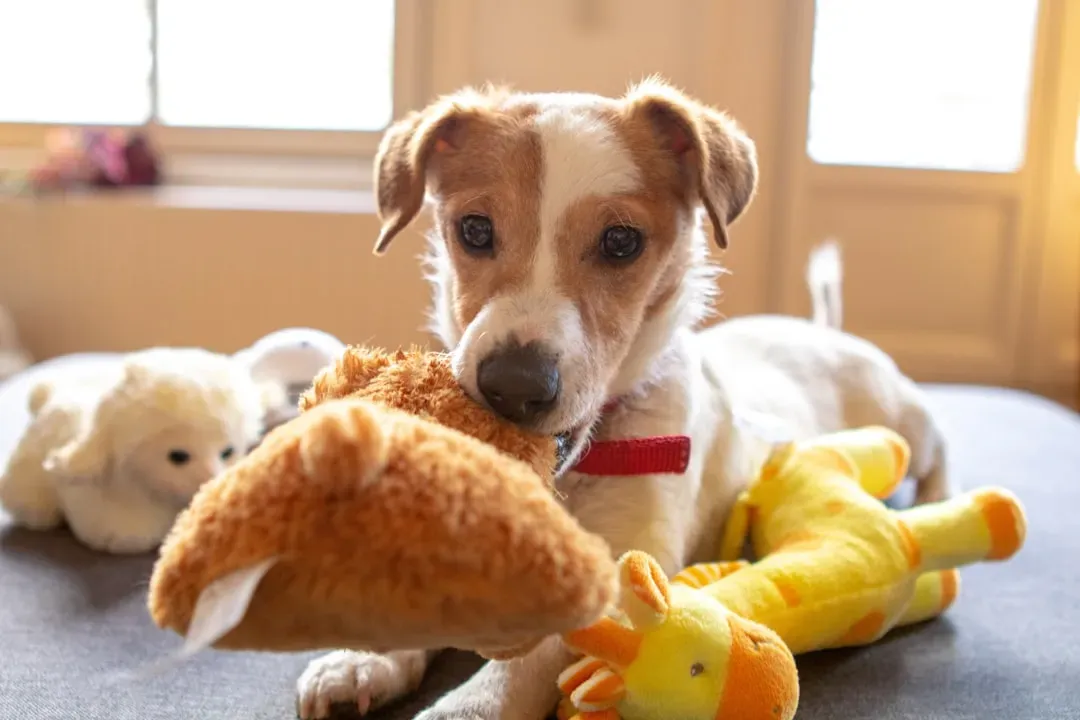
This one catches people off guard. You’re crying, and your dog trots over and drops their favorite chewed-up rope toy at your feet. It can feel a little absurd in the moment. But it’s actually one of the most sincere things they can do. Your dog may bring you a comfort object like his blanket, make a unique noise, or do a particular gesture with his paw. When a dog offers you their prized possession, they’re giving you what they value most.
Think of it from their perspective. When they feel unwell or anxious, they often seek out a familiar object for comfort. Bringing it to you is an extension of that same instinct, applied to someone they care about. Affiliative behaviors include nuzzling, licking your hands or face, resting a head on your lap, or presenting a toy. These are considered active comfort-seeking and comfort-offering actions. It’s clumsy and perfect all at once.
#7. They Press Their Body Against Yours
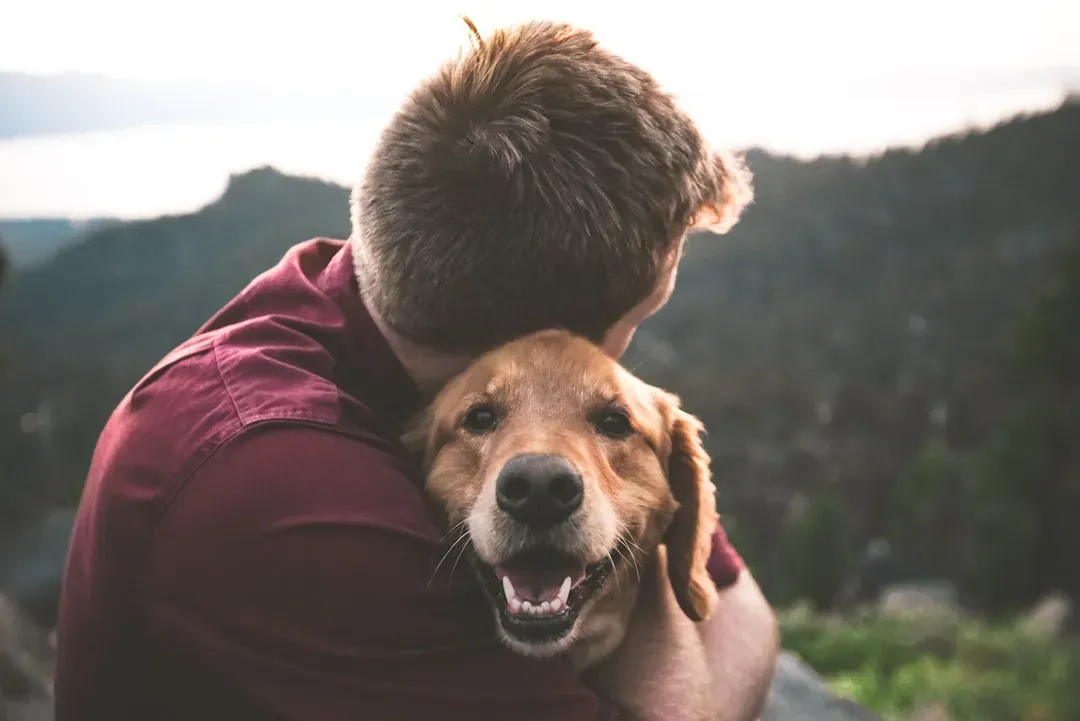
Some dogs don’t just sit beside you. They lean. Full body contact, pressing their weight into your side like a warm anchor. It’s a behavior that often intensifies when an owner is visibly distressed, and it’s one of the most physically grounding things a dog can do. Dogs are social animals hardwired for connection. In the wild, pack members maintain closeness through physical touch, leaning on each other, sleeping in piles, and using body language to reinforce trust. Resting their head or body on you is your dog’s way of continuing this ancestral practice, marking you as a beloved part of their inner circle.
Dogs have acquired human-like communication skills and, likely as a result of the domestication process, the ability to read human emotions. That full-body lean is a form of physical reassurance rooted in thousands of years of shared history between humans and dogs. Some people describe it as feeling held without arms. That description is not far off.
#8. They Become Quieter and Calmer Than Usual

Here’s something subtle that many owners notice but rarely talk about: when you start crying, a dog that was moments ago excitedly bouncing around will often go still. Their energy drops. Their posture softens. It’s as if they’re consciously matching your frequency. Research has found that dogs behaved differently depending on the owner’s emotional state: they gazed and jumped less at owners when they were sad.
This behavioral shift is not passive. Dogs don’t just observe your emotions; they can “catch” them too. Researchers call this emotional contagion, a basic form of empathy where one individual mirrors another’s emotional state. Your dog isn’t simply bored or tired. They’ve tuned into your sadness and adjusted their own behavior accordingly. That quiet, subdued version of your usually chaotic dog is one of the most telling signs they’re fully present with you.
#9. They Follow You From Room to Room
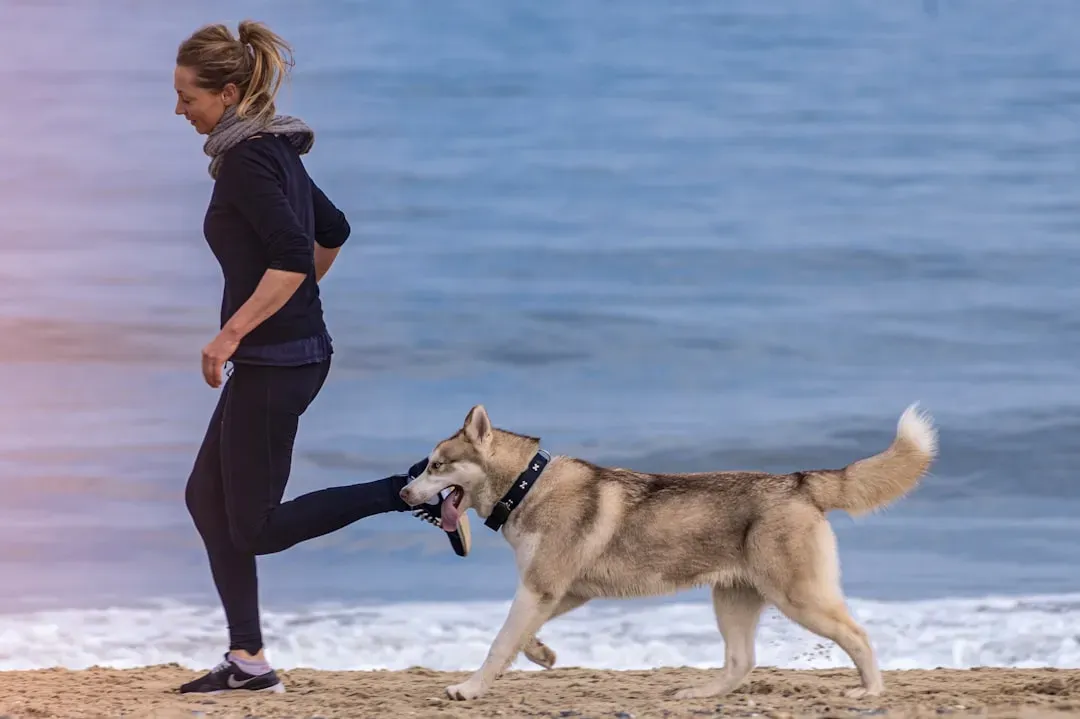
When you’re upset and start moving around the house, perhaps to grab tissues or pace or find somewhere to sit, your dog follows. Every single room. They’re not looking for food. They don’t need to go outside. They just don’t want to lose sight of you. Dogs are often unsettled by change in mood because it disrupts their understanding of the environment. If you’re normally calm and active but suddenly quiet and still, this change can be jarring to a dog who reads your energy as a signal of what’s safe and normal.
Dogs are thought to be very aware of people’s emotions, but a study has found that not only will some dogs comfort their owner, but they’ll also overcome obstacles to do it. Trailing you through the house is a low-key version of that same impulse. It’s surveillance driven by loyalty. The depth of your relationship is a significant predictor. Dogs with a secure, strong attachment to their owners are significantly more likely to approach and attempt to interact with a distressed owner.
#10. They Stay Close Long After You’ve Stopped Crying
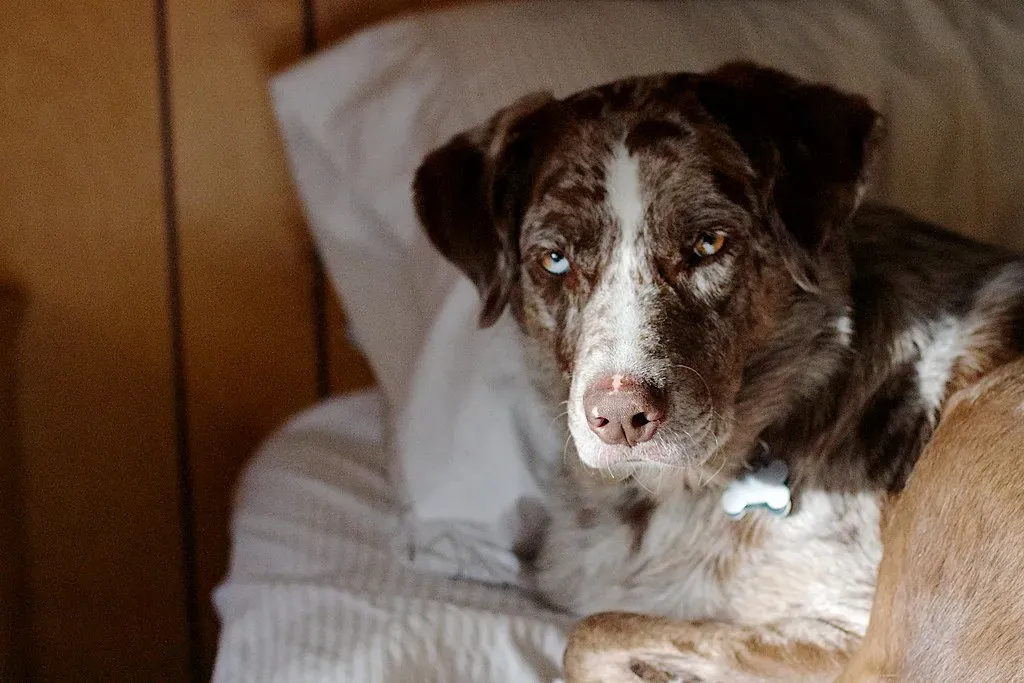
Maybe the most telling behavior of all happens after the tears have dried. Most people assume their dog will eventually wander off once things calm down. Often, they don’t. They stay curled against you, head on your lap, breathing slow and steady. Dogs who had opened the door when they heard their owners crying spent more time gazing at their owners afterward. This may suggest that “openers in the distress condition may have a stronger bond with their owner.”
Our dogs understand our emotions and communicate their understanding without us saying anything. When they gather this visual information and add it to our tone of voice when we do speak, they can communicate with us. That lingering presence after the storm is perhaps the most honest thing your dog offers you. Not a performance. Not training. Just a creature that has decided you’re worth staying near, even now, especially now.
What All of This Really Tells Us

In my opinion, the science around canine empathy is genuinely remarkable, but even without a single research paper, most dog owners already knew this. They felt it on a hard Tuesday night when no one else was around. The dog was there, doing the quiet things on this list, and somehow that was enough to make the room feel survivable.
Dogs probably aren’t pondering why you’re upset or realizing that you have distinct thoughts and intentions. Instead, they excel at picking up on what you’re projecting and respond accordingly. So dogs may not be able to read our minds, but by reading our behavior and feelings, they meet us emotionally in a way few other animals can. That’s not a limitation. That’s a gift.
What strikes me most is that dogs don’t need to understand the full story of why you’re hurting. They just need to know that you are. While the extent of their empathy may not match human complexity, their capacity for emotional attunement is profound, deeply rooted in biology, evolution, and shared history. That’s not nothing. On a hard night, that’s everything.


