
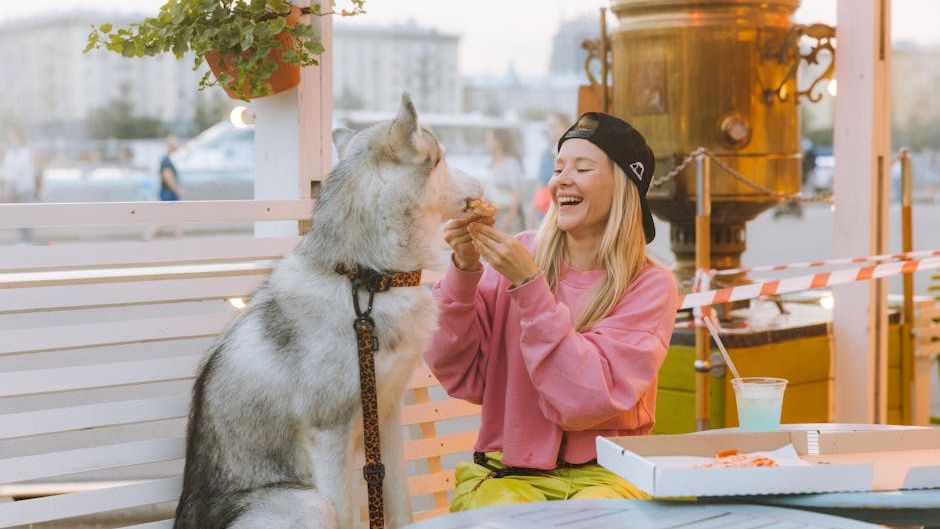
There’s a quiet kind of magic in watching a gray-muzzled dog perk up the moment you reach for their leash. The ears lift. The tail begins its slow, hopeful sweep. Something in their eyes shifts from sleepy to alert, and for a moment, age seems almost beside the point. It’s easy to assume that as dogs grow older, the list of things they enjoy shrinks down to nothing more than a warm nap spot. The truth is far more interesting than that.
As dogs age, their bodies and brains change, just like ours do. Energy levels shift, senses dull slightly, and routines become deeply important. What doesn’t change, though, is the capacity for genuine daily joy. Senior dogs still have a remarkably full emotional life, one built around small rituals, familiar smells, and the people they love most. These ten things are proof of that.
#1. The Morning Walk (Even a Short One)
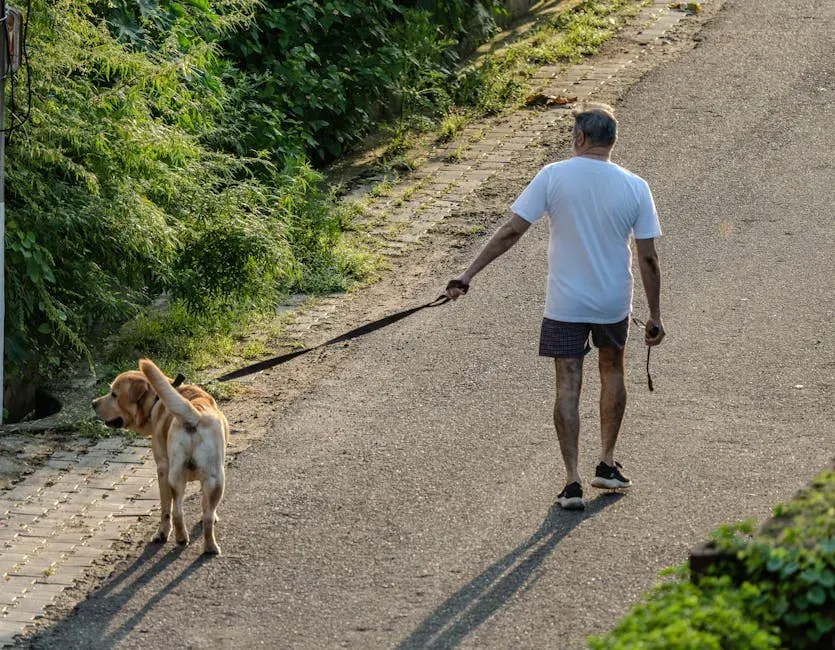
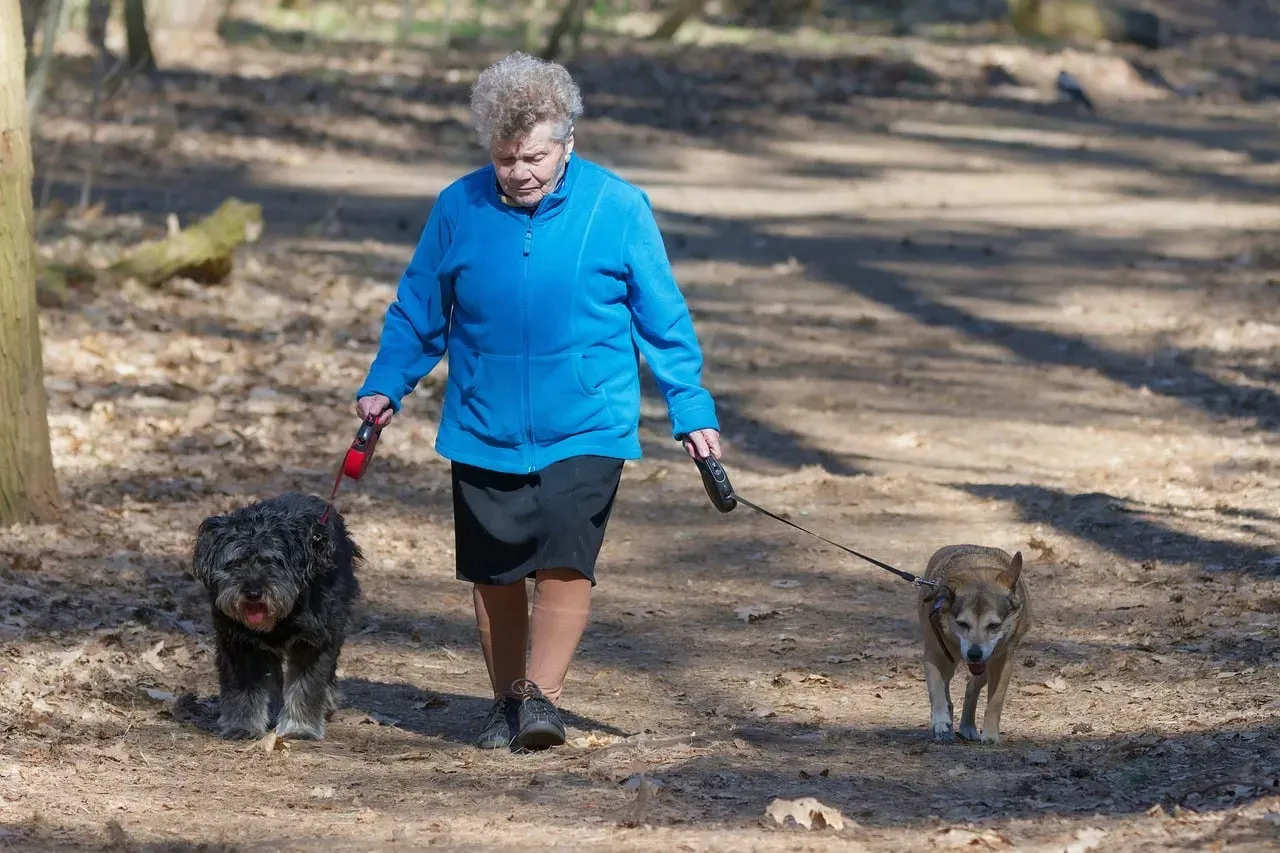
There’s something about the ritual of the morning walk that senior dogs never seem to tire of. Senior dogs still want to play games, get exercise, and go out to sniff the world every day. The pace slows down, sure, but the enthusiasm for getting out the door often doesn’t.
Consider slower strolls, low-impact activities like swimming, age-appropriate canine calisthenics like platform work, or gentle games of fetch or hide-and-seek. What matters most to your aging dog isn’t the distance covered. It’s the chance to be outside, with you, moving through a world full of fascinating things to investigate.
Daily walks, slow games of fetch, or gentle swimming are great ways to maintain muscle tone and prevent stiffness. Even short periods of movement promote better circulation and a happier mood. Think of the morning walk less as exercise and more as a daily appointment your dog has been looking forward to since sunrise.
#2. Mealtime, Every Single Time
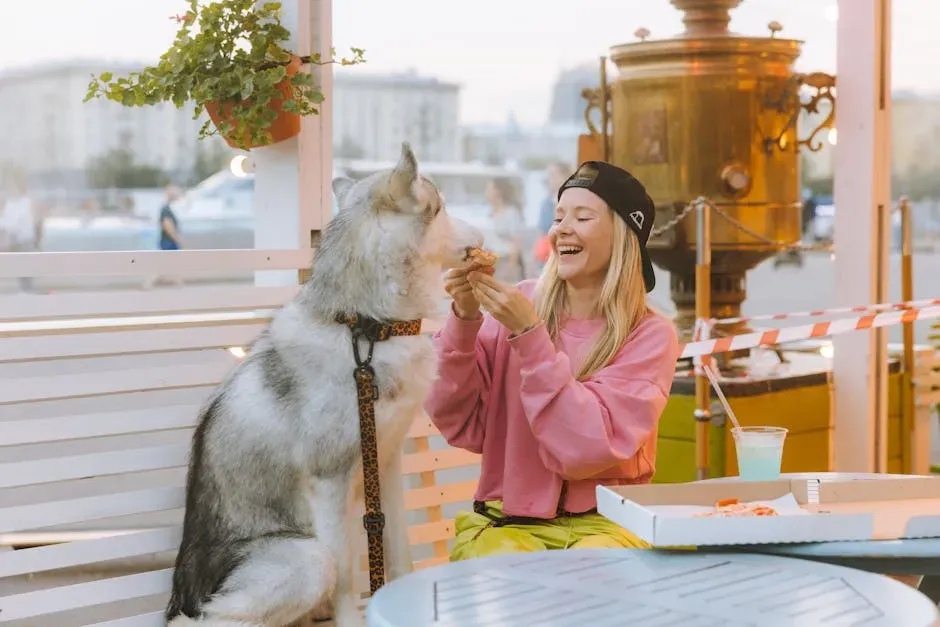
A dog with a healthy appetite is often a happy one. If your dog eagerly anticipates mealtime, wagging their tail and bouncing excitedly, it’s a good sign they’re thriving. Food isn’t just sustenance for dogs – it’s also a source of comfort and enjoyment. Senior dogs may slow down in many ways, but their enthusiasm at feeding time can remain surprisingly intact.
As dogs age, taste preferences can change and dental sensitivity may appear. A dog who once inhaled kibble may now inspect their bowl like a food critic. Rather than seeing this as a loss of interest, it’s often just a shift in how they experience food. As they get older, a dog’s dietary requirements change. It varies with breed and size, but at around seven your dog might benefit from gradually moving onto a diet designed for senior dogs. These diets provide the right nutrients and take into account that older dogs may be less active and use fewer calories.
#3. A Good, Long Sniff Session
If there’s one sensory pleasure that aging dogs never lose their love for, it’s sniffing. Most senior dogs love sniff walks where you let them explore at their own pace and track every scent. That slow, deliberate investigation of a patch of grass isn’t a delay – it’s genuinely the best part of their day.
Let your dog enjoy leisurely sniffing, too, as it is one way they communicate with their environment. For a senior dog whose vision or hearing may be fading, the nose becomes even more central to how they experience the world around them. The smells on a beach or in a new park bring great enjoyment to your dog. Letting them linger over a scent trail is one of the simplest, most generous gifts you can give an older dog.
#4. Cuddle Time and Physical Closeness
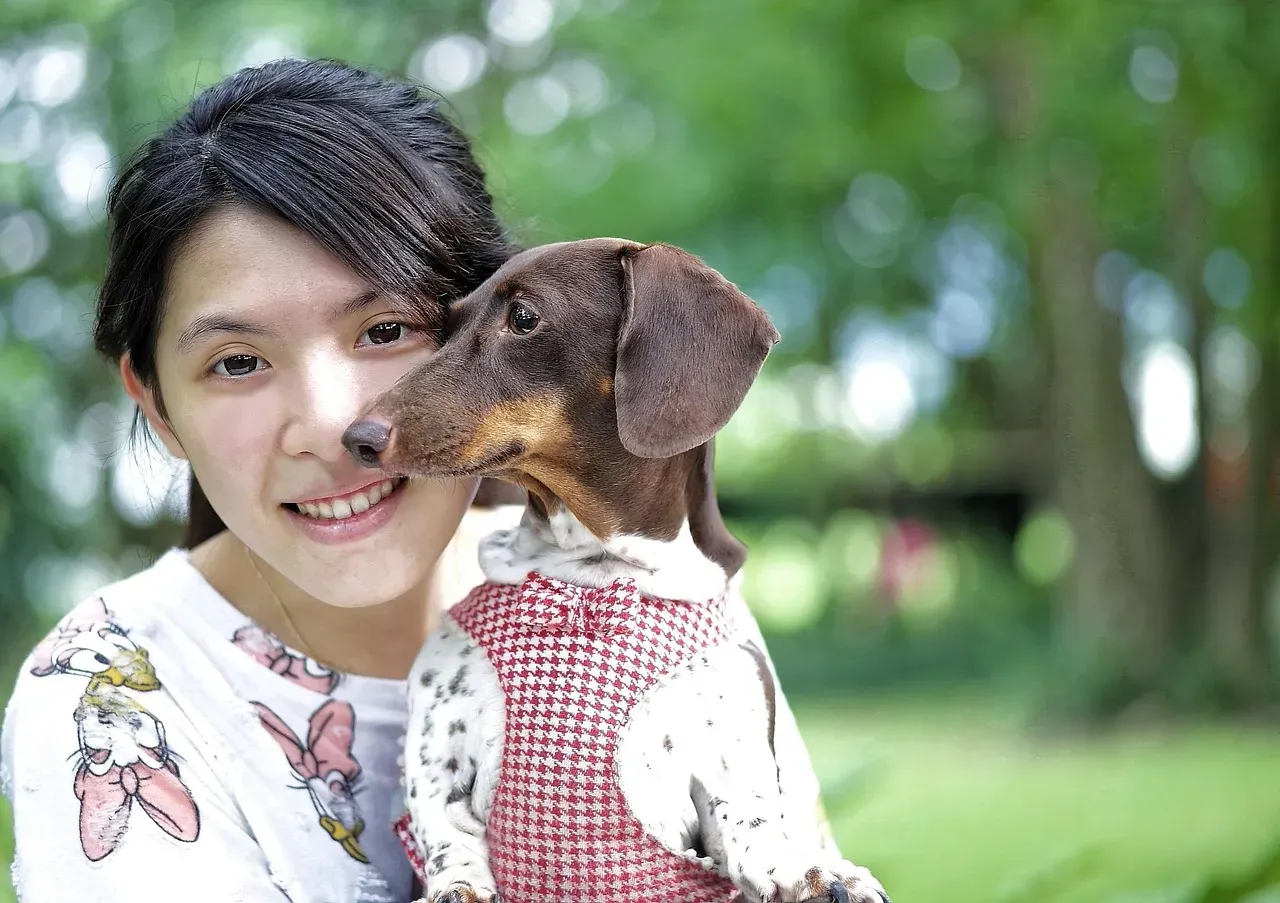
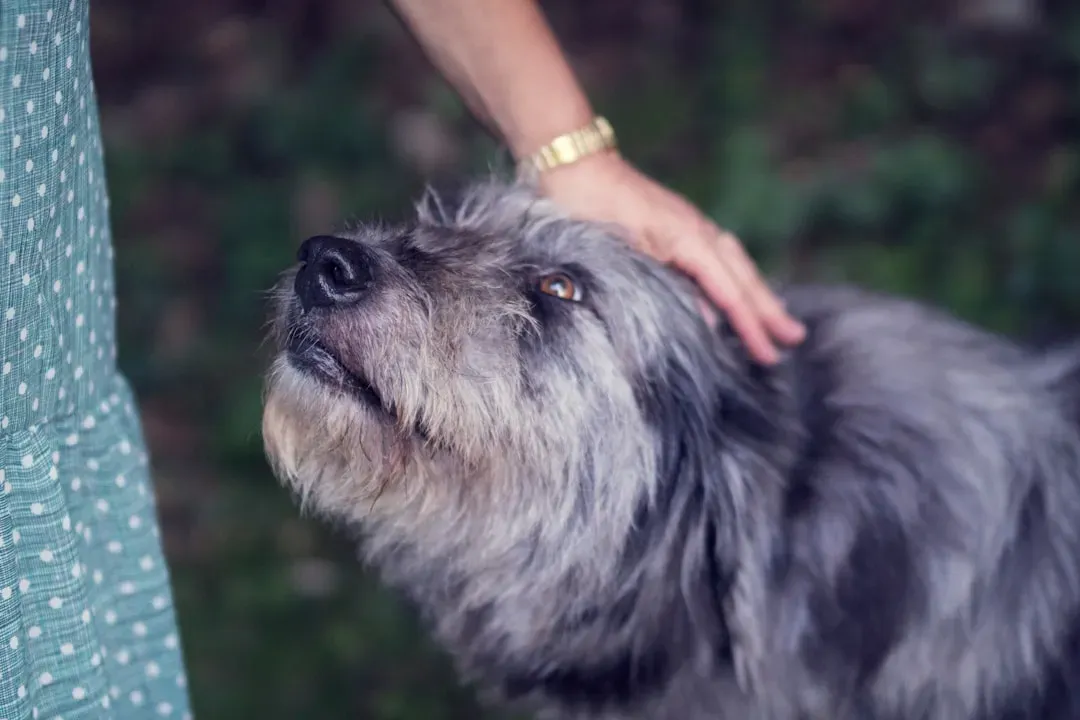
Many senior dogs become more affectionate or needier as they age. Cuddle with them a bit longer, take time for gentle petting, and keep them close when they want company. This isn’t clinginess so much as a deepening bond, one that has been building for years and is now at its richest.
Happy dogs make a lot of body contact. If your dog reacts, stays close, or even leans in toward your hand during petting, they’re enjoying the contact. For an aging dog, the warmth of a familiar hand, the comfort of a familiar lap, or just the quiet company of their person on the couch is something they genuinely look forward to every day. When a dog shows you its belly, it demonstrates trust and relaxation. If your dog loves snuggling on the couch or sleeping belly-up, it’s a sign it feels secure and loved. This level of vulnerability means it’s comfortable in its environment and trusts you completely.
#5. Mental Puzzles and Brain Games
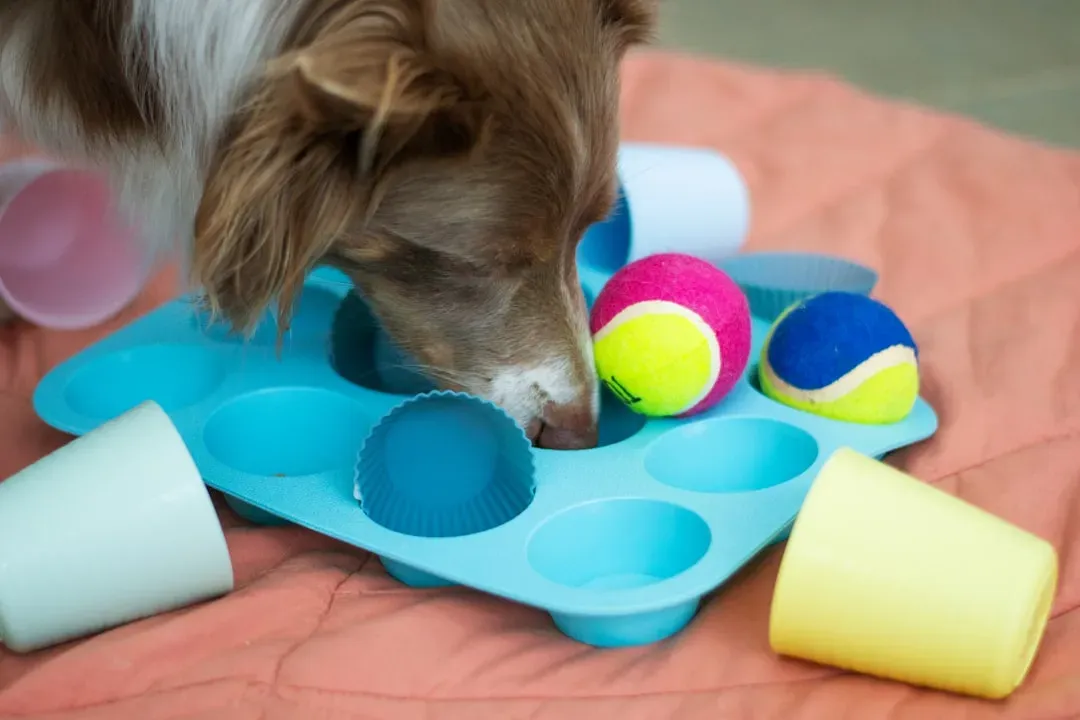
A slower body doesn’t mean a slower mind, and most senior dogs still crave the satisfaction of figuring something out. Senior dogs can suffer from age-related cognitive decline, including cognitive dysfunction syndrome, which is all the more reason to provide lots of enrichment opportunities. In fact, mental stimulation is a surefire way to prevent boredom, encourage engagement with you and the environment, and keep your dog happy.
To keep your older dog’s mind sharp, you can play dog-friendly brain games with them. For example, you can hide treats around the house and instruct your dog to sniff them out. These types of games offer great mental stimulation. Puzzle feeders, treat-finding games, and slow feeders turn an ordinary day into something genuinely engaging. You can offer food puzzles for your senior to exercise their mind and nose. The look of focus and satisfaction on a dog’s face when they crack the puzzle is one of the most rewarding things to witness.
#6. Learning Something New
Forget the tired old saying that you can’t teach an old dog new tricks. Forget the saying that “an old dog can’t learn new tricks.” Yes, they can! Stick to simple tricks, and always consider your dog’s current physical status. The learning process itself is stimulating, confidence-building, and deeply enjoyable for many senior dogs.
Sometimes older dogs enjoy learning new things. Look into positive dog training classes and ask the trainer about working with your senior dog. A weekly training class may become a real bright spot for your dog and help increase their quality of life. Even mastering a simple new hand signal or a gentle new routine gives a senior dog a sense of purpose. That sense of accomplishment matters more than most owners realize, and it carries real emotional weight for an older animal.
#7. A Comfortable, Safe Resting Spot
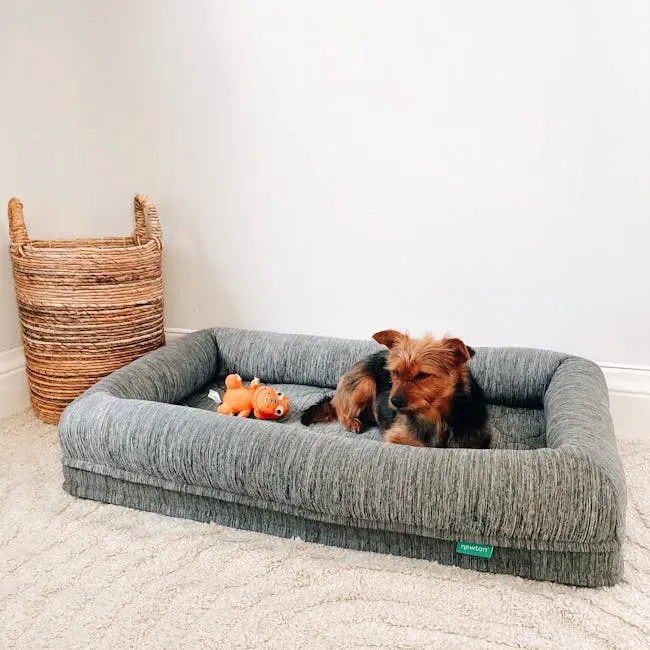
Rest isn’t laziness for a senior dog. It’s restoration. Older dogs may need more rest. Give them somewhere quiet where they won’t be disturbed by other pets or visitors. A soft, cosy dog bed away from draughts will help keep them warm and will be comfortable for aching joints.
Senior dogs often face challenges with mobility, so creating a comfortable environment is key. Orthopedic dog beds offer extra support and reduce pressure on joints, which can be a huge comfort for older dogs with arthritis or other joint issues. The moment your dog circles their favorite spot and finally settles in with a sigh, that’s contentment. Ramps or pet stairs can make furniture and vehicles easier to access, and an orthopedic bed can provide comfort for joints and muscles. Be sure to keep their sleeping area warm, quiet, and easily accessible.
#8. The Predictability of a Steady Routine
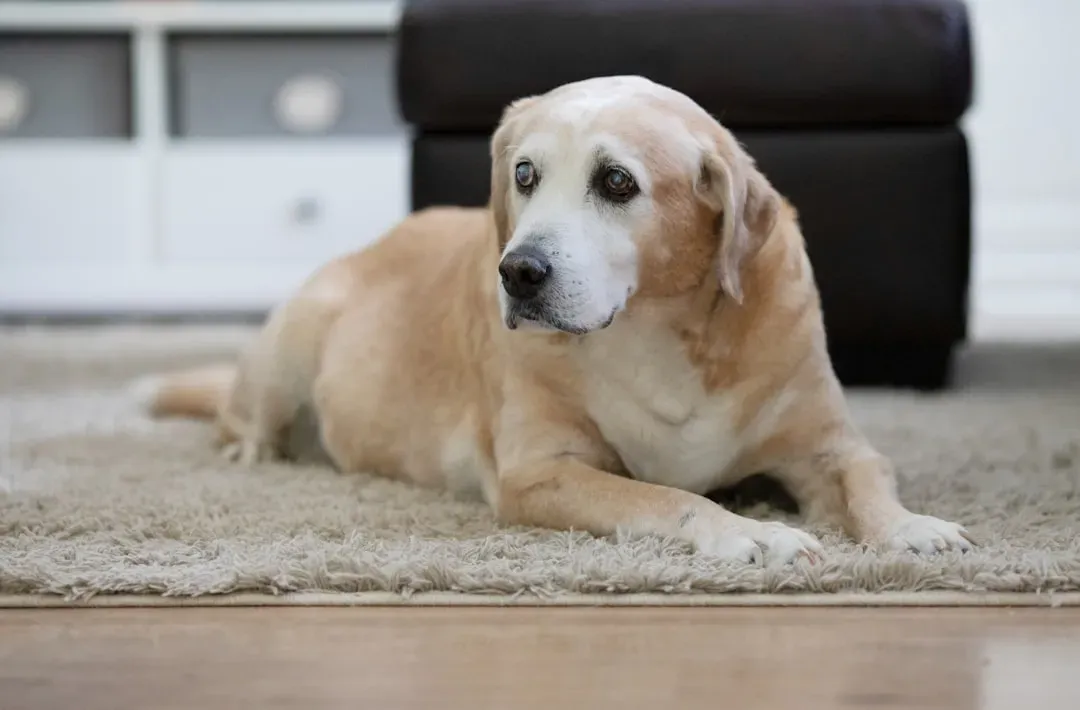
Routine is more than convenience for a senior dog. It’s a genuine source of comfort and emotional security. Senior dogs are not fond of changing routines, whether their sleeping schedule, evening walks, or dietary changes. Keeping up with sudden changes is difficult for them and can make them anxious and stressed.
Older dogs prefer to have a predictable routine, so try to minimise stress by avoiding too much change. There’s real joy in the familiar: the same walking route, the same feeding time, the same spot on the couch. Senior dogs often do well with consistent routines. Stick to regular feeding, bathroom breaks, and walk times to give them a sense of security. For a dog navigating a body that feels different than it used to, a predictable world is a deeply reassuring one.
#9. Gentle Grooming and Touch
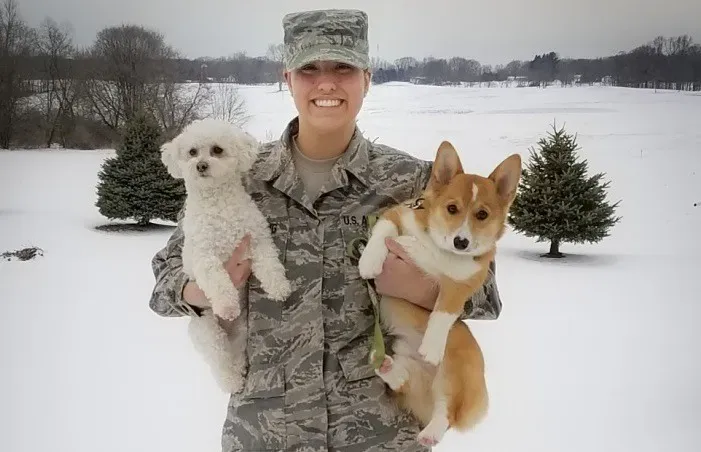
Grooming tends to get overlooked as a source of daily joy for older dogs, yet it checks so many boxes at once. Senior dogs want you to know they would appreciate a bit of extra grooming. As they stiffen with age, it can be hard for them to reach every area of their body, so help prevent matting with regular brushing and haircuts.
Gentle, regular grooming helps maintain comfort and provides an opportunity to check for new lumps, dry spots, or changes in their skin. Beyond the practical benefits, there’s a real emotional dimension to grooming. Grooming is wonderful bonding time. Keep grooming positive and pleasant and your senior dog will soak up the pampering. After all, every dog adores love and attention, especially seniors. A slow brush session is, for many older dogs, one of the most looked-forward-to moments of the day.
#10. Simply Being With You
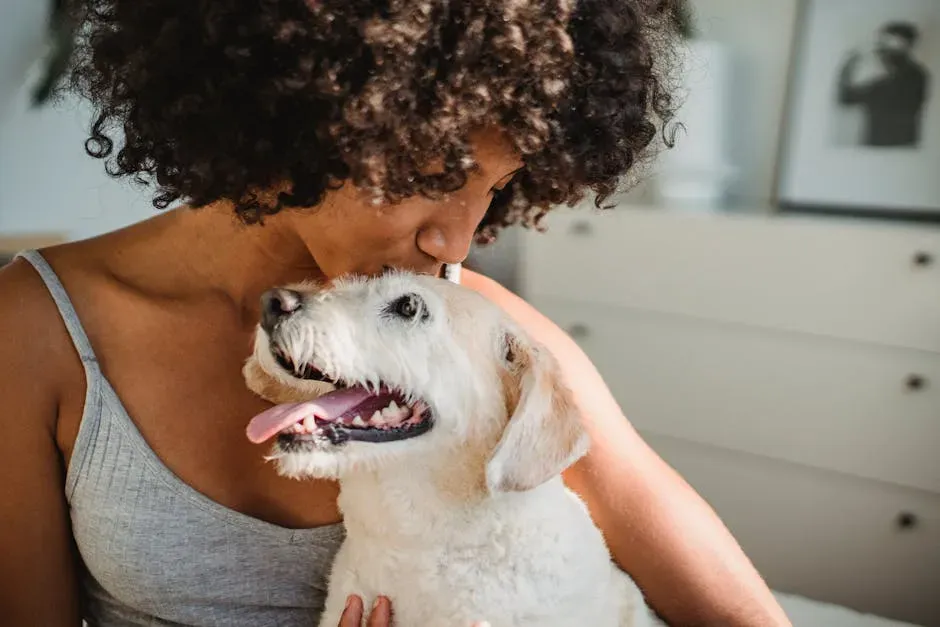
When everything else is stripped away, this is the one that matters most. Some senior dogs want to lay in a sunny spot and watch the world go by. They are happy with two or three meals a day and some quiet time with you, just sitting together. It sounds almost too simple. In reality, it’s the whole point.
When your dog looks at you with their soft, loving eyes, their brain releases oxytocin, which is the hormone of love and attachment. It is this same hormone that forms the unique bond between a parent and their newborn. Years of shared mornings, routines, and small moments build into something profound. Your dog’s senior years are an opportunity to deepen your bond and make more cherished memories. Your presence, your voice, your smell – these are the things your aging dog has built their sense of safety around, and they look forward to them every single day without exception.
A Final Thought Worth Sitting With
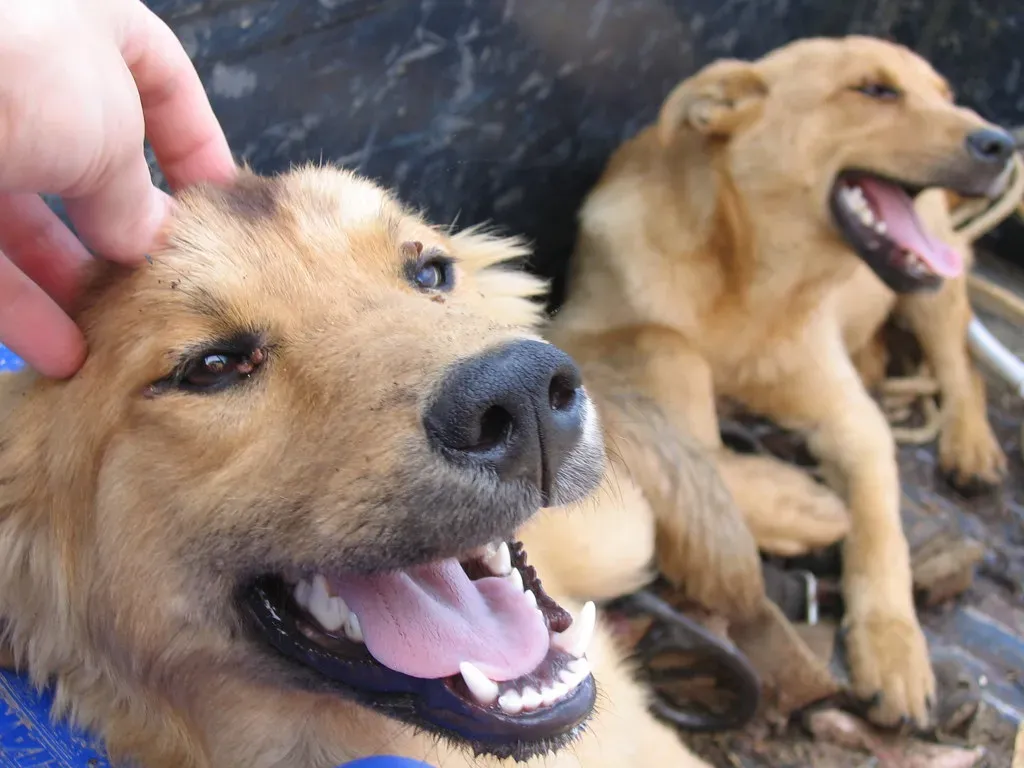
There’s a tendency, when a dog gets older, to mourn what they can no longer do. The long hikes, the frantic fetch sessions, the puppy energy that once filled a room. That grief is real and understandable. Still, it misses something important.
Senior dogs aren’t living lesser lives. They’re living slower ones, which is not the same thing at all. Senior dog quirks are not problems to fix. They are signs of a life well lived. Thoughtful enrichment keeps bodies moving gently, minds engaged, and hearts happy.
The gray muzzle, the cautious steps, the preference for a warm lap over a morning sprint – these aren’t signs of decline so much as they are signs of a dog who has arrived somewhere settled and full of trust. In the end, what your aging dog looks forward to each day is remarkably human: comfort, connection, and the quiet certainty that you’ll be there. Don’t underestimate how much that means to them.


