
10 Reasons the Dog That Chose You Is Not a Coincidence – According to Animal Behaviorists
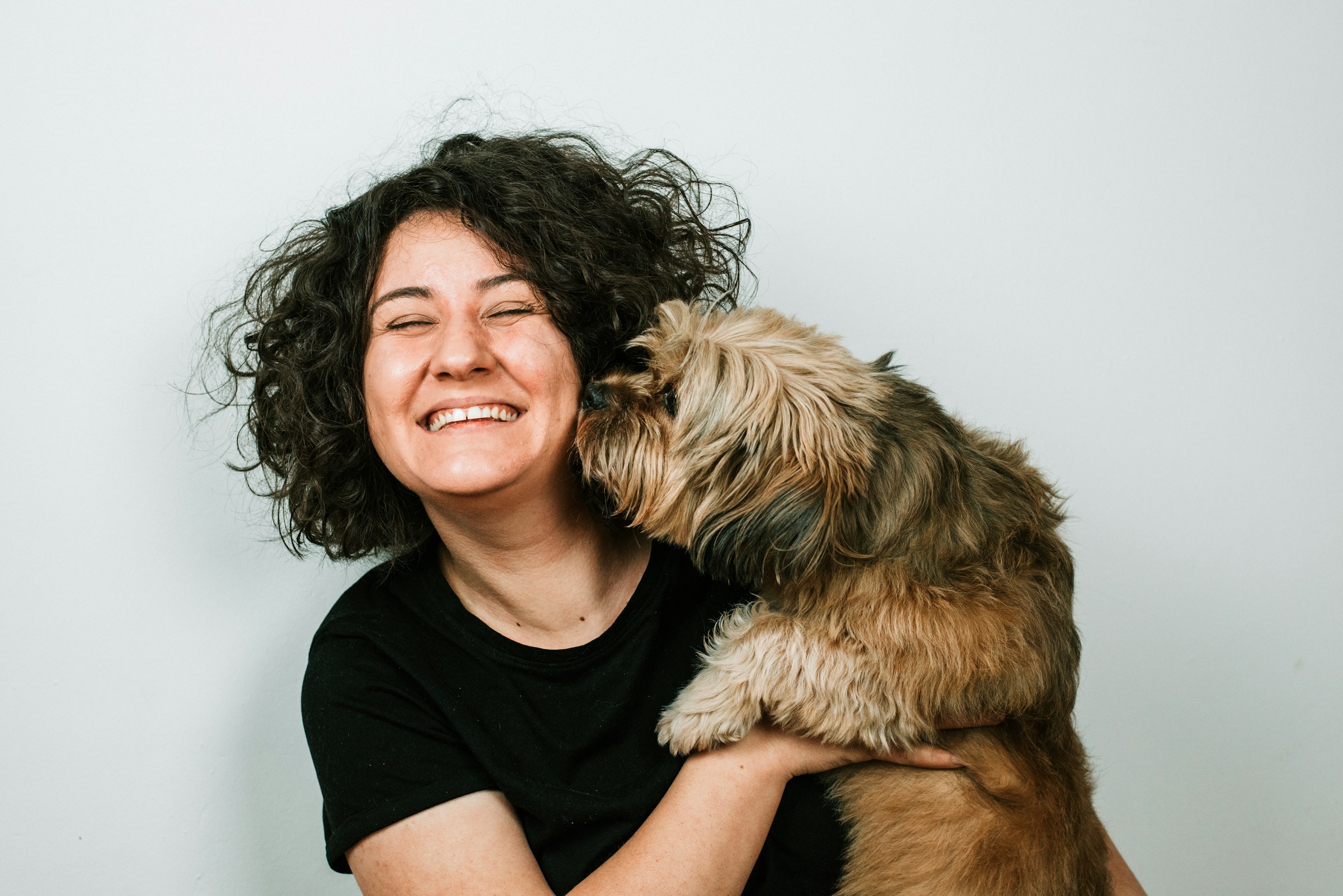
You know that moment: you walk into a shelter, a friend’s house, or a park, and there’s one dog that just beelines straight for you. Out of everyone in the room, they pick you. It feels random, but every time that dog curls up at your feet or follows you from room to room, it starts to feel like something more than chance.
Animal behaviorists would say you are not imagining it. While it is not magic or destiny in the fantasy sense, there are very real, deeply wired reasons why a particular dog gravitates toward a particular human. From your body language and scent to your emotional state and habits, you are giving off signals all the time – and dogs are experts at reading them.
1. Dogs Read Your Body Language Better Than You Think
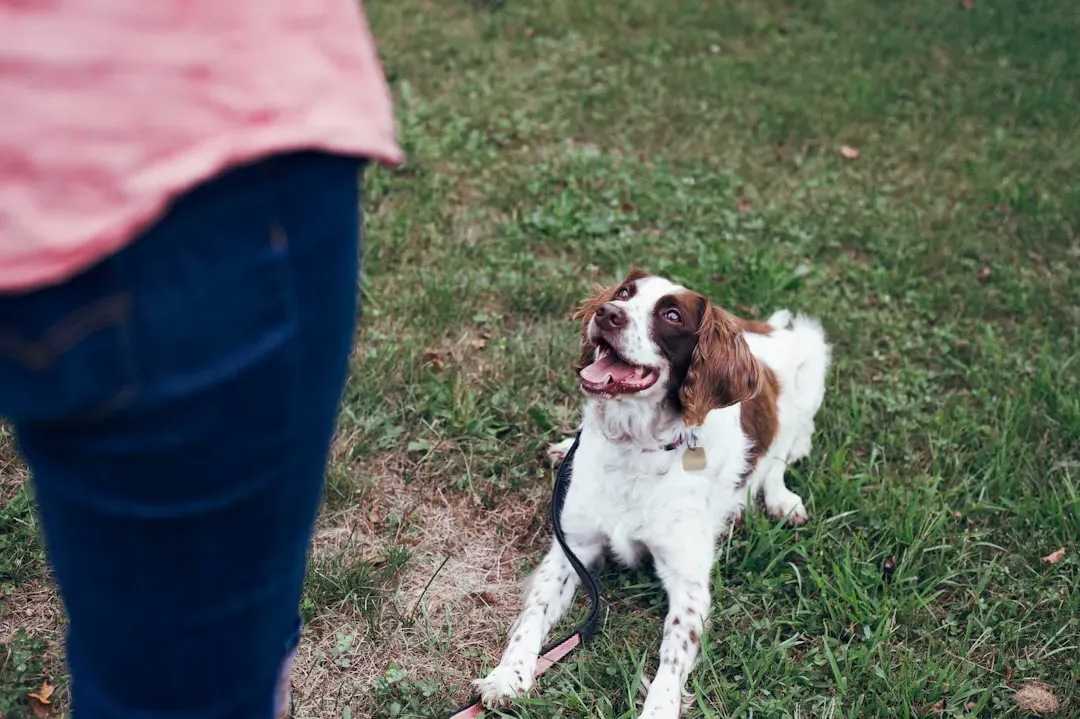
Here is something slightly humbling: before you say a single word, a dog has already formed a rough impression of you. Animal behavior research shows that dogs are incredibly sensitive to posture, eye contact, speed of movement, and even how you tilt your head. A relaxed stance and soft gaze often feel safer to them than stiff shoulders and staring eyes.
So when a dog crosses a room and heads straight for you, it is often because your body is quietly saying that you are safe, predictable, or interesting. You may be standing slightly sideways instead of head-on, or you might naturally crouch a little as they approach. These are tiny details you barely notice, but to a dog, they are loud and clear invitations.
2. Your Emotional State Changes How You Smell
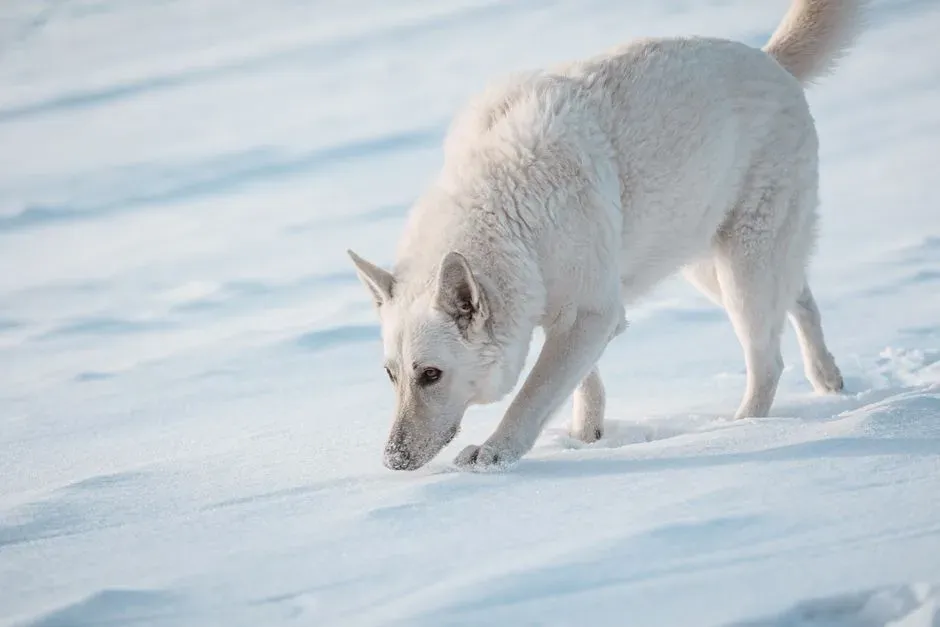
This one sounds wild, but behaviorists and biologists point out that emotions are not just in your head; they affect your body chemistry. Stress, fear, and calm all change your hormone levels, and that shifts your scent in subtle ways. Dogs have a sense of smell that makes ours look like a broken dial, so they pick up on these invisible changes easily.
Some dogs are drawn to calmer, steadier scents that go with low stress levels, while others seem almost magnetized to people who are anxious or upset, possibly because they have been reinforced for offering comfort before. When a dog chooses to lean against you or lie near you and not someone else, they may literally be responding to the emotional “signature” your body is giving off.
3. Your Energy and Movement Match Their Natural Tempo
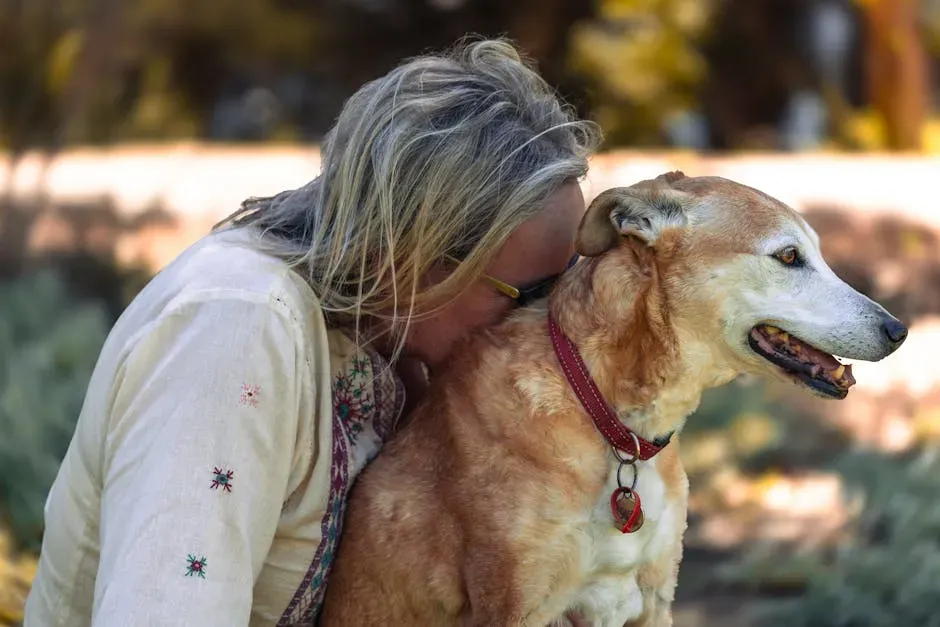
Every dog has what you could call a natural tempo: some are slow and thoughtful, others are buzzing like a live wire. People are the same. Animal behaviorists often point out that dogs gravitate toward humans whose movement patterns and energy level feel familiar or soothing to them. A high-energy herding dog may find a bouncy jogger far more interesting than someone glued to a couch.
On the flip side, a shy or nervous dog often feels safest around a quieter person who moves smoothly and does not make sudden gestures. If the dog that chose you happened to be the one with similar “speed settings,” it probably was not an accident. The way you walk, how fast you turn, how quickly you react – these make you feel either chaotic or comforting to a particular dog.
4. Dogs Are Experts at Reading Human Faces
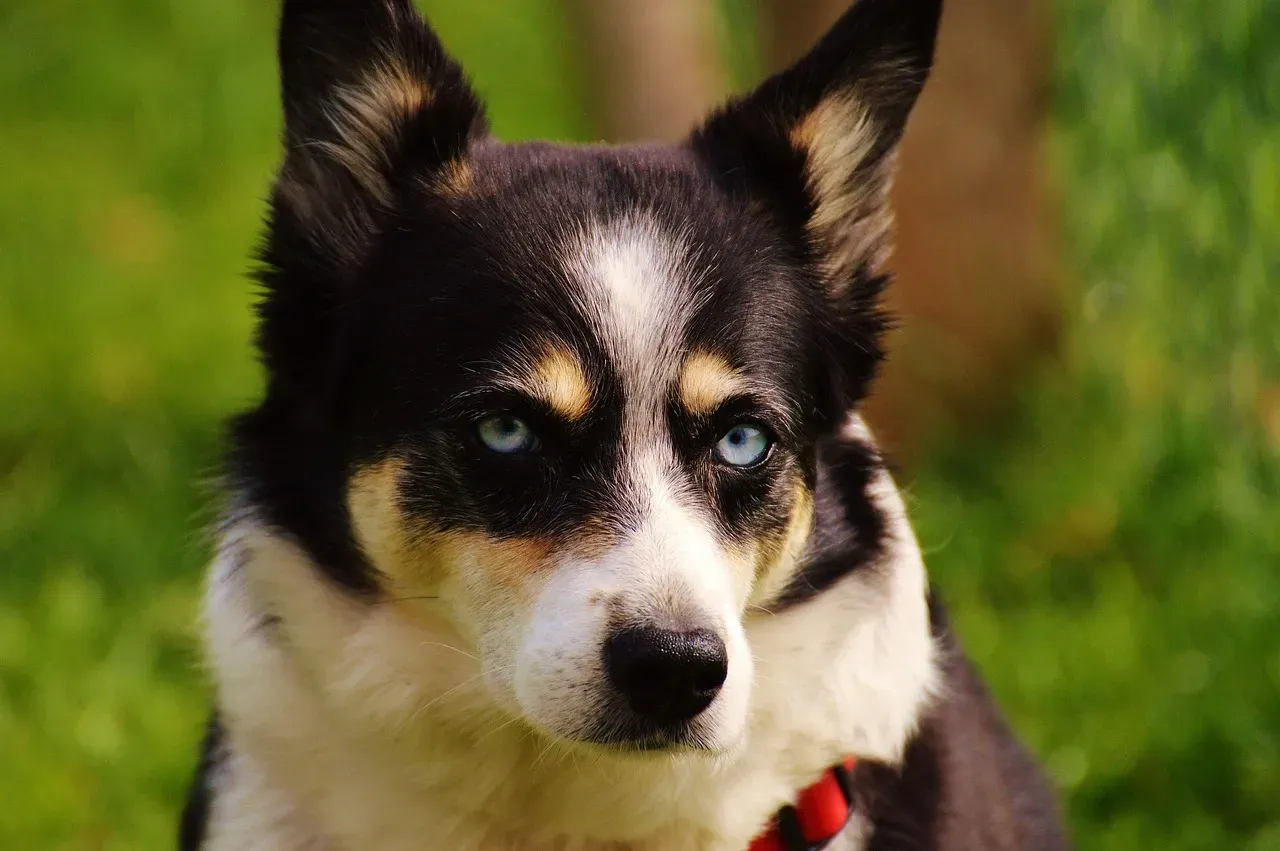
We like to believe we can hide what we are feeling, but our faces usually disagree. Research has shown that dogs can distinguish between happy, angry, and neutral human faces, and they respond differently to each. That means the dog that ran up to you when you smiled may have been making a very deliberate choice.
If you are the type who naturally softens your expression around animals – a slight smile, relaxed jaw, eyebrows not pulled tight – you look more approachable to many dogs. Over time, they have learned that relaxed faces predict kind hands, gentle voices, and maybe snacks. When one dog locks eyes with you and wags while ignoring others, your face might simply be the one that makes sense to them.
5. Your History With Dogs Changed How You Move Around Them
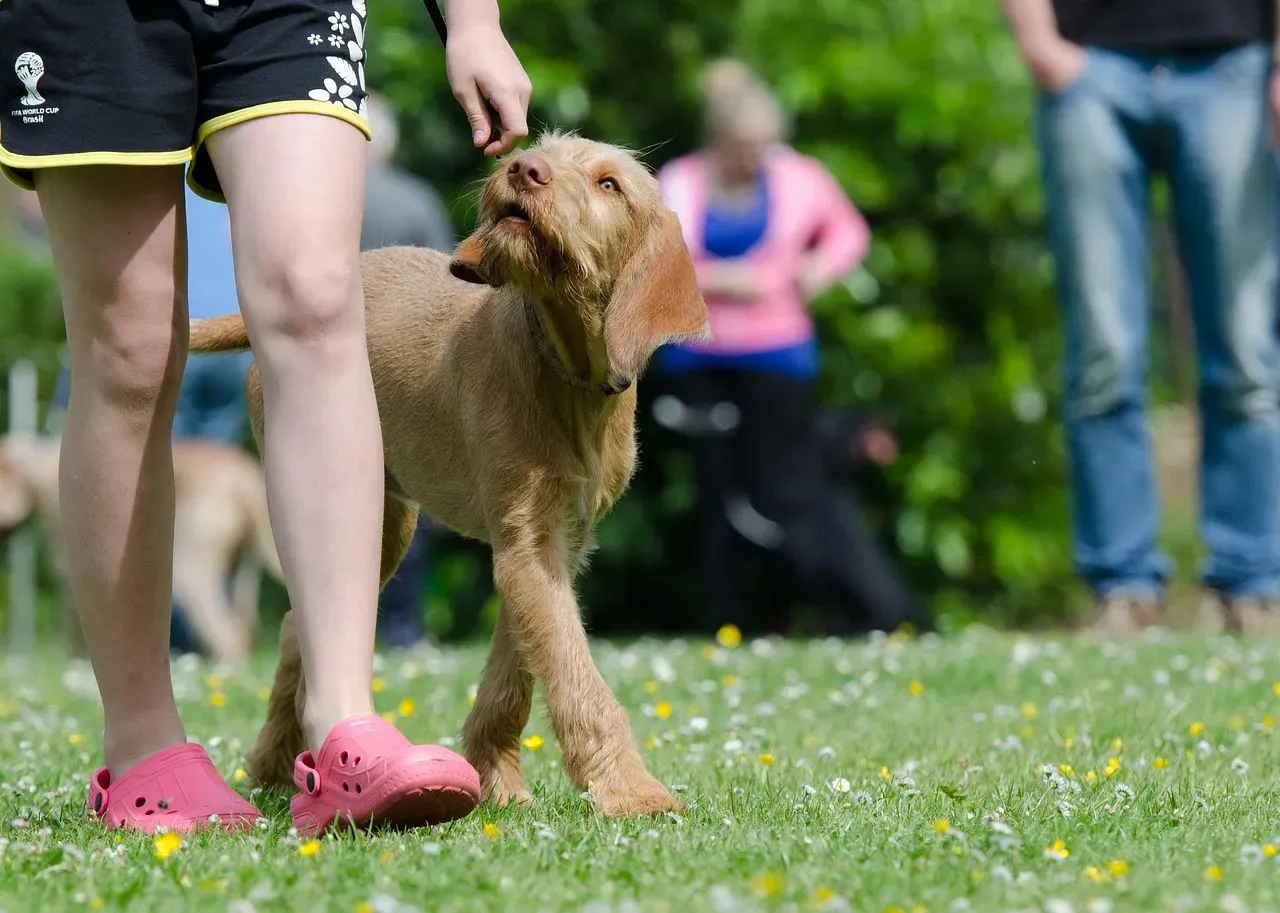
People who grew up with dogs tend to handle them differently without even thinking. They angle their bodies in friendlier ways, they pause to let the dog come to them, and they read subtle signals like lip-licking or head turns without needing a manual. Dogs notice all of this, and many naturally gravitate toward people who seem to “speak dog” a bit.
Even if you did not grow up with pets, maybe you had one powerful relationship with a dog at some point, or you simply admire them and pay attention. That history shapes how you reach out, how patient you are, and whether you crowd their space or give them time. The dog that chose you might be recognizing those learned skills and gravitating toward the person who makes their world feel understandable.
6. Your Routine and Lifestyle Fit Their Needs
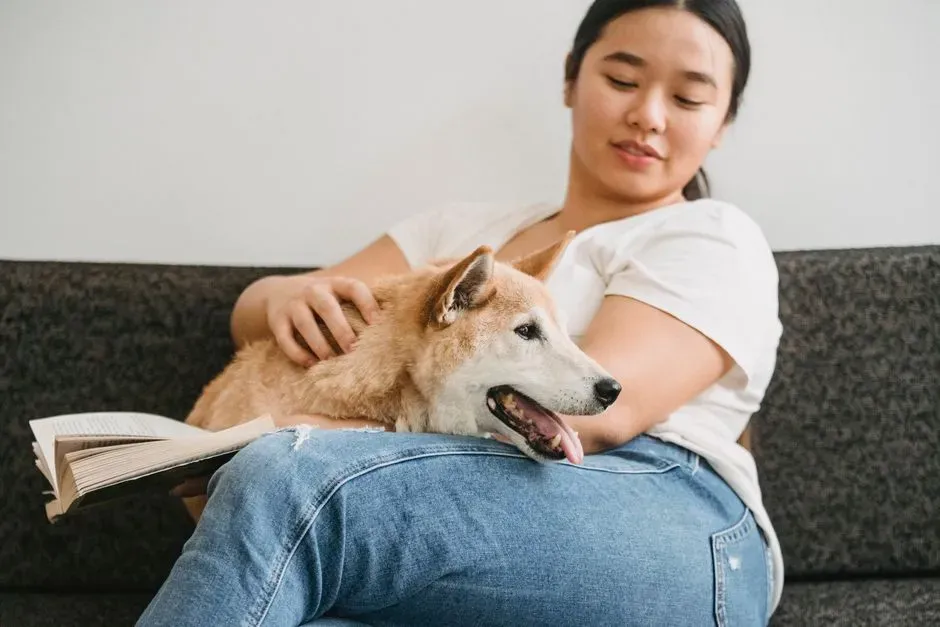
Animal behaviorists talk a lot about compatibility between a dog’s needs and a human’s lifestyle. A young, high-drive dog tends to do better with someone who likes walks, hikes, or at least regular play, while a senior dog might prefer someone who works from home and enjoys quiet evenings. Dogs learn quickly who in their environment provides what they need most often.
If a dog repeatedly curls up next to you, follows you around, and seeks you out over others, they might be responding to the fact that your daily rhythm fits them. You may be the one who gets up early, goes outside often, or spends more time on the floor at their level. From the dog’s perspective, choosing you is a smart survival strategy, not just a sweet moment.
7. You Reinforce Their Behavior Without Realizing It
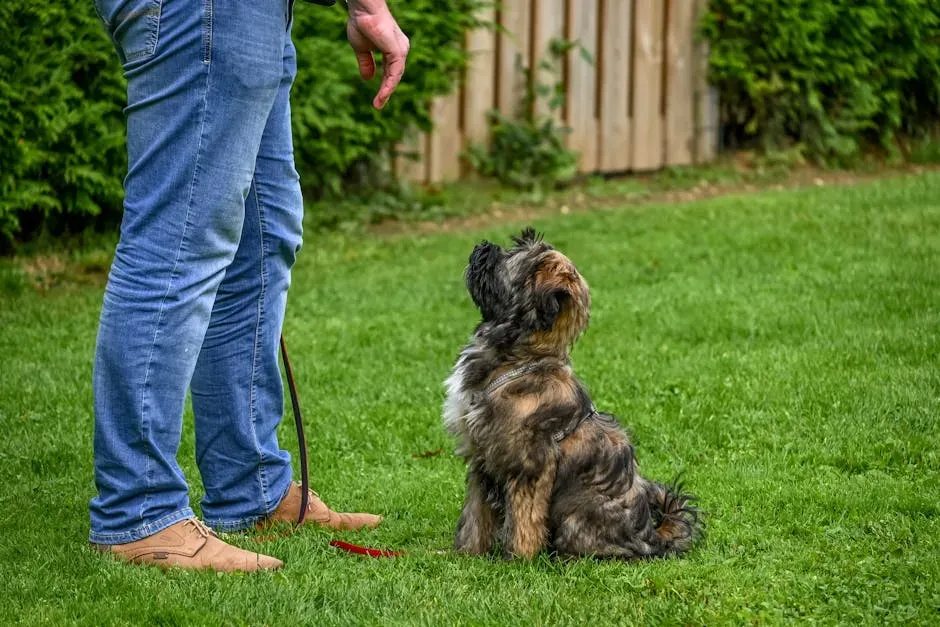
Here is the slightly uncomfortable truth: the dog that chose you might have simply trained you faster than you trained them. Any time a dog approaches and you give them affection, attention, or even eye contact, you are reinforcing that behavior. Over days and weeks, they build an invisible map labeling you as the person who “pays off” most often.
You might think you are being neutral, but even a small smile, a gentle word, or moving your leg so they can lie closer counts as a reward in their world. Other people in the room might ignore them or set boundaries quickly, while you unconsciously roll out the red carpet. From a behavior perspective, that dog is not randomly obsessed with you – they are following the data you gave them.
8. Dogs Are Drawn to People Who Respect Their Boundaries
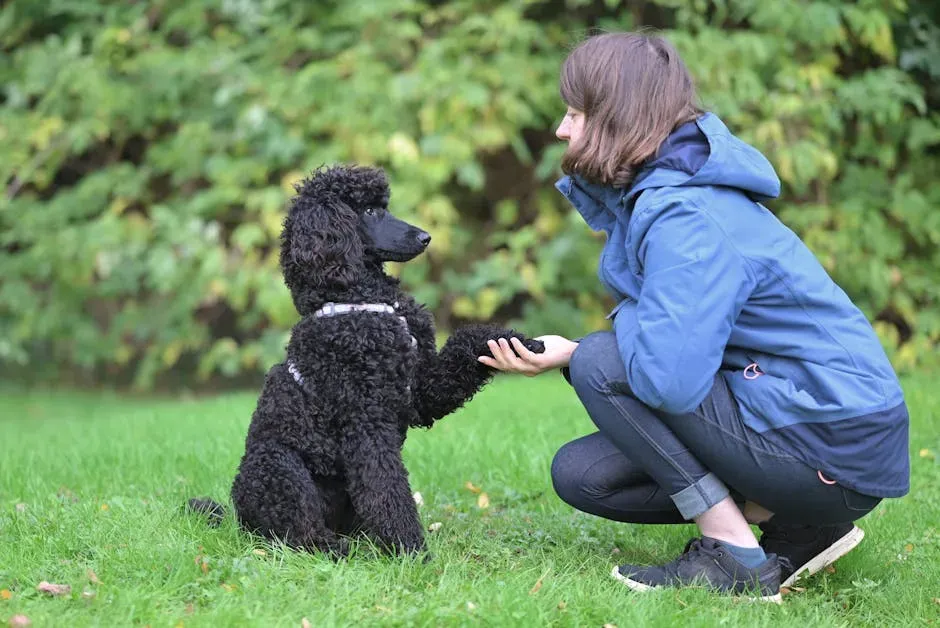
Not every dog loves being rushed, grabbed, or stared at directly. Many feel safer with people who give them a bit of space at first and let them make the first move. Behaviorists often encourage what is called choice-based interaction: letting the dog come closer when they are ready instead of forcing contact. If that is how you naturally behave, nervous or sensitive dogs are far more likely to choose you.
Maybe you are the one who sits sideways, talks quietly, and lets your hand rest loosely instead of reaching over their head. For a dog that has learned humans can be overwhelming, you are the safe harbor in a crowded room. That “instant connection” you felt might have been the dog recognizing that you, unlike others, actually listened to their subtle no thanks signals.
9. Social Dogs Notice Who Other Dogs Like
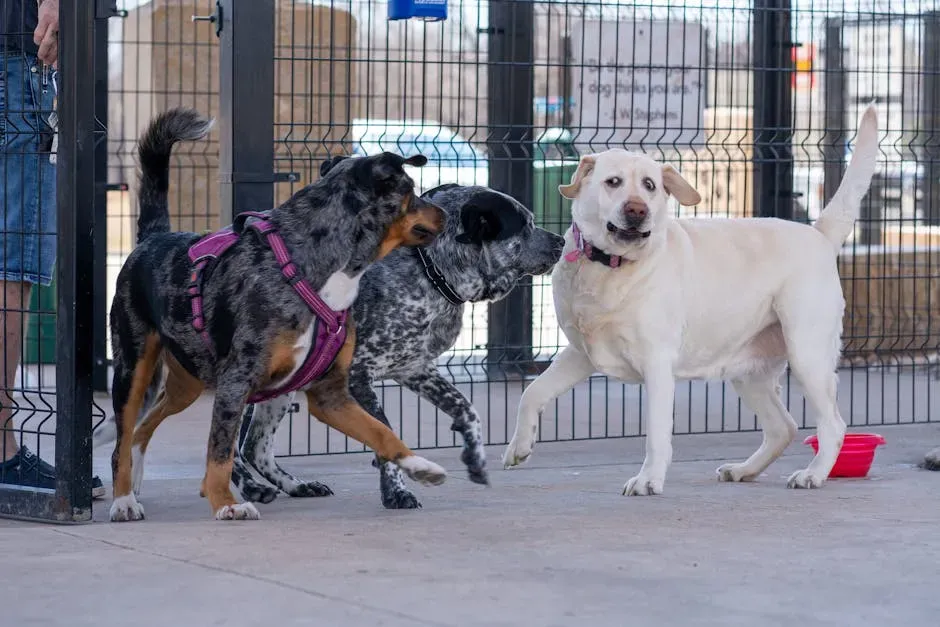
Dogs are incredibly social learners. They watch what other dogs do and copy choices that seem to work well. If other dogs in your life already enjoy you, the new dog that chose you may simply be following their lead. To them, you are clearly labeled as “approved” and “safe,” which takes a lot of guesswork out of deciding who to approach.
In multi-dog homes, it is common to see a shy newcomer shadow the dog who is most confident around humans. If that confident dog adores you, the new one will probably end up at your feet sooner or later. It feels a bit like a romantic story, but under the surface it is very practical: dogs take recommendations from other dogs seriously.
10. There Is a Feedback Loop Between Your Personality and Theirs
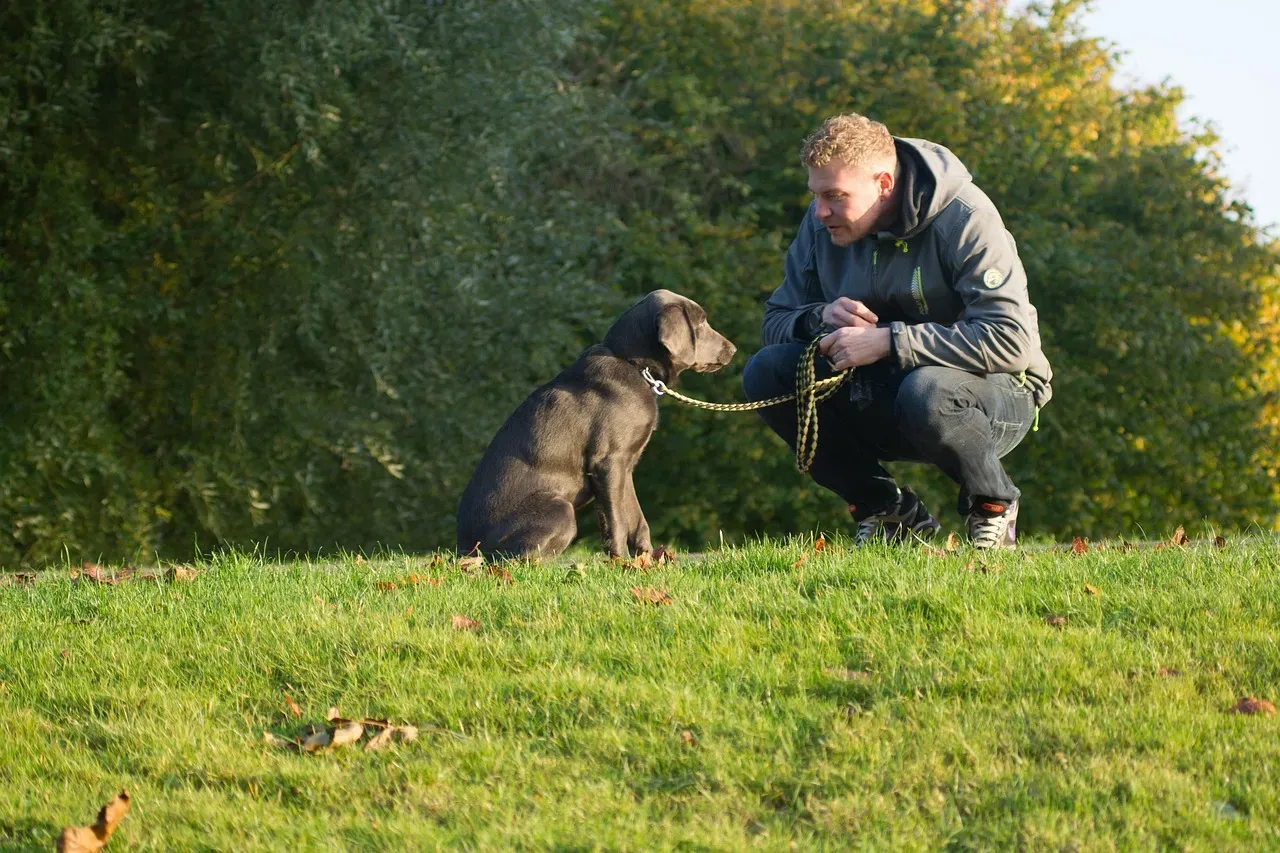
Over time, dogs and humans living together start to influence one another’s behavior. Your routines shape their habits, and their responses shape yours. Behaviorists sometimes talk about this as a feedback loop: calm people often end up with calmer dogs, while more intense personalities can amplify an already excitable dog. The dog that chose you may have sensed, even in your first meeting, that your personalities would fit together well enough to create that loop.
Maybe you are introspective and they are steady and comforting, or you are playful and they are goofy and open. When you clicked, it might not have been mystical destiny, but it was not random either. Two sets of traits met at the right moment, fit like puzzle pieces, and then reinforced each other until “this is my dog” felt like the only possible truth.
Conclusion: Not Magic, But Definitely Not Random
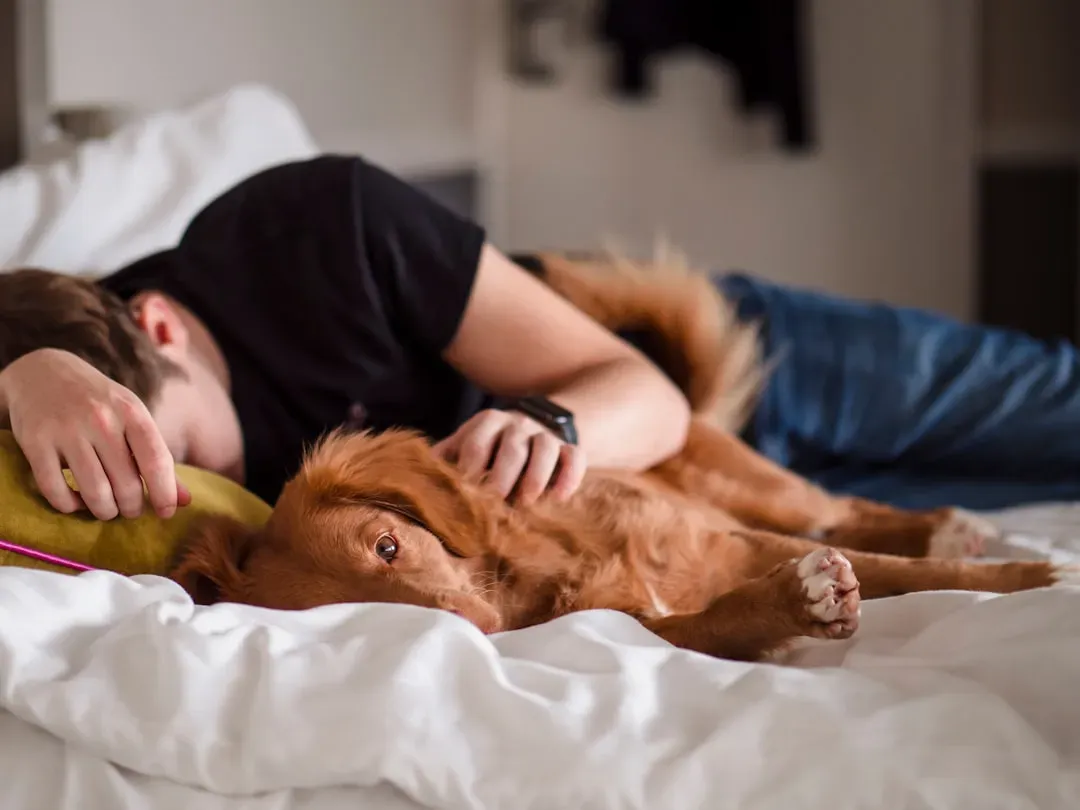
When you zoom out and look at it through the lens of animal behavior, the dog that chose you was probably responding to a whole web of things: how you move, how you smell when you are calm or stressed, how you look at them, how you respect their space, and what your lifestyle offers them. None of that is mystical, but it also is not cold or mechanical. It is a quiet, layered kind of compatibility that feels a lot like fate from the inside.
Personally, I find that even more beautiful than the idea of pure coincidence. It means your bond is built on real understanding, even if neither of you could explain it in words. So the next time your dog curls up against you like you are the only safe place on the planet, maybe ask yourself: given everything they can sense about you, how could they have chosen anyone else?