
10 Reasons Why Dogs Who Are Ignored Become Either Destructive or Silent – And What the Difference Means
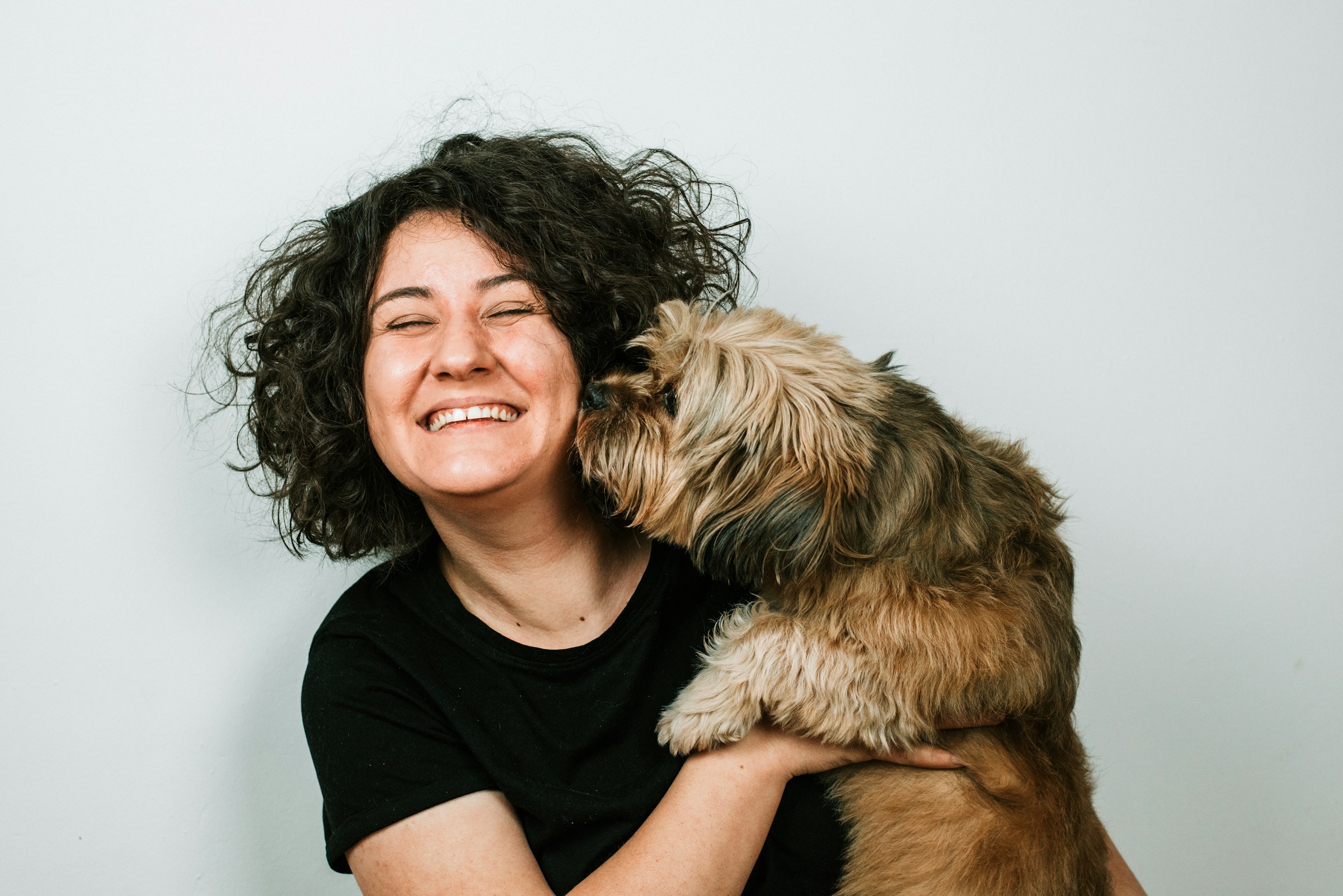
There’s something quietly heartbreaking about a dog who has simply stopped trying. On the flip side, there’s something deeply frustrating about a dog who seems to be “acting out” all day long. What most people miss is that these two extremes – the destructive tornado and the ghost‑quiet dog – are often different responses to the same thing: feeling ignored, unseen, or emotionally disconnected from their humans.
In other words, your dog is not just being “bad” or “weird.” They are communicating. The problem is that destructive dogs tend to get noticed fast, while shut‑down, silent dogs often slip under the radar and are called “easy” or “well behaved.” Once you understand what’s really going on in both cases, you can start responding in a way that actually helps your dog feel safe, calm, and understood.
1. Attention Is a Basic Need, Not a Luxury

Here’s the uncomfortable truth: for a social animal like a dog, emotionally being ignored can feel as serious as being underfed. Dogs evolved alongside humans, and over many generations, they’ve become wired to seek our eye contact, our voice, our touch, and our presence as core parts of their security system. When those things are missing, their nervous system does not just shrug; it scrambles to cope.
Some dogs respond to this gap with destructive behavior – chewing, digging, shredding – because any reaction from you is better than silence. Others go the opposite way, becoming eerily still and quiet, almost as if they’ve decided there’s no point in asking anymore. The difference is not in how much they “care,” but in how their individual temperament and coping style kick in when that deep need for connection goes unmet.
2. Hyper‑Attached Dogs Act Out, Sensitive Dogs Shut Down

Just like people, dogs have different personalities. Some are bold and pushy, others anxious and cautious, and some are naturally more independent. When a dog with a more outgoing or attention‑seeking temperament feels ignored, they’re more likely to ramp things up: barking in your face, tearing up the couch, or stealing things just to spark a chase. Destruction becomes a last‑ditch way of saying, “Notice me. Do something. Anything.”
More sensitive or anxious dogs, on the other hand, are more likely to fold inward when they don’t get responses from their humans. They may become unusually quiet, hide more, sleep more, or stop initiating play. This silent response often gets mislabeled as the dog being “good,” “chill,” or “no trouble,” when in reality it can be a form of emotional shutdown. The same wound – feeling unseen – just expresses differently depending on the dog’s wiring.
3. Frustration Has to Go Somewhere – Chaos or Collapse

Imagine being stuck in a room with someone you love, trying to talk to them all day while they stare at a screen and barely look up. You’d feel tension building in your body, even if you said nothing. Dogs feel a similar kind of frustration when their attempts at interaction – nudging your hand, bringing toys, pawing gently – are regularly brushed off or ignored.
In some dogs, that inner pressure explodes outward: they zoom around, rip up pillows, chew furniture, or dig obsessively because their body is buzzing and they have nowhere else to put it. In other dogs, the same tension “implodes” instead of exploding. They get flat, quiet, and withdrawn – a kind of emotional collapse where it looks like nothing is happening, when in reality there is simply no energy left to try. The destructive dog externalizes the storm, the silent dog swallows it.
4. Learned Helplessness vs. Learned Mischief

Over time, ignored dogs start learning patterns. A destructive dog may discover that if they drag your shoe into the living room and start chewing it, you appear instantly and pay a lot of attention, even if it’s negative. From a behavioral perspective, that attention can accidentally reinforce the chaos. The dog learns that loud, messy behavior is the only reliable way to break through the wall of being ignored.
Silent dogs often learn the opposite lesson: nothing they do seems to make a difference. They bring a toy – no one plays. They whine – no one responds. They eventually stop trying, a state known in behavioral science as learned helplessness. On the outside, this can look like an easy dog who “never causes trouble.” Inside, it can be a sign that the dog has concluded that their behavior has no power to change their world, which is a heavy, sad place to live.
5. Activity Needs Get Misread as “Bad Behavior”

Many dogs who seem destructive are not “naughty” so much as completely under‑stimulated. Working breeds, young dogs, and highly energetic individuals need both physical and mental activity the way we need fresh air and movement. If that need is ignored – long days with no play, no training, no sniffing walks, no puzzle toys – the energy backs up like pressure in a pipe.
Some dogs will burst that pipe dramatically by tearing things apart, often in the very moments when they’ve been most ignored or under‑engaged. Others respond to chronic under‑stimulation with eerie quiet: they sleep more, move less, and appear calm. But that stillness can be less “zen” and more a sign of giving up on getting their needs met. The destructive dog is yelling that their activity needs are being dismissed, while the silent dog has stopped mentioning them altogether.
6. Emotional Safety: Loud Protest vs. Quiet Numbing

When dogs feel emotionally safe, they show a natural range of behaviors: play bows, goofy zoomies, relaxed sleep, interest in exploring, and a willingness to check in with their human. Ignoring a dog consistently – whether physically, emotionally, or both – chips away at that sense of safety. The world becomes less predictable, and their human feels less like a secure base and more like an unreliable background object.
Some dogs respond by protesting loudly through destructive behavior, as if they’re constantly rattling the cage of the relationship. Others do the emotional version of turning the volume all the way down. They move slowly, react less, and may lose sparkle in their eyes. The difference is that one dog still believes, on some level, that their voice might matter if they shout loudly enough, while the other has decided that emotional numbness is safer than constant disappointment.
7. Body Language: The Dog that Screams vs. the Dog that Whispers

Destructive behavior is like your dog shouting in capital letters: “I am not okay right now.” The signs are hard to miss – shredded cushions, scratched doors, overturned trash, claw marks where they tried to escape a closed room. Owners usually react quickly, even if with anger, because the damage is visible and expensive. The dog is impossible to ignore, which is ironically the very point.
Silent dogs, by contrast, “whisper” through their body language. They may avoid eye contact, move slowly when called, hesitate before coming close, or lie in corners instead of near their humans. Many people mistake this for politeness or independence, but these can also be signals of withdrawal or low‑grade distress. The destructive dog makes its pain obvious. The quiet dog hides it in small, easily missed signals that only become clear once you start looking more closely.
8. Past Experiences Shape Whether They Fight or Freeze

A dog’s history plays a huge role in how they respond to being ignored now. Dogs who have lived in busy homes where acting out got them attention may lean toward destructive, “big” behaviors when they feel sidelined. They’ve learned that barking, grabbing things, or making a mess at least brings humans into the picture, and that feels better than disappearing into the background.
Rescue dogs or those from harsher environments sometimes do the opposite when ignored: they default to freezing and silence because, in their past, drawing attention could have been scary or dangerous. For these dogs, staying small and quiet feels like self‑protection. Both types may be equally distressed by feeling ignored, but their past has trained them to pick either fight (destruction) or freeze (silence) as their go‑to strategy for surviving emotional neglect.
9. Human Responses Can Accidentally Lock the Pattern In
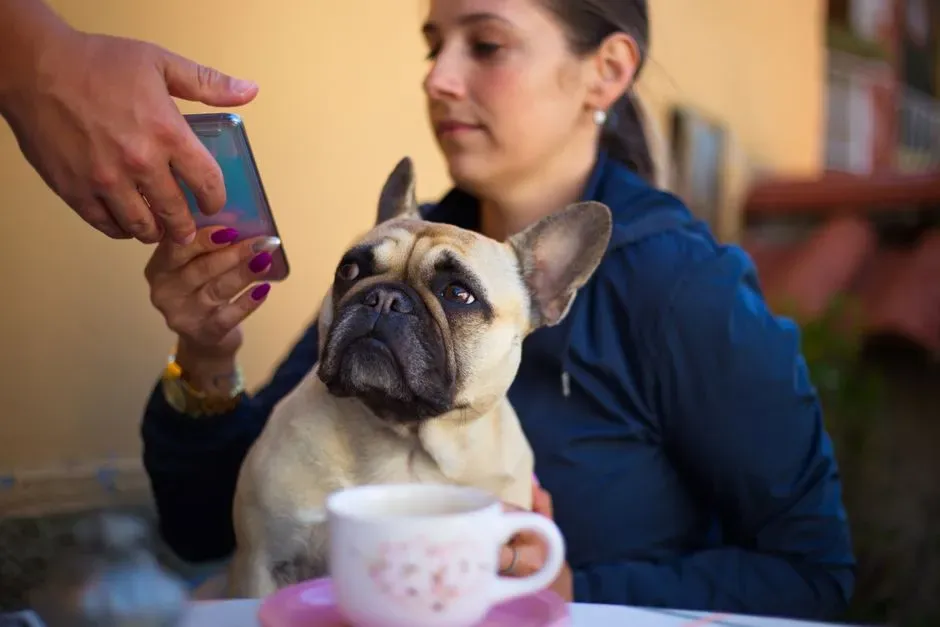
When a dog is destructive, most people react fast and big – yelling, crating, or stepping up supervision. While limits and management absolutely matter, that intense reaction often means the dog finally gets focused attention, which their brain may partially register as a reward. If nothing changes about how much quality connection they get the rest of the time, the dog keeps leaning into the one behavior that works: chaos.
With very quiet dogs, the opposite happens. Because they’re not “causing problems,” they’re often given even less interaction. People feed them, let them out, and assume they’re fine because they’re not tearing up the house. This lack of response confirms for the dog that staying invisible is safest. Over time, the destructive dog becomes labeled a “troublemaker,” while the silent dog is praised as an “angel,” even though both are stuck in patterns that reflect the same unmet emotional needs.
Once I realized this with my own dog – a sweet rescue who never chewed anything but also rarely sought me out – I noticed how often I walked right past her on my way to fuss over louder, pushier dogs. It was a wake‑up call: silence was not proof that she was thriving, it was proof that she had learned to keep her hopes low.
10. What the Difference Really Means – And How to Respond
The big message hidden in both destructive and silent dogs is not that one is good and the other bad, but that they are coping differently with the same basic problem: their need for connection, engagement, and emotional safety is not fully met. The destructive dog is still trying to turn up the volume, while the silent dog has turned theirs down to almost nothing. One is waving their arms in the air, the other has slumped into the back row, convinced no one is looking anyway.
Responding well means meeting both dogs in the same place: consistent daily interaction, predictable routines, appropriate exercise, mental enrichment, and calm, responsive attention to their signals. The practical steps look similar – more structured walks, short training sessions, play, gentle touch, and noticing early signs of stress – but your tone may differ. With the destructive dog, you’re channeling big feelings into safer outlets. With the silent dog, you’re patiently convincing them that their voice matters again. In both cases, the real repair happens not in the correction, but in the reconnection.
Conclusion: The Dog You Have Is a Mirror, Not a Problem
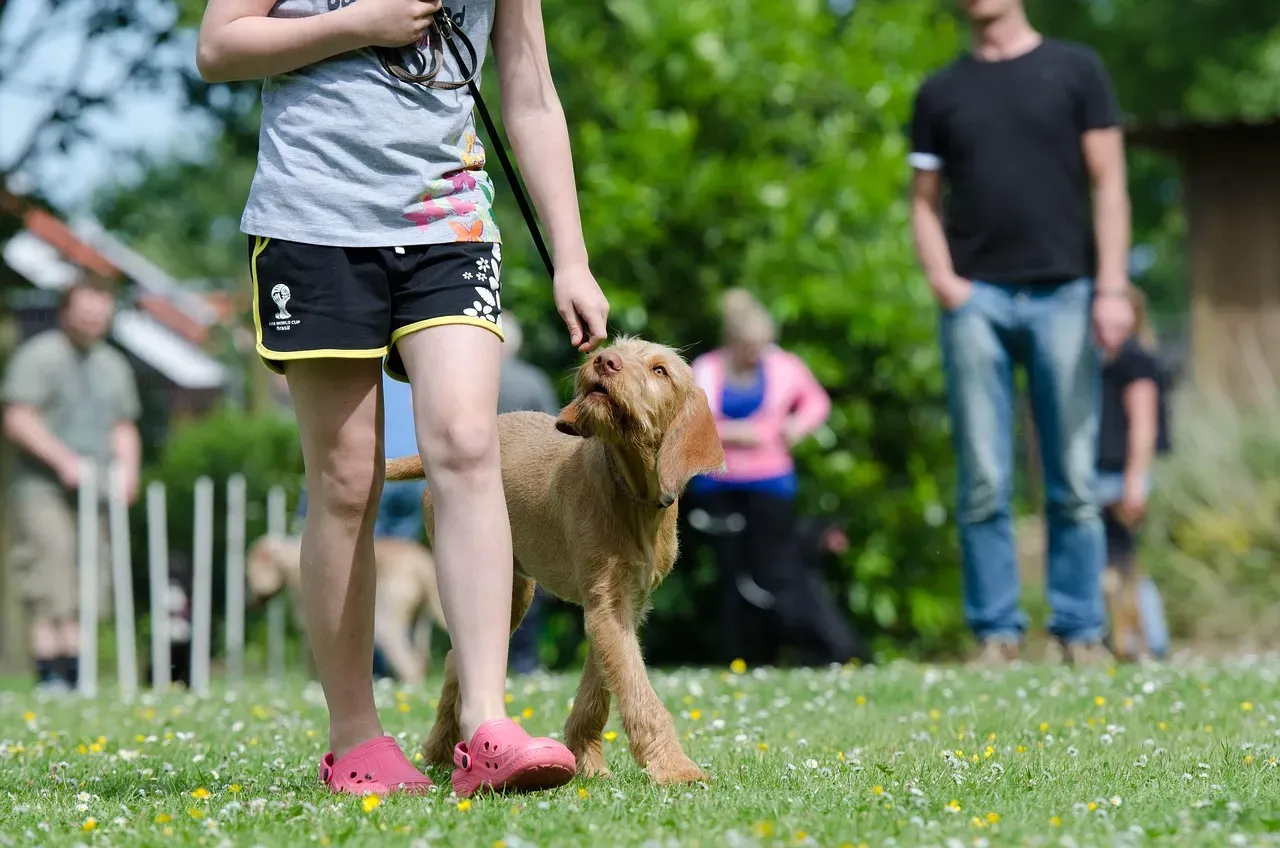
When a dog is ignored, they do not simply “get over it.” They either shout or they shut down, and both can be painful to live with – for them and for you. The destructive dog is like a kid throwing paint on the walls because no one will look at their drawings; the silent dog is the kid who stops drawing entirely. One makes your life messy, the other quietly breaks your heart, and both are showing you where the relationship needs repair, not where the dog needs blame.
My own opinion is that the scariest dog is not the one ripping the couch, but the one who has stopped asking for anything at all. Destruction at least tells you there is still fight and hope left; silence can mean the dog has decided that you are no longer a safe bet emotionally. The good news is that dogs are remarkably forgiving. Tiny, consistent changes – more eye contact, a few minutes of real play, training that feels like a game, walks where you let them sniff and explore – can slowly pull both the loud and the quiet ones back into a healthier, happier middle ground. When you look at your dog today, are you seeing a troublemaker, an “easy” ghost, or a living, feeling partner asking you to tune back in?