
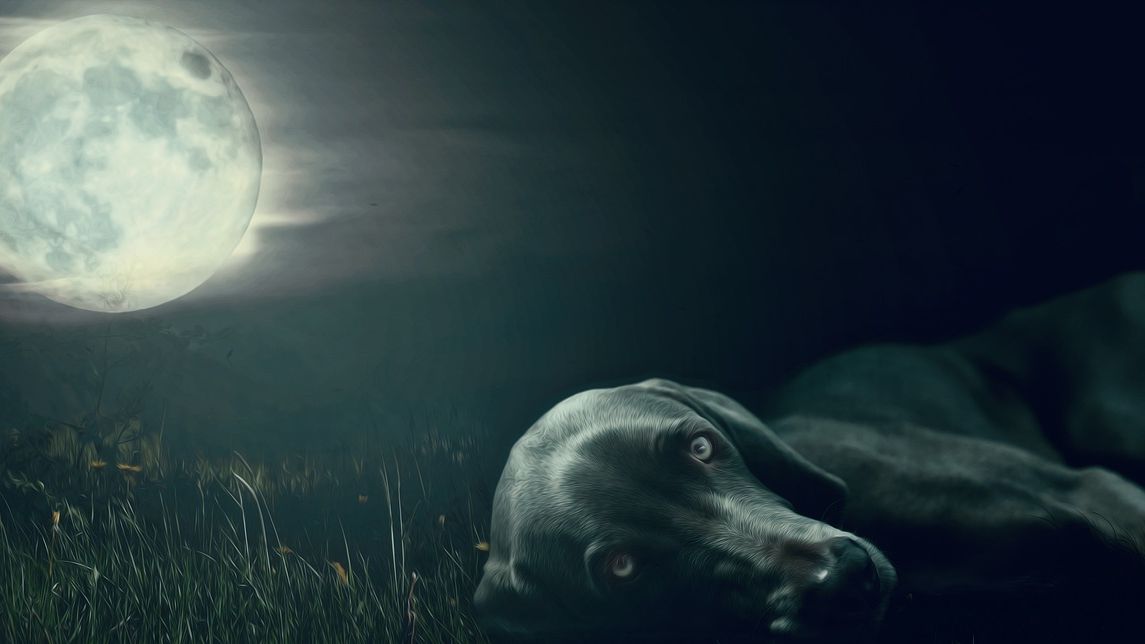
Brighter Nights Interrupt Normal Sleep
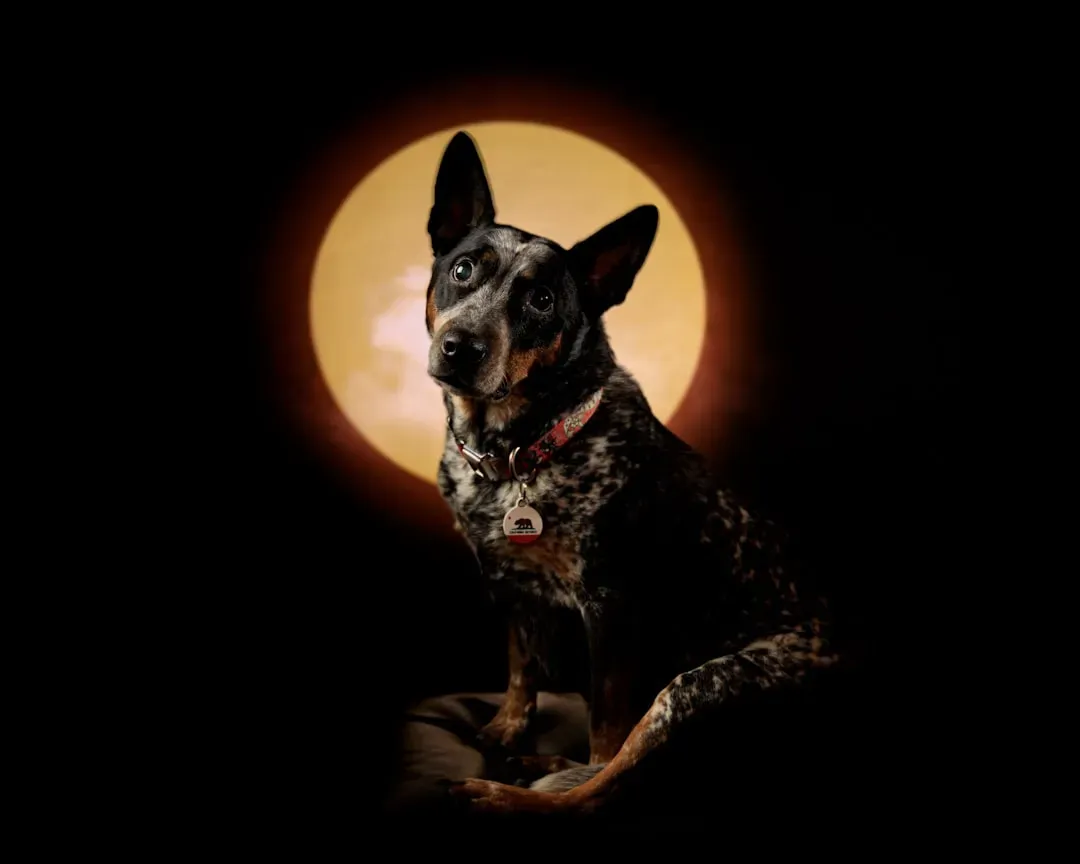
Many dogs seem restless when moonlight streams through windows or curtains. The extra light can mimic daytime conditions and nudge their internal clocks off balance. Owners report more pacing or attempts to go outside at unusual times.
Research on light exposure shows that artificial or natural brightness at night can shift circadian rhythms in mammals. Dogs share similar sleep architecture with other animals, so subtle changes in ambient light may play a small role. Still, controlled studies have not found consistent links between full moons and measurable sleep loss in pets.
Heightened Prey Drive From Extra Visibility
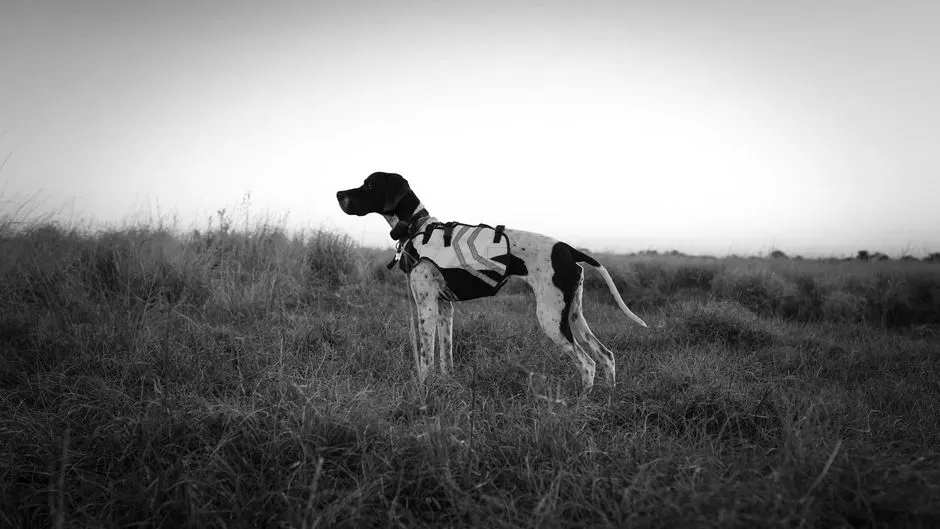
Some dogs appear more alert or fixated on outdoor sounds and movements during full moons. The increased illumination might make small animals easier to detect from a distance. This could trigger instinctive chasing or vocalizing behaviors that owners interpret as odd.
Wild canids rely on vision for hunting, and domestic dogs retain some of those traits. Yet field observations and veterinary data indicate that prey drive fluctuates more with hunger, exercise levels, and daily routines than with lunar phases. Any perceived spike often ties back to coincidence rather than causation.
Owner Behavior Changes Influence The Dog
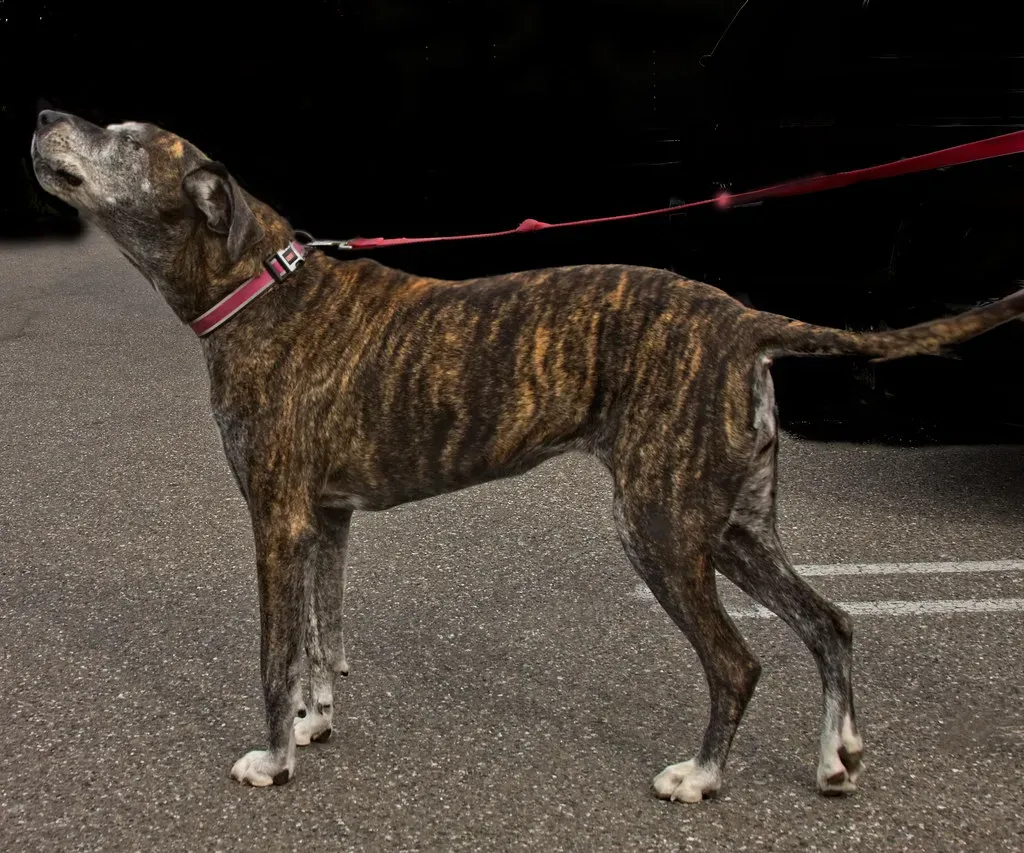
People sometimes alter their own schedules or attention patterns around full moon nights due to folklore or personal curiosity. Dogs are highly attuned to human cues, so shifts in routine can prompt mirroring responses like extra following or anxiety. This feedback loop may amplify what looks like lunar weirdness.
Studies on human animal interaction highlight how pets mirror caretaker stress or excitement. When owners expect something unusual, subtle signals can escalate normal variations in behavior. Science points to this social dynamic as a stronger explanation than any direct moon effect.
Confirmation Bias Shapes What Gets Noticed
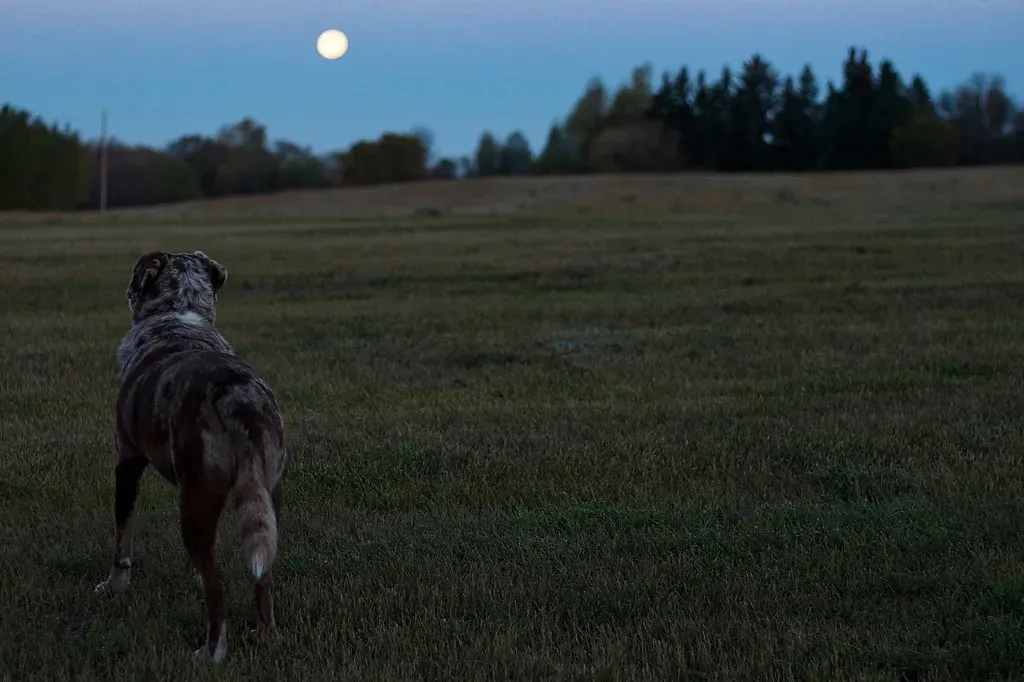
Owners who believe in lunar effects tend to remember and record unusual incidents more readily on full moon nights. Everyday quirks that occur any time of month fade from memory unless they align with the expected pattern. This selective attention creates the impression of a stronger connection.
Psychological research on confirmation bias applies directly here. When expectations guide observation, neutral events gain significance. Large scale analyses of veterinary records and owner logs have repeatedly failed to show statistically significant spikes tied to moon phases once bias is accounted for.
Possible Gravitational Or Tidal Pulls
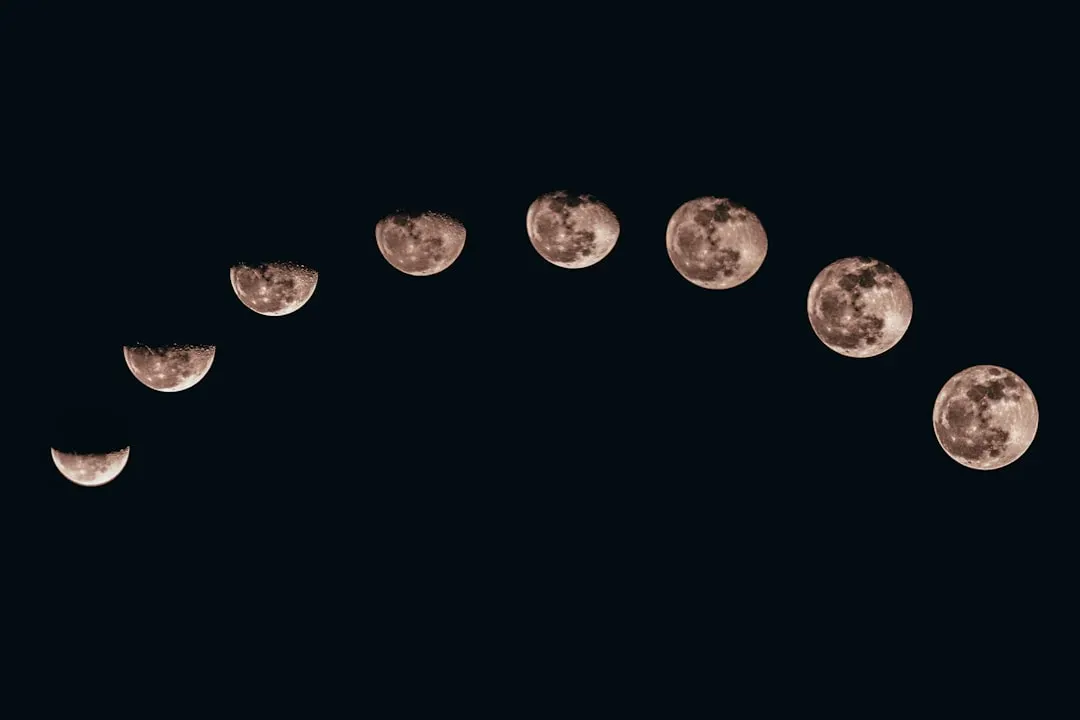
A popular theory suggests that the moon gravitational force, known to move oceans, might subtly affect fluid balance or inner ear function in dogs. This could theoretically lead to mild disorientation or restlessness. The idea draws from broader speculation about lunar influence on biology.
However, the gravitational difference between new and full moons is tiny at the scale of a dog body. No peer reviewed evidence supports measurable physiological changes in terrestrial animals from this source. Veterinarians generally view the concept as an interesting hypothesis without supporting data.
Seasonal Or Weather Correlations Get Misattributed
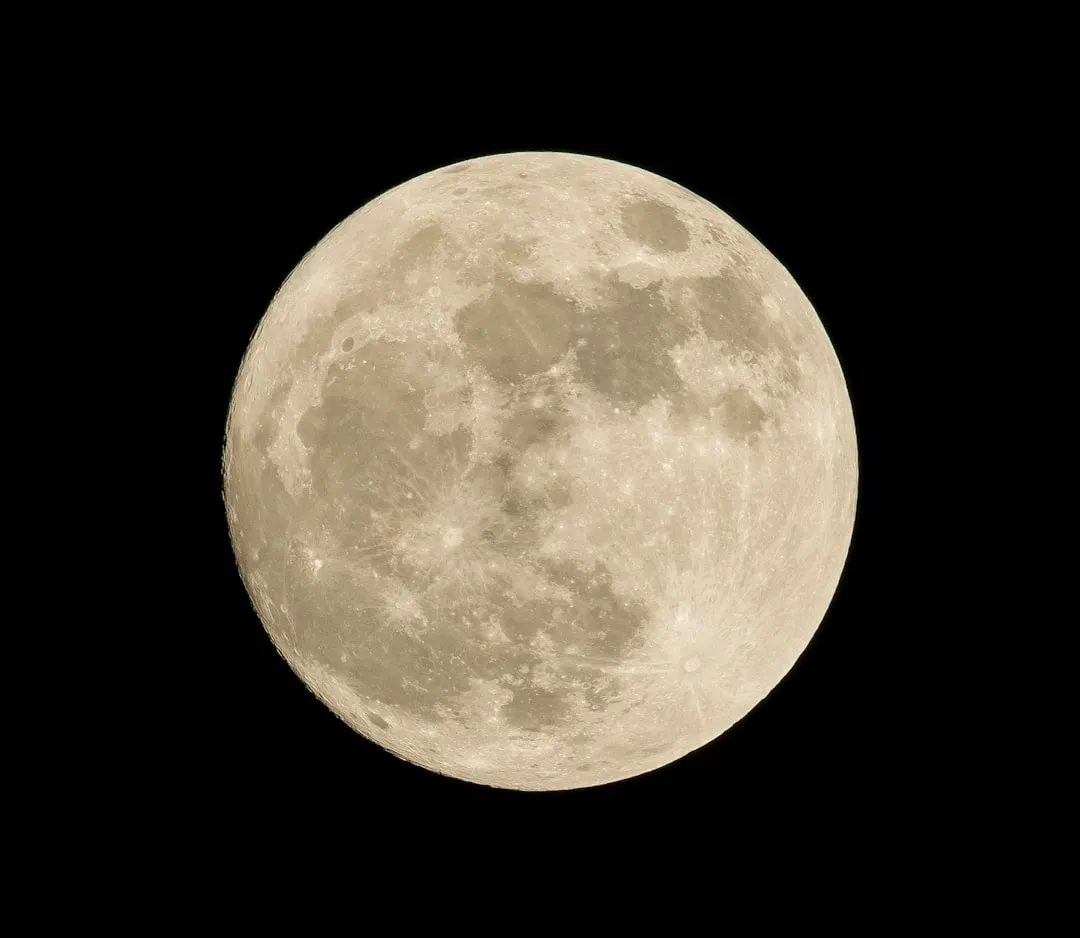
Full moons sometimes coincide with clearer skies or specific seasonal conditions that affect temperature and humidity. Dogs may react to these environmental shifts with changes in energy or comfort. The timing creates an easy association with the moon itself.
Meteorological records show that weather patterns drive far more behavioral variation than lunar cycles. Heat, cold, or barometric shifts reliably influence activity levels across many species. Once these variables are controlled in studies, lunar correlations tend to disappear.
Folklore And Cultural Stories Prime Expectations
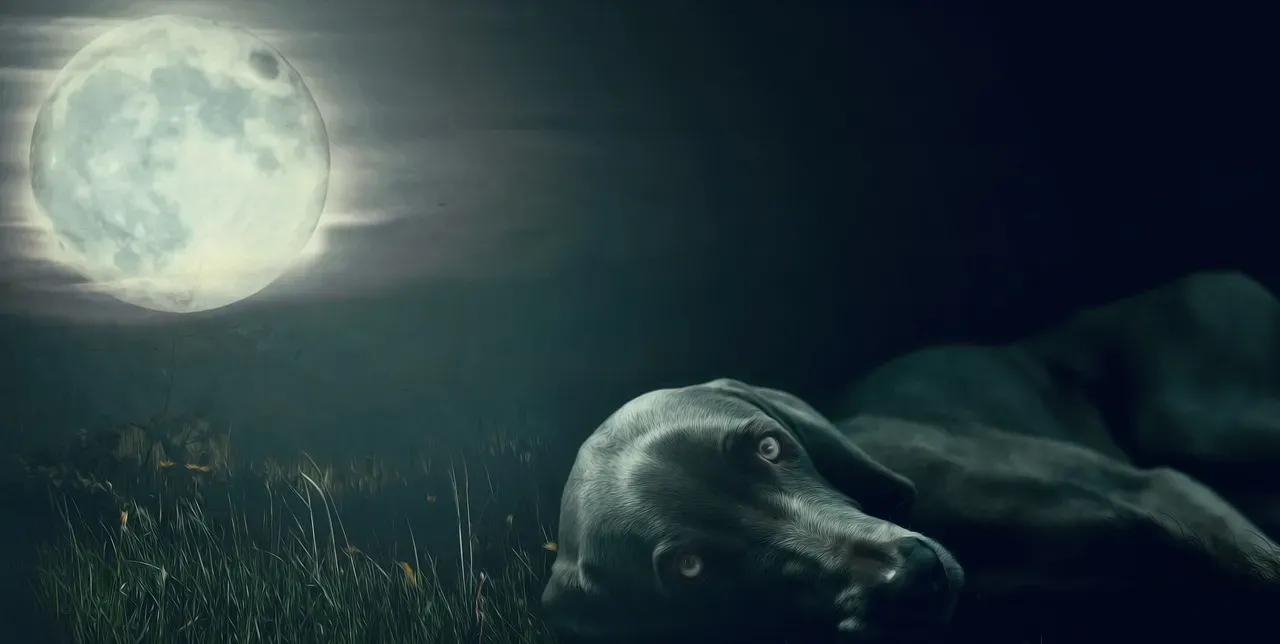
Generations of tales about werewolves, howling, and mystical nights have embedded the full moon in popular imagination. These narratives encourage people to watch for strange behavior and interpret ordinary actions through that lens. Cultural priming can turn neutral observations into memorable events.
Anthropological and psychological work on folklore demonstrates how shared stories shape perception. When communities discuss lunar effects, individual experiences align more closely with the narrative. Objective tracking of dog behavior rarely matches the dramatic accounts passed down through stories.
Exercise And Routine Variations Play A Role
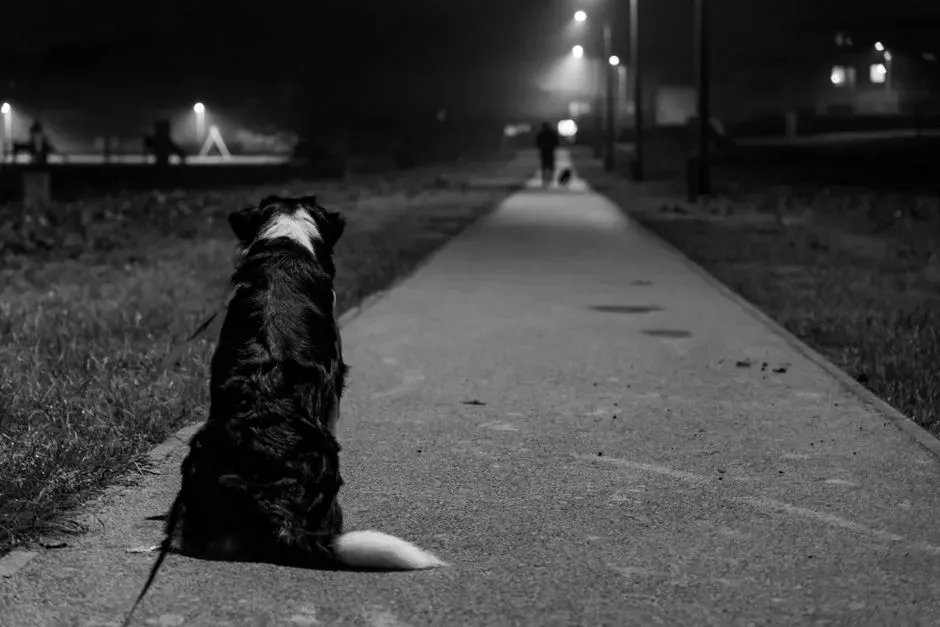
Longer daylight in certain seasons or changes in family schedules around moon visible evenings can alter a dog walk times or play sessions. Reduced or increased activity during those periods may leave pets with pent up energy that surfaces at night. The moon becomes an easy scapegoat for the mismatch.
Canine behaviorists emphasize consistency in daily routines as a key factor in stable temperaments. Disruptions from any source, lunar or otherwise, produce similar outcomes. Tracking apps and journals often reveal that exercise deficits explain restlessness better than celestial events.
Age Or Health Factors Amplify Sensitivity
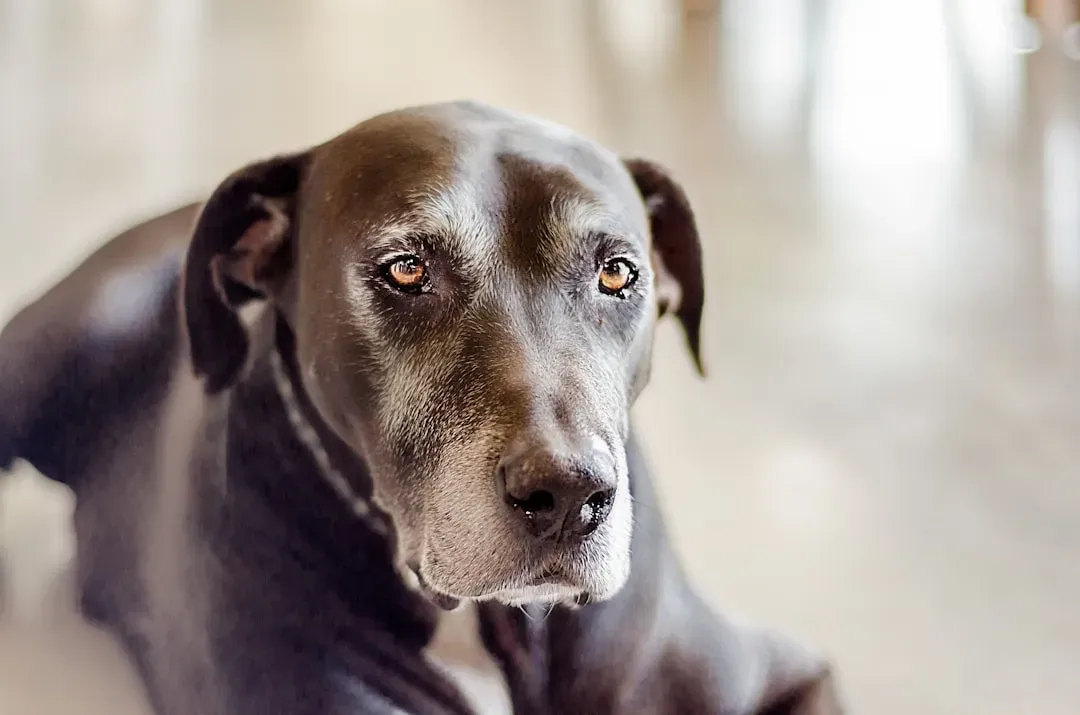
Older dogs or those with joint issues sometimes show more nighttime discomfort regardless of moon phase. Full moon nights may simply coincide with periods when pain or cognitive changes become noticeable. Owners then link the timing to the lunar calendar.
Veterinary literature stresses that age related conditions and medical issues drive most unexplained behavior shifts. Pain management and environmental adjustments usually resolve symptoms more effectively than waiting for the next moon cycle. Routine health checks remain the practical first step.
Wild Ancestor Instincts Get Overstated
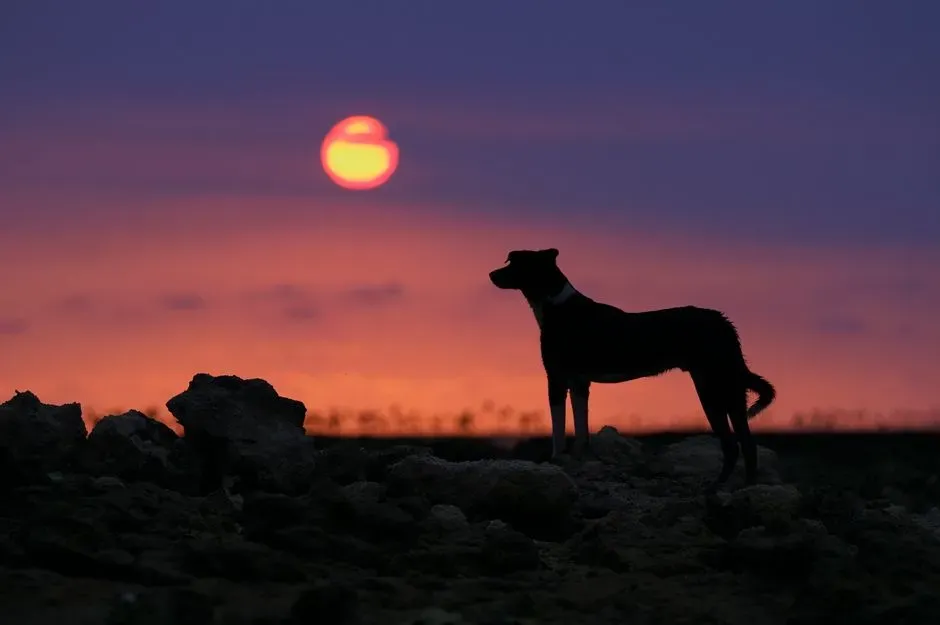
Some explanations reach back to wolves and suggest that full moons aided nighttime hunting or pack coordination. Domestic dogs might retain faint echoes of those patterns. The theory offers an appealing evolutionary story for observed restlessness.
Genetic and behavioral comparisons between wolves and dogs show significant divergence after thousands of years of domestication. Modern pets live in environments far removed from ancestral pressures. Evidence for retained lunar responses stays anecdotal and lacks support from comparative studies.
The idea that the moon directly controls dog behavior makes for engaging conversation, yet the weight of available evidence points elsewhere. Most reported changes trace back to light, routine, perception, or simple chance. Paying attention to your dog daily patterns and overall well being offers far more reliable insight than tracking lunar calendars. In the end, the quirks that surface on any given night usually reflect the ordinary mysteries of living with another species rather than cosmic forces.


