

The Real Financial Commitment Beyond the Adoption Fee
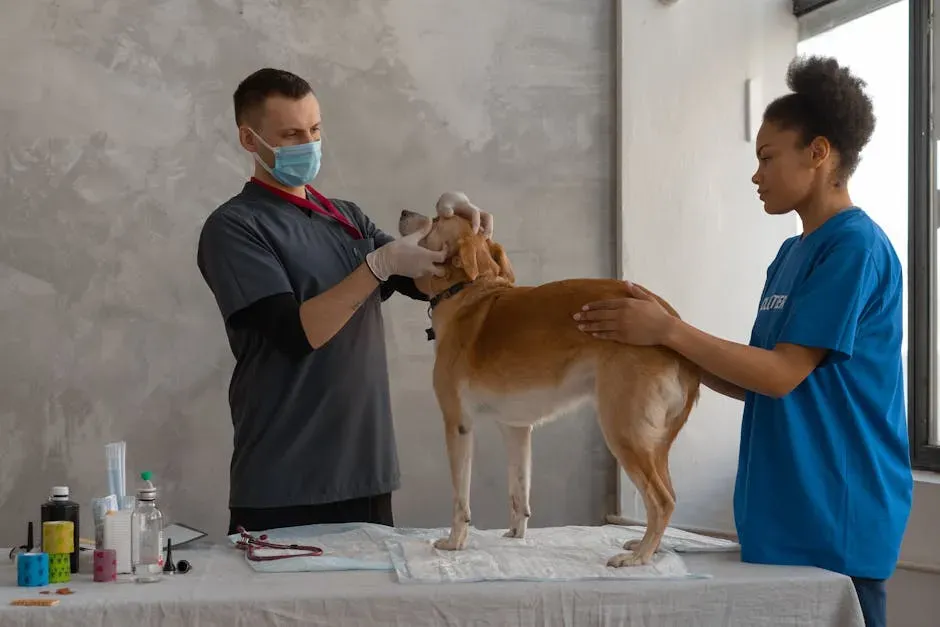
Veterinary bills accumulate faster than most expect once a dog settles in. Routine checkups, vaccinations, and preventive medications add up over months and years. Unexpected emergencies, such as dental cleanings or joint treatments common in older dogs, can strain budgets that seemed adequate at first.
Many owners later realize they underestimated how often supplies like food, treats, and bedding need replacement. Planning for these ongoing costs from the start prevents later stress. Some find that setting aside a dedicated monthly amount helps keep finances steady without surprises.
How Much Daily Movement a Dog Actually Requires

Even smaller breeds need consistent walks and play that fit into an already full schedule. What starts as a pleasant outing can turn into a daily obligation that limits flexibility. Owners often wish they had tested their own stamina against the breed’s energy level before committing.
Weather adds another layer, since rain or heat can make outings more demanding than anticipated. Building in rest days or shorter routes helps, yet the baseline activity level remains steady. Those who adjust expectations early tend to maintain the routine without burnout.
Training Demands More Patience Than Anticipated
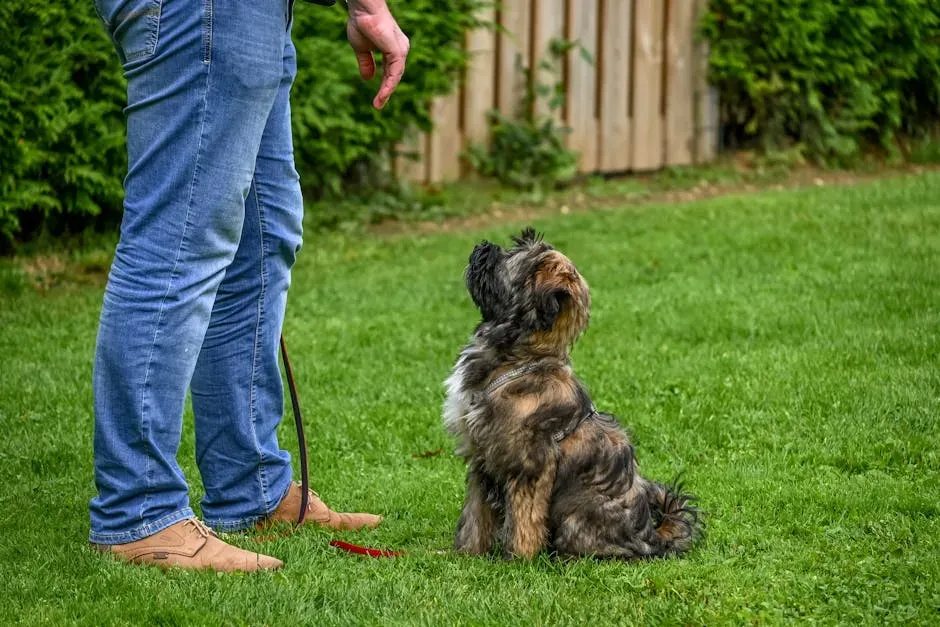
Basic commands and house manners take repetition that feels longer when energy levels fluctuate. Older dogs sometimes arrive with habits that require gentle but persistent correction. The process rewards consistency, yet it can stretch across weeks rather than days.
Professional classes offer structure, though fitting them into existing appointments requires planning. Many owners later appreciate starting with simple routines at home before adding outside help. The payoff shows in smoother days once the dog understands expectations.
Health Issues That Surface With Age

Dogs, like people, develop conditions such as arthritis or vision changes that need monitoring. Regular screenings catch problems early, yet the frequency of visits increases over time. Owners often wish they had researched common breed vulnerabilities ahead of time.
Medications and special diets become part of the weekly rhythm for many. Learning to recognize subtle signs of discomfort helps owners respond quickly. Those who stay proactive find the adjustments feel more manageable rather than overwhelming.
The Ongoing Work of Grooming and Cleanliness

Coat care extends beyond occasional brushing to regular baths and nail trims that require steady hands. Shedding can affect furniture and floors in ways that surprise first time owners. Establishing a simple schedule prevents buildup that becomes harder to manage later.
Some dogs need professional grooming every few weeks, which adds both cost and logistics. Owners who factor this into their weekly plans report fewer last minute scrambles. Keeping supplies organized at home makes the task feel routine instead of burdensome.
The Effect on Travel and Spontaneous Plans

Weekend getaways or longer trips suddenly require boarding arrangements or pet sitters. Finding reliable care that matches the dog’s personality takes research and trial runs. Many owners later note that flexibility decreases more than they expected.
Local day trips become easier once a trusted network forms, yet advance planning remains essential. Some discover that shorter outings closer to home satisfy both the dog and their own desire for change. The shift encourages a more intentional approach to time away.
Why Breed Choice Shapes Daily Life

Size, temperament, and activity needs vary widely, and the wrong match creates friction. A lively herding breed may not suit a quieter household, while a larger dog can complicate mobility around the home. Researching adult size and typical behaviors pays off in smoother integration.
Rescue groups often provide insights into individual personalities that help narrow options. Owners who take time to observe several dogs before deciding report fewer adjustments later. The right fit turns daily interactions into sources of steady enjoyment rather than constant negotiation.
The Depth of the Emotional Connection and Its Future

The bond forms quickly and brings comfort that many describe as deeper than expected. Yet that closeness also means anticipating the dog’s shorter lifespan and the grief that follows. Owners often wish they had considered how this relationship would evolve over the years.
Support networks, whether friends or local groups, help when health concerns arise. Celebrating small milestones keeps the focus on present moments. Those who prepare emotionally find the experience remains rewarding even as needs change.
Home Adjustments That Become Necessary

Ramps, gates, or non slip surfaces make movement safer for both dog and owner. What seems minor at first can prevent slips or strain over time. Many later install these features after noticing small difficulties during daily routines.
Yards or nearby parks may need evaluation for safety and accessibility. Simple changes like raised food bowls or orthopedic beds improve comfort without major expense. Planning these details early reduces the need for rushed fixes later.
Locating Dependable Support When Life Interrupts

Illness or travel can leave a dog without immediate care, and reliable backups take time to identify. Neighbors, family members, or professional services each carry different levels of availability. Owners who line up options in advance avoid last minute stress.
Local veterinary clinics sometimes maintain lists of sitters or boarding facilities. Building relationships with a few trusted people creates a safety net that feels reassuring. The effort pays off in peace of mind during unexpected events.
The decision to adopt rewards those who approach it with eyes open to both the delights and the demands. Preparation turns potential hurdles into manageable parts of the journey. In the end, the companionship often outweighs the adjustments when the match feels right from the beginning.


