Have you ever noticed your dog reacting differently to various visitors? Perhaps they greet some with enthusiastic tail wags and others with cautious stares. This behavior isn’t random; it’s rooted in their keen senses and instincts. Let’s explore ten reasons behind this selective behavior and why your dog’s judgment is often spot-on.
1. Acute Sensory Perception
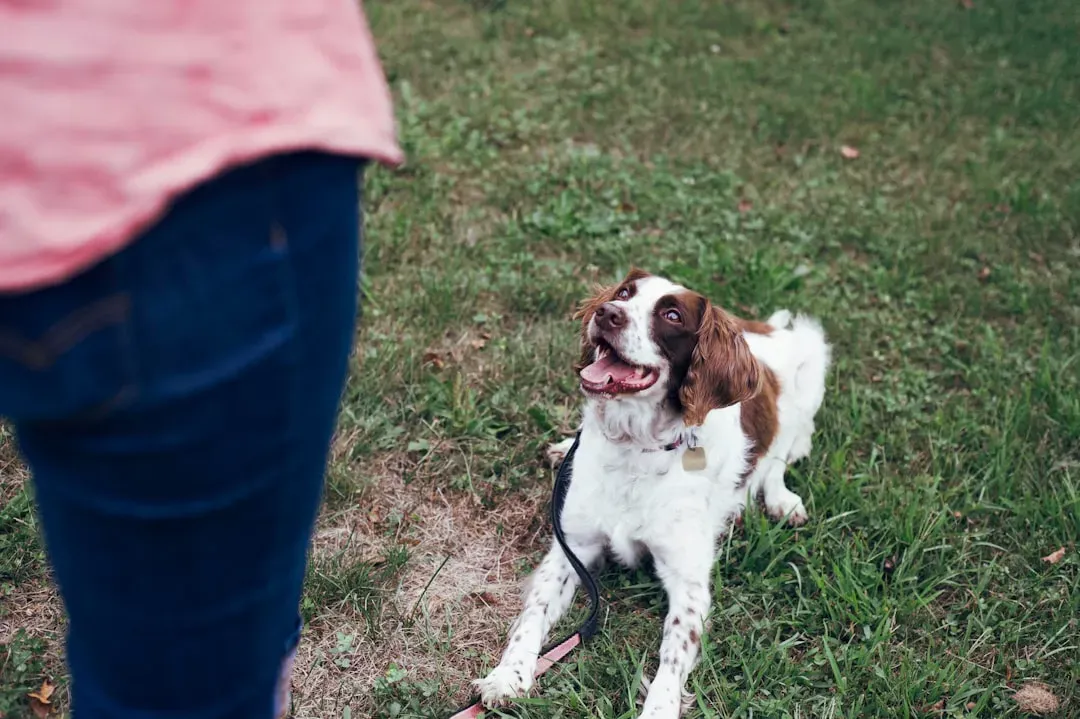
1. Acute Sensory Perception (Image Credits: Unsplash)Dogs possess an extraordinary sense of smell, allowing them to detect subtle changes in a person’s scent. This heightened olfactory ability enables them to pick up on pheromones and other chemical signals that humans emit, providing insights into a person’s emotional state or health.Beyond scent, dogs are adept at reading body language and facial expressions. They can discern between relaxed and tense postures, friendly smiles and forced grins, helping them gauge a visitor’s intentions and mood.
2. Detection of Emotional States
2. Detection of Emotional States (Image Credits: Unsplash)Your dog can sense when someone is anxious, fearful, or stressed. They pick up on cues like increased heart rate, perspiration, and even changes in breathing patterns. This sensitivity allows them to respond accordingly, either by offering comfort or maintaining distance.Interestingly, dogs can also “catch” human emotions, a phenomenon known as emotional contagion. If a visitor is particularly nervous or agitated, your dog might mirror that energy, leading to heightened alertness or wariness.
3. Recognition of Familiarity
3. Recognition of Familiarity (Image Credits: Unsplash)Dogs have an impressive memory for faces and scents. They can distinguish between familiar individuals and strangers, often reacting more warmly to those they’ve previously met and had positive interactions with.This recognition isn’t just about memory; it’s about association. If past encounters with a person were pleasant, your dog is likely to greet them enthusiastically. Conversely, if previous interactions were negative or neutral, their reception might be more reserved.
4. Assessment of Body Language
4. Assessment of Body Language (Image Credits: Unsplash)A visitor’s body language speaks volumes to a dog. Confident, open postures are generally perceived as non-threatening, while closed-off or erratic movements can raise suspicion.For instance, someone who avoids eye contact, stands rigidly, or makes sudden gestures might be interpreted by your dog as uneasy or potentially threatening, prompting a more cautious response.
5. Interpretation of Vocal Tones
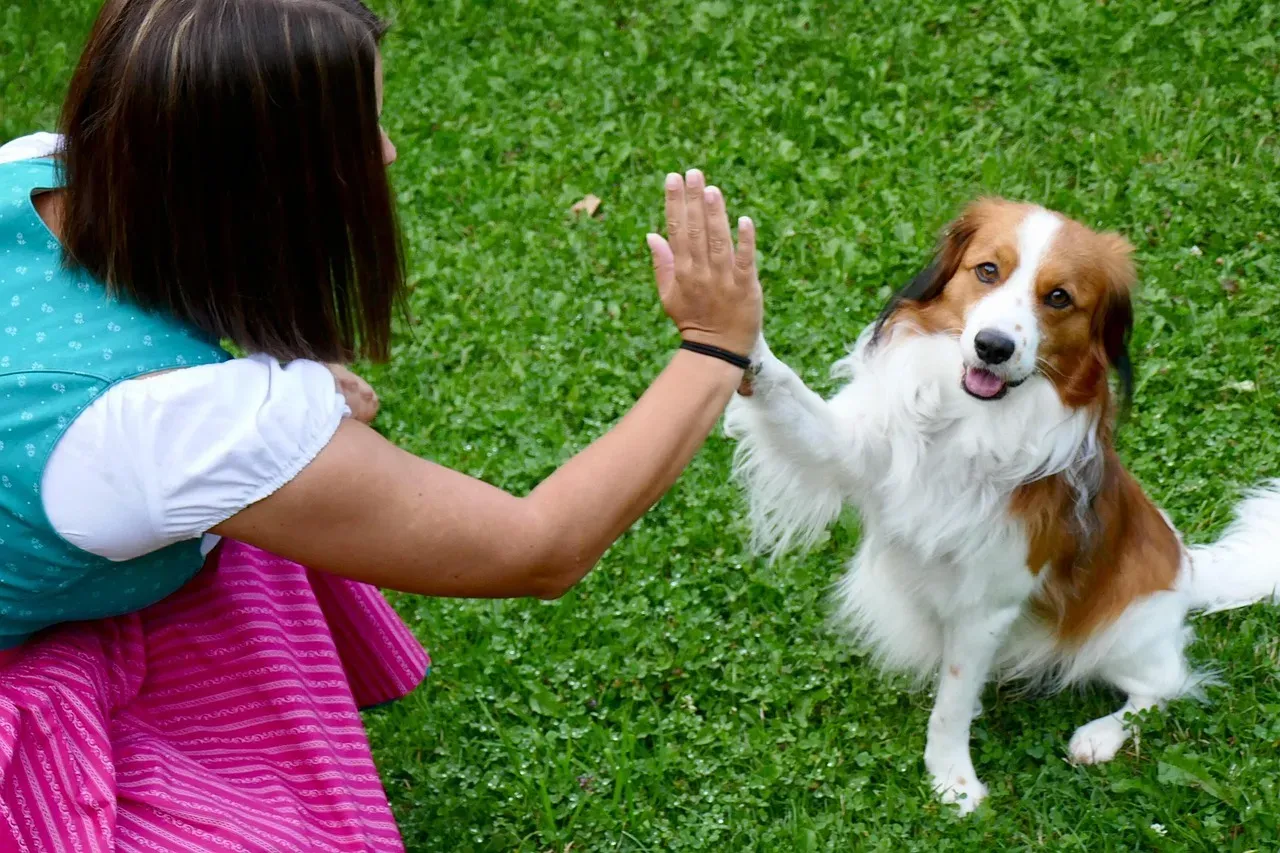
5. Interpretation of Vocal Tones (Image Credits: Pixabay)Dogs are highly attuned to the tone and pitch of human voices. A calm, soothing voice is likely to put them at ease, whereas a loud or harsh tone can cause anxiety or defensive behavior.Even if a visitor’s words are friendly, an underlying tone of nervousness or aggression can be detected by your dog, influencing their reaction to that person.
6. Past Experiences and Socialization
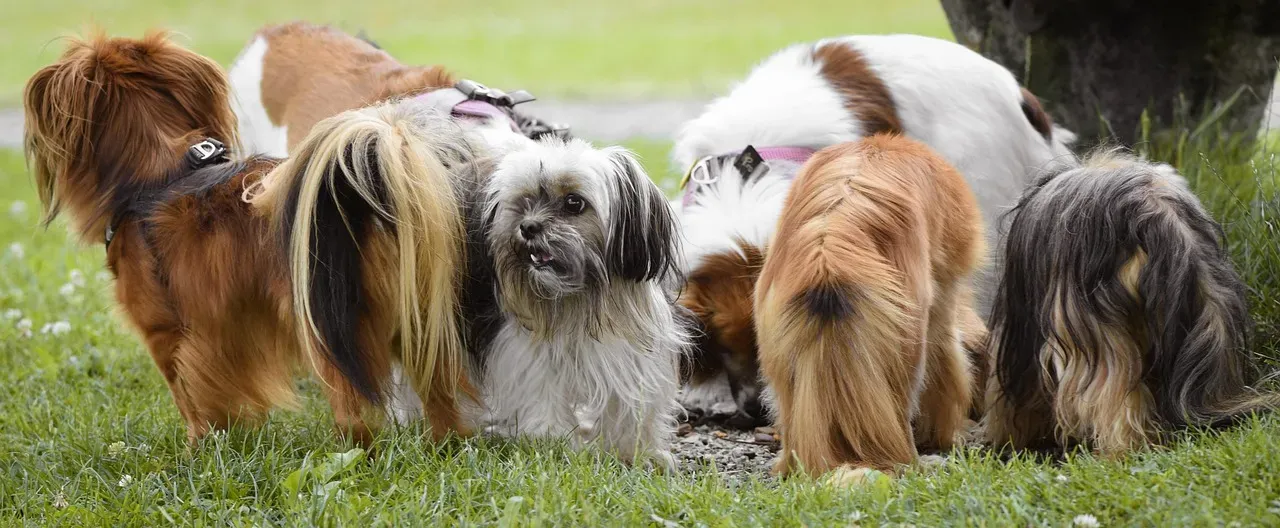
6. Past Experiences and Socialization (Image Credits: Pixabay)A dog’s history plays a significant role in how they perceive new people. Positive experiences with a diverse range of individuals during their formative months can lead to a more sociable and trusting demeanor.Conversely, if a dog has had negative encounters or limited exposure to different types of people, they may be more apprehensive or reactive when meeting new visitors.
7. Sensing Health Conditions
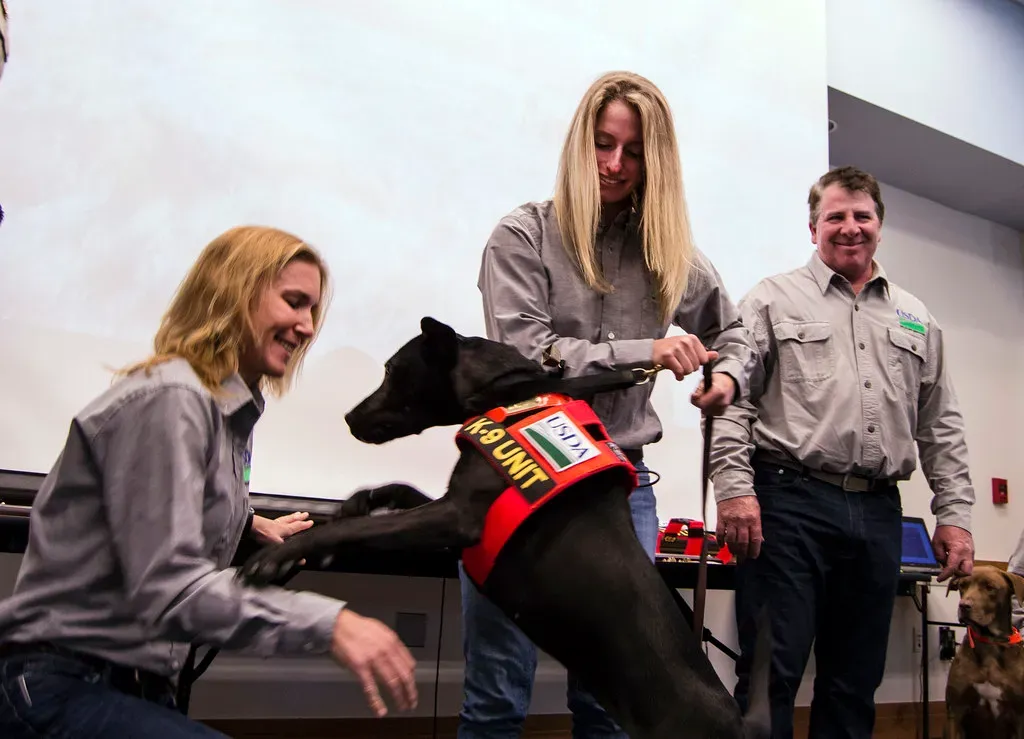
7. Sensing Health Conditions (USDAgov, Flickr, CC BY 2.0)Dogs have been known to detect certain health conditions in humans, such as low blood sugar levels, seizures, and even some cancers. They can pick up on changes in body chemistry and scent that indicate illness.If a visitor has a particular health condition, your dog might react differently, either by showing increased interest, offering comfort, or, in some cases, displaying avoidance behaviors.
8. Perception of Threats
8. Perception of Threats (Image Credits: Pixabay)Dogs are natural protectors and can sense when someone poses a potential threat to their family. This isn’t just about overt aggression; subtle cues like a person’s intent, energy, or even inconsistencies in behavior can be picked up by your dog.Their protective instincts are heightened when they perceive their loved ones might be in danger, leading to behaviors like barking, growling, or positioning themselves between you and the visitor.
9. Reading Microexpressions
9. Reading Microexpressions (Image Credits: Unsplash)Humans often display fleeting facial expressions, known as microexpressions, that reveal true emotions before they’re consciously masked. Dogs are adept at reading these subtle cues, allowing them to sense underlying feelings that a person might be trying to hide.This ability means that even if a visitor appears friendly on the surface, your dog might detect underlying hostility, fear, or discomfort, influencing their reaction.
10. Trusting Their Instincts
10. Trusting Their Instincts (Image Credits: Unsplash)At the core of all these factors is a dog’s instinctual nature. They rely on their senses and experiences to make quick judgments about people, often leading to accurate assessments of a person’s character or intentions.While it’s essential to consider context and not jump to conclusions based solely on your dog’s reactions, their instincts are honed from thousands of years of evolution and close companionship with humans.In conclusion, your dog’s varied reactions to different visitors are a testament to their incredible sensory abilities and deep bond with humans. They pick up on cues we might miss, offering insights into the people around us. So, the next time your dog seems wary of someone, it might be worth paying attention. After all, their judgment is often more accurate than we give them credit for. What do you think your dog is trying to tell you?