
12 Habits Dog Owners Over 60 Have That Actually Extend Their Dog’s Life Without Realizing It
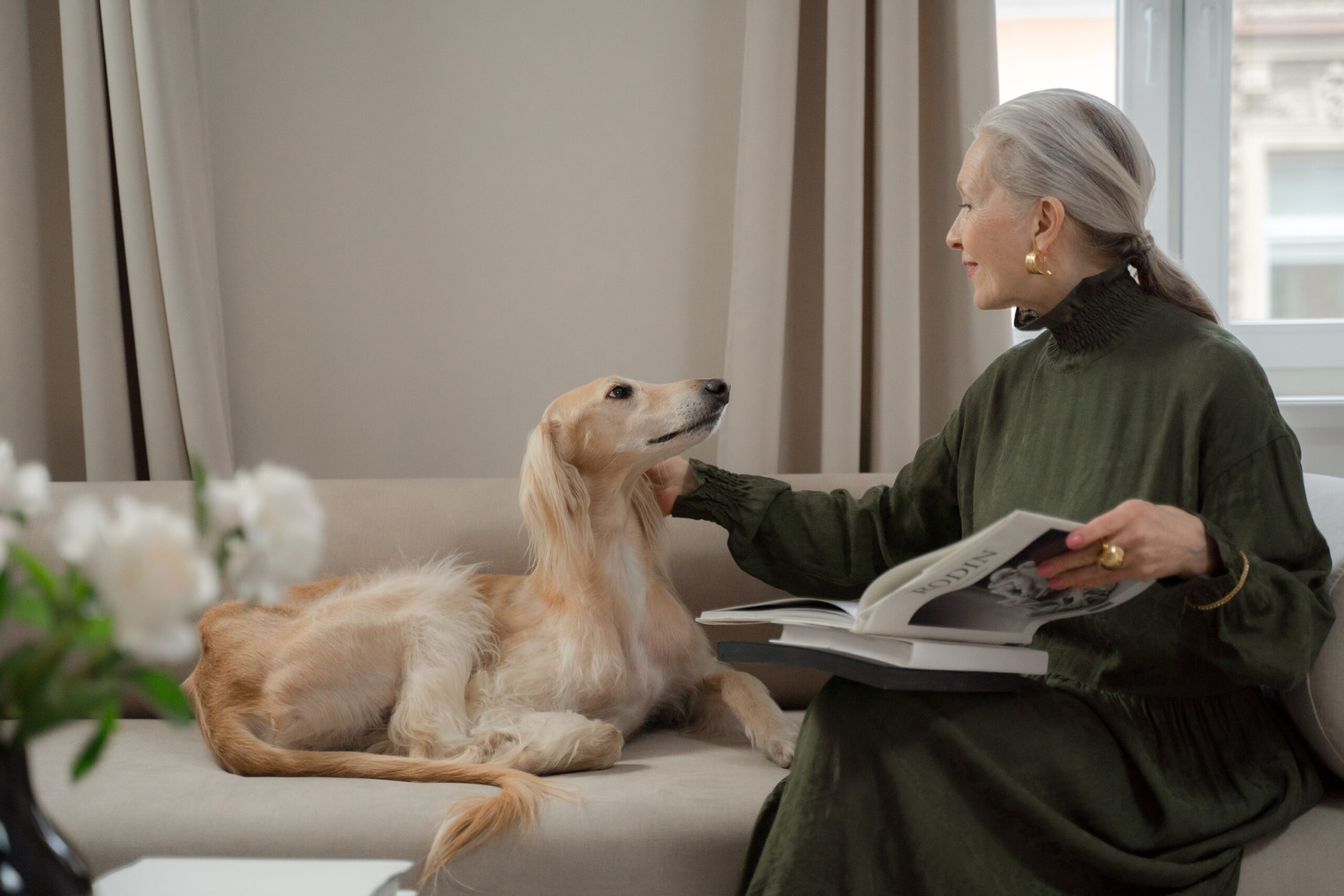
As we age, our routines and habits naturally evolve, often in ways that subtly benefit those around us – including our beloved canine companions. For dog owners over 60, certain everyday practices can significantly enhance their dogs’ health and longevity, sometimes without even realizing it. Let’s explore these life-extending habits that are as beneficial as they are unintentional.
Prioritizing Regular, Gentle Exercise
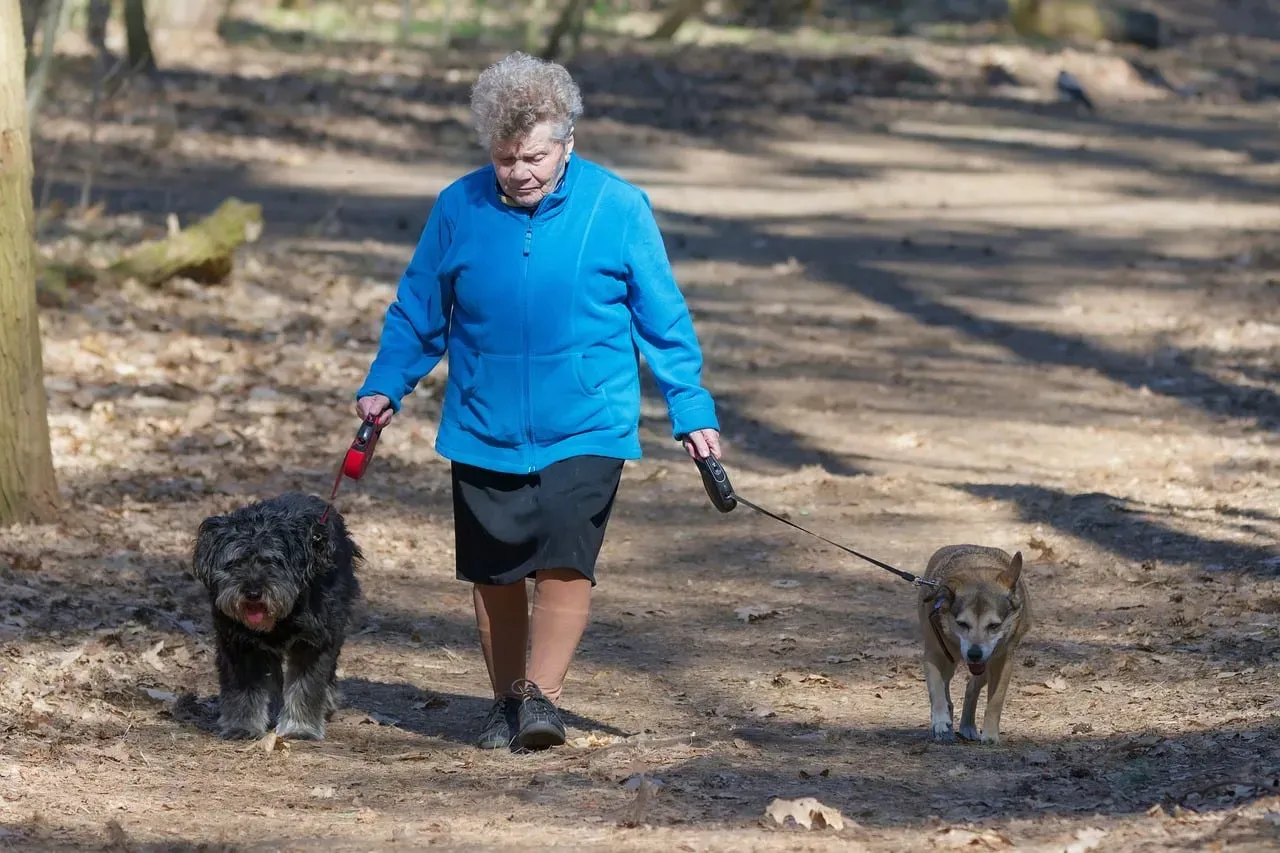
Many seniors prefer leisurely walks over strenuous activities, aligning perfectly with the exercise needs of their dogs. These consistent, moderate walks help maintain a healthy weight and support joint health in dogs, reducing the risk of obesity-related issues and arthritis.
Additionally, the routine of daily walks provides mental stimulation for dogs, keeping their minds sharp and engaged. The sights, sounds, and smells encountered during these outings contribute to cognitive health, potentially delaying the onset of canine cognitive dysfunction.
Maintaining a Consistent Daily Routine
Seniors often adhere to regular schedules, which translates into consistent feeding, walking, and sleeping times for their dogs. This predictability reduces stress and anxiety in dogs, promoting overall well-being and a sense of security.
A stable routine also aids in better digestion and sleep patterns for dogs, contributing to a stronger immune system and increased longevity. The comfort of knowing what to expect each day can significantly enhance a dog’s quality of life.
Providing a Calm and Quiet Environment
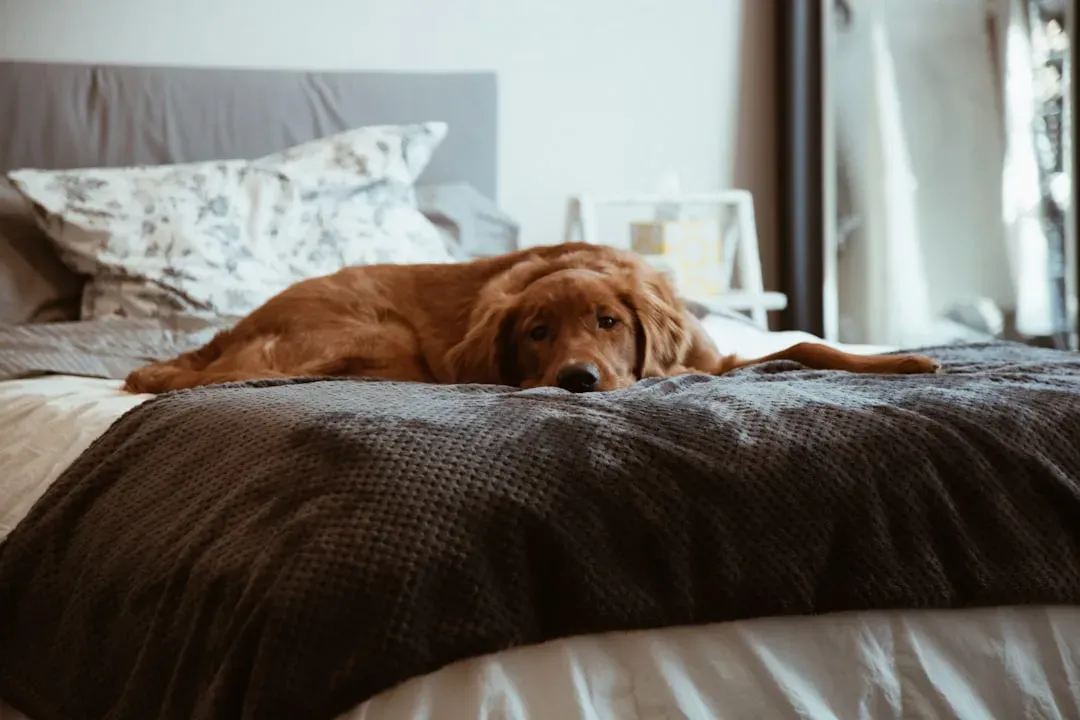
The tranquil atmosphere often found in the homes of older adults offers a peaceful sanctuary for dogs. Reduced noise levels and a slower pace of life minimize stress, which is known to have a direct impact on a dog’s health and lifespan.
In such environments, dogs are less likely to experience anxiety-induced behaviors, leading to a more relaxed and contented life. This calm setting supports both mental and physical health, contributing to a longer, happier life for the dog.
Offering Balanced, Home-Cooked Meals

With more time available, many seniors opt to prepare home-cooked meals, often sharing healthy, dog-safe portions with their pets. This practice ensures that dogs receive high-quality, nutritious food free from harmful additives found in some commercial pet foods.
A diet rich in fresh ingredients can improve a dog’s coat, energy levels, and overall health. However, it’s essential to consult with a veterinarian to ensure that the home-cooked diet meets all of the dog’s nutritional requirements.
Engaging in Regular Grooming Sessions
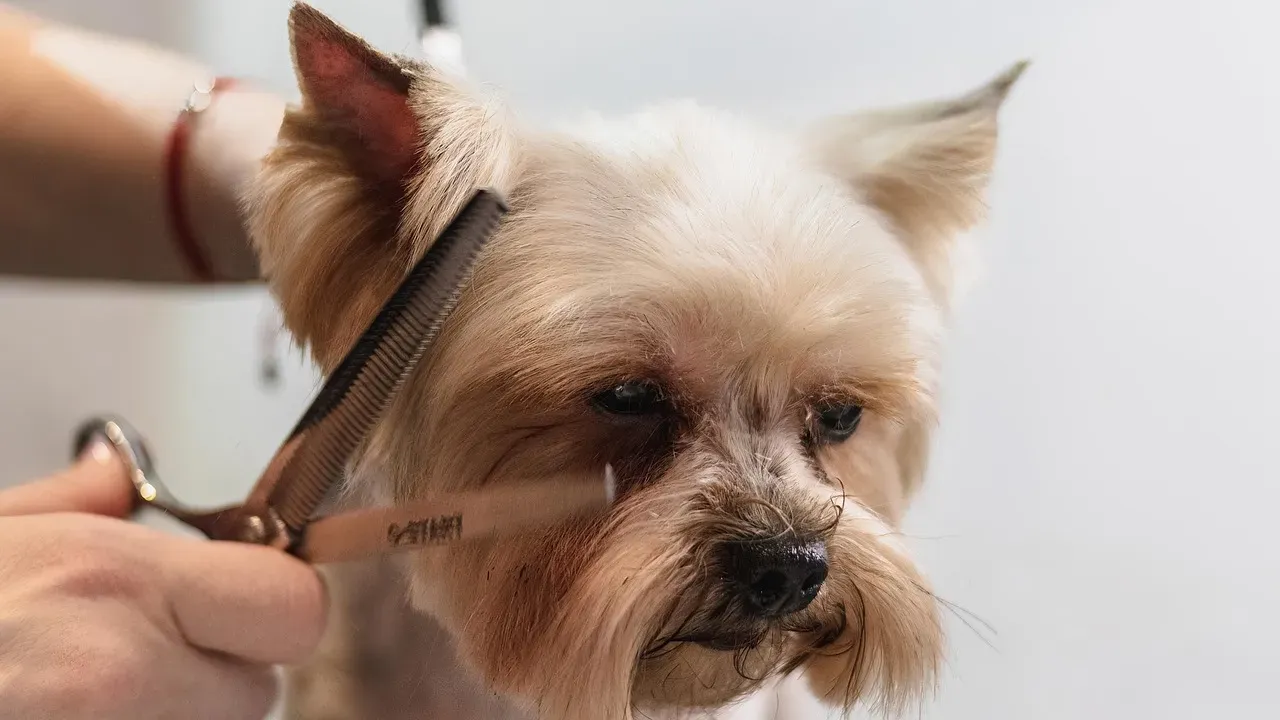
The leisurely pace of retirement allows for more frequent grooming sessions, which are not only bonding experiences but also opportunities to monitor a dog’s health. Regular brushing, nail trimming, and ear cleaning can prevent infections and detect issues like lumps or skin conditions early.
Early detection of health problems often leads to more effective treatments and better outcomes. Additionally, grooming stimulates blood circulation and can be a soothing activity for both the dog and the owner.
Scheduling Routine Veterinary Check-Ups
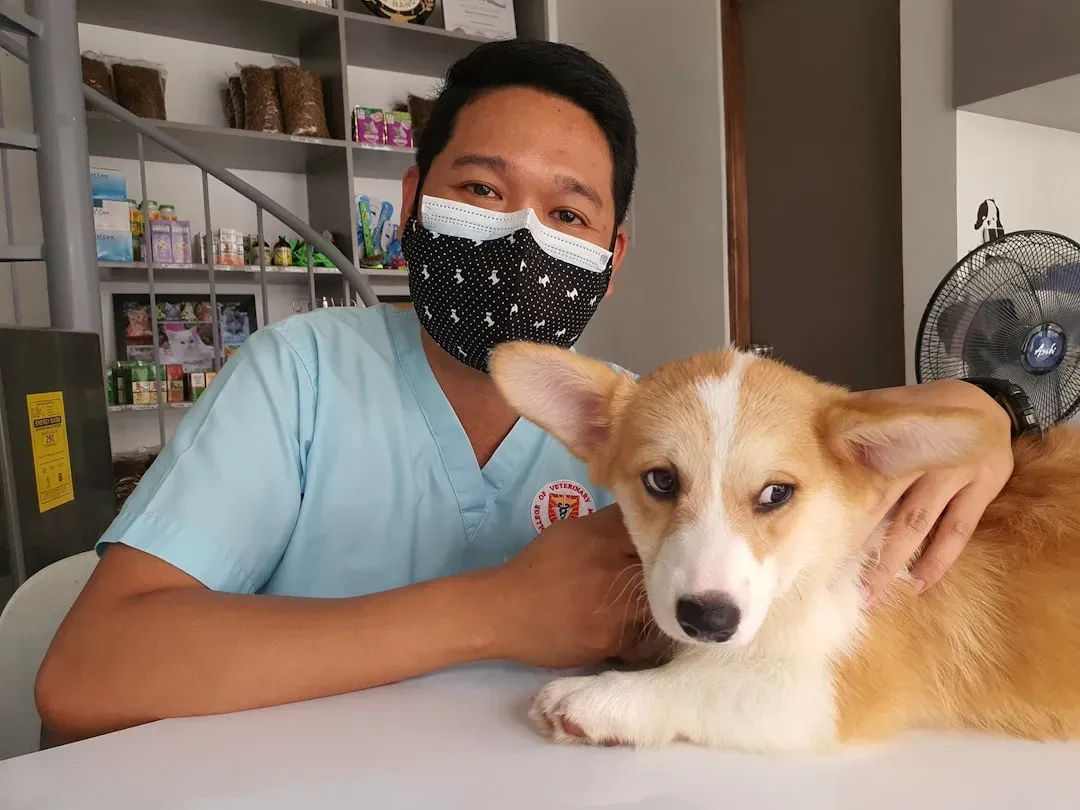
With more flexible schedules, seniors are often more diligent about keeping up with their dog’s veterinary appointments. Regular check-ups allow for early detection and management of potential health issues, significantly impacting a dog’s longevity.
Preventative care, including vaccinations, dental cleanings, and screenings for common age-related conditions, ensures that dogs remain healthy and active well into their senior years.
Providing Mental Stimulation Through Training and Games
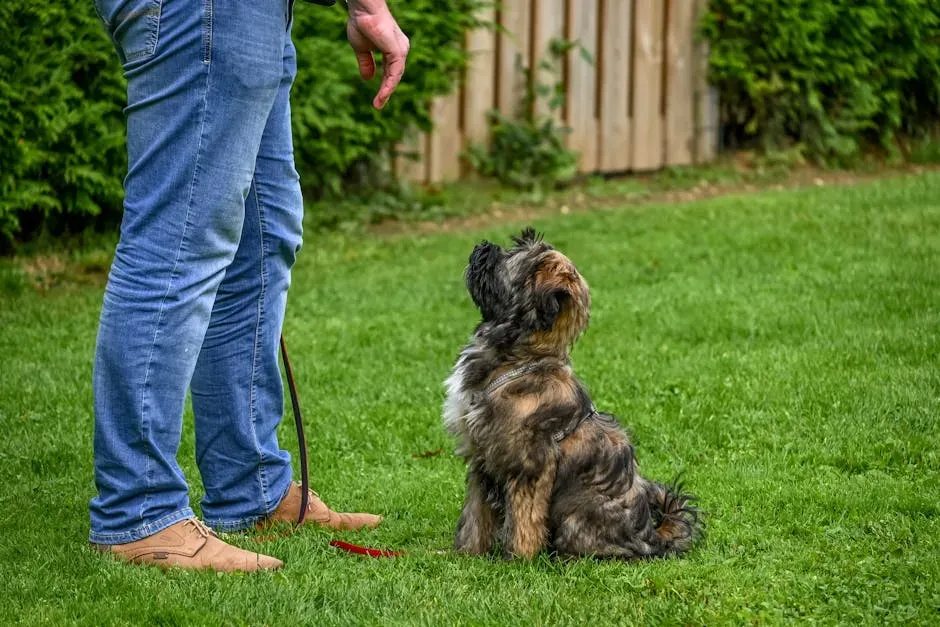
Many older adults enjoy teaching their dogs new tricks or engaging in interactive games, providing essential mental stimulation. Keeping a dog’s mind active can delay cognitive decline and reduce the risk of developing behavioral issues.
Simple activities like puzzle toys, scent games, or learning new commands can keep a dog’s brain engaged and promote a sense of accomplishment and joy.
Ensuring a Safe and Comfortable Living Space
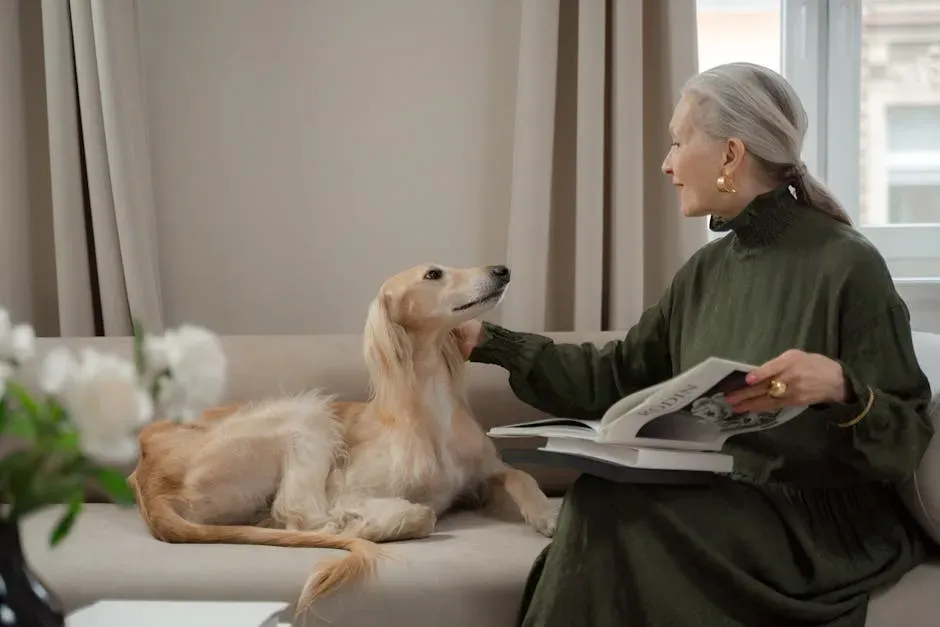
Seniors often make home modifications for their comfort, which inadvertently benefit their dogs. Non-slip rugs, ramps for stairs, and accessible sleeping areas help prevent injuries and make daily activities easier for aging dogs.
Creating a safe environment reduces the risk of accidents and supports a dog’s independence, contributing to a higher quality of life and extended lifespan.
Offering Unwavering Companionship and Affection
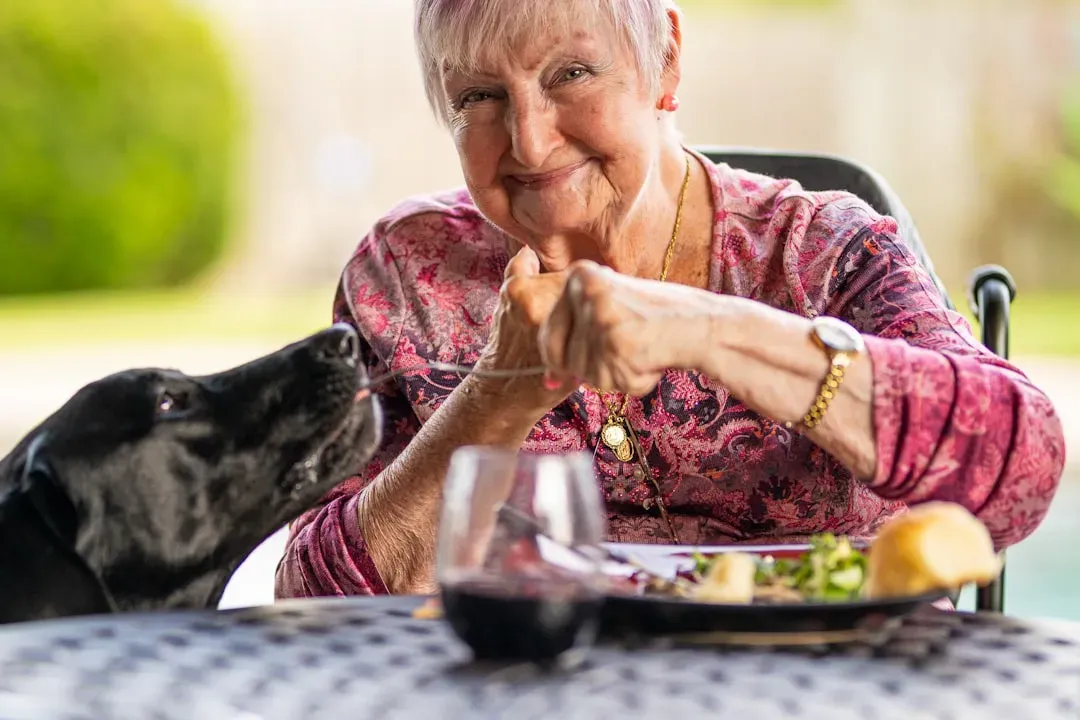
The deep bond formed between seniors and their dogs provides emotional support that is mutually beneficial. This companionship reduces stress and promotes a sense of purpose and happiness, which can positively affect a dog’s health and longevity.
Regular affection and attention can boost a dog’s mood, strengthen the human-animal bond, and even improve immune function, all contributing to a longer, healthier life.
Monitoring and Managing Weight
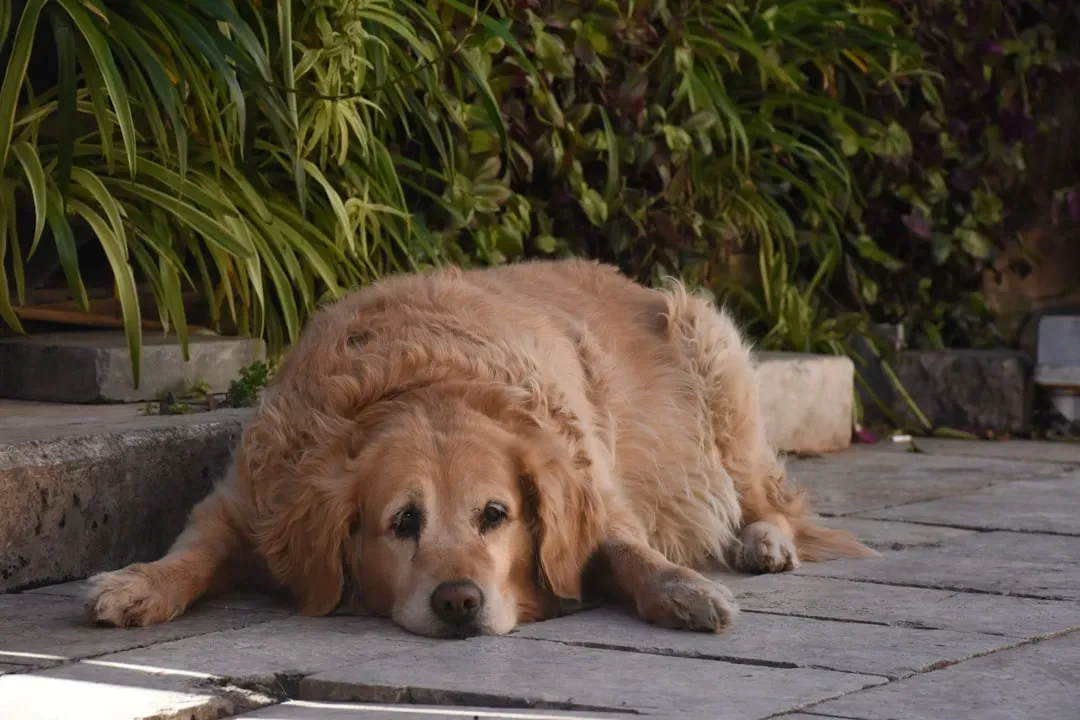
With a more relaxed lifestyle, seniors may be more attentive to their dog’s weight, adjusting food intake and exercise accordingly. Maintaining a healthy weight is crucial in preventing obesity-related diseases and extending a dog’s lifespan.
Regular weigh-ins and portion control, combined with appropriate exercise, help keep dogs fit and reduce the strain on their joints and organs, promoting overall health.
Utilizing Natural Remedies and Supplements
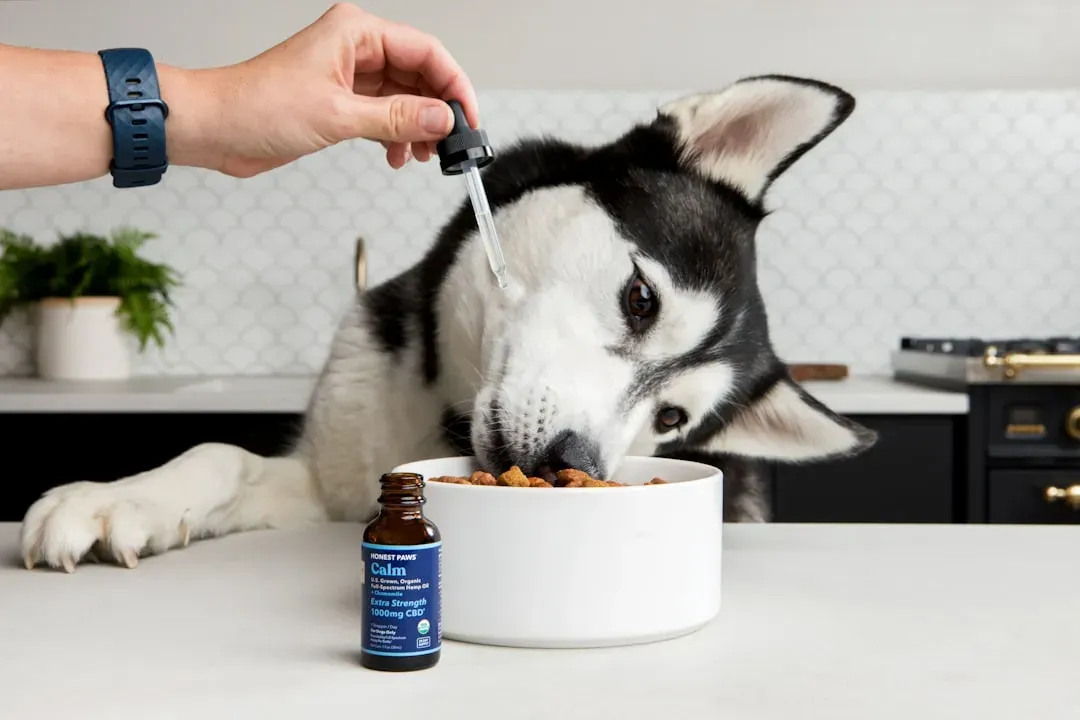
Many older adults prefer natural remedies for themselves and extend this preference to their pets. Incorporating veterinarian-approved supplements like glucosamine for joint health or omega-3 fatty acids for coat and skin health can enhance a dog’s well-being.
These supplements can alleviate symptoms of aging, improve mobility, and support cognitive function, contributing to a better quality of life and increased longevity.
Encouraging Socialization with Other Dogs and People
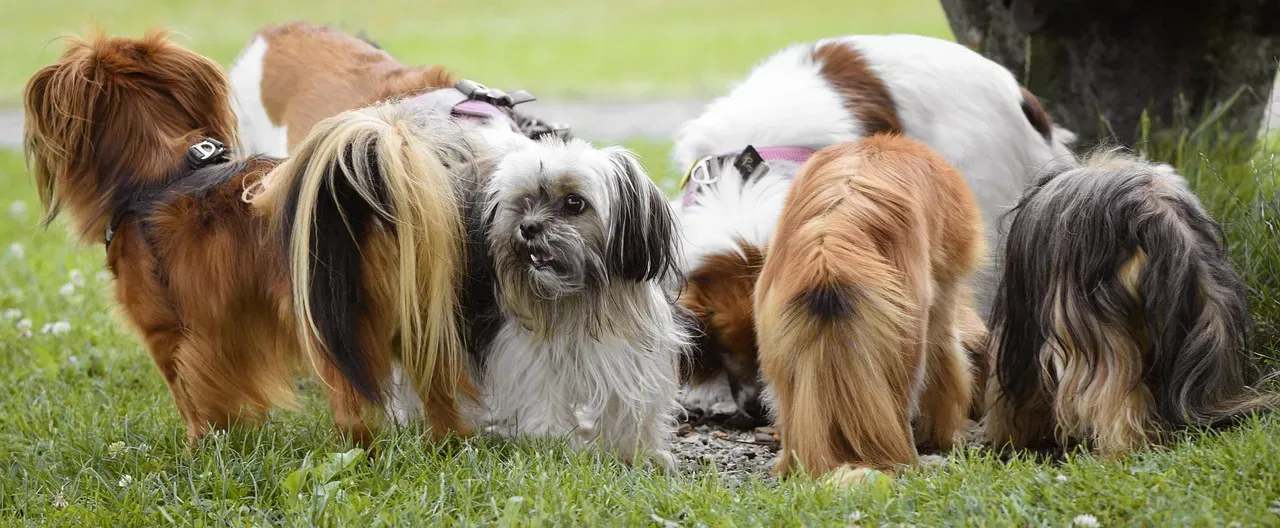
Seniors often have more time to socialize, bringing their dogs along to meet friends or attend community events. Regular socialization helps prevent behavioral issues and keeps dogs mentally and emotionally balanced.
Interacting with other dogs and people can reduce anxiety, improve social skills, and provide physical exercise, all of which contribute to a longer, healthier life for the dog