
10 Signs Your Dog Has Entered the Stage of Life Where Every Day Is a Gift – And Doesn’t Know It
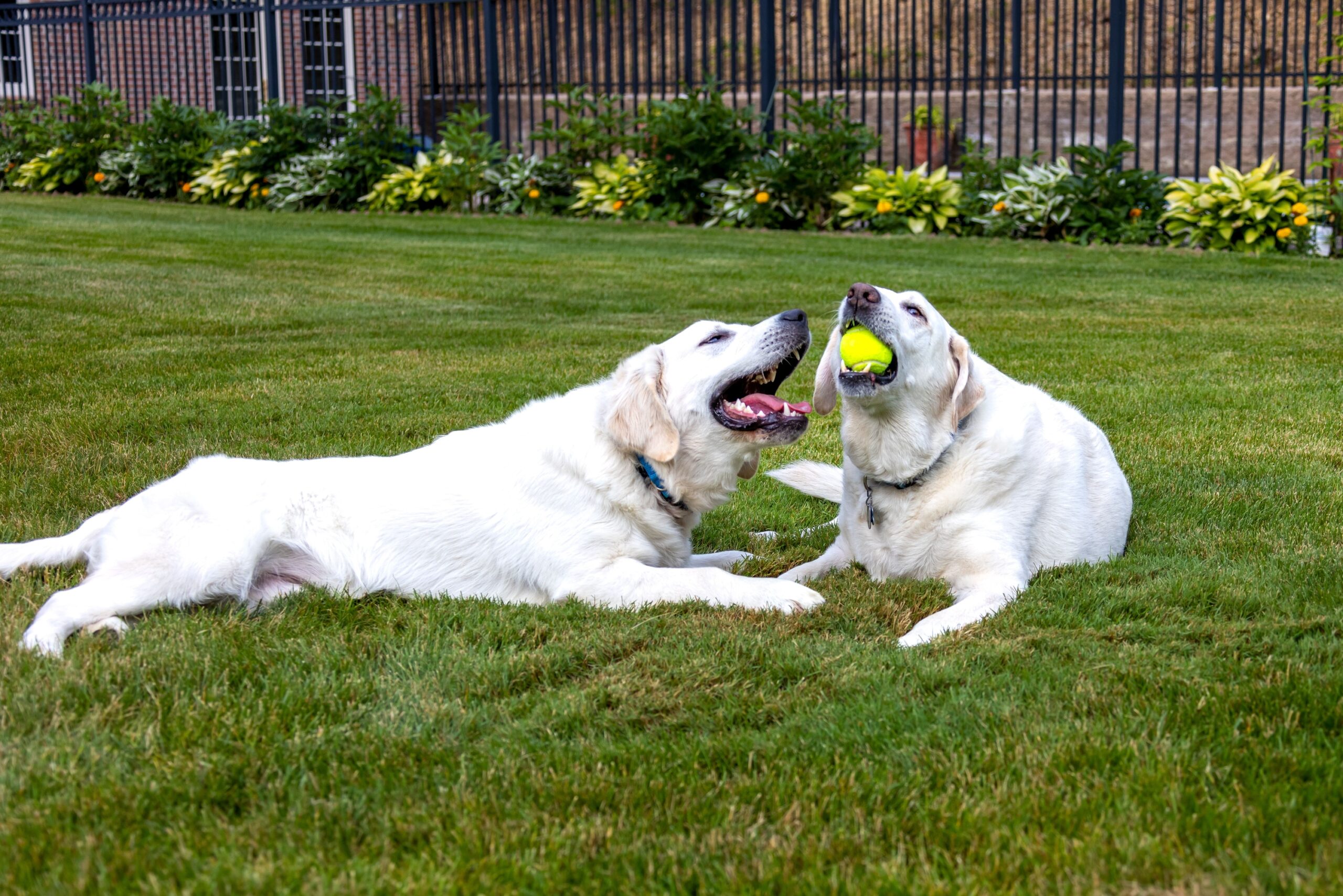
There’s a quiet moment in almost every dog lover’s life when you look over at your pup and realize something has shifted. The muzzle is softer and whiter, naps are longer, and suddenly the years feel a lot shorter than they used to. Your dog still greets you like you’re the best part of their day, totally unaware that time is starting to borrow from your shared future and tuck it gently into the past.
That realization can hit like a wave: your dog has entered the precious chapter where every day is a gift, even if they still think they’re indestructible. It’s bittersweet, but it can also be strangely beautiful. When you recognize the signs, you stop rushing and start savoring – the slow walks, the quiet cuddles, the funny old-dog habits. Let’s walk through the changes that often show up in this stage of life, so you can spot them early, respond with love, and make these years feel as rich and comfortable as possible.
1. The Zoomies Turn Into Slow Strolls And Careful Moves
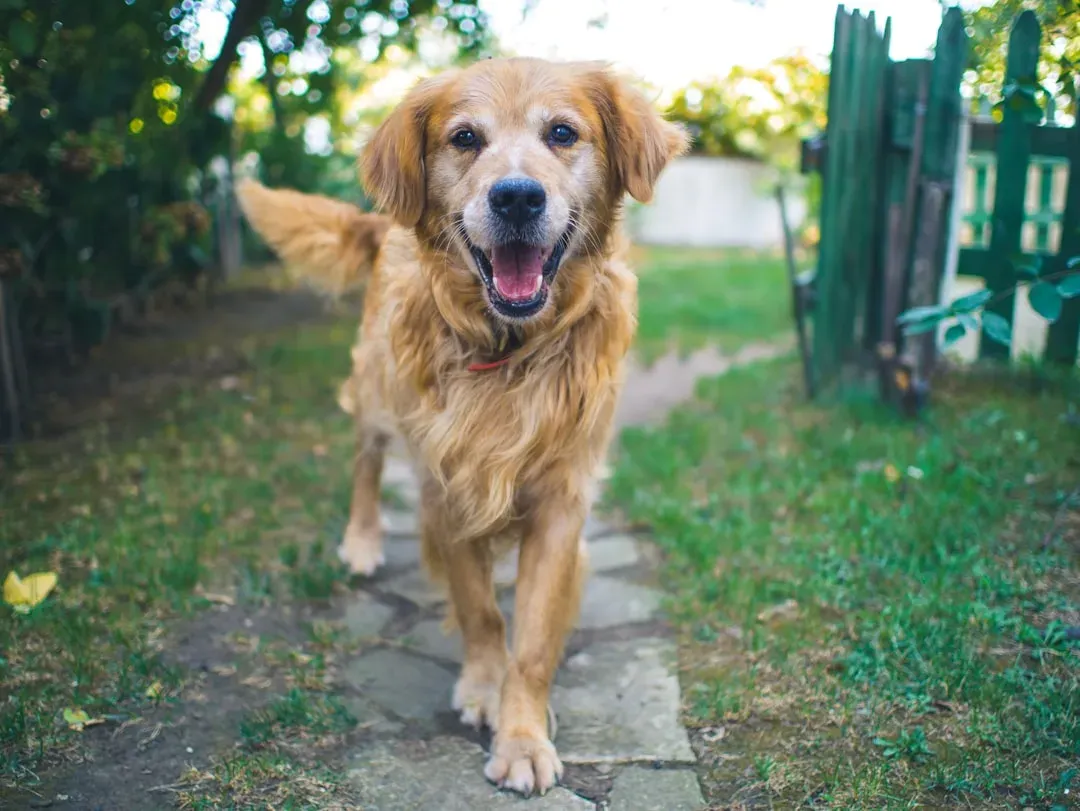
One of the clearest signs your dog has entered this tender stage is how their movement changes. The puppy-style bursts of energy that once had them racing from room to room become shorter, rarer, or disappear altogether, replaced by slow, deliberate steps. They may still want to chase the ball, but now they trot instead of sprint, or stop halfway and look at you like they’re negotiating a new, gentler version of the game.
This doesn’t necessarily mean your dog is unhappy; more often, it means their body is quietly aging while their spirit is still playing catch-up. Just like older humans who still feel young inside, many senior dogs don’t realize their joints are stiffer or their muscles tire quicker. They simply adapt. As a guardian, the shift from wild zoomies to careful strolls is your cue to adjust expectations, shorten play sessions, and add more soft landings – literally and emotionally.
2. Long Naps Take Over The Day
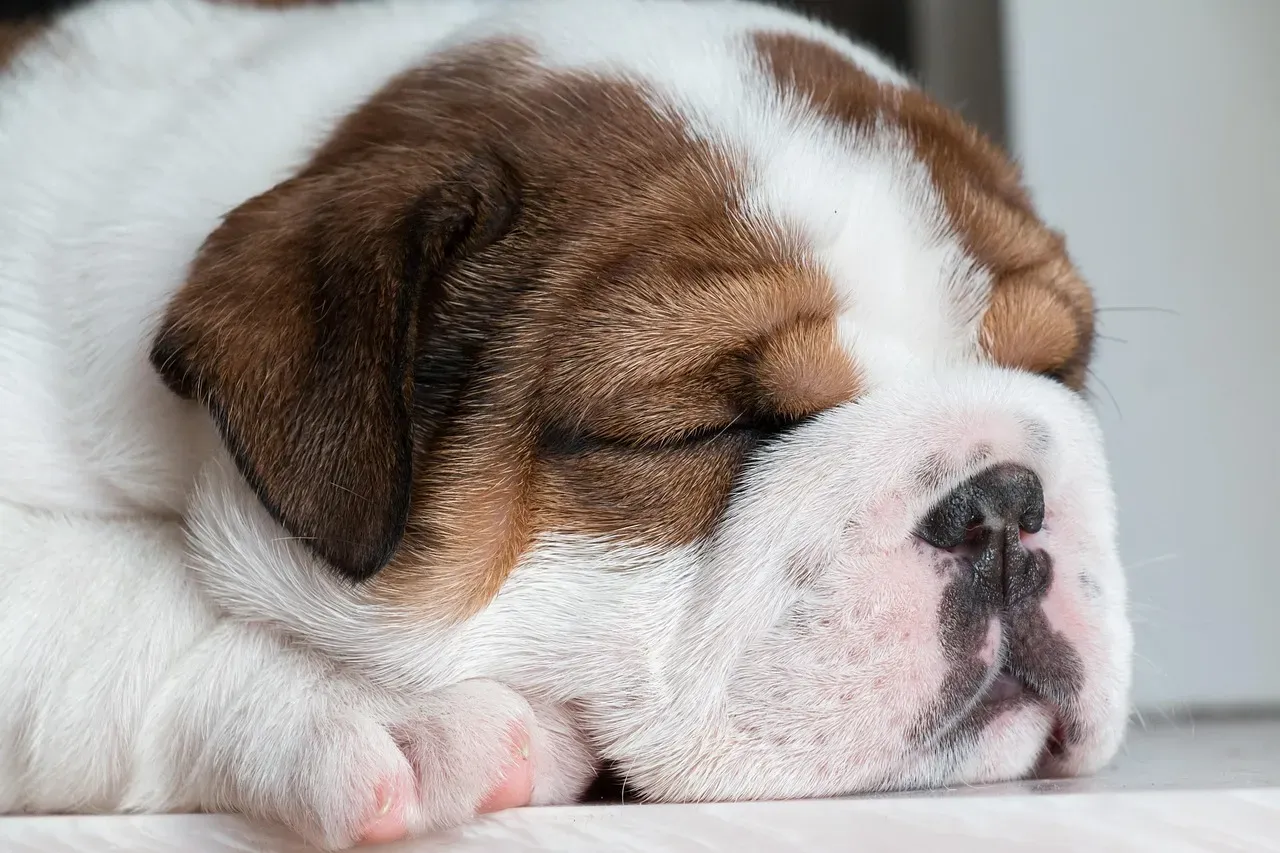
At some point you notice your dog isn’t just napping – they’re genuinely sleeping away big chunks of the day. The once restless pup who followed you from room to room now picks a favorite spot and settles in for deep, peaceful rest. They may still perk up when you grab the leash or open the treat jar, but the in-between moments become quieter and more still.
In older dogs, increased sleep is common and often normal, as long as they can wake easily and still show interest in food, walks, and you. It can feel jarring when the dog who used to be your shadow now chooses the comfort of the couch instead of constant motion. But this is often their body’s way of conserving energy and staying as comfortable as possible. Instead of seeing these naps as a loss, you can treat them as an invitation: sit beside them, rest your hand on their fur, and join them in slowing down.
3. The Muzzle Frosts Over And The Eyes Tell A Deeper Story
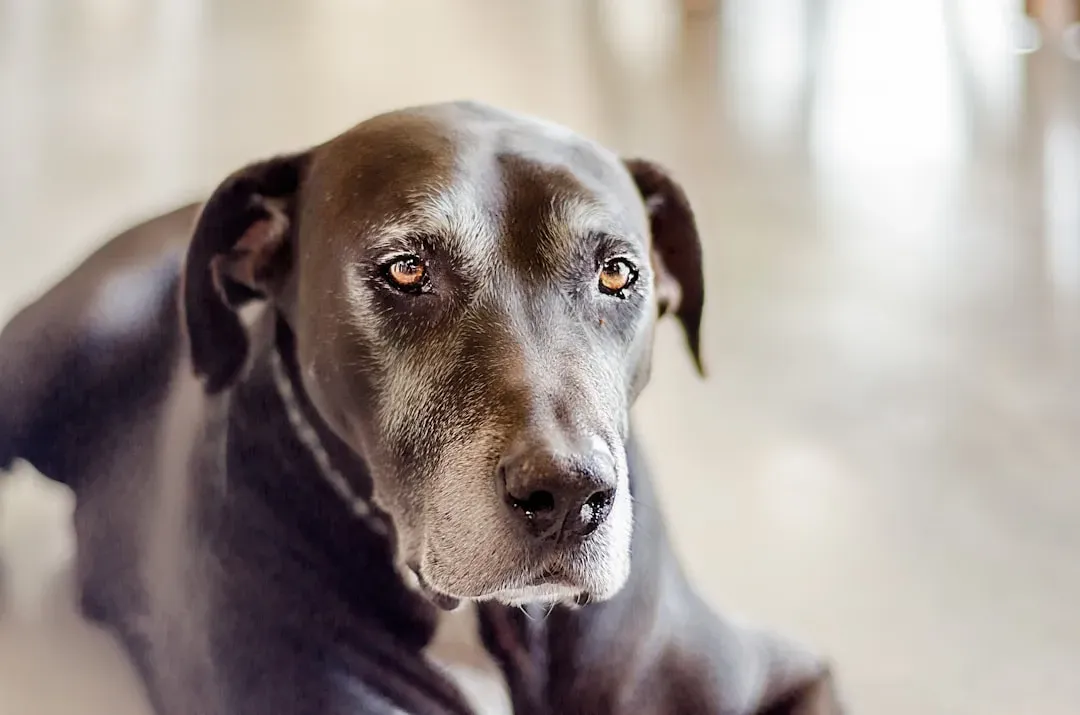
One day you look closely and realize your dog’s face has changed. That once solid color around the muzzle is now sprinkled – or fully coated – with white and gray, like someone dusted them with flour. Their eyes may seem a little cloudier or more reflective, especially in certain light. These outward changes are some of the most obvious signs that time has been quietly moving.
While a graying muzzle and slightly hazy eyes often come with normal aging, they hit you in the heart because they’re so visible in every photo and every snuggle. Your dog, of course, has no idea they look older; they’re not checking mirrors or worrying about crow’s feet. They’re just living. That’s the part that can almost hurt: they don’t know these changes make them look fragile to us, and they don’t realize how fiercely we suddenly want to protect them from everything that could hurt.
4. Walks Become More About Smelling Than Getting Somewhere
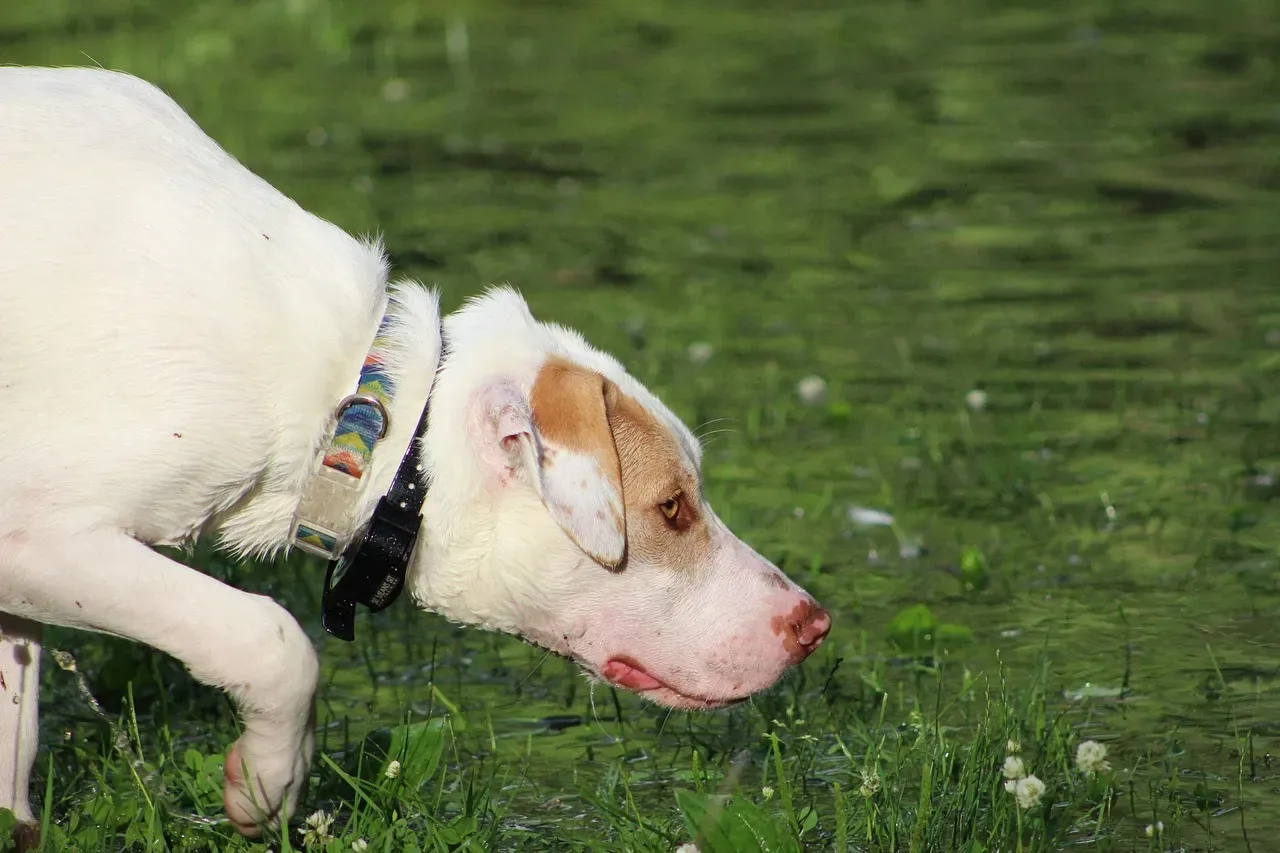
Early in life, walks are an event: power strides, tangled leashes, the constant urge to move forward as fast as possible. As dogs enter this later stage, walks often transform into something softer and slower. They stop more, linger longer, and seem far more interested in sniffing every blade of grass than in covering distance. A five-minute loop can stretch into a fifteen-minute meander.
This shift can be frustrating if you’re used to brisk exercise, but it’s actually a beautiful signal to pay attention to. For many older dogs, mental stimulation – smelling, observing, feeling the breeze – becomes more important than mileage. Their body may not handle long hikes, but their brain still craves novelty. When you lean into these slow, sniffy walks, you stop treating the walk like a workout and start treating it like what it really is now: quality time your dog still deeply enjoys, just at a gentler pace.
5. They Start Needing Ramps, Rugs, And A Little Help Getting Up
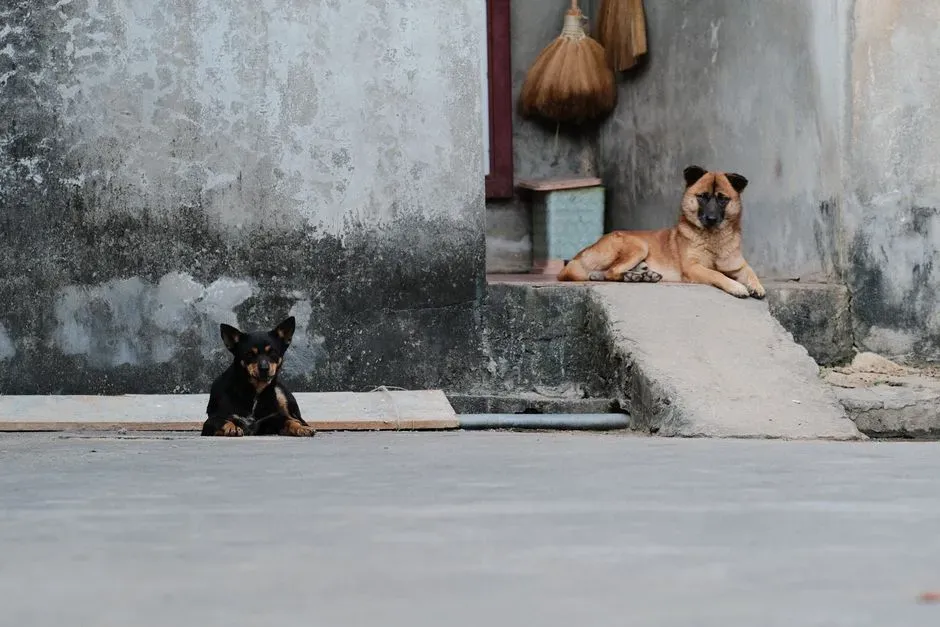
Another sign you’ve entered the “every day is a gift” chapter is when you catch yourself rearranging your home around your dog’s comfort. Maybe they hesitate before jumping on the couch where they used to fly, or they scramble on hardwood floors that never bothered them before. Suddenly you’re looking at dog ramps online and throwing down extra rugs like a runway just so they feel secure when they walk.
These small environmental changes are acts of love for a body that’s quietly protesting the old routines. Your dog likely doesn’t understand why the stairs feel steeper or why their back legs do not always cooperate after lying down. They only know that some things are harder, and they look to you to bridge the gap. When you offer a gentle boost into the car, lift their hips so they can stand, or invest in a good orthopedic bed, you’re not spoiling them – you’re honoring the truth that their body has changed, even if their heart still thinks it can leap like it used to.
6. Their Appetite, Thirst, Or Bathroom Habits Aren’t What They Used To Be
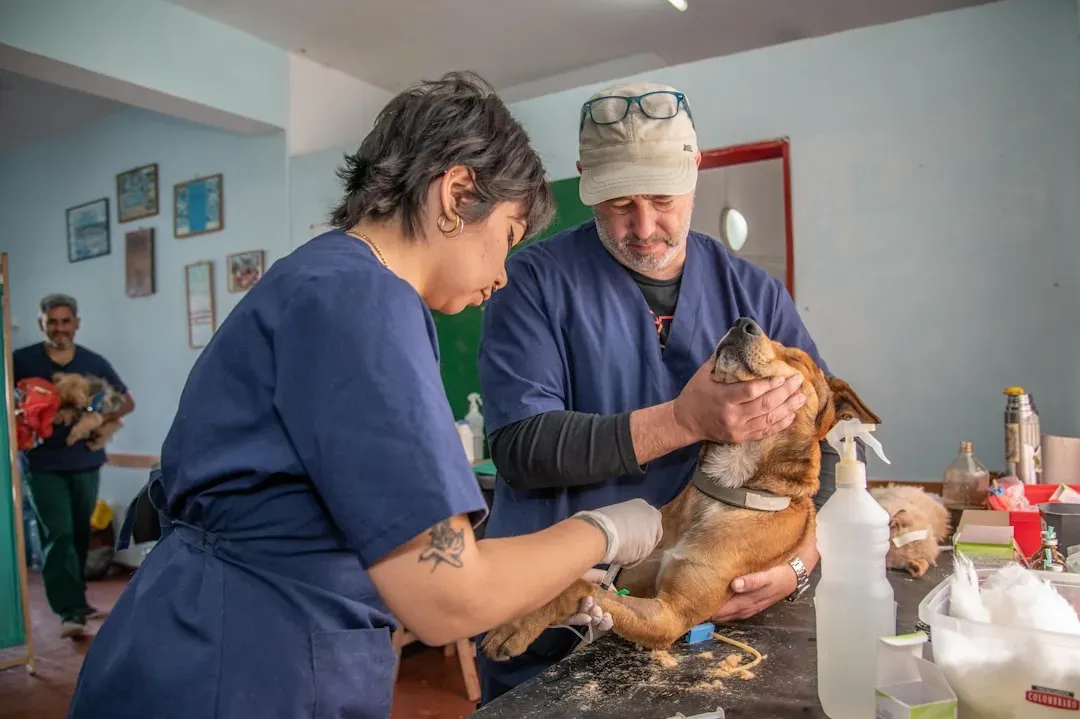
As dogs move into their senior years, you may start noticing subtle but steady changes in eating, drinking, and bathroom habits. Maybe they leave food in the bowl when they never used to, or suddenly seem pickier and need their meal gently warmed or softened. On the flip side, some older dogs become hungrier or more food-obsessed due to metabolic or medical changes. You might also spot them drinking more water, needing more bathroom breaks, or even having the occasional accident indoors.
These signs can be normal parts of aging, but they can also signal underlying issues like arthritis pain, dental problems, kidney disease, or hormonal changes. From the dog’s perspective, they are just following their instincts: eating when they feel like it, drinking when they’re thirsty, going when they have to go. They don’t understand that these shifts make us worry more than we let on. This is where regular vet checkups, bloodwork, and honest conversations with your vet matter more than ever. The goal is not to chase perfect health, but to catch problems early and keep your dog as comfortable and content as realistically possible.
7. Hearing And Vision Fade, But Their Nose And Heart Take The Lead
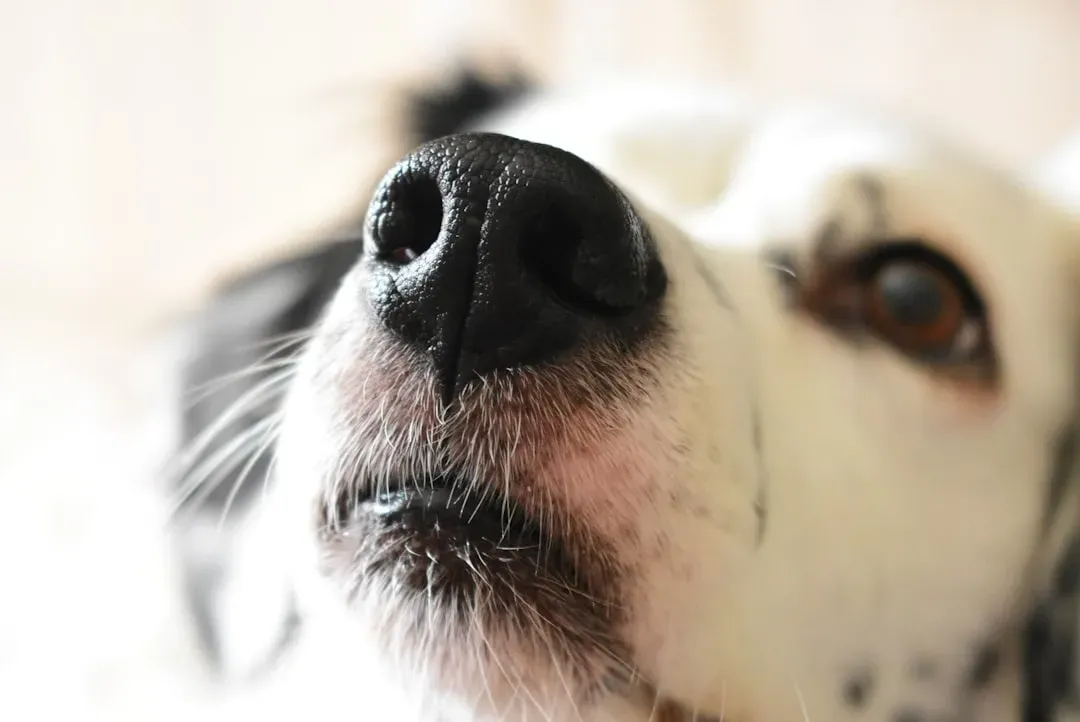
Another powerful sign your dog is in this precious stage is when you have to adjust how you get their attention. Maybe they no longer come running when you call from another room, or they sleep through noises that used to send them sprinting to the door. Sometimes you notice them startling more easily when approached from behind, or bumping into furniture that has moved. Their world is getting a little softer around the edges, literally.
What’s remarkable, though, is how often older dogs compensate with their nose and sense of routine. They may no longer track every sound, but they still find you on the couch like a homing device, or navigate the house perfectly as long as things stay where they expect them. They don’t know their hearing or vision is “worse” in the way we define it; they just adapt and rely on what still works. You can help by using more touch, hand signals, consistent layouts, and gentle approaches. It’s not about reminding them they’re old – it’s about quietly redesigning the world so aging does not have to feel frightening.
8. Playtime Looks Different, But The Spark Is Still There
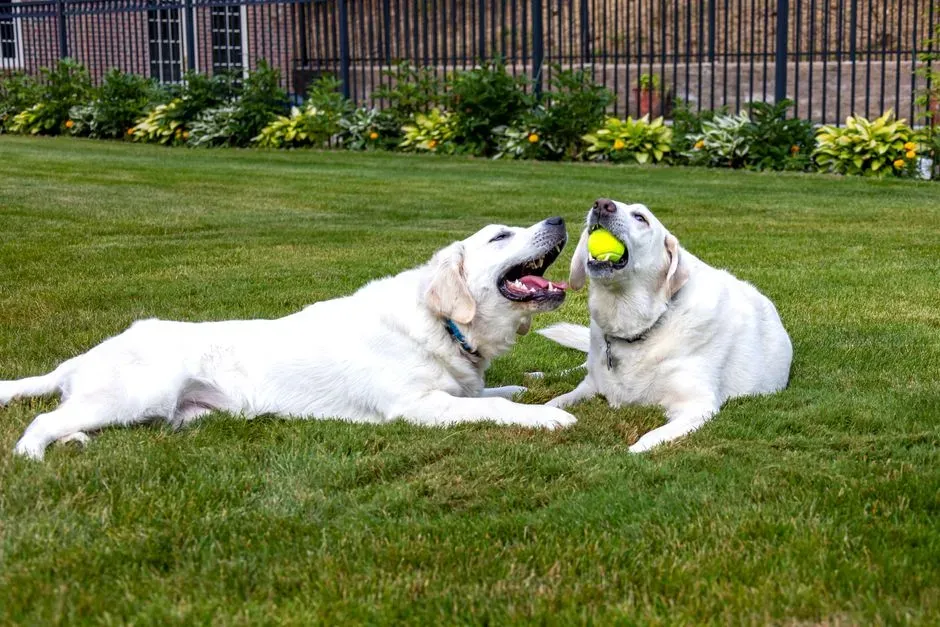
There’s a distinct shift when you toss a toy and your older dog looks at it, looks at you, and then slowly walks over instead of sprinting like a rocket. They may still love their favorite ball or squeaky, but they engage in shorter bursts, with more breaks and a lot less intensity. Tug of war becomes a few soft pulls instead of full-body wrestling. Sometimes they simply lie beside their toys instead of actively playing with them, almost like a child sleeping with a beloved stuffed animal.
It can be tempting to interpret this as a loss of joy, but often it is just a different version of joy. The desire to connect and interact is still there; the body is simply renegotiating the terms. Shorter, gentler games, puzzle feeders, sniff mats, and low-impact play can give them the mental fun without exhausting them physically. The important thing is not to stop offering play altogether. When you keep inviting your dog to engage – at their pace, on their terms – you send a clear message: you’re still fun, you still matter, and I still love doing things with you.
9. They Cling A Little Closer And Seek More Quiet Affection
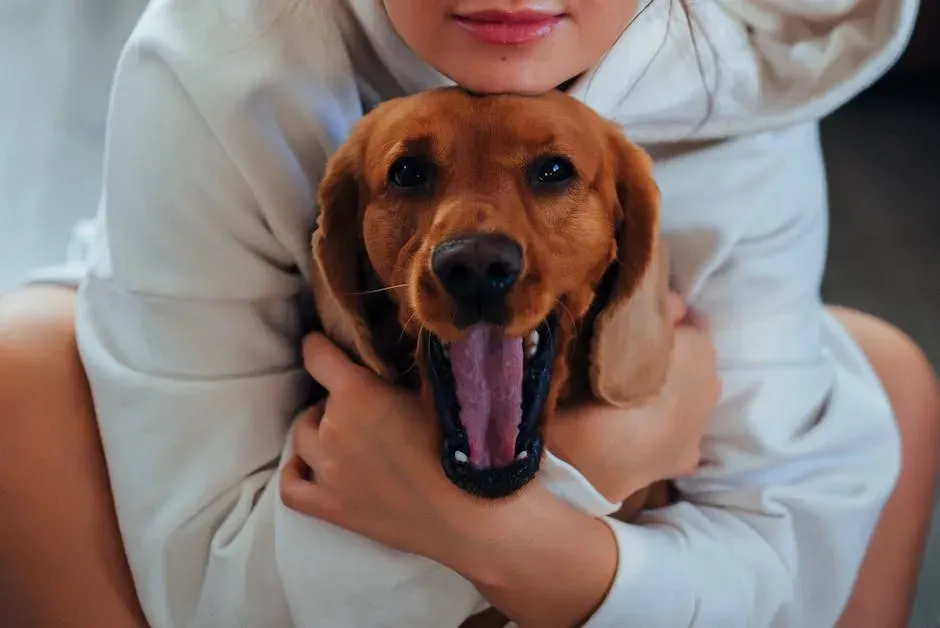
Many people notice that as their dog grows older, the clingy, cuddly side comes out even more. The dog who once preferred the cool tile floor might now choose to sleep pressed up against your leg, or insists on being in the same room, even if nothing is happening. They may nuzzle your hand more often, sigh deeply when you sit beside them, or rest their head on you for longer stretches, as if your presence alone is a kind of medicine.
This closeness can be a blend of physical comfort and emotional security. Aging can bring aches, fatigue, and sometimes mild confusion; in that fog, you are the anchor that still makes everything feel safe and familiar. Your dog does not realize they have entered a more fragile chapter of life, but on some level, they seem to know that being near you feels right. Lean into this. Give the extra scritches, linger on the couch, and talk to them even if they do not catch every word. In these small, quiet moments, you are giving them exactly what they need most: the reassurance that they are not facing this chapter alone.
10. You Start Measuring Time In “One More” Moments
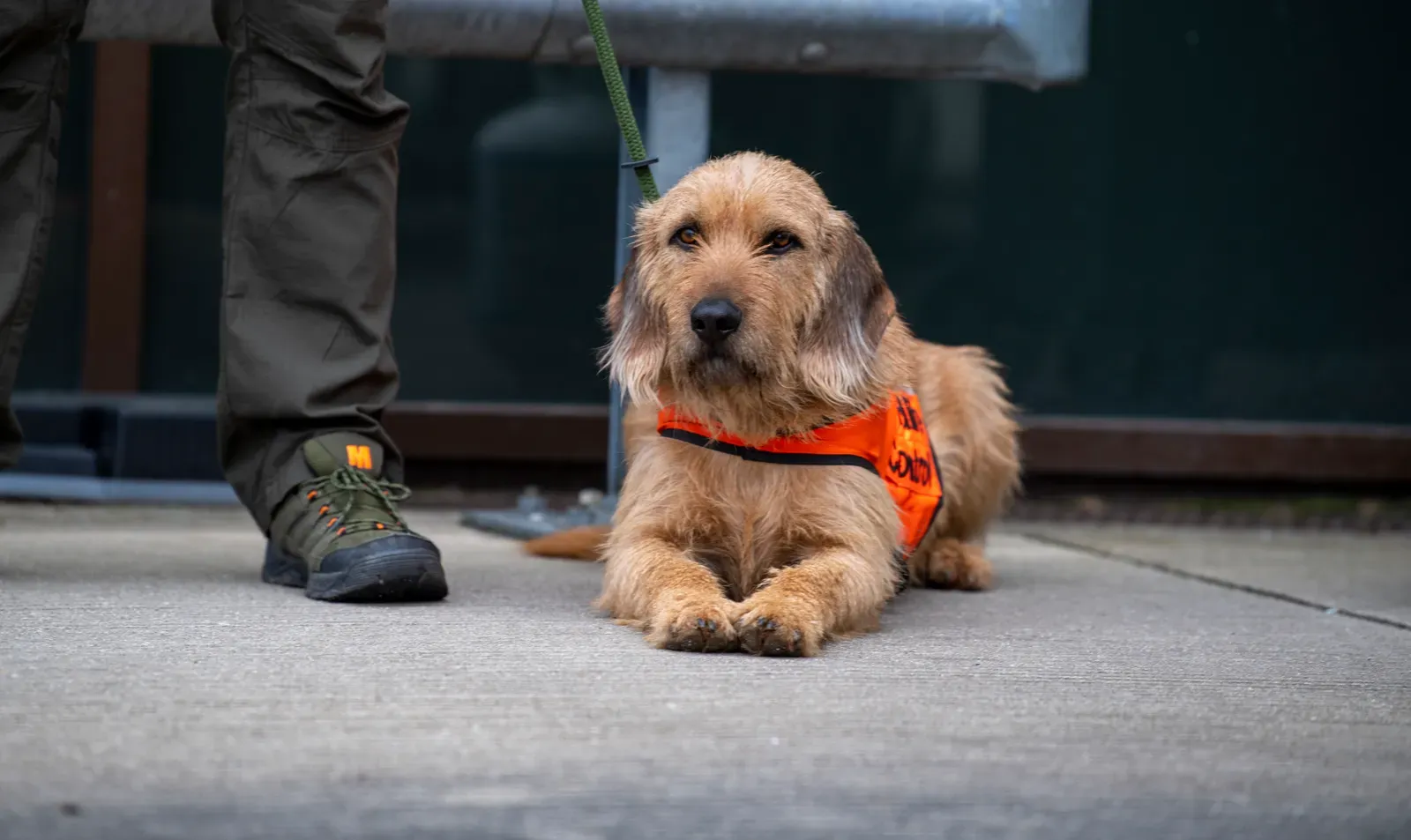
Perhaps the most telling sign that your dog has stepped into the stage where every day is a gift is not actually about your dog at all – it is about you. You catch yourself thinking in “one more” units: one more summer together, one more holiday season, one more birthday. You may not say it out loud, but there is a subtle shift in how you count time. Suddenly, the little annoyances feel smaller, and the chance to share a quiet evening on the couch feels huge.
Your dog has no idea this mental arithmetic is happening. They wake up each morning assuming there will be another walk, another meal, another nap in a sunbeam. That innocent unawareness can be heartbreaking and oddly healing at the same time. It nudges you to stop postponing the good stuff: the road trip you kept delaying, the nicer bed you said you would buy “someday,” the photo session you thought you did not need. When you start living as if every day really is a gift, you do not become morbid – you become intentional. And in a way, that is the greatest last act of love you can offer them.
Conclusion: Loving Them Fiercely In The Softest Chapter
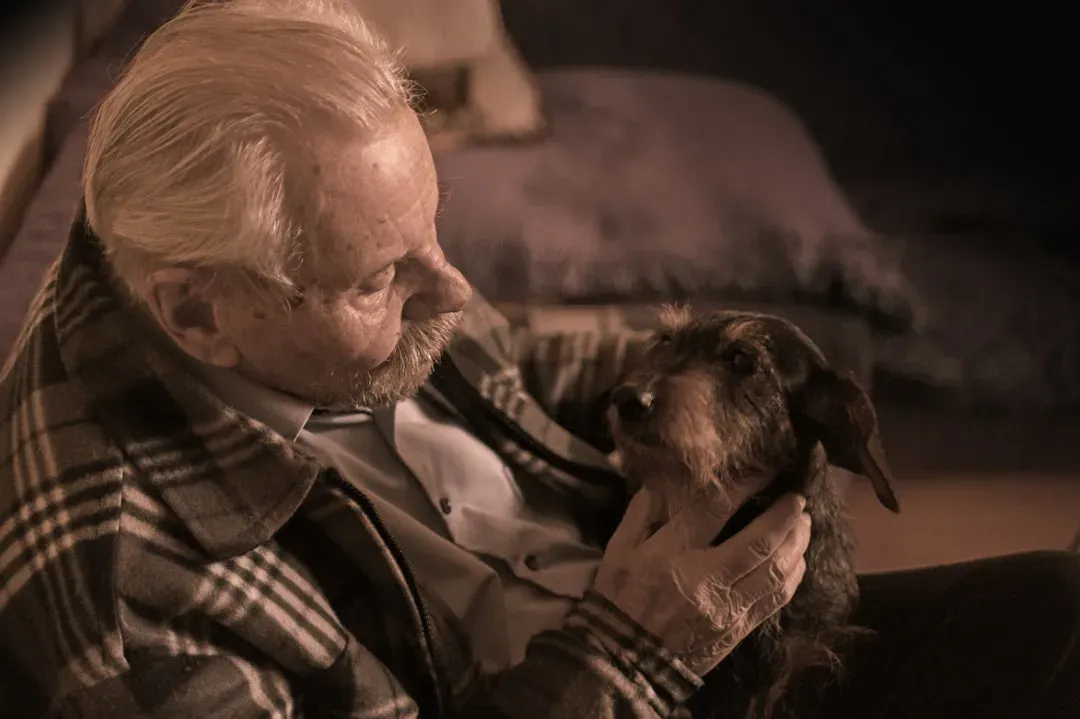
Watching your dog enter this later stage of life is one of the most tender, unfair, and strangely beautiful things you will ever do. Their body slows down, habits shift, and you are forced to face the truth that their timeline is not nearly as long as you wish it were. They, meanwhile, carry on in blissful unawareness, still thrilled by a good sniff, a tasty treat, or the sound of your footsteps coming down the hall. That contrast can feel brutal, but it is also what makes their trust in you so profound.
My opinion is simple and a little blunt: once you recognize that every day with your dog is a gift, you owe it to them not to look away from that truth. Adjust their world to their aging body, invest in comfort and vet care, cancel plans to sit with them when they need you, and take far more pictures than you think you should. You cannot control how long they stay, but you can absolutely control how deeply they are loved while they are here. When the day finally comes that you would trade anything for just one more ordinary afternoon together, you will be able to look back and know you did not waste the ones you had – and really, could there be a better way to say thank you for a lifetime of loyalty?