
10 Signs Your Dog Is Holding On Before Crossing the Rainbow Bridge

As our beloved canine companions age, they often exhibit subtle changes that signal their time with us is drawing to a close. Recognizing these signs can help us provide the comfort and care they need in their final days. Here are ten indicators that your dog may be .
1. Decreased Appetite and Weight Loss

One of the earliest signs that a dog is nearing the end of life is a noticeable decline in appetite. They may show disinterest in their favorite foods or treats, leading to significant weight loss over time. This change often results from a slowing metabolism and diminished energy needs.
In some cases, underlying health issues such as organ failure or cancer can also contribute to this loss of appetite. It’s essential to consult with your veterinarian to determine the cause and discuss appropriate care options.
2. Increased Lethargy and Fatigue

A marked decrease in energy levels is common in dogs approaching the end of their lives. They may spend more time sleeping and show reluctance to engage in activities they once enjoyed, such as walks or playtime.
This lethargy can be attributed to the body’s natural decline and the energy conservation mechanisms that occur as vital systems begin to shut down. Providing a comfortable and quiet environment can help ease this transition.
3. Loss of Interest in Surroundings

Dogs nearing the end of life often become less responsive to their environment. They may ignore familiar stimuli, such as the doorbell ringing or the presence of family members, indicating a withdrawal from daily life.
This detachment can be a coping mechanism as they prepare for the end. Offering gentle companionship without overwhelming them can provide comfort during this time.
4. Difficulty Breathing

Changes in breathing patterns, such as labored or shallow breaths, can indicate that a dog’s body is struggling to maintain normal functions. You might notice increased panting or irregular breathing rhythms.
These respiratory changes can result from various factors, including heart failure or lung disease. It’s crucial to monitor these symptoms and seek veterinary advice to manage discomfort.
5. Incontinence and Loss of House Training
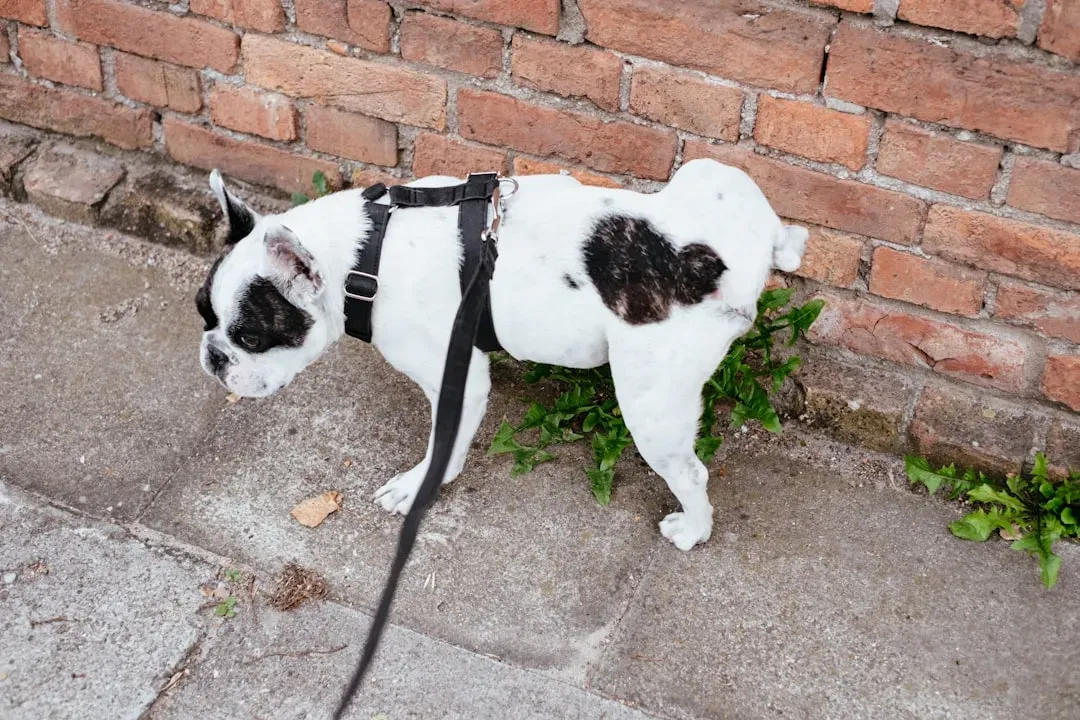
As dogs age and their bodily functions decline, they may lose control over their bladder and bowels, leading to accidents in the house. This incontinence is often beyond their control and can be distressing for both the pet and the owner.
Maintaining patience and providing easy access to outdoor areas or using protective bedding can help manage this issue and keep your dog comfortable.
6. Restlessness and Agitation

Some dogs exhibit increased restlessness or agitation as they near the end of life. They may pace, have difficulty settling, or seem unable to find a comfortable position.
This behavior can be a response to discomfort or anxiety. Offering a calm environment and consulting with your veterinarian about pain management options can alleviate some of this distress.
7. Seeking Solitude

It’s not uncommon for dogs to seek out quiet, secluded places as they approach the end of their lives. They may retreat to hidden corners or prefer to be alone, which can be a natural instinct to isolate themselves during this time.
Respecting their need for solitude while ensuring they are safe and comfortable is important. However, continue to offer gentle interactions to let them know you’re there for them.
8. Changes in Gum Color

Pale or bluish gums can indicate poor circulation and oxygenation, common in dogs nearing the end of life. This change is often a sign that the heart and lungs are not functioning efficiently.
Regularly checking your dog’s gum color can provide insight into their circulatory health. If you notice significant changes, consult your veterinarian for guidance.
9. Loss of Coordination

As a dog’s health declines, they may experience a loss of coordination, leading to unsteady gait or difficulty standing. This can result from muscle weakness, neurological issues, or joint pain.
Providing supportive measures, such as non-slip mats and assistance when moving, can help prevent injuries and make your dog more comfortable.
10. Unusual Vocalizations

Dogs may vocalize more frequently or in unusual ways as they near the end of life. Whining, howling, or groaning can indicate discomfort or confusion.
Paying attention to these vocal cues and consulting with your veterinarian can help address any underlying issues and ensure your dog’s comfort.
Recognizing these signs allows us to offer compassionate care and make informed decisions about our dog’s end-of-life journey. While it’s a heart-wrenching process, being attuned to their needs ensures they feel loved and supported until the very end. Have you noticed any of these signs in your aging pet?