
There’s a quiet moment in almost every dog person’s life when it hits you: this isn’t just “my pet” anymore. You’re planning your day around their walk, your phone is full of photos of them sleeping in weird positions, and somehow your social life now partly depends on a creature that eats socks for fun. At some point, you crossed a line from “owner” to something much deeper, and your dog knows it.
This bond isn’t just cute; scientists have spent years studying the dog‑human connection and keep finding the same thing: our brains and bodies actually change when we interact with our dogs, and theirs change too. If that sounds intense, it kind of is. So let’s look at the real‑world signs that you are no longer just the one who buys the food and pays the vet bill. You’ve become a central character in your dog’s universe – and they’ve quietly taken over yours too.
1. Your Dog Treats You Like a Safe Base in Any Situation
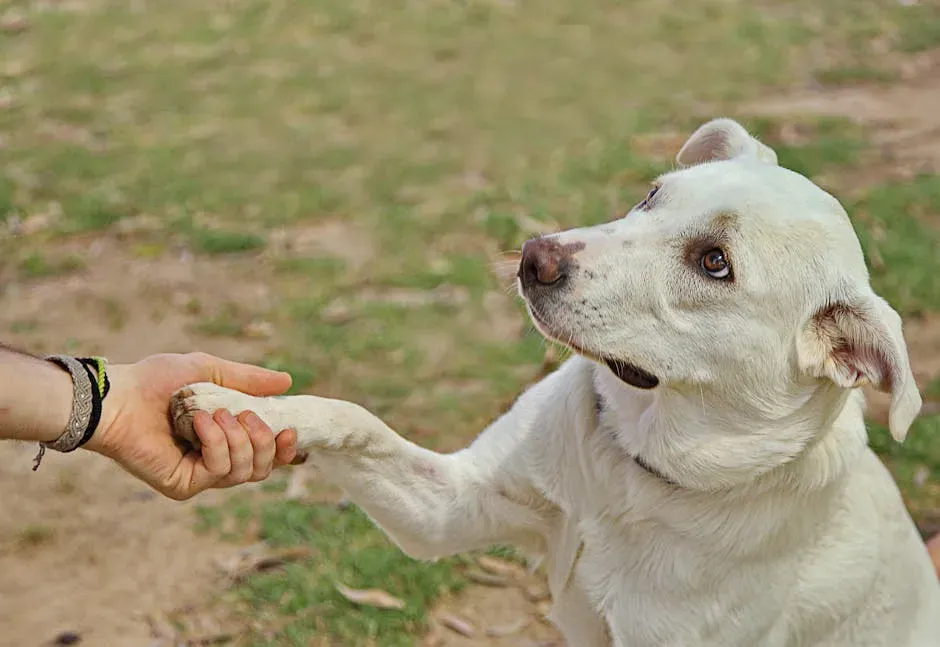
Ever notice how your dog keeps checking back in with you, even at the park or in a new place? That “orbiting” behavior, where they explore but keep returning to you, is a classic sign they see you as their secure base. In animal behavior research, that term is used for the figure an animal relies on for safety and confidence, and many dogs do this around their favorite human.
If your dog wedges themselves against your legs when they’re unsure, looks to your face when they hear a strange sound, or relaxes as soon as you sit near them, you’re not just the food provider. You’re the emotional anchor that helps them sort out the world. It’s a quiet kind of compliment: they’re saying, in dog language, “If you’re here, I can handle this.”
2. You Understand Their Micro‑Signals Before Anyone Else
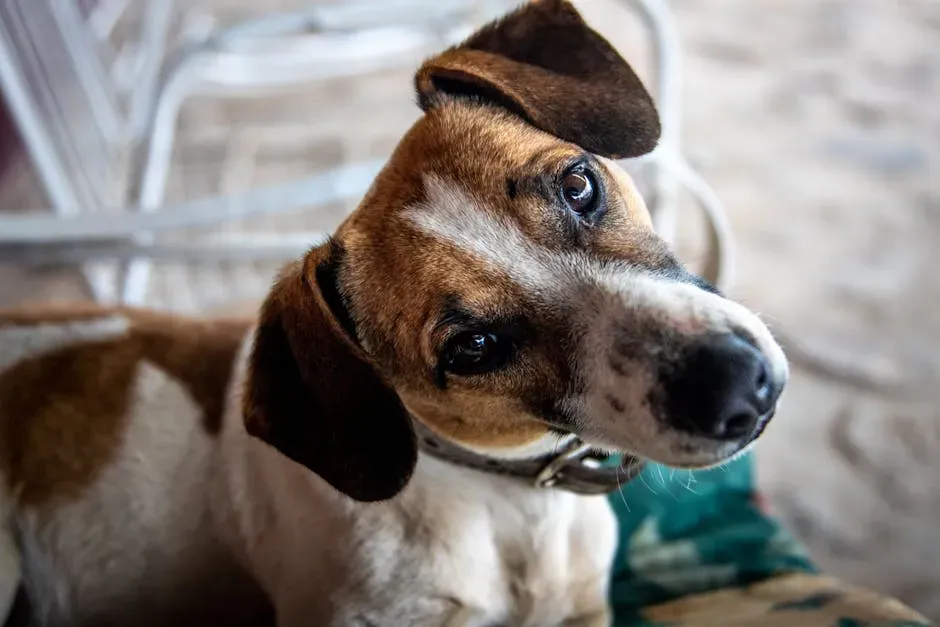
When you’ve become more than an owner, you stop needing big clues like barking or whining to know what your dog wants. You read the tiny things: the way their ears tilt when they’re curious, the specific squint of their eyes when they’re sleepy but still fighting it, the way their tail slows just a bit when something feels off. To other people, it looks like mind reading. To you, it’s just Tuesday.
Researchers have found that humans can reliably interpret many canine expressions, especially with their own dogs, and that ability grows over time. You’re probably not consciously thinking, “Ah yes, that’s the subtle ‘I need to go outside right now’ head tilt,” but your brain has quietly built a dictionary of your dog’s signals. Once you’re there, you’re not managing a pet; you’re in a constant, two‑way conversation without words.
3. Your Dog Seeks Comfort From You, Not Just Proximity
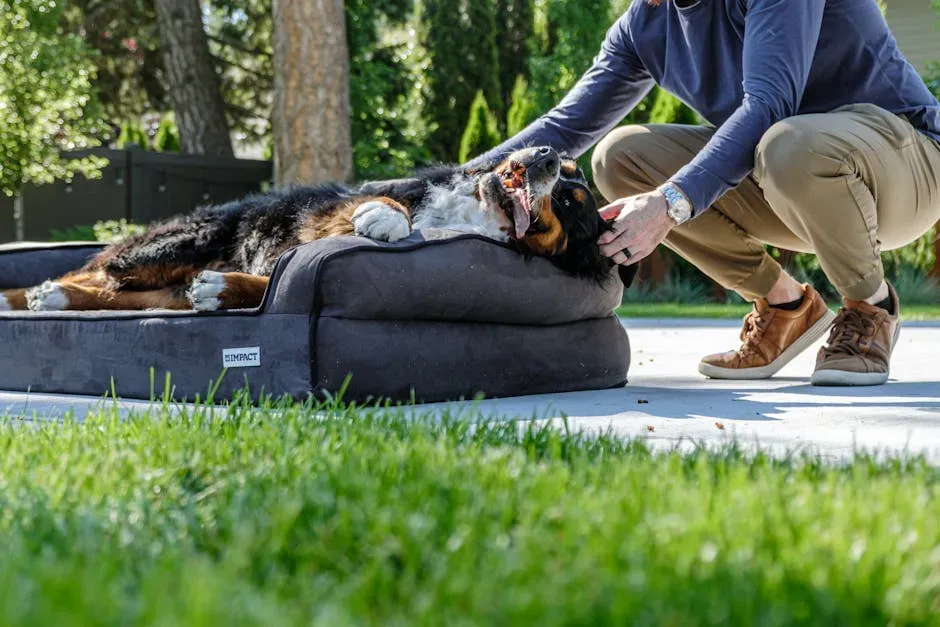
There’s a difference between a dog that lies near you and a dog that actively uses you for comfort. If your dog buries their head in your chest during a thunderstorm, presses their back against you to sleep, or physically places your hand on them when they’re uneasy, that’s attachment on a deeper level. They’re not just near you because you’re around; they’re using you like a weighted blanket for their nervous system.
Studies suggest that many dogs experience lower stress when they can interact with their primary person during something scary, like a vet visit or loud noise. If you’ve noticed your dog breathing more slowly, loosening their muscles, or even falling asleep once they can touch you, you’ve crossed well beyond ownership. You’ve become their emotional regulation tool, whether you meant to or not.
4. You Plan Your Life Around Their Needs Without Resenting It
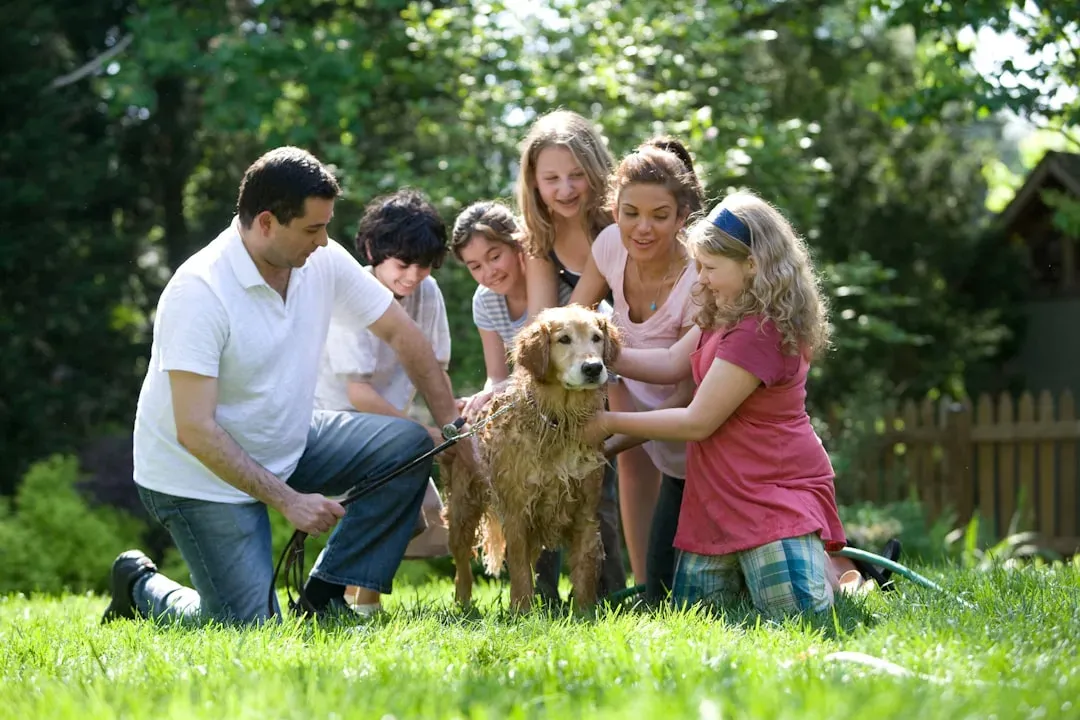
Here’s a big sign: you find yourself turning down late nights, shifting vacation plans, or arranging work calls so you can be home for their walk – and it doesn’t feel like a burden. You might grumble when your alarm goes off for the morning potty break, but deep down you know you wouldn’t trade that sleepy shuffle to the door for a life without them. That’s not ownership; that’s partnership.
Psychologists sometimes talk about “commitment” in relationships as the moment you start voluntarily reorganizing your choices around another being. When you do that for your dog, you’re acknowledging them as a real part of your family system, not an accessory. You’re not just asking, “What do I want to do today?” but also, “What does my dog need to stay happy and healthy today?” That mental shift is huge – and very hard to go back from.
5. You Notice Their Mood Swings and Take Them Seriously
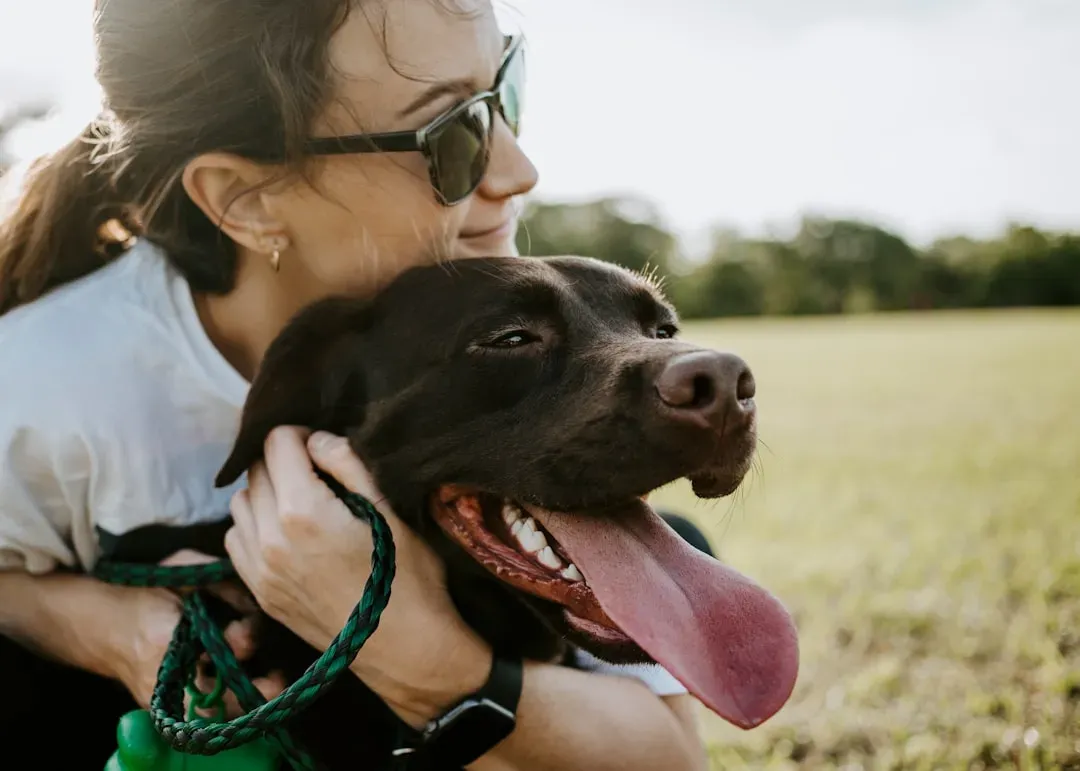
If you can tell the difference between “bored restless,” “anxious restless,” and “playful restless,” you’re operating at expert level in your dog’s emotional life. You might catch yourself saying things like, “He’s a little off today” or “She seems extra clingy, something must be stressing her,” even when your dog looks totally normal to everyone else. That kind of sensitivity is usually reserved for people we’re very close to.
Modern research is pretty clear that dogs have a range of emotional states and can experience things like fear, frustration, and something close to joy. When you tune into those states and adjust what you’re doing – maybe offering a quieter walk, more brain games, or a calmer environment – you’re treating their inner world as real and worthy of respect. At that point, they’re no longer just an animal in your home; they’re an individual you’re trying to understand.
6. Your Dog Uses You as a Social and Environmental Translator
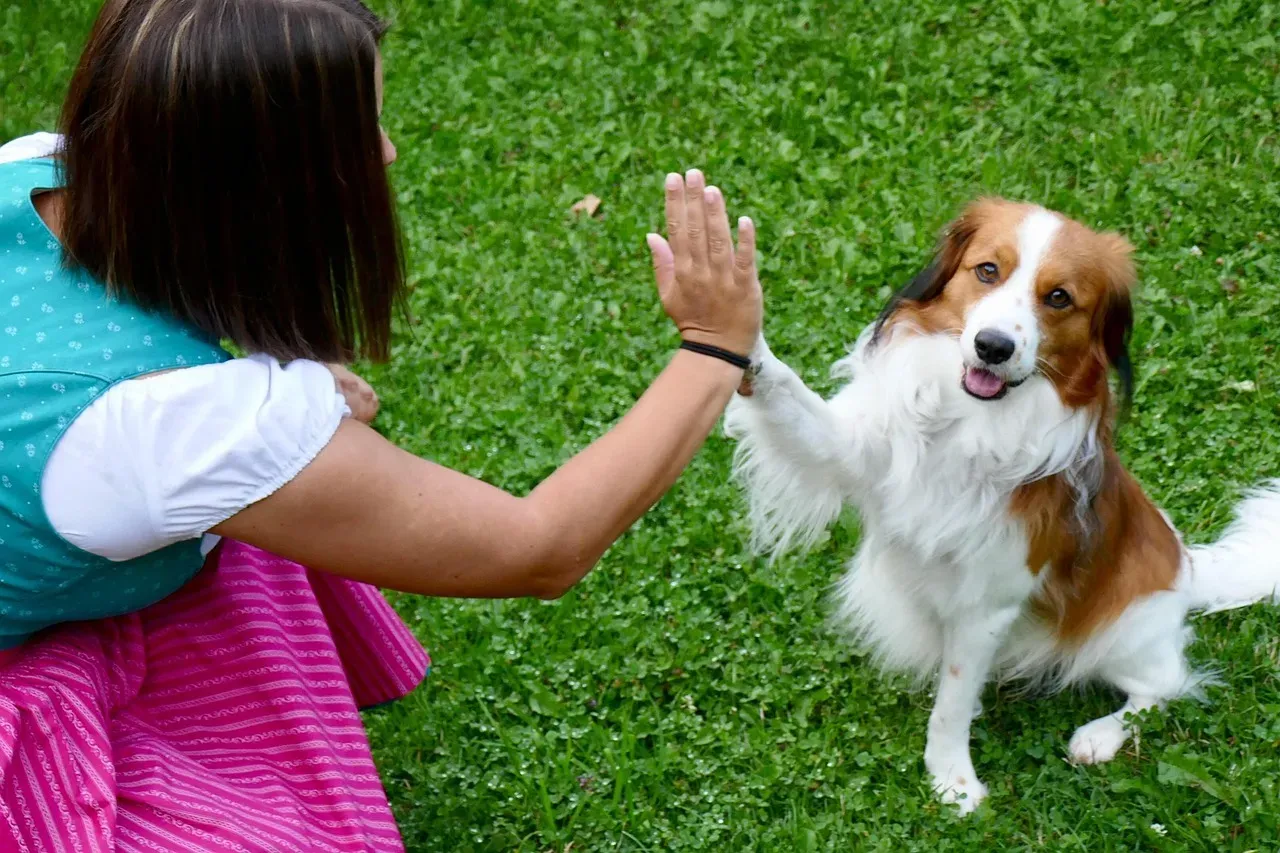
Watch what your dog does when something confusing happens: a stranger approaches, a bike zooms by, someone knocks at the door. If they quickly look to your face, body posture, or voice tone before deciding how to react, they’re not just following commands. They’re borrowing your interpretation of the world. In a way, you’re their living, breathing comment section on reality.
Dogs are remarkably tuned to human cues, and research has shown that they will often base their choices on our gaze, gestures, and emotional reactions. When your dog stops barking because you stayed calm, or decides a new person is okay only after you greet them warmly, that’s not obedience – that’s trust in your judgment. You’ve moved from owner to guide, and your dog is basically saying, “Tell me how we feel about this.”
7. You Have a Shared Routine That Feels More Like a Ritual
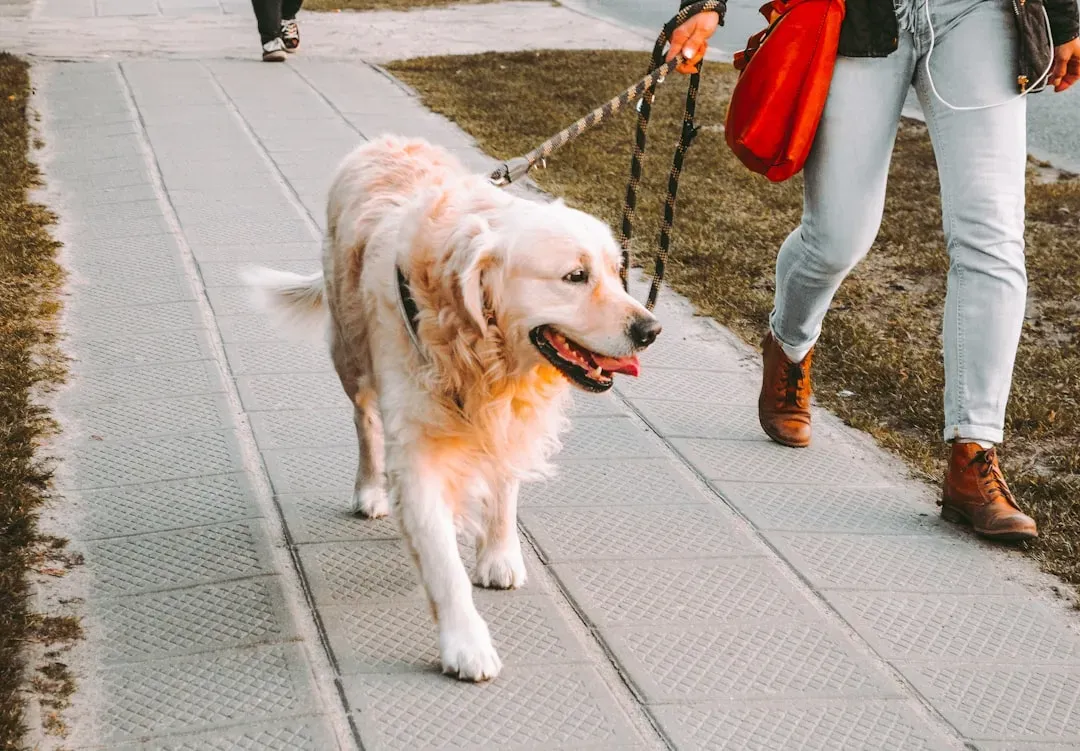
There’s something different about a simple walk and “your walk.” If you and your dog do the same route at roughly the same time, greet the same neighbors, stop at the same tree for an unreasonably long sniff, it starts to feel less like a task and more like a ritual you share. You both anticipate it. Your dog starts pacing or doing a little dance as the time approaches, and honestly, you might look forward to it just as much.
Behavior science tells us that predictable routines reduce stress for dogs, and, if we’re honest, for humans too. When that routine becomes a cherished part of your day rather than a chore, the relationship flips. You’re not a boss making sure the needs box is ticked; you’re a teammate in a daily ceremony that keeps both of your brains a little saner. It might be ten minutes or an hour, but it’s your thing, together.
8. Your Dog’s Scent, Sounds, and Presence Actually Calm You Down
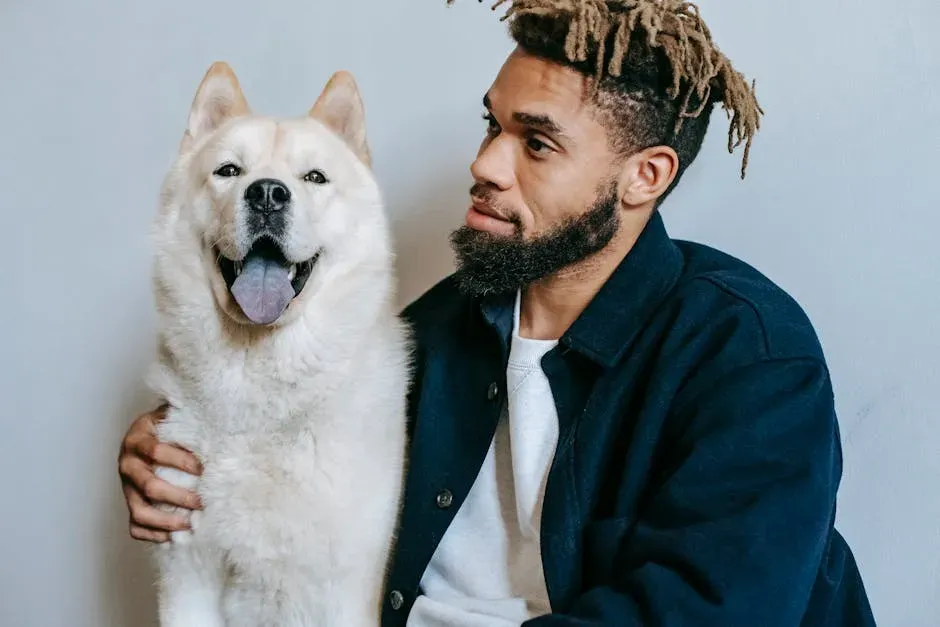
We talk a lot about how humans calm dogs, but the reverse is just as real. If you’ve had a long, brutal day and feel your shoulders loosen the second you bury your face in your dog’s fur, your bond has moved into very real, physiological territory. Studies suggest interactions with dogs can lower heart rate and increase feel‑good hormones in humans, and that absolutely tracks with how many of us feel when we’re around them.
Maybe it’s the rhythm of their breathing when they nap near you, the soft weight of their head on your leg, or just the familiar background noise of their toenails on the floor. When those details become part of how you self‑regulate and unwind, you’re not just caring for them; they’re caring for you back, in their own way. That mutual soothing is something you simply don’t get in a typical “owner–pet” frame.
9. You Advocate for Them Like You Would for a Close Friend
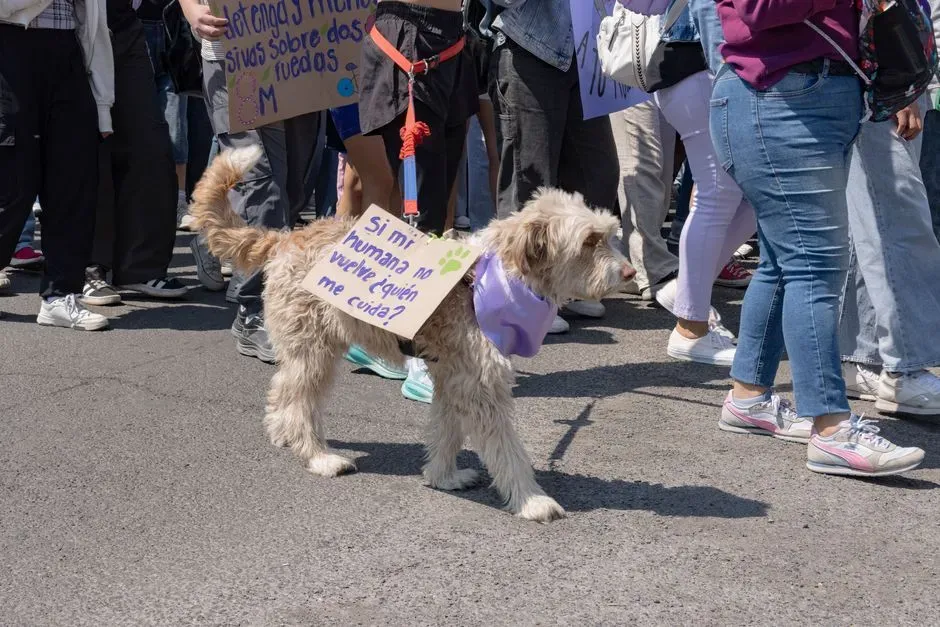
When you’ve moved beyond ownership, you don’t just accept whatever happens to your dog; you speak up. You ask the vet extra questions, decline rough play at the dog park, or tell visitors to stop doing the thing that clearly stresses your dog out, even if it feels a bit awkward. In that moment, you’re not being overprotective – you’re being their voice in a human‑dominated world.
Ethically, this is where the relationship gets serious. Dogs can’t say, “That hurts,” “I’m scared,” or “Please give me space,” in words, so their wellbeing depends heavily on whether their person is paying attention and willing to set boundaries. When you take that role seriously, you’re stepping into something closer to guardianship than ownership. You’re choosing to prioritize their comfort and safety, even when it’s inconvenient or socially uncomfortable for you.
10. You Think About Who They Are, Not Just What They Do
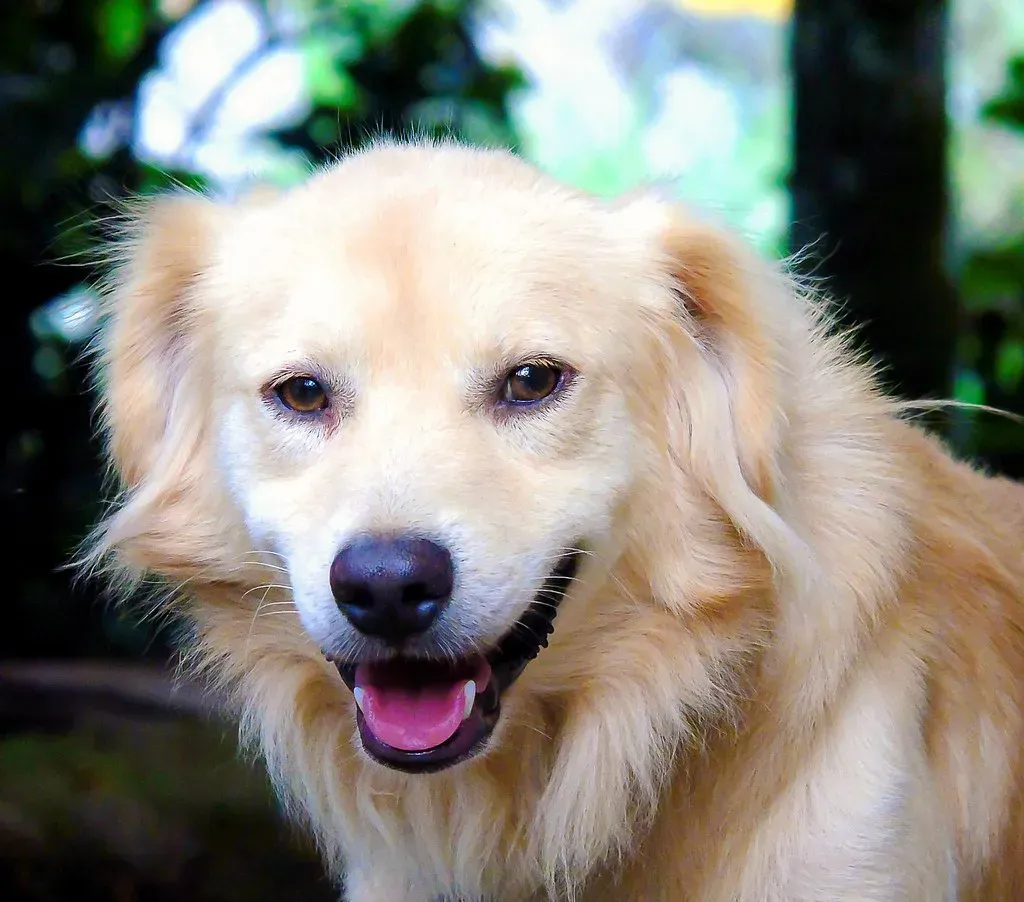
The final sign is subtle but powerful: you think about your dog as a someone, not a something. You notice that they’re cautious around new things but wildly silly once they trust you, or that they’re intense about their toys but gentle with kids. You might describe them the way you’d describe a person: stubborn, sensitive, dramatic, goofy, thoughtful. Their quirks make you smile, not because they’re useful, but because they’re them.
Current science backs up what most dog people already feel: dogs are individuals with their own temperaments and preferences. When you start adjusting your expectations based on who your dog is instead of who you think they “should” be, you’re honoring that individuality. At that point, whatever the law or paperwork says, they are not just your property. They’re a relationship you’re in – unpredictable, sometimes frustrating, often hilarious, and absolutely real.
Conclusion: From Ownership to Relationship
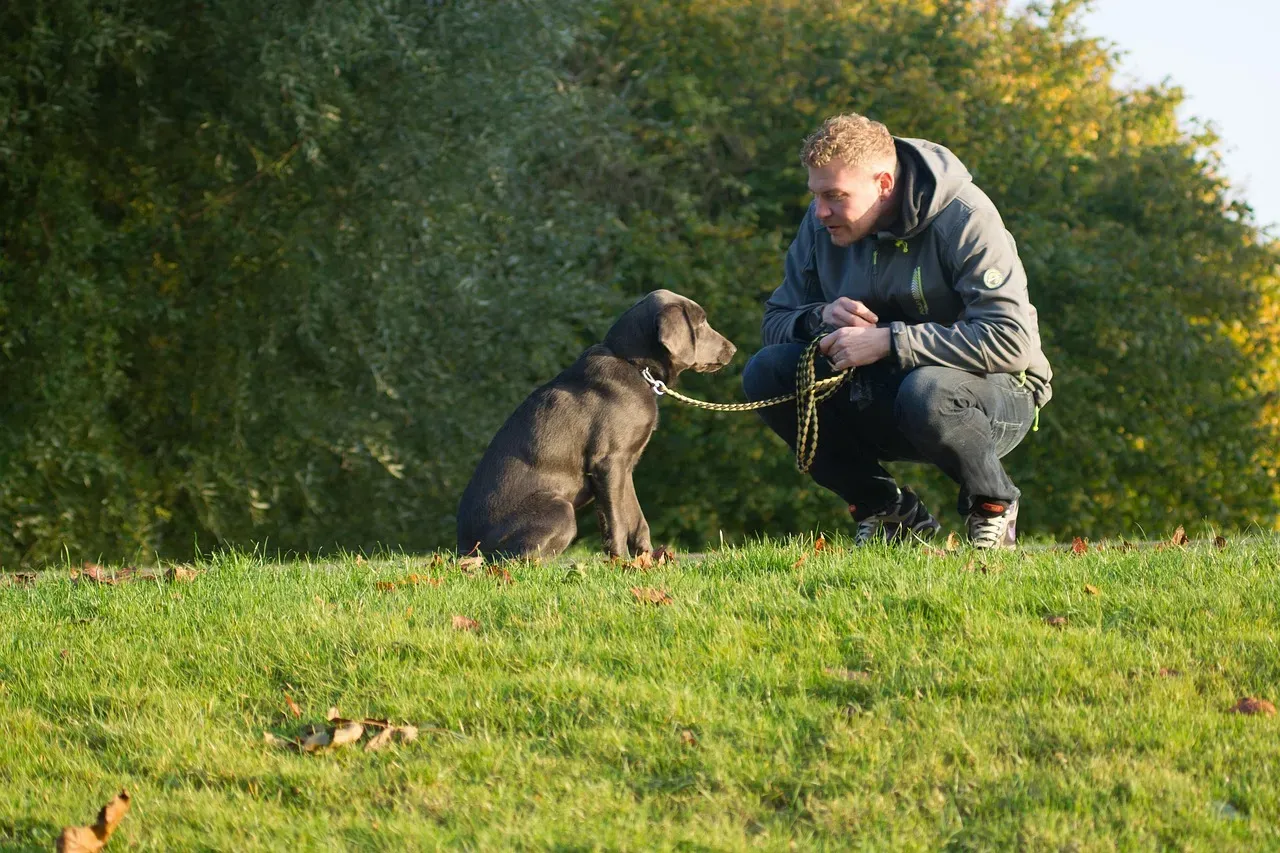
If you saw yourself in most of these signs, you’re already living in that in‑between space where “owner” feels too small and “family” feels closer to the truth. You’re not just filling a food bowl and opening a door; you’re shaping and being shaped by another mind that happens to walk on four legs and eat from the floor with zero shame. It’s funny and tender and, if we’re honest, a little bit wild that humans and dogs ended up this tangled together.
Personally, I think we should lean into that. Seeing our dogs as partners and individuals doesn’t mean spoiling them without limits; it means taking their inner world seriously while still setting kind boundaries. In a world that often feels disconnected and rushed, the slow, wordless bond with a dog can be one of the most grounding relationships we get. So if you’ve become more than an owner in your dog’s world, maybe the real question is: when did they quietly become one of the most important characters in yours – and did you realize it when it happened?


