
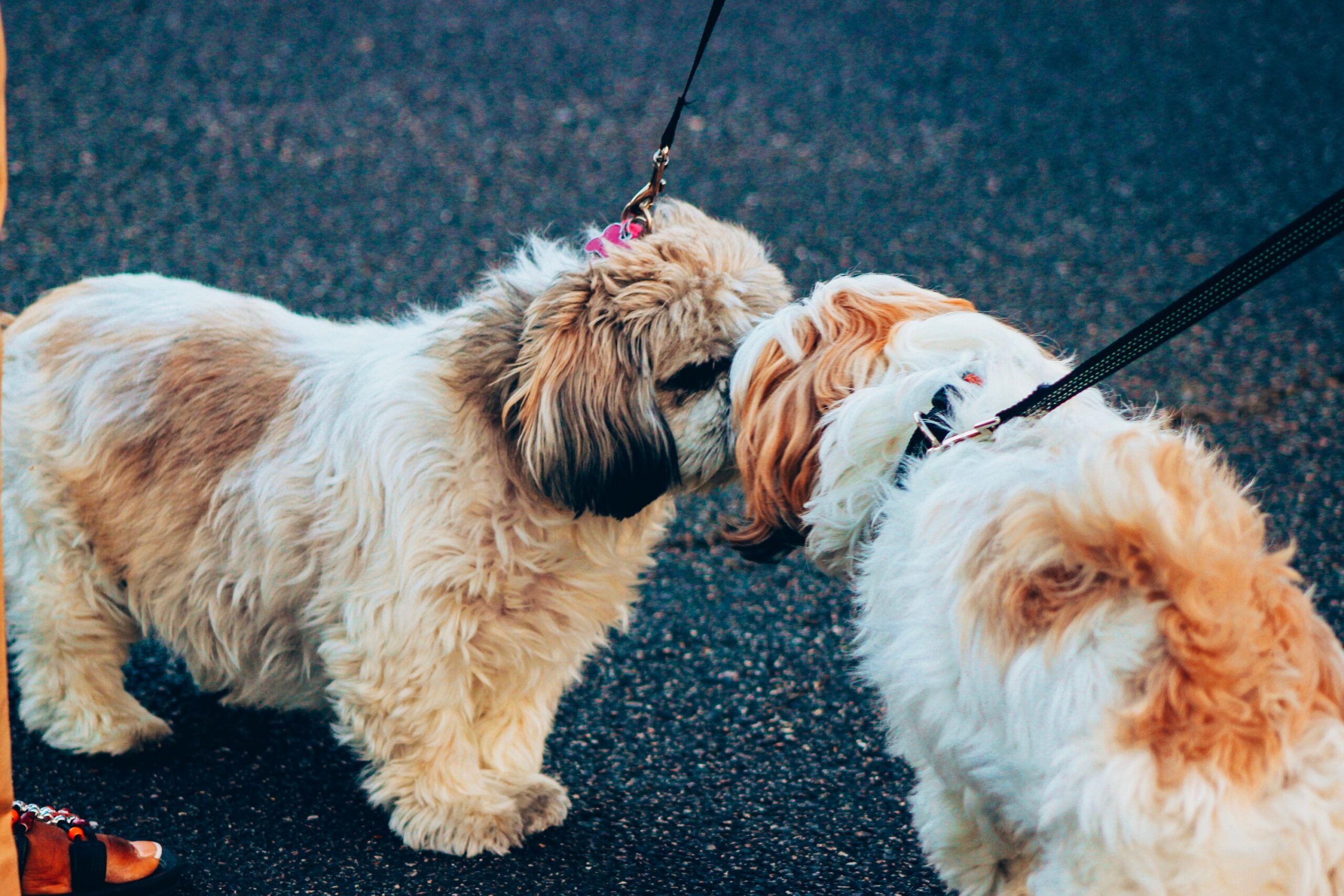
You know that magic moment when you spot a cute dog and your whole brain just yells, “Dog!” and you’re dying to say hi? That instant rush of excitement can feel amazing for you, but for the dog, it can be confusing, overwhelming, or even scary. A greeting that looks friendly to a human can feel like a threat to an animal that speaks a totally different body language.
I used to think I was pretty good with dogs – until a nervous rescue pup backed away from me, tail tucked, just because I walked up too fast and leaned over him. That moment stung, but it also made me pay attention. Once you understand how dogs actually read our gestures, eye contact, and movement, you start seeing how often people accidentally mess up that first hello. Let’s walk through the most common mistakes, why they go wrong, and what to do instead so more first meetings turn into trust instead of tension.
1. Rushing Straight In Instead of Pausing and Checking In
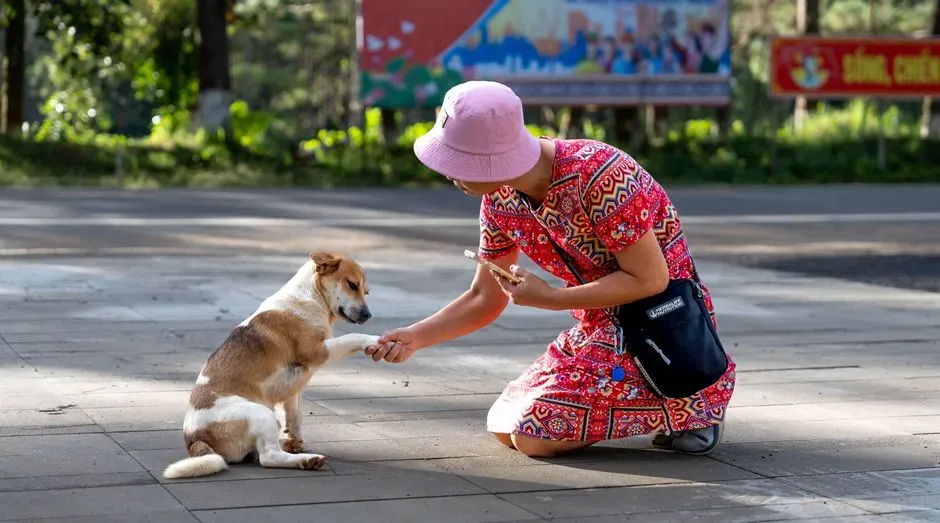
One of the fastest ways to ruin a first meeting with a dog is to charge right in the second you see them, especially if you’re already squealing about how cute they are. Dogs are hardwired to notice movement and energy; when a stranger comes at them quickly, they may see it as a potential threat, not a friendly hello. In the wild, polite animals don’t sprint straight up into another animal’s personal bubble, and many dogs still follow that instinct.
A better approach is surprisingly simple: stop a few steps away, turn your body slightly to the side, and let the dog look at you first. You can casually ask the human if the dog is OK to greet while you give the dog a second to decide how they feel about you. That short pause sends a powerful message in dog language: you’re not pushy, you’re not dangerous, and you’re willing to let them make the first move.
2. Staring Directly into the Dog’s Eyes
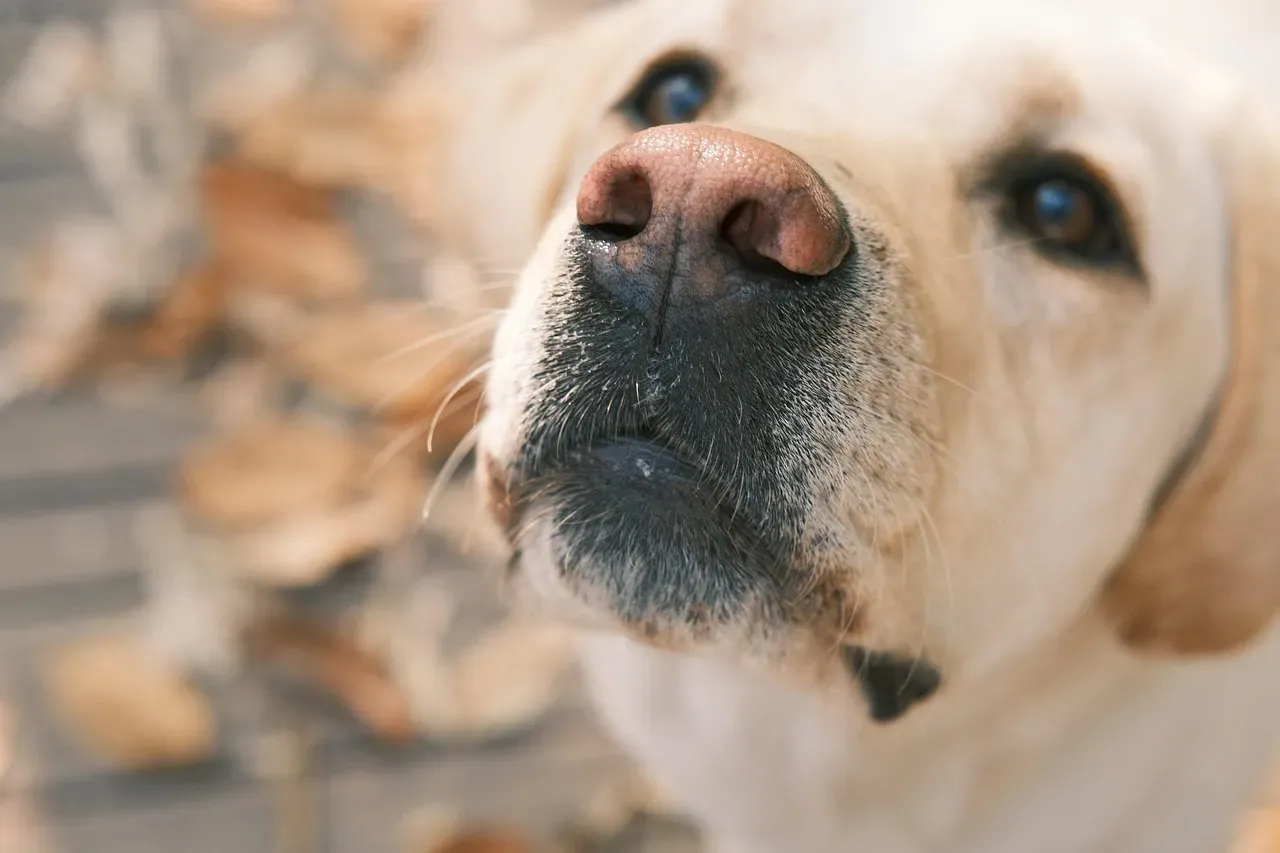
Humans love eye contact because it feels like connection, but in the dog world, a hard, direct stare can read more like a challenge. Many dogs interpret someone locking eyes with them, especially a stranger, as rude or even confrontational. That tension might make them stiffen, lick their lips, look away, or in more serious cases, growl or snap to make the “pressure” stop.
Instead of staring straight into a dog’s eyes, soften your gaze and look slightly to the side of their face or at their shoulder. You can sneak in short, gentle glances paired with relaxed body language. This helps dogs feel safer because they see you as calm and respectful rather than intense or overpowering, which keeps the whole meeting easier and more peaceful for everyone.
3. Leaning Over the Dog and Reaching Right for the Head
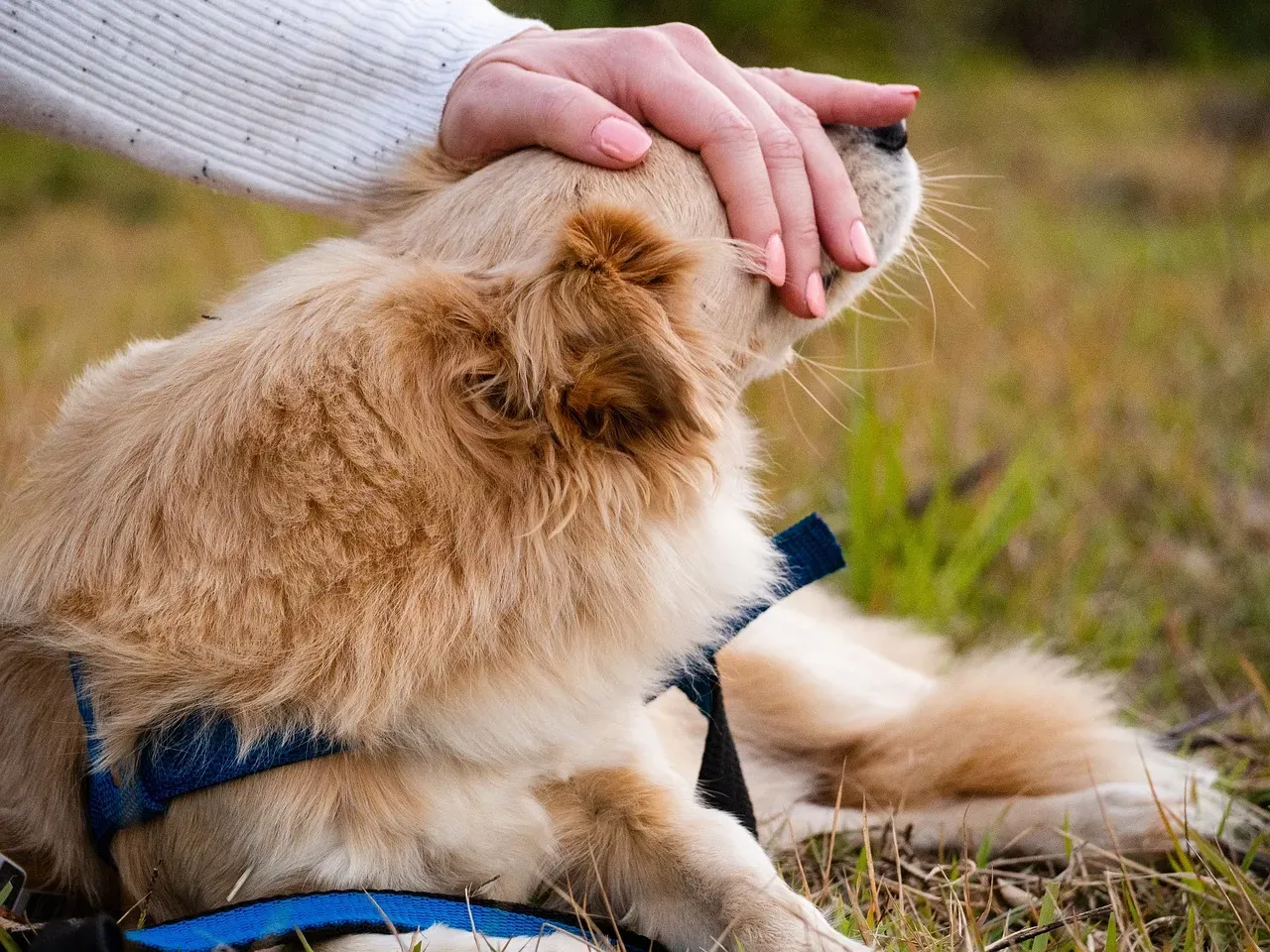
One of the most common human habits is also one of the most uncomfortable for many dogs: bending from the waist and reaching straight down over their head. From a dog’s point of view, this can feel like a large figure looming over them and a hand descending out of nowhere toward their face. Many dogs will freeze, lean back, or duck when people do this, but because they do not scream or snap, humans often miss the warning signs.
A friendlier option is to crouch down to the side of the dog, keeping your body turned a bit away instead of folding directly over them, and then offer your hand lower, closer to their chest or side. You can let them come toward your hand and choose to sniff or make contact. Petting under the chin, on the chest, or along the side of the neck is usually less threatening than a hand swooping down on top of their head like a giant claw.
4. Ignoring the Dog’s Body Language Because “They’re Wagging”
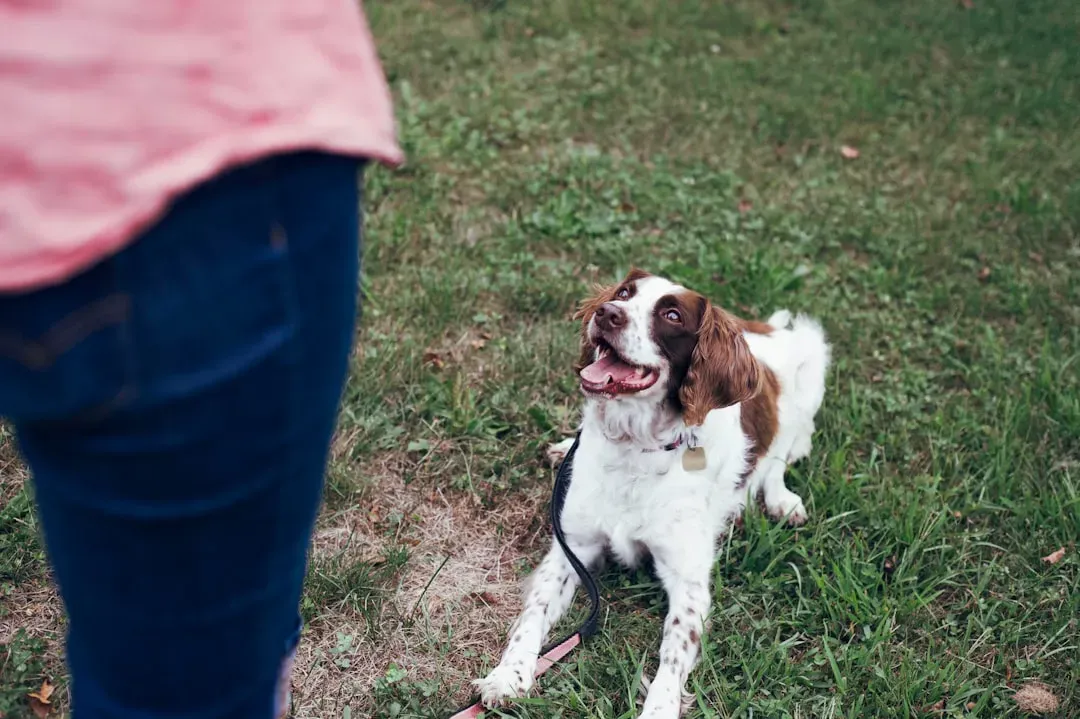
People often say that a wagging tail means a happy dog, but that oversimplified idea gets a lot of dogs and humans into trouble. Tail wagging can mean excitement, stress, uncertainty, or even agitation; it is just one piece of a much bigger emotional puzzle. When someone sees a wag and assumes the dog must love them, they might miss the stiff body, pinned ears, or tense mouth that clearly says the opposite.
Before you greet, take half a second to scan the dog from head to toe. Are their muscles loose or tight? Are they shifting weight forward in a bold way or leaning back like they want more distance? Are their ears relaxed or pulled way back against the head? Treat the whole picture like a mood board. If things look rigid, low, or worried, it is kinder to give them space instead of pushing for interaction just because their tail is moving.
5. Talking in an Overly Loud, High-Pitched, or Intense Voice
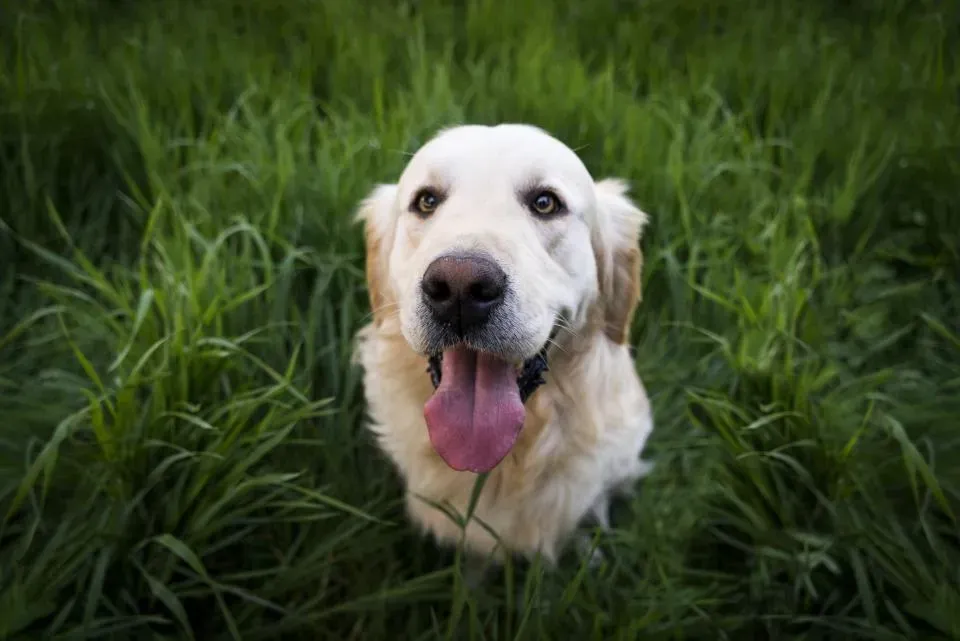
Most of us automatically switch into what could honestly be described as “squeaky cartoon mode” when we see an adorable dog. High-pitched, loud, or rapid-fire chatter might sound loving to us, but to some dogs it feels like noise overload. Dogs are sensitive to tone and volume, and a big burst of shrill excitement can come across as chaotic or even alarming, especially for shy or sound-sensitive animals.
Using a calmer, softer voice helps keep the overall energy low and predictable. You can still sound friendly and warm without sounding like you just slammed three energy drinks. A relaxed, gentle tone paired with slow movements gives the dog’s nervous system a chance to stay in the “safe” zone, which makes it far more likely they will choose to approach you instead of backing away or barking.
6. Ignoring the Owner’s Guidance or Boundaries
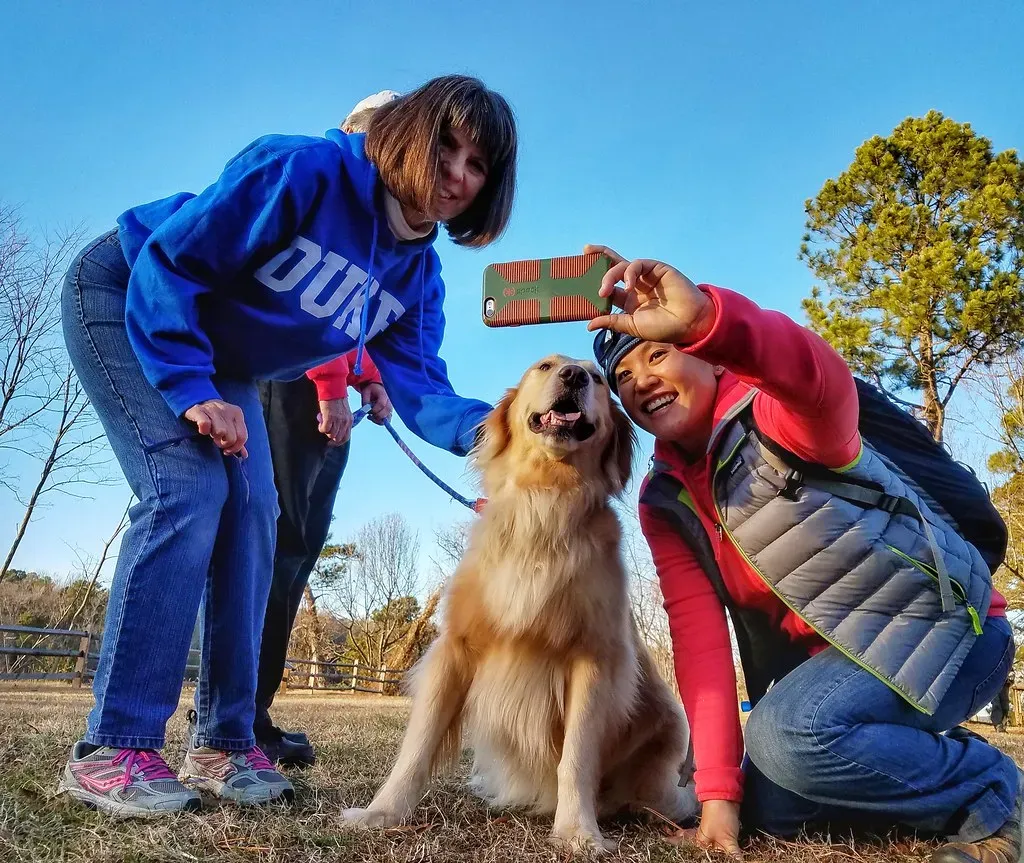
A surprisingly common mistake is greeting the dog while completely tuning out the human at the other end of the leash. When a guardian says their dog is shy, nervous, in training, or does not like to be petted by strangers, pushing ahead anyway is not just rude to the person, it is unfair to the dog. Many dogs who struggle with fear or reactivity are doing their best, and forcing a greeting can set back weeks or months of careful training.
If the owner hesitates, says no, or suggests a slower approach, take that seriously and respect it. Ask them what works best for their dog: maybe the dog can sniff your hand first, maybe you can just walk calmly beside them without touching, or maybe today is simply not a good day. Listening to their guidance turns you into part of the dog’s support system rather than another unpredictable stranger their guardian has to manage.
7. Crowding the Dog’s Space with Your Body or Your Stuff
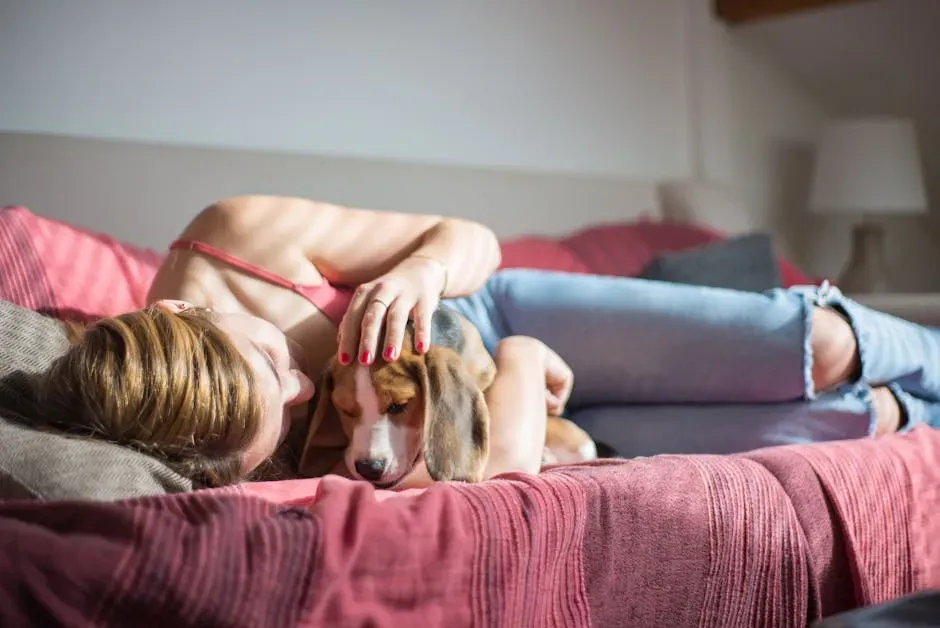
Most humans underestimate how big their personal space bubble feels to a dog. People often crowd in with bags, strollers, bikes, or even a cluster of friends all leaning in at once to say hello. From the dog’s perspective, that can feel like the walls closing in. With no clear escape route, some dogs will try to bolt, bark, or lash out simply because they feel trapped and overwhelmed.
A respectful greeting means giving the dog both room and options. Stand at an angle instead of head-on, keep your items like backpacks or grocery bags away from their face, and avoid boxing them in between you and a wall or piece of furniture. If the dog chooses to step closer, great – if they do not, that is useful information that they are not comfortable yet, and you can back off without taking it personally.
8. Offering a Hand to Sniff in the Wrong Way
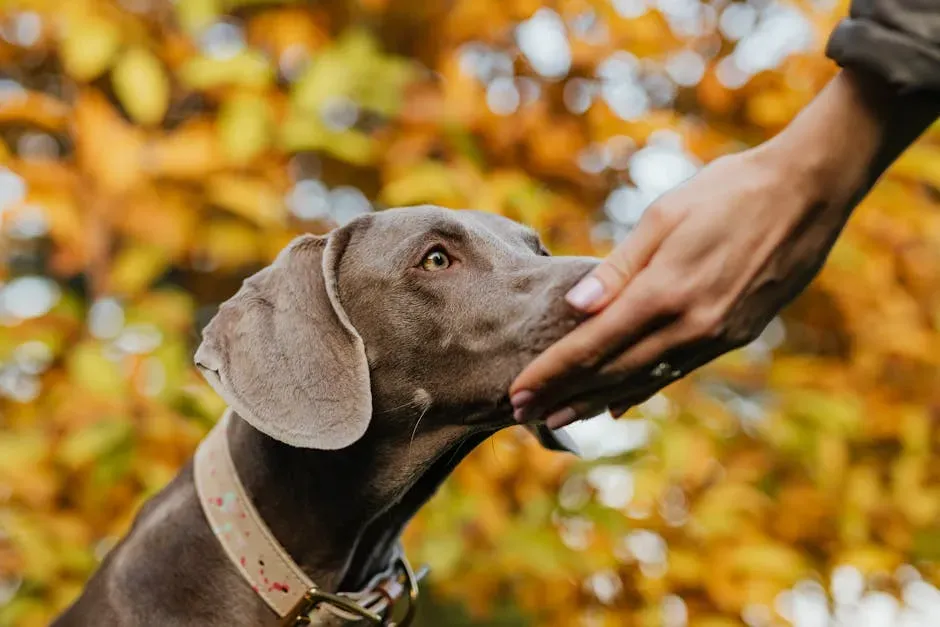
“Let the dog sniff your hand” is good advice that often gets applied in a not-so-good way. Many people thrust their hand straight at the dog’s face, fingers spread, hovering inches from the nose. It can feel like a stranger shoving something into your personal space before you even had time to blink. A sensitive, unsure, or fearful dog may pull back sharply or even snap just to make that invasive hand go away.
A more polite version is to keep your hand low and relaxed, by your side or slightly out, without pushing it forward. Let the dog decide whether or not to bridge that final gap. If they move in to sniff, keep your hand still rather than wiggling it at them; movement can feel like pressure. Think of it less as “sticking your hand into their face” and more as “making your presence available for inspection if they feel like it.”
9. Forcing Interaction on a Dog That Is Clearly Uncomfortable
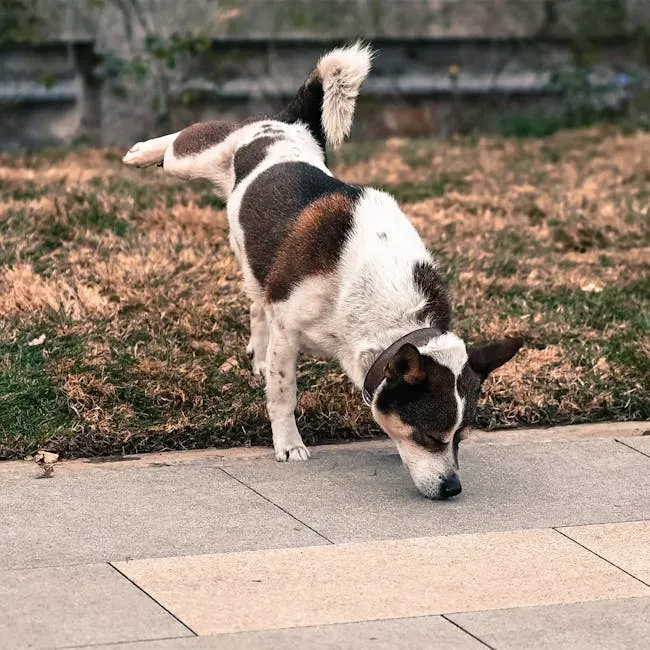
One of the most heartbreaking patterns is when a dog is obviously saying no and the human keeps insisting on yes. People do it with the best intentions: they pet the dog that is backing away, they follow the dog that is trying to retreat, or they keep trying to win over the dog that just hid behind their owner’s legs. Sometimes they assume that if they just push through the awkward beginning, the dog will magically adjust and become friendly.
In reality, forcing interaction usually teaches the dog that humans do not listen when they communicate discomfort. Over time, some dogs stop using subtle signals like leaning away or yawning and jump straight to growling or biting because those are the only things that work. The kindest thing you can do when a dog looks uneasy is to back off, turn your body slightly away, and let them observe you from a distance without pressure.
10. Treating Every Dog Like a Universal “Dog Person”
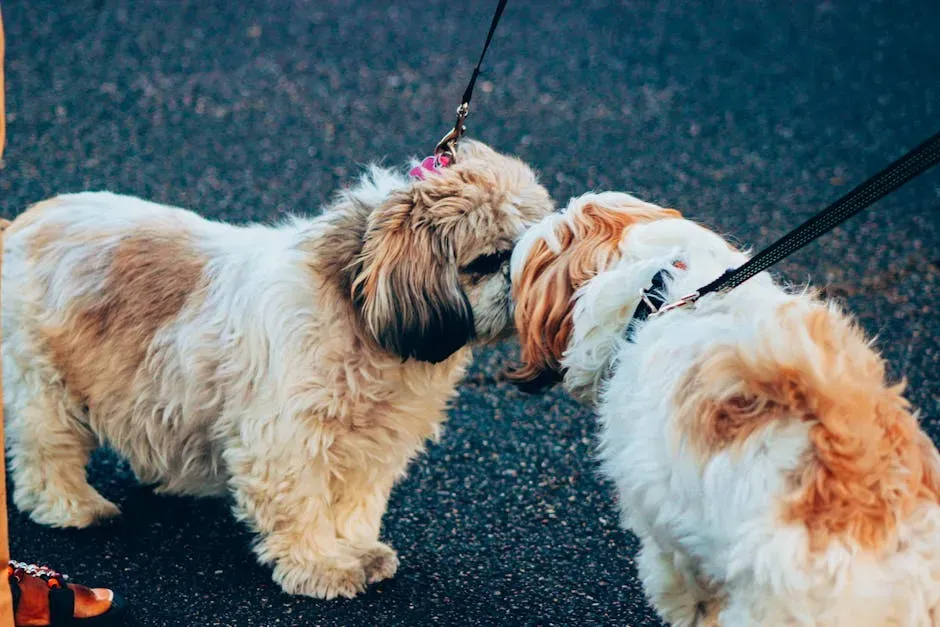
Just like people, dogs have individual personalities, histories, and comfort zones. One dog might bounce up to every stranger like they are long-lost family, while another is cautious, reserved, or tired and simply not in the mood. A huge mistake is assuming that all dogs want the same type of greeting: loud praise, lots of touch, and immediate closeness. That assumption can backfire badly with dogs who are anxious, undersocialized, in pain, or just not into strangers.
Instead of seeing a dog as a generic “dog,” try treating each one as a unique living being with preferences. Approach slowly, read their signals, listen to their guardian, and be willing to accept it if the dog says, in their own way, “No thanks.” Ironically, when people stop demanding interaction and start offering choice, many dogs relax and decide on their own that you are safe, kind, and maybe even worth a sniff and a tail wag.
Conclusion: Slowing Down Is the Real Superpower
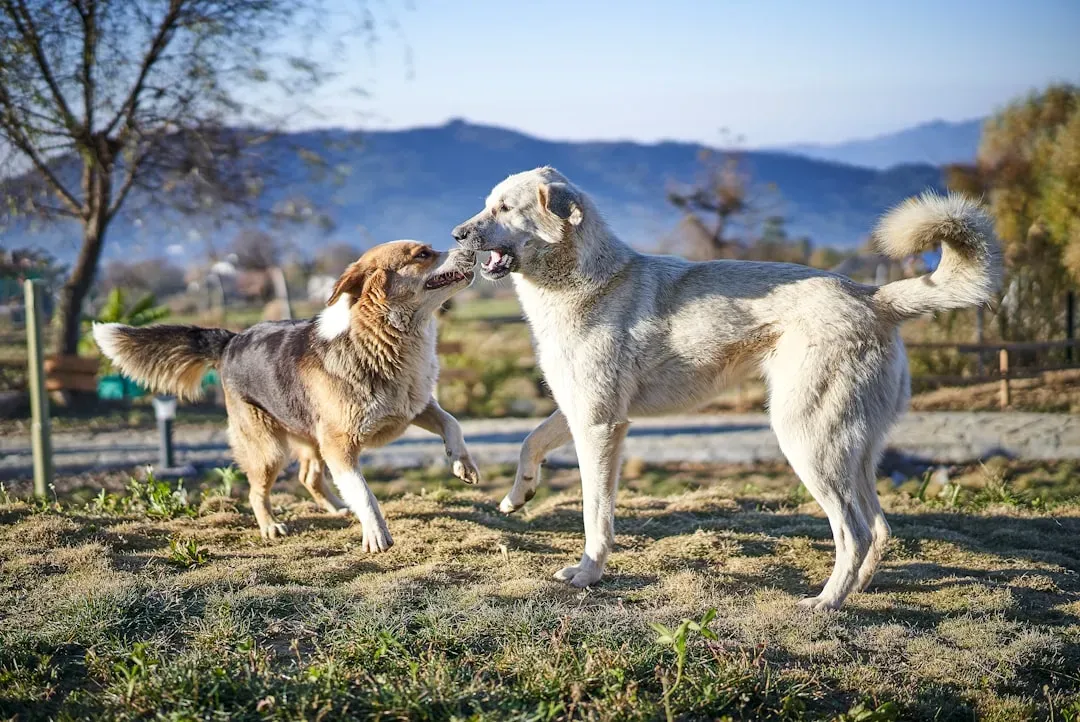
If there is one thread running through all of these greeting mistakes, it is this: humans rush, and dogs need us to slow down. We hurry toward them, stare at them, talk too loud, reach too fast, and assume their wagging tail means they are fine with everything we do. When you look at it from the dog’s perspective, it is almost surprising that so many of them tolerate us as well as they do.
My honest opinion is that being “good with dogs” is not some magical talent; it is mostly about respect, patience, and learning to shut up and listen to what their body language is screaming. When we pause, soften, and give dogs choices, first meetings shift from awkward and risky to calm and genuinely sweet. The next time you see a dog you are dying to greet, will you charge in like usual – or take a breath, slow your roll, and let that dog decide how the story begins?


