
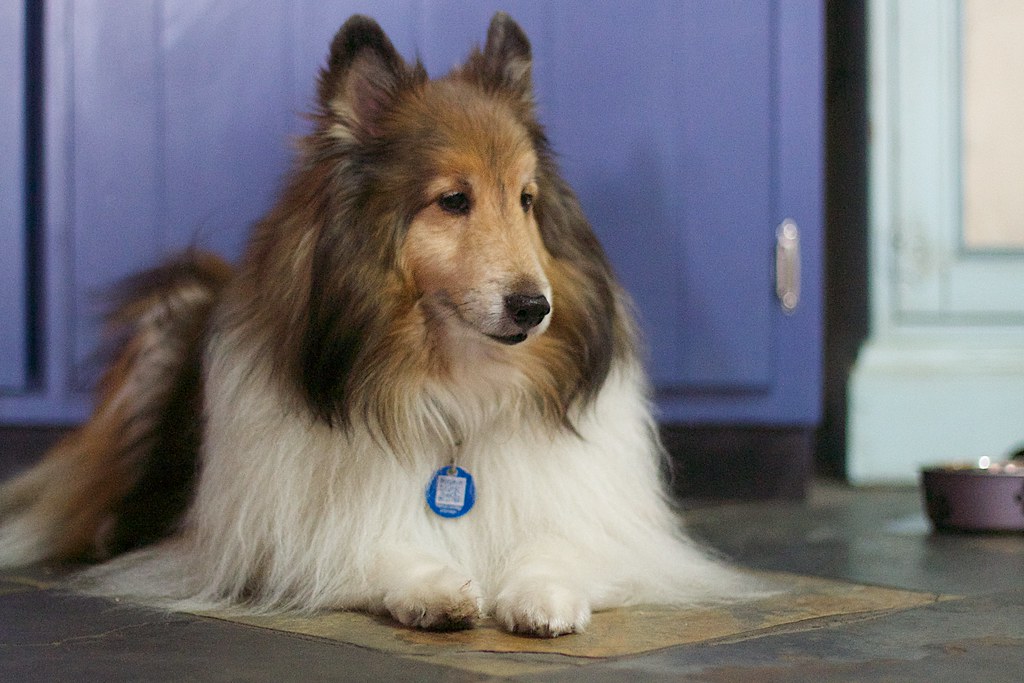
Every dog owner has had that moment: you give a cue, your dog looks right at you… and then does absolutely nothing. It is so easy to slap the label stubborn on them and feel a little annoyed. But in many of those moments, your dog is not being defiant at all; they are just plain confused and doing their best in a world that speaks a very different language.
Once I started working more closely with trainers, I realized how often I had blamed my own dog’s “attitude” when the real problem was my clarity and her understanding. That shift, from assuming bad behavior to assuming confusion, changed everything about our relationship. Let’s dig into ten situations that look like stubbornness on the surface but are usually your dog quietly saying, I don’t get what you want from me.
1. Not Responding to a Cue Outside the House
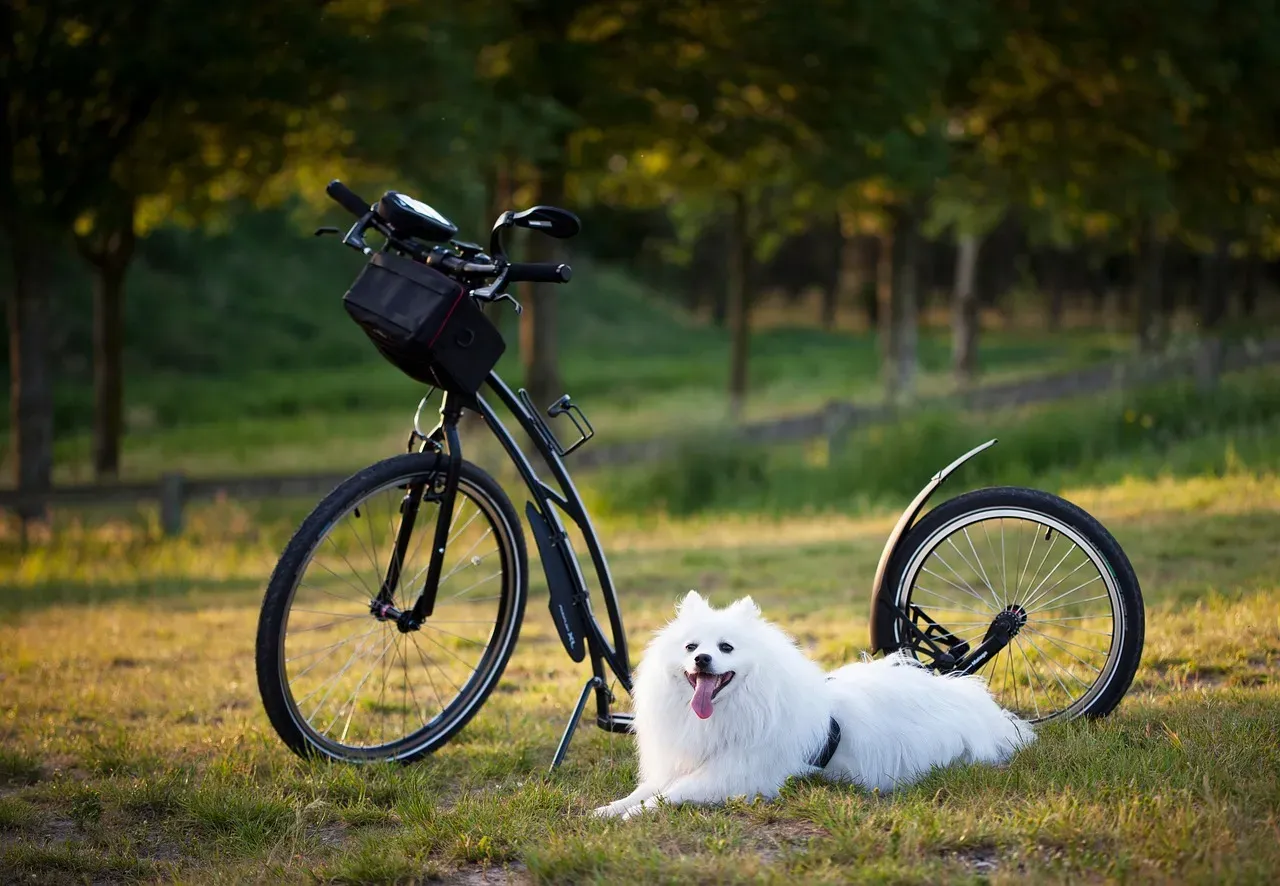
One of the most common complaints is that a dog who sits perfectly in the living room suddenly “forgets” how to sit at the park. It feels like they are ignoring you on purpose, especially when they look right at you and then go back to sniffing the grass. In reality, most dogs have not truly generalized cues, which means sit in the kitchen is a totally different concept than sit surrounded by skateboards, birds, and new smells.
Dogs learn in a very context-dependent way. If you have only practiced a behavior indoors or in very quiet environments, the cue may simply not make sense to them in a noisy, distracting place. Instead of assuming your dog is blowing you off, think of a child trying to do math homework in the middle of a loud concert. The problem is not attitude; it is bandwidth and clarity.
2. “Disobeying” When There Are Distractions
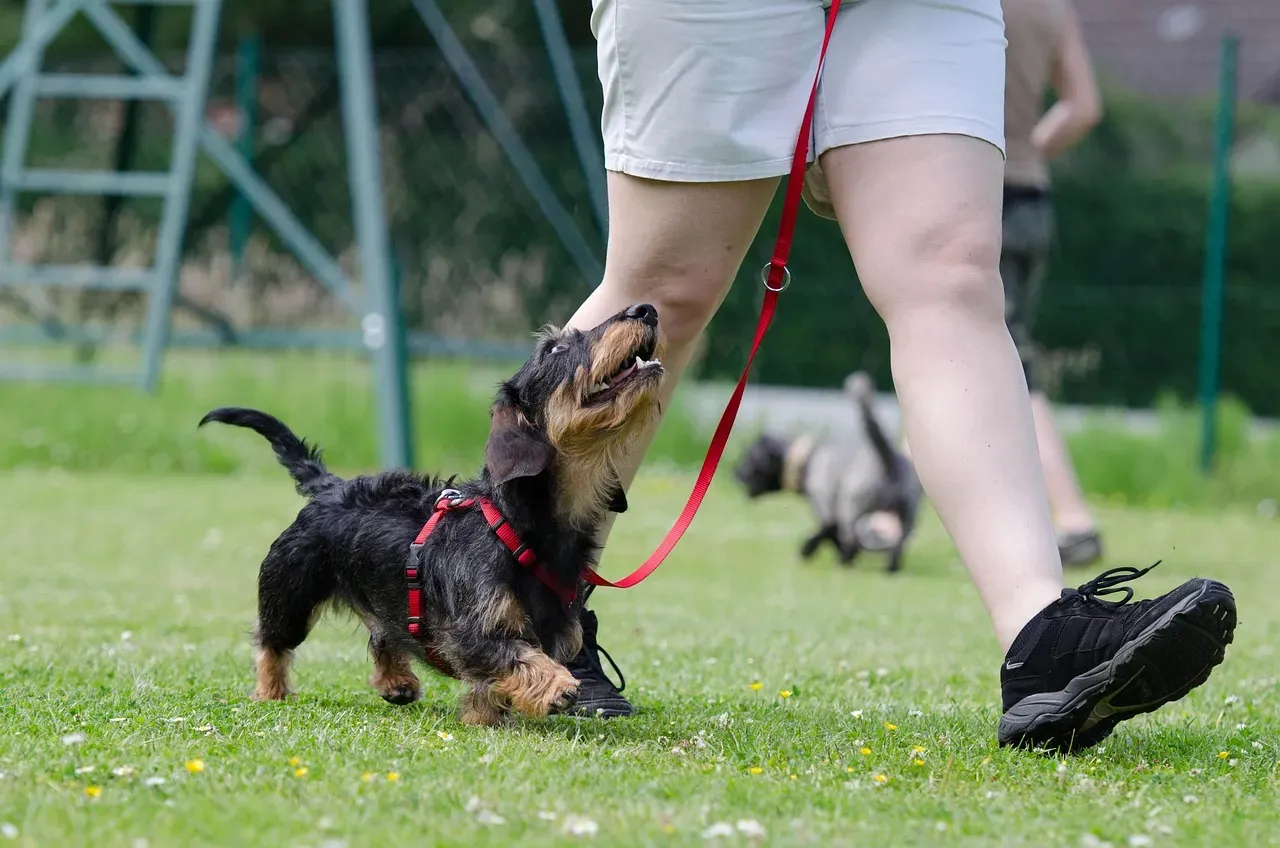
Many owners get frustrated when their dog comes every time in the yard but totally ignores the recall at the beach, on a hike, or when another dog appears. It is tempting to say he knows this, he is just being stubborn or choosing not to listen. But from the dog’s perspective, that recall cue is now competing with moving birds, other dogs, kids, smells, and their own internal excitement level.
Impulse control and focus are skills that need to be trained gradually, not traits your dog is born with in fully finished form. Dropping your dog into a high-distraction environment and expecting flawless behavior right away is like asking someone to give a speech in another language they just learned yesterday. When they freeze or fumble, it is confusion and overwhelm, not calculated disobedience.
3. Slowing Down or Stopping on Walks
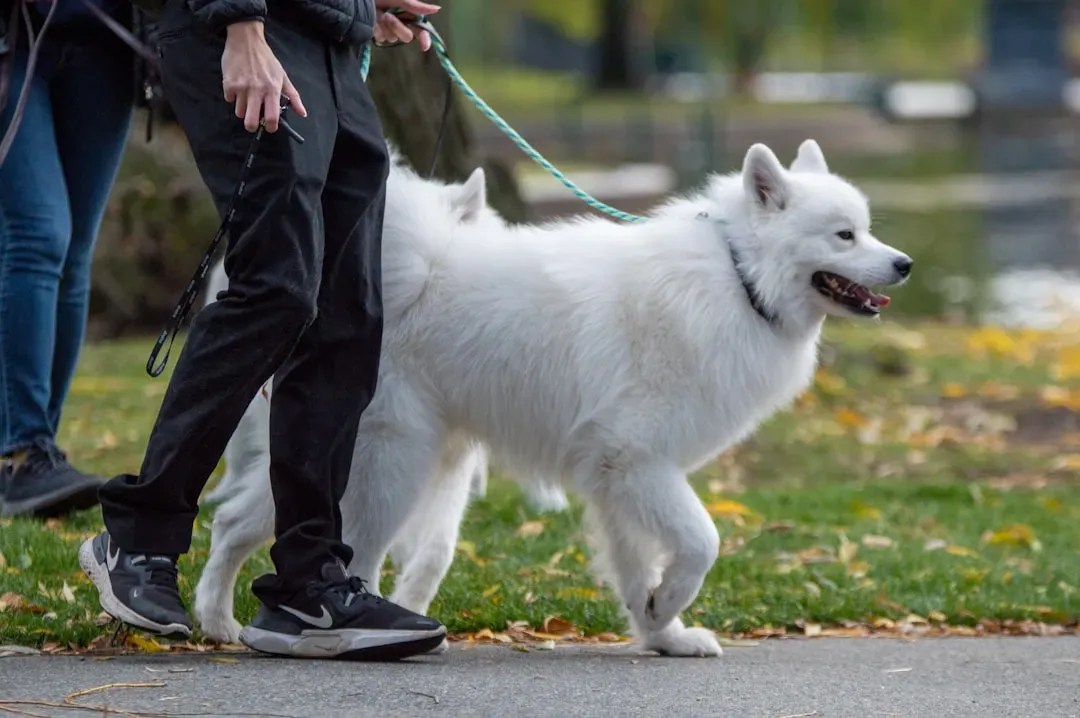
When a dog keeps stopping or dragging during walks, especially if you are in a hurry, it can feel like they are being difficult on purpose. Maybe you tug the leash, they plant their feet, and suddenly you are in a mini tug-of-war on the sidewalk. Underneath that battle, though, there are often layers of uncertainty: new surfaces that feel weird on their paws, loud traffic, unfamiliar objects, or even pain in their joints.
Dogs are masters at masking discomfort, so what looks like obstinance might be confusion about whether it is safe to move forward or even whether walking still feels good physically. Think about how you would walk through a dark, cluttered room; you would slow down, test the ground, and hesitate at strange shapes. Your dog may be doing the exact same thing, but you only see the slowness and label it stubborn.
4. Ignoring You at the Door or Gate
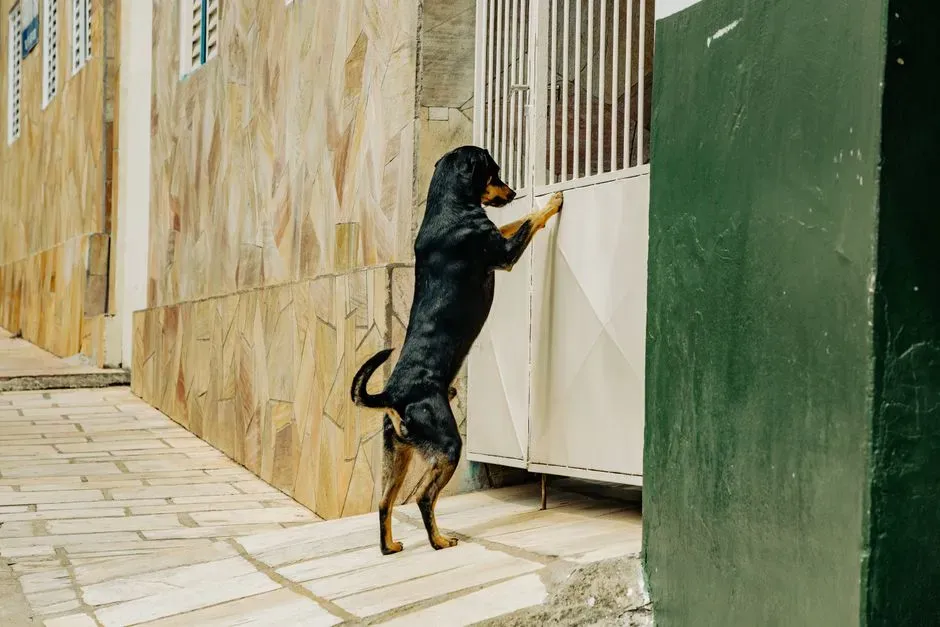
Picture this: you say “wait” or “stay” at the front door, your dog holds for half a second, then bolts out the moment the door cracks open. Humans often see that as a deliberate choice to blow off the rule. In most cases, though, the dog has never been clearly taught the specific picture of “door opens but you still stay here until released” in tiny, manageable stages.
From your dog’s point of view, doors and gates are emotional hotspots where excitement and habit take over. If the pattern has always been: door moves, we go, their body has rehearsed that movement far more often than holding position. Without calm, structured practice, it is like asking someone to stop a reflex halfway through. What reads as willful disobedience is usually a murky, half-learned cue that falls apart under adrenaline.
5. “Refusing” to Get Into the Car
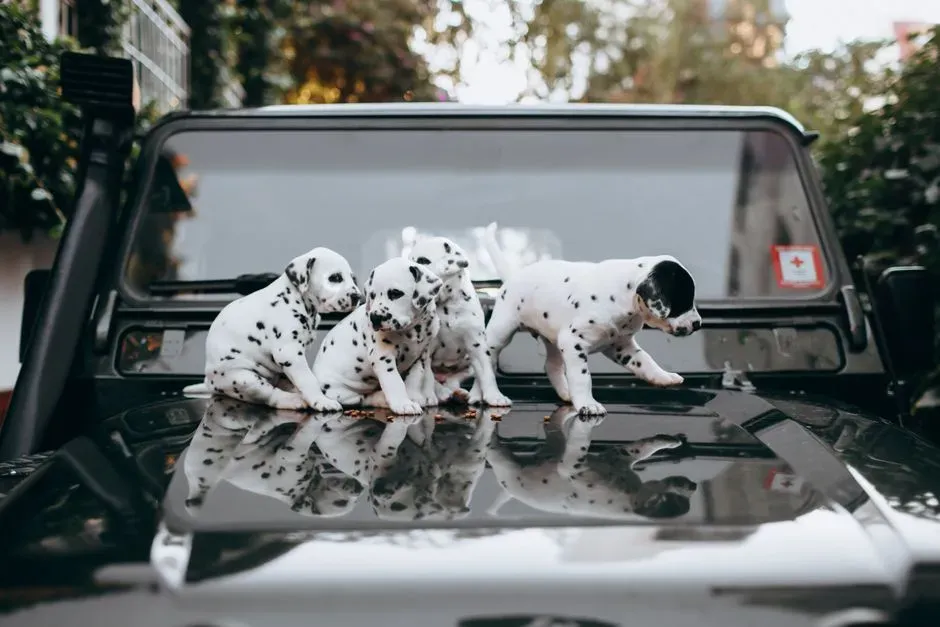
Owners often describe their dog planting their feet, backing up, or hiding when it is time to get in the car as sheer stubbornness. They might say he just doesn’t like listening or she’s doing this to annoy me. But dogs do not plot to irritate us; they respond to associations and emotions. If the car usually leads to the vet, grooming, or motion sickness, that trunk or backseat may feel like a scary trap, not a fun ride.
On top of that, many dogs never actually learned the physical skill of confidently jumping into a specific space. Different heights, slippery surfaces, or tight spaces can be physically awkward and confusing. Instead of dragging them in, breaking the process into tiny steps, using ramps or lower entry points where possible, and rebuilding the car as a predictable, safe place can transform “stubborn” refusal into genuine eagerness over time.
6. Not Taking Treats During Training
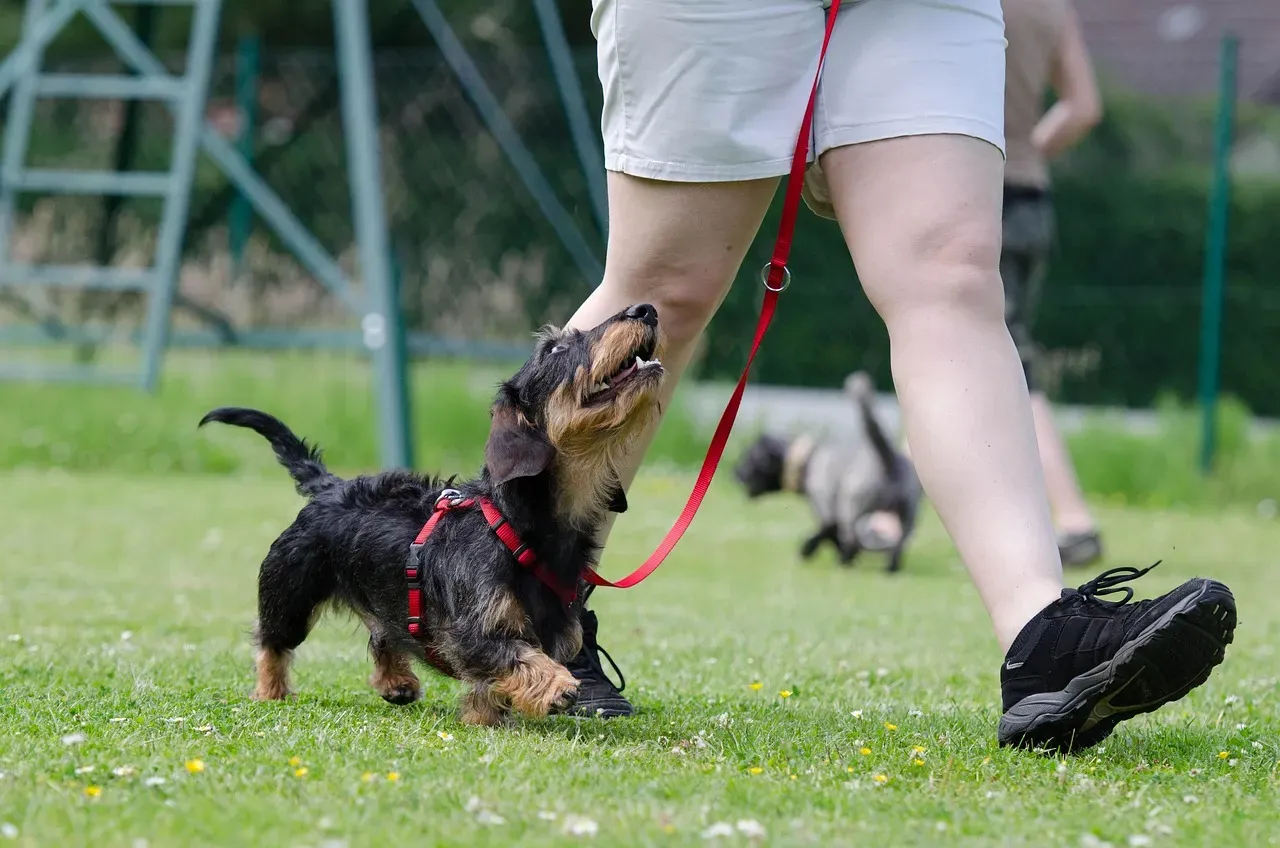
It can be frustrating when your dog suddenly rejects treats during a training session and you interpret it as them not caring or being uninterested. Often, though, when a dog refuses food they would usually love, it is a signal that their stress or confusion is too high. Their brain is busy trying to process all the variables, so the “eating” part of their nervous system essentially goes offline.
If you are rapidly stacking new cues, changing locations, or adding pressure, your dog might not understand what behavior is paying off anymore. In that confused state, offering a cookie is like handing someone a sandwich during a pop quiz they did not know was coming. If they push it away, it is not rudeness; it is their body showing that they are overwhelmed, not stubbornly defiant.
7. Breaking “Stay” the Moment You Move
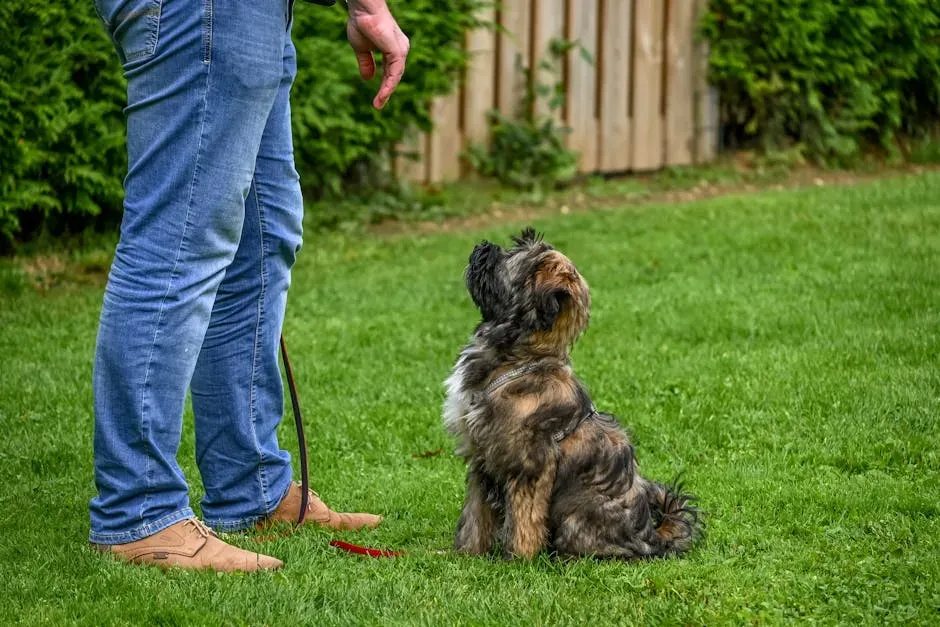
You say “stay,” step away, and your dog immediately pops up and follows you. Do it three times, and many people conclude the dog is just hard-headed. What is almost always happening instead is that the dog has not actually learned the concept of duration and distance; they have simply learned “sit for one second while my person stands right here.” The moment you add movement, the picture changes, and so does their understanding.
Dogs are brilliant pattern learners but not great mind readers. If every practice stay has been you frozen directly in front of them, why would they know that stay also means “remain in place even when I walk away, turn around, or open the fridge”? Treating that as confusion rather than stubbornness pushes you to break the skill into baby steps instead of jumping straight to the hardest version and getting annoyed when it falls apart.
8. “Ignoring” You at the Dog Park
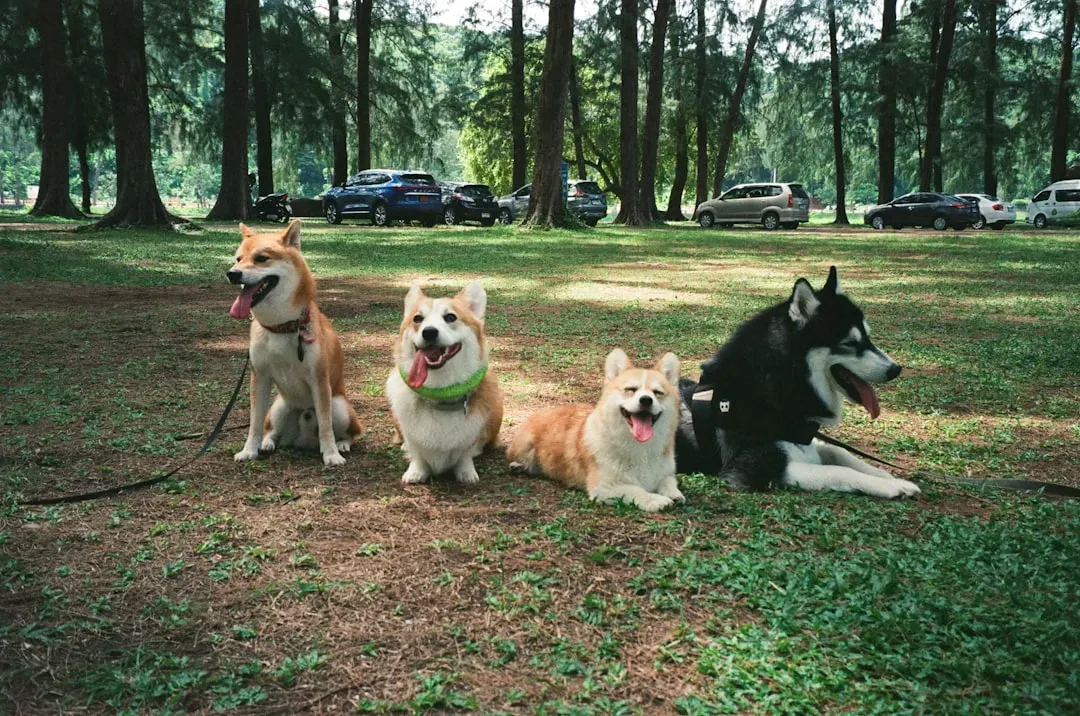
Many owners describe their dog at the dog park as a totally different animal who pretends they do not exist. It is easy to label this as rudeness or selective hearing: they only come when they want to. In reality, the environment is so overloaded with motion, scents, and social information that your normal home-level cues are just background noise. Your dog is not choosing to disrespect you; their brain is simply flooded.
Most people also accidentally teach their dog that going back to the owner means the fun ends immediately. So when you call them once, snap a leash on, and march to the car, you have turned recall into a signal that play is over. If you rarely practice short recalls, quick rewards, and then sending them back to play, your dog might hesitate because the cue is confusingly attached to loss, not because they are naturally disobedient.
9. Growling or Avoiding Instead of Following Directions
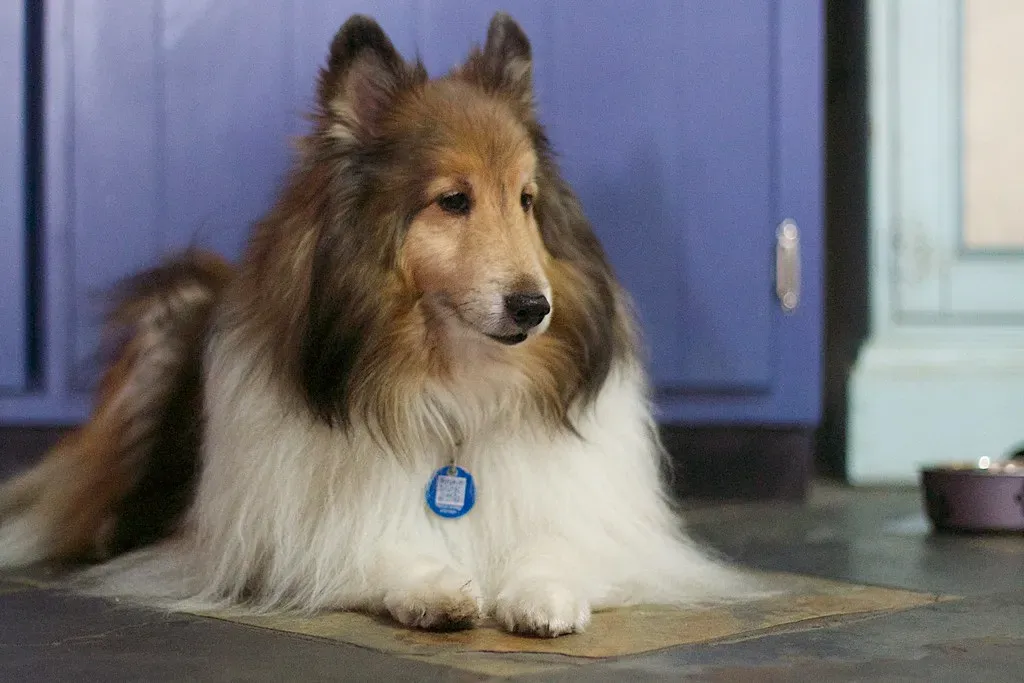
When a dog growls as you try to move them off furniture or groom them, some people jump straight to stubborn or dominant. But growling is information, not a power play. It is usually the dog’s way of saying “I’m uncomfortable, I don’t understand what is happening, or I think this might hurt.” Punishing that communication while still forcing the issue can make the dog more anxious and more confused about what you want.
A dog who consistently resists certain handling or directions is often managing fear, pain, or a history of rough treatment in similar situations. From their perspective, they have no idea whether you are asking them to do something safe or something that will hurt. Labeling that as stubbornness shuts down empathy; recognizing it as confusion and discomfort opens the door to slow, cooperative training and medical checks instead of battles.
10. “Forgetting” House Training in New Places
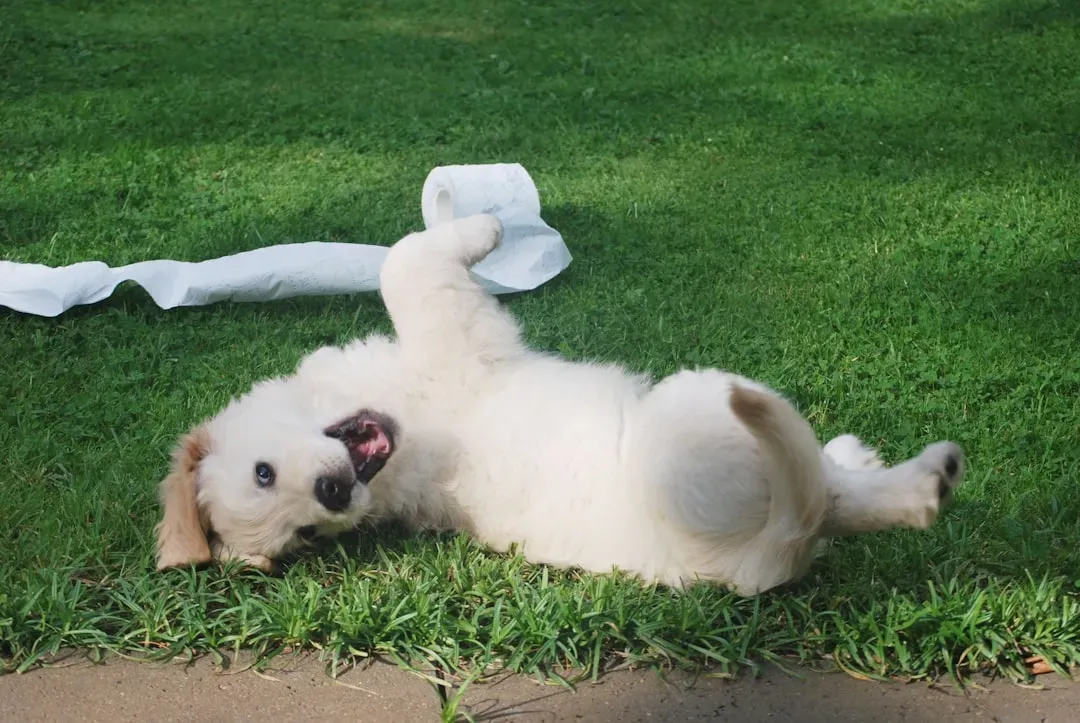
It is incredibly frustrating when a dog who is flawless at home starts having accidents in a friend’s house or at a pet-friendly store. The knee-jerk explanation is that they are being spiteful or stubborn, especially if the accident happens right after being outside. But dogs do not naturally generalize the idea that “we only go to the bathroom outside” to every single new location without help.
To your dog, the rules in one building do not automatically apply to another. Different flooring, smells, and routines can be confusing, and excitement or nerves can override bladder control. Assuming stubbornness ignores how much brainwork it takes for them to understand where and when it is okay to go in a totally new environment. Guided potty breaks, supervision, and patience turn what looks like deliberate misbehavior into a solvable communication issue.
Conclusion: Why “Stubborn” Is Usually Our Story, Not Theirs
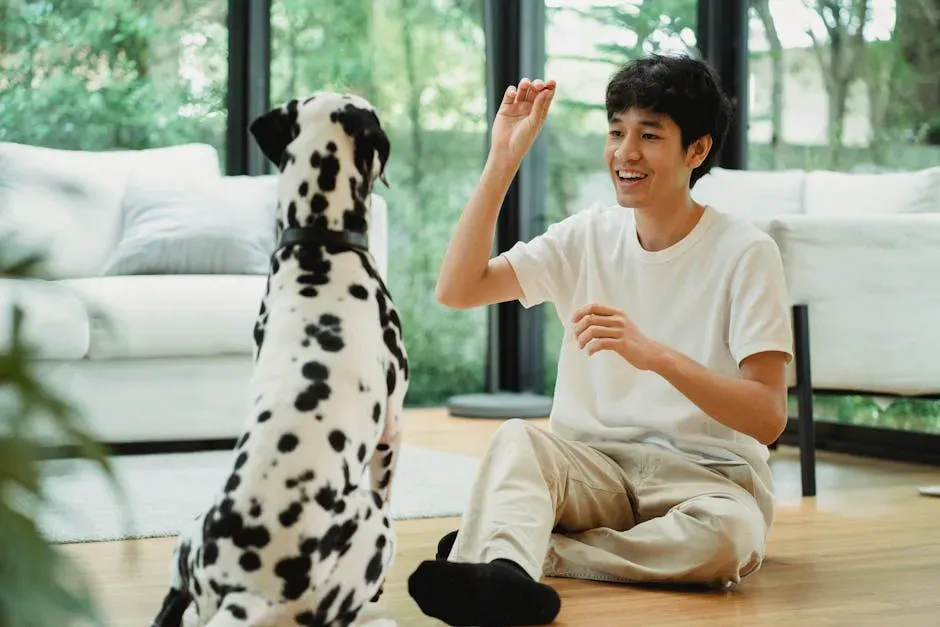
Labeling a dog as stubborn is strangely comforting because it shifts the problem onto them: they know what to do, they are just choosing not to. But when you look closer, most of those “won’t do it” moments are really “can’t do it yet” or “I have no idea what you mean right now.” In my own life with dogs, the biggest breakthroughs never came from harsher rules; they came when I slowed down, broke things into simpler steps, and assumed confusion before I assumed attitude.
Seeing your dog as a learner instead of a rebel reshapes every training challenge into a puzzle the two of you solve together. It is more humbling, because it often exposes gaps in our teaching, but it is also far more rewarding. Next time your dog seems to blow you off, try asking yourself a different question: not “Why is he so stubborn?” but “What is he missing that I have not taught clearly enough yet?”


