
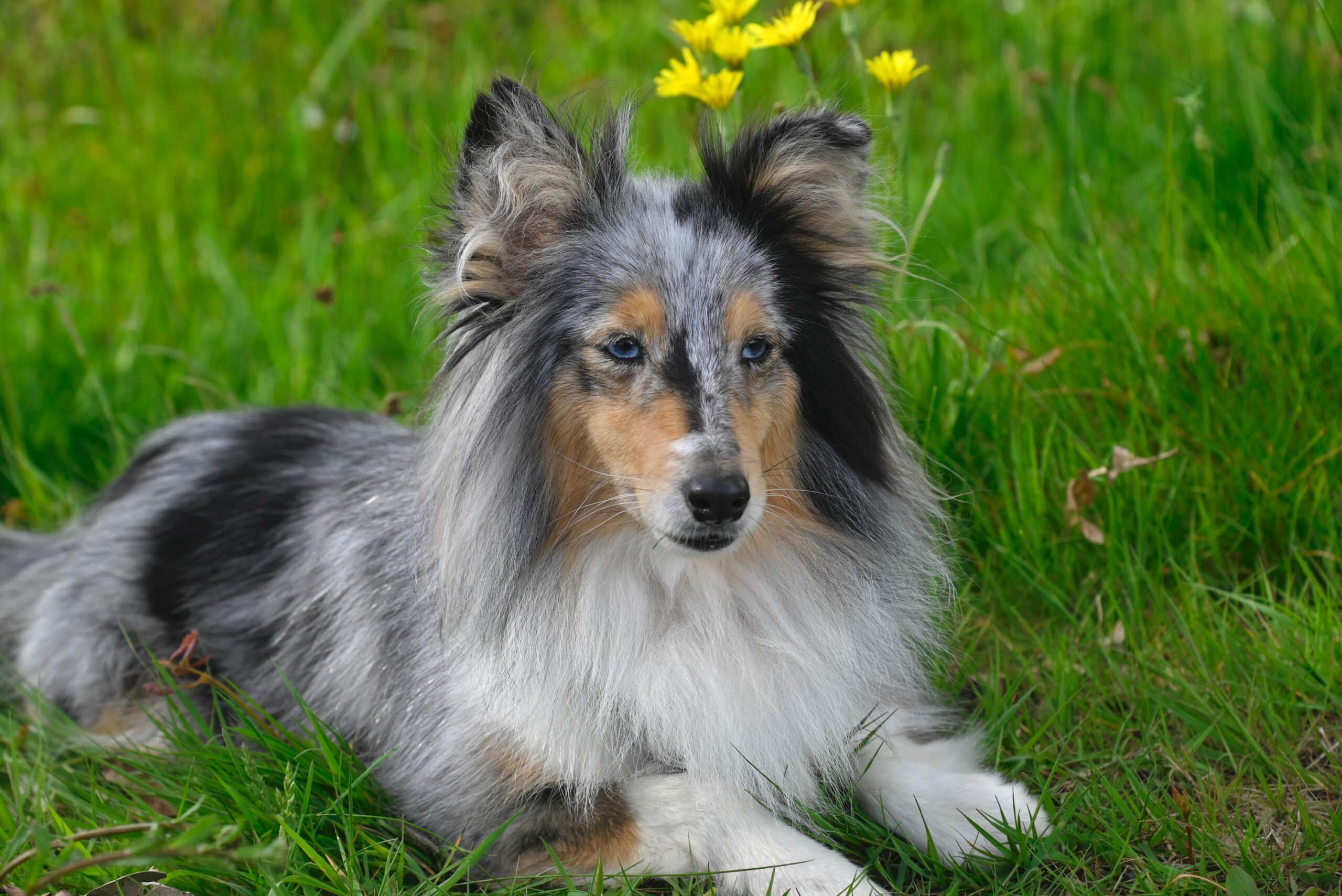
If you’ve ever watched your dog tilt their head, glance at the treat jar, and then “accidentally” ignore a command, you already know: some dogs are dangerously smart. With the right structure, they’re incredible partners. With sloppy, shifting rules? They turn into tiny furry lawyers who find every loophole you didn’t know existed.
This isn’t about “good” breeds and “bad” breeds. It’s about which dogs are especially quick at pattern-spotting, rule-testing, and training their humans instead of the other way around. These are the breeds that thrive on consistency and clarity – and quietly run the household when they don’t get it.
Border Collie
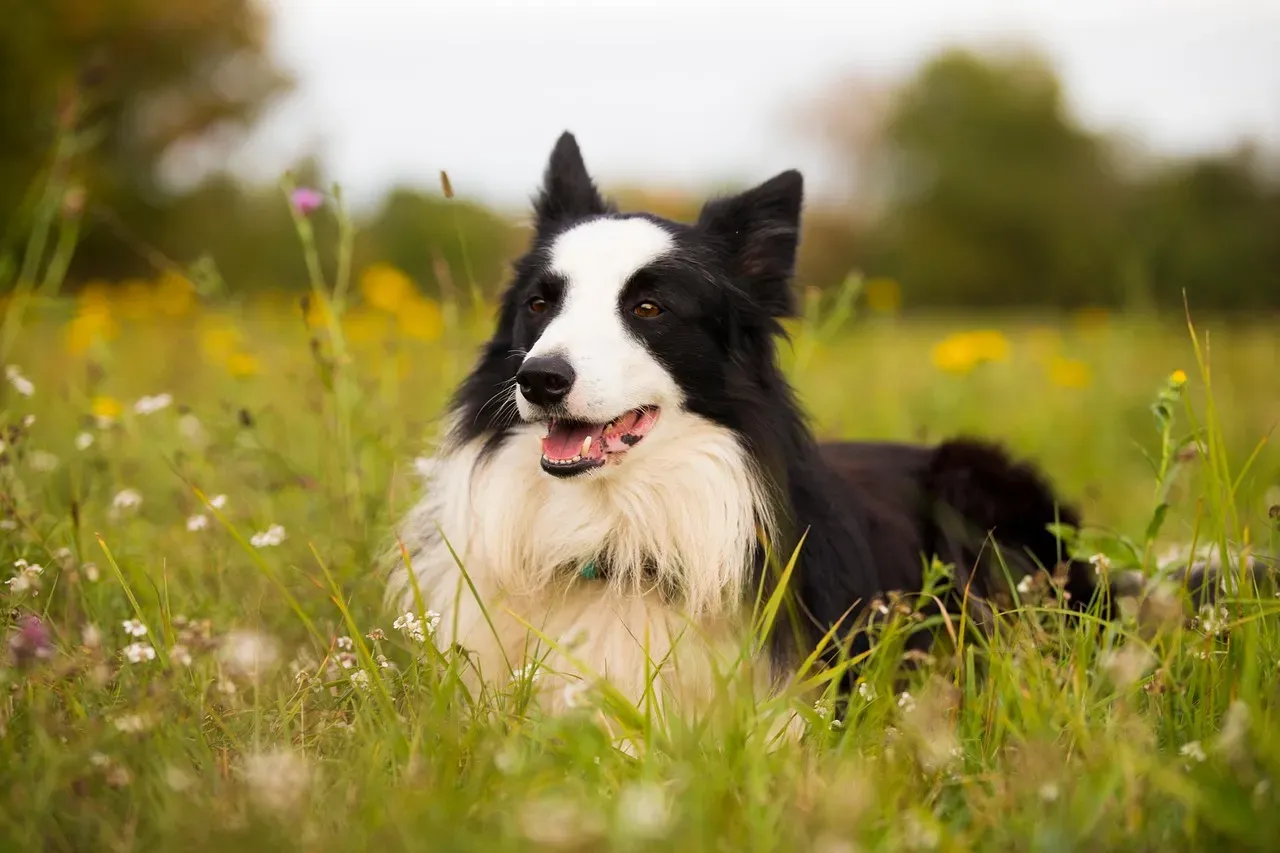
The Border Collie is often described as one of the most intelligent dog breeds on the planet, and that’s not just a cute compliment. They’re designed for problem-solving and rapid learning, bred to react to subtle cues from a shepherd over long distances and make decisions on the fly with livestock. When you mix that kind of mental horsepower with fuzzy, ever-changing rules at home, the result is a dog who quickly figures out that “sit” only matters when you have a treat in your hand.
Because they notice tiny patterns – tone of voice, body posture, even what shoes you put on – they can learn exactly when they do and don’t have to listen. If one family member lets them jump on the couch and another complains but still lets them stay, the Border Collie will pick the “rule” that benefits them most. In a home without clear boundaries, they don’t just become disobedient; they can become anxious and overstimulated, because the world feels random instead of structured.
Poodle (Standard, Miniature, and Toy)
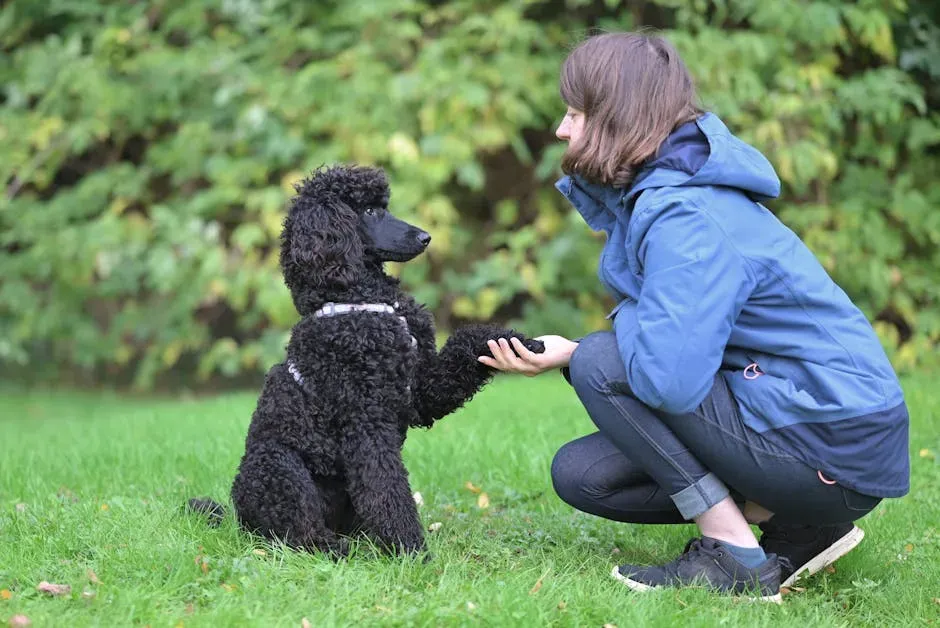
Poodles are sometimes still unfairly dismissed as “fancy” or fussy, but beneath the curls is a sharp, analytical brain. Originally bred as working water dogs and retrievers, they have both physical stamina and a strong drive to cooperate with humans. That cooperative instinct can twist in weird directions if the human on the other side keeps changing the rules without meaning to.
Because Poodles are exceptionally good at reading people, they can become masters of testing boundaries in subtle ways. If sitting politely only occasionally earns them attention, they may experiment with barking, pawing, or nudging until they find the exact behavior that gets you off the couch. An inconsistent owner unintentionally runs a daily psychology experiment, and the Poodle is smart enough to win it every time.
German Shepherd
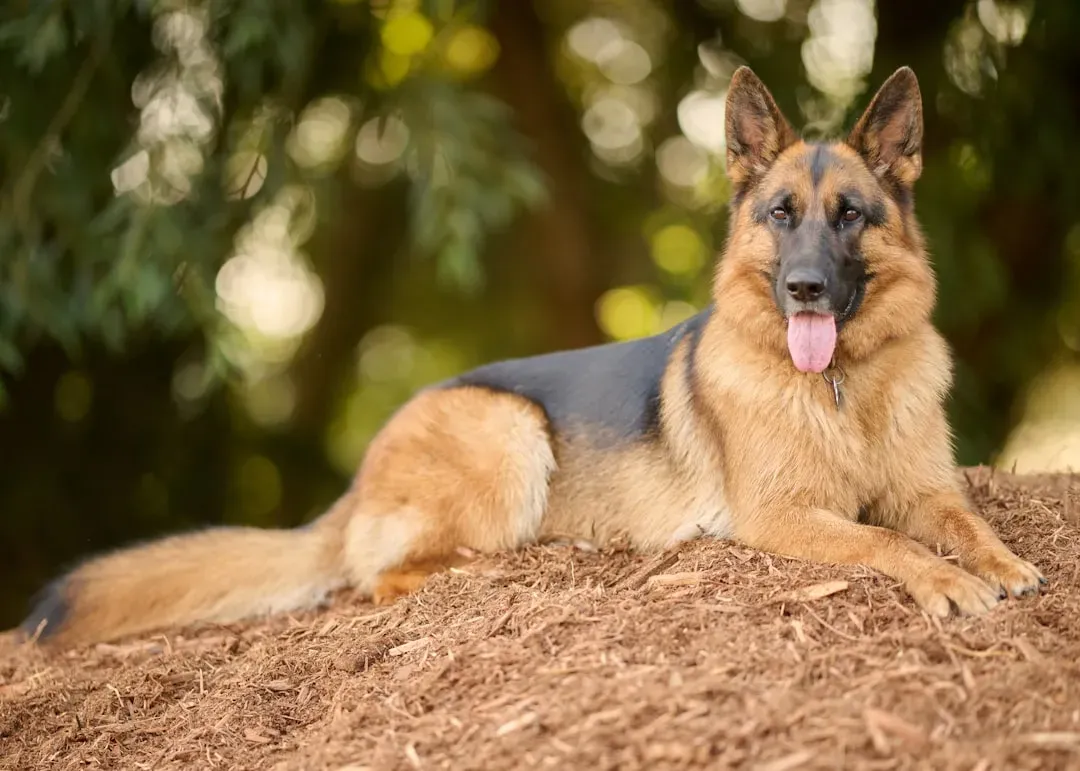
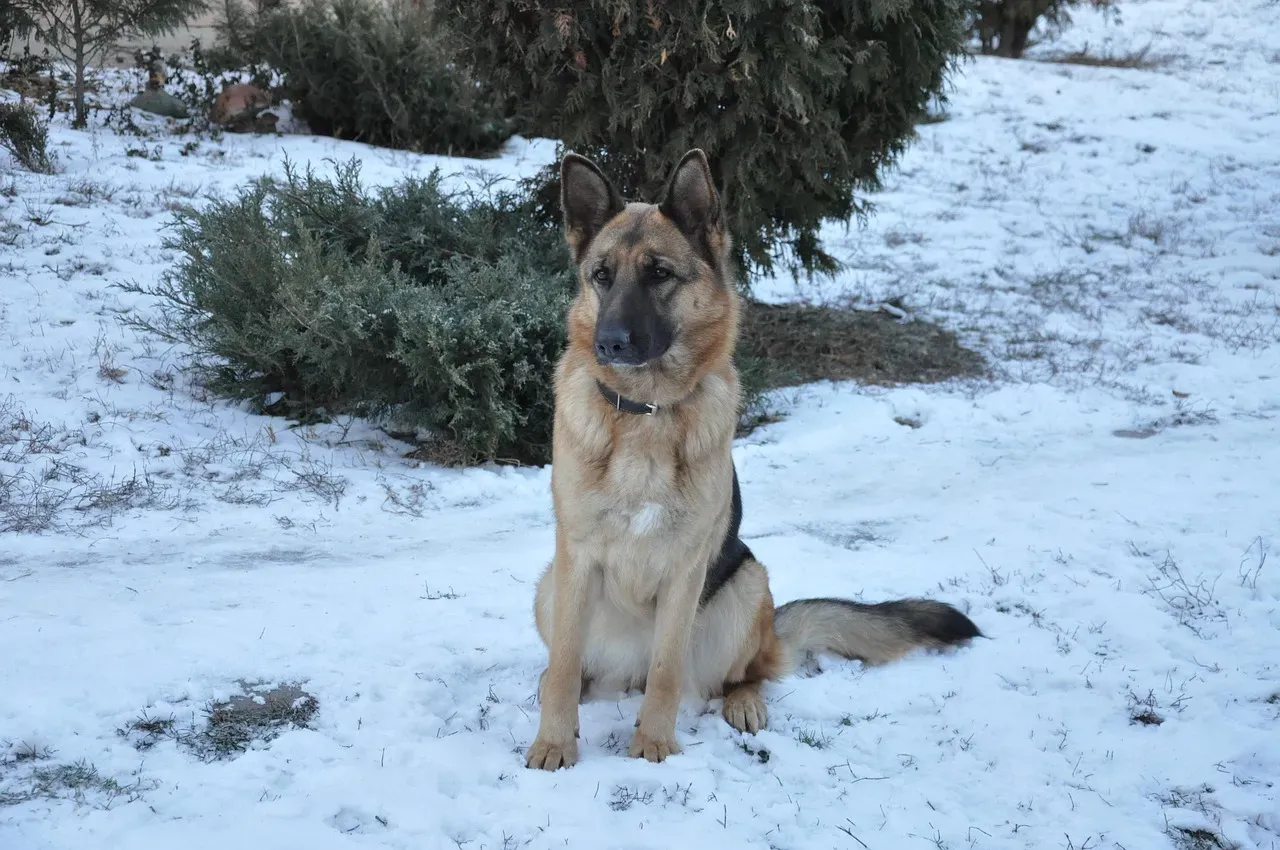
German Shepherds are often the face of disciplined, structured work: police dogs, military partners, service dogs, and search-and-rescue heroes. They excel in those roles because they’re built for clarity and routine, and they thrive on knowing exactly what’s expected of them. In a home where rules shift constantly, that same brain can become confused, pushy, or even reactive.
They’re also very attuned to hierarchy and leadership. If you sometimes enforce a rule and sometimes shrug it off, a German Shepherd is likely to assume you are not the one in charge – and may step into that role themselves. That can look like guarding certain rooms, controlling access to guests, or selectively ignoring commands they’ve clearly learned. Consistent structure doesn’t just keep them obedient; it makes them feel safe.
Australian Shepherd
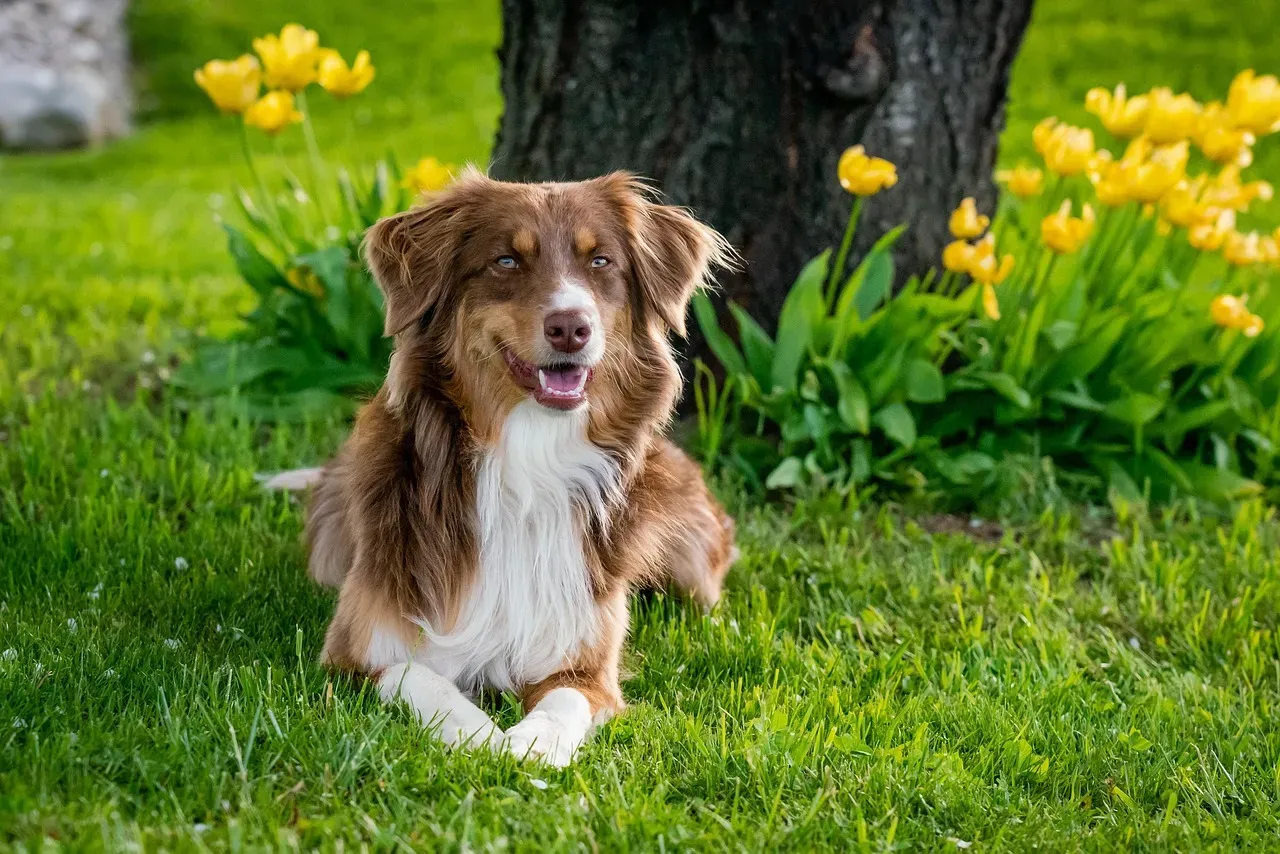
Australian Shepherds are like Border Collies with a little extra chaos and charm mixed in. They’re agile, motivated, and thrive on complex tasks, whether that’s herding animals, learning trick routines, or mastering dog sports. When the world around them is unpredictable, they make up their own games – and those games can involve herding kids, chasing bikes, or inventing creative escape routes.
Because they live to work and think, inconsistent rules quickly become puzzles to solve rather than boundaries to respect. If pulling on the leash sometimes gets them to the park faster and other times gets a stern “no,” they’ll keep trying different intensities and angles until they find the loophole. Without rock-solid consistency, you don’t “train” an Aussie so much as negotiate with one who always has a backup plan.
Belgian Malinois
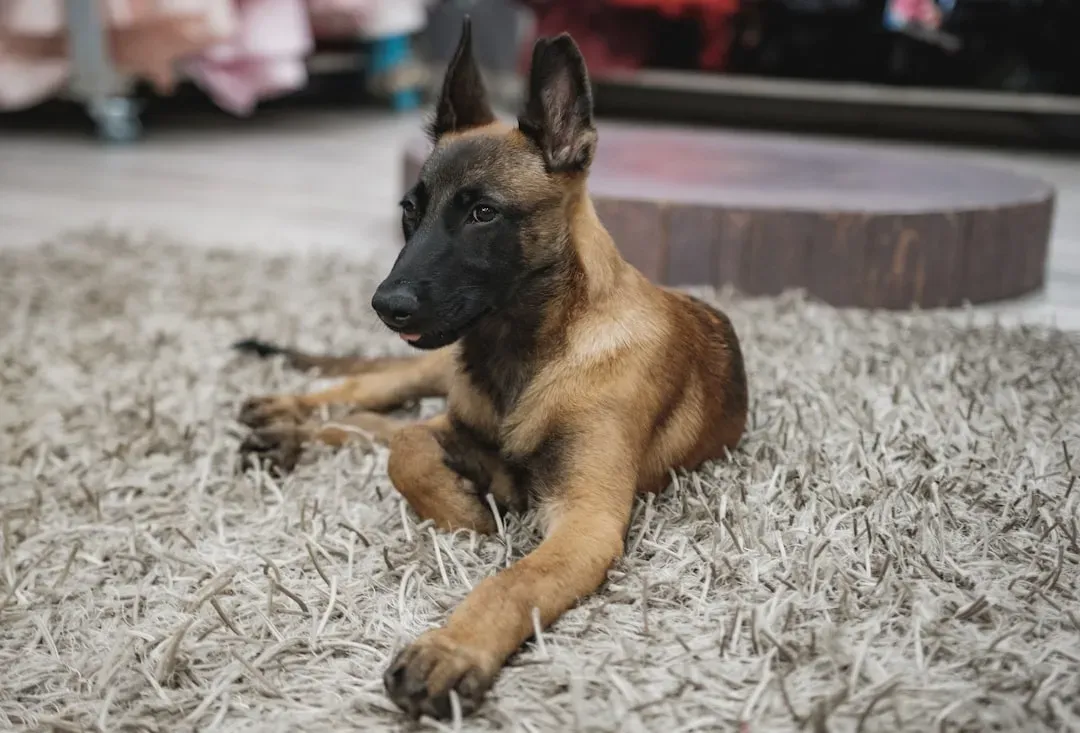
The Belgian Malinois is like the high-performance sports car of the dog world: powerful, precise, and absolutely not forgiving if you don’t know what you’re doing. These dogs are often used in demanding working roles because they combine intelligence, drive, and extreme responsiveness. That same intensity can be a disaster in a household that treats training as a casual, on-again-off-again hobby.
Malinois are incredibly fast at linking cause and effect, and they don’t just learn commands – they learn your habits. If resource guarding or pushy behavior once got them what they wanted, they’ll file that data away and repeat it with more confidence next time. An inconsistent owner might think, “It’s just this once,” while the Malinois thinks, “Great, new rule unlocked.” With this breed in particular, clarity and predictability are almost a moral obligation.
Doberman Pinscher
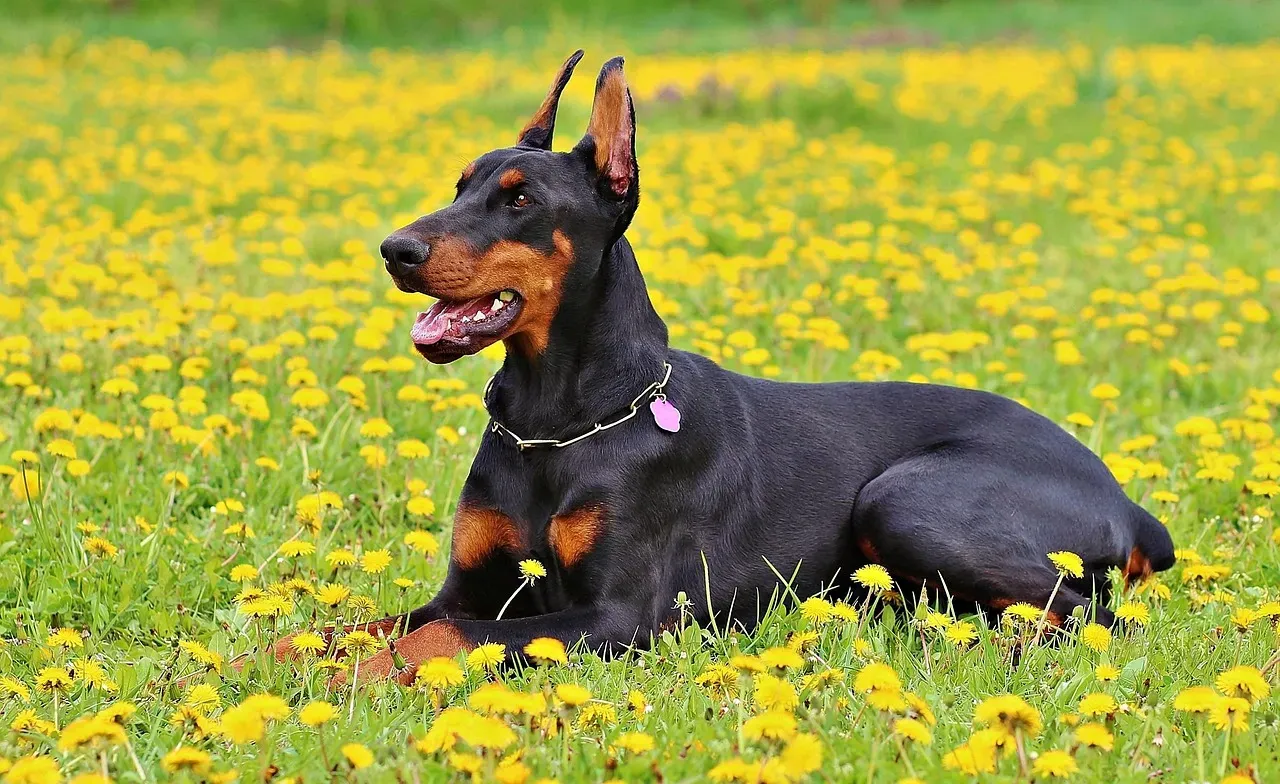
Dobermans are often loyal to the point of being shadow-like, following their people room to room and tuning in closely to emotional shifts. They’re also strategic thinkers who notice patterns in your reactions, your routines, even your stress levels. When your rules wobble – sometimes allowing jumping, sometimes scolding for it – they don’t just get confused; they start making judgment calls on their own.
Because of their natural protectiveness and confidence, a Doberman left to interpret the world with mixed signals may decide that they know better than you in certain situations. That might look like ignoring your recall when they think a stranger is suspicious, or deciding which guests are allowed to be hugged. Consistent, fair rules help channel that massive brain and big heart into being a partner instead of a self-appointed bodyguard running their own security company.
Golden Retriever
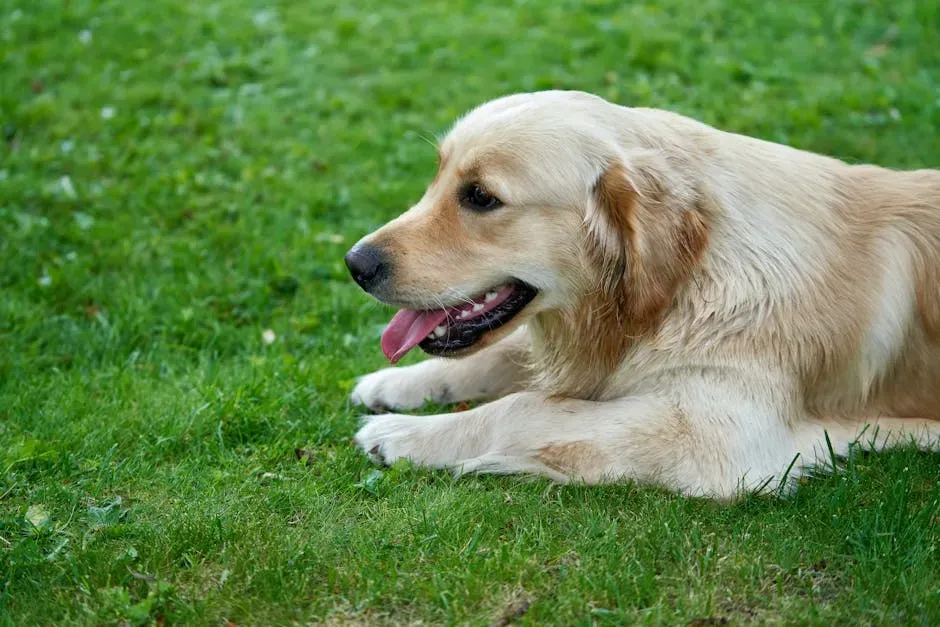
At first glance, it might be surprising to see Golden Retrievers on a list like this. They’re famously friendly, gentle, and eager to please. But that eagerness comes with a strong ability to connect actions and consequences, and they’re surprisingly good at figuring out exactly how much they can get away with when rules are fuzzy.
If begging at the table is sometimes rewarded with a scrap and other times met with “no,” a Golden won’t see that as mixed messaging – just a probability game they can eventually win. Their social intelligence is so strong that they can distinguish which family members are pushovers and adjust their behavior accordingly. They won’t necessarily become defiant, but they can become clingy, demanding, or manipulative in a soft, smiling way that makes it very hard to stay consistent.
Labrador Retriever

Labradors are a lot like Golden Retrievers in that they’re usually friendly, outgoing, and motivated by food and fun. That food motivation, combined with a bright mind, can turn into a constant experiment in “what works on these humans today.” If counter-surfing occasionally leads to an unguarded sandwich, many Labs will treat that like a jackpot and keep playing the game.
They’re also experts at reading micro-opportunities: a door left slightly ajar, a bag not fully zipped, a leash held a little too loosely. Inconsistent rules about jumping, mouthing, or pulling can quickly blur into a Lab’s internal rulebook as optional guidelines rather than hard boundaries. With clear, unwavering expectations, they’re dream companions; without them, they become lovable chaos machines who run the household through sheer persistence.
Jack Russell Terrier (and Similar High-Drive Terriers)

Jack Russell Terriers may be small, but they’re like concentrated cleverness in a compact body. Originally bred for hunting and flushing out prey, they have determination, stamina, and a love of problem-solving mixed with a dash of mischief. If you think “sometimes” enforcing a rule is enough, a Jack Russell will happily demonstrate otherwise.
They learn quickly which behaviors you are serious about and which ones are negotiable. If barking at the window gets ignored most of the time but occasionally results in you coming over and talking to them, that intermittent reinforcement can actually make the habit stronger. With terriers in general, inconsistency doesn’t just confuse them; it supercharges the very behaviors you were trying to avoid.
Shetland Sheepdog
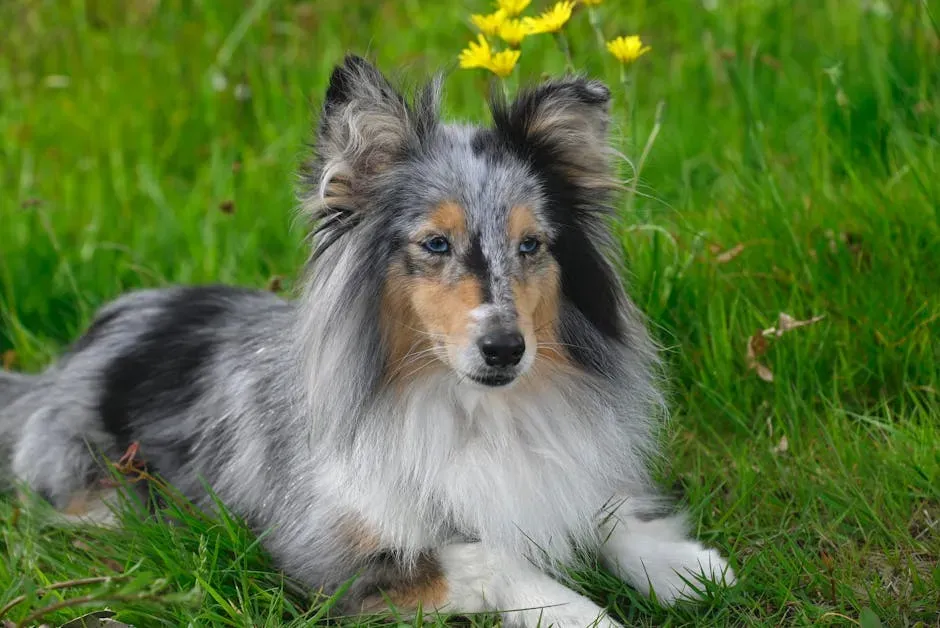
Shetland Sheepdogs, or Shelties, often look like mini Lassies: fluffy, gentle, and sensitive. Behind that sweet expression is an observant, thinking dog built to manage livestock far larger than themselves using strategy and quick assessments. In a home with inconsistent rules, that sensitivity and sharp mind can twist into nervousness or sneaky workarounds.
They’re especially tuned in to tone and predictability. If you sometimes invite them on the couch and other times scold them for the same thing, a Sheltie may start hovering, pacing, or trying to predict your mood instead of simply following house rules. Over time, they can learn to comply only when the “vibes” feel strict and ignore rules when the energy is relaxed, turning everyday life into an emotional guessing game for both of you.
Siberian Husky

Siberian Huskies have a reputation for being stubborn, but what they really are is independent and extremely good at cost–benefit calculations. Bred to pull sleds over long distances in harsh environments, they’re used to making decisions and conserving energy. If your rules are sometimes enforced and sometimes not, a Husky will often choose whatever option feels most rewarding or interesting at the moment.
They’re experts at escape artistry and testing physical boundaries, so inconsistent rules about fences, gates, or recall can be especially risky. If ignoring “come” occasionally means they get to keep chasing squirrels, that one success can outweigh many halfhearted corrections. With firm, consistent training, they can be wonderful companions, but with wobbly expectations, they’re perfectly happy to live by their own code.
Papillon
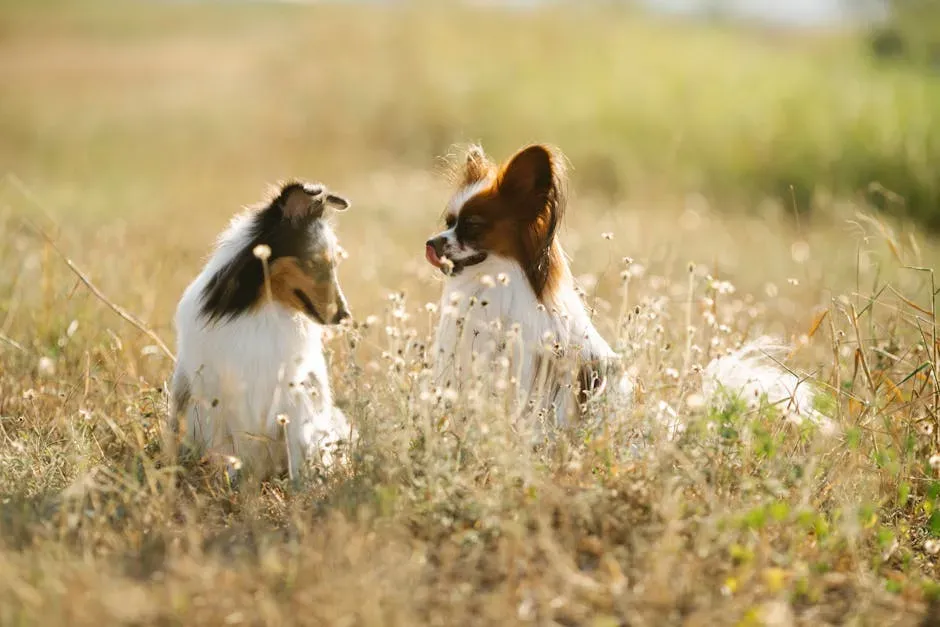
The Papillon might look like a delicate lapdog, but it’s actually one of the most intelligent toy breeds, historically used as a companion for nobles who enjoyed teaching tricks and games. They’re quick to learn and even quicker to notice patterns in how you respond to their behavior. When you mix that cognitive speed with small size, you get a dog that people often accidentally spoil while underestimating just how sharp they are.
If jumping up earns affection most of the time but an occasional scolding, a Papillon is likely to prioritize the nine times it worked over the one time it didn’t. Their charm makes it easy to let little things slide, and they quickly figure out who in the household is easiest to persuade. With clear, consistent rules, they become joyful, agile partners in training; without them, they can transform into tiny, adorable masterminds running the social dynamics of the house.
Why Inconsistent Rules Are a Gift to Smart Dogs
When I first adopted a clever herding mix, I thought love and “common sense” would be enough. I’d sometimes let him on the bed, sometimes tell him no, and I couldn’t understand why he seemed more stubborn every month. Looking back, I wasn’t raising a badly behaved dog – I was teaching a highly intelligent animal that my rules were negotiable and often meaningless.
Smart dogs do not experience inconsistency as “kindness” or flexibility; they experience it as uncertainty and opportunity. They learn to test limits, hedge their bets, and pick whichever human gives them the outcome they want. If there’s one opinion I feel strongly about after living with these brainy breeds, it’s this: consistency is not about being strict for the sake of control, it’s about giving a brilliant mind a clear, stable world to live in. The real question isn’t whether these dogs will outsmart you – it’s whether you’re willing to be as intentional with your habits as they are with theirs.


