
You know that feeling when you close the front door and instantly feel guilty, picturing your tiny dog pacing, whining, or shredding the mail? For some small breeds, that emotional meltdown when you leave is not just “being clingy” – it is deep, genuine separation anxiety. These dogs are wired to be close to their people, and when they are left alone, their world can feel like it is falling apart.
I still remember the first time I set up a camera to see what my small dog actually did when I left. I thought he was napping peacefully. Instead, I watched him cry at the door, check every room, and finally curl up with my shoe like it was a life raft. It was heartbreaking – and eye-opening. If you share your life with one of the breeds below, you might recognize that same desperate little devotion.
Cavalier King Charles Spaniel
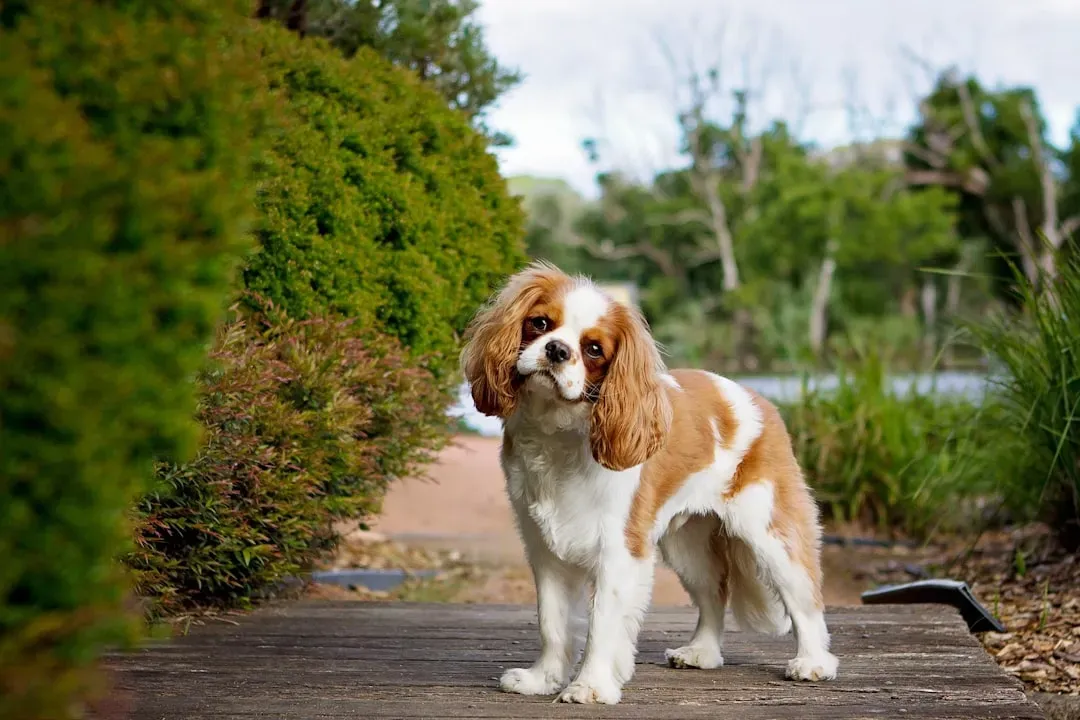
Cavaliers are often described as “velcro dogs,” and honestly, that might be an understatement. Bred as companion dogs for royalty and nobility, they were literally designed to warm laps and follow their humans around all day. That history still shows: many Cavaliers struggle when left alone for long stretches because their natural state is being pressed up against their favorite person.
When a Cavalier experiences separation anxiety, you might see pacing, whining, barking, or even accidents indoors despite being fully house-trained. Some will scratch at doors or obsessively wait at windows. They are usually gentle souls, so their distress tends to look more like heartbreak than rebellion. For people who work long hours away from home, Cavaliers often do better with a second dog, a pet sitter, or a schedule that keeps them from being alone too long.
Bichon Frise
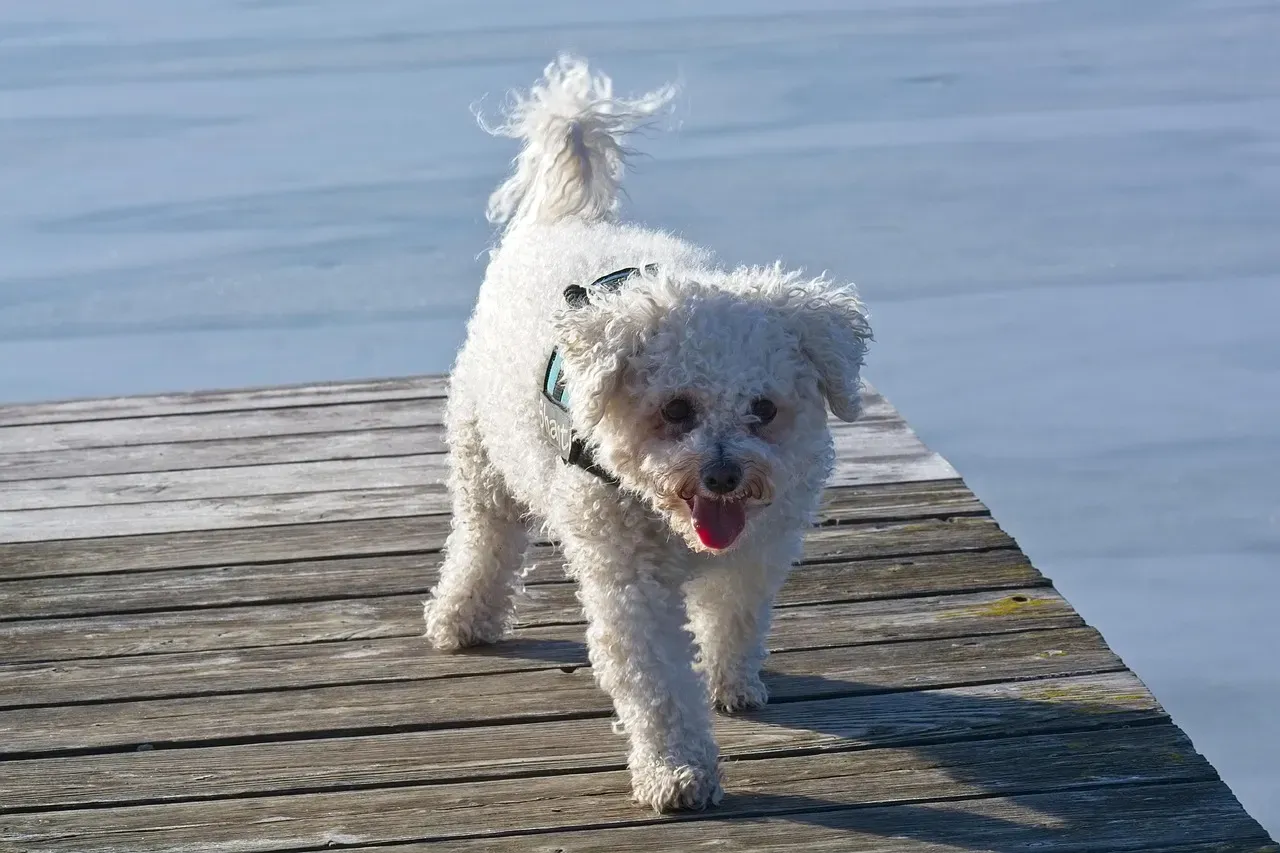
The Bichon Frise may look like a little fluffy cloud, but underneath that cotton-ball exterior is a dog who desperately wants to be the center of your universe. Historically, Bichons were popular as companions and performers, thriving on human attention and social interaction. That people-oriented nature means they can be especially sensitive to being left alone.
Many Bichons with separation anxiety will bark or cry when their person leaves, and some may chew or scratch at objects near doors or windows. They are smart and social, so a quiet empty house can feel like a punishment. With Bichons, building up alone time slowly, offering puzzle toys, and keeping departures low-key can make a real difference – but they still tend to shine in homes where someone is around most of the day.
Chihuahua
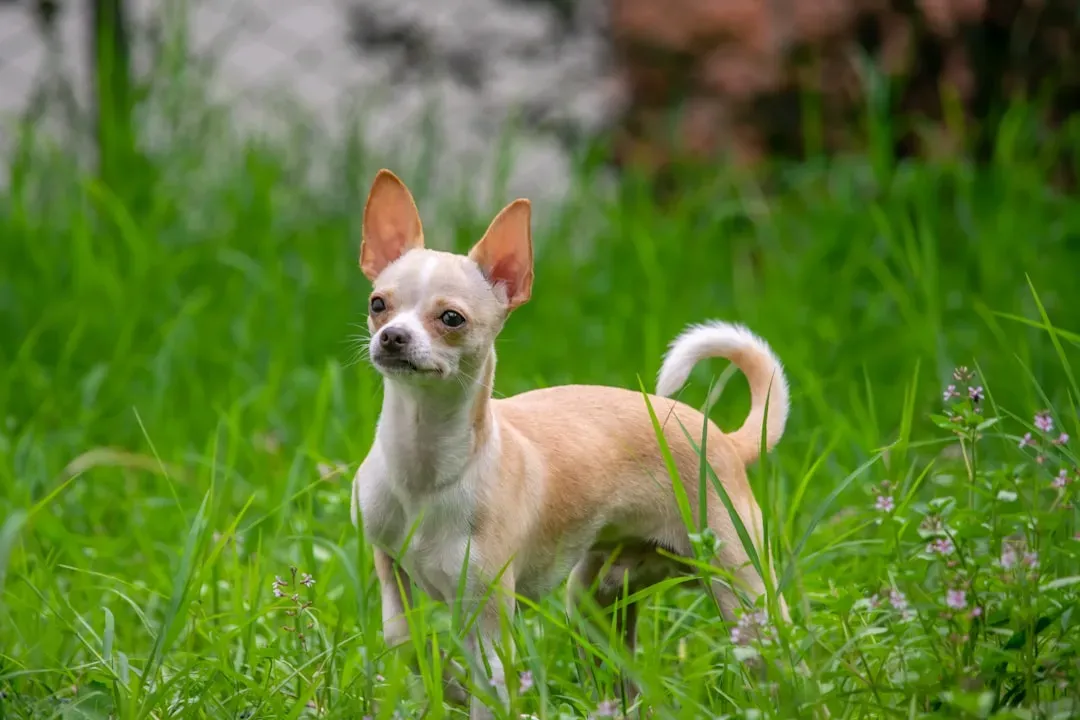
Chihuahuas are tiny, but their emotions are anything but small. Often deeply bonded to one primary person, they can become anxious or even frantic when that person disappears from sight. Their reputation for being “yappy” sometimes comes from this anxiety; what sounds like annoying barking is often a panicked little dog begging for reassurance.
Some Chihuahuas will shake, pace, bark, or scratch when alone, and others might resort to destructive chewing on small items like shoes, cords, or pillows. Because they are easy to carry everywhere, many people unintentionally create a situation where the Chihuahua is almost never alone – which makes it even harder when separation is unavoidable. Boundaries, training, and slow, positive practice with alone time are especially important for this breed.
Miniature Dachshund

Miniature Dachshunds were bred as hunting dogs, but over time they have become adored as lap-sized companions. They are incredibly loyal and often cling stubbornly to “their” person, following them from room to room. That strong attachment can turn into significant anxiety when the human pack goes missing, even for a couple of hours.
In a Dachshund with separation anxiety, it’s common to see nonstop barking, howling, or scratching at doors and floors. Some may dig at carpets or try to escape crates or rooms, which can even lead to injuries. Their stubborn streak sometimes makes training feel like a battle, but consistency, mental enrichment, and slow exposure to alone time can help. Realistically, though, they tend to do best in homes where they are not routinely left for very long.
Toy Poodle
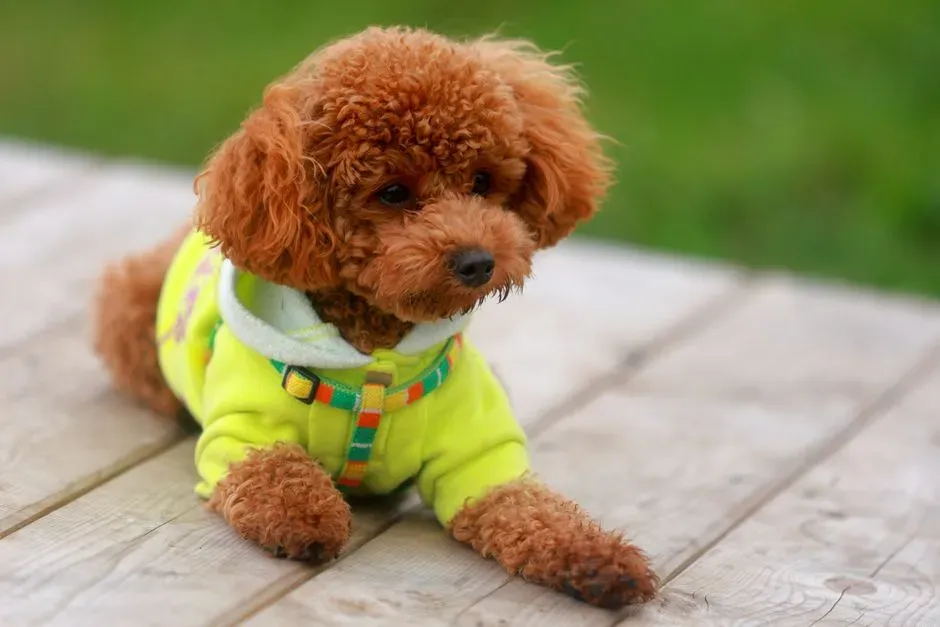
Toy Poodles combine two things that can be a rough mix for alone time: they are extremely intelligent and intensely people-focused. That brain power means they are constantly thinking, noticing routines, and anticipating what comes next. When they realize the next thing is “you leaving,” their anxiety can start before you even pick up your keys.
Many Toy Poodles with separation anxiety show signs like pacing, whimpering, excessive licking, or destructive chewing, especially around doors and windows. Some may also develop stress-related behaviors, such as over-grooming or refusing to eat while their person is gone. Because they are so trainable, structured routines and positive reinforcement can really help – but it also means their people have fewer excuses not to put in that work.
Yorkshire Terrier
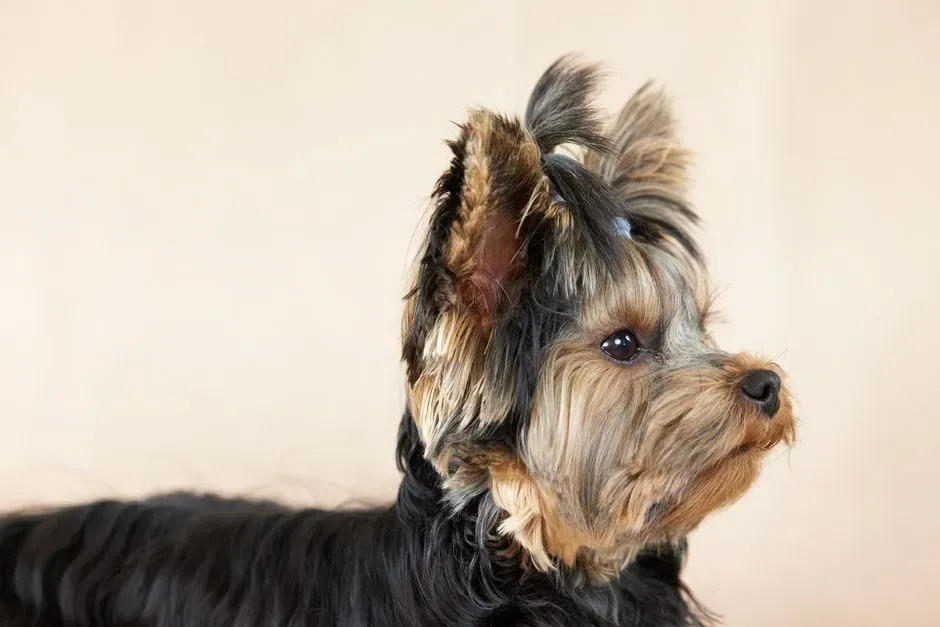
Yorkshire Terriers have big personalities packed into tiny bodies. They were originally bred as working dogs in mills, but they quickly became beloved companions, especially for people living in cities. Today, many Yorkies act like confident little shadows, glued to their humans and hyper-aware of any change in routine.
When left alone, an anxious Yorkie might bark endlessly, scratch at doors, or shred paper and fabric. Their high energy and keen senses mean they notice every sound and movement outside, which can escalate their stress. While some Yorkies develop a reputation for being loud or “spoiled,” the truth is often that they were never gradually taught how to feel safe alone. With patient training and plenty of mental stimulation, they can learn, but their natural tendency is to want a lot of togetherness.
Shih Tzu
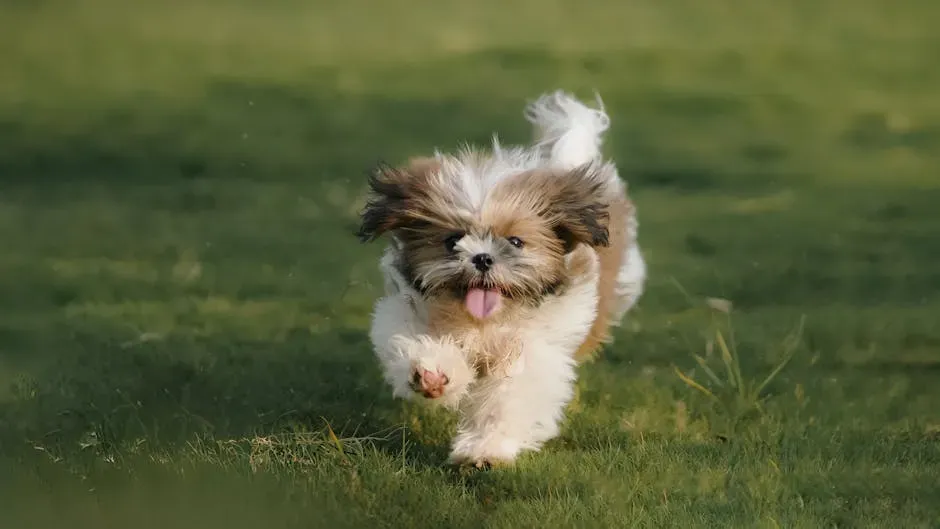
Shih Tzus were bred as royal companion dogs, and many of them still carry themselves like tiny emperors and empresses who expect constant attendance. They’re affectionate, engaging, and often happiest when they’re curled up right next to someone. Take that constant company away suddenly, and some Shih Tzus do not handle it gracefully.
Signs of separation anxiety in Shih Tzus may include barking, whining, scratching, or accidents indoors, especially if they are feeling overwhelmed. Their sweet, sometimes slightly stubborn temperament can make it tempting to dismiss their clinginess as “cute,” but that can backfire later. Setting gentle boundaries, building independence through training, and avoiding over-babying them can help, though this is one breed that usually thrives in a home where alone time is limited.
Italian Greyhound
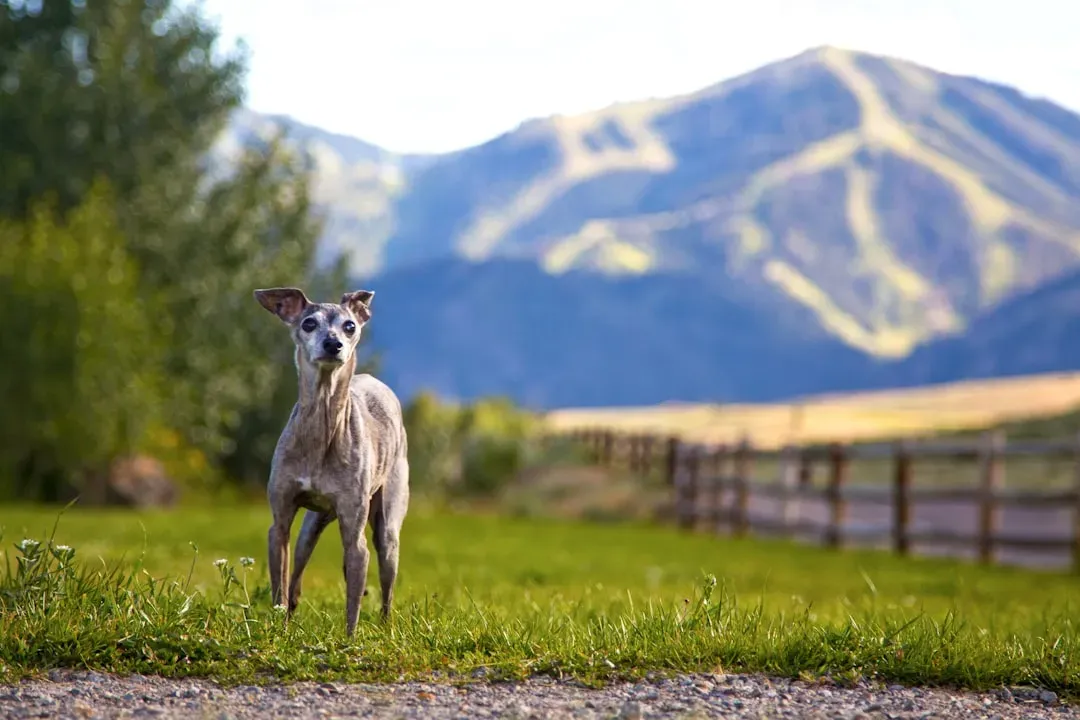
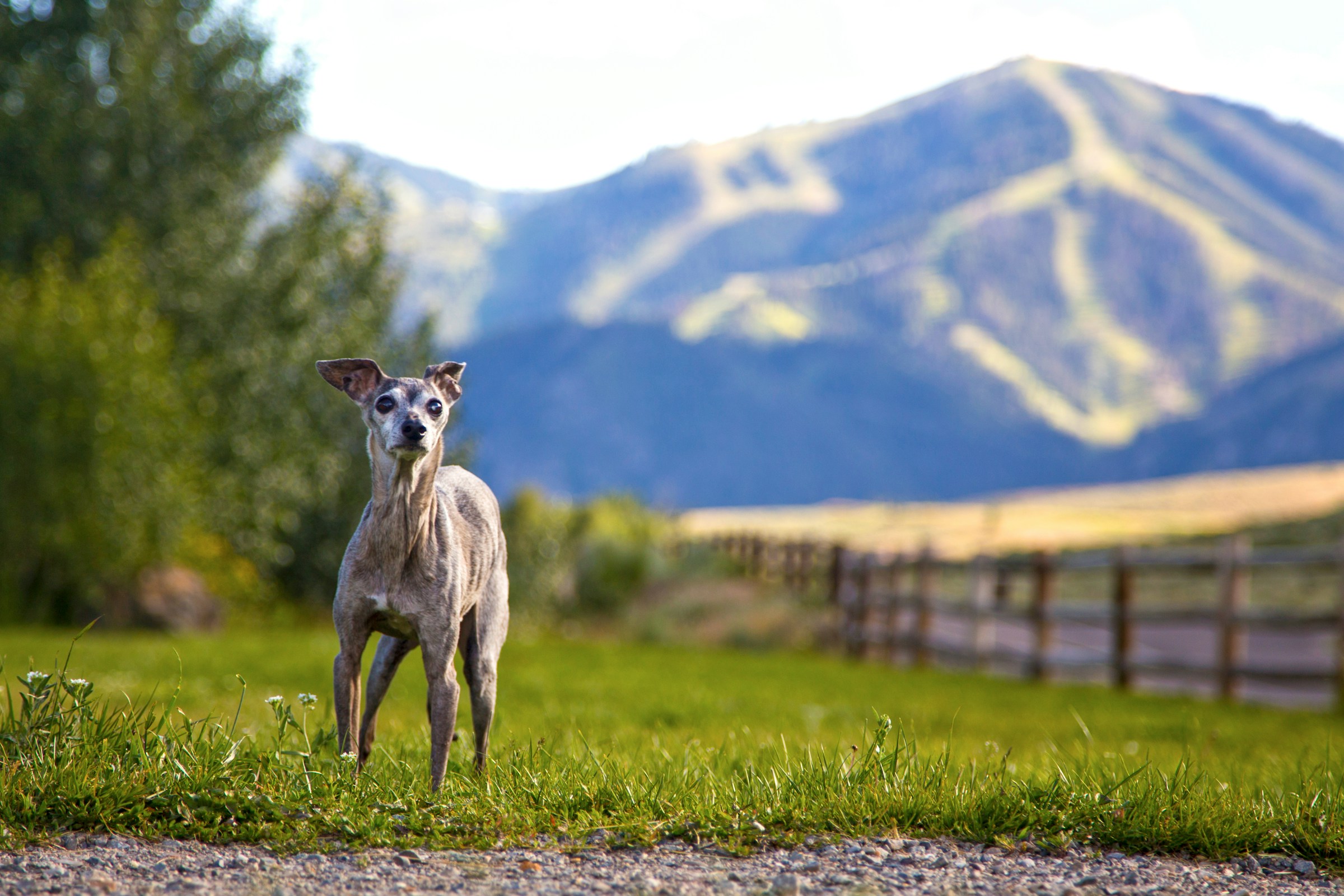
Italian Greyhounds are slim, elegant, and surprisingly sensitive. They are known for forming deep emotional bonds with their people and often dislike being alone even more than many other toy breeds. These dogs tend to be gentle and somewhat fragile, both physically and emotionally, and separation can hit them particularly hard.
An Italian Greyhound with separation anxiety might tremble, cry, or become destructive, especially if they feel confined or isolated. Some can also develop stress-related habits, like refusing to eat or obsessively licking. They typically do best in calm households where someone is home much of the time or where they have another dog for company. If you are out most of the day, this is one of those breeds that can really make you rethink your schedule.
Papillon
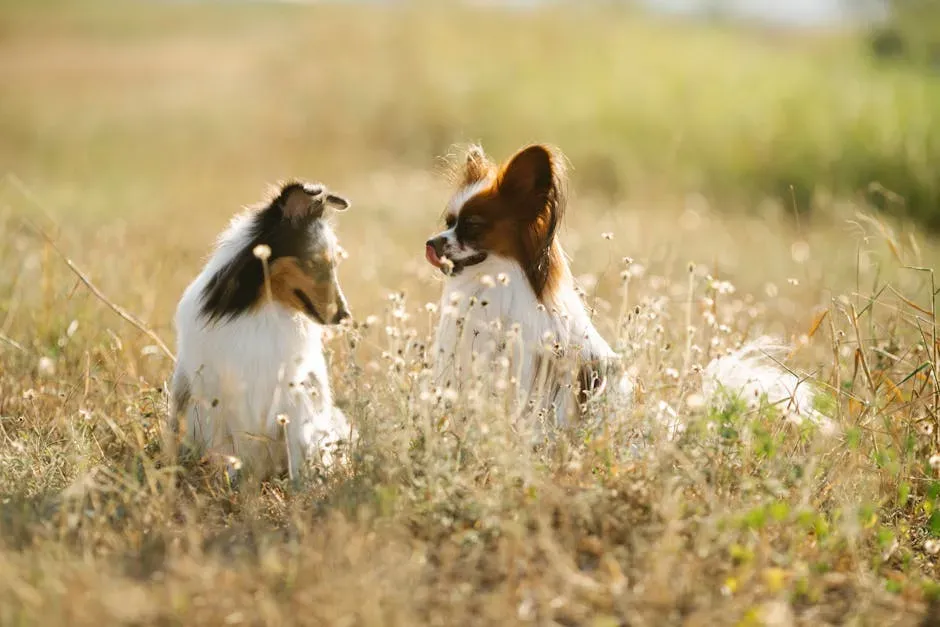
Papillons are lively, bright, and surprisingly athletic for such dainty little dogs. They are often described as “big dogs in small bodies,” and they absolutely adore being involved in whatever their family is doing. That intense engagement with their people can translate into anxiety when the activity suddenly stops and the house goes quiet.
When a Papillon struggles with separation anxiety, you might see nonstop barking, destructive chewing, or frantic running from window to window. Because they are energetic and clever, boredom can quickly turn into mischief, especially when combined with emotional distress. They do well with plenty of mental games, training sessions, and consistent routines, but in homes where people are gone all day, their anxiety can easily bubble over.
Havanese
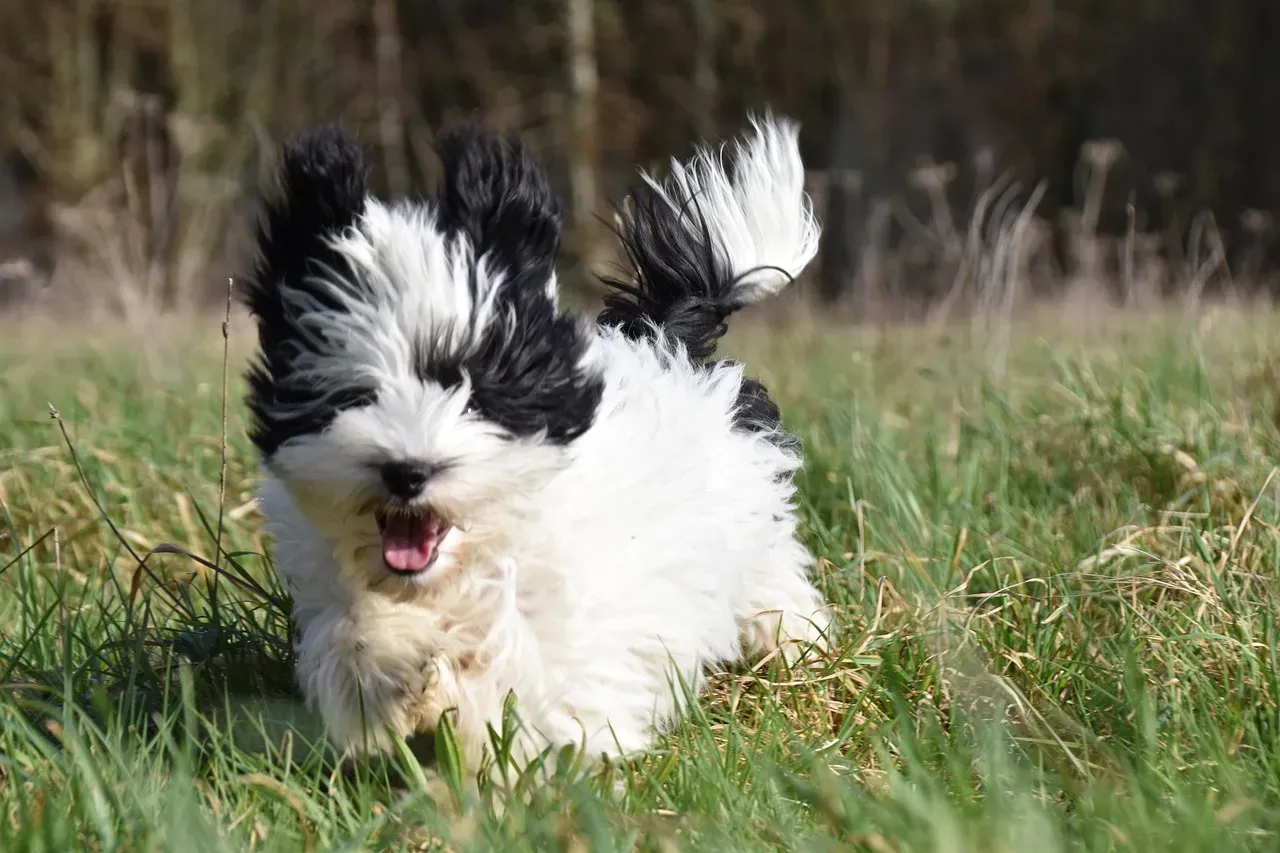
The Havanese is often called a “velcro dog” for a reason: they are bred as companion animals and thrive on being right where the action is. Friendly, outgoing, and highly people-oriented, they’re not the type to be content lounging alone for hours. Take away their human contact, and many Havanese feel as though the rug has been pulled from under them.
Separation anxiety in Havanese may show up as barking, whining, pacing, or destructive behaviors like chewing furniture or doors. They can also become overly excited or clingy when you return, almost as if they are terrified you might vanish again. With thoughtful training, gradual desensitization to departures, and plenty of enrichment, they can improve, but this breed is generally better suited to households where they get lots of day-to-day human interaction.
Conclusion: Is A “Velcro Dog” Really The Right Fit For You?
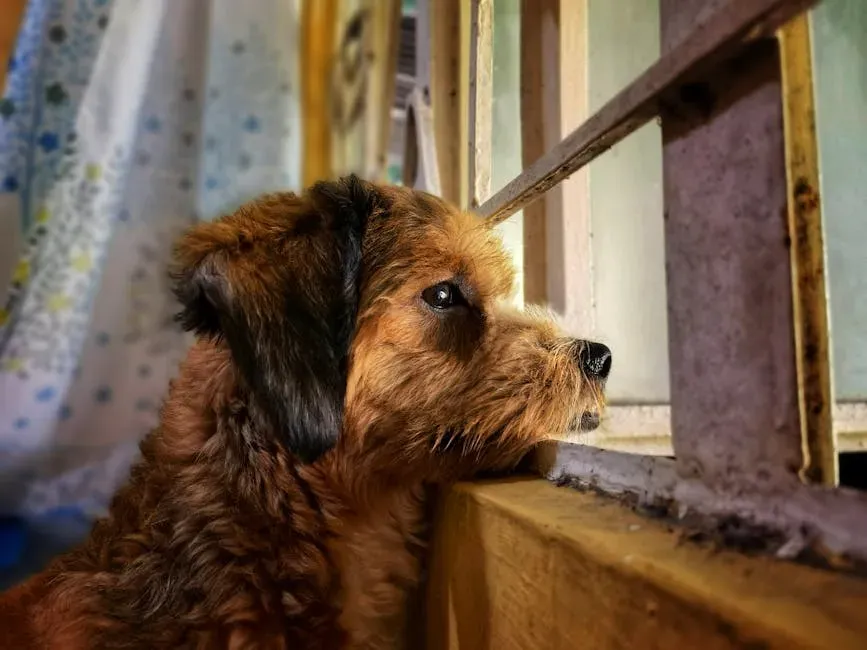
Living with a small dog who has serious separation anxiety can be both deeply touching and deeply exhausting. On one hand, there is something incredibly moving about a creature who loves you so fiercely that your absence feels unbearable. On the other hand, constant barking, destruction, and visible distress are not fair to the dog, your neighbors, or your own mental health. Pretending these breeds are “low effort” just because they are small does them a disservice.
My own opinion is that people should treat these clingy, companion-focused breeds more like emotional partners than decorative pets. If you choose a dog that was bred for closeness, you are also choosing to rearrange your life a little around that need. With training, structure, and support, many of these dogs can learn to handle alone time better – but most will never love it. So the real question is not just “Which small breed is cutest?” but “Whose needs can I actually meet, day after day, year after year?”


