
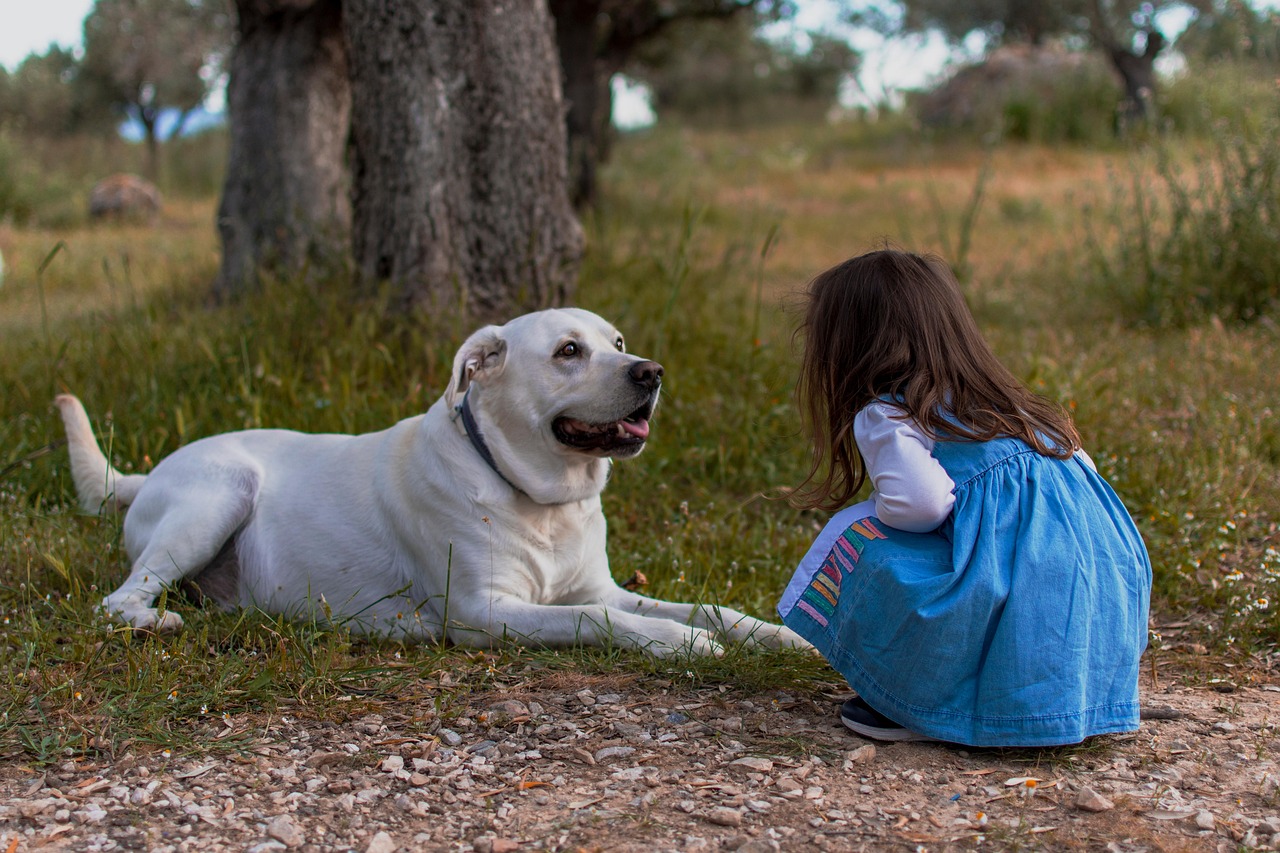
You know that slightly confusing moment when a dog trots over to you, makes eye contact, maybe even nudges you, and then casually walks away like you’ve been dismissed? It can feel a bit like mixed signals in a text conversation: are they into this or not? Many dog owners quietly wonder if they did something wrong, or if their dog is just being moody or aloof.
What’s really going on is often much more interesting, and honestly, kind of beautiful. Modern dog psychology suggests that these “come here, go away” patterns can be a dog’s way of saying, “I want connection, but on my terms.” When you start to see it that way, those small moments stop feeling like rejection and start looking like a shy, thoughtful invitation. Let’s unpack what that means, and how respecting it can seriously deepen your bond.
The Subtle Language Behind the Approach-and-Leave Move
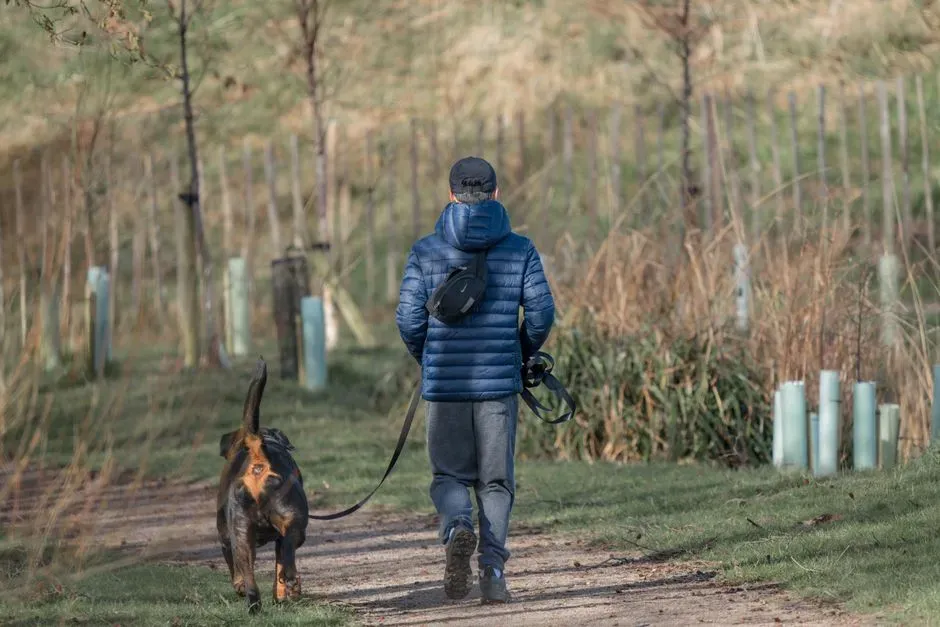
At first glance, a dog who walks up to you and then wanders off again can look disinterested or even rude, but in dog terms it’s often the opposite. Many dogs are balancing curiosity and caution at the same time: they want to check you out, feel your energy, and then step back to process how safe and comfortable they actually feel. Think of it like someone leaning into a conversation, then taking a step back to breathe and think before speaking again.
This dance between coming closer and moving away is a key part of canine body language. Dogs rarely rush headfirst into intense social contact unless they are very confident or overexcited. Instead, they use small, careful approaches to say, “I’m interested, but I need space to feel secure.” When you watch closely, these tiny moves start to look less random and more like a thoughtful social script.
Choice and Control: Why Dogs Crave Consent in Interaction
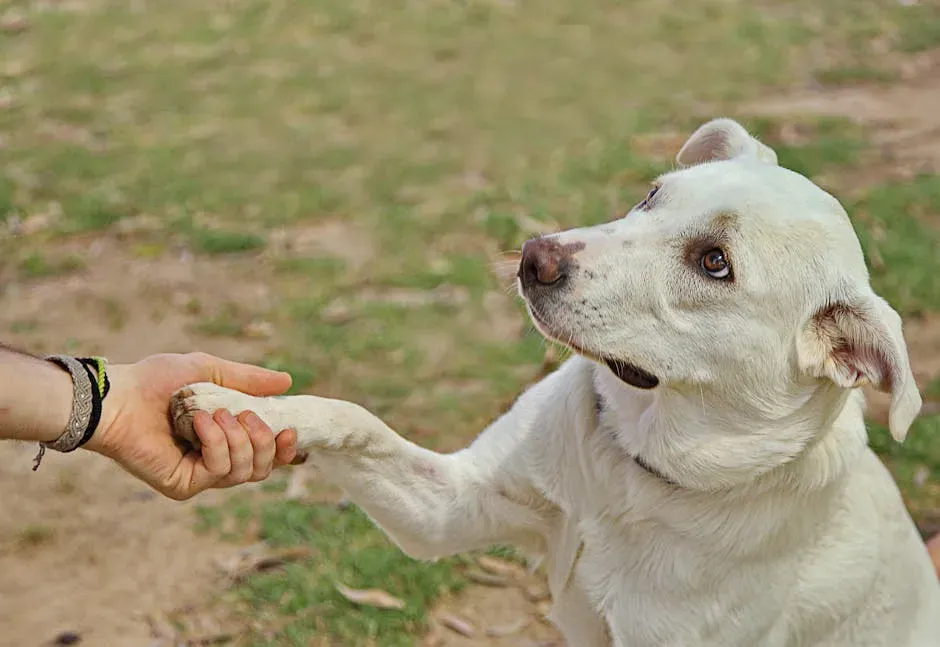
One of the most powerful ideas in modern animal behavior is that animals, including dogs, feel safer and more relaxed when they have choices. A dog who approaches you and then walks away may be checking whether you’ll respect that choice. If you chase after them with your hands out, they quickly learn that approaching means losing control of what happens next. If you stay calm and let them go, they learn that they can come to you without being overwhelmed.
In simple terms, this behavior can be a quiet test of consent. The dog is saying, “I might want attention, but I need to know I can start and stop it.” When we allow dogs that control – when we don’t grab, hover, or insist – they often become more affectionate over time, not less. It’s a bit like giving a shy friend the option to leave a crowded party; knowing they can step away actually makes them more willing to stay close.
Body Language Clues: Are They Inviting You or Politely Opting Out?
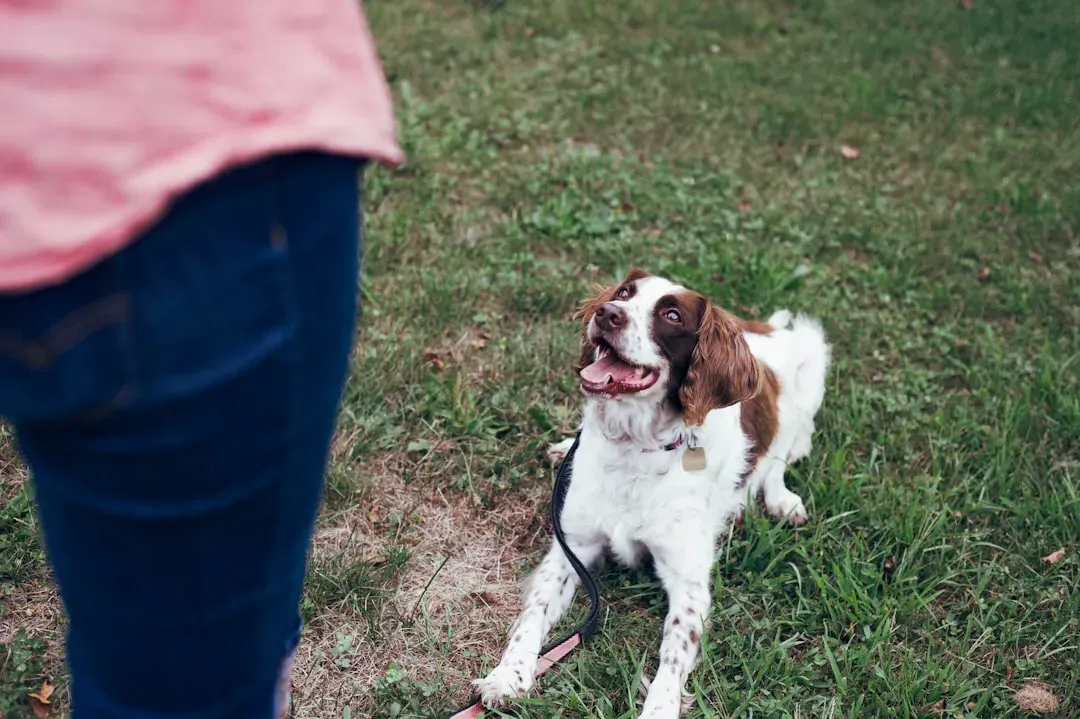
Not every approach-and-leave is a secret request for attention; sometimes a dog really is saying, “No thanks.” The trick is learning to read the rest of their body. A dog who approaches with a loose body, wagging tail at mid-level, soft eyes, and maybe a quick side glance is often curious and open, even if they walk away for a moment. They might come back again, circle you, or look back to see if you’re watching, which are all signs they’re still engaged.
On the other hand, a dog who stiffens, looks away, licks their lips repeatedly, tucks their tail, or yawns in a tense way could be feeling overwhelmed or stressed. If that dog approaches and then leaves, it’s usually a polite boundary, not an invitation. I’ve had dogs in my life who would float around the edges of a room like ghosts, checking on people but never staying long; once I stopped taking it personally and gave them time, many of them eventually chose to sit right next to me on their own.
How to Respond When a Dog Comes Close and Walks Away
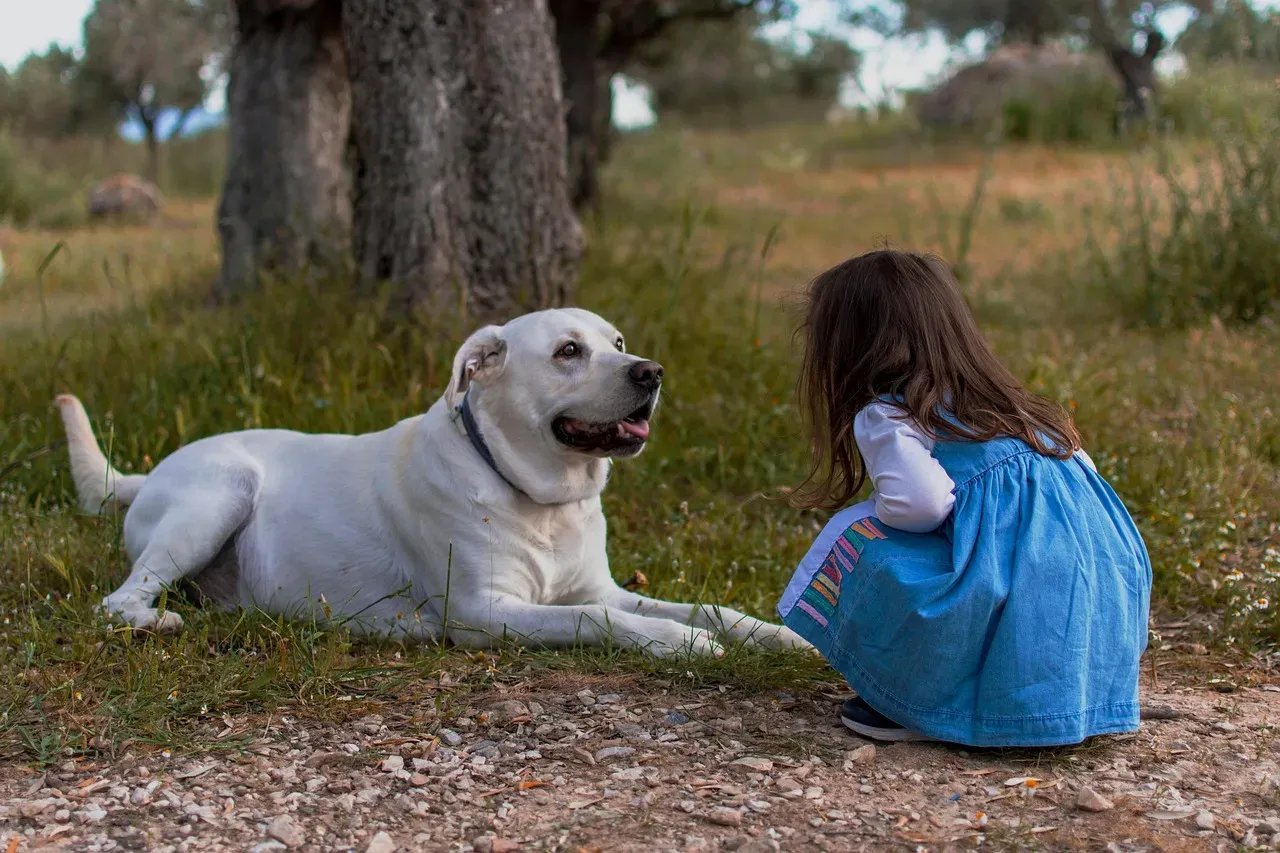
When a dog does the classic “walk up, then leave” move, the best thing you can do is surprisingly simple: stay still, stay relaxed, and let them make the next move. Keep your body turned slightly sideways instead of head-on, since a full frontal stare can feel intense or confrontational to a dog. You can soften your posture, speak in a calm, gentle tone, and keep your hands low and unthreatening rather than reaching straight for their head.
If the dog comes back, you can slowly offer a hand for them to sniff, or scratch an easy-to-reach area like the chest or shoulder if they lean in. If they walk away again, resist the urge to call or follow. Think of it as playing a game where the dog is running the show: you’re always available, but never pushy. This balance of presence and respect is what tells a dog, “You’re safe with me. You get to decide how close we get.”
Shy, Sensitive, or Overstimulated: Why Some Dogs Need More Space
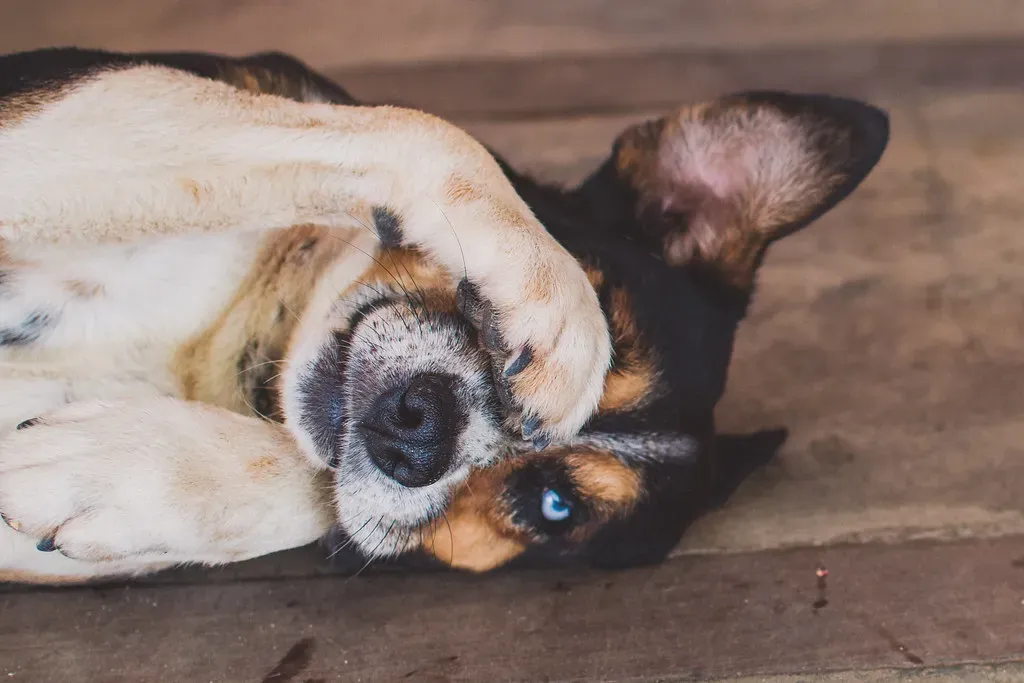
Dogs who are shy, anxious, or easily overstimulated are especially likely to approach and retreat. For them, social interaction is a bit like walking into a loud, crowded room; they might want to be there, but they also need breaks to calm their nervous system. Approaching you gives them important information about how you smell, how you move, and how you respond, but taking distance again is how they self-soothe and reset.
Rescue dogs, under-socialized dogs, and dogs who have experienced rough handling in the past may rely heavily on this pattern. They are often torn between wanting affection and fearing what might happen if they fully commit. When you let these dogs go at their own pace – no grabbing, no forcing eye contact, no cornering – you’re quietly rewriting their story of what humans are like. Over weeks and months, those tentative approaches often shift into confident, joyful greetings.
Turning Everyday Moments Into Trust-Building Rituals
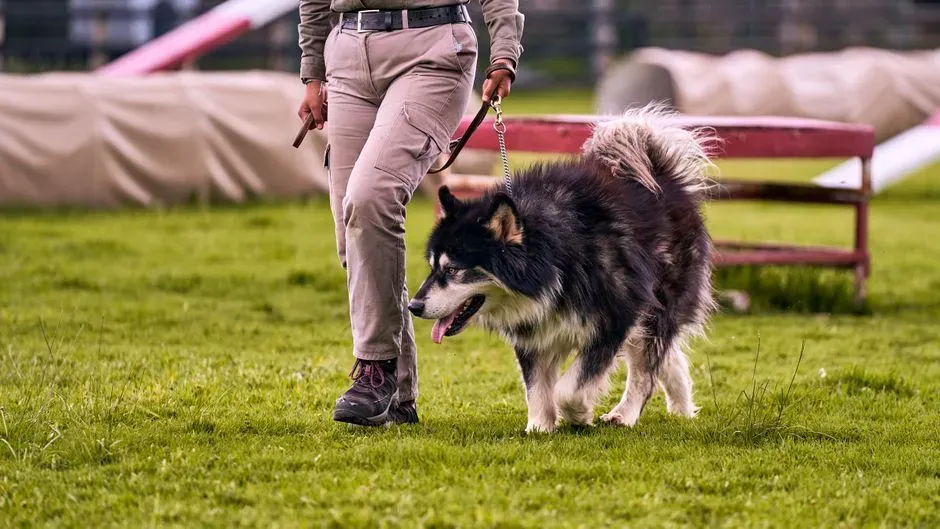
Once you recognize this behavior as a request for interaction on their own terms, you can start using everyday moments to build trust. For example, if your dog walks over while you’re on the couch, gives you a quick look, and then lies down a few feet away, you can simply lower your hand and softly invite them without pressure. If they come closer, offer some gentle pets or scratches, then pause and let them choose whether to stay or go.
Over time, these small rituals create a pattern where your dog learns that you listen to their signals. It’s like building a shared language where they say, “I’m ready” or “Not yet,” and you answer by adjusting your behavior instead of forcing your agenda. In my own life, the moment I stopped treating every approach as a chance to squeeze and fuss over a dog, I noticed something surprising: they actually started seeking me out more, not less, because I finally felt predictable and safe to them.
What This Says About You and Your Relationship With Your Dog
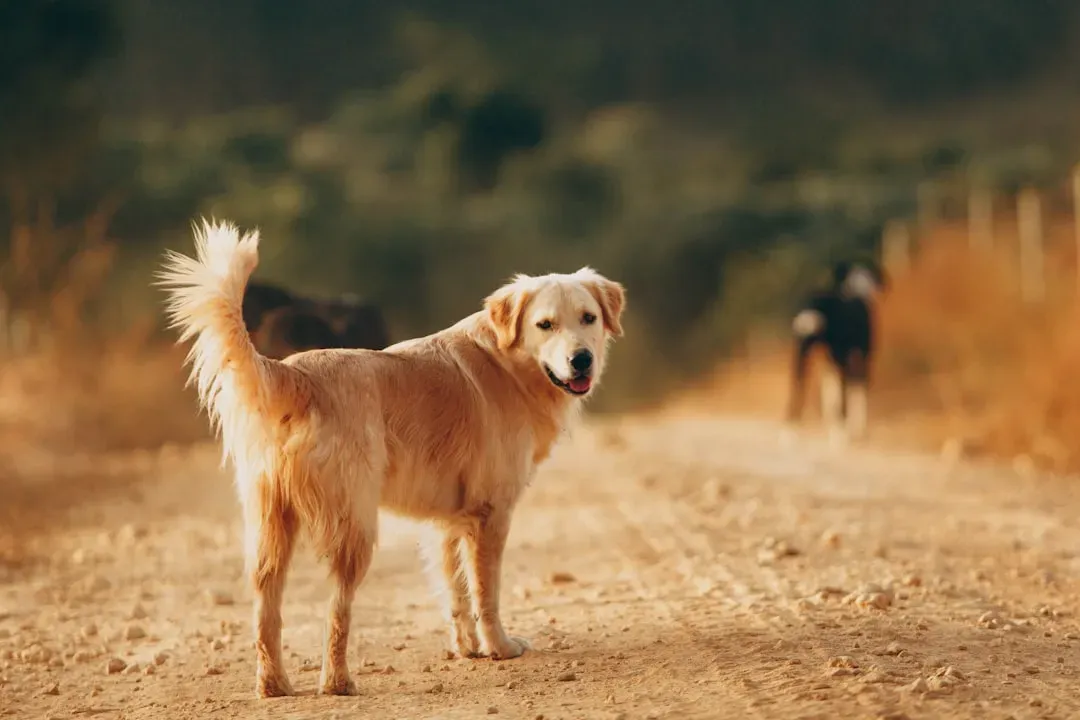
How you react when a dog approaches and then walks away says a lot about how you handle boundaries in general. If your first instinct is to chase, grab, or coax, you may be unintentionally telling the dog that their comfort zone doesn’t matter. It’s a natural human impulse – we’re drawn to cute, fluffy animals – but in dog terms, it can feel a bit like someone ignoring you when you say you need a minute to breathe.
When you choose patience instead, you’re making a quiet but powerful statement: you’re not just a provider of food and walks, you’re a partner who respects them as an individual. That mindset shift can transform your relationship. Suddenly, you’re not measuring your dog’s love by how clingy they are, but by the tiny, meaningful choices they make to share space with you – like lying closer than they used to, or resting their head on your foot after months of keeping their distance.
Opinionated Conclusion: Let Dogs Have the Last Word (and the First Move)
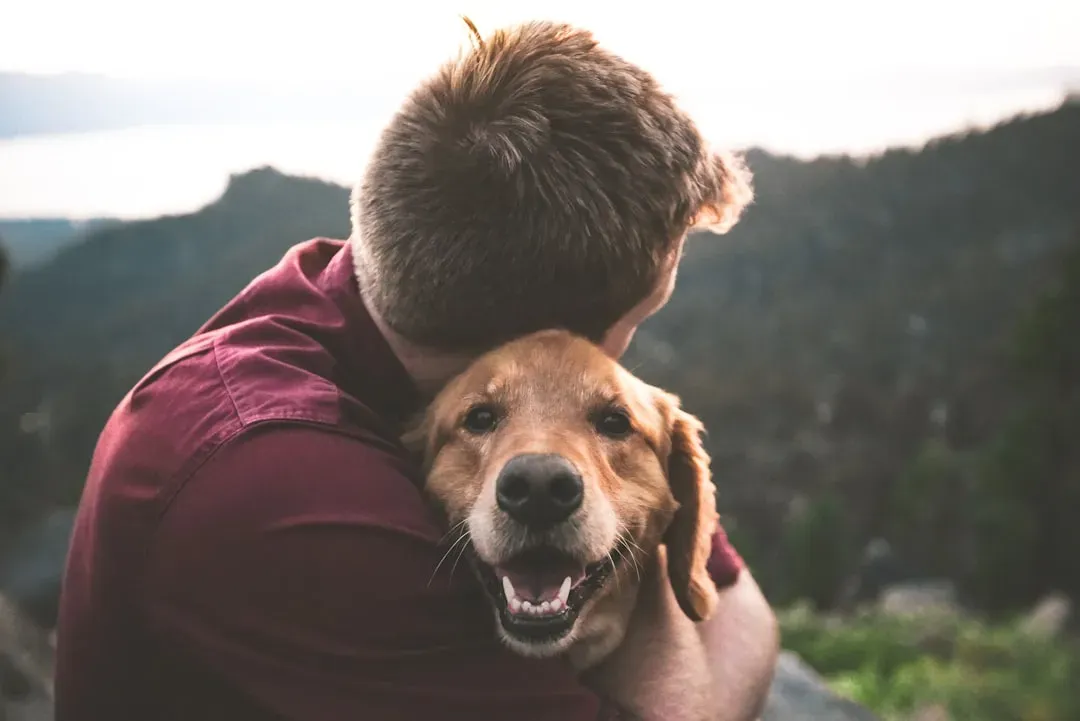
If more people understood that a dog’s approach-and-leave behavior is often a request for respectful, choice-filled interaction, we’d see far fewer frustrated owners and far more confident dogs. In my view, this is one of the most underrated lessons in dog psychology: love is not proven by constant closeness, but by how much freedom we give the other side to choose us. When a dog comes to you, walks away, and then decides to come back again, that second approach is worth far more than any forced cuddle could ever be.
So the next time a dog drifts in and out of your space, try treating it less like rejection and more like a quiet negotiation. Stay calm, stay kind, and let them decide how the story goes. You might discover that the most loyal, heartfelt bond you’ll ever have with a dog is the one where you stopped insisting and started listening. Knowing that, how will you respond the next time a dog asks to connect on their own terms?


