
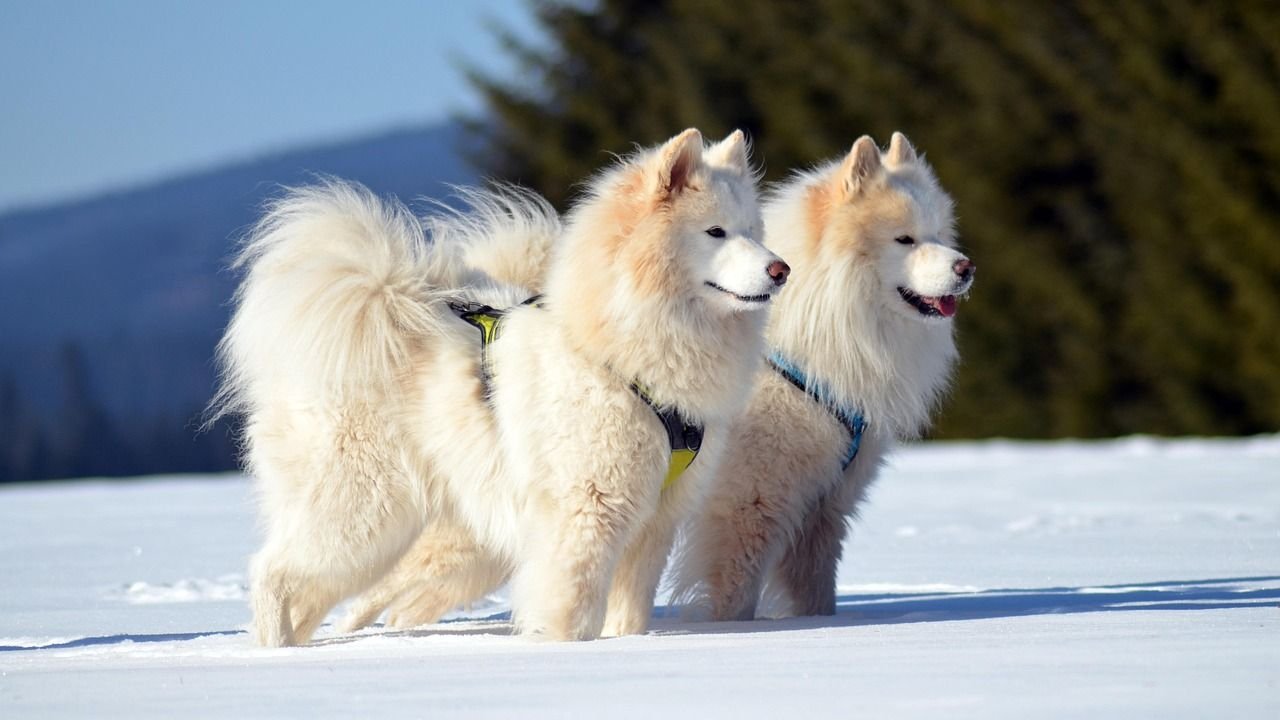
There’s something almost magical about watching certain dogs in the snow. While some pups shiver at the first sign of frost and make a beeline back indoors, others absolutely transform when the temperature drops, as if winter flips an internal switch to pure joy. Their eyes brighten, their pace quickens, and they practically beg to stay out longer.
That transformation isn’t random. Dog breeds that originated in cold, snowy, mountainous regions developed traits over the centuries to help them withstand harsh climates, including thick, insulating double coats, strong muscles, and impressive stamina that allowed them to work and thrive in frigid conditions. These aren’t just good-looking coats, either. The outer guard hairs prevent snow from seeping through to the undercoat and skin, while the dense, downy undercoat is made up of fine hairs that grow in tight clusters to form a deep layer of insulation that traps heat. Nature’s engineering at its finest.
Whether you’re a winter hiking enthusiast, a family living in a high-altitude climate, or simply someone wondering if that fluffy breed at the shelter was built for your snowy backyard, this guide covers ten remarkable snow dog breeds, what makes them tick, what they need, and how to care for them well.
1. Siberian Husky: The Arctic Athlete
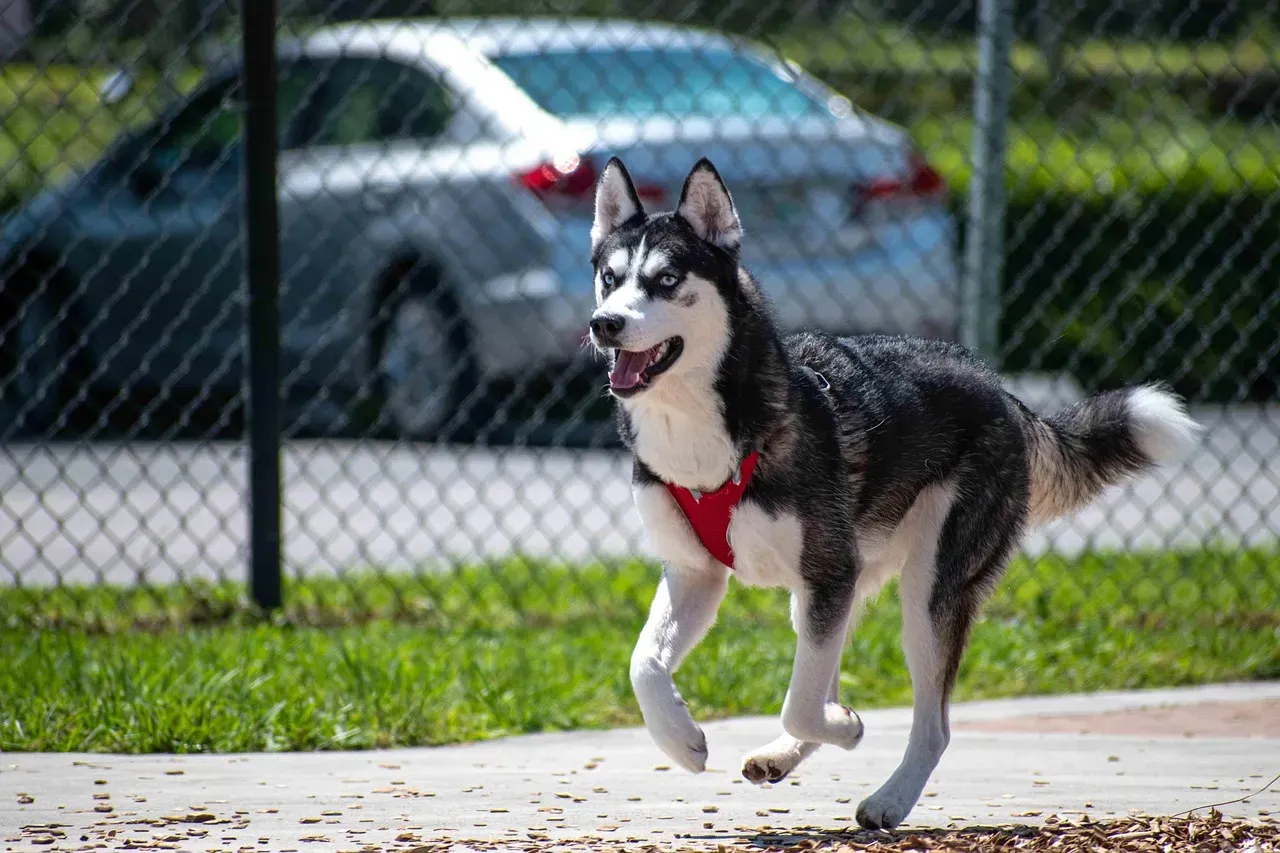
Few dogs are as iconic as the Siberian Husky, and for good reason. Siberian Huskies originated in the cold climate of Northern Asia and sport a coat thicker than most other breeds. Their erect ears and sickle-shaped tail are indicators of their northern heritage, and they were first bred to be sled dogs by the semi-nomadic Chukchi people, who developed the breed to haul loads across frozen terrain as their hunting grounds shifted.
Siberian Huskies were born to run and absolutely love companionship. They’re the perfect cold-weather canine for active families that live near a dog park or have other large furry friends in the household. While they aren’t frequent barkers, they are a vocal breed, letting you know how they feel with a comical whine or moan. One important behavioral cue: a husky who isn’t getting enough exercise will find other ways to entertain itself, and your furniture may not survive the experience.
Both Huskies and Malamutes curl their thick tails over their noses when they lay down in the cold, to warm the air they’re breathing – a small but fascinating example of how deeply adapted these dogs are to the cold. Health-wise, regular eye exams are advised, as the breed can be prone to hereditary eye conditions. A securely fenced yard is non-negotiable; the goal of nearly every Siberian is to run, and some are on a never-ending quest to escape, even figuring out how to open latches.
2. Alaskan Malamute: The Powerful Hauler
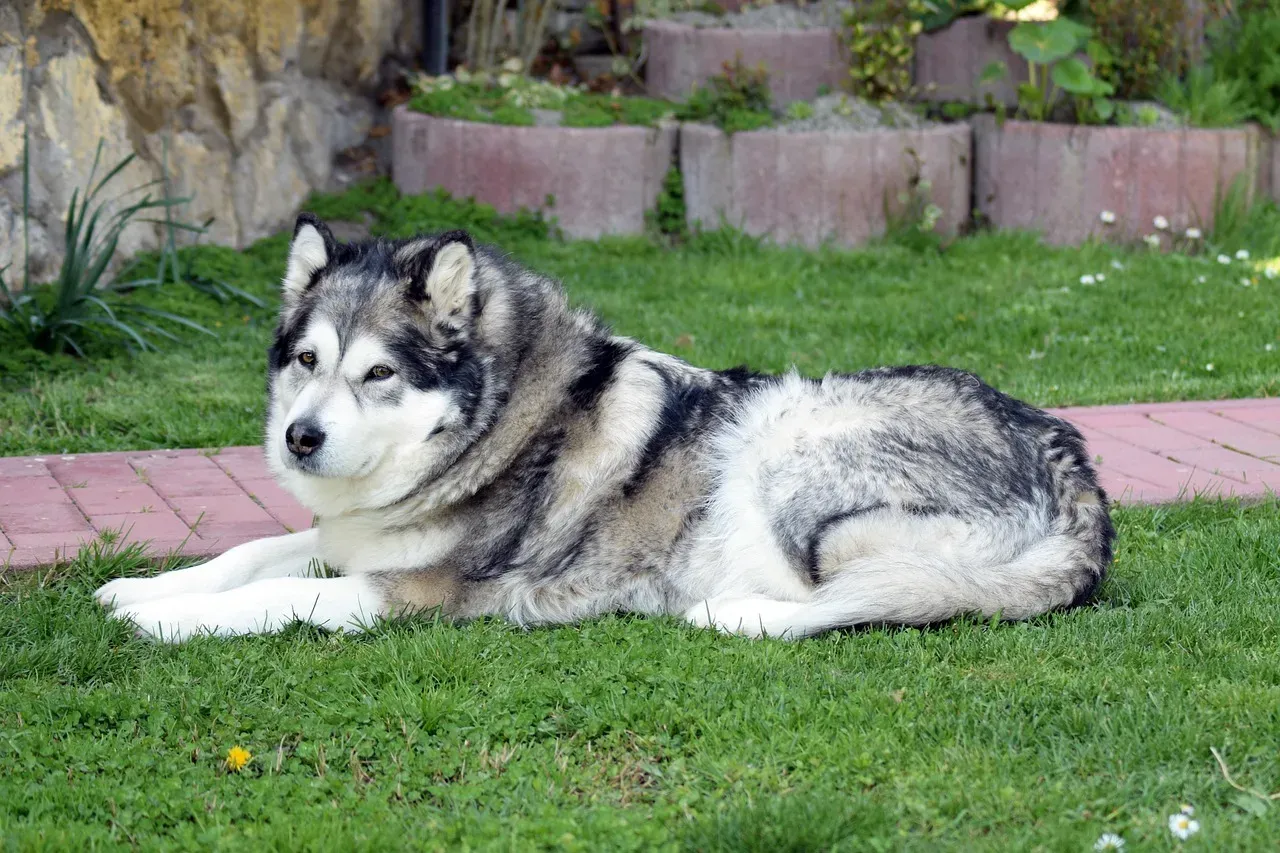
Bred by the Malamuit people of northwest Alaska, the Alaskan Malamute is one of the most iconic sled dogs. Living in an isolated region surrounded by snow and mountains, this winter dog was essential to the Malamuits for hauling heavy loads, freighting supplies, and providing reliable transportation across frozen terrain. Think of a Husky’s bigger, more serious older sibling, and you’re not far off.
Side by side, Alaskan Malamutes are big, power-built haulers, while Siberian Huskies are lighter, speed-loving runners. Alaskan Malamutes tend to be much larger, with male Malamutes standing between 23 and 25 inches tall and weighing from 75 to 85 pounds, with exceptionally large males easily reaching 100 pounds. Despite their imposing build, don’t be fooled by this dog’s wolf-like appearance; Alaskan Malamutes are playful and happy pets.
Malamutes thrive when they have a job to do. Large, strong, and deeply loyal, Malamutes have a heavy coat that protects them from the Arctic cold, and they excel at endurance activities like snowshoeing treks or long trail runs. One health note worth remembering: Alaskan Malamutes are predisposed to conditions including hypothyroidism, hip and elbow dysplasia, and progressive retinal atrophy, so regular vet checkups are essential throughout their lives.
3. Samoyed: The Smiling Snow Cloud
If you’ve ever seen a Samoyed bouncing through deep snow, you understand the phrase “pure joy.” The Samoyed is best known for their pure-white fluffy coat, curled tail, friendly personality, and love of cold weather. These dogs are built for working in extremely cold climates, originally bred to herd reindeer and pull sleds for the Samoyed people in northwestern Siberia, and they have a very thick two-layer coat that handles the most brutal temperatures.
That famous smile isn’t just cute. Their “Sammy smile” is not just endearing but also functional, preventing drool from drooping and freezing in cold temperatures. These powerful and graceful dogs earned their keep with the semi-nomadic Samoyedic people by pulling sleds, hunting, herding reindeer, and guarding, and they formed tight bonds with their people, huddling close with them at night for mutual warmth.
As a playful, alert, and friendly dog, a Samoyed’s temperament can make a great companion for first-time pet parents who are ready to meet the high exercise and grooming needs this working breed demands. Samoyed dogs require daily brushing and do not do well in hot temperatures. They need regular exercise, at least two hours a day, and are very playful pups that love to be around people and other dogs. Bring a lint roller and a good brush. You’ll need both.
4. Bernese Mountain Dog: The Gentle Alpine Giant
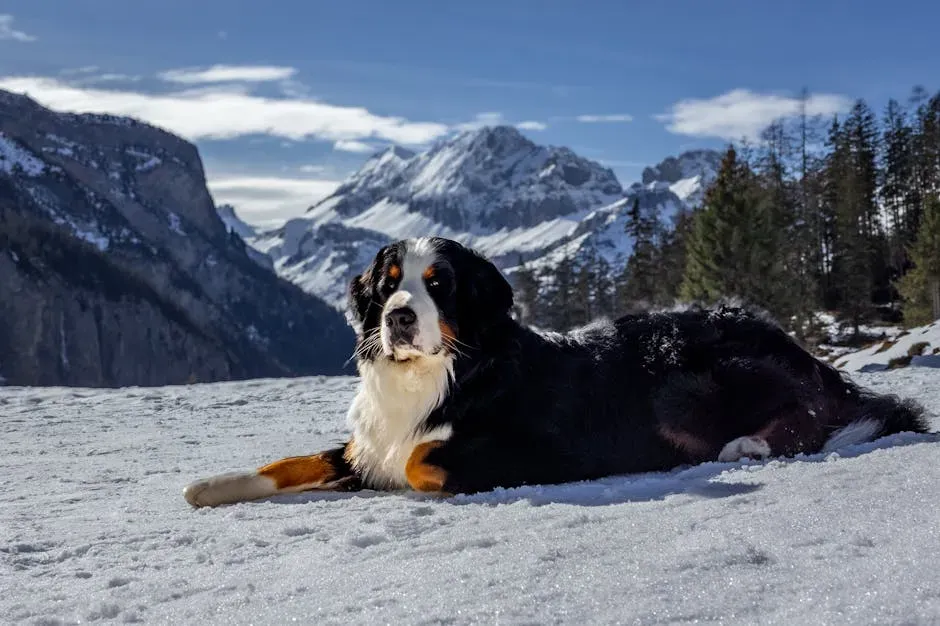
Bernese Mountain Dogs are those gorgeous tri-colored dogs with the white blaze on their face. They come from the Swiss Alps, where they herded cattle, pulled carts, and basically did whatever farm work needed doing in the mountains. That thick coat kept them comfortable through Swiss winters, which get pretty brutal.
An affectionate cold-weather dog breed, the Bernese Mountain Dog is a gentle soul that loves to play. These pups were bred to be farm dogs in Switzerland and enjoy being outside, and their thick double coat protects their skin from moisture and low temperatures. Contrary to high-energy Arctic breeds, Bernese mountain dogs are more content with lazing around the house as long as you’re nearby. A brisk 30-minute walk every day, preferably through some flurries, suits them well.
One important health consideration for Berner families: Bernese mountain dogs have a relatively lower life span compared to other dogs of similar size, though they are fiercely loyal to their owners and are also some of the most affectionate breeds. Orthopedic health, including hip and elbow screening, should be prioritized from puppyhood, and weight management is crucial given how much pressure their joints carry.
5. Saint Bernard: The Legendary Alpine Rescuer
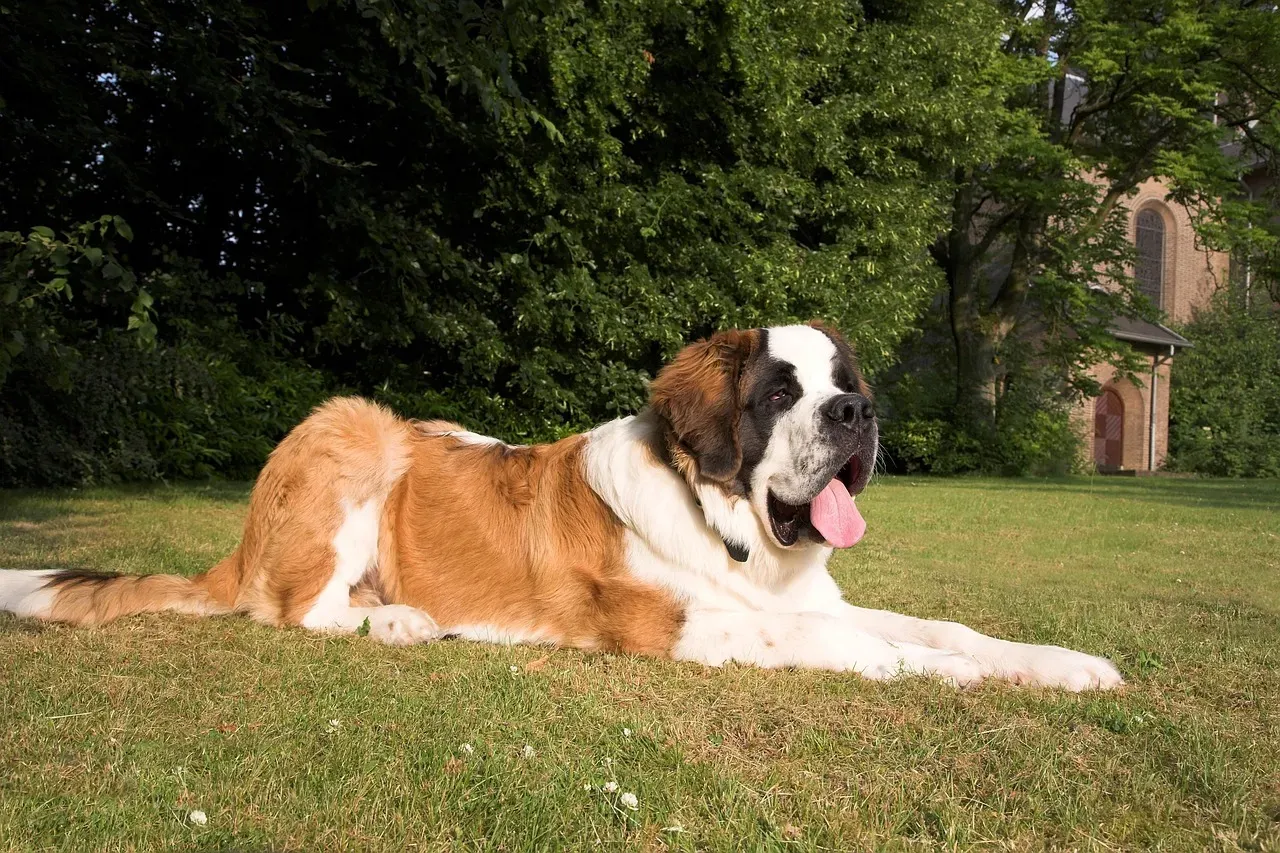
No list of snow dog breeds is complete without the Saint Bernard, quite possibly the most famous cold-weather dog in history. The Saint Bernard is a breed of very large working dog from the Western Alps in France, Italy, and Switzerland, originally bred for rescue work by the hospice of the Great St. Bernard Pass on the Italian-Swiss border. The hospice acquired its first dogs between 1660 and 1670.
According to Smithsonian Magazine, Saint Bernards saved around 2,000 people in a 200-year span, not only by rescuing them from avalanches and snowdrifts but also by keeping the injured warm by lying on top of them with their big bodies and thick coats. Today they’re far more likely to warm your living room couch than an Alpine pass, but that gentle, steady temperament remains fully intact. Originating in the Swiss Alps, Saint Bernards love the cold weather thanks to their double coats. While these pups don’t need as much daily exercise as other snow dogs, they need a round or two of purposeful exercise per day to keep their minds and bodies happy.
From a health standpoint, due to their rapid growth and heavy frame, Saint Bernards are prone to orthopedic issues such as hip and elbow dysplasia, conditions that occur when joints don’t develop properly, leading to pain and difficulty moving. Arthritis is also a frequent concern as they age, and dilated cardiomyopathy is seen more frequently in large breeds like Saint Bernards. Early health screening, joint-supportive nutrition, and regular vet check-ins go a long way with this breed.
6. Norwegian Elkhound: The Viking’s Companion
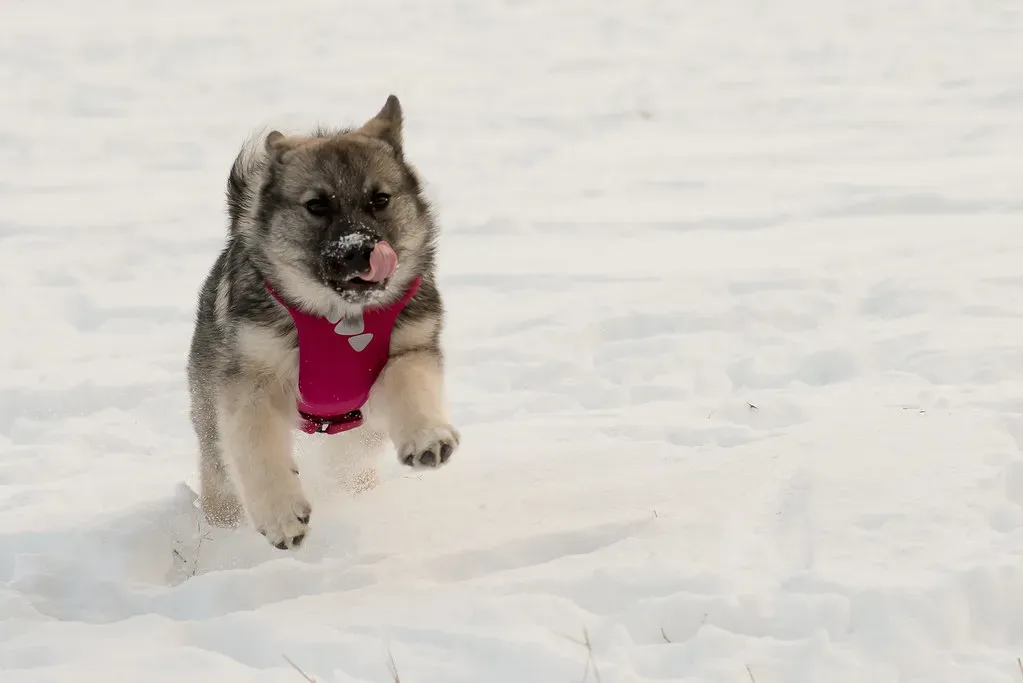
The Norwegian Elkhound is the National Dog of Norway, and its lineage dates back to ancient times, with origins as far back as 5000 B.C.E., making it one of the world’s most ancient dog breeds. Archaeologists have even found skeletons resembling the Norwegian Elkhound buried next to Viking remains and their weapons, which tells you something about just how deeply this breed is woven into Nordic history.
The Norwegian Elkhound’s coat is basically weatherproof, protecting them against harsh cold, wind, snow, and rain. This makes the Elkhound well-equipped for the colder months but prone to overheating in the summer. The Norwegian Elkhound is a fearless, reliable, energetic, and extremely loyal companion. They may be a little reserved around strangers but will greet family members and people they know with gusto. Like other northern-type dogs, the Norwegian Elkhound is a relatively independent animal, an independence that is necessary when holding an elk at bay, but this can pose a challenge in modern obedience training.
Norwegian Elkhounds are known to develop progressive retinal atrophy (PRA), a genetic condition that eventually causes blindness. The first sign of this condition is night blindness, or noticing that your dog cannot see well or bumps into things more frequently at night. Ask your vet about routine eye screening from puppyhood, and prioritize a breeder who conducts proper health testing. With the right owner, this breed is a deeply rewarding companion.
7. Great Pyrenees: The Majestic Mountain Guardian
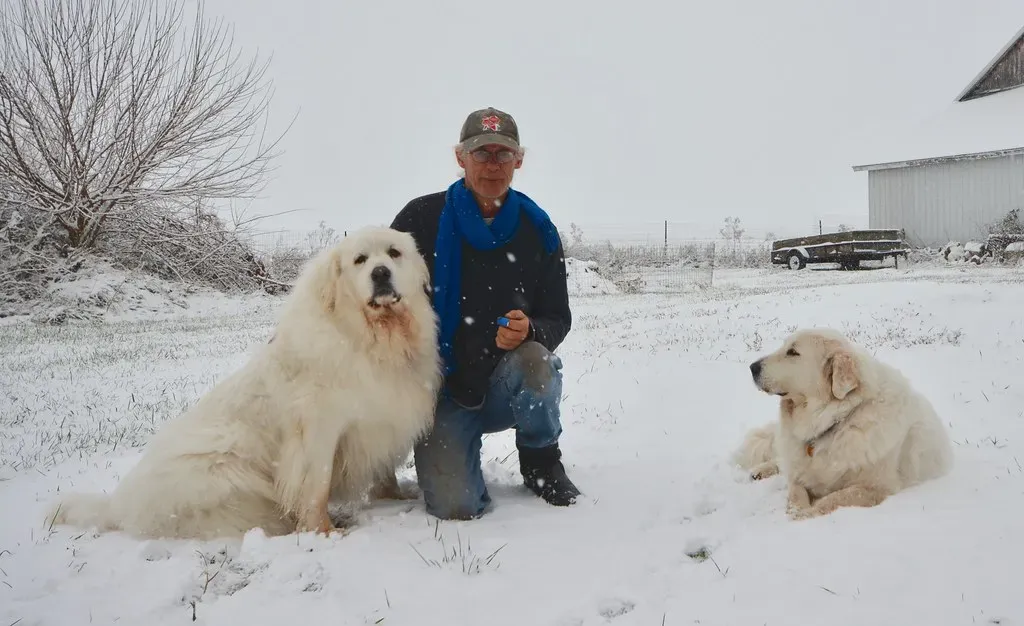
The Great Pyrenees is a large working dog from the Pyrenees mountains between Spain and France. Though not of Arctic origin, this dog is built to navigate snowy terrain, where they historically guarded livestock from predators. Great Pyrenees are gentle and calm dogs that have a reputation for being great with kids.
These dogs have an independent streak because they were bred to make decisions on their own while guarding livestock. They’re calmer than breeds like Huskies, and they’re perfectly content spending hours outside in winter just watching over their territory. They’re protective of their families but not aggressive, making them good companions for people who want a more laid-back cold-weather dog.
The Pyr has a double coat with an abundant undercoat of fine hairs and a medium to long, thick, and coarse outer coat with longer hair on the neck, tail, and hind legs. This breed must be brushed and combed two or three times a week, and the Pyrenees is a heavy shedder that will need daily or twice daily brushing during shedding season. If you’re thinking of bringing one home, know that these dogs tend to bark at night, patrol their territory, and take their guardian role seriously even in a suburban backyard.
8. Akita: Japan’s Cold-Weather Noble
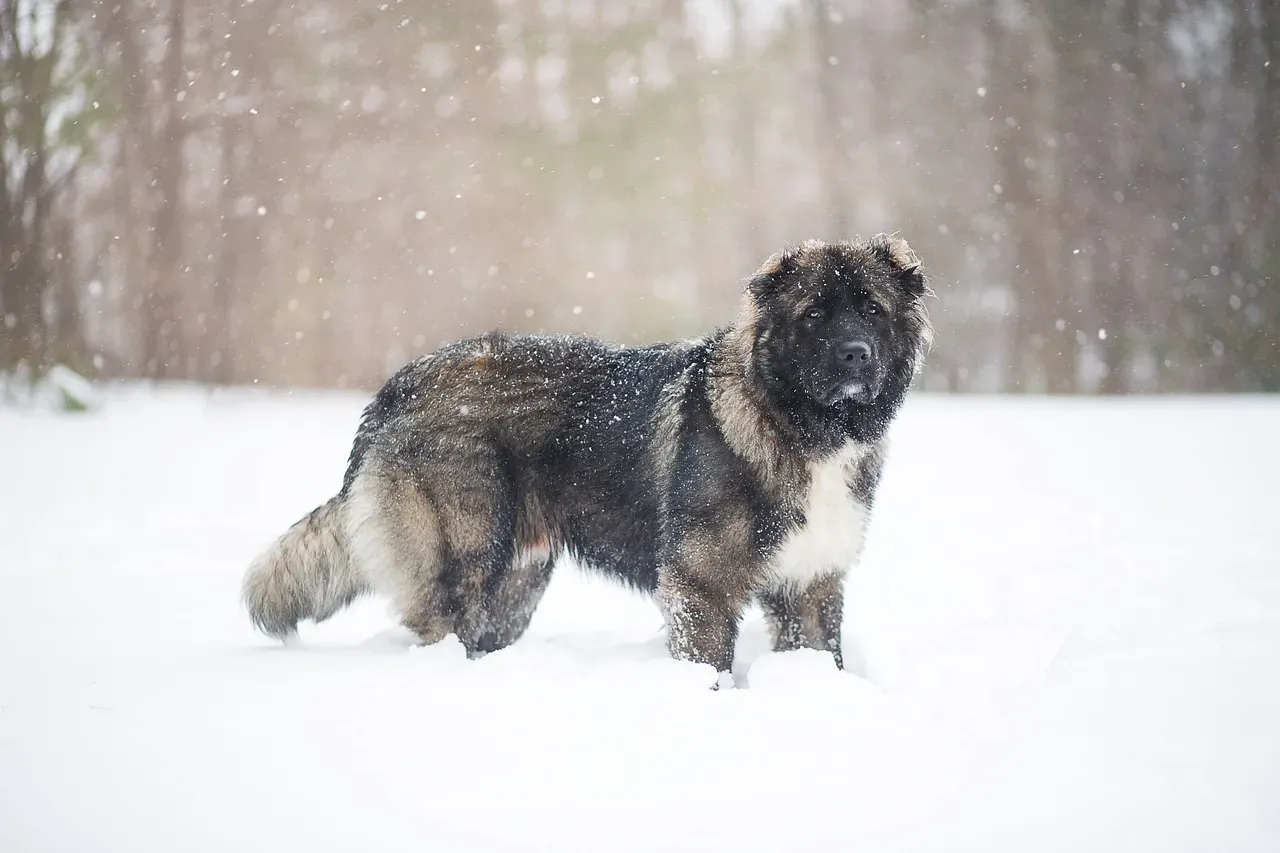
The Akita is a Japanese dog that thrives in cold weather. They’re one of the world’s oldest breeds, originating thousands of years ago in the snowy mountains of northern Japan, and were bred by the Matagi people to hunt large game like bears and to guard homes, making them strong, courageous, and well-adapted to harsh winter conditions.
Originally from a snowy mountain region in Japan, Akitas were once prized as dogs of nobility and are known as “snow country dogs” because of their love . Once the temperature drops, these dogs are happiest outside. However, Akitas are also introverted and more than happy to cozy up with you on the couch after a winter hike through the snow.
Along with their physical weight, which can reach well over 100 pounds, the Akita is a breed that carries significant cultural weight in Japan, where they are considered national treasures. Though typically independent and reserved, Akitas form strong bonds with their close family members. Their plush double coat comes in a wide range of colors. Early socialization is non-negotiable with this breed. An Akita raised with clear boundaries and consistent, kind training becomes a fiercely loyal and deeply impressive companion.
9. Newfoundland: The Cold-Water Giant
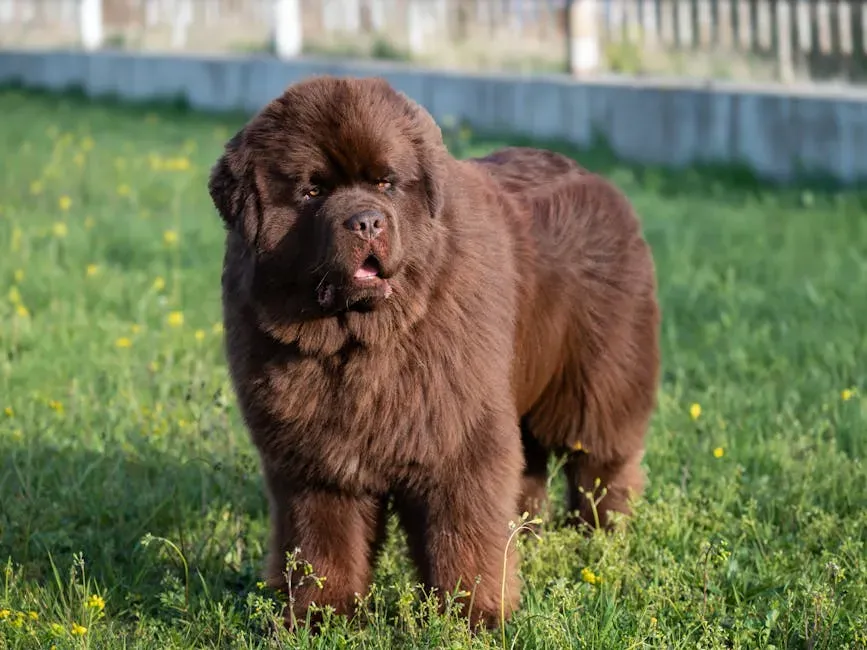
The Newfoundland is a true sea dog, working for centuries alongside Canadian fishermen in the cold waters of the North Atlantic. Silly, sweet, and super friendly, these giant dogs originated in Canada, where they assisted in water rescues and hauled fishing nets. Their thick double coat and webbed paws make the Newfoundland breed an agile swimmer, even in freezing water.
What makes Newfies special is their temperament. They’re incredibly gentle and patient, especially with kids. Unlike high-energy sled dogs, Newfoundlands are pretty calm and don’t need extreme amounts of exercise. They’re one of the best cold-weather dogs for families who want a winter companion without the intensity of breeds like Huskies.
Newfoundlands are sometimes called “nanny dogs” for their affectionate temperaments, especially in households with children. Keep a close eye on their joint health, as their size makes them prone to hip dysplasia. Like all double-coated dogs, Newfoundlands shed heavily in the spring and fall, a process called blowing coat, where the undercoat comes off in thick clumps to prepare for an upcoming change of season. Budget time for grooming and keep a towel by the door for post-snow adventures.
10. Finnish Lapphund: The Underrated Arctic Herder
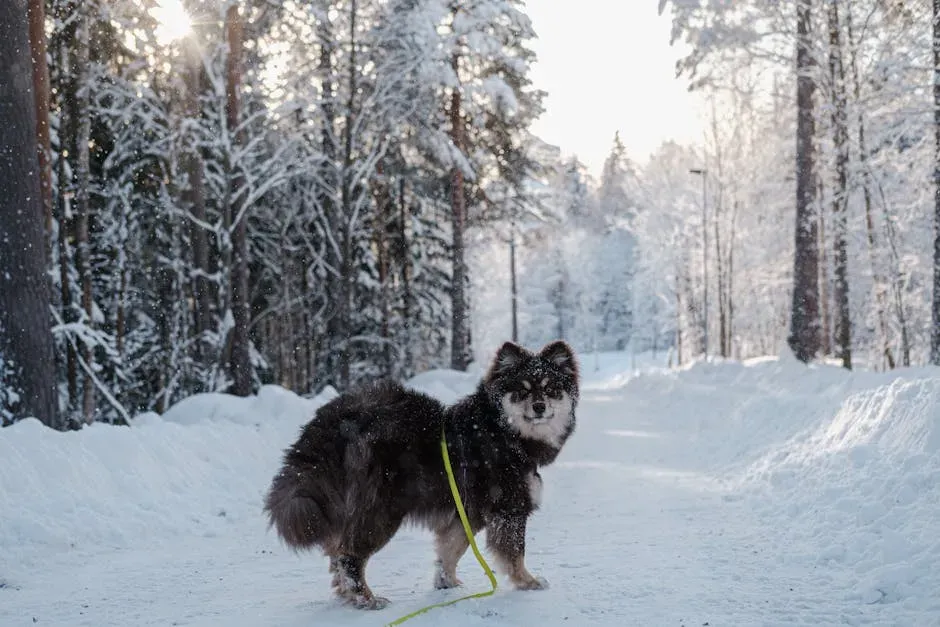
The Finnish Lapphund and Swedish Lapphund are both Arctic dogs whose history stretches back thousands of years to the Sami people of Lapland, a region north of the Arctic Circle in Finland, Sweden, Norway, and Russia. Originally tasked with hunting reindeer and later herding them across the tundra, these winter dogs developed the endurance, agility, and dense fur needed to work in extreme cold. Over time, they evolved into distinct breeds, but their shared heritage is unmistakable.
Originally bred to herd reindeer in Lapland, north of the Arctic Circle, the Finnish Lapphund gets their name from the Sami, or Lapp, people who occupied these harsh, barren regions. Known for their innate sociability, these dogs used to huddle close to their nomadic human companions through the extreme cold of the night. They still work as reindeer herders in Lapland today, which says everything about how naturally suited they remain for the job.
Finnish Lapphunds are smart, friendly, and easier to handle than some of the more intense snow dog breeds. They still need regular exercise and love being active, but they’re not going to destroy your house if they miss a day at the dog park. Their thick coat needs brushing, but that’s true for any cold-weather breed. For families wanting a loyal, energetic, and manageable cold-weather companion, the Finnish Lapphund often flies under the radar but genuinely deserves more attention.
Caring for Your Snow Dog: What Every Owner Should Know
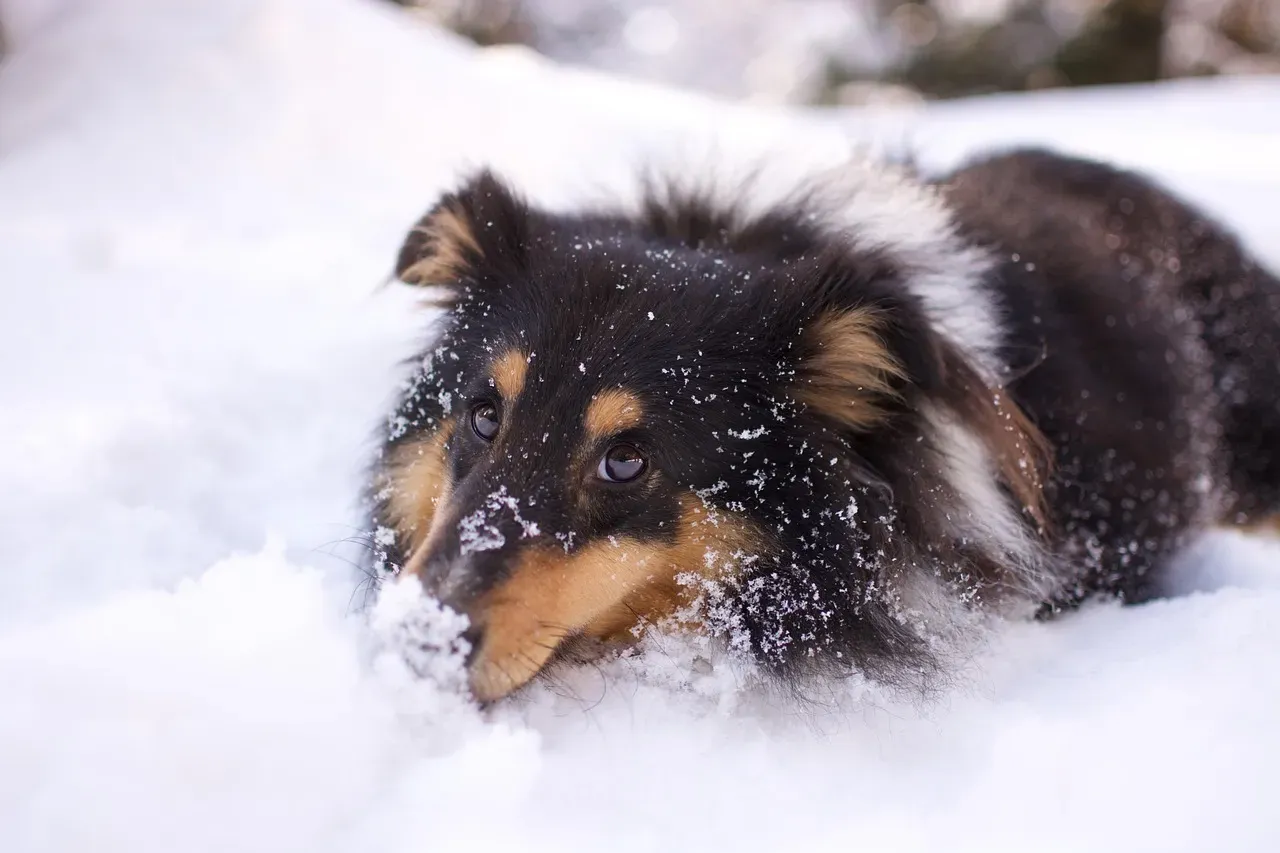
Owning a snow dog breed comes with real responsibilities that go beyond regular walks. Although these breeds were developed to survive in freezing conditions, that doesn’t mean they’re immune to cold-related health problems like frostbite and hypothermia. You should still take steps to protect your snow dog from these issues, such as limiting time spent outdoors and utilizing canine coats and boots in extreme weather.
Keep outdoor excursions brief and monitor your dog closely for signs of discomfort or frostbite, paying attention to their ears, paw pads, and tail. Consider using protective paw wax or booties to shield their feet from ice and salt, and adjust their diet to provide extra calories during colder months to support their energy needs.
One of the most common mistakes snow dog owners make is shaving their dog’s coat in summer to keep them “cooler.” A dog’s hair helps regulate its body temperature, so always be aware of the risks of shaving your cold-weather dog and defer to your vet for their best judgment. These breeds also tend to be heat-sensitive year-round, so extra precautions need to be taken when temperatures rise. Fresh water, shade, and air conditioning are your best tools in the warmer months.
Conclusion: Finding Your Winter Companion
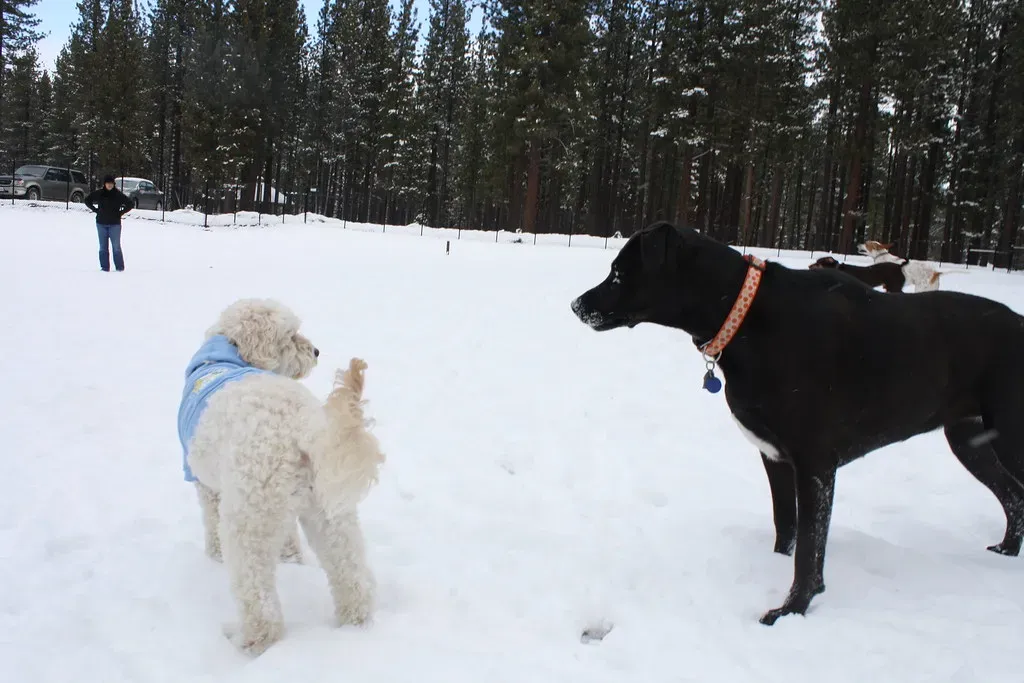
Each of these ten snow dog breeds brings something genuinely different to the table. Some are built for speed, others for endurance, and a few for guardianship. What they share is a deep, biological alignment with cold weather and a history of working alongside humans in some of the harshest environments on earth.
The right snow dog for your home depends on your energy level, living situation, experience with dogs, and how much time you can commit to training, exercise, and grooming. A Husky and a Bernese Mountain Dog are both cold-weather dogs, but they ask very different things of their owners. Understanding that distinction is the first step toward a genuinely fulfilling relationship.
If there’s one thing these breeds consistently teach their owners, it’s this: when you meet a dog where they naturally thrive, something extraordinary happens. Not just for the dog, but for you too. There is no better teacher of winter wonder than a snow dog at full gallop through fresh powder, completely in their element.


