
Most people picture a Siberian Husky or a Saint Bernard when they think of dogs built for winter. Big, fluffy, unstoppable in the snow. But what if your living space is small, your apartment building has a weight limit, or you simply prefer a dog you can actually carry? The good news is that cold weather isn’t reserved for the big guys.
There are small dog breeds that are genuinely engineered for frost, wind, and snow. Not just tolerating it, but truly thriving when the temperatures drop. Some carry ancient mountain bloodlines. Others were bred as compact working companions in the coldest corners of the world. If you’ve ever wondered whether a smaller dog could hold its own on a snowy morning walk, the answer might surprise you.
1. Miniature Husky: Big Husky Energy, Smaller Package
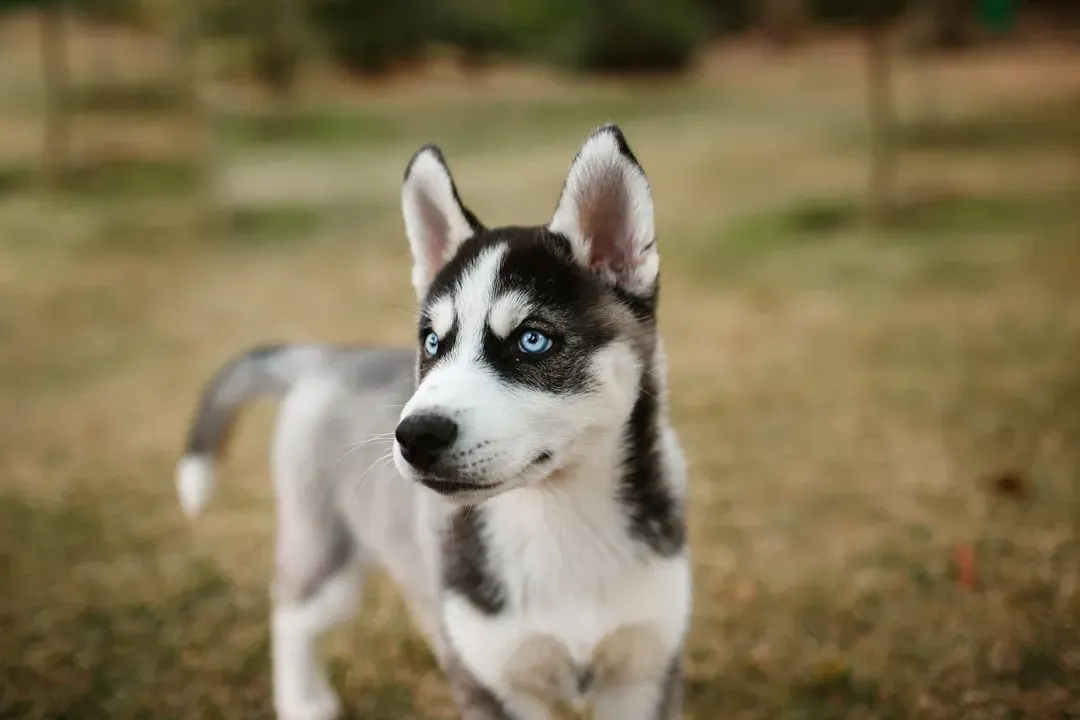
Like Siberian Huskies, Miniature Huskies are adapted for cold weather and can enjoy outdoor activities in the snow with you. That’s not a marketing claim. It’s biology. Their Spitz-type double coat and plumed tail provide insulation and weather protection, with seasonal shedding that’s typical of the breed.
Mini Huskies are just 13 to 17 inches tall and typically weigh between 20 and 35 pounds, compared to the 30 to 60 pounds typical for standard Siberian Huskies. They’re a real compact option for husky lovers in smaller homes. By and large, Mini Huskies seem as healthy as the larger standard Husky and have a similar life expectancy of around 12 to 15 years.
The one thing owners sometimes underestimate is the exercise demand. Most Huskies need at least an hour of exercise per day but do best with two. Without this extensive exercise, your dog may display unruly behavior such as barking and howling, heavy chewing, digging, rough play, and being over-excitable. In winter, that energy actually works in your favor. These dogs genuinely want to be outside when it’s cold.
2. Pomeranian: The Tiny Spitz With a Winter Soul
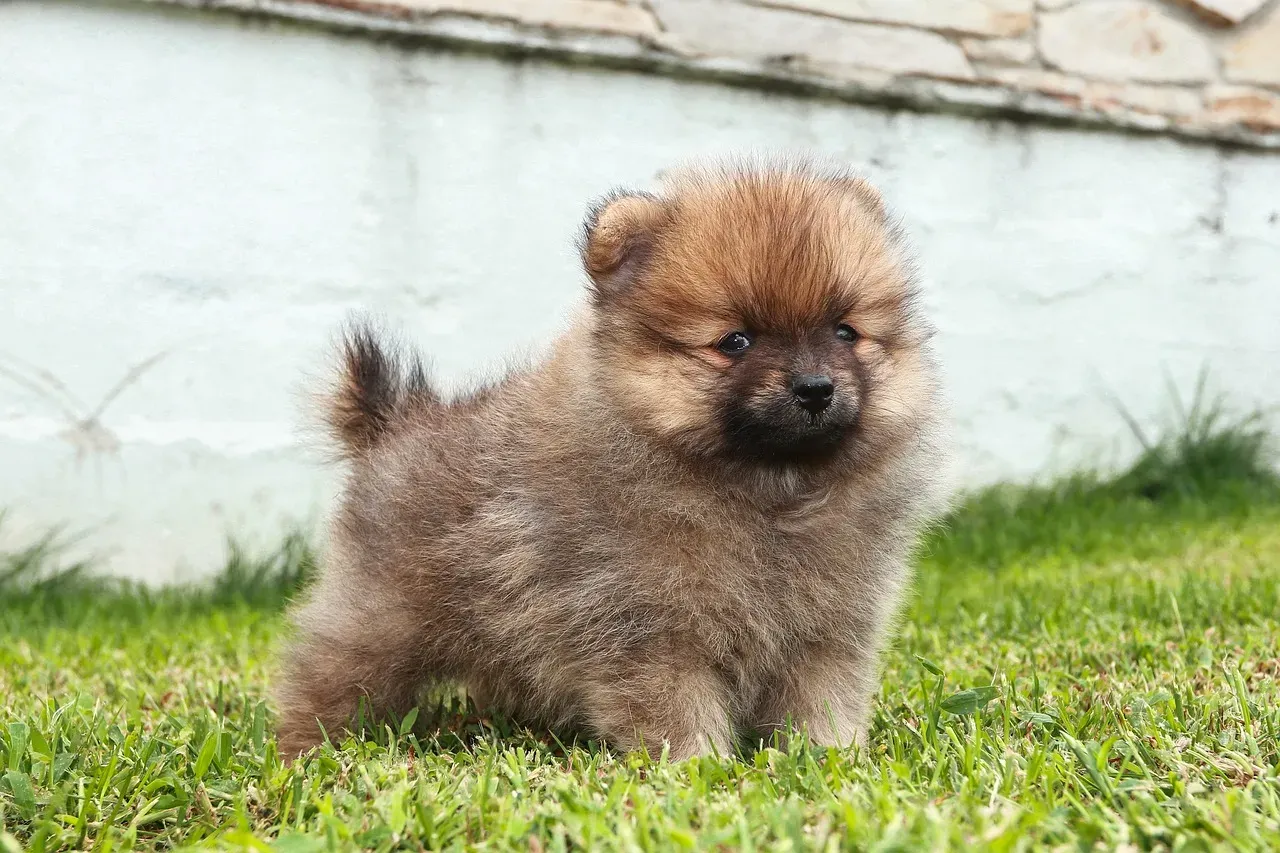
The fluffy Pomeranian is one of the world’s most popular toy breeds. These dogs may weigh less than seven pounds, but they have a commanding presence and a big personality. What most people don’t realize is that behind that adorable fluff is a true Nordic heritage. Most Spitz breeds have a wolf-like appearance that includes pointy, pricked ears, almond-shaped eyes, a heavy double coat, and a feathery tail carried over the back, and all of these features help keep them warm when the temperatures drop.
The breed is highly intelligent, mastering tricks with ease, and they often compete in canine sports or work as therapy dogs. They are also pocket-sized watchdogs and, at times, prolific alert barkers. The alert barking is worth knowing about ahead of time. In a snowy neighborhood, a Pom will hear and react to everything.
Despite their small size, keep a close eye on paw health during winter walks. Ice, road salt, and frozen ground can all cause cracked paw pads. A gentle paw balm applied before outings and a warm rinse when you get home goes a long way toward keeping them comfortable all season.
3. American Eskimo Dog: The Circus Performer Built for Snow
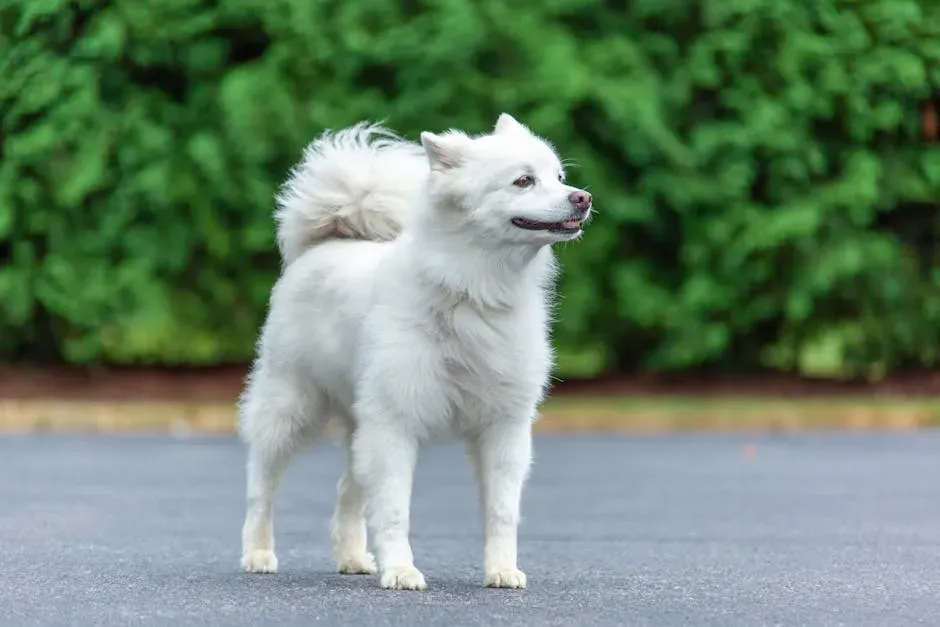
Despite the name, American Eskimo Dogs are descendants of German Spitz dogs, but they still thanks to that thick white double coat and compact build. Their history is more charming than most people know. Around the time traveling circuses were very popular, these dogs slowly became circus performers. Barnum and Bailey famously featured Eskies who danced to music alongside clowns, and their brilliantly white coats, perky personalities, and remarkable intelligence made the American Eskimo Dog’s ancestors born performers.
The American Eskimo Dog features an eye-catching double coat and a plumed tail. These small pups come in three sizes: standard, miniature, and toy. The toy and miniature sizes are especially well-suited to smaller homes without sacrificing any cold-weather capability. They still thanks to their thick double coat and small, thick ears that help them retain heat in low temperatures.
Eskies are trainable, curious, and, once you have won them over, friendly. Their intelligence, desire for affection, and energy mean these dogs benefit from being part of an active family where they will have plenty of company. One health note to watch: their striking white coat hides skin issues easily, so regular grooming sessions are a good opportunity to check for redness, flaking, or any dryness that winter air tends to bring on.
4. Shiba Inu: Japan’s Ancient Mountain Hunter
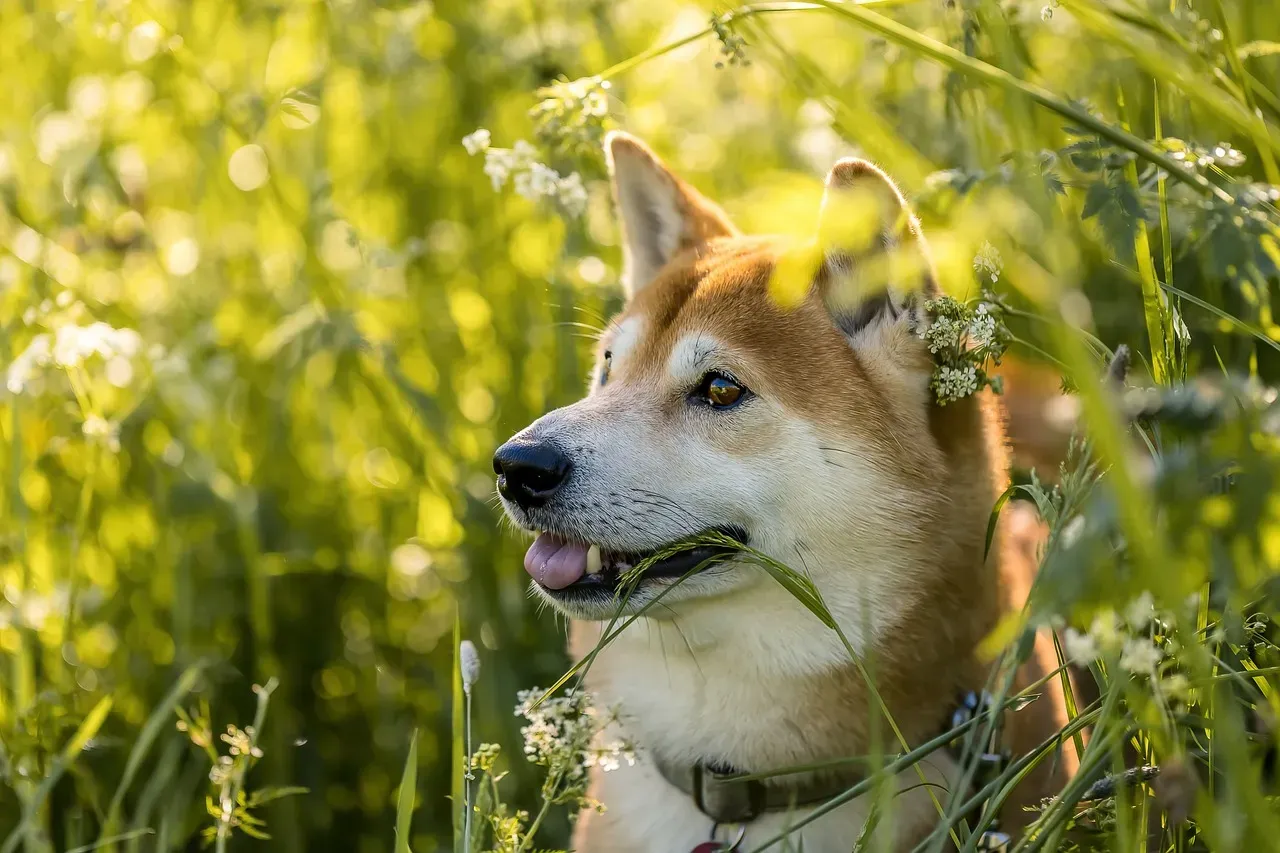
The Shiba Inu is an ancient Japanese breed originally used as an adaptable, muscular hunter. Now a popular breed in their native country, the Shiba is attracting an increasing global fanbase. That mountain hunting history is exactly why they handle cold so well. Their double coat is dense and weather-resistant, designed for the rugged, highland terrain of Japan.
Shiba Inus are known for their playful and independent nature. Regular exercise and mental stimulation are crucial to channel their energy positively. Whether it’s playtime in the snow or engaging in interactive games, these small dynamos thrive in environments that allow them to showcase their agility and intelligence.
Shibas are usually adaptable, active, good-natured, clean, and quiet. They can also be aloof, independent, master escape artists, and somewhat stubborn. That independent streak means recall training is non-negotiable, especially in snowy outdoor settings where scent trails get interesting and the urge to explore runs high. Start that training early, and stay consistent.
5. Cairn Terrier: The Rugged Little Worker From Scotland
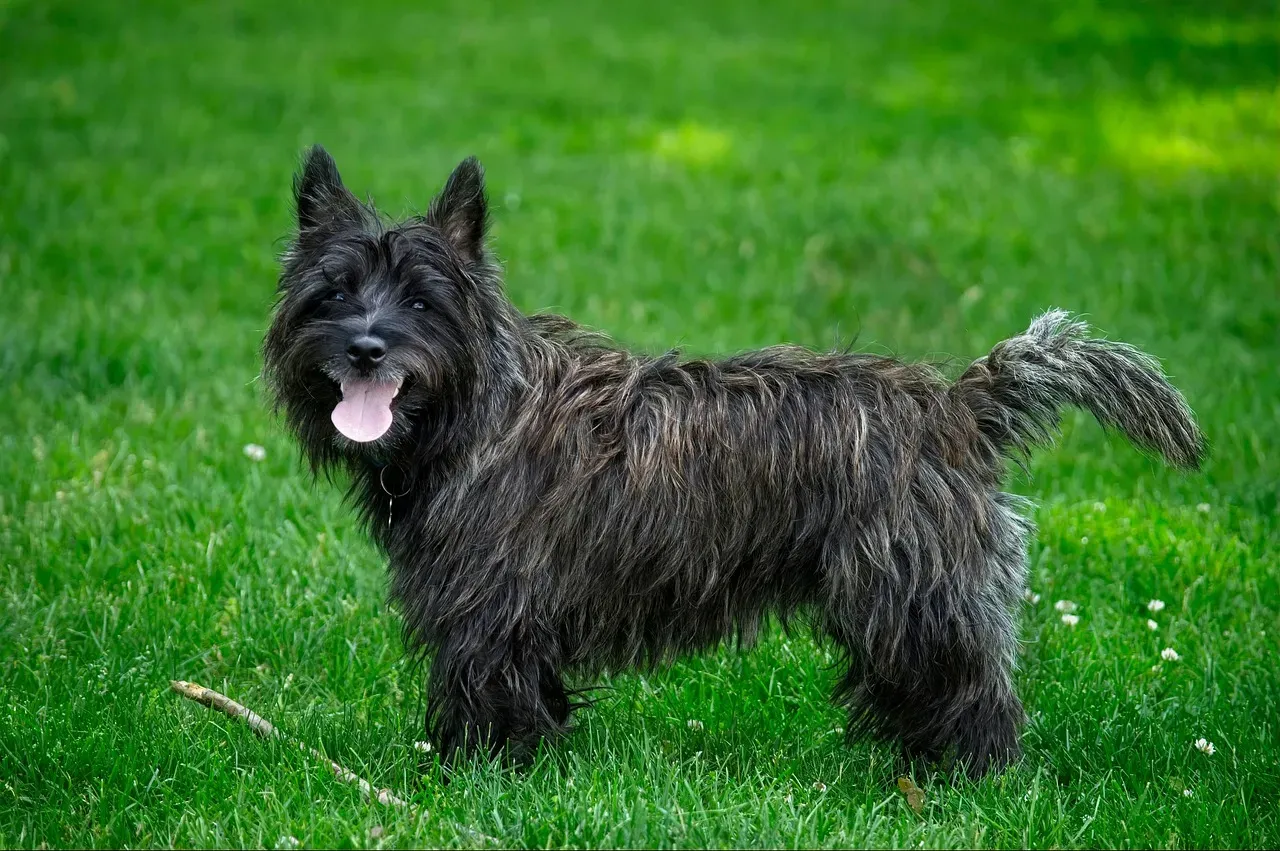
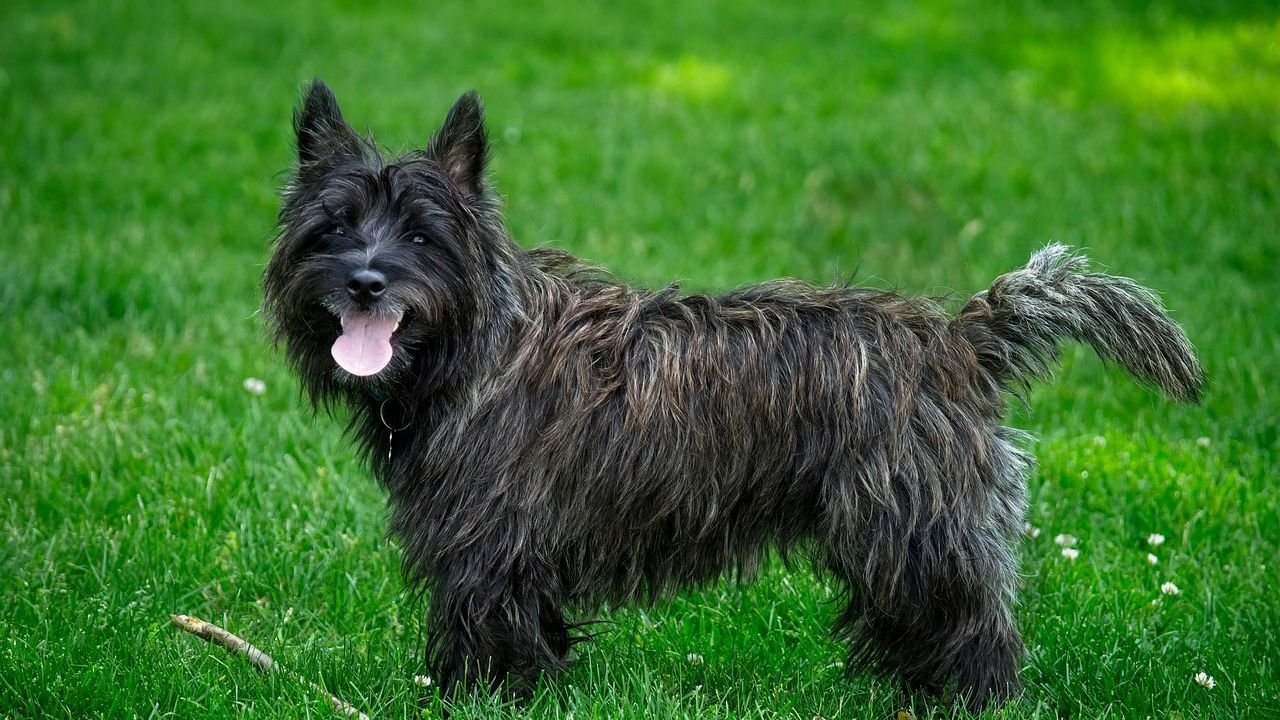
The scruffy-looking Cairn Terrier has a double coat: a wiry outer coat and a soft undercoat. This small dog does well in cold weather. There’s nothing accidental about that construction. Cairn Terriers were bred in the Scottish Highlands to hunt through rocky terrain in wet, frigid conditions. That outer wiry coat sheds water and wind, while the soft layer underneath keeps the body warm.
You might recognize the Cairn Terrier from one of pop culture’s most famous dogs. Toto, Dorothy’s companion in The Wizard of Oz, was a Cairn Terrier. What the movie didn’t show you was the breed’s remarkable toughness. These are dogs that were working outdoors in some of Scotland’s harshest weather long before they became beloved family companions.
Their compact, sturdy build means they rarely act like small dogs. They’re confident, curious, and surprisingly bold on a winter trail. Health-wise, monitor their paws carefully in icy conditions since the wiry coat doesn’t extend down to protect the paw pads. Dog booties or paw balm are genuinely useful for this breed during prolonged outdoor winter play.
6. Tibetan Terrier: The Holy Dog of the Himalayas
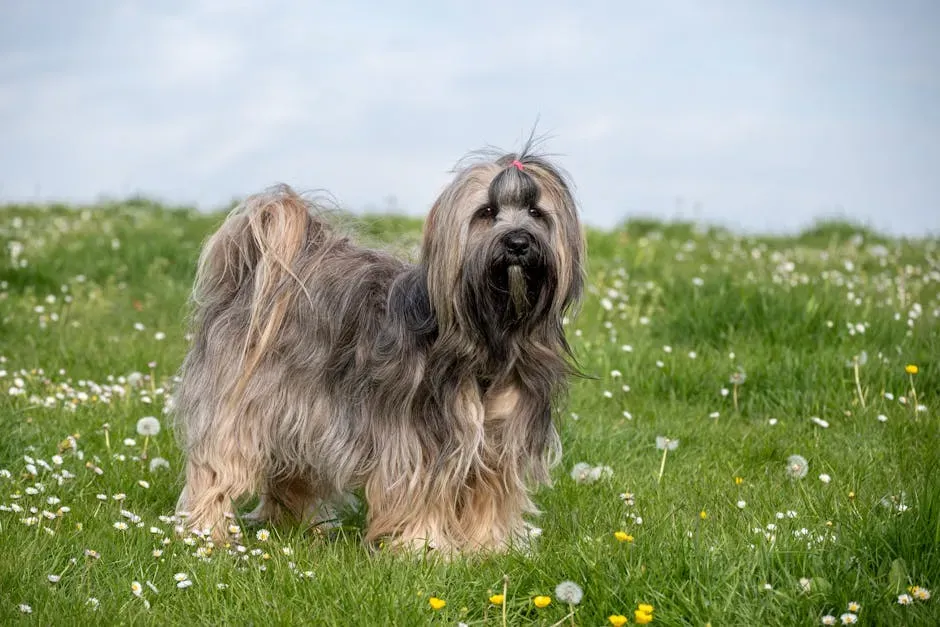
Tibetan Terriers are hardy, muscular dogs with a long, shaggy double coat and big brown eyes. Often affectionately called “TTs” by breed enthusiasts, this name is misleading, as the tagline from the Tibetan Terrier Club of America says, “we are not terriers, but we are from Tibet.” They were originally known in Tibet as “little people” and “holy dogs,” kept by monks in mountain monasteries for centuries.
It is thought that their coats can keep them warm down to -40C in conditions that are not windy, but this can also make it hard for them to be comfortable in warmer climates. That’s remarkable insulation for a dog this size. Tibetan Terriers are surprisingly sturdy dogs, who are muscular, agile, and athletic. They can hike many miles and compete in physical sports, and as long as they can stay cool, they do not tire easily.
TTs are generally friendly with those they know, including children and other dogs, but are very affectionate with and protective of those within their own family. They are an adaptable dog that is mischievous and clever, silly and sensitive. Often called a “large dog in a small dog’s body,” their personalities are very outgoing and active. That long coat does require regular brushing to prevent matting, which is especially important during wet winter months when snow and moisture can tangle their fur quickly.
7. Tibetan Spaniel: The Ancient Sentinel of the High Passes
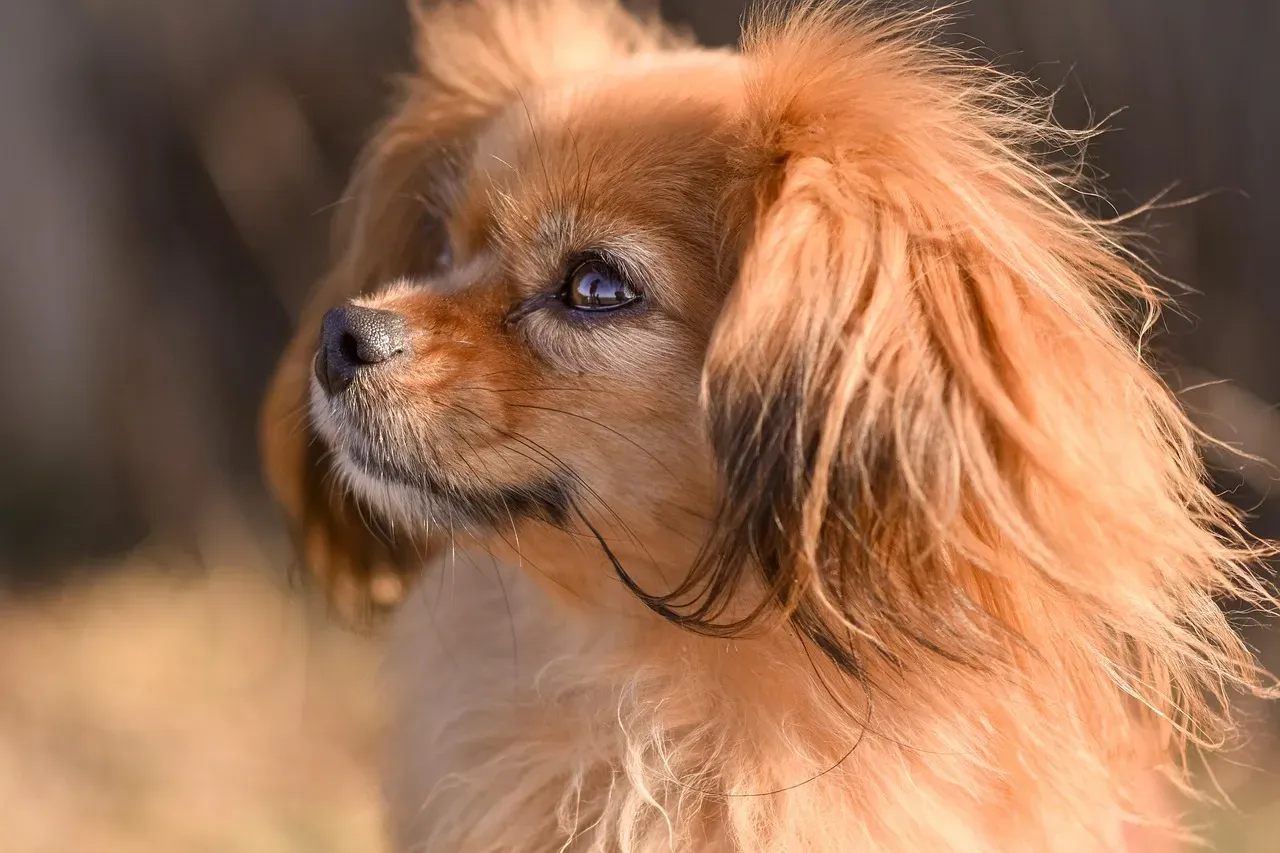
The Tibetan Spaniel is part of a group of Tibetan companion dogs that includes the Shih Tzu, Lhasa Apso, and Tibetan Terrier. Like their relatives, these “little lion” dogs have long, flowing coats and feathery features, with a big dog attitude contradicting their small stature. They have a long history as monastery watchdogs, perched on high walls to alert monks to approaching strangers or threats.
Tibetan Spaniels are all about attention, whether they give or receive it. They love playing, snuggling, and spending quality time with their people. With a long history of being part companion and part alert dog, they are always aware of their people and environment. They stay sensitive to their owner’s needs and alert to nearby threats, always focusing on keeping their family comfortable and content.
Because they originated in the high-altitude Tibetan plateau, their bodies are naturally conditioned to cold, thin air and harsh mountain temperatures. Though small cold-weather dogs are rarer, breeds like the Tibetan Spaniel tolerate winter better than most small companions. Their silky double coat needs weekly brushing to stay in good shape, and owners should check behind their ears and around their neck where tangles form fastest in damp winter conditions.
8. Keeshond: The Cheerful Dutch Barge Dog
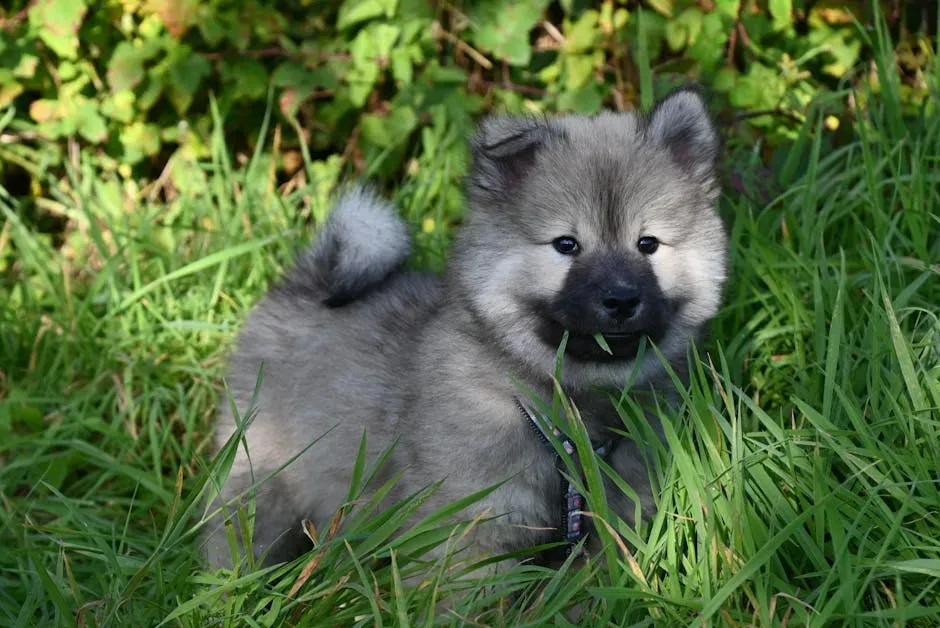
If you’re looking to welcome a small to medium-size dog into your household, look no further than a well-behaved and affectionate Keeshond. With warm layers of fur, you won’t have to worry about their insulation in the cold weather. Just keep in mind that if the temperatures spike in the summer, a Keeshond can easily get overheated.
A member of the German Spitz breed of dog, they were originally bred to be guard dogs in Holland. Although they are a smaller breed, their thick coats provide good protection against cold weather and snow. A great family companion, they are known for being friendly and social. They earned the nickname “the smiling Dutchman” for their consistently cheerful expression, and honestly, that personality matches. They’re warm-natured dogs who genuinely enjoy being with their people in any weather.
The Keeshond’s thick, plush coat is one of the most visually striking of any small breed. It forms a characteristic “spectacles” pattern around the eyes and a thick mane around the neck. All that coat means regular grooming is a real commitment, at least a few times per week. During shedding season, daily brushing prevents that beautiful coat from turning into a tangled mess.
9. Schipperke: The Little Captain of the Canals
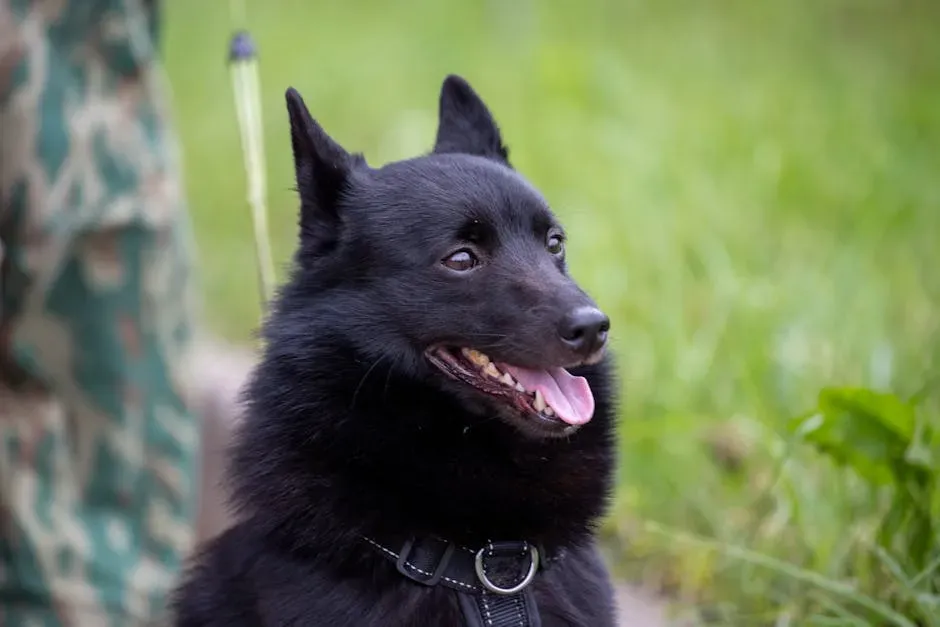
The Schipperke is one of those breeds that sneaks up on you. Small, jet black, and intensely alert, they were bred in Belgium as boat dogs, keeping watch on canal barges and catching vermin. Their compact, foxlike build and dense double coat make them far more resilient in cold, wet weather than their size suggests.
They’re curious to the point of mischief. Schipperkes are known for investigating absolutely everything in their environment, which in winter means they’ll happily plunge their nose into snowbanks, dig through fresh frost, and explore any icy patch they can find. Cold-weather dogs have traits that help keep them comfortable in low temperatures. They have thick double coats that insulate them from the cold, sturdy builds meant for icy ground, and personalities to match the season’s chill.
One behavioral cue worth knowing: Schipperkes can become quite vocal and destructive when bored indoors during long winter stretches. They need mental stimulation as much as physical exercise. Puzzle toys, training sessions, and short but frequent outdoor bursts all help keep this little captain steady and satisfied during cold weather months when outdoor time is limited.
10. Border Terrier: The Toughest Small Dog You’ve Never Heard Enough About
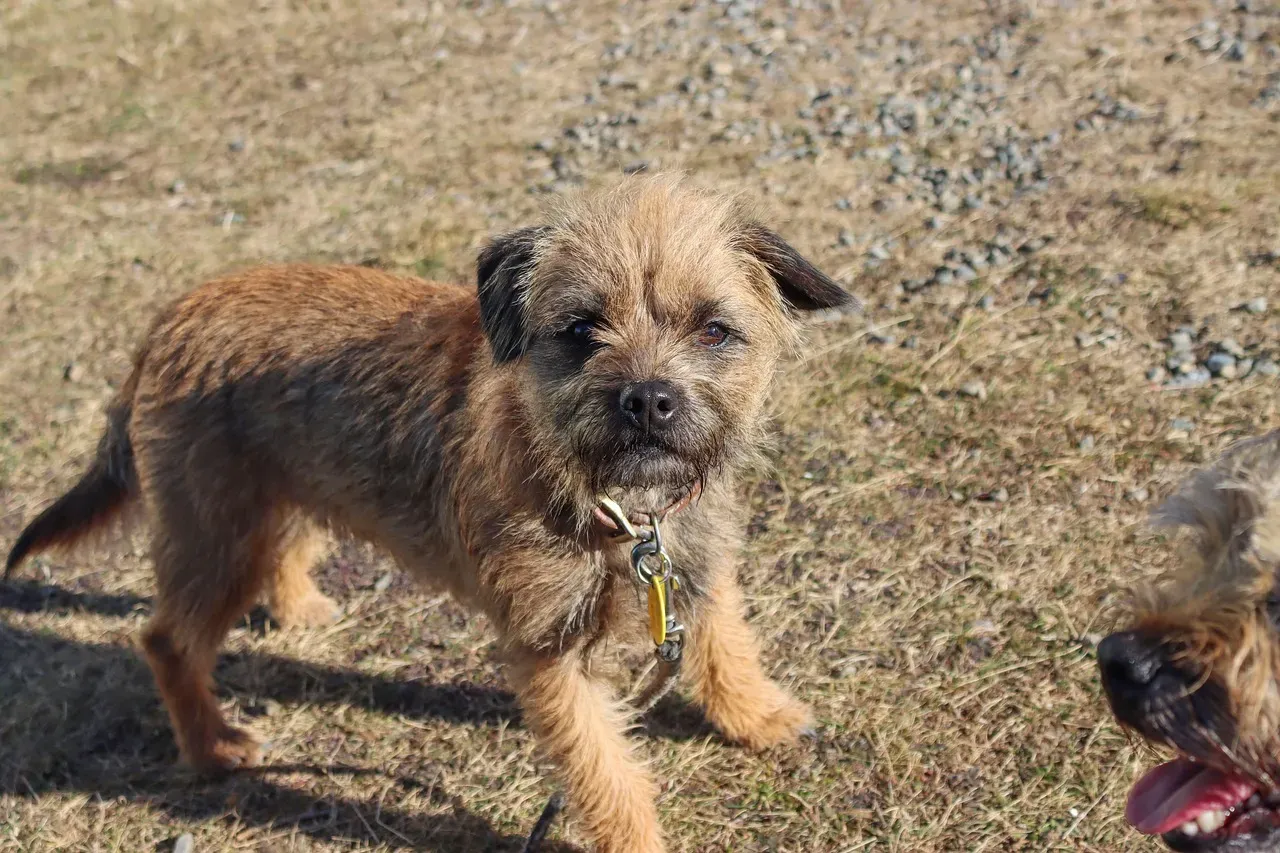
The Border Terrier has a short, dense undercoat covered with a wiry topcoat. That combination is exactly what you need for cold, damp conditions. The wiry outer layer repels moisture and light snow, while the soft undercoat keeps core body temperature stable. This breed was developed along the rugged English-Scottish border to run with horses and hunt foxes in some of Britain’s coldest, most unforgiving countryside.
What makes Border Terriers stand out is their practical toughness. They don’t look like a winter dog at first glance since they’re small, a bit scruffy, and unassuming in size. On a snowy trail, though, they outpace much larger dogs in endurance and enthusiasm. They’re also one of the most adaptable small breeds around, equally at home in an apartment or a rural cottage, as long as they get sufficient daily exercise.
Border Terriers are generally healthy dogs with a lifespan of around 12 to 15 years. Watch for signs of cold stress after prolonged outdoor exposure, even in well-adapted breeds. Shivering, reluctance to move, and tucking of the tail are all signs that your dog needs to head inside and warm up. Pet parents should always be mindful of the temperature and never leave their dog outside when it’s too cold, as doing so can expose even the fluffiest snow dog to frostbite or hypothermia.
Conclusion: Small Dog, Big Winter Spirit
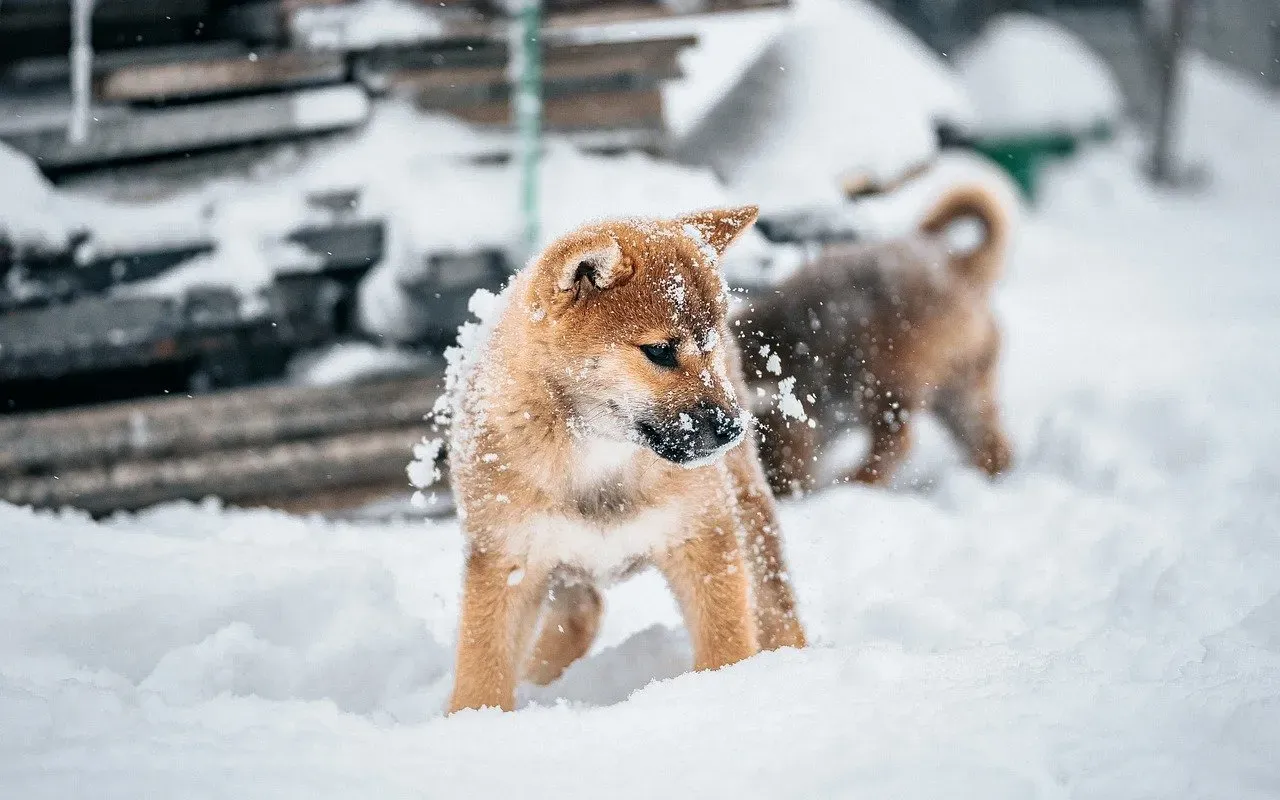
Choosing a small dog doesn’t mean settling for a breed that dreads January. These ten breeds prove that cold-weather resilience comes in all sizes. From the ancient Tibetan monastery dogs to the scrappy Scottish terriers to the little Dutch canal captain, each of these breeds carries a history of thriving outdoors in demanding conditions.
That said, natural cold tolerance doesn’t mean unlimited exposure. Even though these breeds are especially suited for cold weather, it’s still important to make sure your dog stays warm. Try to keep your cold weather dog inside if the temperature is freezing or below, or if there’s ice or snow on the ground. When you do venture out together, make use of dog booties and a sweater or jacket to help your pet protect their paws and maintain their temperature.
The right breed, matched to the right owner and the right climate, makes winter something to look forward to rather than survive. Your dog doesn’t just tolerate the cold. With one of these breeds by your side, they might actually be the reason you finally start enjoying it too.


