

There’s a moment every dog owner knows. You come through the front door, tired, maybe a little defeated by the day, and before you can even set your bag down, there’s a tail wagging so hard it might fly off. That moment is not unique to one zip code. It happens in mountain cabins and city apartments, in wide-open Southern pastures and snowy Northwestern towns. Dogs are woven into the n fabric, deeply and unapologetically.
A 2023 Pew Research survey found that nearly all U.S. pet owners consider their pets part of the family, and of the roughly 86.9 million U.S. households that own a pet, more than 65 million of them share their home with at least one dog. That’s an extraordinary number. Yet some states take this bond further than others, shaped by landscape, culture, lifestyle, and sheer devotion. Here’s a look at the states where dogs aren’t just pets. They’re family.
Idaho: The Undisputed King of Dog Country
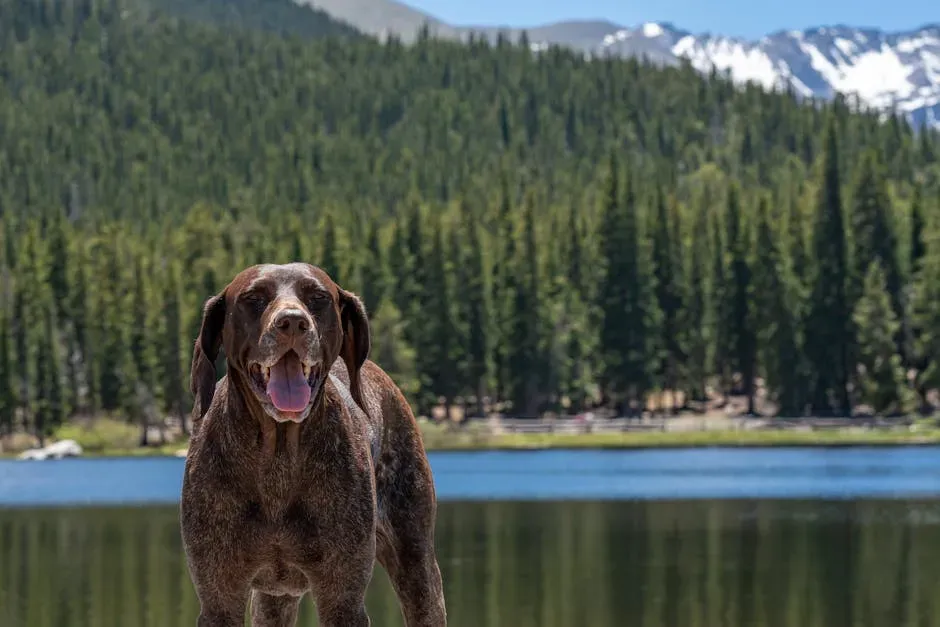
When data researchers look at raw dog ownership rates across all 50 states, one state sits alone at the top. Idaho leads the nation with a dog ownership rate of 58.3%, meaning more than half of all households in the state have at least one dog. That’s not just a statistic. It’s a lifestyle statement.
Since Idaho has the highest percentage share of dog owners among U.S. states, it’s unsurprising that its capital city, Boise, has the largest number of dog parks per 100,000 residents in the country. Think about what that means for your dog practically. More off-leash space, more socialization opportunities, and more neighbors who understand the rhythms of dog life. If your pup pulls toward every passing dog on the leash, Idaho’s built an infrastructure that actually supports that energy.
The prevalence of high dog ownership rates in less densely populated states demonstrates a clear trend. States with more rural areas and lower population densities tend to have higher rates of dog ownership, possibly due to larger living spaces and a greater emphasis on outdoor activities. Idaho fits this profile perfectly. Wide-open terrain, trail access, and a culture that welcomes dogs as working companions and beloved family members makes this state genuinely one of a kind.
Montana: Big Sky, Bigger Bond
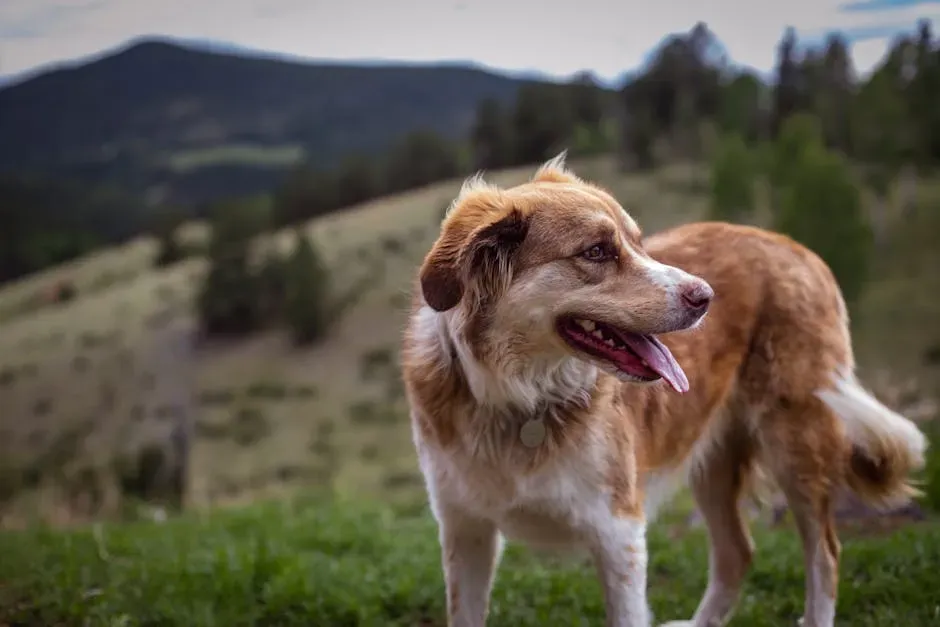
In Montana, around 52% of households own a dog, placing the state consistently among the top tier nationally for dog ownership. The numbers reflect something real about how Montanans live. This is a state where dogs are not accessories. They’re partners in a daily outdoor life that most people elsewhere only dream about.
Montana’s position as one of the top dog-owning states is a testament to its vast open spaces and outdoor-oriented lifestyle, which provide an ideal environment for dogs and their owners to thrive together. For active breeds like Border Collies, Australian Shepherds, or Labrador Retrievers, this environment is deeply suited to their physical and mental needs. An under-stimulated dog is often a destructive or anxious one. Montana’s terrain handles that problem naturally.
One practical thing worth noting for Montana dog owners: the state’s varied wildlife and rugged terrain mean that trail safety is real. Keeping dogs on leash in certain areas, staying current on rabies vaccinations, and carrying a basic pet first-aid kit on hikes aren’t just suggestions here. They’re genuinely important habits. The outdoors rewards preparation.
West Virginia and Arkansas: Southern Roots, Deep Loyalty
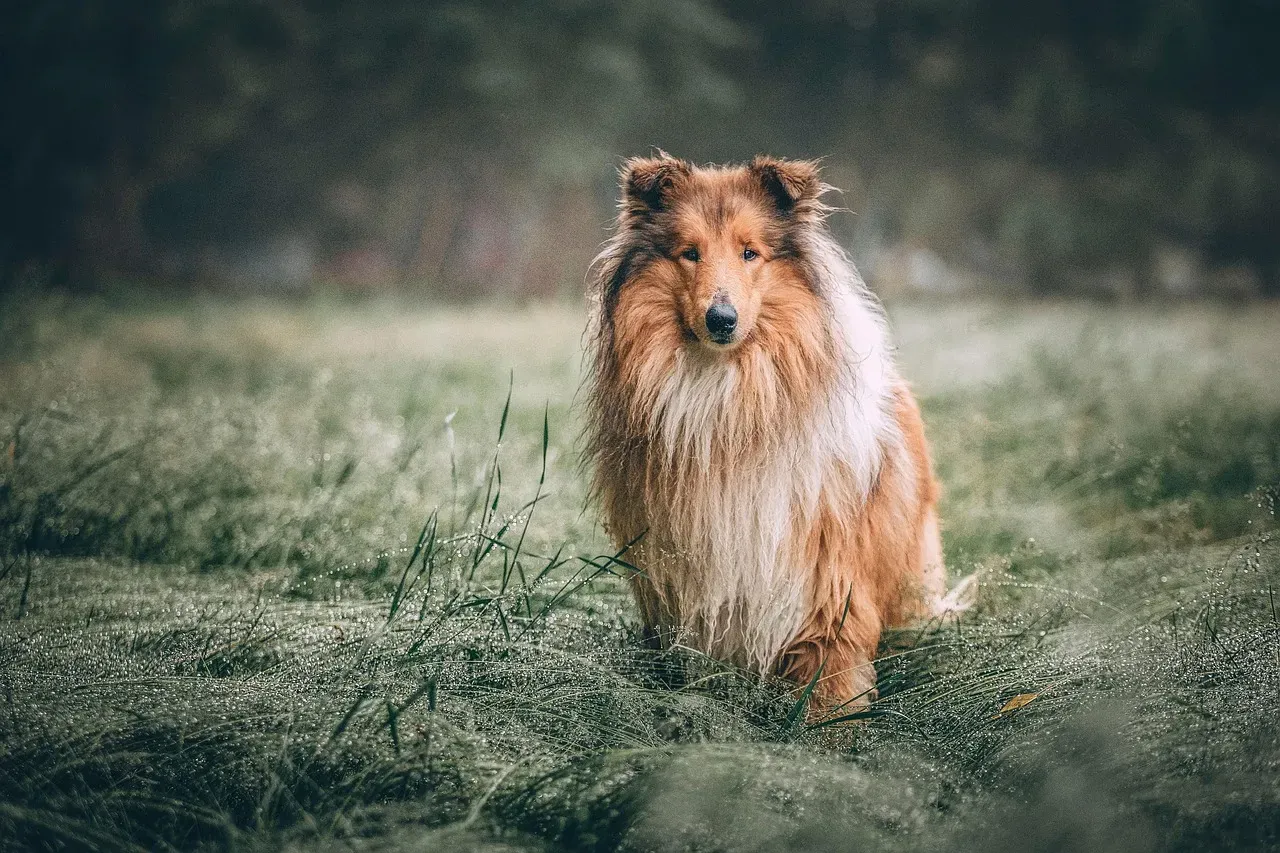
Arkansas and West Virginia consistently rank among the top five states for dog ownership, with Arkansas at around 51.9% and West Virginia at approximately 50.9% of households owning dogs. Both states share a rural character and a community culture where dogs have long held practical and emotional roles. Working dogs, hunting companions, and loyal yard dogs are common across both states.
Southern states typically show strong dog ownership rates, influenced by rural settings and family-oriented lifestyles. In Arkansas specifically, the devotion goes beyond numbers. About 32.5% of Arkansas dog owners say they would spend $4,000 or more on medical care for their dog, and more than one in ten have stayed in jobs they didn’t enjoy specifically to keep providing for their pets. That kind of loyalty deserves respect.
For dog owners in these states, it’s worth paying particular attention to heartworm prevention. All dogs in warmer Southern states need heartworm preventive, and the humid climate in both Arkansas and West Virginia makes year-round prevention non-negotiable. Talk to your vet about the right schedule, and never let a month lapse. Early prevention is far easier than treatment.
Colorado: The Most Devoted Dog Owners in the Country
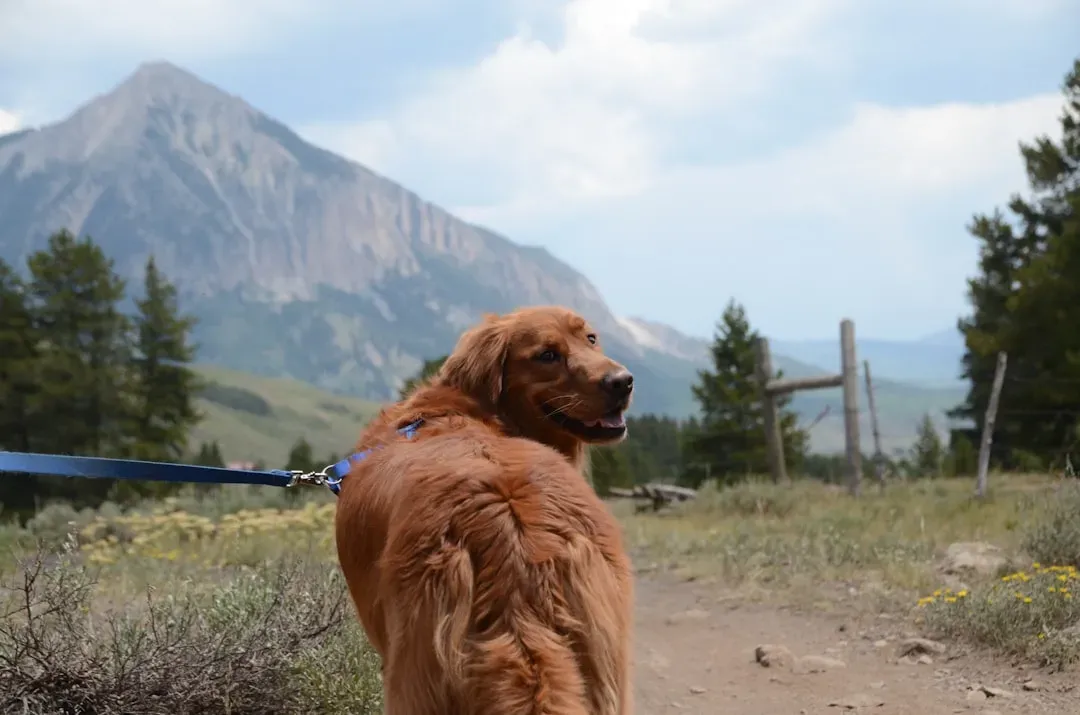
Colorado presents an interesting distinction. While its raw dog ownership rate sits around 47%, Colorado holds a perfect devotion score of 100 according to Forbes Advisor’s analysis. More than 43% of Colorado owners said they’d spend $4,000 or more to save their dog’s life, and 11% have stayed in jobs they disliked for their dogs’ sake. Between its dog-friendly cities and abundant open space, the Centennial State sets the gold standard for canine commitment.
Denver ranks among the most dog-friendly cities , and Colorado Springs was once named the most pet-friendly city by Forbes. Shelter dogs and cats were even named Colorado’s official state pets in 2013. That’s not a symbolic gesture. It reflects genuine community values around animal welfare and responsible ownership.
Colorado, along with New Hampshire, Montana, and Washington, falls within an ideal climate range for active dogs, combining scenic beauty with dog-safe temperatures. These cooler-climate states are excellent choices for active dogs who love hiking, exploring, and spending long hours outdoors without overheating. If your dog is a high-energy breed, Colorado’s trail system is genuinely one of the best setups in the country. Just keep an eye out for wildlife on the trail, including coyotes and the occasional rattlesnake in warmer months.
California and Florida: Scale, Events, and Dog Culture
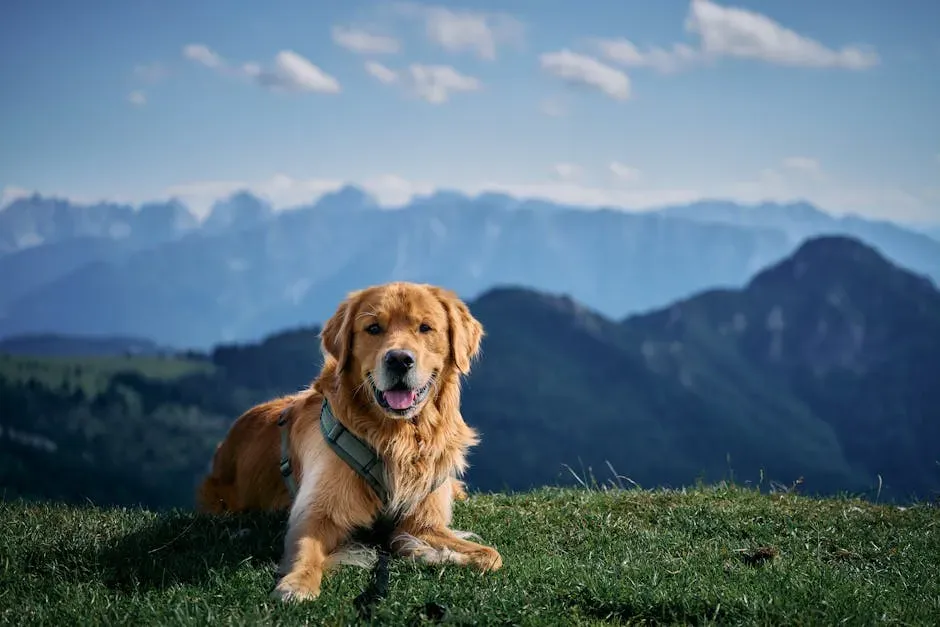
California leads the nation in raw dog-friendly infrastructure, thanks to its unmatched number of dog-friendly restaurants, hotels, parks, beaches, and hiking trails. The sheer scale of the state means that even if overall ownership rates are lower than rural states, the absolute number of dogs and dog-related services is enormous. Texas, Nevada, and California have the highest search volume for dog breeds per capita, reflecting active and engaged communities of dog enthusiasts across all three states.
Florida leads the nation in dog-friendly events, with 128 organized pet events annually and a perfect Events Index Score of 100. Think dog-friendly farmer’s markets, adoption fairs, pet parades, and beach meetups. For social breeds like Golden Retrievers, Beagles, or Boxers, this kind of community engagement is enormously beneficial. Dogs that regularly interact with other dogs and people tend to show fewer signs of anxiety and reactivity.
Both states come with heat-related health considerations that owners should take seriously. Dogs can get sunburned and suffer heat stroke just as easily as people can. In Florida and Southern California summers, early morning or evening walks are genuinely the safer choice. Pavement heat can burn paw pads quickly, and short-nosed breeds like Bulldogs and Pugs are particularly vulnerable to overheating. Keep fresh water accessible at all times and know the signs: heavy panting, glazed eyes, drooling, and unsteady movement.
Virginia, Alaska, and the Devoted Fringe
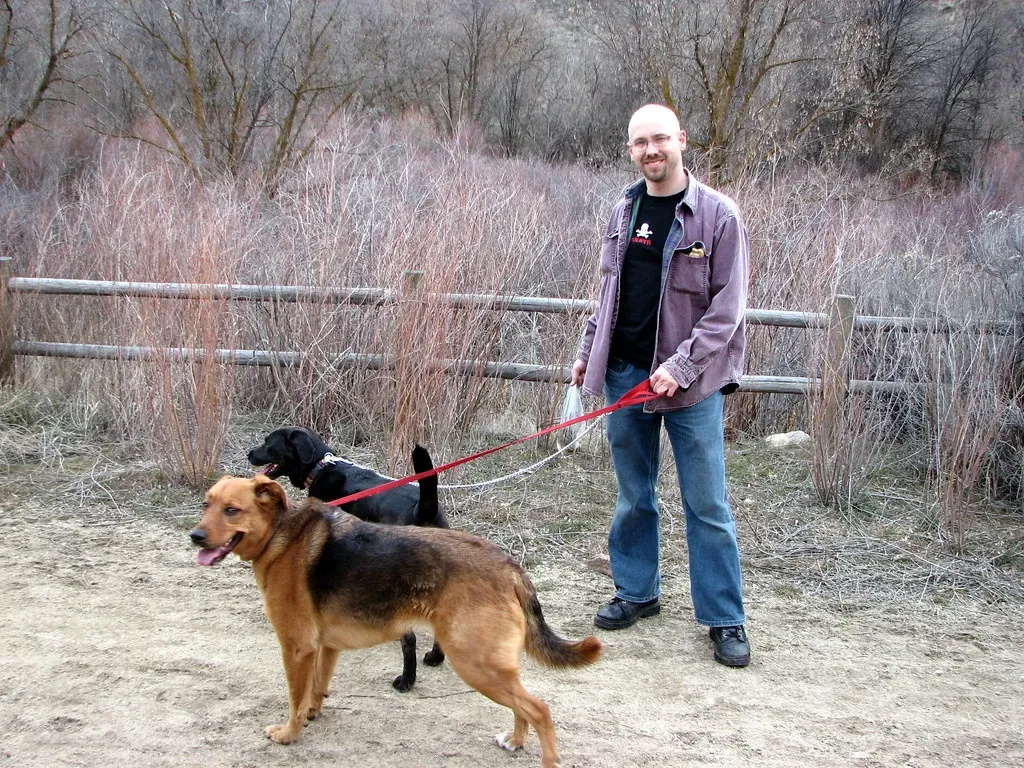
Virginia ranks second in dog devotion with a score of 94.41. Roughly 41.5% of owners said they’d pay more than $4,000 to save their dog, and dog ownership in the state runs deep, especially in suburbs and mountain regions where big yards and hiking trails abound. It’s a state that blends access to green space with a strong community culture around responsible pet care, vet access, and adoption.
Alaska occupies a category of its own. A remarkable 54.5% of Alaskans said they’d pay $4,000 or more to save their dog, the highest rate of any state in the top ten. Life in the Last Frontier demands dependable companions, and locals clearly return the favor. In Alaska, the relationship between human and dog often carries a working and survival dimension that has no real parallel anywhere else in the country.
According to Forbes Advisor, five of the top ten states with the most devoted dog owners are located in the Pacific and West, including Colorado, Alaska, Nevada, Washington, and Oregon. What connects these states is access to the outdoors, a culture of active living, and communities that have built their daily rhythms around including dogs rather than accommodating them as an afterthought. In Oregon, more than 40% of dog owners said they’d spend over $4,000 on lifesaving care for their pet, and with so many trails, beaches, and parks, it’s no wonder Oregonians take their pups seriously.
Conclusion: Where You Live Shapes How You Love

Geography plays a real role in dog life, from the dog parks per capita in Boise to the event calendars in Florida, the mountain trails in Colorado to the working dog traditions of West Virginia. The bond between humans and their pets continues to grow, with different states showing varying levels of pet adoption influenced by factors like lifestyle, climate, and economic constraints.
Committed dog ownership is characterized by a high level of dedication to pet care, which can be measured through spending on medical expenses, training, and overall engagement with their pets. That dedication shows up differently depending on where you live. In Montana it’s a hiking trail and an off-leash meadow. In Virginia it’s a big backyard and a good vet nearby. In Alaska it’s a bond built through raw, shared endurance.
Wherever you are on the map, the fundamentals stay the same: know your dog’s behavioral cues, stay consistent with preventive health care, make time for real exercise and social interaction, and pay attention. Your dog communicates a lot, just not in words. The states at the top of these lists didn’t get there by accident. They got there because their people showed up. Every single day.


