

You see one walking toward you on the sidewalk, all muscle and mass and blocky head, and your instincts fire before your brain can intervene. Most people tighten their grip on whatever they’re holding. It’s an honest, if uninformed, reaction. The American Bully is one of those breeds that has to overcome its appearance before it gets a fair hearing.
That visual bias has real consequences. Families walk past perfectly gentle dogs at shelters. Owners face questions from neighbors who’ve never met their dog. A whole breed gets filtered through a very narrow lens, shaped largely by media coverage of the worst cases and almost nothing else. The truth, as usual, is more layered than the headlines suggest.
Where the American Bully Actually Came From
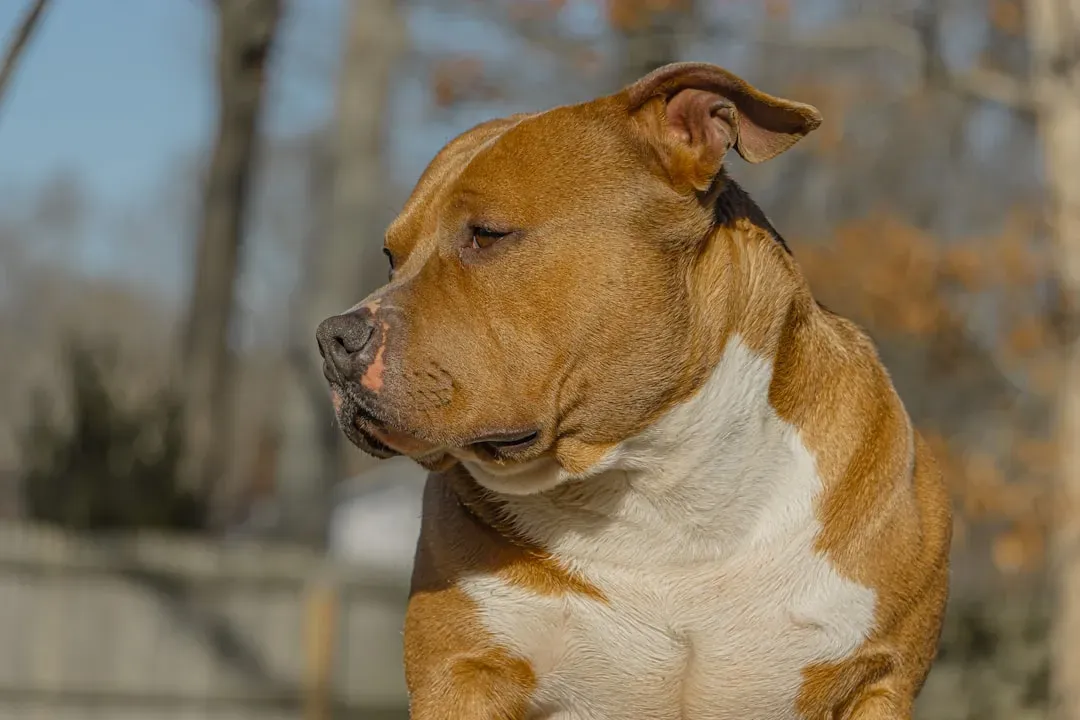
The American Bully began development in the 1980s, with the majority of the final behavioral and aesthetic product being completed in the 1990s. That makes it a remarkably young breed by any measure. The breed’s main foundation is the American Pit Bull Terrier, crossed with various bulldog breeds including the English Bulldog, the American Bulldog, and the Olde English Bulldogge. The goal was to create a tougher-looking but milder breed, one featuring a wide chest, marked muscle development, and a powerful jaw but with a diminished instinct for aggression.
The goal of the breeders was to outbreed the characteristics that caused the American Pit Bull Terrier such a bad reputation, including the high work drive typical for terriers and the dog aggression. Essentially, breeders were trying to take the physical presence of the bull breed and pair it with a softer, people-focused personality. The American Bully Registry states that the breed was bred to be a companion dog, and that breeders have made efforts to reduce “gameness,” the instinct to fight other dogs, in the breed.
The breed was first recognized by its breed club, the American Bully Kennel Club (ABKC), in 2004. On July 15, 2013, the breed was recognised by the US-based United Kennel Club (UKC). It’s worth noting that this breed was built from the ground up with companionship as the explicit purpose, not protection, guarding, or any working role that might reward aggressive tendencies.
What the Breed Standard Actually Says About Aggression
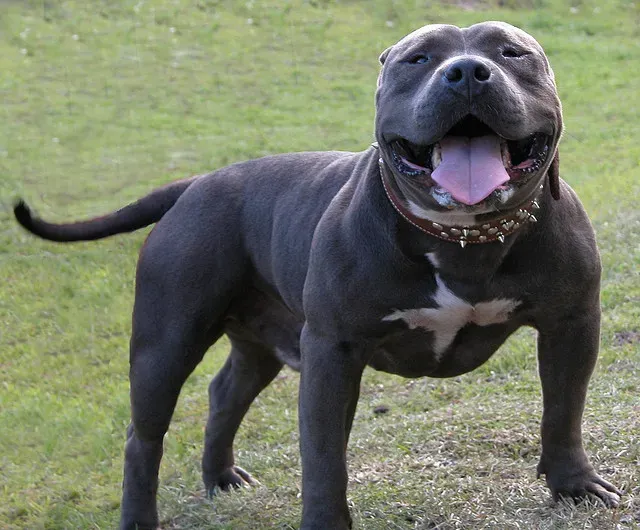
Aggressive behavior goes against the breed standard. Extreme shyness and dog aggression are discouraged as well. This is not a minor footnote buried in fine print. It’s a foundational principle that defines what a well-bred American Bully is supposed to be. The American Bully’s breed standard explicitly lists aggression as a disqualifying fault. Their core genetics have been cultivated for generations to produce a non-aggressive, non-reactive, and sociable animal.
Human or dog aggression, extreme shyness, or viciousness is very uncharacteristic of the American Bully and highly undesirable. Recent studies, including data from the Temperament Test Society, reveal that the American Bully scores impressively high on temperament assessments, with an average score of 91.3%. That’s a number worth sitting with. It doesn’t erase real-world incidents, but it gives important context that the reputation and the reality don’t always align.
The American Bully often surprises people. You see a stocky, powerful dog with a broad head and serious muscles, then you meet one and realize they’re sweet, affectionate, and happiest curled up next to their family. Many first-time dog owners confuse them with the American Pit Bull Terrier or other bull breeds, but the American Bully is a distinct breed that was developed for companionship and a stable, people-focused temperament.
When Aggression Does Appear: What’s Actually Behind It
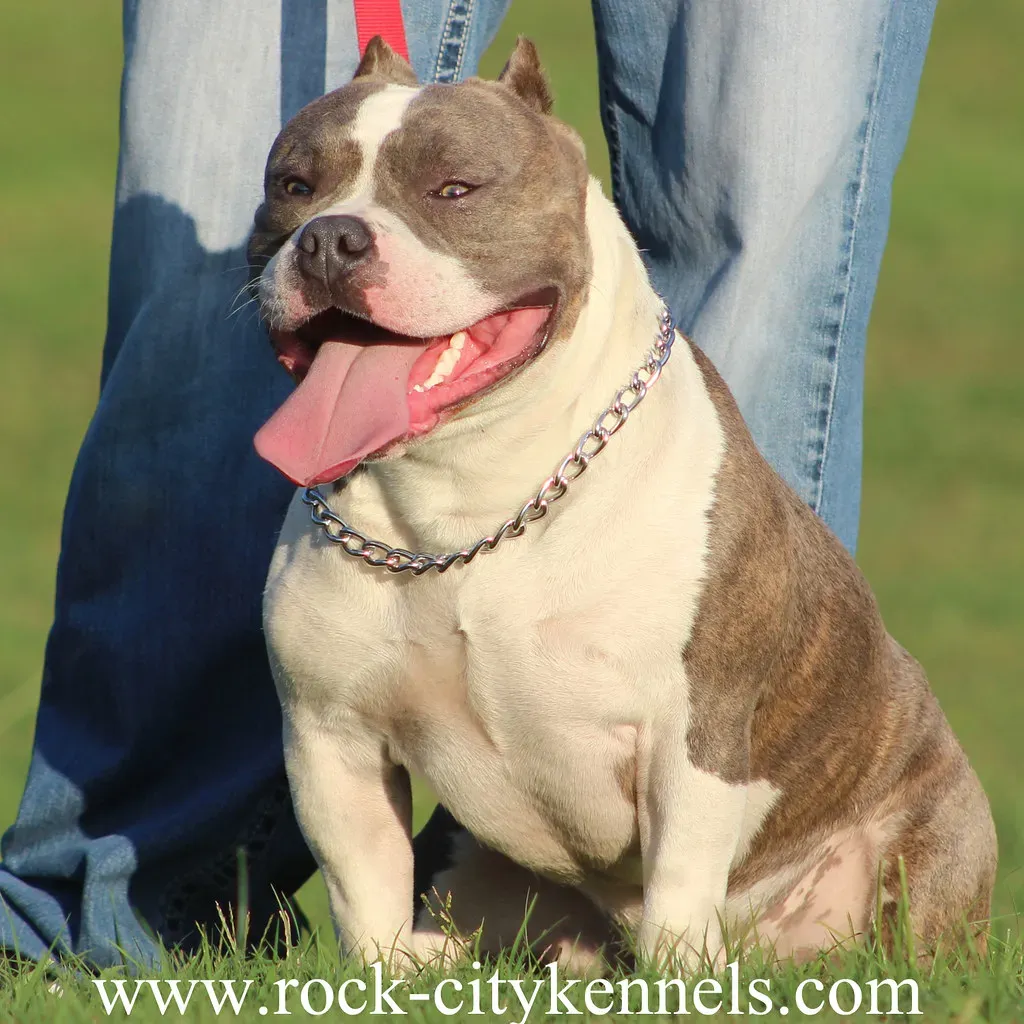
The myth that American Bullies are inherently aggressive stems partly from their appearance and association with other bully breeds. American Bullies were developed specifically to have a more relaxed and stable temperament. When aggression does occur, it is usually the result of poor socialization, mistreatment, or lack of training rather than breed disposition. That distinction matters enormously for how we interpret incidents involving this breed.
Cases of aggression are almost always attributable to irresponsible backyard breeding, where temperament is ignored for looks, lack of socialization, or abuse, not the breed itself. The XL Bully situation in the UK offers a sobering real-world example of how things go wrong at scale. According to Bullywatch, the XL Bully lines present in the UK are extremely inbred, due to the small founding population imported in 2014 to 2015. Many of these lines originate in an American dog called Kimbo, which sired a large number of dogs that displayed unpredictable aggression towards humans.
In 2023, a BBC Panorama investigation exposed the involvement of organized crime and drug dealers in the “designer dog” market, in which dogs such as Bullies are bred for extreme traits and aggressive temperaments and sold online for high profits. This is the environment that produces dangerous dogs. It has very little to do with the breed’s intended temperament, and everything to do with what humans choose to do with selective breeding for profit rather than purpose.
Training, Socialization, and the Owner’s Role
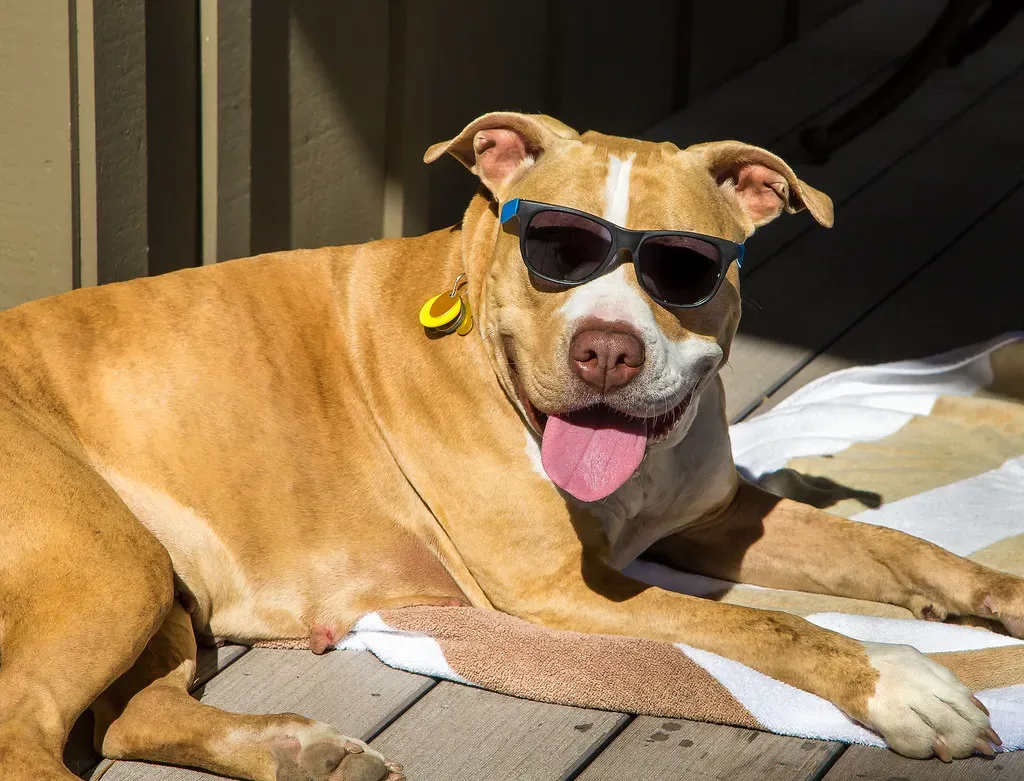
Temperament in adult dogs is highly dependent on training, and the breed can be very demanding and needs to be properly trained. This is true of most powerful breeds, but it carries more weight here given the dog’s physical capability. Introducing your dog to various environments, sounds, people, and other animals starting from a young age is essential. Proper socialization helps reduce fear and aggression and ensures that your dog becomes a confident and well-behaved adult.
Like all other dogs, American Bullies learn best through positive reinforcement training methods. Positive reinforcement utilizes rewards when teaching new behaviors, including treats, praise, toys, and play. Contrary to stereotypes, American Bullies do not need a “firm hand” when training. Aversive training tools like prong collars and e-collars should not be used. Harsh corrections don’t produce safer dogs with this breed. They produce anxious, unpredictable ones.
Sensitivity levels run higher than their tough appearance suggests. American Bullies are quick to pick up on your mood and respond best to positive reinforcement. Harsh corrections can undermine their confidence, so focus on reward-based training and clear, consistent boundaries. A confident, engaged owner who invests early in training and socialization is by far the most reliable predictor of a well-adjusted American Bully.
Health Realities Every Owner Should Know

Common American Bully health issues include hip and elbow dysplasia, hypothyroidism, heart disease, ear infections, and dental disease. One of the biggest health considerations for the American Bully comes down to their structure. That heavy body mass and wide chest look impressive, yet they increase stress on their front legs, rear legs, shoulder blade, upper arm, and hips. Hip and elbow dysplasia are common concerns, and many dogs develop arthritis earlier in life if they don’t have the right support.
Due to their short hair and sensitive skin, American Bullies are prone to various skin conditions. Allergies, hot spots, mange, and dermatitis are frequently seen. If your Bully persistently scratches, chews, or licks its skin, it’s possibly dealing with a skin problem. Watch for redness around the paws, belly, and any skin folds. These are the most common trouble spots. Heart problems, especially congenital heart disease, is another common health issue in American Bullies. Signs can range from fatigue after light exercise to difficulty breathing.
Regular vet check-ups are essential in maintaining the health of your American Bully, enabling early detection and proactive treatment of potential health threats, from complex conditions like hip and elbow dysplasia to common issues like skin conditions. Joint supplements with glucosamine and chondroitin may help prevent hip and elbow problems, which are common in American Bullies. These aren’t optional extras for this breed. They’re part of responsible, proactive ownership.
The Verdict: Reputation vs. Reality

American Bullies are not naturally aggressive. They are known for their calm, friendly disposition when bred responsibly and raised with proper socialization and training. While every dog has an individual personality, the breed’s foundation is built on loyalty, gentleness, and a strong desire to bond with humans. That foundation is not a marketing claim. It’s written into the breed standard and supported by temperament data.
The honest answer to whether the reputation is deserved is: sometimes, in some cases, and almost always for reasons that trace back to humans rather than the dogs. Behavior is influenced by the interaction between a dog’s genetic makeup and the environment. Breed alone does not shape behavior. When breeders prioritize size and looks over stability, when owners skip socialization, when dogs are raised in chaotic or abusive environments, the outcome is predictable regardless of breed.
The American Bully is a unique and wonderful breed that offers the perfect balance of strength and affection. With the right care, training, and love, they make loyal companions and devoted family pets. The breed doesn’t need defending so much as it needs fair context. The American Bully is not a breed that will work for everybody, and some places may restrict a person’s ability to own them. However, they are far from lost causes and make phenomenal companions for owners who can put in the time required to train them properly.
Conclusion
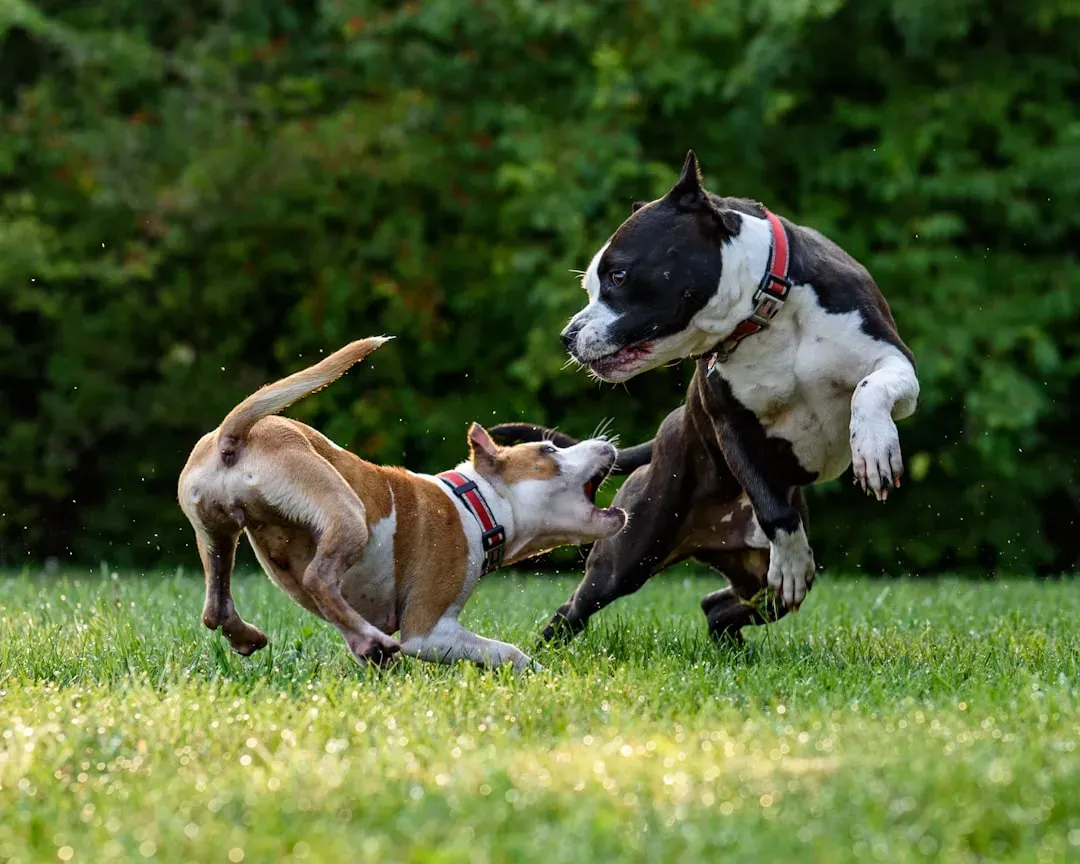
The American Bully’s reputation was largely written by people who misused the breed, then amplified by media coverage that didn’t distinguish between a well-raised family dog and the product of irresponsible breeding. That’s not a reason to dismiss valid safety concerns, particularly around the XL variety and specific unregulated bloodlines. Those concerns are real and documented.
What it is a reason for, though, is nuance. A dog bred explicitly to be gentle, scoring in the top tier of temperament assessments, raised by a committed owner with consistent training and socialization, is a very different animal from the one that shows up in news alerts. The American Bully doesn’t deserve a blanket reputation either way. What it deserves is exactly what every dog deserves: to be judged on who it actually is, not on how it looks or what other dogs under very different circumstances have done.
If you already share your life with one of these dogs, you probably already know this. If you’re considering it, know that the effort you put in from the very first week matters more than almost anything else.


