

Picture this: your dog has been inside all day, pacing the hallway, nudging you with a wet nose, and eyeing their leash like it holds the secret to all happiness. You finally cave, drive five minutes down the road, and watch them bolt through the gate of the local dog park as if they’ve just been released from a very comfortable, air-conditioned prison.
It’s a simple outing, really. Fenced grass, a few water stations, maybe a splash zone. Nothing fancy. Yet what happens in those thirty to sixty minutes delivers something that no walk around the block or solo backyard session ever quite can. The benefits go wider and deeper than most dog owners realize, and some of them might genuinely surprise you.
1. Your Dog Gets the Kind of Exercise That Actually Counts

Regular walks on leash don’t even come close to addressing the exercise needs of most dogs. The dog park changes that. Dogs have boundless energy, and dog parks offer ample space for them to run, play, and exercise. Regular physical activity is essential for maintaining a healthy weight and preventing obesity-related health problems, which can shorten their life.
When dogs play with other dogs, they get physical exercise that’s different from a structured walk. They sprint, wrestle, chase, and engage their whole bodies in ways that keep them fit and tired in the best possible way. Active dogs are significantly less likely to develop detrimental health conditions such as arthritis, obesity, and heart disease than inactive dogs. That’s not a minor footnote. It’s a real, measurable shift in your dog’s long-term health trajectory.
2. It’s a Powerful Cure for Destructive Behavior at Home

Dog parks allow your furry friend to exercise and release built-up energy. When dogs can burn off their energy at the park, they are less likely to engage in destructive behavior, such as tearing up the house, excessive barking, or chewing things they shouldn’t. If you’ve ever come home to a shredded sofa cushion, this benefit hits a little close to home.
Certain breeds have high energy levels, and dog parks provide an outlet for them to burn off excess energy, reducing the likelihood of destructive behavior at home. Trainers and behavior counselors are forever reminding us that a tired dog is a well-behaved dog. The dog park is essentially the most efficient route to that outcome, especially for working breeds, terriers, and retrievers who need more than a stroll to feel genuinely settled.
3. Socialization Skills That Last a Lifetime

Dog parks provide a controlled environment for dogs to interact with other canines. This socialization is vital for puppies and adult dogs alike, helping them develop healthy social skills and reducing the risk of behavioral issues later on. Think of it as social school. Every interaction, every polite sniff, every negotiated game of chase teaches your dog something about communication.
When your dog plays with others, they learn essential social skills, including communication, sharing space, and resolving conflicts. A well-socialized dog is better equipped to handle encounters with unfamiliar animals and people, leading to fewer anxiety-related behaviors. Well-socialized dogs tend to be noticeably calmer as they comprehend there is nothing to fear in unfamiliar circumstances. Socialized dogs display greater confidence when faced with unfamiliar environments. Rather than cowering behind their owners or responding aggressively, they effortlessly approach new people and fellow dogs with a friendly demeanor.
4. Off-Leash Freedom Does Something Special for a Dog’s Mind

Dog parks are secure, off-leash areas where dogs can roam freely. This allows them to release pent-up energy and enjoy a sense of freedom that they might not experience on regular walks. There’s a visible shift that most dog owners notice the first time they unclip the leash. The dog’s posture changes, their movement opens up, and their whole demeanor loosens.
Regular socialization shapes your dog’s behavior, mental health, and overall quality of life in ways that daily walks simply can’t match. Dogs are pack animals hardwired for social interaction, and without it, they can develop anxiety, fear-based aggression, and destructive behaviors that make life harder for everyone. Off-leash time in an appropriately fenced space gives your dog genuine agency, and that matters more than we often give it credit for.
5. Mental Stimulation That Keeps the Brain Sharp

The sights, sounds, and smells of a dog park stimulate a dog’s senses, keeping them mentally engaged. This mental exercise is crucial for their cognitive development and overall happiness. Your dog’s nose is processing an extraordinary amount of information every second at the park. New dogs, new scents carried in on the wind, fresh grass, different soil. It’s basically a full sensory workout.
Mental stimulation from reading other dogs’ body language and navigating social situations keeps their minds sharp and engaged. When they have opportunities for positive interactions and exploration, it can prevent boredom, which often leads to destructive behaviors at home. For senior dogs especially, regular mental engagement can help keep cognitive decline at bay. A sharp mind starts with a stimulating environment.
6. It Deepens the Bond Between You and Your Dog

Dog parks allow pet owners to bond with their dogs in a fun and interactive way. Playing fetch, running together, or simply watching your dog explore can strengthen the human-canine bond. There’s something quietly wonderful about watching your dog do exactly what they were built for, and knowing you made that happen.
Dog parks provide areas where dogs can exercise and run freely while their owners can socialize. Spending time with their dogs at the dog park reinforces the dog-owner bond. The shared experience, the eye contact across the park, the moment your dog sprints back to check in with you before taking off again, these are the small gestures that build a genuinely deep and trusting relationship over time.
7. You’ll Become a Better Observer of Your Dog’s Behavior

A community dog park allows you to better understand how your dog will behave in certain situations. By observing your dog’s interactions with other pets and other people, you may be surprised to learn new things about your pup. You might discover your dog is actually the social butterfly of the group. Or you might notice they become anxious around very large breeds, which is useful information worth acting on.
The owner’s ability to read their dog’s body language and intervene when necessary is vital in a dog park. Watching your dog in an unscripted social setting teaches you to recognize stress signals: tucked tails, flattened ears, avoidance behavior, whale eye. The more you watch, the better you get at reading the room, and that skill carries over into every other part of your life with your dog.
8. It Benefits Your Health and Mental Wellbeing Too

Dog park members initially join and attend dog parks for the wellbeing of their dogs, but often experience their own biopsychosocial benefits. That’s a quiet but meaningful finding. You show up for your dog, and the park gives something back to you.
According to one study, owning a dog indicated a potentially health-improving average effect of 22 minutes of additional time spent walking and 2,760 additional steps per day. Most of that extra walking was done at a moderate cadence, defined as 100 or more steps a minute. The dog owners studied also had significantly fewer sitting events. Members 60 years and older reported feelings of life satisfaction almost 7 points over the total respondent average, placing them in the “highly satisfied” range. All members experience the dog park as a supportive social environment that benefits their physical health, mental health, and the well-being of their canine companions.
9. Your Dog Builds a Sense of Community Too (and So Do You)
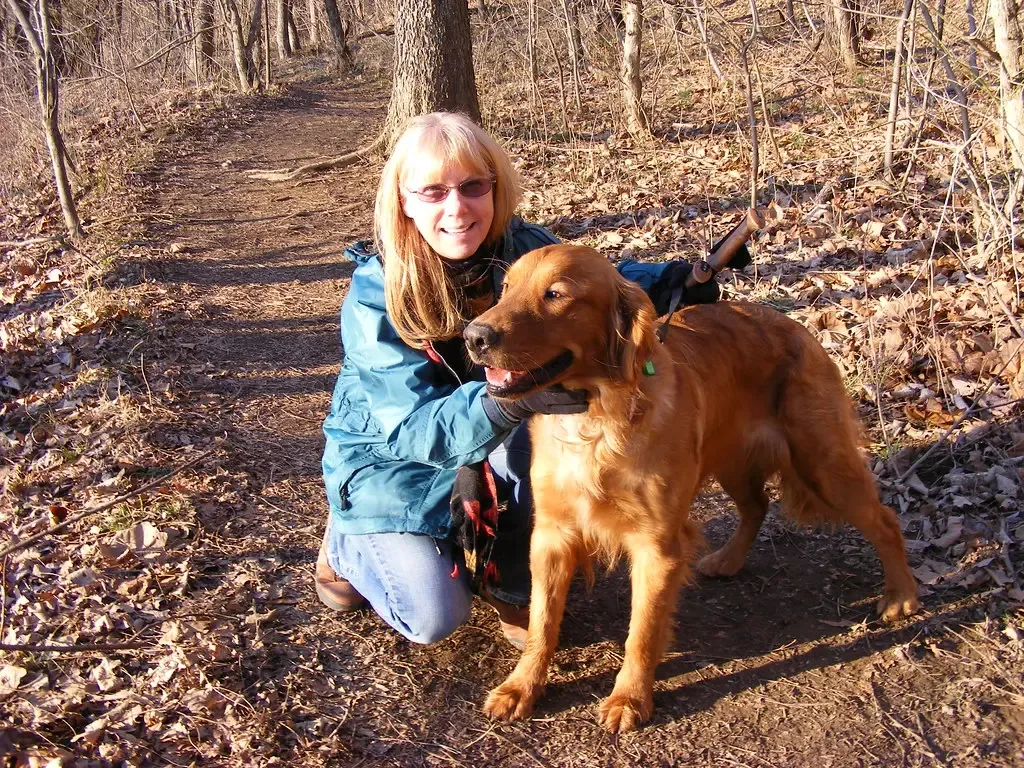
Dog parks are a great way to bond with your neighbors. You will instantly find something you have in common, your beloved pets, and the casual nature of the area makes it a great place to make new friends. It’s one of those rare social spaces where the conversation starter is right there, wagging and sniffing shoes.
The most reported benefits brought by dog parks were identified as improving the physical and social health of dogs and their owners. Some other benefits often mentioned by scholars included building a sense of community and enhancing social cohesion, public safety, and community engagement. Dog parks offer a chance to connect with fellow dog owners and learn from them. You can ask questions about your dog, get training tips, and receive advice on dog-related topics like food recommendations, popular toys, and local veterinary care. The exchange of real, lived experience between dog owners is genuinely valuable.
10. It May Actually Help Reduce Problem Behaviors That Lead to Shelter Surrenders

Time spent in a dog park helps socialize and exercise dogs in a safe environment, resulting in well-adjusted companion dogs with fewer behavior problems. This can thereby reduce the number of “nuisance dog” complaints sparked by bored, restless dogs who bark, as well as reduce the number of dogs surrendered by their owners to local animal shelters. That connection is worth sitting with for a moment. Regular park time isn’t just fun. It may be one of the most practical things a dog owner can do to preserve the relationship long-term.
Behavior problems are the main reason people surrender dogs to shelters. Many of those behavior problems, the barking, the chewing, the hyperactivity, trace back to unmet needs for exercise, socialization, and mental stimulation. The result of inadequate socialization is an exacerbation of canine behavior problems including aggression, destructive behavior, hyperactivity, and separation anxiety. The dog park addresses all of these needs in a single visit. That’s a remarkably efficient intervention for something so simple and free.
A Few Things to Keep in Mind Before You Go

Responsible owners ensure their dogs are up-to-date on vaccinations and health checks. This reduces the risk of disease transmission and protects the dog and others at the park. Before your first visit, make sure your dog has a solid recall command and is comfortable around other dogs in smaller settings first. Throwing an anxious or under-socialized dog into a busy park can backfire.
Animal behaviorists suggest that you visit a dog park without your dog before you take them for an actual dog park visit. Scout it out. Check the fencing, observe how owners interact, and see whether the general energy feels calm and managed. Responsible owners understand their dog’s temperament, limits, and social preferences. If their dog doesn’t enjoy the dog park environment, they seek alternative ways to provide exercise and socialization. Not every park suits every dog, and that’s completely okay.
Conclusion: A Simple Habit With a Surprisingly Big Payoff

What starts as a routine outing, a gate, some open space, a handful of other dogs, turns out to be one of the most layered investments you can make in your dog’s well-being. Physically, mentally, socially, and emotionally, the dog park delivers in ways that a daily walk simply cannot replicate. And the benefits don’t stay on your dog’s side of the leash. They reach back to you as well.
You don’t need to go every single day. Consistency matters more than frequency. Even two or three visits a week can meaningfully shift your dog’s behavior, mood, and overall health. The gate swings open, and for that stretch of time, your dog gets to be exactly what they are: a social creature, born to run, wired to play, and genuinely happiest when they’re doing both.


