
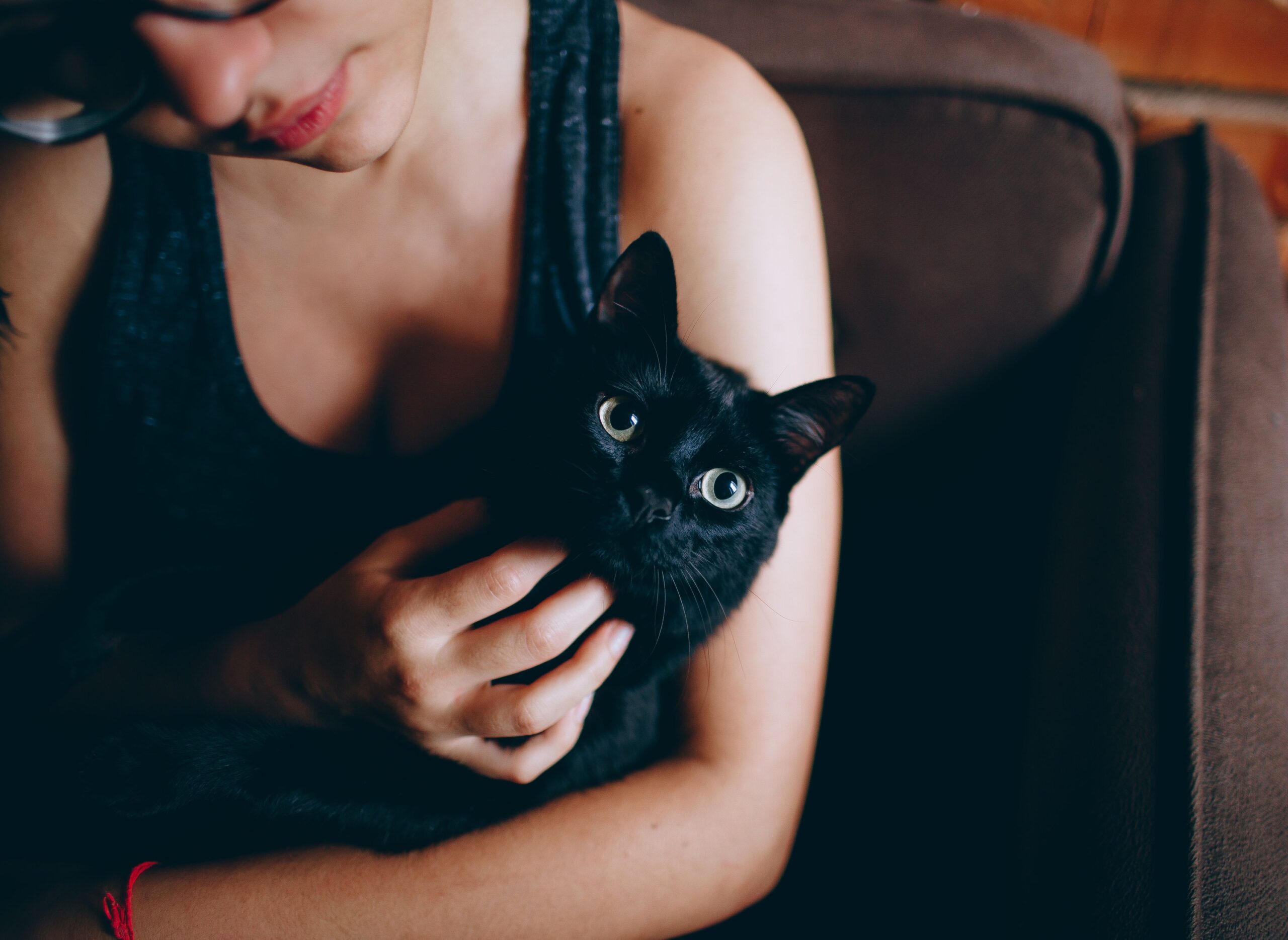
Cats are often perceived as independent and aloof, but beneath that cool exterior lies a complex emotional world. One emotion that might surprise you is jealousy. Yes, our feline friends can exhibit behaviors that suggest they’re not too pleased when their status or your attention is threatened. Recognizing these subtle signs can help you address their feelings and maintain a harmonious household.
1. Interrupting Your Activities
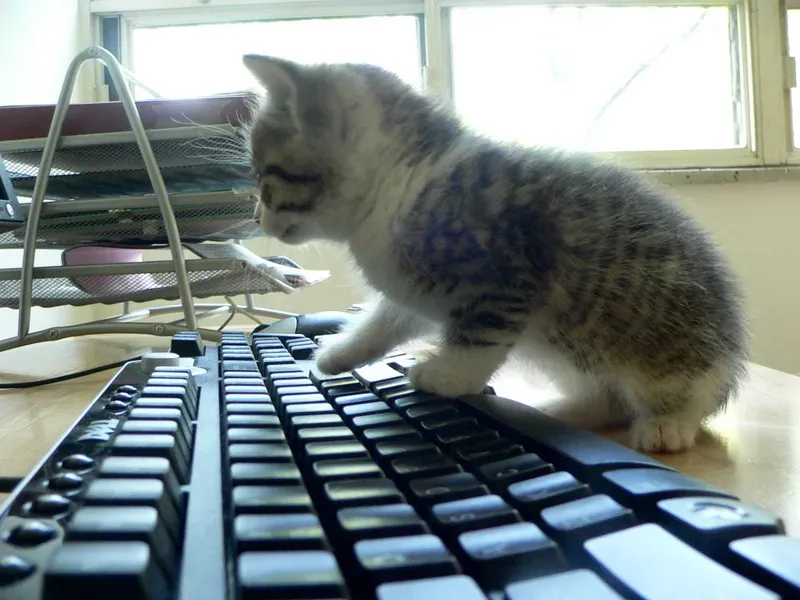
Ever noticed your cat plopping down on your keyboard or nudging your book out of the way? This isn’t just a quest for warmth or a comfy spot; it’s a clear signal that they want your attention. By inserting themselves between you and your current focus, they’re expressing a desire to be prioritized.
This behavior often intensifies when you’ve been giving attention to another pet or person. Your cat is essentially saying, “Hey, don’t forget about me!” It’s their way of reclaiming the spotlight and ensuring they’re still your number one.
2. Aggressive Behavior Towards Other Pets
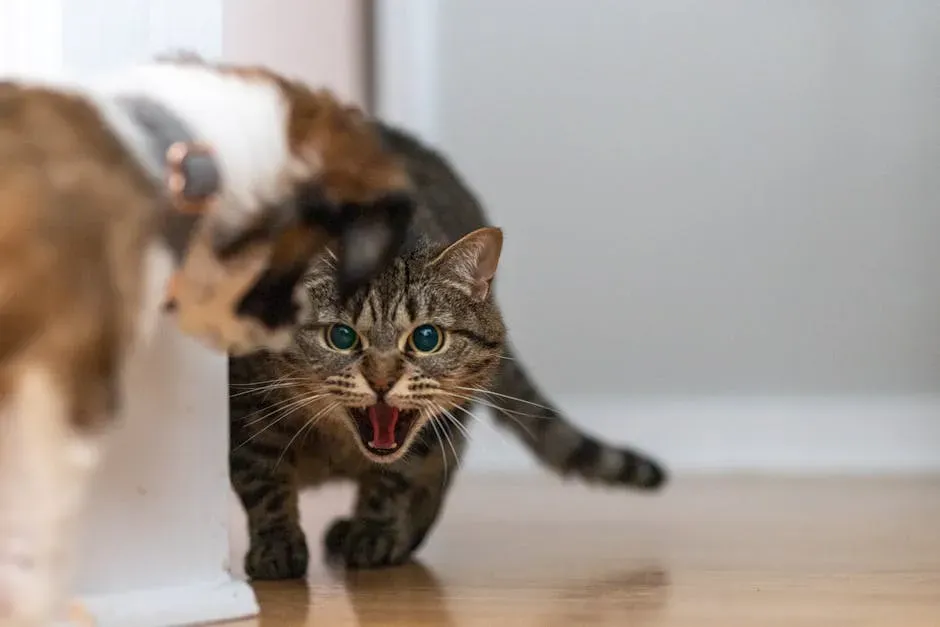
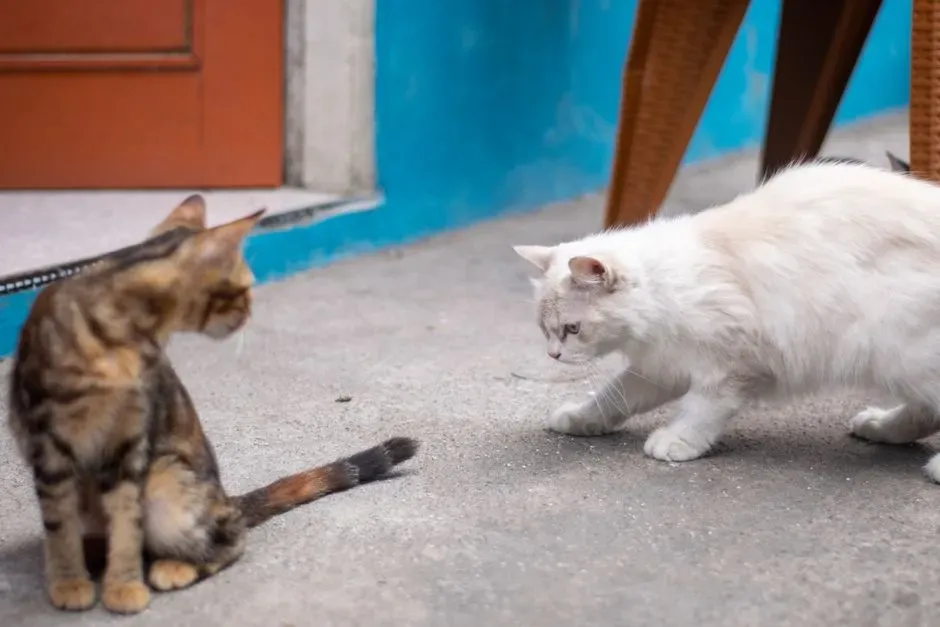
Introducing a new pet can disrupt the established hierarchy in your home. Your resident cat might respond with hissing, swatting, or even full-blown attacks directed at the newcomer. This aggression stems from a perceived threat to their territory and your affection.
Such behaviors are more than just territorial disputes; they’re manifestations of insecurity. Your cat is trying to reassert their dominance and ensure they don’t lose their cherished place in your heart.
3. Marking Territory Indoors
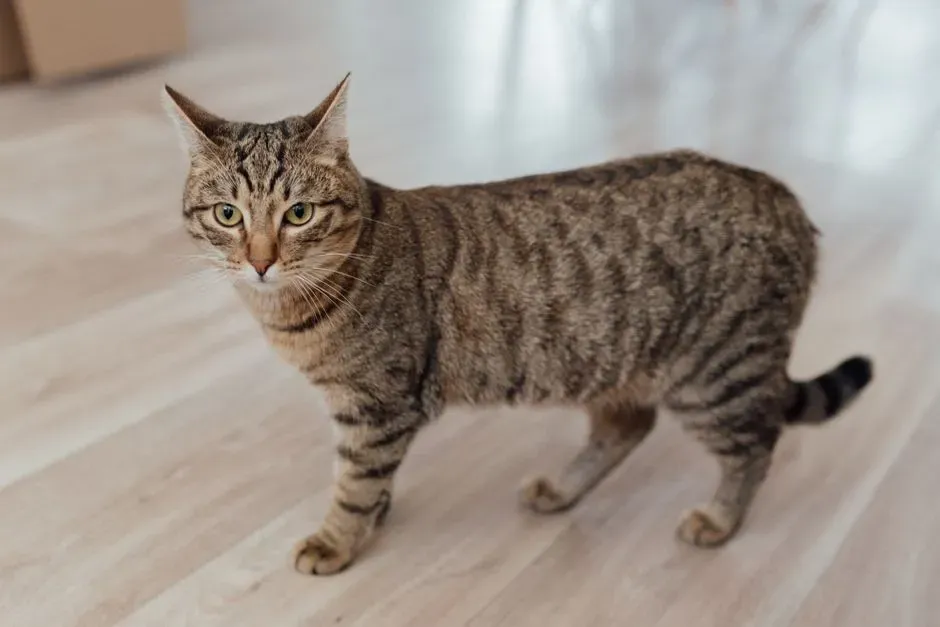
Finding unexpected “gifts” outside the litter box? Cats may urinate or defecate in inappropriate places as a way to mark their territory, especially when they feel threatened by another pet or a new person in the household.
This behavior is a feline’s way of saying, “This is mine.” It’s a response to the anxiety caused by perceived intrusions and a method to establish boundaries.
4. Excessive Vocalization
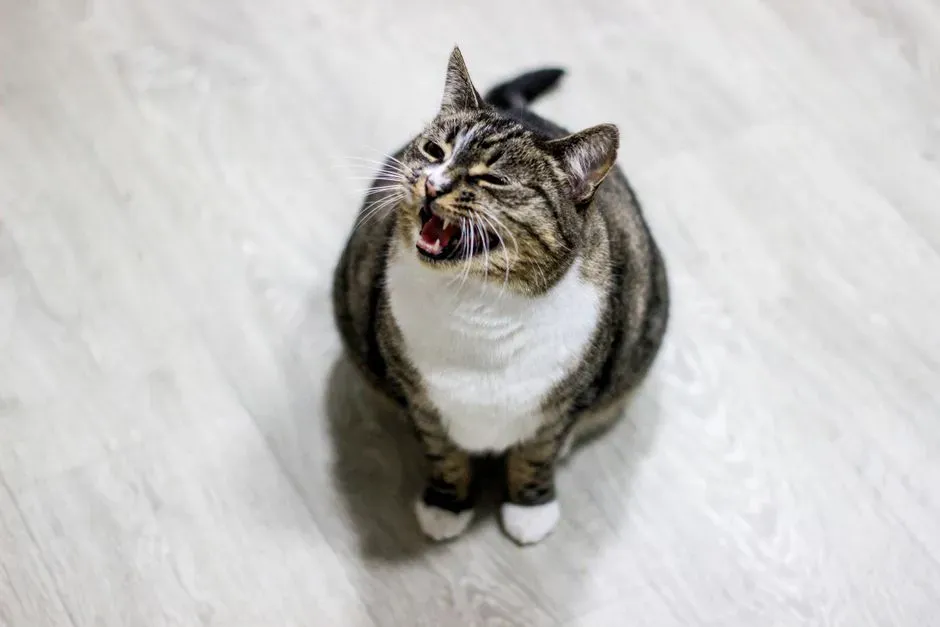
A sudden increase in meowing, yowling, or other vocal sounds can be a sign of distress. If your cat becomes more vocal when you’re interacting with someone else, it’s likely they’re expressing their displeasure and seeking your attention.
This isn’t just random noise; it’s a deliberate attempt to communicate their feelings. They’re letting you know they’re not happy with the current situation and want things to return to the status quo.
5. Destructive Behavior
Noticed your cat knocking items off shelves or scratching furniture more than usual? Destructive behaviors can be a cat’s way of coping with feelings of jealousy or anxiety. By causing a ruckus, they’re drawing your attention back to them.
This attention-seeking tactic is their way of saying, “Look at me!” It’s a cry for interaction and a method to divert your focus from whatever or whoever is causing their jealousy.
6. Clinginess or Over-Attachment
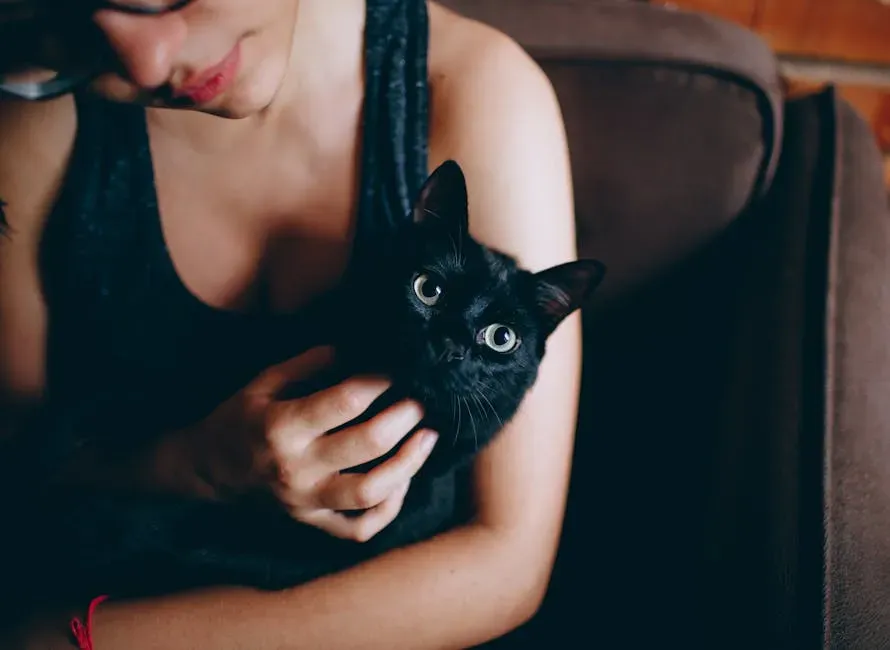
A cat that suddenly becomes your shadow, following you from room to room and demanding constant attention, might be feeling insecure. This clingy behavior is their way of ensuring they remain a central part of your life.
While it’s endearing, it’s also a sign that they’re seeking reassurance. They need to know that their bond with you is unbreakable, especially when they perceive competition.
7. Loss of Appetite
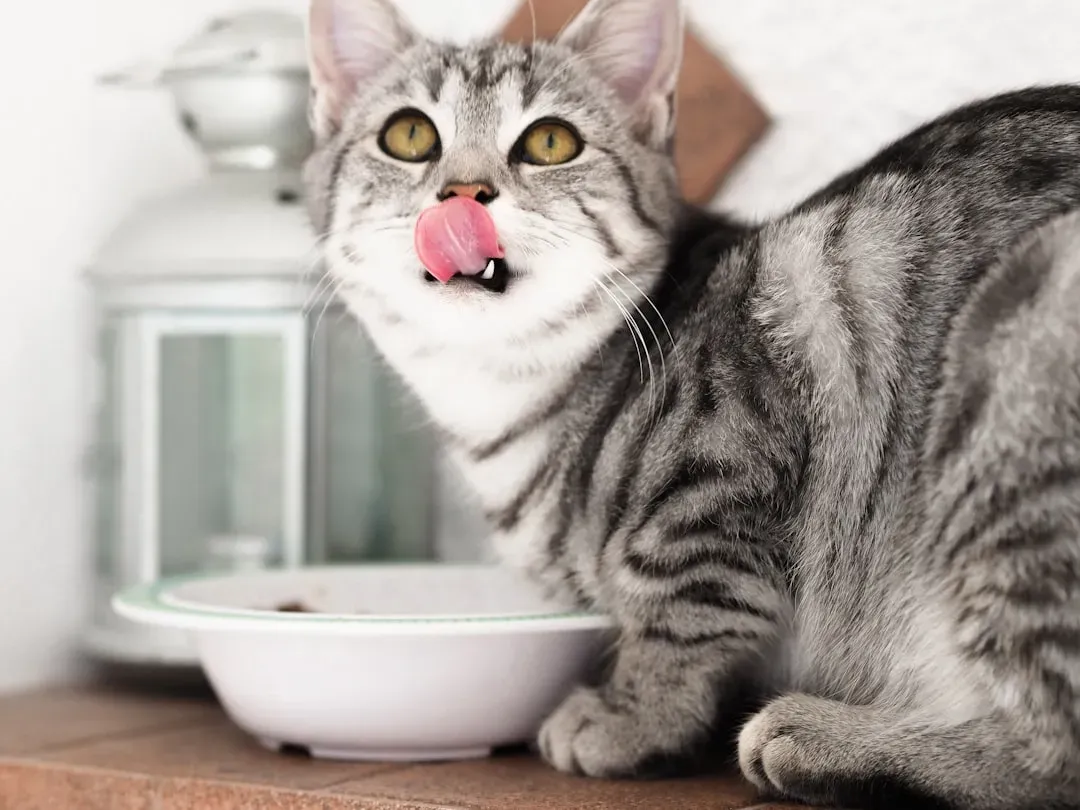
Stress and jealousy can lead to changes in eating habits. If your cat starts eating less or shows disinterest in their favorite treats, it could be a sign they’re feeling unsettled by changes in their environment or your attention.
This isn’t just a picky eater phase; it’s a physical manifestation of their emotional turmoil. Monitoring their eating habits can provide insights into their emotional well-being.
8. Hiding or Avoidance
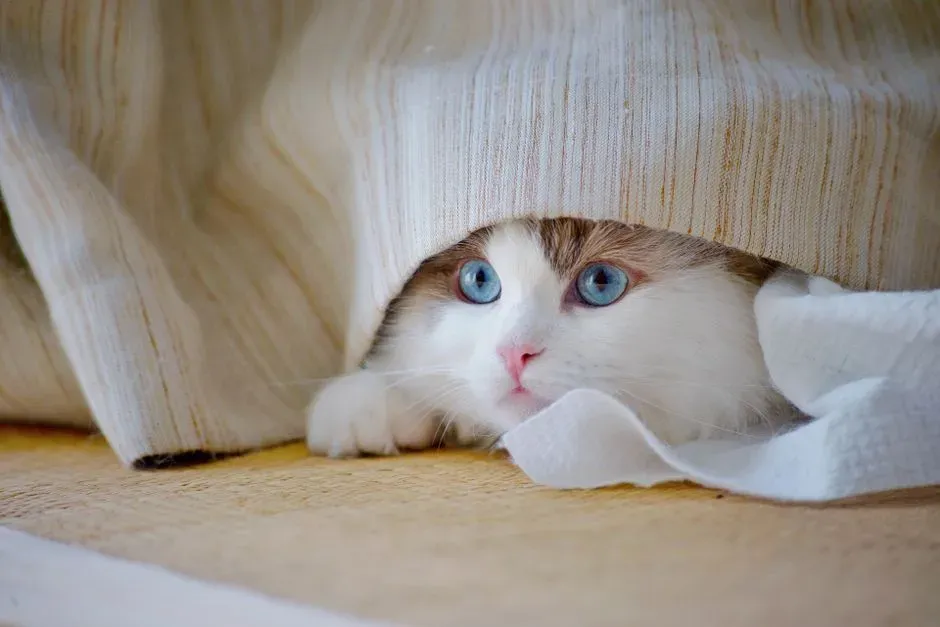
Cats that feel jealous or threatened might retreat to secluded spots, avoiding interaction with you or others. This withdrawal is a coping mechanism, signaling their discomfort with the current dynamics.
It’s their way of saying, “I’m not okay with this.” Providing them with safe spaces and gradually reintroducing them to the new elements can help ease their anxiety.
9. Over-Grooming
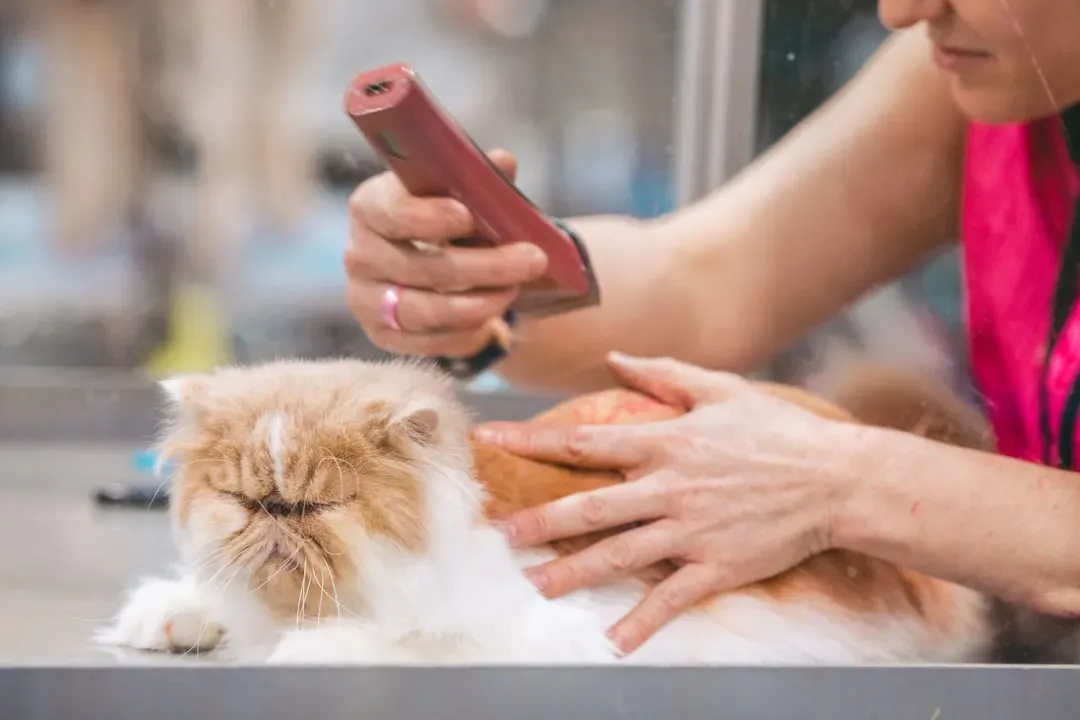
Excessive grooming, leading to bald patches or skin irritation, can be a sign of stress. If your cat starts grooming obsessively after a change in the household, it’s worth considering jealousy as a potential cause.
This self-soothing behavior is their attempt to manage anxiety. Addressing the root cause of their stress can help reduce this compulsive grooming.
10. Blocking Access
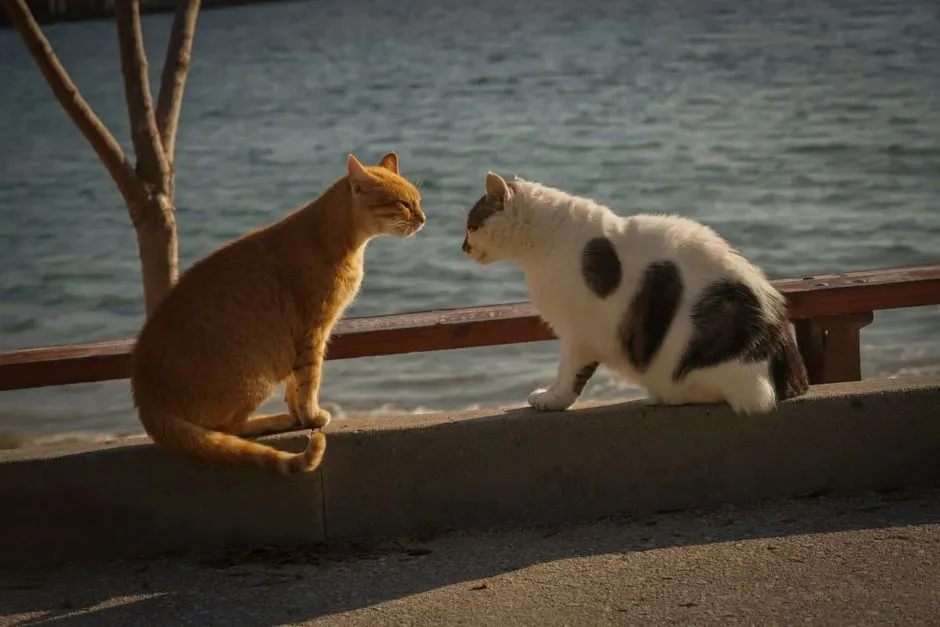
Some cats will physically position themselves between you and the object of their jealousy, be it another pet, a person, or even an inanimate object like a phone or book. This behavior is a clear attempt to monopolize your attention.
By placing themselves front and center, they’re ensuring that your focus remains on them. It’s a direct and unmistakable sign of their desire to be your priority.
Understanding these behaviors is crucial in addressing your cat’s emotional needs. By recognizing the signs of jealousy, you can take steps to reassure your feline friend and maintain a peaceful, loving environment for all members of your household.


