
What It Means When a Dog Licks Your Ears
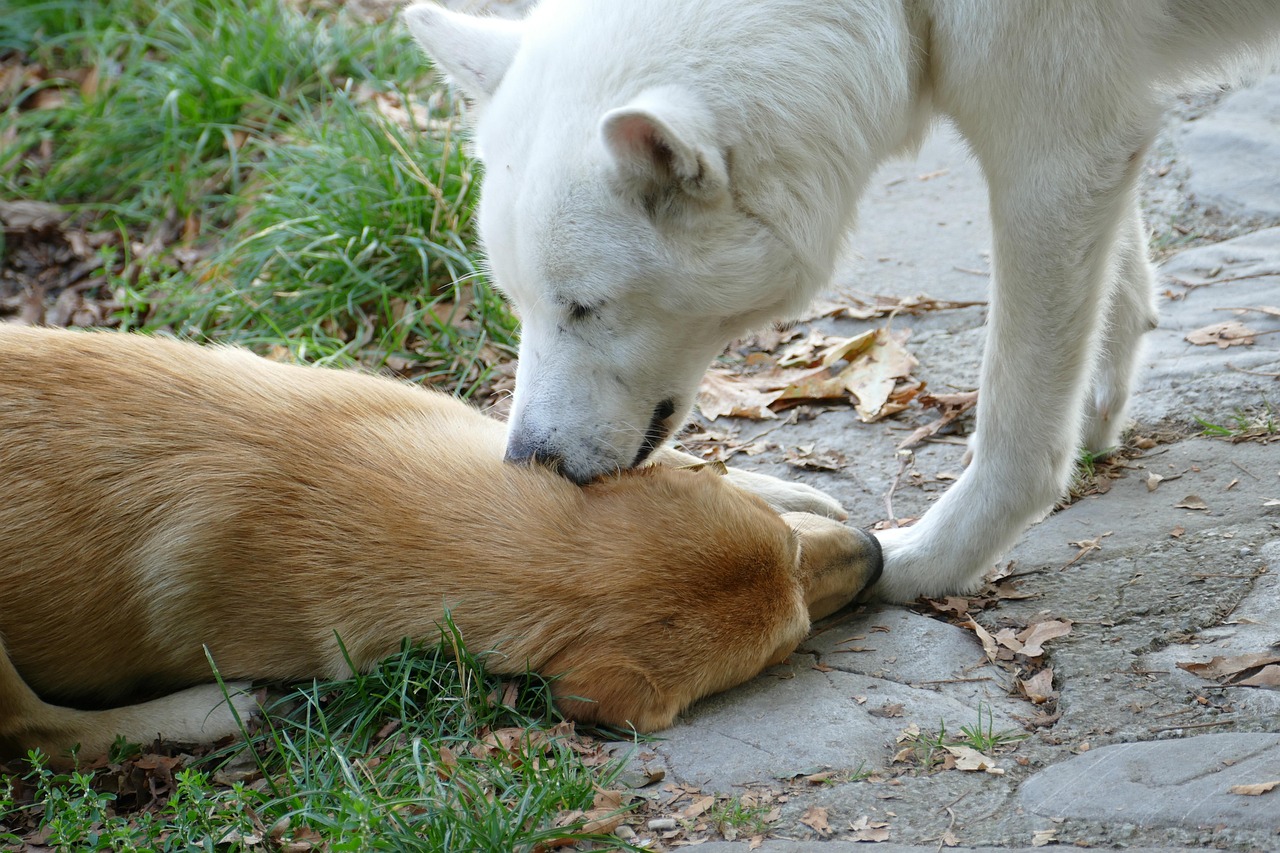
Ever found yourself on the receiving end of a slobbery ear-lick from your furry friend and wondered, “What’s that all about?” While it might tickle or even feel a bit gross, this behavior is deeply rooted in canine instincts and communication. Let’s dive into the reasons behind this quirky habit.
A Sign of Affection and Bonding

Dogs often use licking as a way to express affection. When your pup licks your ears, it’s akin to a human hug or kiss. This behavior stems from their early days as puppies, when licking was a primary means of bonding with their mother and littermates. By licking your ears, your dog is reinforcing the bond and trust between you two.
Moreover, this act can be a soothing ritual for dogs. The repetitive motion of licking releases endorphins, promoting feelings of comfort and relaxation. So, when your dog chooses your ears as their licking target, it’s a sign they feel safe and connected with you.
Grooming Instincts at Play

In the wild, canines engage in mutual grooming to maintain cleanliness and social bonds. Your dog’s ear-licking behavior can be an extension of this instinct. They might perceive your ears as areas that need attention and are simply trying to help you stay clean.
Additionally, ears can harbor unique scents and tastes due to natural oils and wax. Your dog might be intrigued by these unfamiliar flavors, prompting them to lick as a form of exploration and grooming combined.
Seeking Attention and Interaction

Sometimes, ear licking is your dog’s way of grabbing your attention. If they’ve noticed that this behavior elicits a reaction – be it laughter, petting, or verbal acknowledgment – they might repeat it to engage with you. It’s their method of saying, “Hey, let’s interact!”
This behavior can become a learned tactic, especially if it’s consistently met with positive reinforcement. Over time, your dog may associate ear licking with receiving attention, making it a go-to move when they desire interaction.
Exploring Tastes and Scents

Dogs experience the world largely through their senses of smell and taste. Your ears, producing natural oils and wax, offer a medley of scents and flavors that can be intriguing to your canine companion. This curiosity can lead them to lick your ears as a means of exploration.
Furthermore, if you’ve recently applied lotions, perfumes, or other products near your ears, the new scents can pique your dog’s interest, prompting them to investigate through licking.
Displaying Submissive Behavior

In canine social structures, licking can be a sign of submission. By licking your ears, your dog might be acknowledging your role as the leader or expressing deference. This behavior is often observed in pack dynamics, where lower-ranking members lick higher-ranking ones to show respect.
This submissive gesture is a way for your dog to communicate their trust and recognition of your authority within your shared “pack.”
Addressing Anxiety or Stress

Licking can serve as a self-soothing mechanism for dogs experiencing anxiety or stress. If your dog is licking your ears excessively, it might be their way of coping with underlying emotional discomfort. This behavior can provide them with a sense of security and calmness.
It’s essential to observe the context in which the licking occurs. If it’s accompanied by other signs of anxiety, such as pacing, whining, or destructive behavior, it might be time to consult with a veterinarian or animal behaviorist.
Potential Health Concerns

While occasional ear licking is generally harmless, excessive or obsessive licking can lead to issues. The moisture from constant licking can create an environment conducive to infections, both for you and your dog. Additionally, if your dog is fixated on licking their own ears, it could indicate an underlying health problem, such as an ear infection or allergies.
Monitoring the frequency and intensity of the behavior is crucial. If it becomes excessive or is accompanied by other concerning symptoms, seeking professional advice is recommended.
How to Manage and Redirect the Behavior

If ear licking becomes bothersome or excessive, it’s important to address it appropriately. Redirecting your dog’s attention to more acceptable behaviors, such as playing with a toy or engaging in training exercises, can be effective. Consistent positive reinforcement for desired behaviors will help your dog understand what is acceptable.
Avoid punishing your dog for licking, as this can lead to confusion and anxiety. Instead, focus on providing alternative outlets for their licking instincts and ensuring they receive ample attention and mental stimulation.
Conclusion

In the grand tapestry of canine behavior, ear licking is a multifaceted act that can signify affection, grooming instincts, attention-seeking, or even submission. While it’s often a harmless and endearing gesture, it’s essential to monitor the behavior to ensure it doesn’t become excessive or problematic. Understanding the motivations behind your dog’s actions fosters a deeper bond and allows for a harmonious relationship. So, the next time your pup gives your ear a lick, consider it a wet, whiskery whisper of love and trust. How will you respond to this unique expression of canine affection?