Dogs have long been celebrated for their unwavering loyalty and deep emotional connections with their human companions. As science delves deeper into canine behavior, intriguing patterns emerge, especially concerning how dogs react when sensing their owner’s impending death. Recent studies shed light on these behaviors, offering explanations rooted in biology and psychology.
1. Increased Clinginess
1. Increased Clinginess (Image Credits: Pixabay)Many dogs become exceptionally clingy, following their owners from room to room and seeking constant physical contact. This behavior is believed to stem from their acute sensitivity to changes in human body chemistry and emotional states. As a person nears death, subtle shifts occur that dogs can detect, prompting them to stay close as a form of comfort and protection.
2. Restlessness and Pacing
2. Restlessness and Pacing (Image Credits: Rawpixel)Some dogs exhibit restlessness, pacing around the house without settling. This agitation may be a response to the emotional turmoil they sense in their environment. Dogs are highly attuned to human emotions, and the anxiety or sadness of a dying person can manifest in the dog’s behavior as restlessness.
3. Changes in Appetite
3. Changes in Appetite (Image Credits: Pixabay)A noticeable decrease in appetite is common among dogs sensing their owner’s decline. This loss of interest in food can be attributed to stress and anxiety. The disruption of their routine and the emotional distress they perceive can lead to reduced food intake.
4. Seeking Solitude
4. Seeking Solitude (Image Credits: Pixabay)Conversely, some dogs may withdraw and seek solitude, retreating to quiet corners or hiding under furniture. This behavior might be an instinctual response to the stress and confusion they experience due to the changes in their environment and the health of their owner.
5. Increased Vocalization
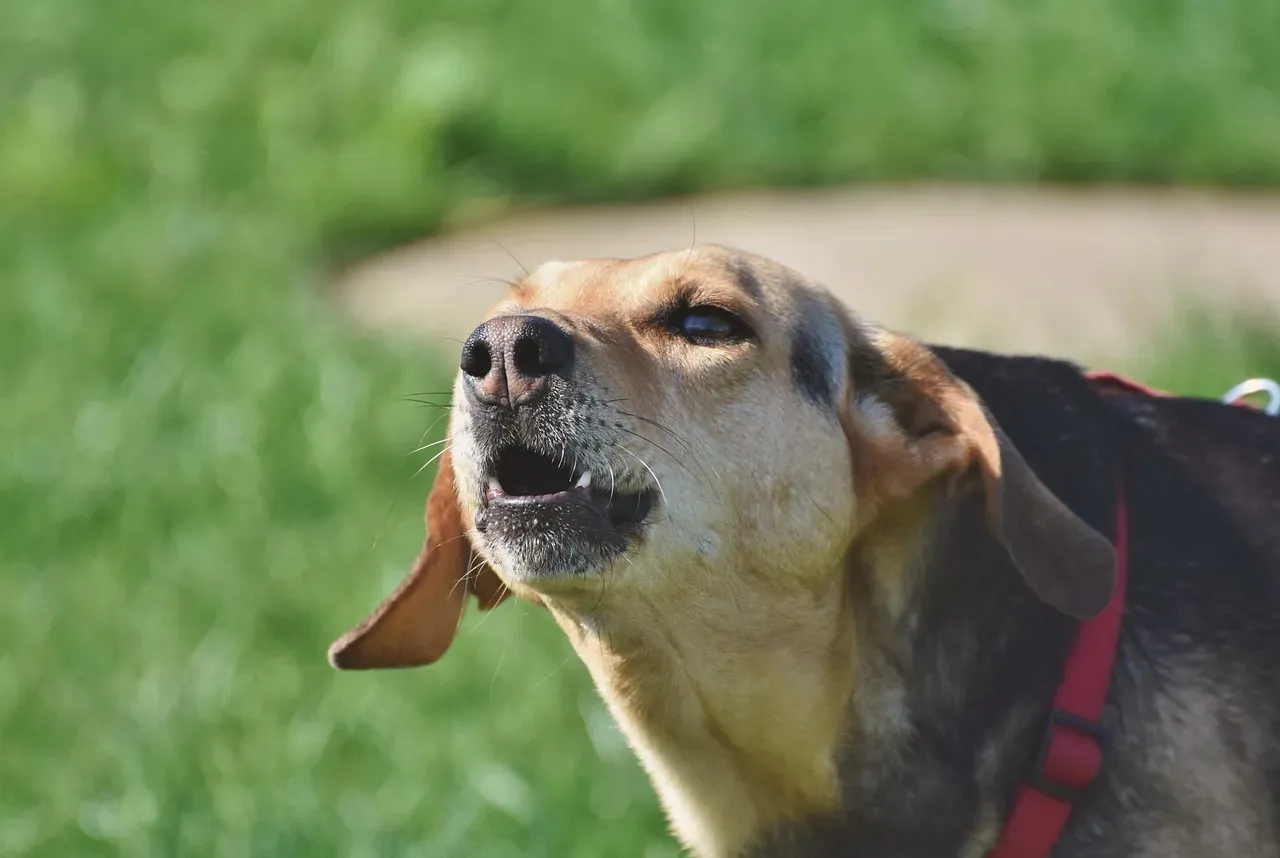
5. Increased Vocalization (Image Credits: Pixabay)Dogs may whine, howl, or bark more than usual when they sense their owner’s impending death. This vocalization can be a way of expressing their distress or attempting to alert others to the changes they are perceiving.
6. Guarding Behavior
6. Guarding Behavior (Image Credits: Pixabay)Some dogs become protective, positioning themselves between their owner and others, or displaying guarding behaviors. This instinctual response is likely an attempt to shield their vulnerable owner from perceived threats during a critical time.
7. Changes in Sleep Patterns
7. Changes in Sleep Patterns (Image Credits: Pixabay)Altered sleep patterns, such as sleeping more or less than usual, are observed in dogs during this period. These changes can result from the stress and anxiety they feel, as well as disruptions in their daily routines.
8. Loss of Interest in Play
8. Loss of Interest in Play (Image Credits: Pixabay)Dogs may show a decreased interest in play and other activities they once enjoyed. This withdrawal can be a sign of their emotional distress and the impact of sensing their owner’s declining health.
9. House Soiling
9. House Soiling (Image Credits: Pixabay)Even well-trained dogs might begin to have accidents indoors. This behavior can be linked to the stress and anxiety they are experiencing, leading to a loss of control over their bodily functions.
10. Mirroring Emotional States
10. Mirroring Emotional States (Image Credits: Stocksnap)Dogs often mirror the emotional states of their owners. If an owner is experiencing fear, sadness, or anxiety, the dog may exhibit similar emotions, reflecting the deep bond and empathy they share.Understanding these behaviors provides insight into the profound connection between dogs and their owners. It also highlights the importance of providing support and comfort to our canine companions during such challenging times. Recognizing these signs can help owners and caregivers offer the necessary care and reassurance to dogs as they navigate the emotional complexities of their owner’s final days.