Bringing a new dog into your home is an exciting journey filled with joy and companionship. However, one of the first challenges many owners face is housebreaking their new furry friend. While some breeds seem to grasp the concept almost immediately, others can turn this process into a prolonged test of patience. Let’s explore ten dog breeds that are notoriously difficult to housebreak, followed by five breeds that typically make the process a breeze.
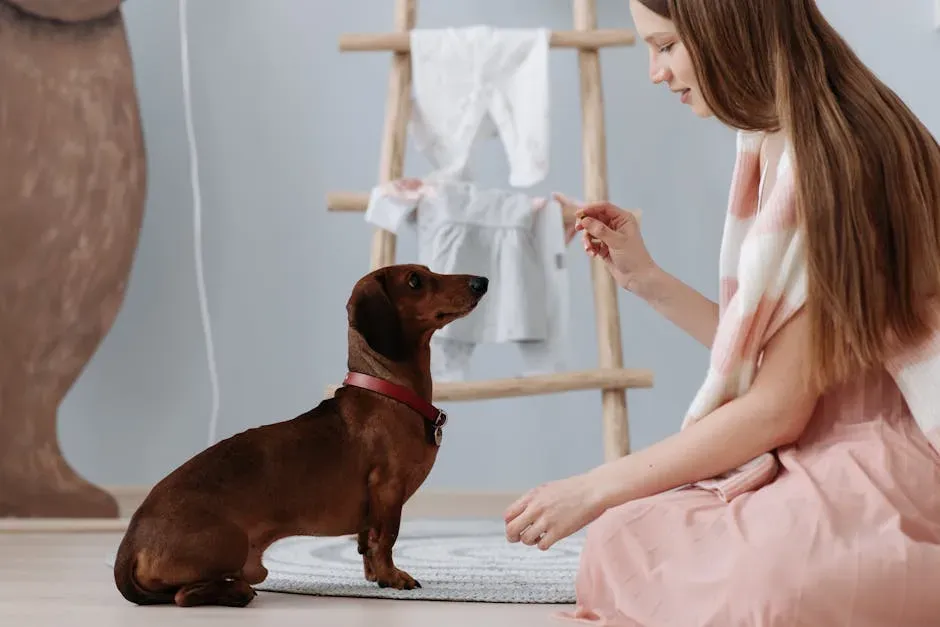
Dachshund: The Stubborn Sleuth
Dachshund: The Stubborn Sleuth (Image Credits: Pexels)Dachshunds, with their elongated bodies and spirited personalities, are often a favorite among dog lovers. However, their independent nature can make housebreaking a formidable task. Originally bred for hunting, they possess a strong will and a keen sense of smell, which can lead them to follow their own instincts rather than adhere to a strict potty schedule. Consistency and positive reinforcement are essential when training these determined little dogs.Adding to the challenge, Dachshunds are known to dislike inclement weather. Rain or cold can deter them from wanting to go outside, leading to indoor accidents. Establishing a routine and using rewards can help, but be prepared for a journey that requires ample patience and understanding.
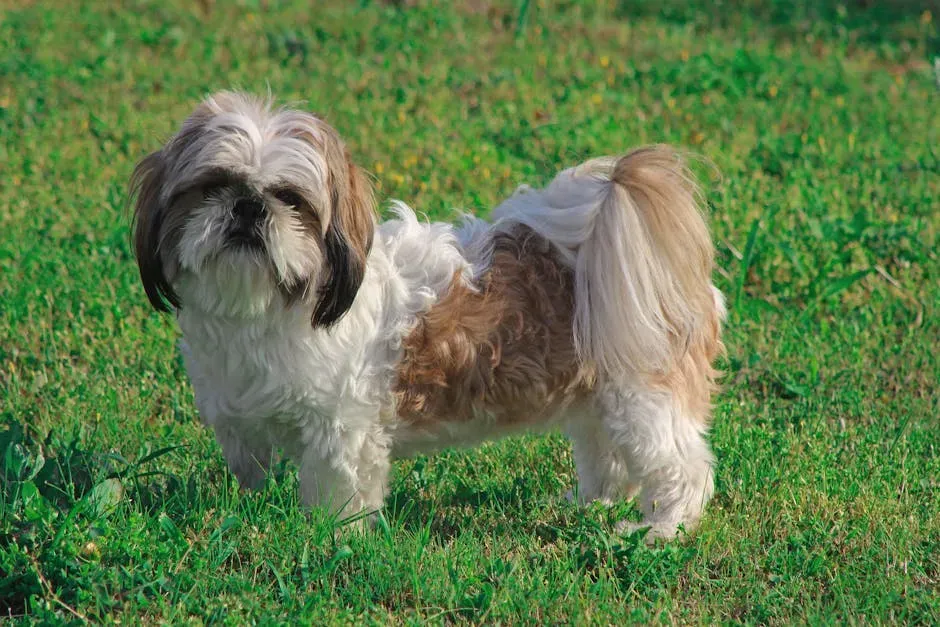
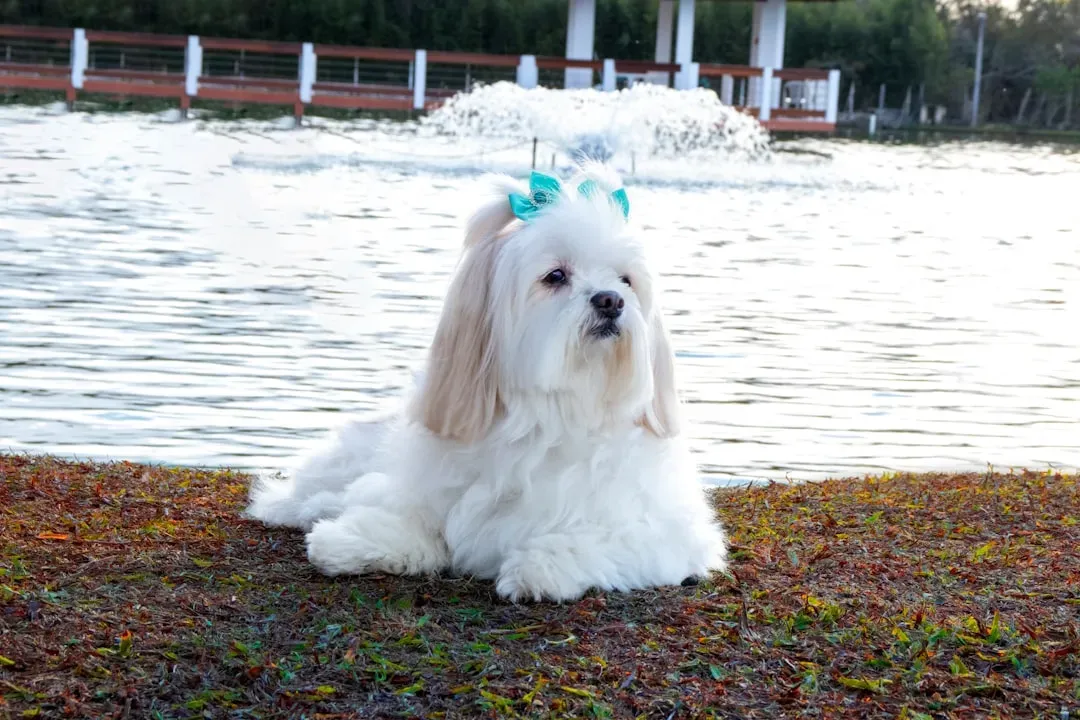
Shih Tzu: The Regal Rebel
Shih Tzu: The Regal Rebel (Image Credits: Pexels)Shih Tzus, often referred to as “lion dogs,” carry an air of royalty and charm. However, this regal demeanor comes with a streak of stubbornness that can complicate housebreaking efforts. Their independent nature means they might not always be inclined to follow commands, especially when it comes to bathroom habits.Moreover, Shih Tzus can be sensitive to their environment. Changes in routine or household dynamics can lead to setbacks in training. It’s crucial to maintain a consistent schedule and provide positive reinforcement to guide them toward proper habits. Remember, patience is key with these charming yet headstrong companions.
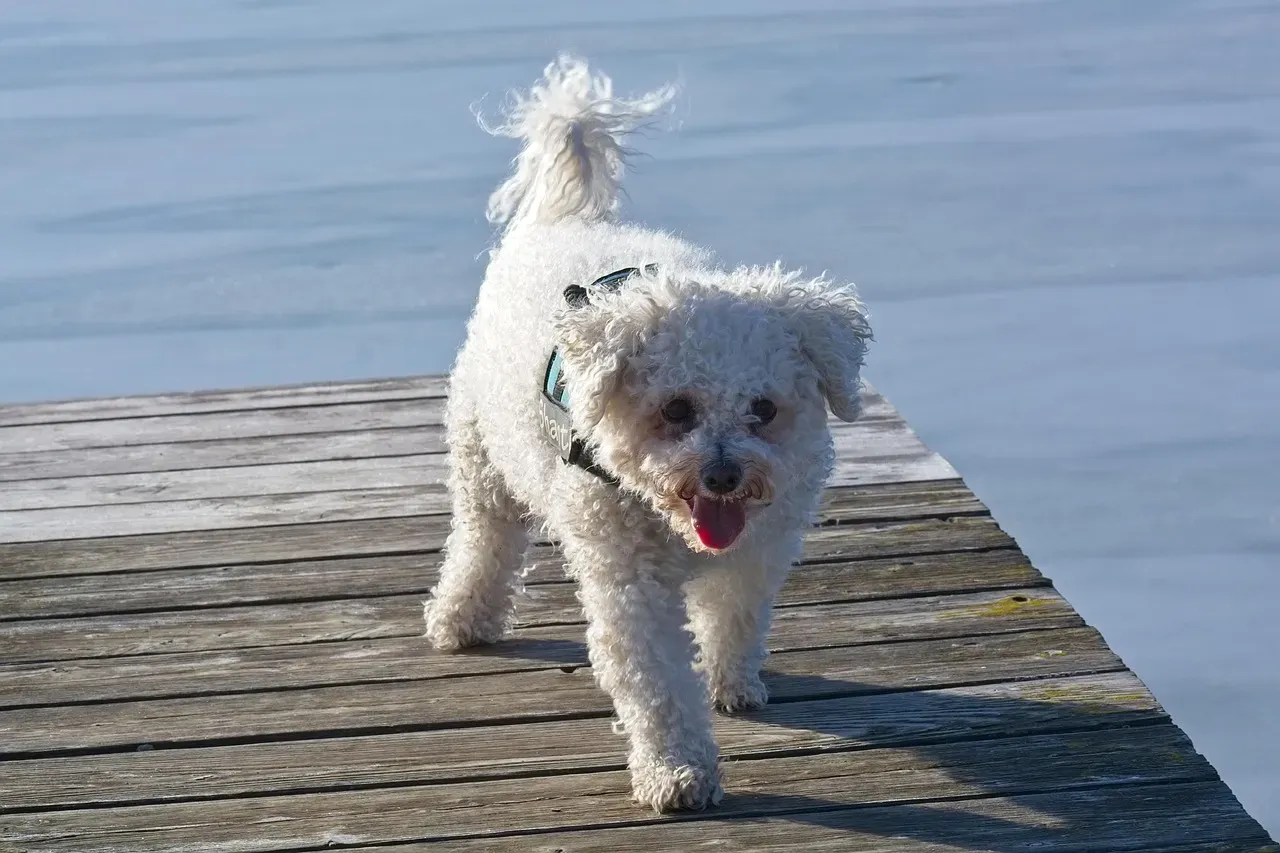
Bichon Frise: The Independent Charmer
Bichon Frise: The Independent Charmer (Image Credits: Pixabay)The Bichon Frise, with its fluffy white coat and cheerful disposition, is a breed that captures hearts effortlessly. However, their independent streak can pose challenges during housebreaking. They are intelligent and can quickly learn commands, but their desire to do things their own way can lead to resistance in following a strict potty schedule.Additionally, Bichons are known to be particular about their surroundings. They may refuse to go outside in unfavorable weather conditions, preferring the comfort of indoors. To successfully housebreak a Bichon Frise, it’s important to establish a routine, use positive reinforcement, and be prepared for occasional setbacks.
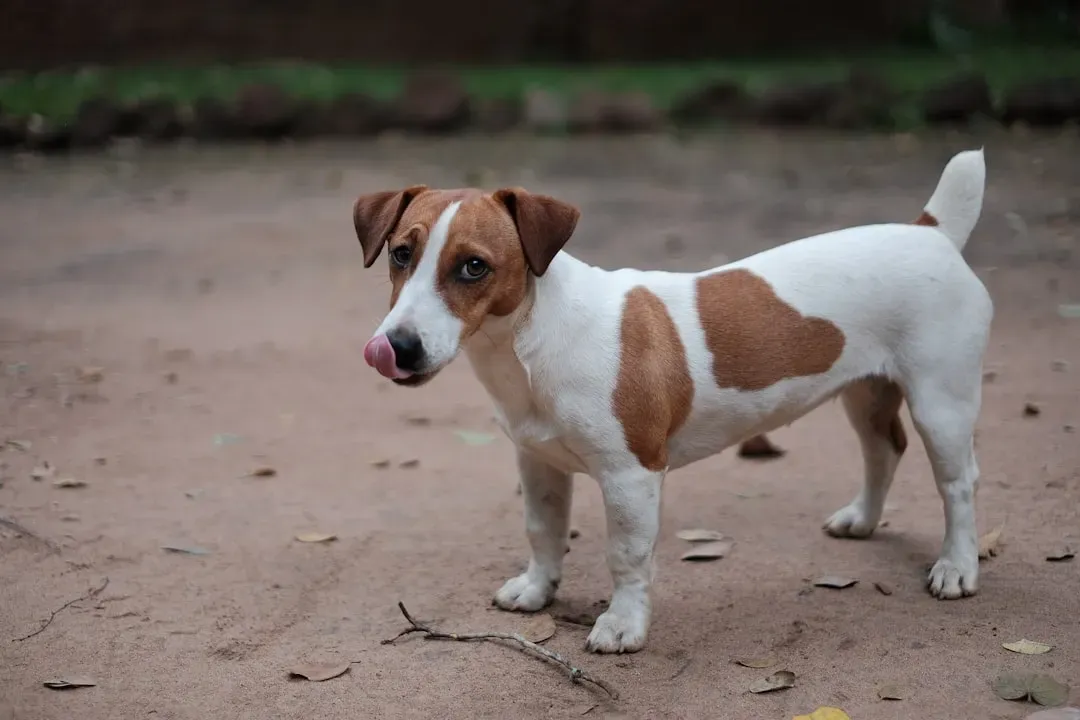
Jack Russell Terrier: The Energetic Maverick
Jack Russell Terrier: The Energetic Maverick (Image Credits: Unsplash)Jack Russell Terriers are bundles of energy and intelligence, traits that make them both delightful and challenging companions. Their high energy levels and short attention spans can make housebreaking a daunting task. They are easily distracted, which can lead to inconsistent bathroom habits.Furthermore, Jack Russells have a strong independent streak. They were bred for hunting and have a natural inclination to follow their own instincts. Consistent training, ample exercise, and positive reinforcement are crucial in guiding them toward proper housebreaking habits. Be prepared for a lively training process that matches their spirited nature.
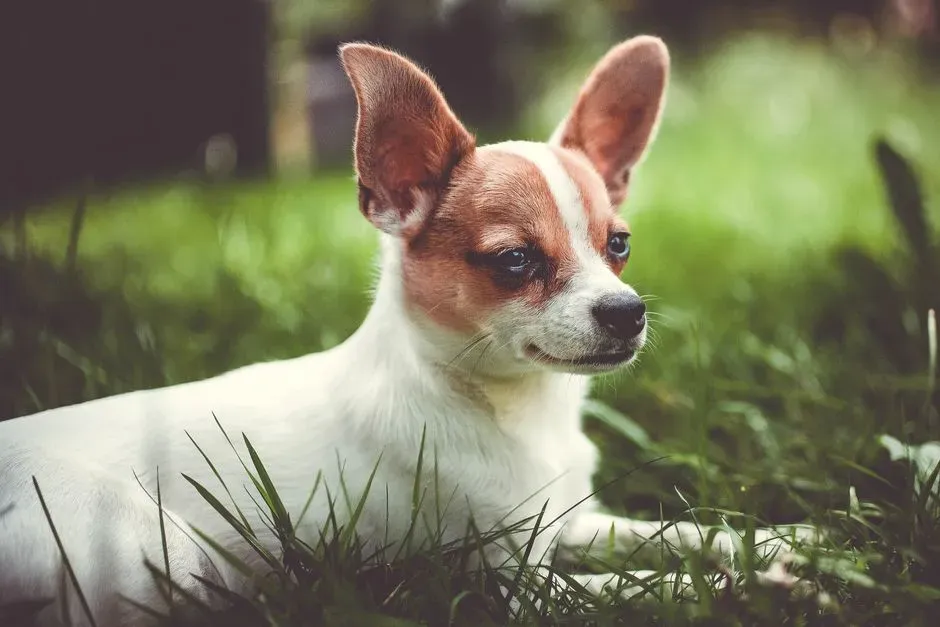
Chihuahua: The Tiny Tyrant
Chihuahua: The Tiny Tyrant (Image Credits: Pexels)Chihuahuas may be small in size, but they possess personalities that are anything but diminutive. Their strong-willed nature can make housebreaking a significant challenge. They often prefer to do things on their own terms, which can lead to resistance in following a potty schedule.Additionally, Chihuahuas are known to dislike cold or wet weather, making them reluctant to go outside for bathroom breaks. This can result in indoor accidents if not managed properly. Establishing a consistent routine, using positive reinforcement, and providing indoor potty options during unfavorable weather can aid in the housebreaking process.
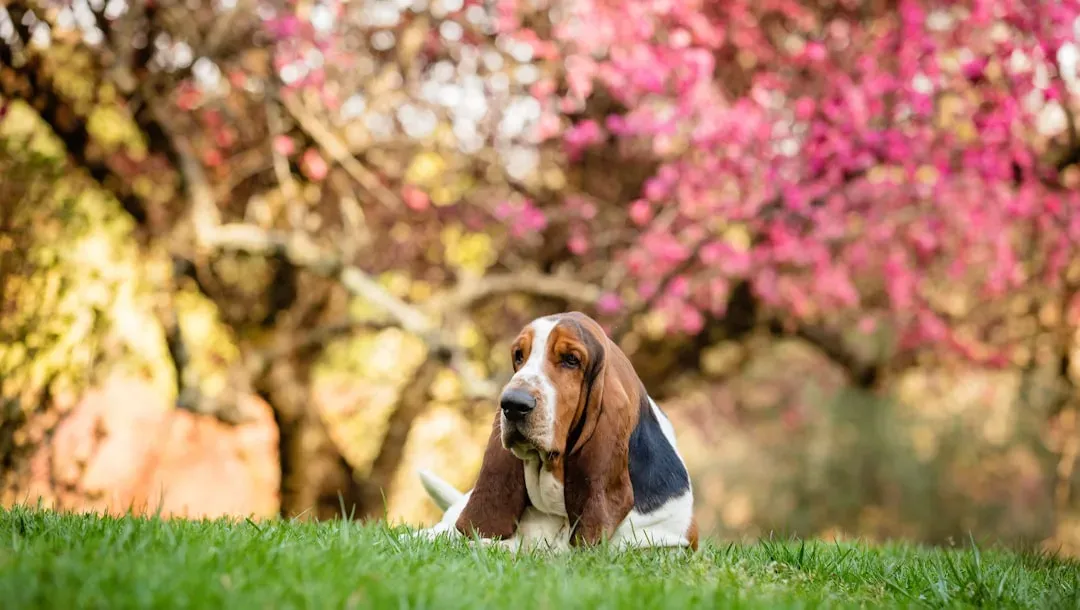
Basset Hound: The Scent-Driven Stroller
Basset Hound: The Scent-Driven Stroller (Image Credits: Unsplash)Basset Hounds, with their droopy ears and soulful eyes, are endearing companions. However, their strong sense of smell and laid-back nature can make housebreaking a slow process. They are easily distracted by scents, which can lead them to forget the task at hand during potty breaks.Moreover, Basset Hounds are known for their stubbornness. They may require extra time and patience to grasp housebreaking concepts fully. Consistency, positive reinforcement, and understanding their scent-driven distractions are key to successfully training a Basset Hound.
Lhasa Apso: The Independent Guardian
Lhasa Apso: The Independent Guardian (Image Credits: Unsplash)Lhasa Apsos were originally bred as sentinel dogs in Tibetan monasteries, a role that has instilled a strong sense of independence in the breed. This self-reliant nature can make housebreaking a challenge, as they may not always see the need to follow human-imposed rules.Additionally, Lhasa Apsos can be slow to mature, both physically and emotionally. This delayed development can result in prolonged housebreaking periods. Patience, consistency, and positive reinforcement are essential when training a Lhasa Apso, keeping in mind their independent and mature nature.
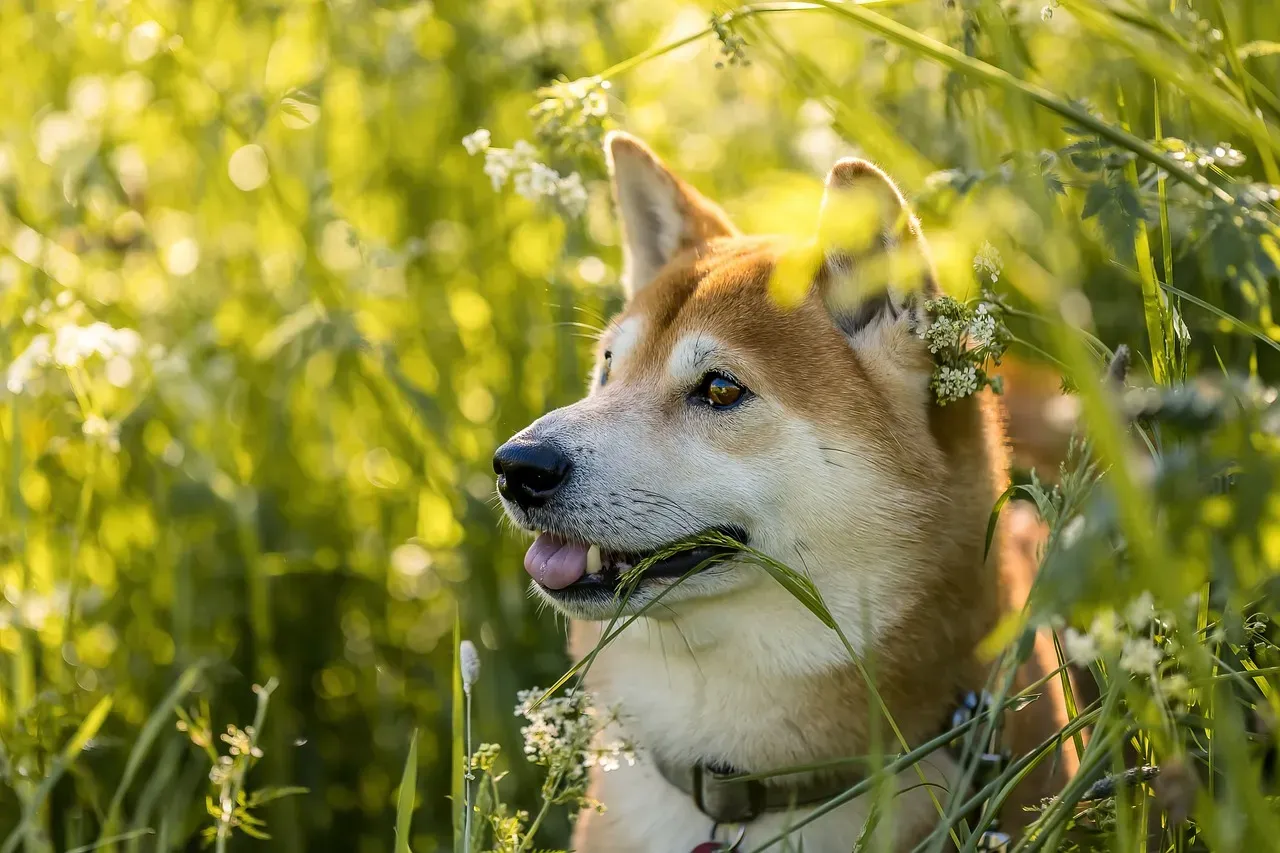
Shiba Inu: The Clean Yet Stubborn Companion
Shiba Inu: The Clean Yet Stubborn Companion (Image Credits: Pixabay)Shiba Inus are known for their cleanliness and often prefer to keep their living spaces tidy. However, their strong-willed and independent nature can make housebreaking a challenge. They may understand what is expected of them but choose to follow their own path.Despite their stubbornness, Shiba Inus can be successfully housebroken with consistent training and positive reinforcement. It’s important to establish clear rules and routines, as they respond well to structure. Understanding and respecting their independent nature can lead to a successful training experience.
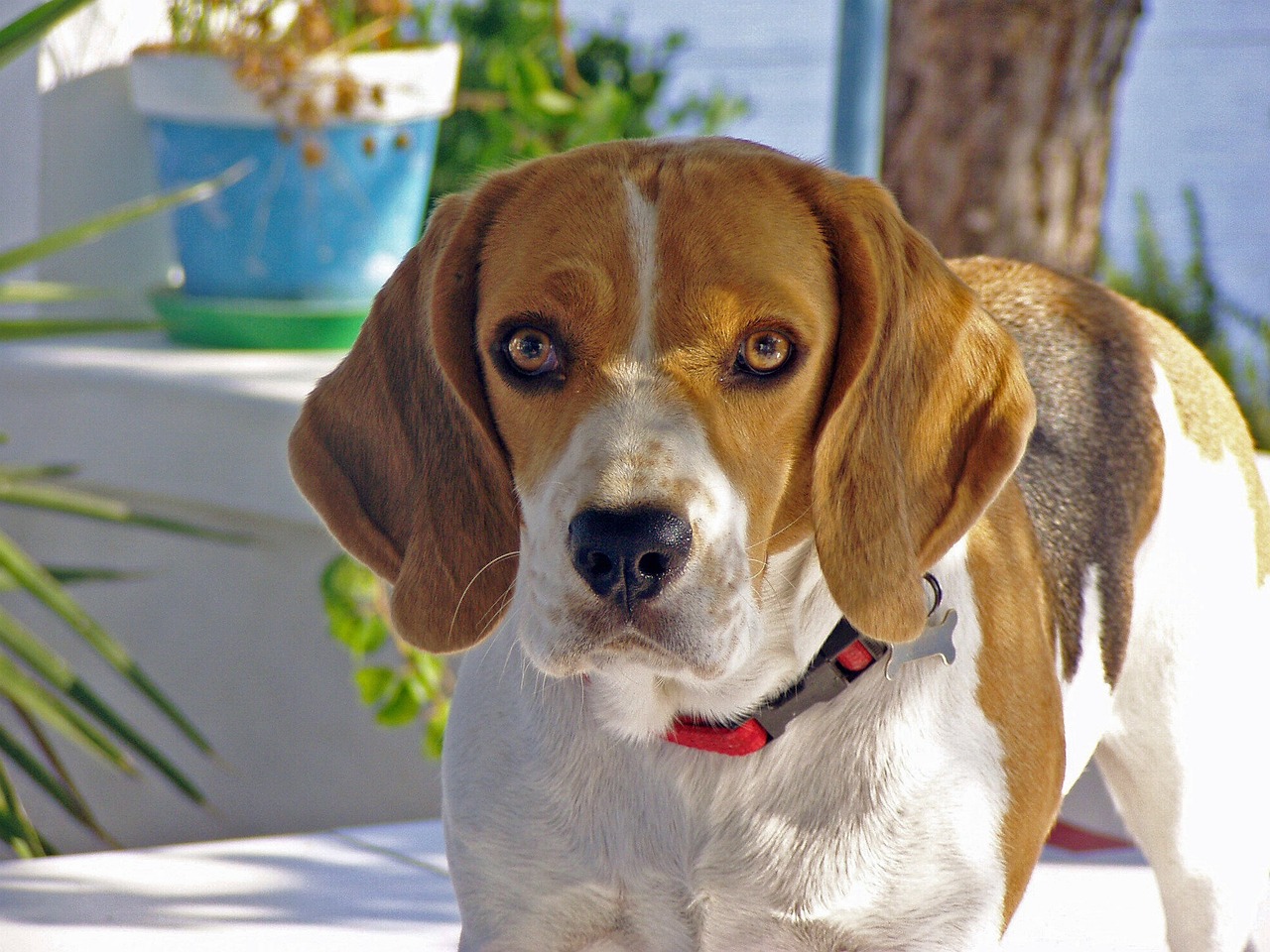
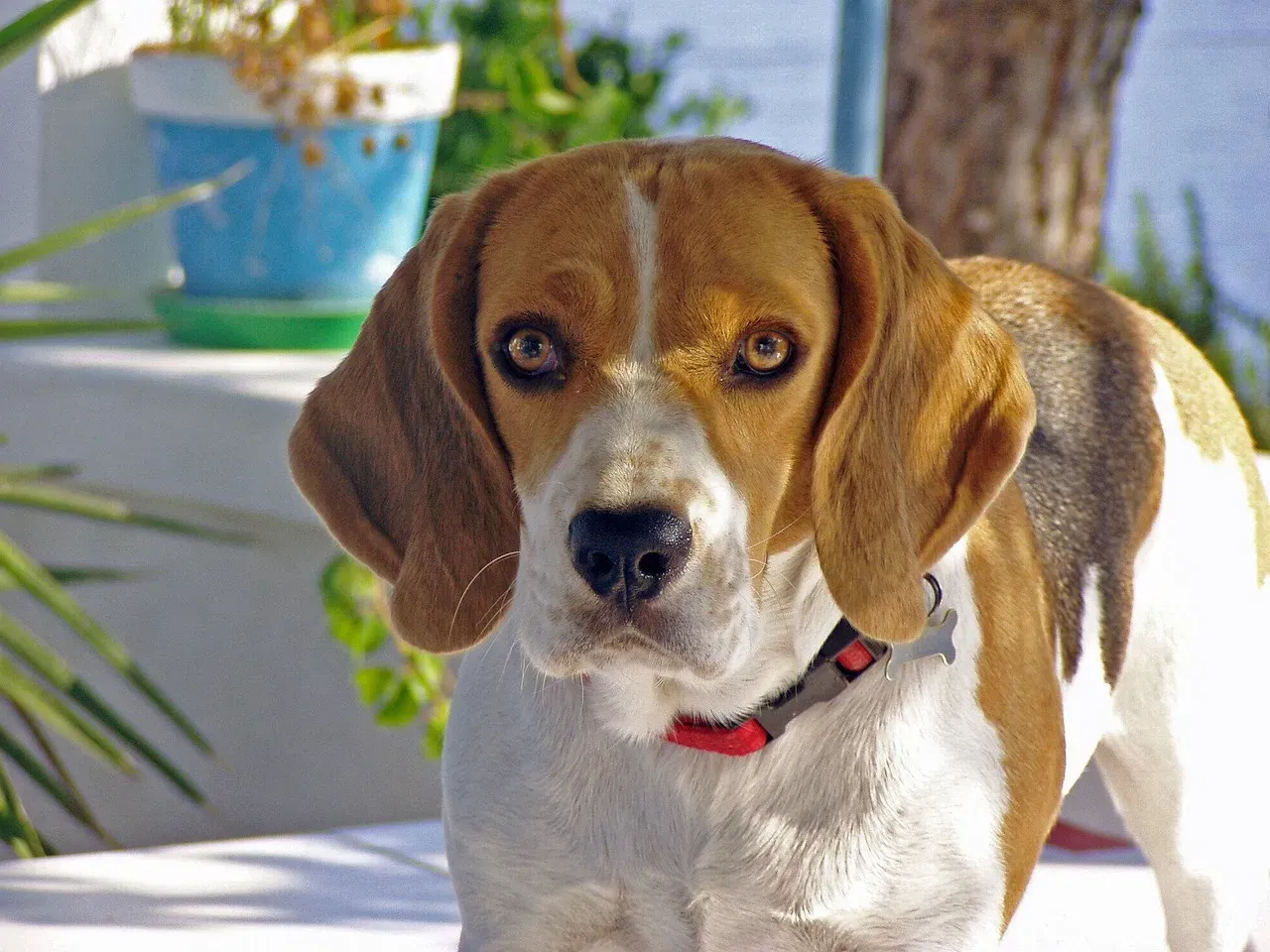
Beagle: The Nose-Focused Explorer
Beagle: The Nose-Focused Explorer (Image Credits: Pixabay)Beagles are friendly and curious dogs with an exceptional sense of smell. This strong scent drive can make housebreaking difficult, as they may become easily distracted during potty breaks. Their noses often lead them on adventures, causing them to forget the task at hand.Additionally, Beagles can be stubborn and may require extra patience during training. Establishing a consistent routine, using positive reinforcement, and minimizing distractions during potty breaks can aid in successfully housebreaking a Beagle.
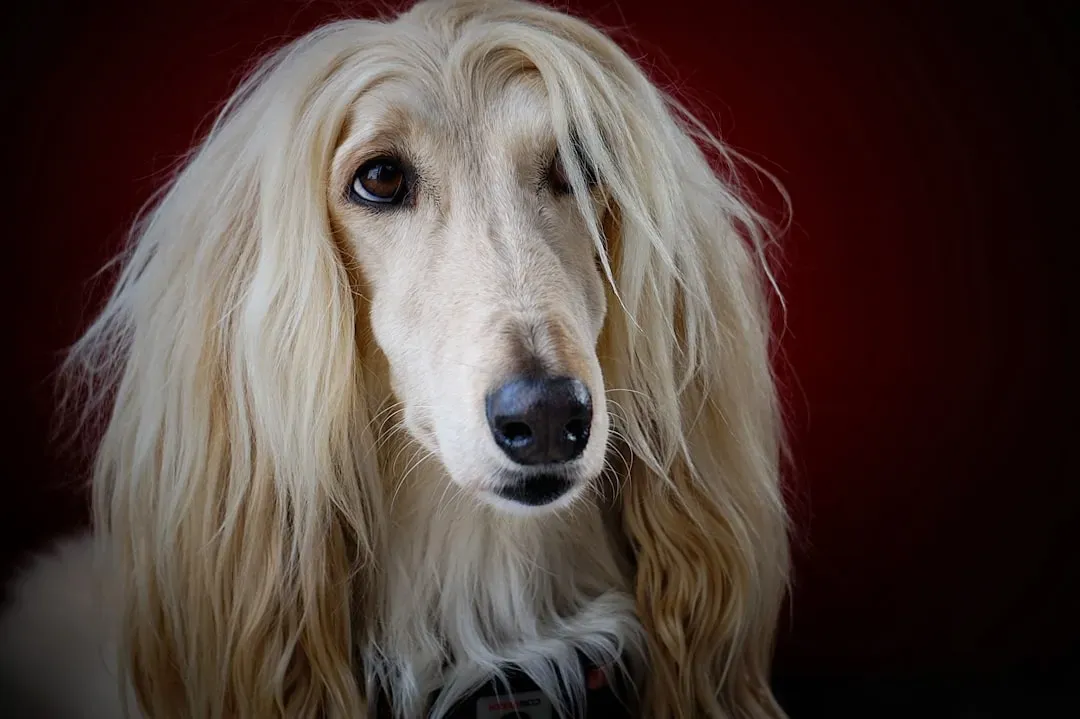
Afghan Hound: The Elegant Independent
Afghan Hound: The Elegant Independent (Image Credits: Unsplash)Afghan Hounds are known for their elegance and aloofness. Their independent nature can make housebreaking a prolonged process, as they may not always be inclined to follow commands. They are intelligent but prefer to do things on their own terms.Moreover, Afghan Hounds can be sensitive to harsh training methods. Positive reinforcement and gentle guidance are essential when housebreaking this breed. Patience and understanding their independent nature will lead to a more successful training experience.
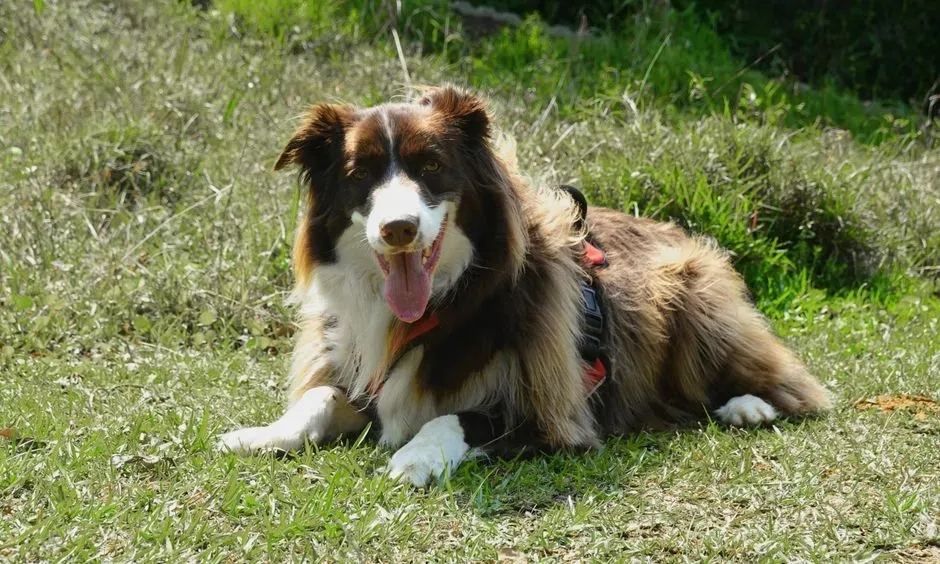
Border Collie: The Intelligent Learner
Border Collie: The Intelligent Learner (Image Credits: Pexels)Border Collies are renowned for their intelligence and eagerness to please, traits that make housebreaking relatively straightforward. They quickly grasp commands and thrive on structure, making them one of the easiest breeds to train.Their high energy levels mean they require ample exercise, which can be incorporated into their potty training routine. Consistency and positive reinforcement will ensure a smooth housebreaking process for a Border Collie.
German Shepherd: The Loyal Student
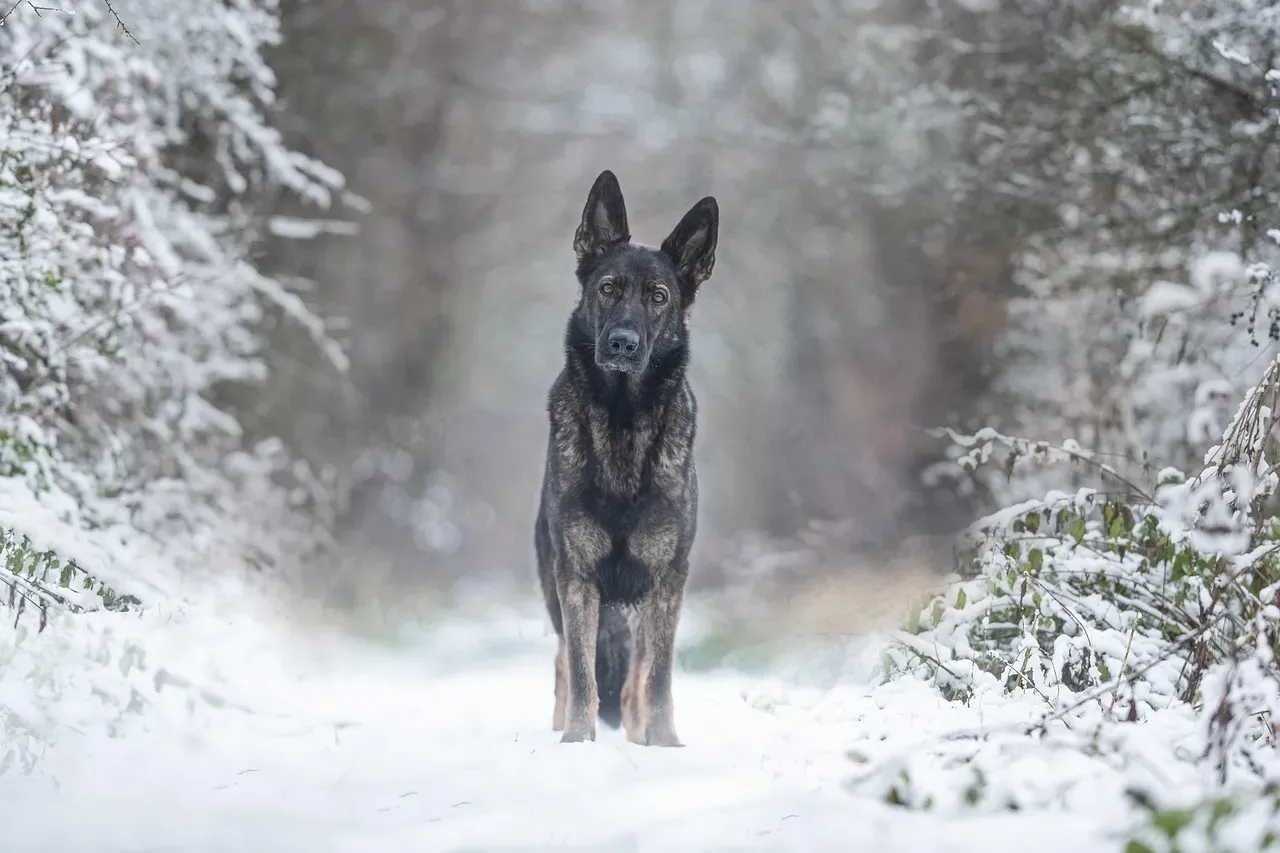
German Shepherd: The Loyal Student (Image Credits: Pixabay)German Shepherds are highly intelligent and loyal dogs that respond well to training. Their eagerness to please and quick learning abilities make housebreaking a manageable task.Establishing a routine