
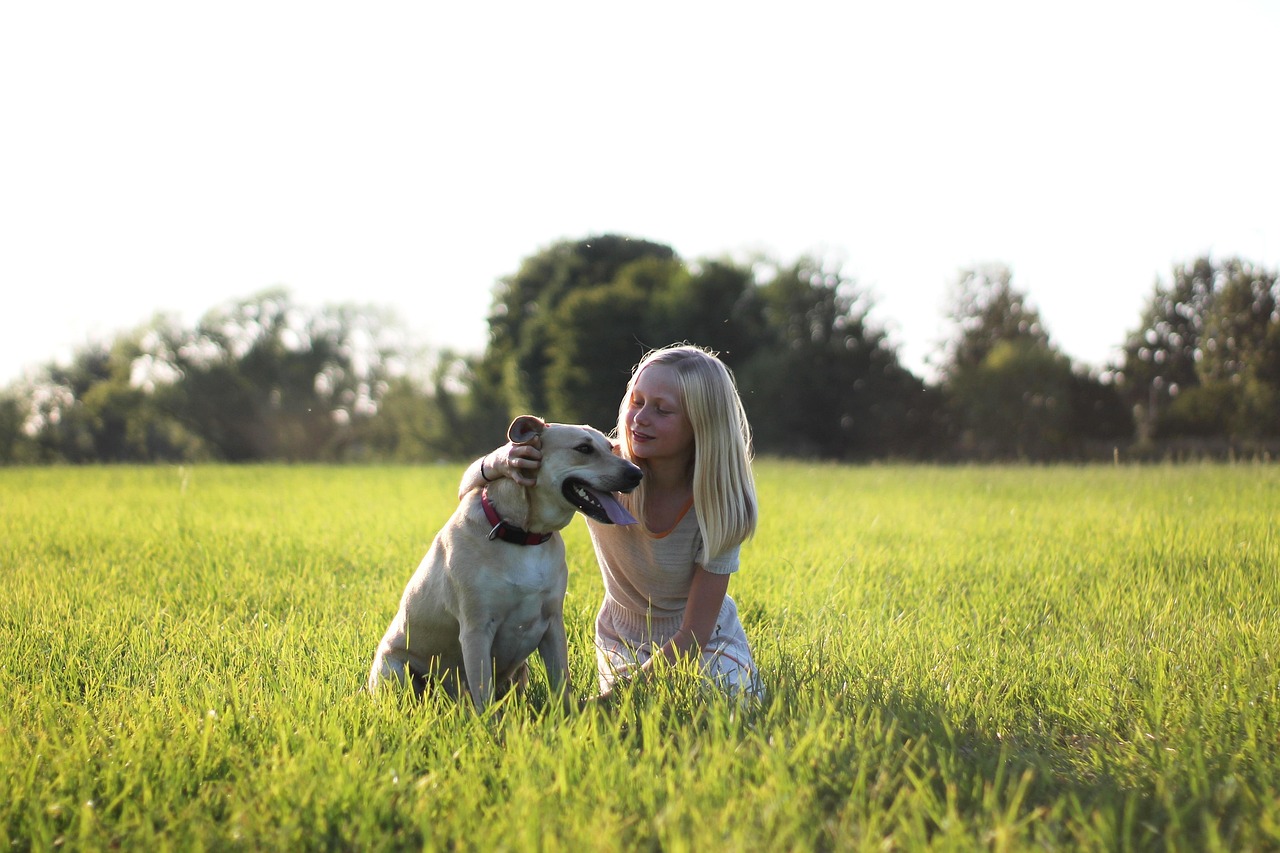
Most people assume the best part of a dog’s day is the big, showy stuff – the road trip, the new squeaky toy, the trip to the dog park with the tennis ball machine. That assumption is almost entirely wrong.
Watch a dog closely for 24 hours and you’ll notice something strange: the moments that make their whole body light up aren’t the expensive ones. They’re the ones that cost nothing and take five seconds – a rustling bag, a creak on the stairs, the exact way you say their name. Miss those, and you’re missing the actual highlight reel of your dog’s day. Here are the 17 ordinary moments dogs quietly live for, and why each one matters more than you think.
#1 – When You First Roll Over in Bed
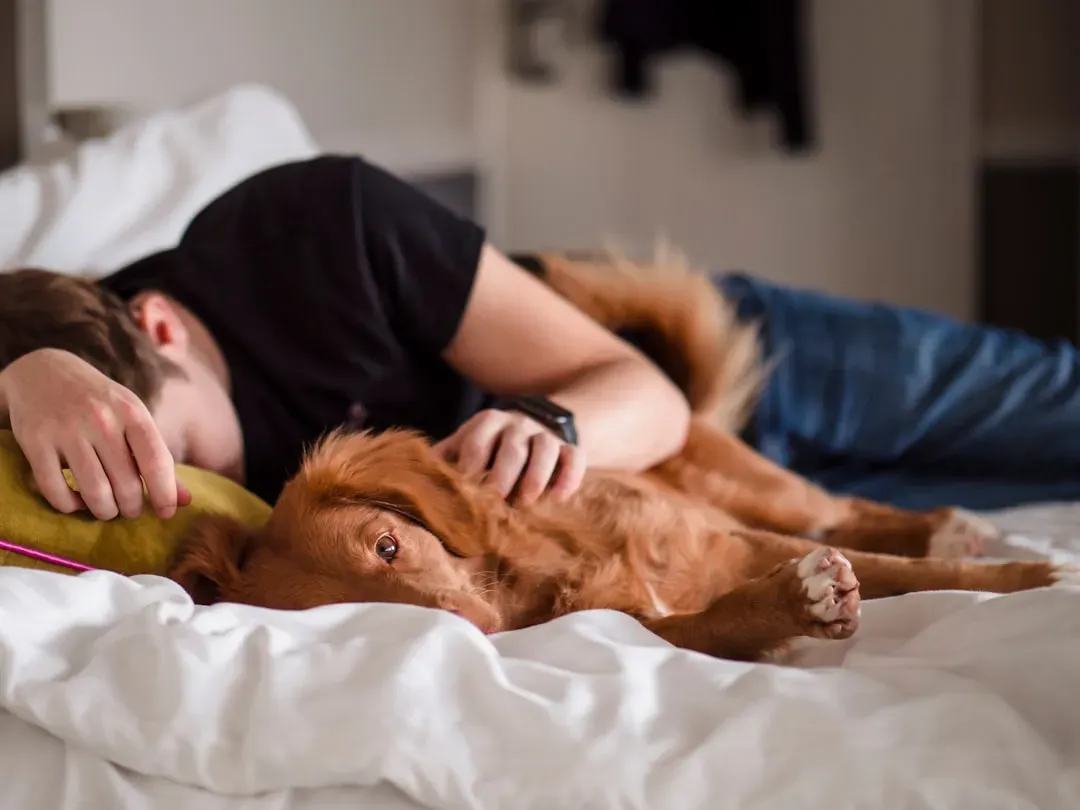
Your dog isn’t waiting for your alarm. They’re listening for the first tiny shift of your body under the covers, because that micro-movement is basically the opening credits of their favorite show. To you, it’s just rolling over. To them, it’s the first real evidence that the day – and you – are finally back online.
That’s why you get the tail thump against the mattress, the soft whine, the cold nose pressed to your arm before your eyes even open. Some dogs track your wake-up pattern so precisely they start stirring seconds before you do. Trainers debate whether this hair-trigger alertness feeds “velcro dog” clinginess, but most agree it’s really just proof of how closely a dog’s whole world orbits around yours. And #2 on this list is honestly even more telling.
#2 – The Sound of Your Feet on the Floor
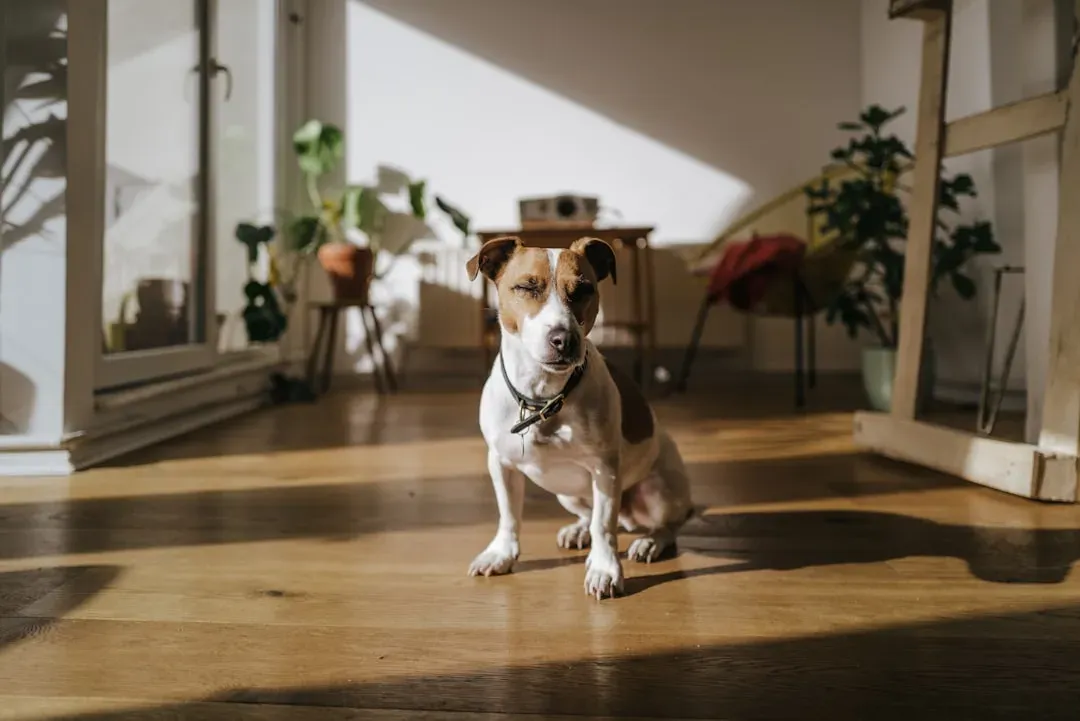
The second your feet hit the floor, it’s like someone hit play on your dog’s favorite movie. That soft thud or creak of floorboards is a tiny daily fireworks show going off in their brain, because they already know what usually comes next – movement, conversation, maybe food.
Dogs learn the specific sound of their person’s footsteps and can pick them out from everyone else’s with almost unsettling accuracy. That’s why some dogs explode with joy the moment you simply stand up, even if you’re only grabbing a glass of water. Is it a little annoying when they sprint ahead and nearly trip you in the hallway? Sure. But it’s also proof that just existing in the same room as you is enough to make their day. Wait until you see what a jingling set of keys does.
#3 – The Jingle of Keys or the Door Unlocking
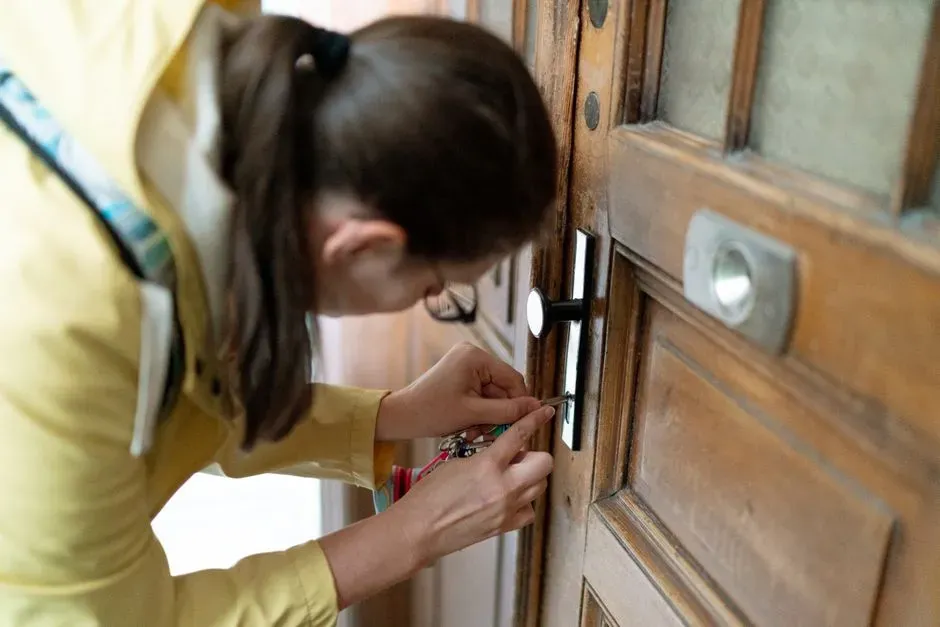
Most people assume dogs bark at the door out of pure habit. In reality, they’re riding a full emotional rollercoaster the second they hear keys jingling or the lock turning, because that tiny metallic click is often their first clue that their human is about to reappear out of thin air.
Plenty of dogs will sprint from a dead sleep just for this sound. Here’s the part people underestimate: for a dog, every reunion feels bigger than the last one, and their heart rate visibly climbs as they anticipate the door opening – even after you’ve only stepped out for ten minutes. Some behaviorists warn that over-the-top greetings can reinforce separation anxiety, but most owners secretly love the wild launch into their arms anyway. Your dog has been replaying this exact moment all day. Number 4 is where the anticipation gets even more physical.
Fast Facts
- Dogs can hear frequencies up to roughly 65,000 Hz, while human hearing tops out around 20,000 Hz – that’s why a faint jingle from another room sounds like an alarm bell to them.
- Dogs can learn to distinguish their owner’s footsteps and gait from a stranger’s, which is part of why they react before you’ve even said a word.
- Most dogs sleep 12 to 14 hours a day, often in light, easily interrupted rest near a door or window.
- A greeting response can build within seconds of hearing a key turn, even if you’ve only been gone a few minutes.
#4 – The “Are You Coming?” Look Before a Walk
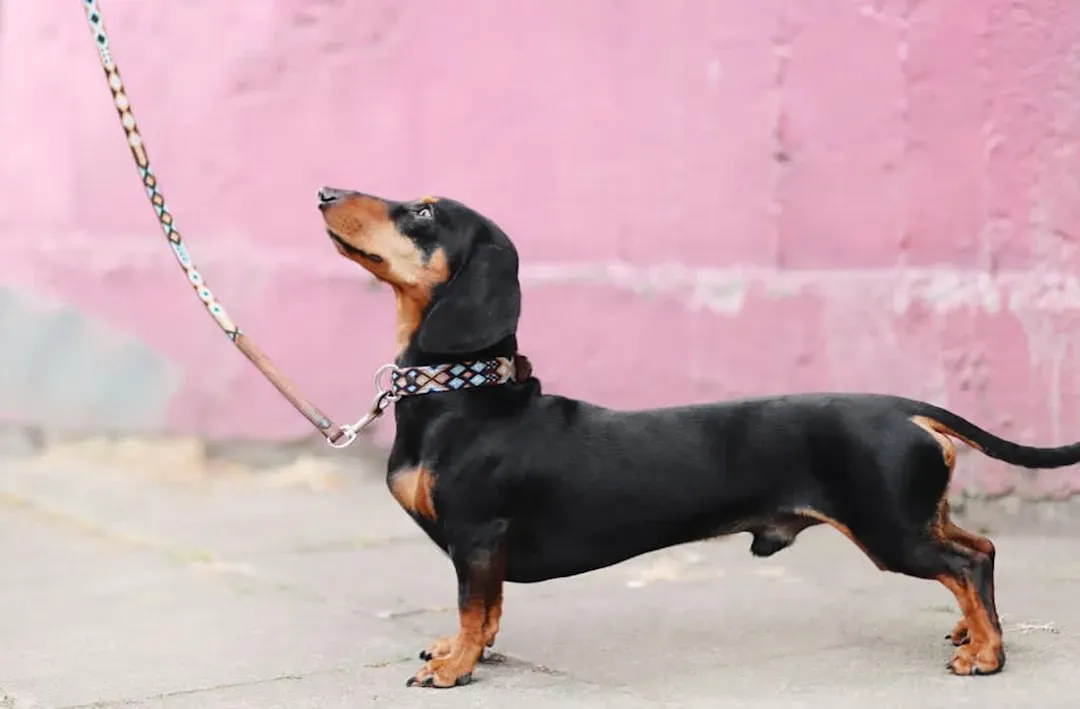
The moment you reach for the leash, your shoes, or even that one jacket you usually wear to the park, your dog is already halfway to the door. Their whole body turns into a question mark: is it happening, is it finally walk time?
You can watch it build – eyes locked on your hands, ears flicking up and back, tail starting a tentative wag that turns into a full helicopter spin the second you say the magic word. Here’s what most people miss: the anticipation itself is almost as rewarding to a dog’s brain as the actual walk. Cancel it after that buildup and you’ll see real, visible letdown. Some trainers recommend keeping the pre-walk routine calm to avoid over-arousal, but honestly, most of us live for that little explosion of hope. The next one is a rule your dog is quietly obsessed with you breaking.
#5 – The “Illegal” Couch Cuddle
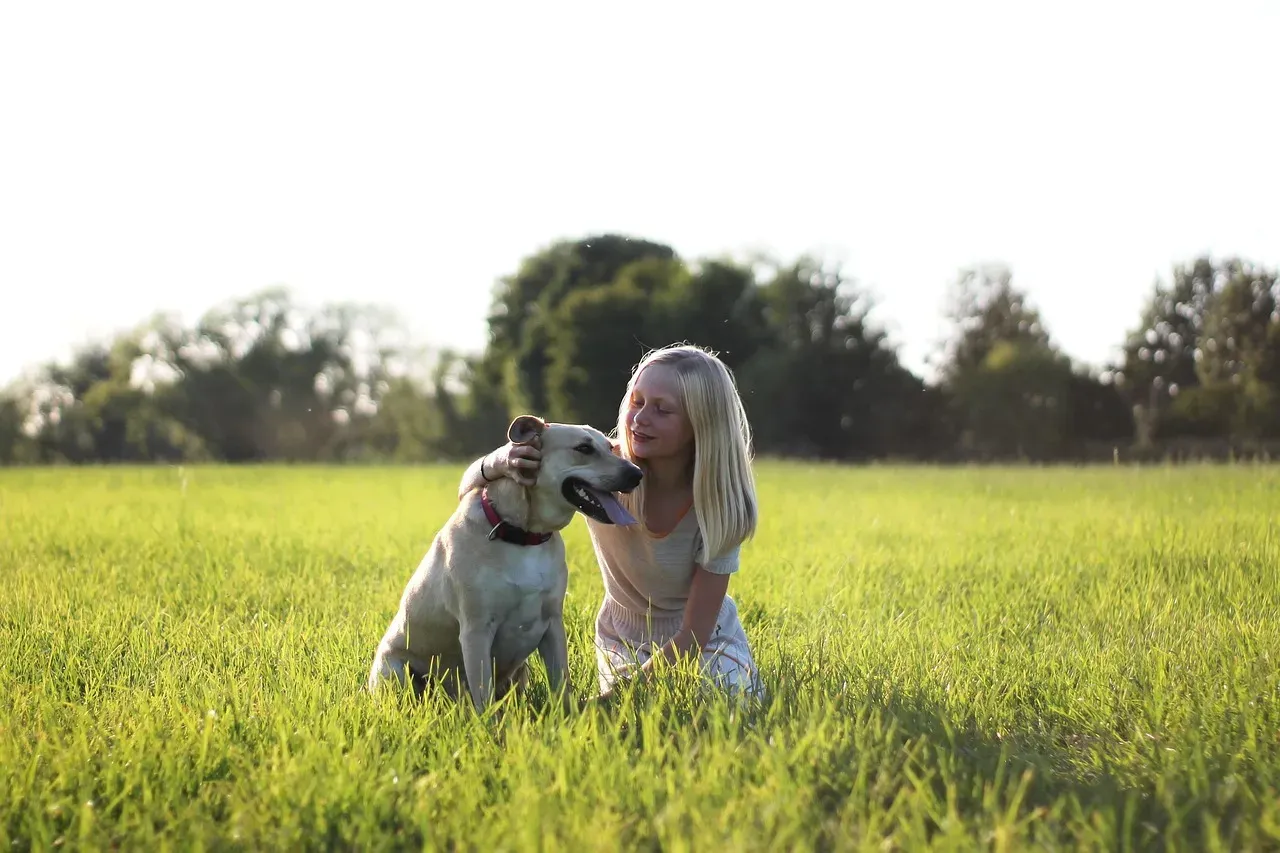
Officially, the dog isn’t allowed on the couch or the bed. Unofficially, those rule-breaking cuddles are probably the single most emotionally loaded part of your dog’s entire day. They know this spot smells like you, feels like you, and is normally off-limits.
When you tap the cushion or lift the blanket and quietly say, “come on, just this once,” their brain goes straight into lottery-winner mode. This isn’t just comfort – it’s status. Sharing a resting spot is exactly how pack animals signal trust and closeness, and letting your dog curl against your legs tells them they’re genuinely part of your inner circle, not just an animal on the floor. As one trainer put it bluntly: you don’t ruin a dog by letting them nap with you, you ruin them by ignoring them. Number 6 sounds silly until you see how deeply it registers.
#6 – The Way You Say Their Name “For Fun”
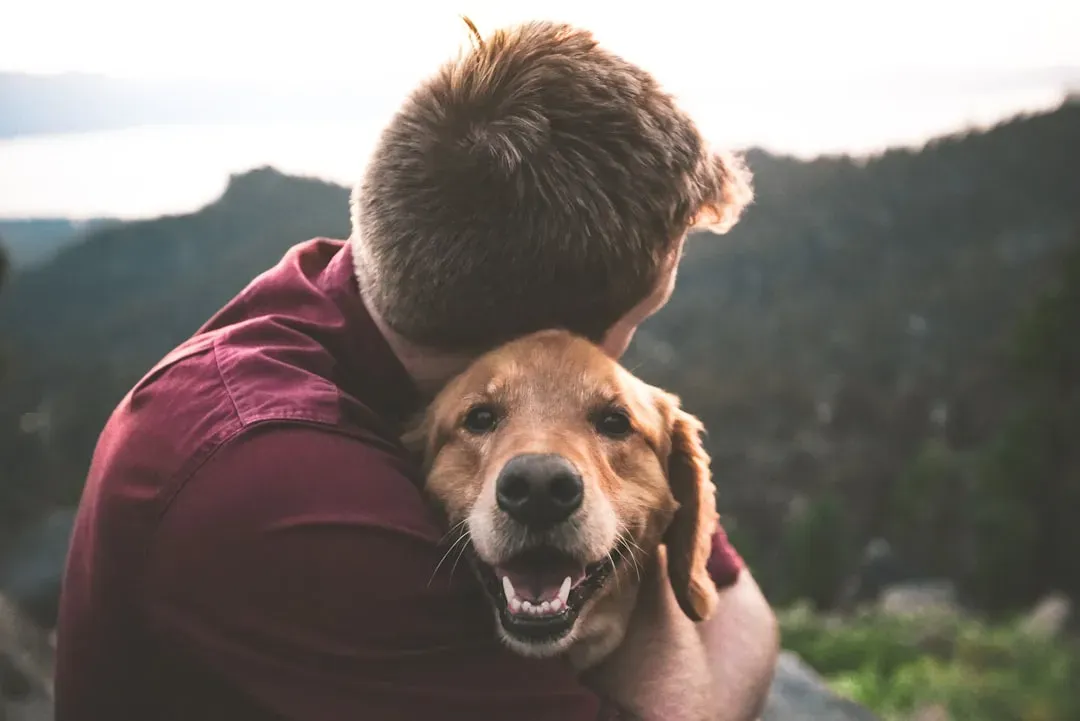
You say your dog’s name dozens of times a day – to correct them, call them, redirect them. But there’s a different version you use without even thinking about it: the silly, sing-song “hi buuuddy” or the drawn-out nickname that only comes out when you’re genuinely happy.
That tone shift changes everything, because dogs are experts at reading emotional tone and respond far more to how you say something than the actual word. That playful version of their name is basically a tiny love letter that tells them: you’re not in trouble, I like you, you’re safe. They may wiggle, tilt their head, or grab a toy as a kind of love-ping back at you. Behavior researchers keep finding that dogs genuinely prefer that exaggerated, baby-talk tone, especially paired with eye contact. Up next is a sound your dog can hear from three rooms away.
#7 – The Crinkle of a Treat Bag or Fridge Door
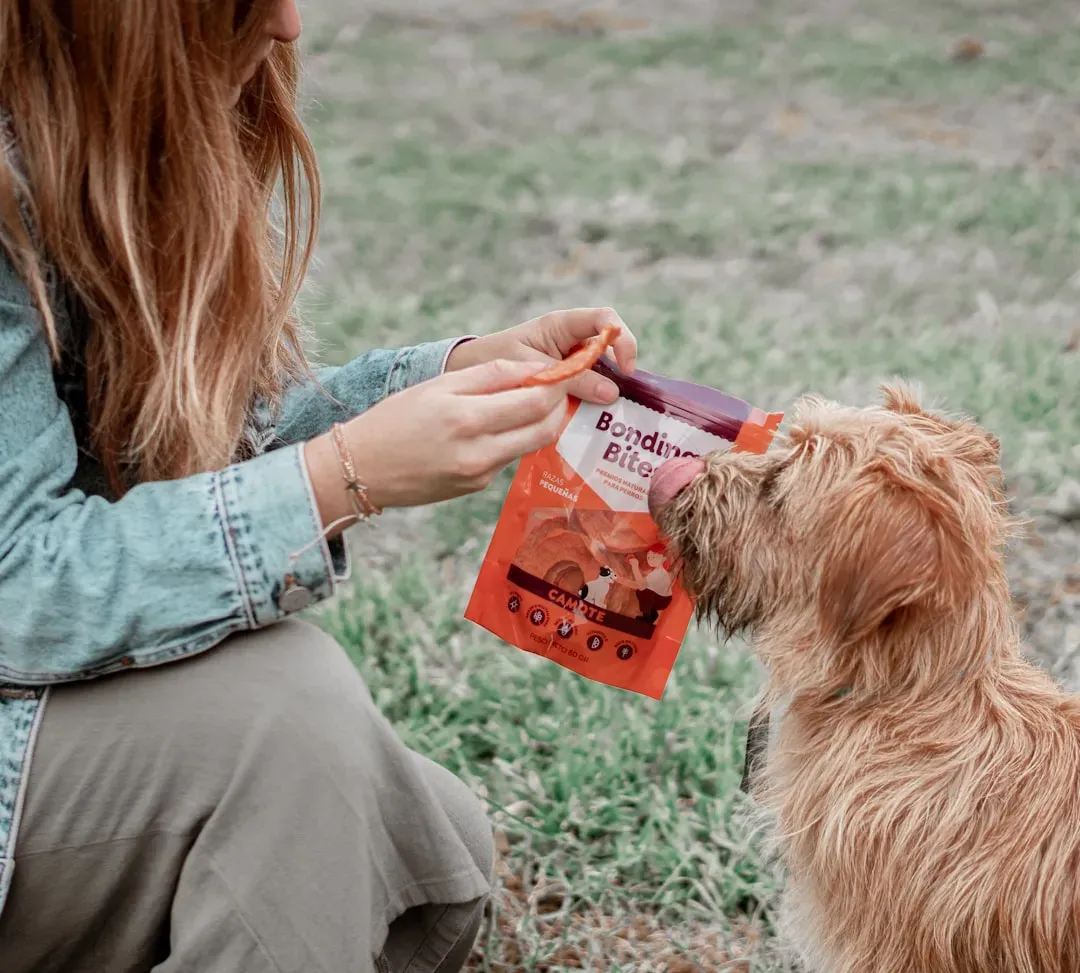
You can whisper across the house and get nothing. Open a treat bag from three rooms away, though, and your dog will teleport. That crinkle, pop, or fridge hinge squeak has become a conditioned beacon of happiness, and even when they don’t get anything, the mere possibility is enough to flip their mood from bored to laser-focused.
Here’s the part people underestimate: food moments carry way more emotional weight in a dog’s life than we give them credit for. Some owners insist they don’t want a “food-motivated dog,” which is a bit like saying you don’t want a kid who enjoys recess. Done right – a half a carrot while you cook, a cheese crumb while you make a sandwich – those tiny snack rituals are small trust deposits in the relationship. The treat is gone in two seconds, but the anticipation lasts all day. The next moment hits even harder because it breaks their entire schedule.
#8 – The “You’re Home Early” Surprise
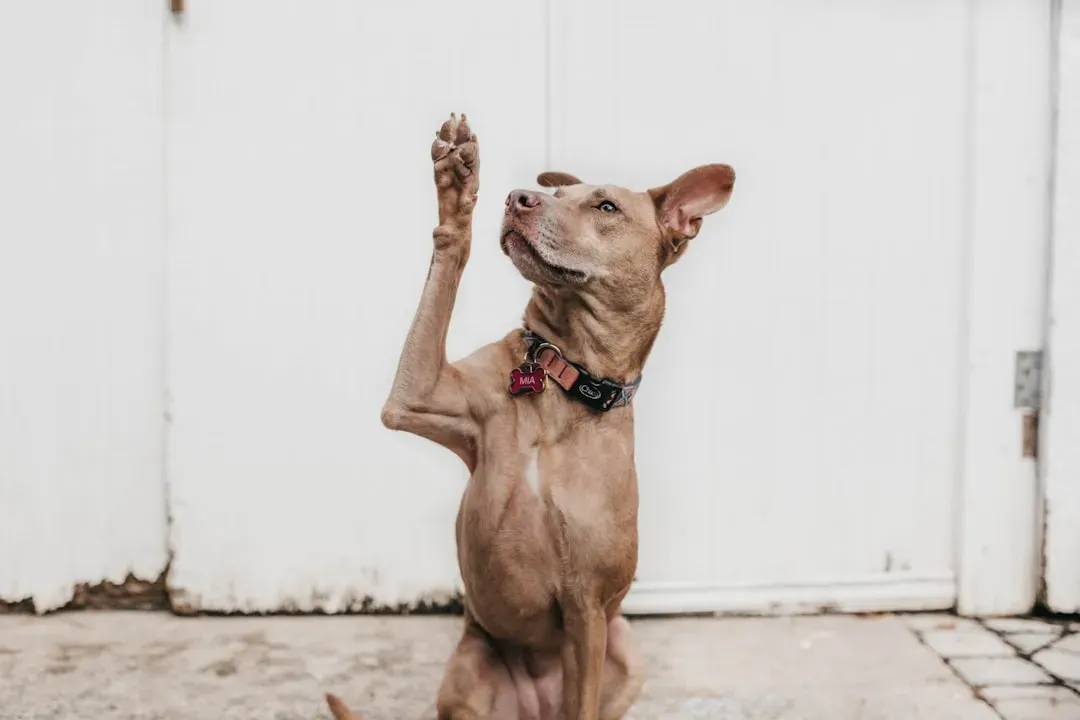
There’s a huge difference between “the usual time” and “unexpectedly early” in your dog’s world. When the lock clicks at 2pm instead of 6pm, most dogs go into full confusion-joy overload, because this simply wasn’t on their internal schedule.
Dogs are creatures of routine, which is exactly why a good surprise hits so much harder. The spinning, sneezing, frantic tail-whipping is your dog recalibrating from “boring afternoon” to “best day ever” in about half a second. Research on canine behavior suggests dogs genuinely register how long you’ve been gone and scale their greeting intensity accordingly. Coming home early every once in a while isn’t just convenient for you – it’s a full-blown emotional windfall for them. Number 9 is where the mystery really kicks in.
#9 – The “Let’s Go for a Ride” Moment
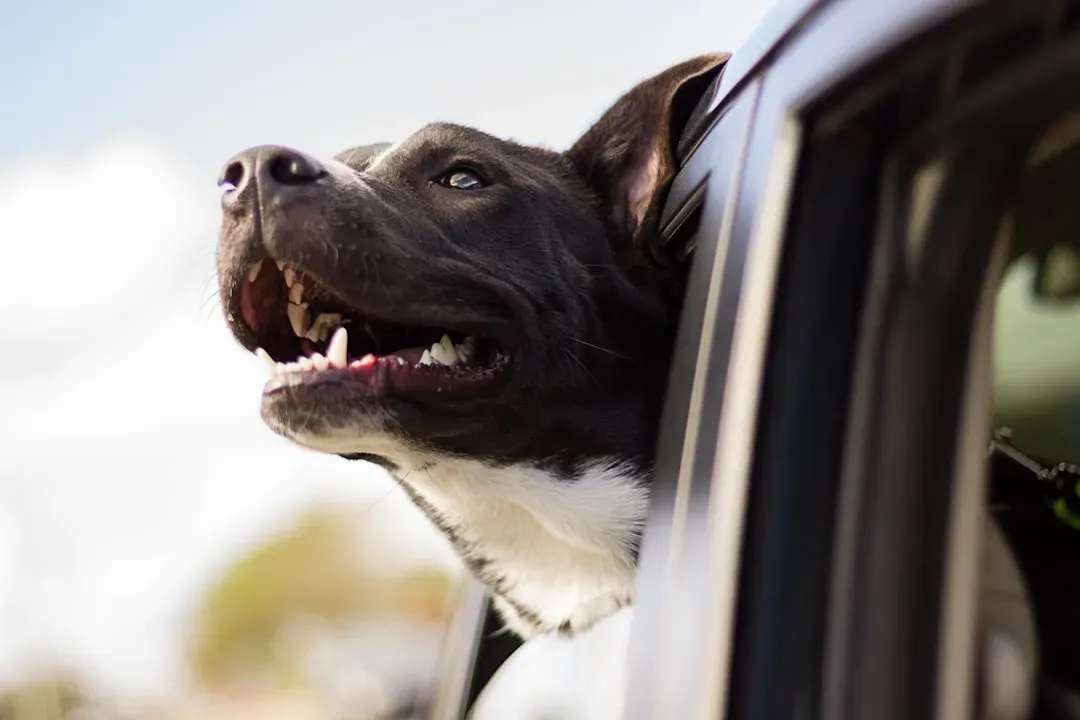
You pick up the keys, open the door, and say the sentence: “wanna go for a ride?” Trainers roll their eyes at that phrase, but for a huge number of dogs it’s a direct line to pure joy, because the car means new smells, new sights, and total mystery. They don’t know if it’s the vet or the drive-thru – they just know it isn’t the living room again.
People underestimate how rich a car ride actually is for a dog’s senses. Air rushing through a cracked window floods them with scent data we can’t even process, and the changing scenery is basically their version of scrolling social media. Experts warn against letting dogs hang their whole head out the window because of eye and ear injury risks, but they agree that a safe, buckled-in ride can be a genuine daily highlight. Some dogs even know the difference between “car to the park” and “car to the vet” just from the turns you take. The next moment doesn’t need an engine at all.
Worth Knowing
- A crash-tested harness or secured crate is safer than a loose ride on the seat, especially at highway speeds.
- Cracking a window a few inches gives dogs scent-rich airflow without the injury risk of a fully open window.
- Short, frequent rides around the block can deliver almost as much sensory excitement as a long drive for dogs prone to car anxiety.
- Some dogs learn specific routes well enough to brace differently for a vet visit versus a trip to the park.
#10 – The First Sun Patch on the Floor
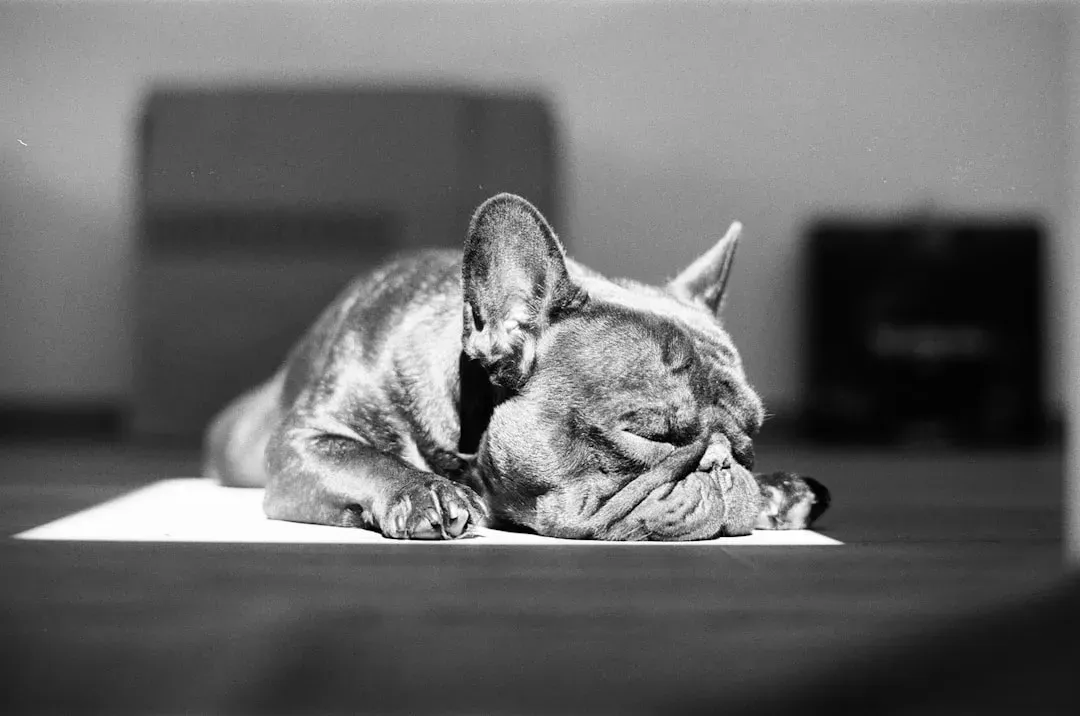
Humans chase comfort. Dogs perfect it. That first bright rectangle of warm light sliding across your floor functions like a reserved VIP lounge that appears every single morning, and many dogs will quietly follow it from room to room, stretching and sighing and melting into the warmth like they’ve been hired to demonstrate relaxation.
It looks like laziness, but it’s smarter than it seems. Warmth eases joint stiffness, calms the nervous system, and gives your dog a safe vantage point to watch the household. Some owners feel guilty seeing their dog “do nothing” all day, but animal behaviorists point out that resting in safe, predictable spots is exactly what mentally secure animals do. That tiny pocket of peace may be worth more to your dog than any flashy toy. Number 11 flips the script – now it’s about what falls from your hand.
#11 – When You Drop Something on Purpose
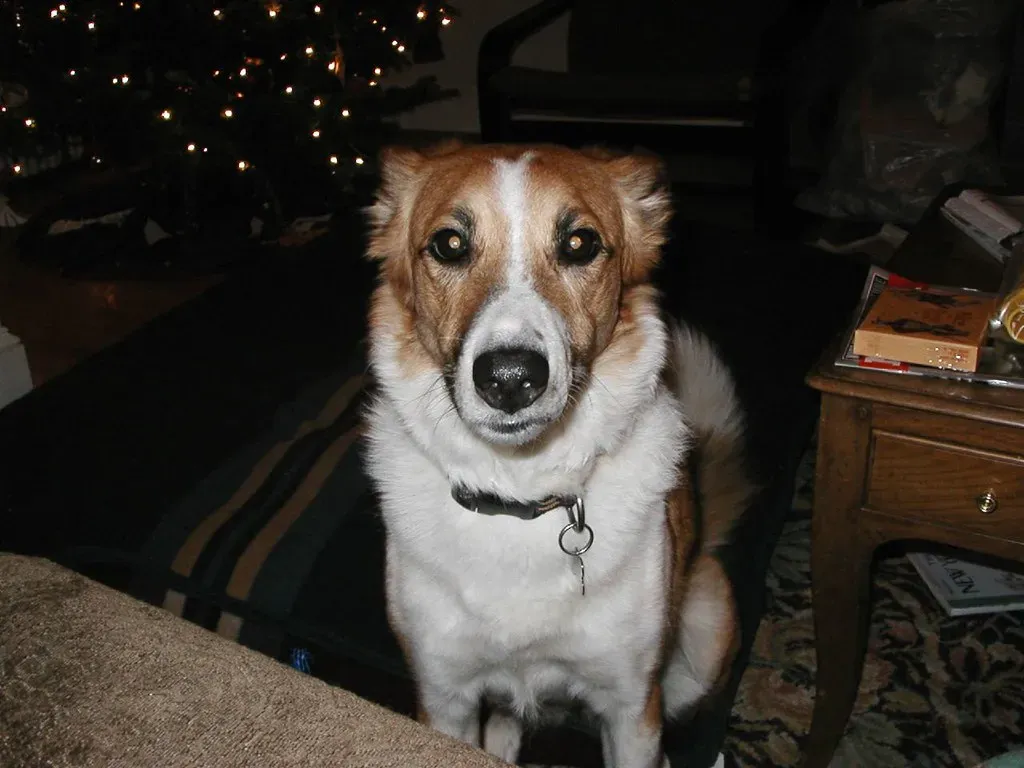
You know the move: you’re eating, they’re staring, and you “accidentally” drop a tiny piece. This is one of the most psychologically loaded moments in your dog’s day, because it turns you from a simple food source into a generous sharer of precious resources – and in dog social logic, that’s a very big deal.
In a pack, sharing food is exactly how higher-status animals choose their favorites. The “never feed from the table” rule is arguably overhyped for most normal households – the real problem isn’t sharing occasionally, it’s sharing inconsistently and then getting frustrated when the dog starts begging. If the rule is clear, that one piece of chicken or crust can be a genuine relationship ritual. Your dog won’t remember what brand of kibble you bought last year, but they will remember the night you snuck them a bite of dinner. Number 12 is about an object, not a moment – and it’s oddly emotional.
#12 – The Glorious Toy Resurrection
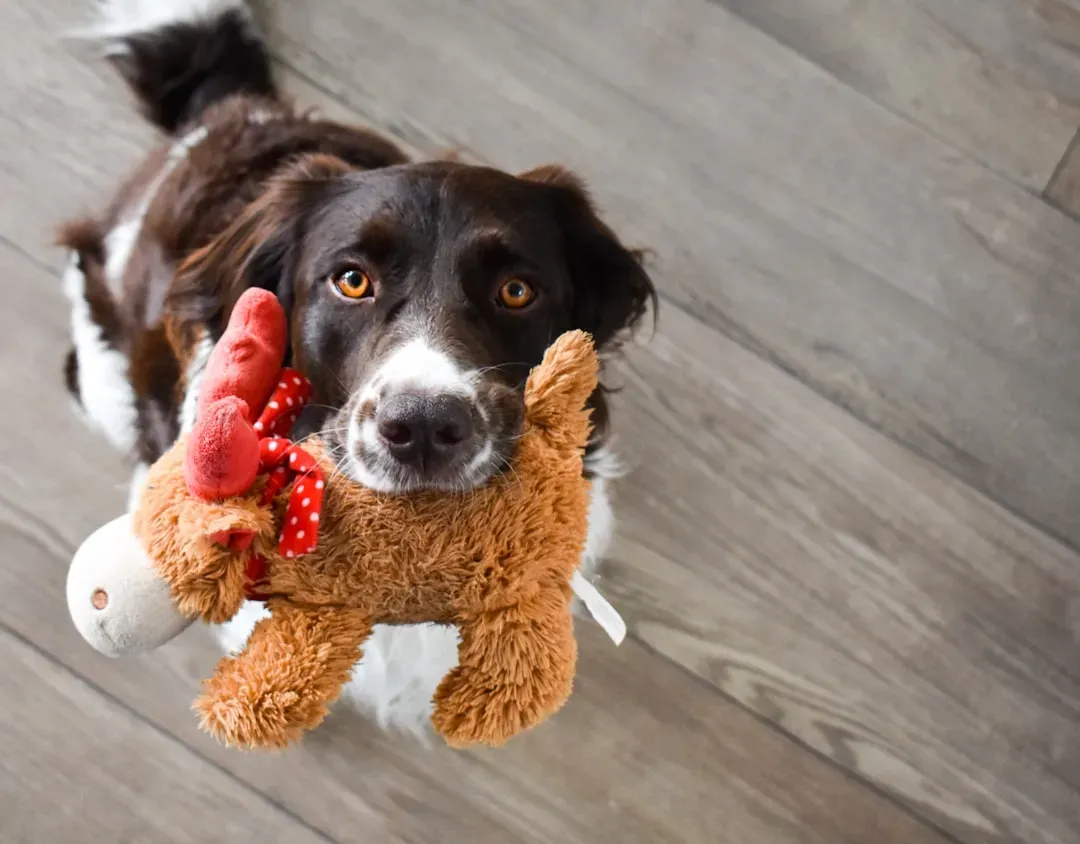
There’s that one toy – stuffing everywhere, squeaker long dead – that you keep almost throwing away. Then one day you pick it up and squeeze the last bit of life out of it. Watch your dog’s face. To them, it’s like you resurrected an old friend.
They know that object, its smell, its whole history of tug battles and fetch victories. Behavior researchers will tell you dogs don’t get nostalgic the exact way humans do, but they absolutely form strong associations with specific objects. Bringing an old toy back into rotation lights those associations up fast, and many dogs will revert to puppy-like behavior with a “long-lost” toy in a way they never do with something brand new. That half-ripped stuffed duck might be the best emotional investment you ever made. Number 13 doesn’t even require anyone to move.
#13 – The “We’re All in One Room” Moment
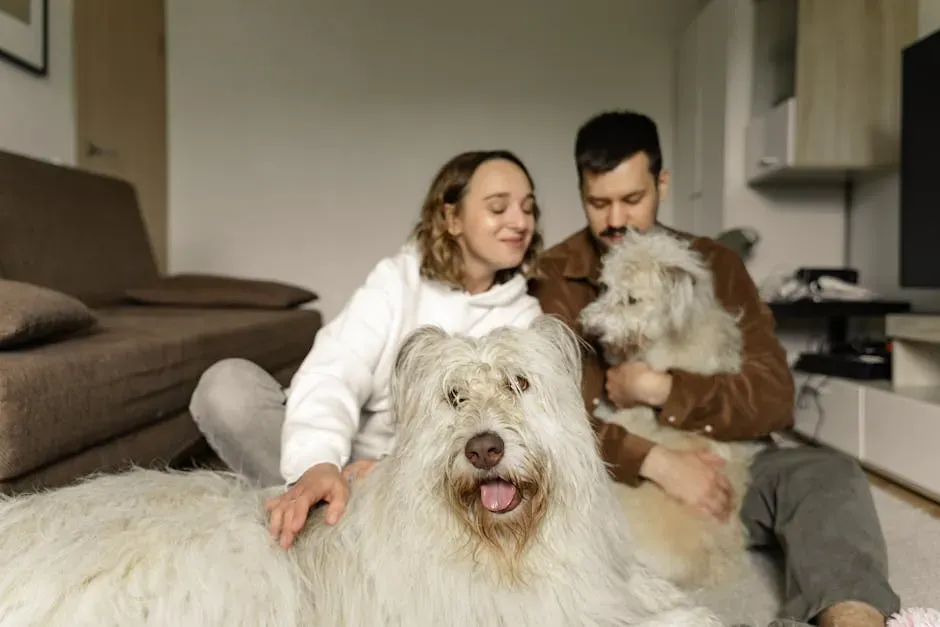
Humans are a little strange – we split off into separate rooms, close doors, and call that normal. For a social animal like a dog, the rare moment when every member of the household is in one space, calm and together, is pure gold. They may not look excited, just flopped in the middle of the floor, but that stillness is often their deepest contentment.
Pack animals don’t show safety through constant activity – they show it through relaxed proximity. Your dog lying on the rug while you watch TV and someone else cooks nearby is their version of everything being right with the world. Many owners misread this as boredom and feel guilty, but the truth is closer to what dog lover Roger Caras once wrote:
Dogs are not our whole life, but they make our lives whole.
Roger Caras
A dog who can fully relax in a busy room is a dog who feels genuinely secure. Number 14 is the moment you actually get up and do something about it.
#14 – The Random Burst of Play You Start
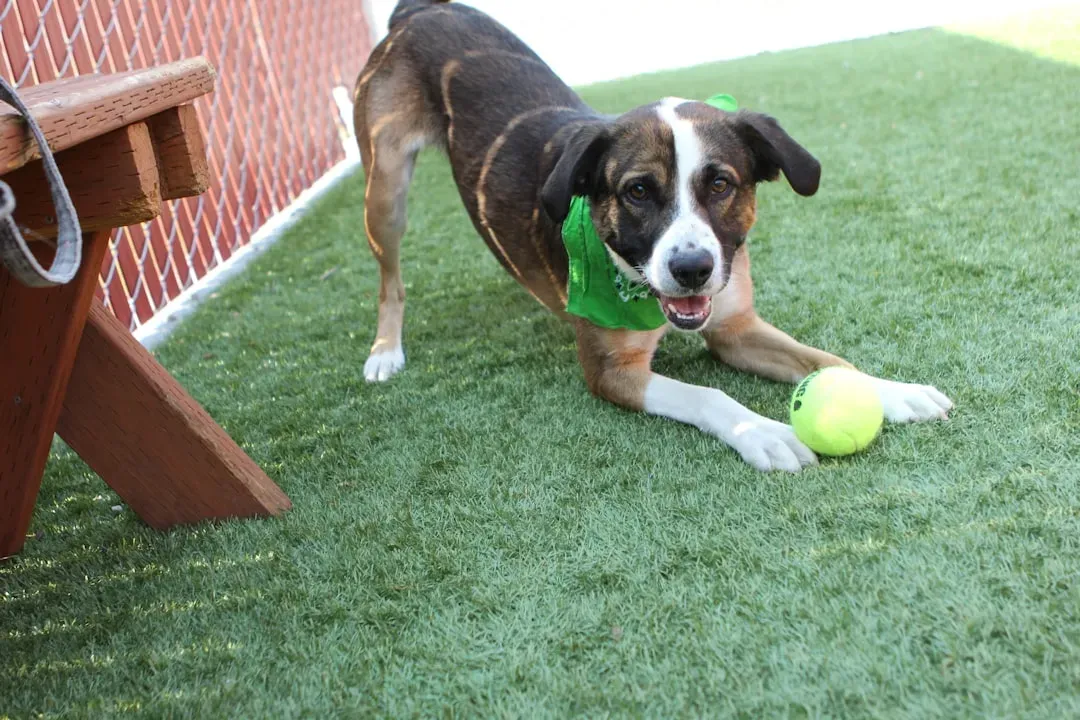
Dogs initiate play constantly – the bow, the toy drop, the sudden zoomies. But when you randomly decide to play first, with no reason and no schedule, it hits completely differently. Owner-initiated play is one of the strongest predictors of a dog’s overall quality of life, because it tells them: I chose you, right now, for fun, with nothing else in it for me.
Here’s the uncomfortable truth: too many people only interact with their dog to manage them – sit, move, stop that. So the rare moment you get silly and drop all that control for five minutes becomes a genuine emotional spike in their day. It’s not about how long it lasts, it’s the fact that you started it just because you like being with them. Their body language afterward says it all – loose, soft, glowing. Number 15 happens in complete silence, and it might be the most overlooked one on this list.
#15 – The Quiet Check-In During Your “Busy Time”
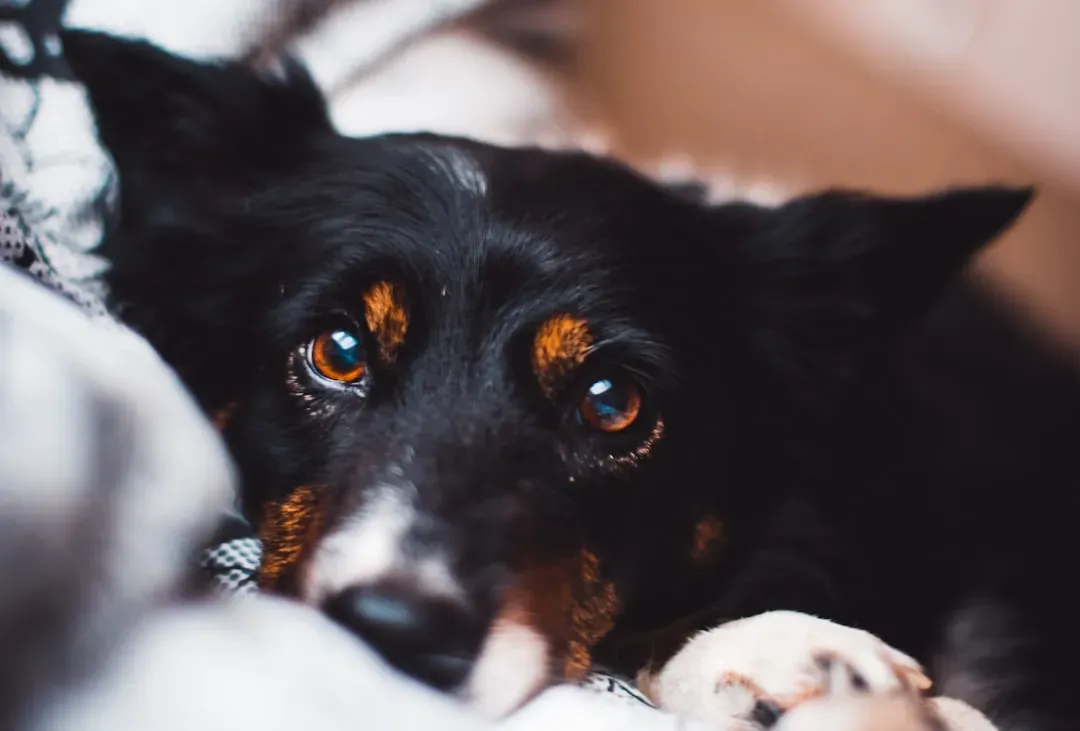
Picture this: you’re on your laptop or phone, deep in human-world mode, and your dog pads over and just rests their head on your knee. Plenty of people brush this off or absentmindedly push the dog away. That’s a mistake, because this small gesture is basically your dog asking, “am I still part of your world right now?”
When you pause, make eye contact, and say a soft “hey, I see you,” you take that moment from neutral to the best 30 seconds of their afternoon. Dogs don’t need hours of undivided attention – they need frequent, reliable proof that they still matter even when you’re busy. The dogs who seem “clingy” are often the ones who got ignored until they became impossible to ignore. Number 16 happens right before the lights go out.
At a Glance
- Frequent check-ins are a normal bonding behavior, not automatically a sign of an overly “needy” dog.
- Even a few seconds of eye contact and acknowledgment can visibly lower a dog’s stress signals.
- Dogs tend to check in more often when routines feel unpredictable or inconsistent.
- Repeatedly ignoring these small check-ins can lead to louder, more persistent attention-seeking over time.
#16 – The Ritual Right Before Bed
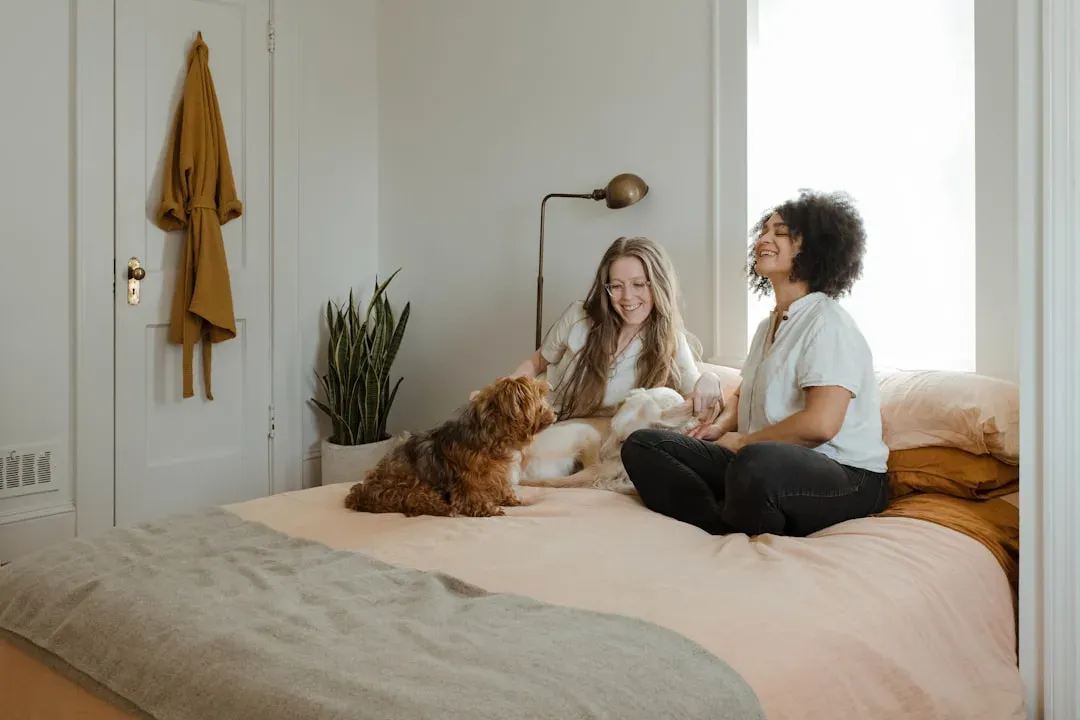
Every household has one: the last pee break in the yard, the final treat, the “okay, bedtime” phrase. You might be half-asleep saying it, but your dog is tracking every beat of this nightly ritual, because ending the day the same way, with you, is deeply regulating for their nervous system.
Maybe they circle the bed three times, scratch the blanket, then let out that enormous sigh as they collapse. Those small, predictable cues tell your dog: nothing bad is happening tonight, we’re good. Skip that routine too often and you’ll likely notice more restlessness and more midnight pacing. That last ear rub or quiet “goodnight, buddy” is often the final proof they needed that they were loved today. And then there’s #17 – the one every other moment on this list is really pointing toward.
#17 – When You Look Them in the Eyes Like They’re Family (Because They Are)
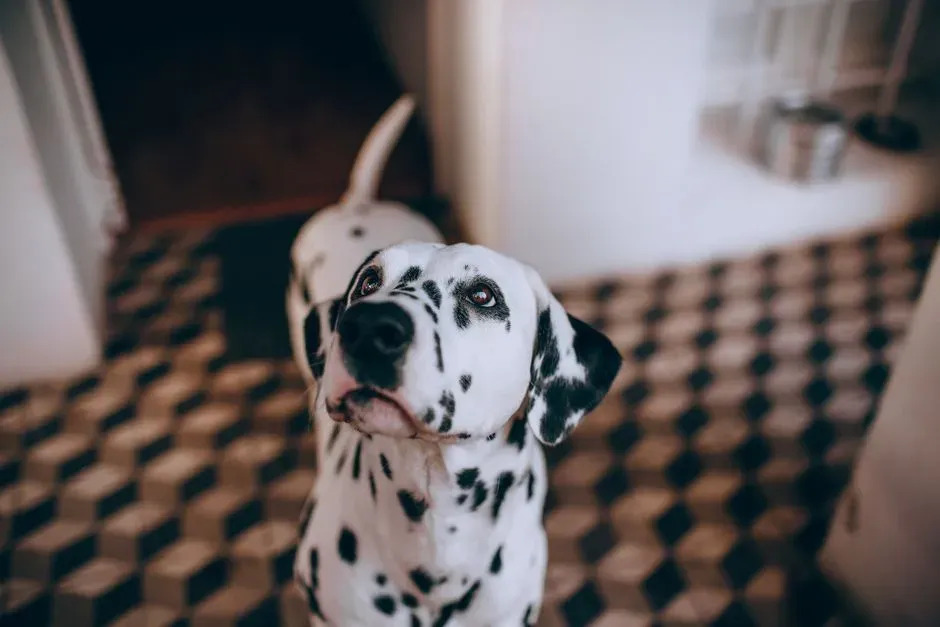
Ask a behaviorist what truly lights a dog up and you’ll get a flat answer like “consistent positive interaction.” But watch a dog’s actual face when their person pauses, sets everything down, and just looks at them – really looks – with soft eyes and a relaxed smile. That eye contact, paired with gentle touch and a warm voice, genuinely changes brain chemistry in both of you, triggering a rise in oxytocin, the same bonding hormone tied to parent-child attachment.
This moment might last ten seconds. It might happen on the floor, on the couch, or in a random hallway. But it’s the clearest message your dog receives all day: you are my person, and I am yours. No treat, no toy, no walk hits quite the same, because being truly seen is the moment that ties everything else on this list together.
The Bottom Line
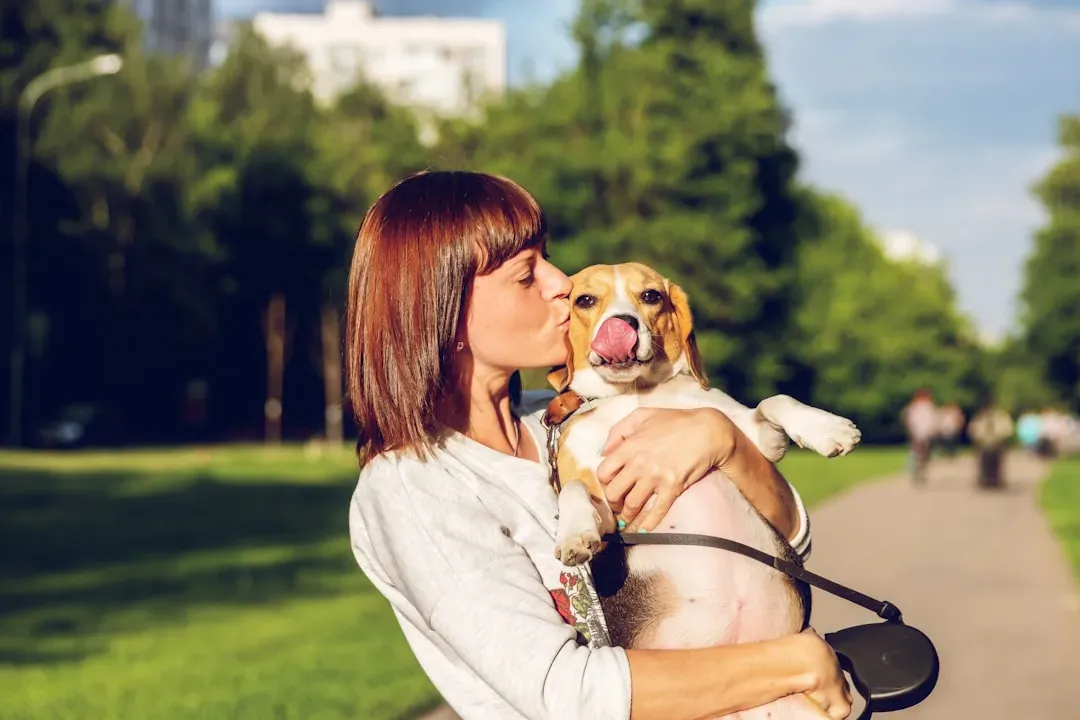
Most people assume their dog’s happiness lives in the big events – the park trips, the holidays, the new toys – and completely miss the truth: a dog’s world is built out of micro-moments you barely register. The shuffle of your feet, a silly version of their name, a hand reaching down during your busiest hour – that’s the real highlight reel, not the vacation photos.
Here’s the part worth sitting with: if your dog’s best moment of the day is also the only real moment they get with you, that’s a problem worth fixing. Not with guilty overcompensation or performative “dog parent” theatrics – just with attention. Notice which ordinary ritual sends your dog over the moon, then actually show up for it on purpose. That’s the whole secret, and it’s been sitting in plain sight the entire time.


