

Most dog owners feel a quiet certainty that their dog truly gets them. You come home after a rough day, and before you say a word, your dog is already at your feet, pressed close, reading something in you that you haven’t even named yet. That kind of connection feels almost magical. The truth is, it’s something closer to science.
Dogs are remarkable communicators who have spent tens of thousands of years sharpening their ability to decode the human world. They pick up on things most people never realize they’re broadcasting. Still, the relationship isn’t perfectly symmetrical. We misread them just as often as we think we’re understanding them. Getting clearer on both sides of that equation can genuinely change how you care for your dog.
1. They Understand Your Emotional State

Dogs don’t just notice that you’re upset. They pick it up through multiple channels at once. Research has found that dogs use three main senses, sight, smell, and hearing, to determine human emotions. They can recognize six basic emotions, including anger, fear, happiness, sadness, surprise, and disgust. Due to their elevated sense of smell, dogs are also highly sensitive to changes in body odor that are completely undetectable to other humans.
When dogs were exposed to sweat samples collected from their owners during films, they responded differently to “happy” or “afraid” odors and adopted behaviors consistent with the emotions the humans were experiencing. When exposed to a fear scent, their heart rates rose and they sought comfort from their owners while ignoring strangers. When exposed to a happy scent, they were more relaxed and less wary of unfamiliar people. This isn’t a trick of training. It’s millions of years of co-evolution working in real time.
2. They Understand Your Pointing Gestures
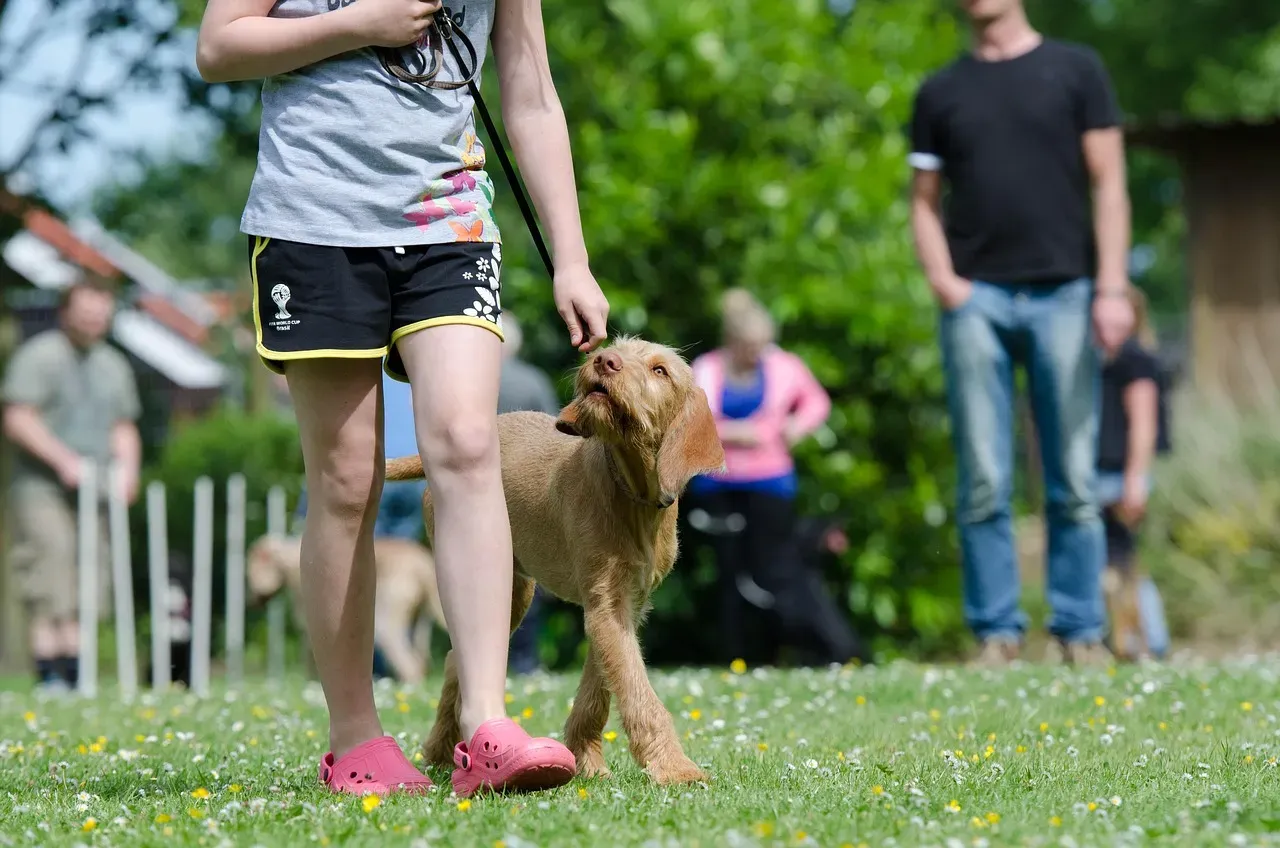
When you point at something, your dog genuinely processes that gesture as meaningful information. Research shows that dogs are capable of following pointing gestures to locate hidden food or toys, doing so even when the cues are subtle, far better than wolves or even chimpanzees in similar tests. That last part is worth pausing on. Dogs outperform our closest primate relatives at reading this specifically human signal.
Studies have found that even eight-week-old puppies with little exposure to humans can understand pointing and show sophisticated levels of social cognition in other tasks. Success in the pointing task and a puppy’s tendency to look at a human face were found to be highly heritable, with more than 40 percent of the variation in performance attributed to genetics. In practical terms, use clear, consistent gestures when directing your dog. Your body is talking even when your mouth isn’t.
3. They Understand the Tone of Your Voice

Your dog might not catch every word, but the emotional color of your voice lands with surprising precision. Research suggests that dogs can determine human emotions using only their ears, at least for happiness, fear, and sadness, using the right side of their brain for processing negative emotions and the left side for positive ones. That neurological split mirrors how human brains process emotion too.
Researchers found that dogs can distinguish the positive sound of laughing from the negative sound of crying, and that negative sounds upset and arouse dogs more than positive ones. This is why a calm, steady voice during training matters more than dramatic praise. Yelling or frustration can create confusion rather than clarity, and dogs thrive on predictable emotional responses. Keep your tone consistent and your dog will feel far more secure.
4. They Understand When You’re Sad or Crying

One of the most consistently documented things dogs do is move toward distress. A well-known experiment showed that dogs were more likely to approach a crying person than someone humming or speaking normally, even if the crying individual was a complete stranger. This rules out simple curiosity as the motive. Dogs seem to recognize that distress calls for a different response.
Of 18 dogs in one study, 15 approached the owner or investigator when they cried, as opposed to only 6 when they hummed, indicating an emotional connection. If the dogs were merely curious, they would have approached the humming people with equal frequency. It appears that most dogs recognized that a humming person didn’t need comforting, so they left them alone even though they were making a curious sound. That kind of behavioral nuance is hard to dismiss.
5. They Understand Body Language and Posture

Before you open your mouth, your dog has already read your body. Dogs are masters of nonverbal communication and may rely on body language more than words. Crossed arms and a rigid posture may signal stress or defensiveness, while a relaxed stance communicates safety. Your physical presence is a constant stream of information that your dog is quietly translating.
Dogs recognize human emotions by observing facial expressions, body language, and hearing vocal tones, and they’re adept at picking up subtle cues that indicate what a person is feeling. Practical tip: when you arrive home anxious or tense, take a few deliberate breaths before greeting your dog. If you’re anxious during situations like thunderstorms, your dog may become more fearful too, since dogs respond best to calm, confident energy.
6. They Understand Human Facial Expressions

Dogs don’t just glance at faces casually. They study them with intention. Research published in PLoS ONE describes how dogs view facial expressions systematically, preferring eyes. Specific facial expressions alter their viewing behavior, especially in the face of threat. Finnish researchers showed images of both dogs and humans to 31 dogs of 13 different breeds and found that they looked first at the eye region and generally examined eyes longer than nose or mouth areas.
The research team believes that dogs must form abstract mental representations of the different emotional states, and are not simply displaying learned behaviors when responding to expressions of people and other dogs. Dogs use facial recognition to identify familiar people, read emotions, and anticipate actions. They’re especially good at interpreting eyes, which is why direct eye contact plays a key role in bonding. They can distinguish between happy, angry, and neutral expressions, often altering their behavior in response. A smile may invite interaction, while a frown may prompt caution.
7. They Understand Your Daily Routine

If your dog starts pacing near the door before you’ve even thought about a walk, that’s not coincidence. Dogs have a sophisticated spatial awareness that allows them to form mental maps of their environment and the people within it. This means they remember the locations of rooms, objects, other animals, and humans, and they also track movement patterns and daily routines. Dogs are pattern animals, plain and simple.
Having some form of structure in the day helps dogs feel more grounded and gives them a sense of purpose. Dogs are creatures of habit, so they will naturally help their owners stick to a daily routine that revolves around meals, exercise, and playtime. When routines get disrupted, without explanation from you, dogs often show signs of restlessness or mild anxiety. Dogs feel secure when they can predict daily activities. Keeping a consistent schedule is genuinely one of the simplest welfare improvements you can make.
8. They Understand When You Need Comfort

Dogs don’t just sense emotional states. They act on them. Dogs can experience something that resembles empathy, and a study in the journal “Behavioural Processes” found that dogs responded more to their owner’s distress than to a stranger’s. When their owners cried, the dogs approached and tried to comfort them, indicating they can understand and react to human emotions on a deeper level.
Many dogs lean into their owners or rest their heads on them, while some exhibit calming behaviors like licking or staying unusually close. These aren’t random gestures. They reflect a real attunement to your wellbeing. Gentle eye contact also releases oxytocin, the bonding hormone, in both dogs and humans. The next time your dog rests its head on your lap during a hard moment, that gesture means something it has learned to give deliberately.
9. They Understand When Communication Is Directed at Them

Dogs don’t just respond to any human gesture or sound. They distinguish between communication that’s meant for them and movements that aren’t. In a study about intentional versus unintentional signaling, dogs clearly differentiated between pointing and gazing cues by responding to intentional signals. Dogs differentiated acts in which a human communicated a location to them from situations in which a human produced similar but non-communicative movements in the same direction, meaning dogs do not follow just any directional behavior of a human.
Dogs have been shown to be sensitive to people’s attentional state, showing distinct behavior depending on the direction and availability of the person’s attention. In other words, your dog knows if you’re paying attention to them or not, and they adjust their communication accordingly. This is why making clear eye contact and facing your dog directly during training produces much better results than giving commands from across the room.
10. They Understand Scent as a Rich Language

Dogs have an olfactory sense 40 times more sensitive than a human’s, and they commence their lives operating almost exclusively on smell and touch. This makes their world fundamentally richer in chemical information than ours. They use scent not just to explore their environment, but also to learn about people. Each human has a unique scent profile that dogs can identify and remember. Dogs can detect hormonal changes such as fear or excitement simply by sniffing, and may also sense illness, pregnancy, or stress through subtle chemical changes.
Dogs can even detect changes in your scent caused by stress hormones like cortisol, which influences their behavior. Some dogs are trained to detect seizures or diabetes by smell alone. When you walk through the door, your dog doesn’t just see you. They read a whole narrative of where you’ve been, who you’ve been with, and how you’re feeling, all within seconds. It’s worth respecting that capacity rather than underestimating it.
Misread #1: The “Guilty Look” Is Actually Fear

This one surprises almost every dog owner who learns it. That hunched, wide-eyed look your dog gives you after knocking something over? It almost certainly isn’t guilt. Research reveals that this look is less about actual guilt and more about dogs reading our emotions and attempting to avoid punishment. It’s a response shaped by sensitivity to our cues, rather than any true remorse for what they did.
The “guilty look” is a survival mechanism, an appeasement gesture intended to diffuse a perceived threat from an angry owner. It is a reaction to the owner’s anticipated or actual anger, not an admission of wrongdoing or an expression of guilt. By the time you react, your dog often has no idea why you’re upset. When you scold them for something that happened hours ago, they can’t make the connection. The look appears because they sense your anger, not because they remember and regret their actions. Punishment after the fact doesn’t teach a lesson. It just creates anxiety.
Misread #2: They Misread Hugs as Affectionate
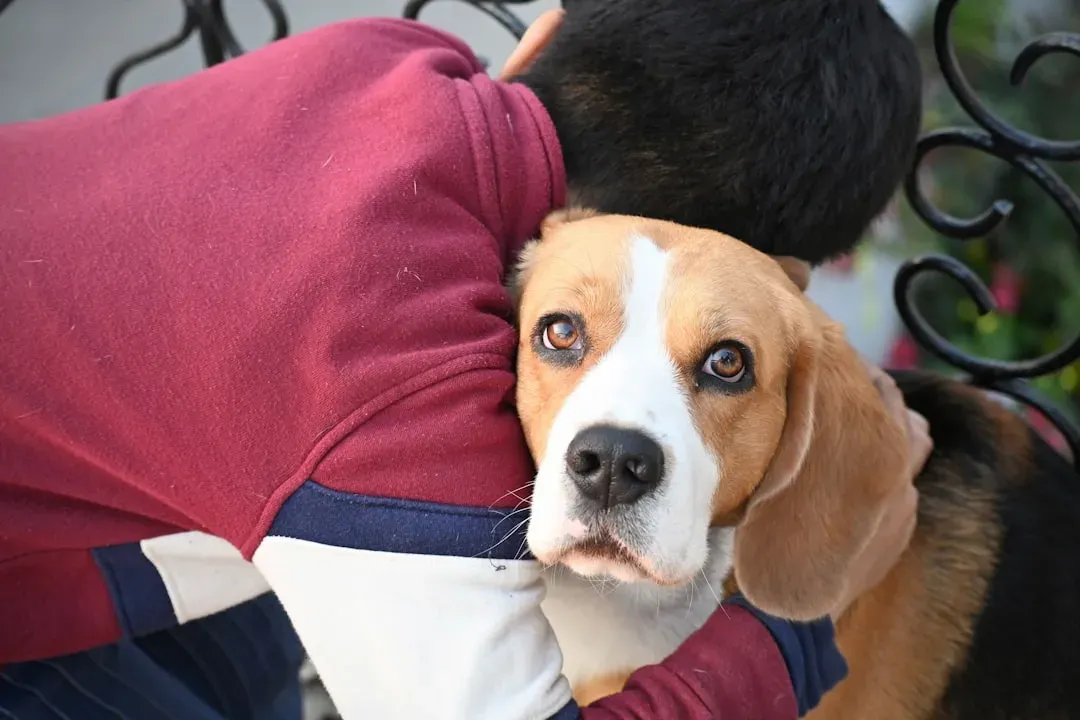
Hugging a dog feels natural to us. It’s how humans show love. From a dog’s perspective, however, being held tightly and restricted in movement is often more stressful than sweet. Visual communication in dogs includes mouth shape and head position, ear and tail positioning, eye contact, facial expression, and body posture, and many dogs signal discomfort during hugs through turned heads, lip licking, yawning, and stiffened posture. These are calming signals that owners often miss entirely.
The degree to which a dog tolerates a hug depends heavily on individual personality and the depth of the bond. Some dogs do learn to accept and even enjoy it from their closest humans. The issue is when we treat every dog, including strangers’ dogs, as equally hug-tolerant. A dog that exhibits a stiff body posture with slow tail wagging, often a sign of uncertainty, may be misread as excitement, which might encourage interactions that could lead to biting incidents. Watch for tension in the body before going in for a squeeze.
Misread #3: They Misread Context for Their Own Feelings

Just as dogs correctly read our emotional states, we often incorrectly read theirs because we focus on the wrong thing. Research shows that humans typically do not have a good understanding of the emotional state of their dog because they judge the dog’s emotions according to the context of the event they witness. You see a dog getting a treat and assume happiness. You see a dog near a vacuum and assume fear. The dog’s actual behavior barely registers.
Researchers discovered that what we see as a dog’s happiness, fear, or anxiety may actually be more shaped by the surrounding environment and context than by the animal’s actual behavior. This matters for animal welfare, as misreading animals’ emotional cues could lead to misunderstanding their needs. For dog owners, this research offers a chance to become more thoughtful observers. Instead of jumping to quick conclusions based on the situation, owners might benefit from learning more about dog body language and behavioral cues specific to dogs, not humans. Pay attention to what your dog is actually doing, not just what’s happening around them.
Misread #4: They Misread Delayed Punishment as Connected to Behavior

When you discover a chewed cushion twenty minutes after your dog got into it and scold them on the spot, your dog experiences your anger as random and confusing. Dogs learn through association. If a dog has consistently been scolded or punished after an owner discovers a mess, it quickly learns to associate the owner’s return to a messy scene with negative consequences. The fear is not of having done the act itself, but of the owner’s reaction to the discovery.
This has real consequences for training. Since dogs live in the present, punishment for past actions is ineffective and counterproductive. Instead of scolding a dog for an accident that happened hours ago, focus on prevention by puppy-proofing the home, using crates, providing appropriate toys, and ensuring adequate exercise. Catching a dog in the act and immediately redirecting is the only timing that actually teaches anything. Everything else just builds confusion and wariness toward you.
Misread #5: They Misread Our Emotional Projections as Accurate Reads of Them

Perhaps the most layered misread is the one we do to ourselves. We’re convinced we understand our dogs because we love them deeply, but love doesn’t automatically equal accurate perception. New research from Arizona State University revealed that people often do not perceive the true meaning of their pet’s emotions and can misread their dog, partly because of a bias toward projecting human emotions onto their pets.
Every dog’s personality, and thus their emotional expressions, are unique to that dog, according to researchers. Really paying attention to your own dog’s specific cues and behaviors is the most reliable path forward. Experience matters in this domain. Professional dog trainers, veterinarians, and people who work closely with animals were significantly better at identifying canine emotions than the average pet owner, suggesting that reading a dog’s emotional state is not just an instinctive skill but something that requires learning and practice. The good news: it’s a skill you can develop, simply by watching more and assuming less.
Conclusion: A Better Partnership Starts With Honest Attention
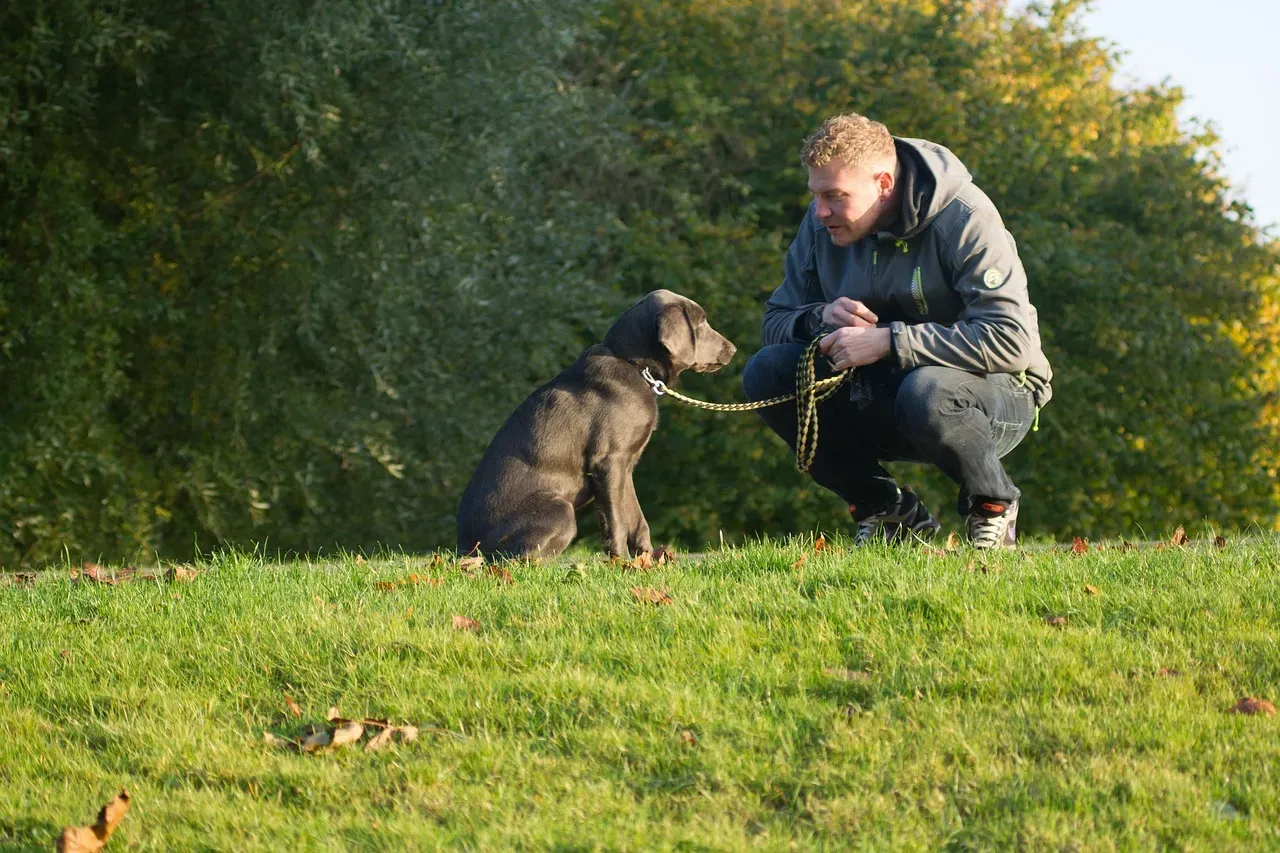
Dogs are extraordinary in the ways they tune into us. They read our faces, interpret our gestures, decode our voices, and sense our chemistry in ways that remain genuinely astonishing. Dogs understand human emotions far better than we once imagined. They read our faces, listen to tone shifts, interpret body language, and even detect chemical changes in our scent. This emotional awareness strengthens the bond between humans and their dogs, but it also means our moods directly impact them.
The humbling part is recognizing that we don’t return the favor nearly as well as we assume. Recognizing our biases can help pet owners focus on behavioral cues rather than assumptions, leading to a stronger and more accurate understanding of their dogs’ emotions. Taking a few extra seconds to assess a dog’s body language, rather than making quick assumptions, can lead to a more meaningful and trusting relationship. A stronger bond between humans and their canine companions comes not from assumptions, but from true understanding.
The dogs who share our lives are already doing their best to meet us halfway. The least we can do is show up with our eyes actually open.


