
10 Things Horses Sense About Humans Before Anyone Else
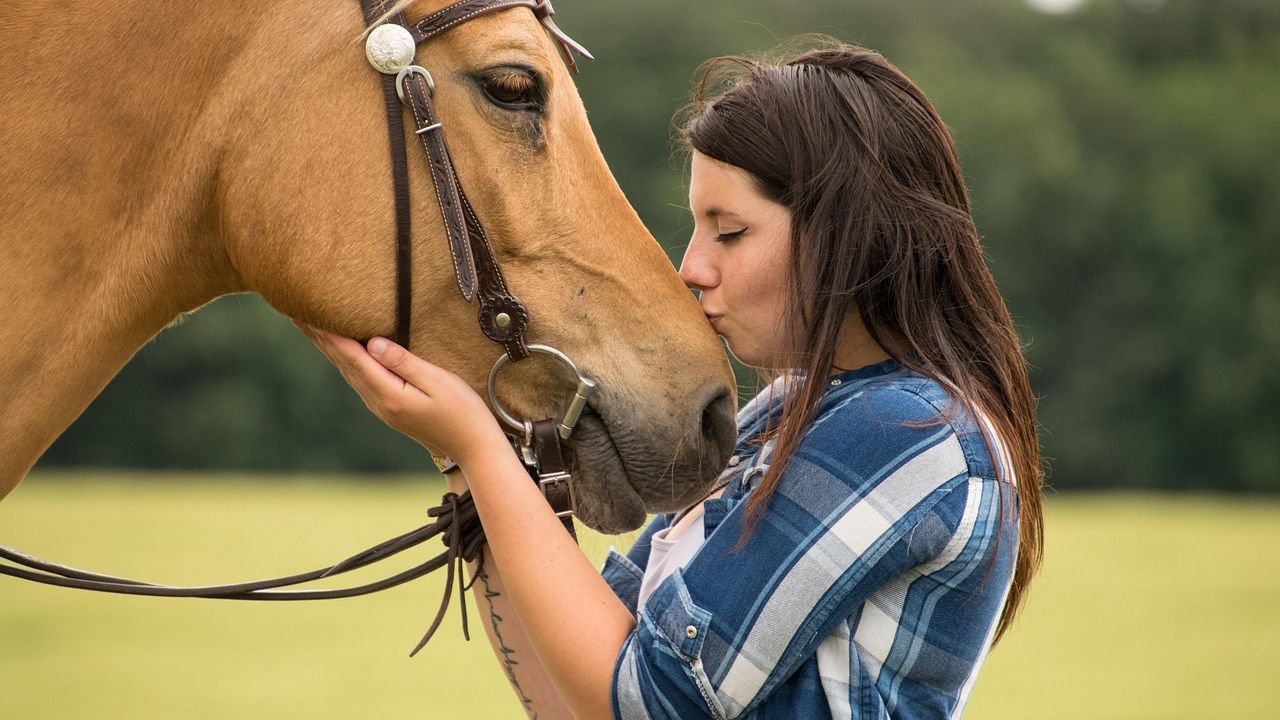
There’s a reason experienced riders talk about horses the way some people talk about lie detectors. You walk into a barn carrying something invisible, some coiled anxiety you haven’t spoken aloud, and the horse already knows. Before you’ve reached for the halter, before you’ve said a word, something has shifted in the animal standing before you.
Horses have spent thousands of years alongside people, and that proximity has shaped them into some of the most perceptive creatures on the planet. The science backing this up has grown considerably in recent years, and what researchers are finding is both fascinating and a little humbling. These animals aren’t just reacting to commands. They’re reading us in ways we’re only beginning to understand.
#1. Your Fear, Carried in Your Sweat
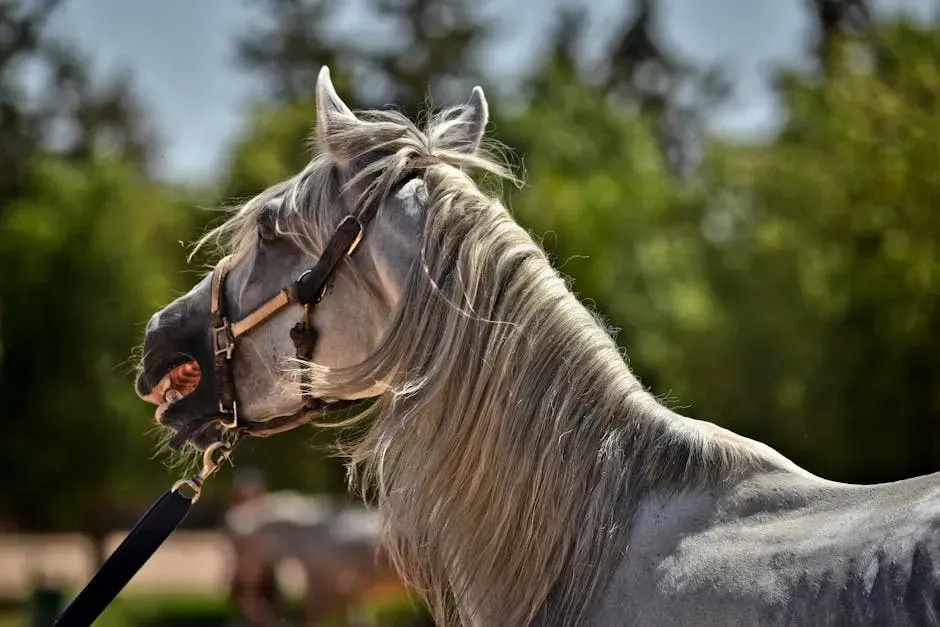
Horses can detect fear in humans from their sweat alone, and a study published in PLOS One suggests that they can perceive human fear without seeing or hearing a person, relying instead on subtle chemical cues carried by scent. This isn’t folklore. It’s chemistry, and it happens fast.
In experiments, researchers found that horses exposed to the scent of human fear became more cautious, more reactive, and less willing to engage with people. The animals startled more easily, kept their distance from unfamiliar objects, and showed spikes in heart rate, all without any visual or verbal cues from humans. The practical implication for anyone who works with horses is clear: your nervous system and theirs are in silent conversation at all times.
Crucially, these responses happened without any visual or vocal cues from humans displaying fear. This finding shows that smell alone can influence a horse’s emotional state. Horses were not reacting to tense body language, facial expressions, or nervous movements. They were responding to chemical signals carried in human scent.
#2. The Difference Between Your Dominant and Submissive Posture

Horses can tell the difference between dominant and submissive body postures in humans, even when the humans are not familiar to them, according to a University of Sussex-led study. This is remarkable on its own. Stranger or not, a horse reads your body within moments of your approach.
Psychology researchers worked with 30 domestic horses to see whether they were more likely to approach a person displaying a dominant body posture, involving standing straight with arms and legs apart and chest expanded, or a submissive posture. They found that even though the horses had been given food rewards previously by each person when in a neutral body posture, they were significantly more likely to approach the individual displaying a submissive rather than a dominant posture.
As one researcher noted, animals including humans tend to use larger postures to indicate dominance or threat, and smaller postures to indicate submissiveness. Horses may therefore have an instinctual understanding of larger versus smaller postures. Walk in puffed up, and a horse may hold its ground. Walk in relaxed and open, and the conversation starts differently.
#3. Whether Your Face and Voice Are Telling the Same Story
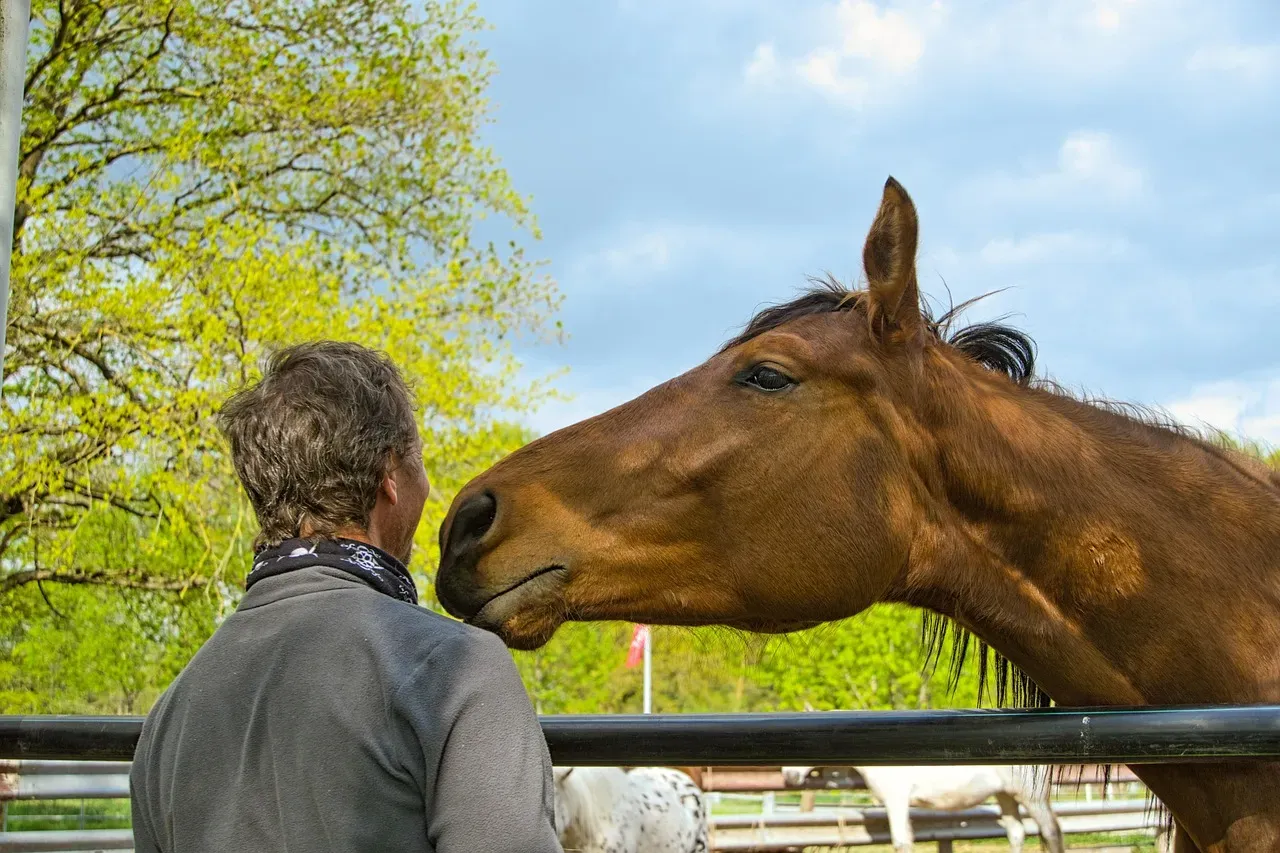
Studies have indicated that horses are so in tune with human emotion that they can detect and remember even the subtlest changes in facial expressions. More impressively, horses can even detect when a person’s tone of voice is incongruent with their facial expression. Smiling while your voice carries tension? A horse notices the mismatch.
Studies have shown that horses cross-modally distinguish human facial expressions and recognize familiar people, which suggests that they also cross-modally distinguish human emotions. Researchers used the expectancy violation method to investigate whether horses cross-modally perceive human emotions. Horses were shown a picture of a human facial expression on a screen, and they then heard a human voice from the speaker.
Horses looked at the speaker significantly longer in the incongruent condition than in the congruent condition when they heard their caretaker’s voices. This is considered the first study to show that horses cross-modally recognized the emotional states of their caretakers and strangers. They’re not fooled when the packaging doesn’t match the contents.
#4. Your Emotional State, Through the Sound of Your Voice
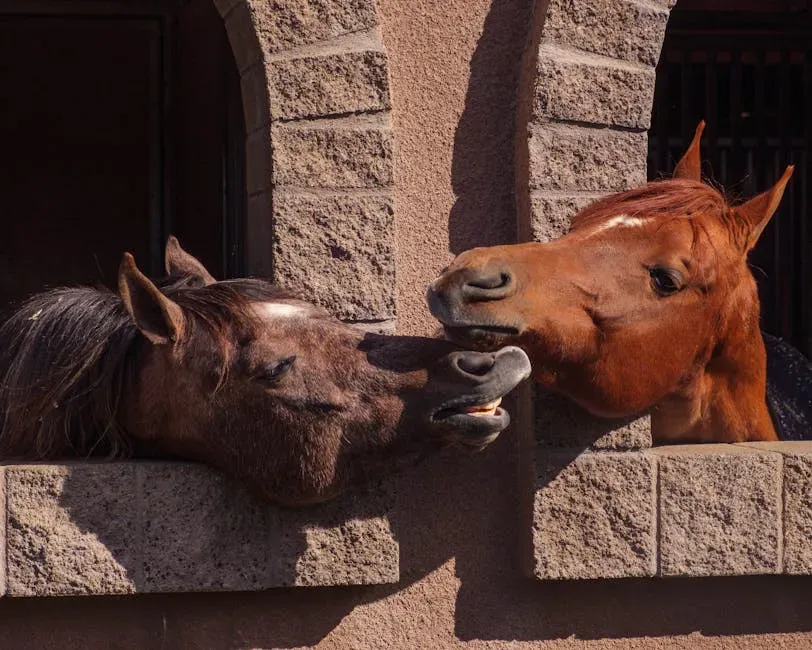
One study examined how two groups of horses reacted to human voices expressing different emotions, such as happiness, anger, fear, and sadness. The horses came from very different environments, one group living in more natural and stable social conditions with interactions with only a few familiar humans, while the other lived in more restricted housing with frequent contact with many different riders.
Researchers found that horses in poorer welfare states and with less stable relationships with humans showed stronger behavioral and physiological reactions to negative emotional voices. In contrast, horses in better welfare states reacted more calmly and showed more interest in positive voices. The horse’s individual history shapes how it processes what it hears from you.
Brain activity also reflected these differences, suggesting that both emotional state and life experience play a role in how animals perceive human emotions. These findings show that animals do not respond to emotional signals in a universal way. Their individual history matters. A horse that has been handled with care hears kindness differently than one that hasn’t.
#5. Your Negative Moods, Registered Through Your Face Alone
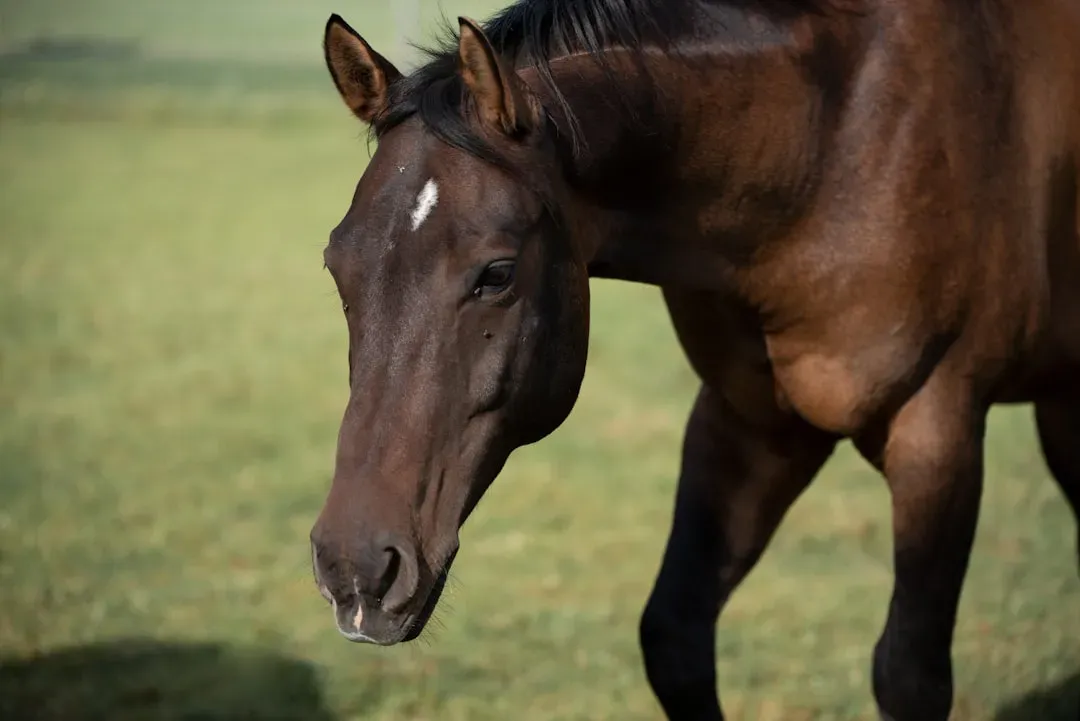
Horses avoided following the human gaze and looked in that direction for a shorter period of time when humans displayed expressions of disgust. These findings support the hypothesis that horses exhibit sensitivity to negative human emotional cues. That scowl you’re wearing on a bad day is communicating something you may not intend.
All of this indicates that horses recognize and react to human emotions expressed by facial cues alone. This research encourages awareness of moods and emotions when interacting with horses and other animals, as it shows that negative moods may have negative effects on their behavior and physiological responses. Coming to the stable while emotionally checked out or quietly irritated isn’t neutral ground for a horse.
#6. Whether You Can Be Trusted, Before You’ve Done Anything
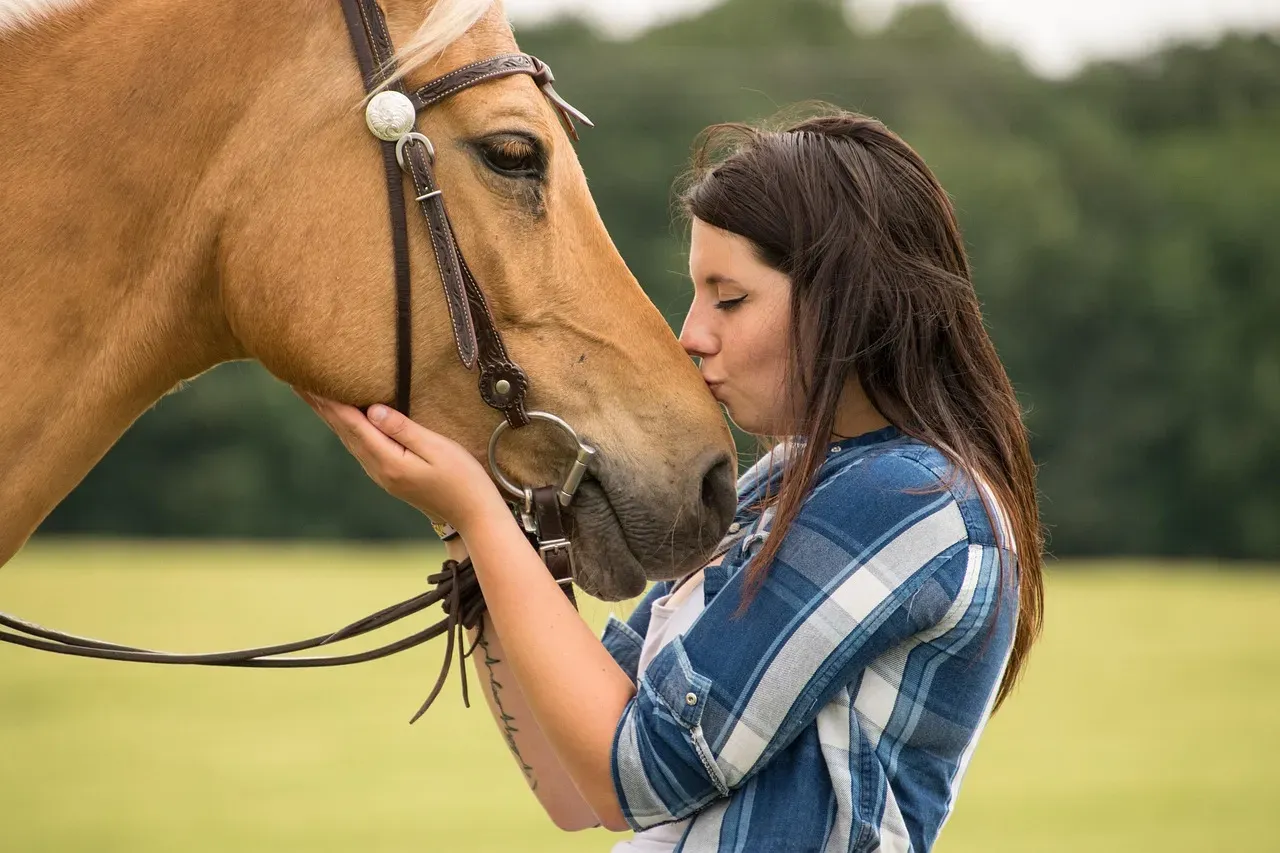
Horses can discriminate between familiar and unfamiliar humans using both visual and vocal cues, and they are also able to form a long-lasting memory of a specific subject. This ability suggests that the level of familiarity can affect a horse’s tendency to engage again with the same human, allowing these animals to recognize their caretakers long after the last encounter.
The human-animal relationship is built on a succession of basic interactions, and the positive or negative valence of each interaction determines the occurrence of the next one. By evaluating attitudes, kinds of approach, temperament, and the nature of the last contact, horses are able to implement a categorization process in order to label humans as positive, negative, or neutral stimuli. Every first impression is a data point they store and act on.
Human companions have a greater chance of leaving a positive image in a horse’s memory if their behavior is appropriate starting from the first approach. This may occur during training procedures or stable management, which the animal may recall for several months. Their trust isn’t unconditional, and it isn’t given lightly.
#7. The Emotional Memory You Left Behind Last Time
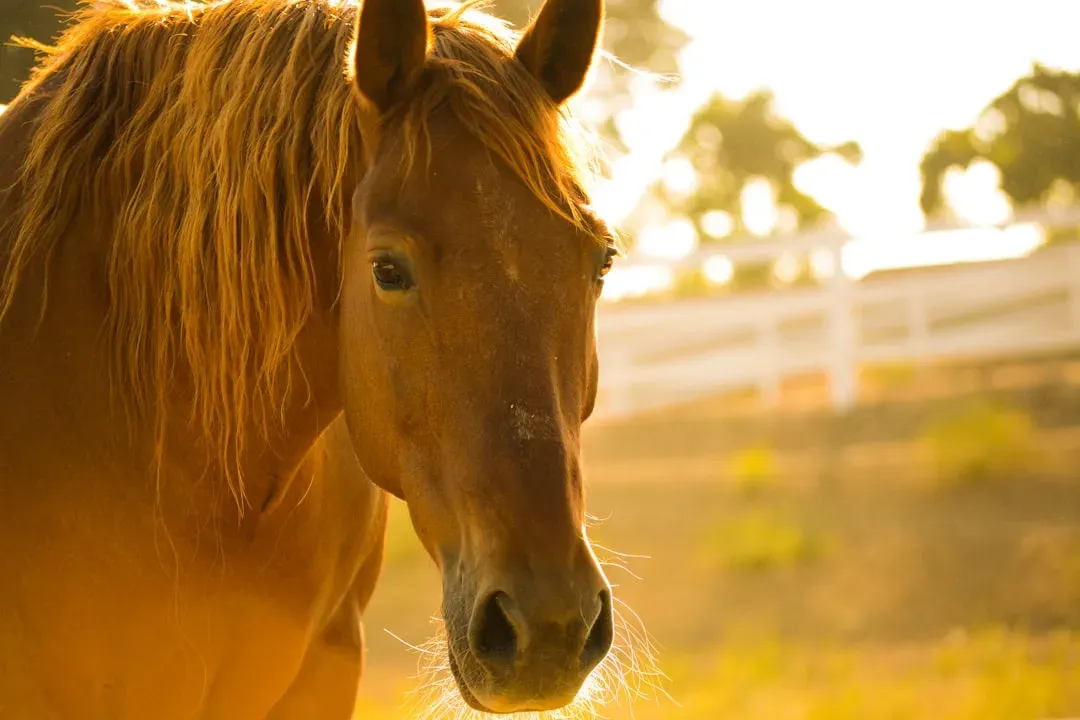
In one study, researchers first presented horses with a photograph of a happy or angry face belonging to one of two human models. Several hours later, the horses were presented with the same human subject but assuming a neutral expression. Results revealed a significant difference in the first gaze, with horses that had previously seen the angry face showing a left gaze bias when viewing the same live subject with the neutral face.
In this case, horses remembered the identity of those individuals, which had been perceived as potentially harmful in the last encounter. This refined skill seems to allow horses to use the valence of human facial expression as a basis for future encounters with the same subject, building specific individual emotionally valenced memory to quickly detect intentions and emotional states.
Think about that. Even when you show up calm and pleasant, a horse that previously encountered your anger may still look at you with a degree of wariness. You can’t simply reset with a smile. Reputation, for a horse, is built in the body, not the words.
#8. The Inconsistencies in What You’re Asking

One major issue in horse-human communication is inconsistent body language. Riders may unconsciously send mixed signals through their seat, legs, or hands. Squeezing with the legs to go forward while pulling on the reins to stop, for example, confuses the horse. These contradictions are not invisible. Horses catch them before a rider even realizes something is off.
Horses, being highly sensitive, pick up on these inconsistencies and often respond with hesitation or resistance. What looks like a “difficult” horse to an outsider is often a horse responding logically to a human who is sending contradictory signals. In human-animal interactions, the stress level of humans can be communicated to the animal, affecting the behavior and emotional state of animals. This is particularly relevant in human-horse interactions, as horses are highly perceptive and responsive to subtle changes in human body language and emotional cues.
#9. The Reflection of Your Emotional State, Back at You
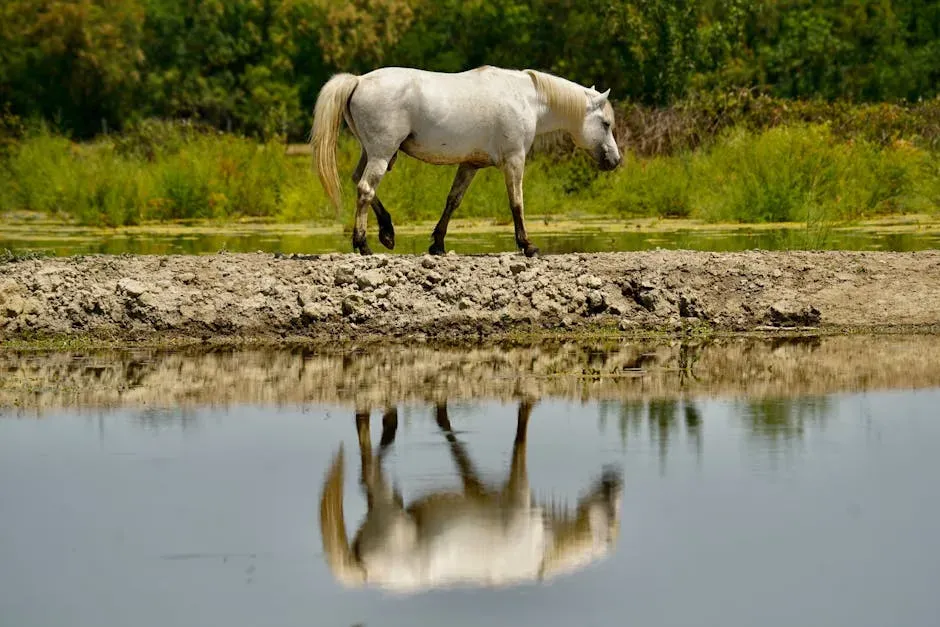
One intriguing aspect of the emotional connection between horses and humans is that horses are often described as “emotional sponges.” They have been observed to react strongly and rapidly to human emotions. Spend time around horses and you start to notice that their mood seems to track yours in an uncanny way.
Horses have a remarkable ability to not only recognize human emotions but also reflect and respond to them. Research has shown that horses can recognize human emotions and react to the emotional states of humans. This ability allows horses to serve as mirrors, reflecting the emotions and intentions of those around them.
Horses exhibit relaxation as a response to calming and reassuring emotional cues from humans. This can be observed through behaviors such as softening of facial expressions, lowered head carriage, gentle swaying movements, and a general sense of ease and tranquility in their demeanor. When you find your calm, the horse finds it too. That’s not coincidence. It’s perception in motion.
#10. The Difference Between Joy and Fear, Just From How You Smell
Animals are widely believed to sense human emotions through smell. Chemoreception is the most primitive and ubiquitous sense, and brain regions responsible for processing smells are among the oldest structures in mammalian evolution. Thus, chemosignals might be involved in interspecies communication. This is an ancient channel of connection, one that predates any training method or riding technique.
Researchers used a habituation-discrimination protocol to test whether horses can discriminate between human odors produced while feeling fear versus joy. Horses were presented with sweat odors of humans who reported feeling fear or joy while watching a horror movie or a comedy, respectively. The results were striking: horses not only detected the difference but responded to each distinctly.
The horses exposed to fear odor avoided close contact, showed less physical interaction during grooming, and were less likely to approach a human. Horses exposed to human joy odor did not show the same reactions. Joy, it turns out, is something you can literally carry into a stable with you. So is dread. Horses know which one showed up.
A Final Thought Worth Sitting With
What makes all of this so compelling isn’t just the science. It’s what the science points to. We spend a great deal of energy managing our public faces, choosing our words carefully, and presenting ourselves as composed. Horses sidestep all of that. Horses are not passive responders to human commands, as equine professionals and researchers thought until recently. They are sensitive social partners, finely tuned to the emotional signals we give off.
That’s an uncomfortable kind of honesty, and also a valuable one. A horse won’t pretend not to notice your anxiety, your inconsistency, or the anger you’re still carrying from three days ago. Horses are extremely perceptive animals, and research suggests they pick up on subtle emotional cues from humans, including chemical signals we emit without realizing it. A nervous or fearful handler may unintentionally make a horse more cautious or tense, even if trying to remain calm outwardly.
In a world that rewards performance over authenticity, spending time with a horse has a way of quietly dismantling the act. They don’t care what you say you’re feeling. They already know what you are.