
There’s a reason California homeowners are paying closer attention to what’s happening beyond the back fence after dark. In urban and suburban areas, coyotes actively prey on domestic pets like cats and small dogs. Over 160 incidents involving coyotes and humans have been documented in California since the 1970s, mostly concentrated in Southern California suburbs. Those numbers don’t capture the far more routine encounters involving family dogs, which happen with considerably more frequency.
In suburban areas, coyotes encounter an abundance of food sources such as rodents, rabbits, fruits, garbage, and pet food. This surplus diminishes natural constraints on their population and contributes to behavioral shifts, including increased boldness and reduced fear of humans. For anyone sharing a neighborhood with these animals, the breed of dog you own genuinely matters. Some are built for this. Others, through no fault of their own, simply aren’t.
#1 Kangal
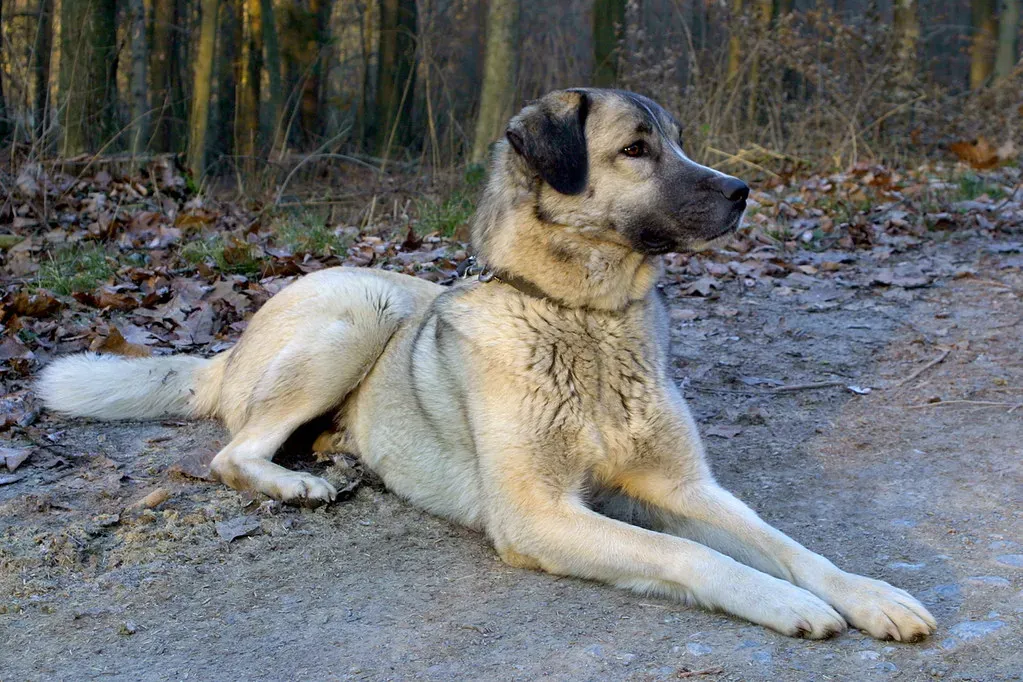
When it comes to raw physical credentials against a coyote, the Kangal sits at the very top of the list. Weighing 90 to 145 pounds, Kangals possess the strongest measured bite force of any domestic dog, reportedly as high as 743 PSI, significantly higher than that of a German Shepherd. A California coyote, by contrast, typically tops out at around 50 pounds. The size mismatch alone is decisive.
The Kangal does not gather or move stock on command the way herding breeds do. Instead, it patrols, places itself between the flock and any threat, and uses intimidation and chase as its primary deterrence tools. That independent instinct to position itself as a barrier between predator and family makes it extraordinarily effective in suburban backyards where a coyote might scout the perimeter at dusk. Despite this power, well-bred Kangals show remarkable restraint, using only the force necessary in any given situation.
#2 Anatolian Shepherd
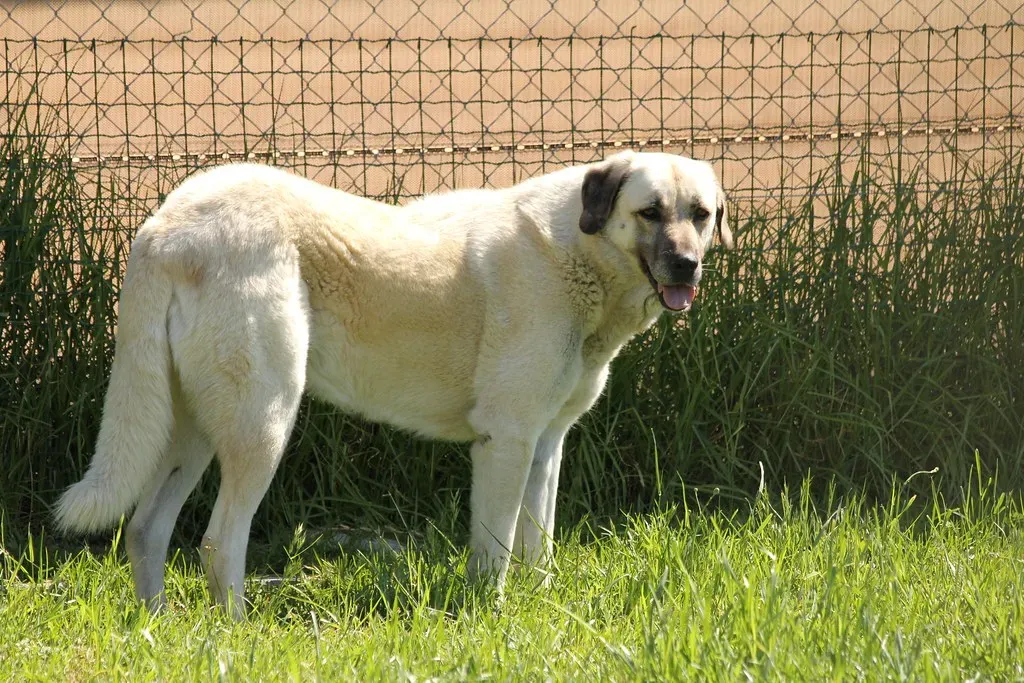
The Anatolian Shepherd is a big, muscular breed of ancient guard dog that originated from what is now modern-day Turkey, perhaps as far back as 2000 BC. Its original purpose was to guard livestock, not to shepherd them. Thanks to its size and ferocity, it could stand up to aggressive predators like bears, coyotes, and wolves that threatened the flock. That ancient job description translates directly to the coyote-pressured suburbs of Southern California today.
The Anatolian Shepherd is a strong and brave guardian dog with exceptional coyote deterrent abilities. This breed is famous for defending against predators, including coyotes, and has a commanding attitude and thick coat to keep them at bay. With their loyalty and fearlessness, Anatolian Shepherds are an excellent choice for protecting property and loved ones from coyote threats. They think independently, which matters enormously when a threat appears at 2 a.m. and no one is awake to give commands.
#3 Great Pyrenees
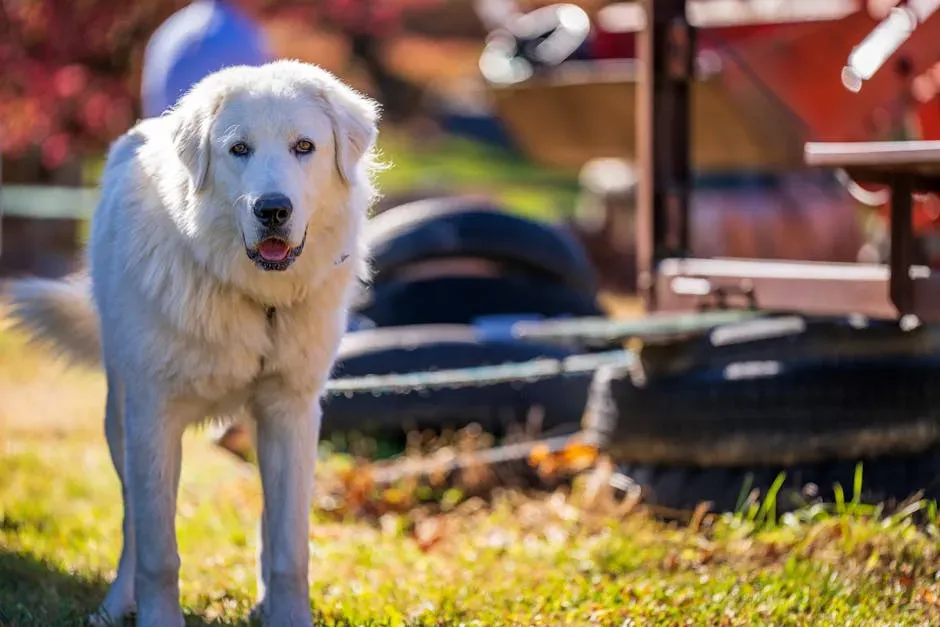
Great Pyrenees, with their large size and defensive attitude, are renowned for their ability to protect against coyotes and safeguard livestock. These majestic dogs have a strong sense of loyalty to their families and will go to great lengths to keep them safe. They are gentle and patient with family members, but when it comes to protecting their territory, they’re fearless and relentless.
The Great Pyrenees was originally bred for protecting livestock in the Pyrenees Mountains from large predators like wolves and bears. This makes it an ideal guard dog to not only keep coyotes at bay but to hunt and kill them if needed. They have a bite force of 500 to 650 PSI and strong jaws that can easily take down a coyote. Their thick white coat and sheer mass serve as a visible deterrent long before any confrontation actually develops.
#4 Akbash
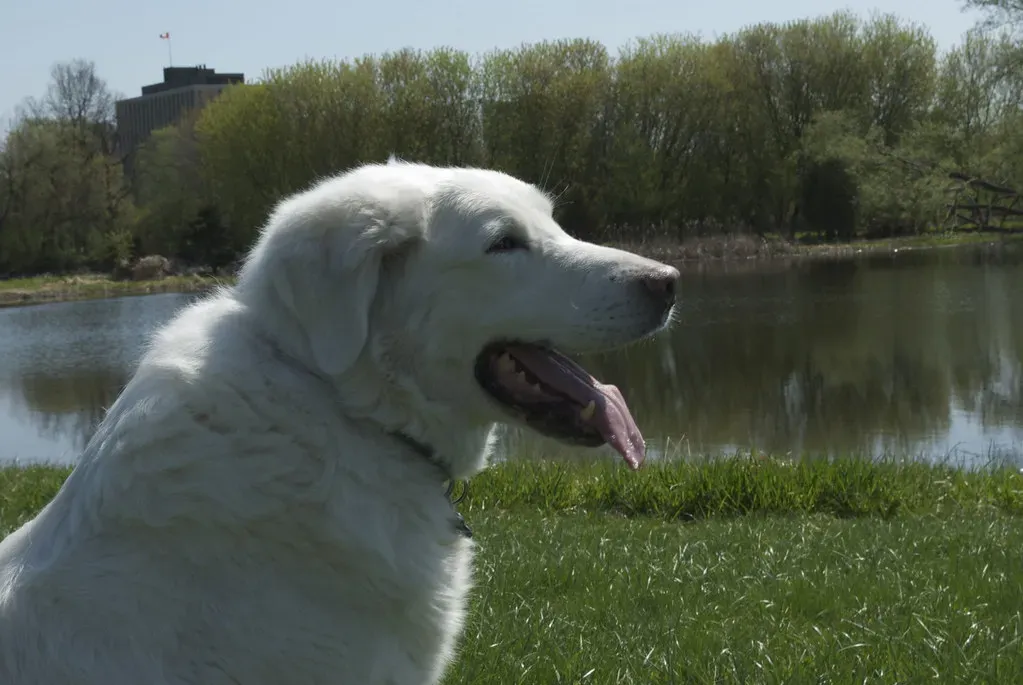
Akbash dogs have natural protective instincts to guard against threats like coyotes. They can also easily blend in with a white-coated flock, then surprise predators out of nowhere, scaring them away efficiently. The Akbash is a large dog with immense power and a bold nature who can easily take down a coyote if needed. That element of surprise is underrated. Coyotes that don’t immediately register a guardian as a threat often learn that lesson the hard way.
When it comes to protecting against coyotes, the Akbash breed stands out with its exceptional protective instincts. With their size and strength advantages, Akbash dogs are a formidable opponent for any coyote. Originally from Turkey’s western regions, the Akbash has been used on American ranches and rural properties for decades, and its deterrence capabilities adapt well to suburban settings where the yard serves as the flock.
#5 Rottweiler
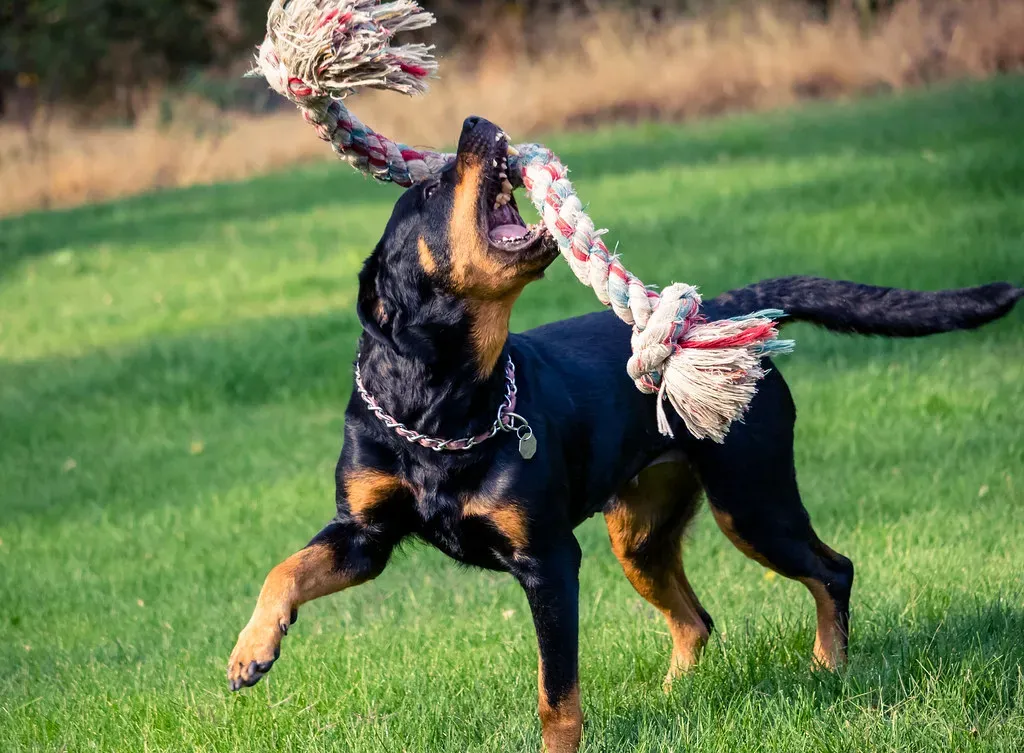
Rottweilers are powerful, confident dogs known for their unwavering loyalty and protective instincts. Historically bred to herd livestock and pull carts, they have a strong, muscular build that makes them formidable against predators like coyotes. Rottweilers are intelligent and highly trainable, allowing them to understand the difference between a threat and a non-threat effectively.
Their deep bark and fearless nature serve as excellent deterrents to coyotes, making them a solid addition to any home seeking protection. Their protective demeanor, combined with a strong bond with their family, ensures that they are always ready to defend their loved ones and property from any intrusion. A Rottweiler posted at the back fence line is, for most coyotes, a signal to find easier territory.
#6 German Shepherd
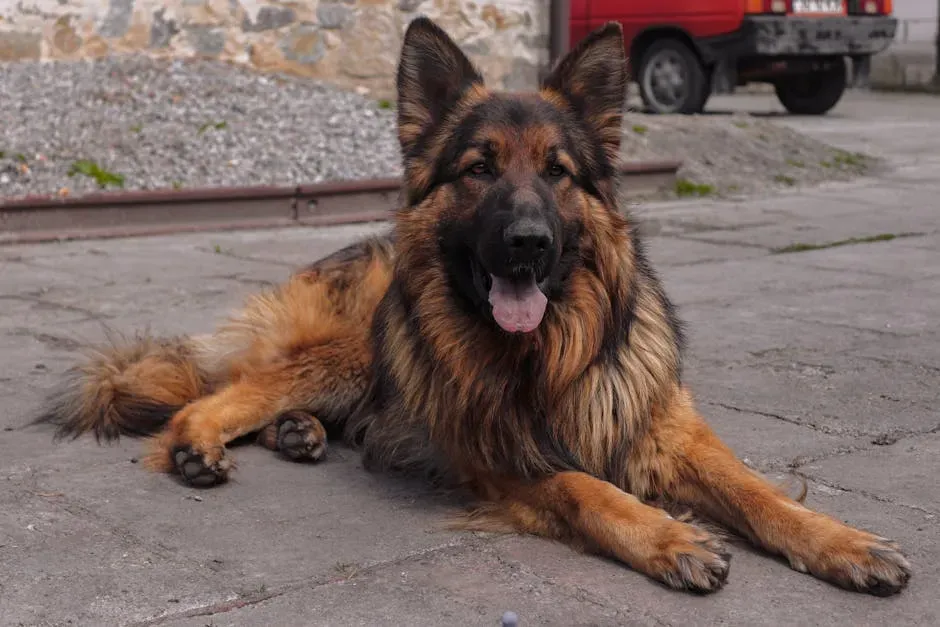
While German Shepherds are commonly associated with police and service work, their protective instincts and strong loyalty make them excellent for guarding against coyotes. German Shepherds are alert and can become formidable protectors, ready to defend their home and family from any threat. Their reputation alone carries weight in a suburban context. Few animals actively seek confrontation with a vocal, alert German Shepherd.
Larger breeds such as German Shepherds are less likely to be attacked by coyotes unless provoked or alone. That statistic cuts both ways: the breed’s size and energy tend to project the kind of confident presence that keeps coyotes from testing the boundary. They’re also deeply bonded to their families, which sharpens their protective instinct in a backyard environment rather than dulling it.
#7 Doberman Pinscher
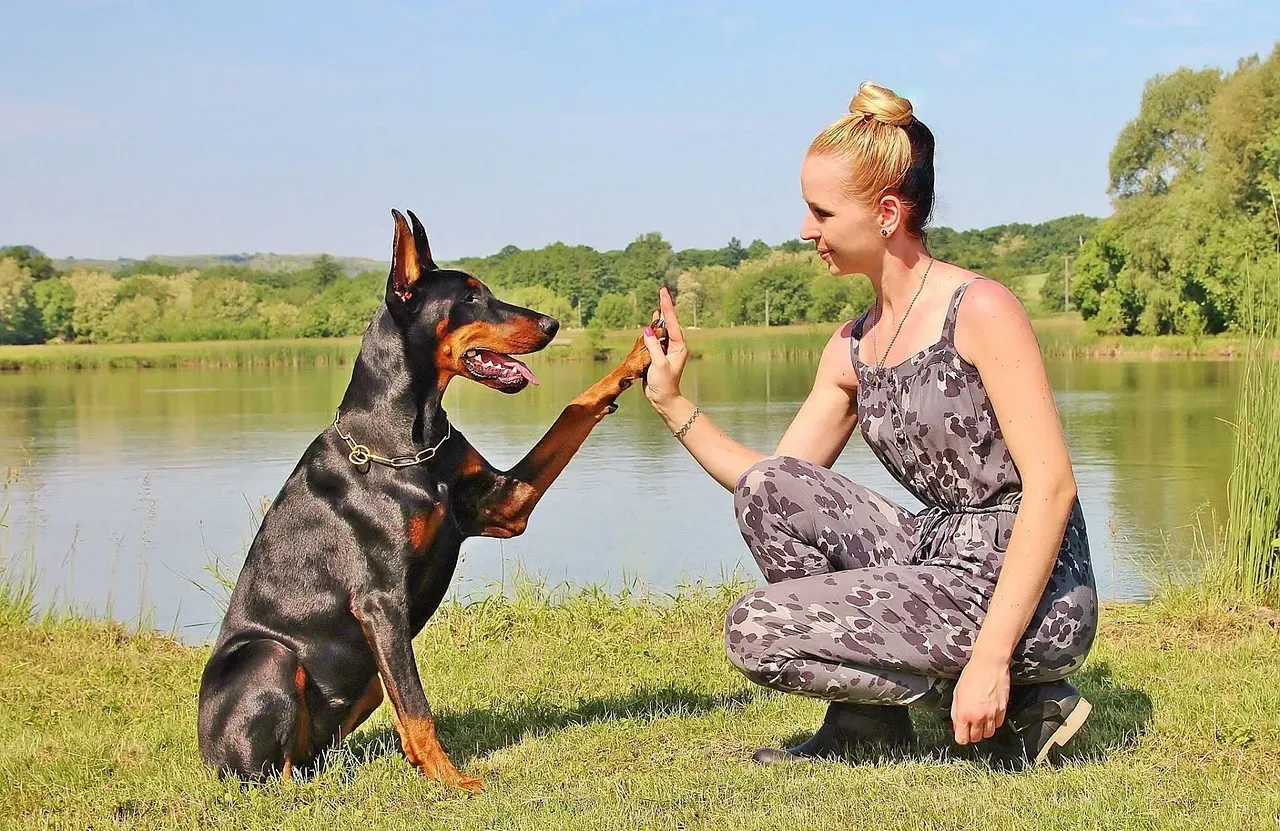
The Doberman is one of those breeds that looks exactly as intimidating as it is. Lean, fast, and fearless, it occupies a different niche from the heavy livestock guardian types, but its protective instincts and territorial nature make it a genuine deterrent in a suburban yard. Large, protective companion breeds such as the German Shepherd, Rottweiler, Doberman, and Akita are protective, trainable, and capable of defending when needed.
Dobermans are also notably vocal about perimeter threats, and that early warning system has real value in a neighborhood setting. Their speed means a coyote that scouts the yard gets a response that moves faster than expected. While a Doberman wouldn’t be the first recommendation for a household already overrun with coyote pressure, for a suburban family that needs a protective companion dog, it’s a serious option that earns its place on this list.
#8 Akita
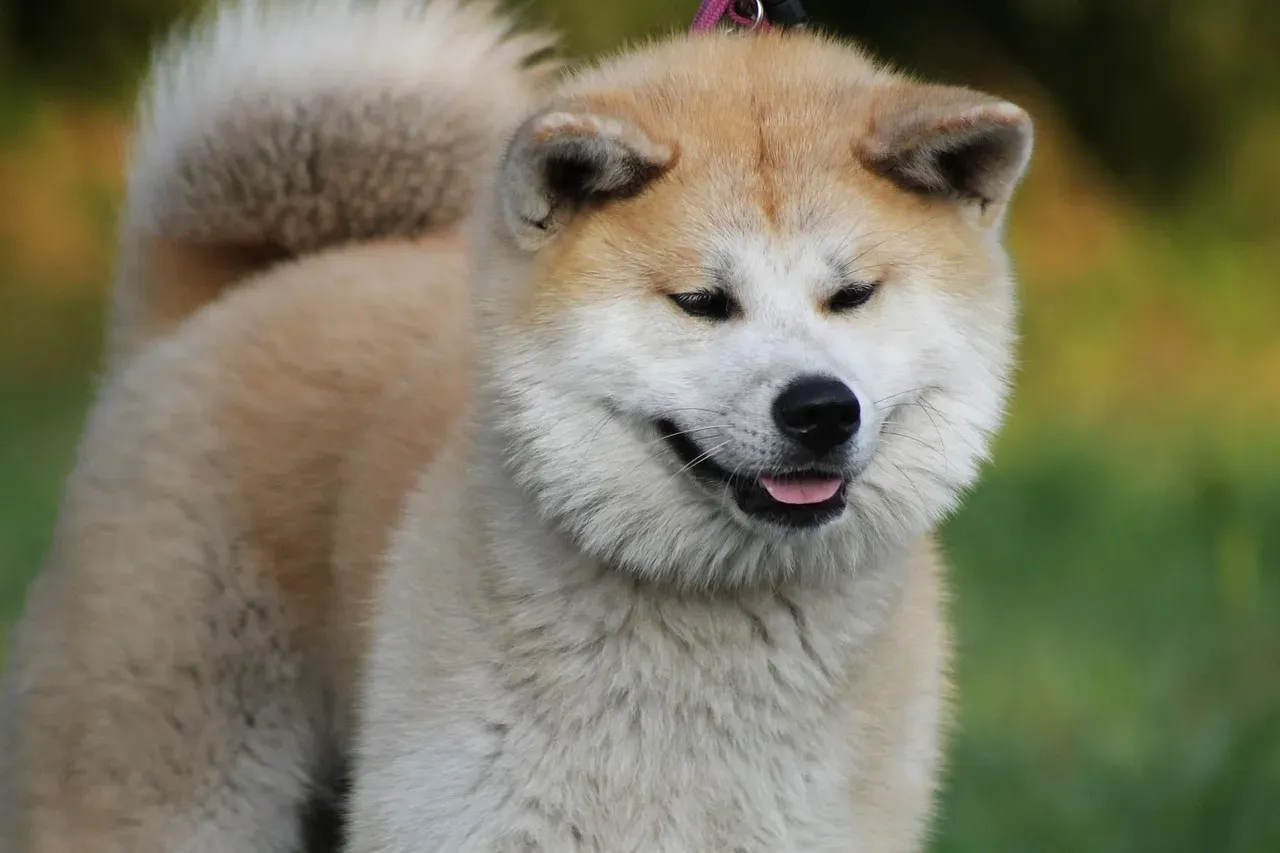
The Akita is a large, powerful breed with strong guarding tendencies. Bred in Japan to hunt boar, deer, and bear, the Akita carries a self-assured, fearless temperament that few animals choose to challenge. Its natural wariness of strangers, be they human or animal, translates to a vigilant yard presence that tends to make coyotes reconsider proximity. The Akita Inu holds a special place in Japanese culture as a symbol of good health, happiness, and long life, and in 1931, the breed was designated a national monument of Japan.
What sets the Akita apart from some of the other working breeds is its almost uncanny calm under pressure. It doesn’t bark at shadows the way some guardian dogs do. It observes, assesses, and then responds decisively. That temperament in a large, muscular package with a powerful jaw makes it one of the more underappreciated coyote deterrents for suburban California homeowners who want both a loyal companion and a capable guardian.
#9 Maremma Sheepdog
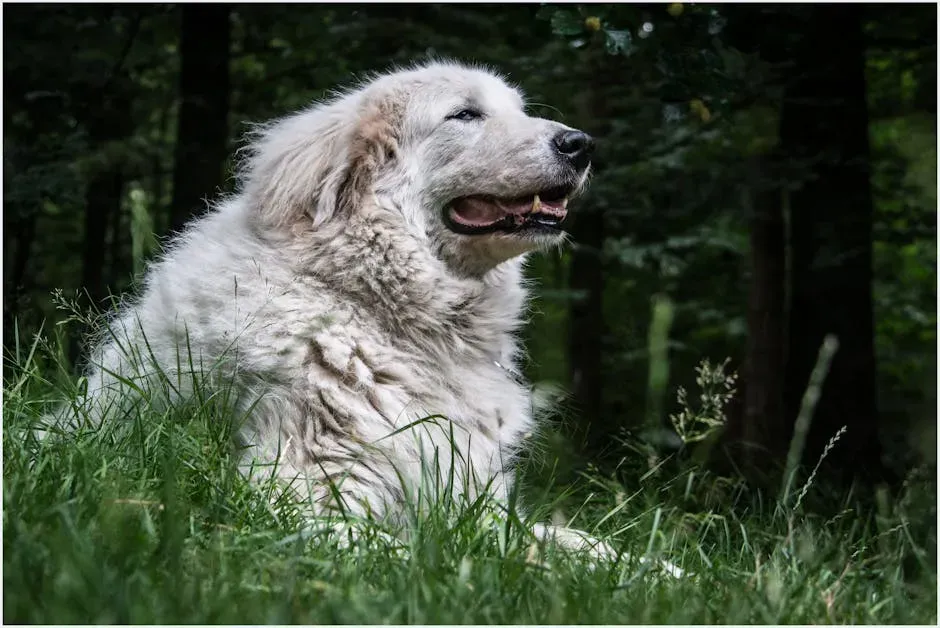
The Maremma Sheepdog, originating from Italy, has a long history of guarding livestock against predators. Like the Great Pyrenees, Maremmas are large, white-coated dogs that are both gentle with their flock and fearless when confronting threats. In California’s suburban edge zones, where neighborhoods meet brushland and open hills, this breed’s combination of size, confidence, and territorial awareness is well matched to the environment.
The Maremma bonds closely with its charges, whether that’s a flock of sheep on a hillside property or a family in a Thousand Oaks backyard. That bond activates its protective instincts and keeps it highly alert to anything that enters its designated territory. European dog breeds like the Akbash, Komondor, and Great Pyrenees were among the first to patrol America’s rangelands in defense of livestock, and they worked immediate wonders when deployed. The Maremma belongs firmly in that lineage.
#10 Kuvasz
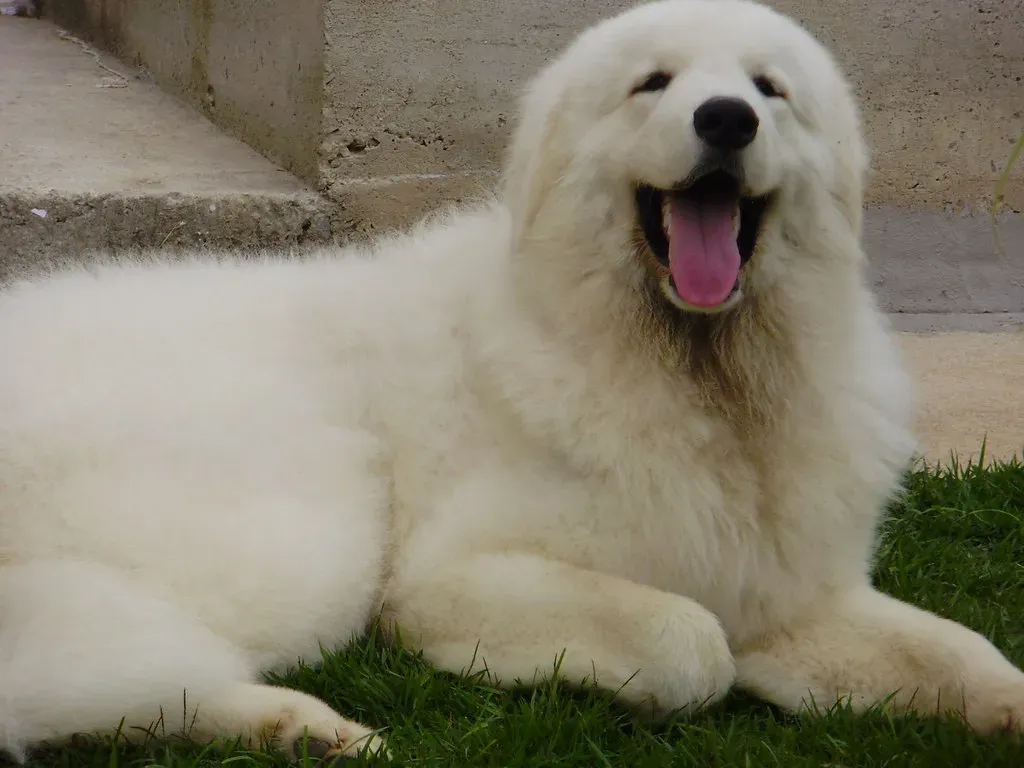
The Kuvasz is a Hungarian breed with a noble lineage, historically serving as royal guard dogs. They are large, white-coated dogs with a strong protective instinct, making them excellent for guarding livestock or properties against coyotes. Kuvaszs are intelligent, courageous, and loyal, with a gentle temperament towards their family. Their alertness and willingness to confront predators make them valuable guardians.
Among the other dogs that become great deterrents and protectors against coyotes is the Kuvasz, with a bite force of 600 PSI, making them protective of their family and loyal. For California suburbs with large yards or acreage, the Kuvasz is a natural fit. They don’t need to be told a coyote is approaching. Their instincts process the threat before you’ve even looked up from your phone.
#11 Cane Corso
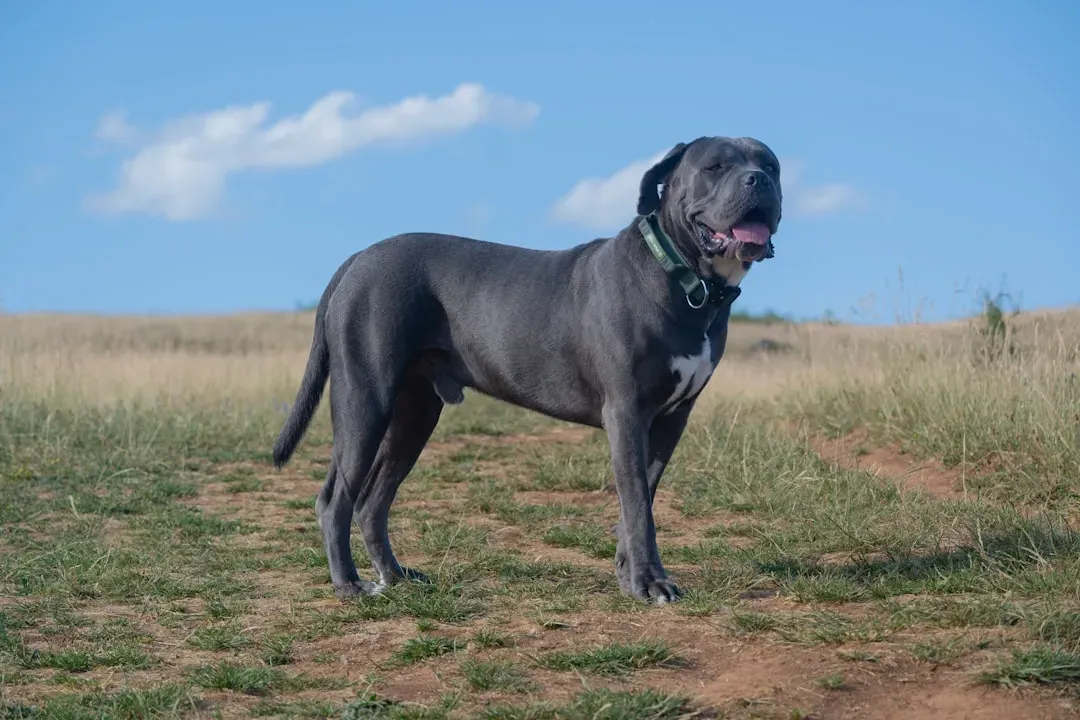
The Cane Corso is a formidable Italian mastiff that brings a different kind of authority to the backyard. Where livestock guardian breeds rely on presence and persistence, the Cane Corso pairs raw physical power with protective instinct and a deep territorial loyalty to its family. Standing well over two feet at the shoulder and weighing up to 110 pounds, it presents a physical barrier that a coyote’s risk assessment system simply cannot ignore.
The Cane Corso’s protective nature is deeply ingrained rather than trained. It reads its environment continuously and takes perceived threats to its territory seriously. In a suburban setting with a secure yard, the Cane Corso is one of the more effective natural deterrents available, as long as its owner provides consistent training, firm boundaries, and proper socialization from puppyhood. Without that foundation, its power and confidence can become a challenge in their own right.
#12 Siberian Husky
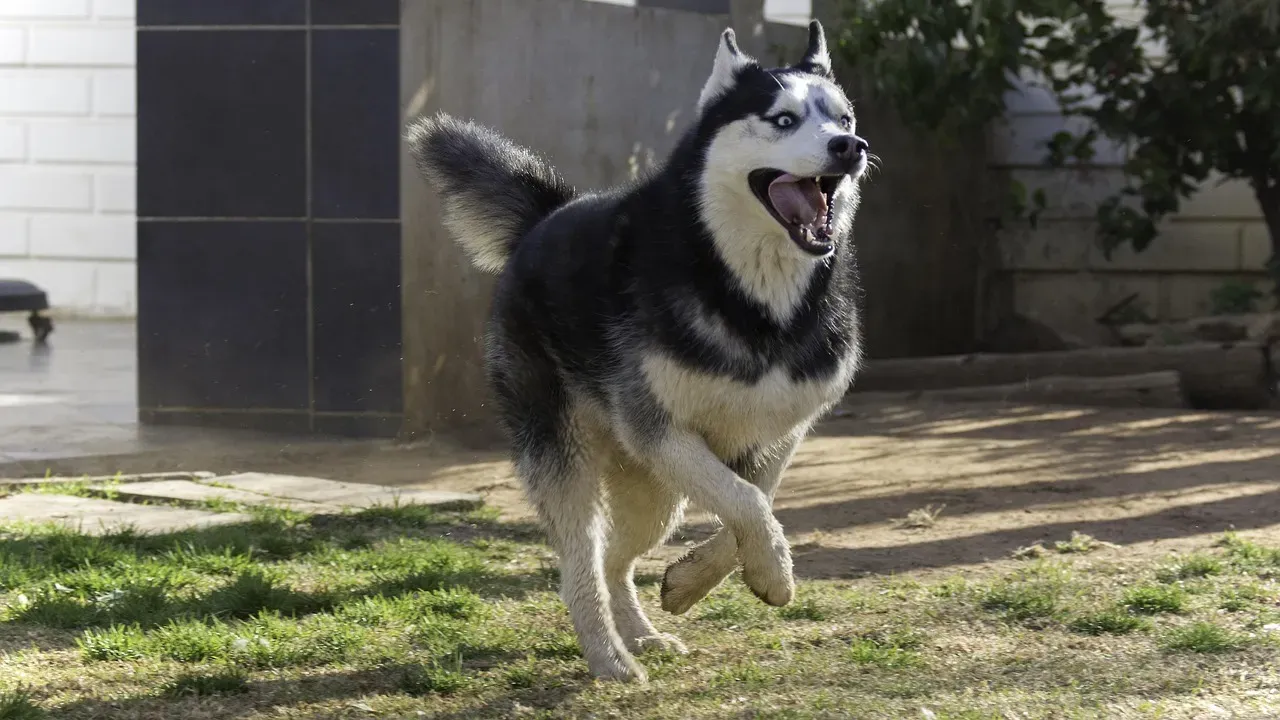
A Siberian Husky is unlikely to have issues with coyotes, and there’s a straightforward reason for that. At 45 to 60 pounds of dense, athletic muscle, a healthy adult Husky is not easy prey. Its wolf-like appearance, confident body language, and high energy create a presence that most coyotes would prefer not to test. Unlike the livestock guardian breeds that hold territory through sheer weight and intimidation, the Husky’s athleticism and speed give it a different kind of advantage.
That said, a Husky isn’t a guardian dog in the traditional sense. It doesn’t patrol, it doesn’t instinctively place itself between family members and threats, and it’s far more interested in running than defending. What it offers is personal resilience: the physical capability to hold its own in an encounter and deter a single coyote from escalating. In higher-pressure coyote zones or areas where packs are common, a Husky is better understood as a dog that can handle a one-on-one situation rather than a reliable property guardian.
#13 Yorkshire Terrier
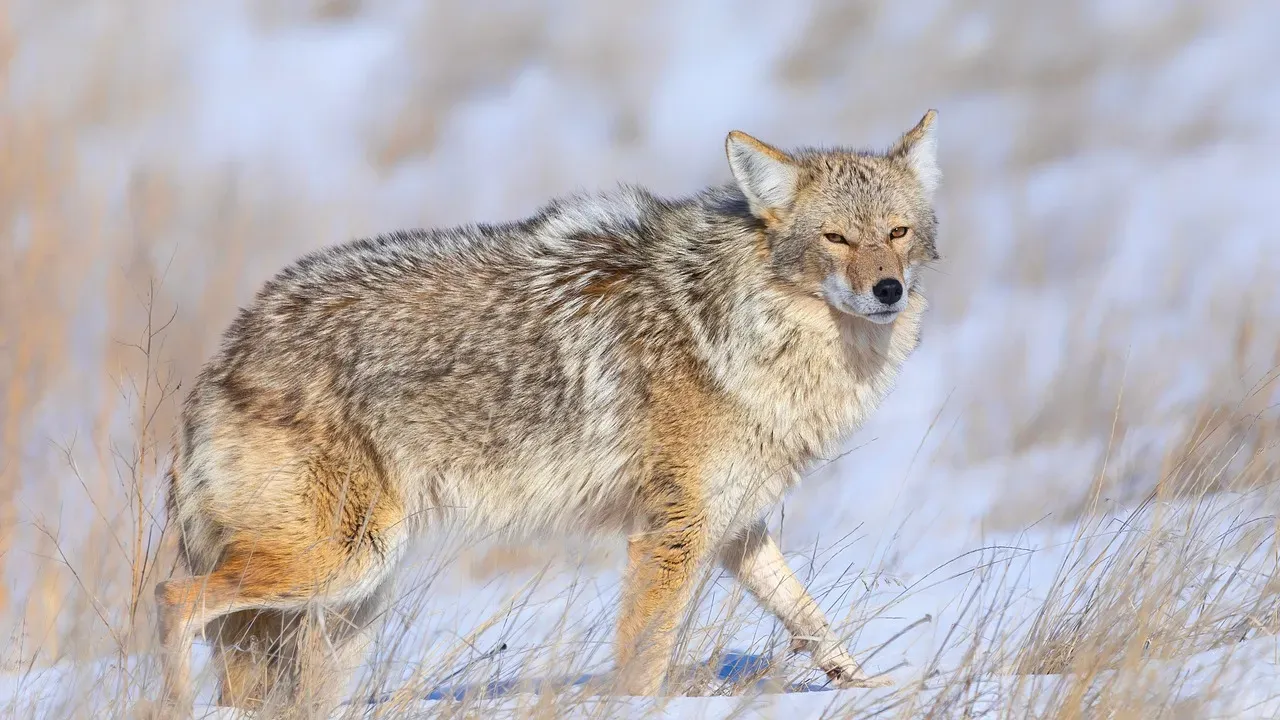
Yorkshire Terriers are among the breeds most commonly attacked by coyotes, logging six documented attacks in urban coyote research data. The Yorkie’s diminutive size, typically well under ten pounds, places it squarely in the category of prey rather than competitor in a coyote’s assessment. Small dogs weighing under 10 kilograms are the most vulnerable to predation, as coyotes may view them as either prey or competitors for territory.
Smaller breeds such as Yorkshire Terriers are attacked more often, frequently resulting in severe injury or death. The Yorkie’s bold personality, a well-known trait of the breed, offers no practical protection against a predator that outweighs it by three or four times. Owners of Yorkshire Terriers in coyote-active California neighborhoods should treat any unsupervised outdoor time, even in fenced yards, as a genuine risk.
#14 Chihuahua
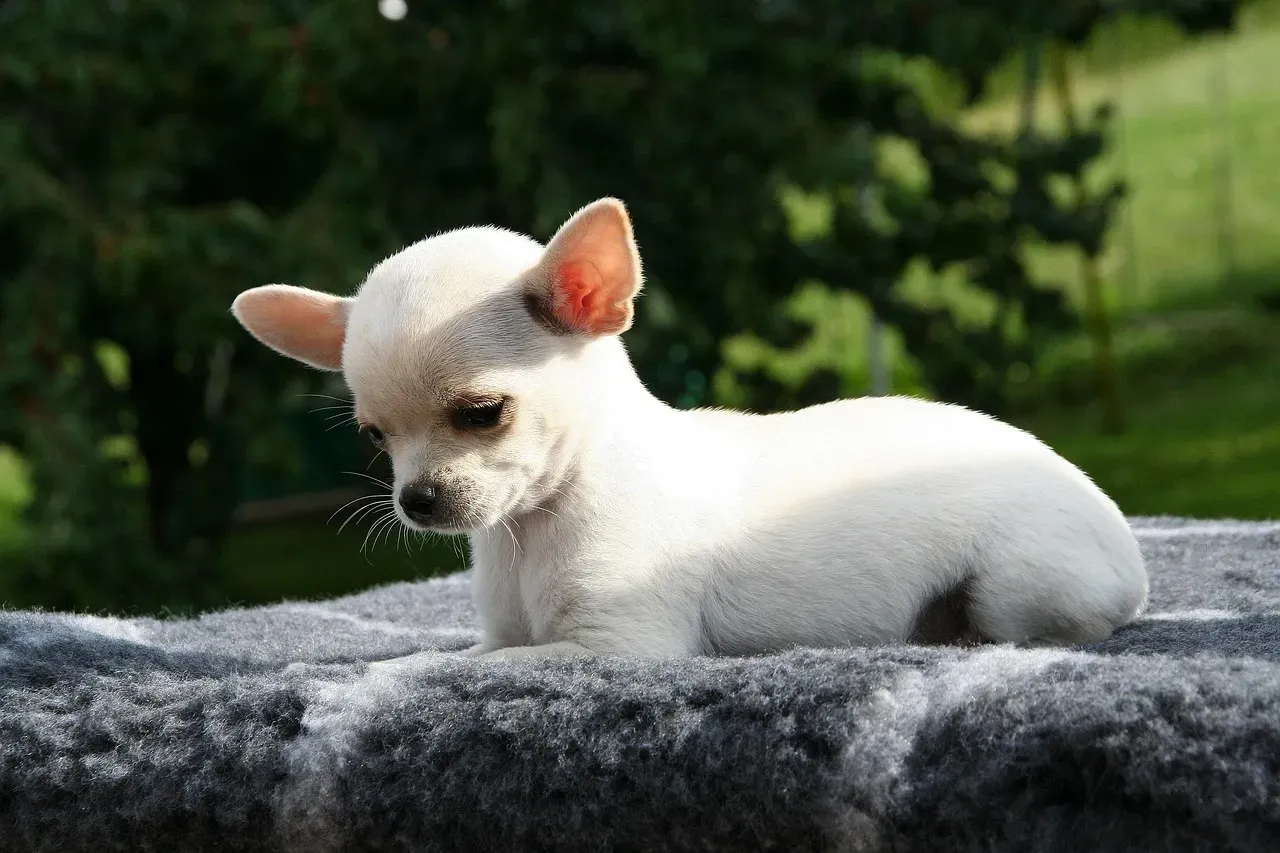
Toy breeds like Chihuahuas are among the most vulnerable to coyote attacks, due almost entirely to their size. Coyotes in Southern California suburbs have long demonstrated willingness to engage with small dogs even in close proximity to their owners. A single coyote is more likely to attack small dogs, but since coyotes are opportunistic predators, they may choose to engage with a dog of any size. Small dogs are the most vulnerable because they’re easy prey.
If you have a small dog like a Chihuahua or Pomeranian, you should be especially careful to watch it while it plays outdoors. The Chihuahua’s feisty temperament is no substitute for size or strength in this equation. A coyote simply does not experience a five-pound dog as a threat. Chihuahua owners in coyote-active zip codes across Los Angeles, Orange County, and the Bay Area should treat any unsupervised backyard access as an unacceptable risk after dusk.
#15 Shih Tzu
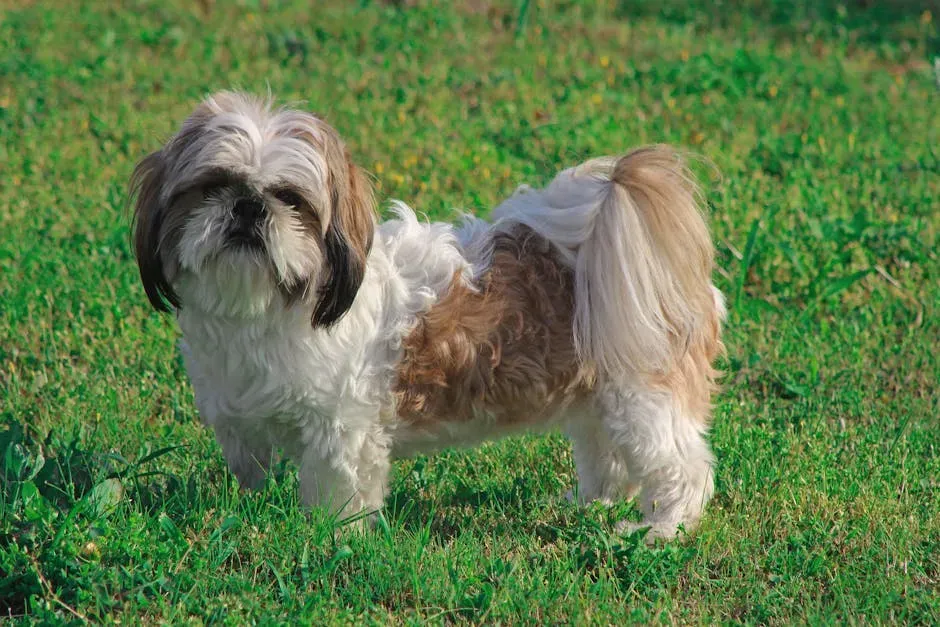
Shih Tzus are among the dog breeds most commonly reported as victims of coyote attacks, with six documented attacks in urban coyote research. Bred entirely as a companion animal, the Shih Tzu has no protective instincts, no deterrent presence, and no physical attributes that would give a coyote reason to hesitate. They’re beloved family dogs, gentle and cheerful, and that temperament is absolutely the right fit for a home environment. It’s just the wrong profile for a coyote encounter.
Quiet or timid dogs may not effectively discourage a coyote’s approach. The Shih Tzu fits that profile precisely. In a coyote-heavy suburb, a Shih Tzu outdoors unattended is a vulnerable animal, not by any failure of character, but by the plain reality of its size and build. Coyote vests and strict supervision are reasonable precautions, but the safest policy for Shih Tzu owners in high-activity areas is to accompany them outdoors every single time.
#16 Maltese
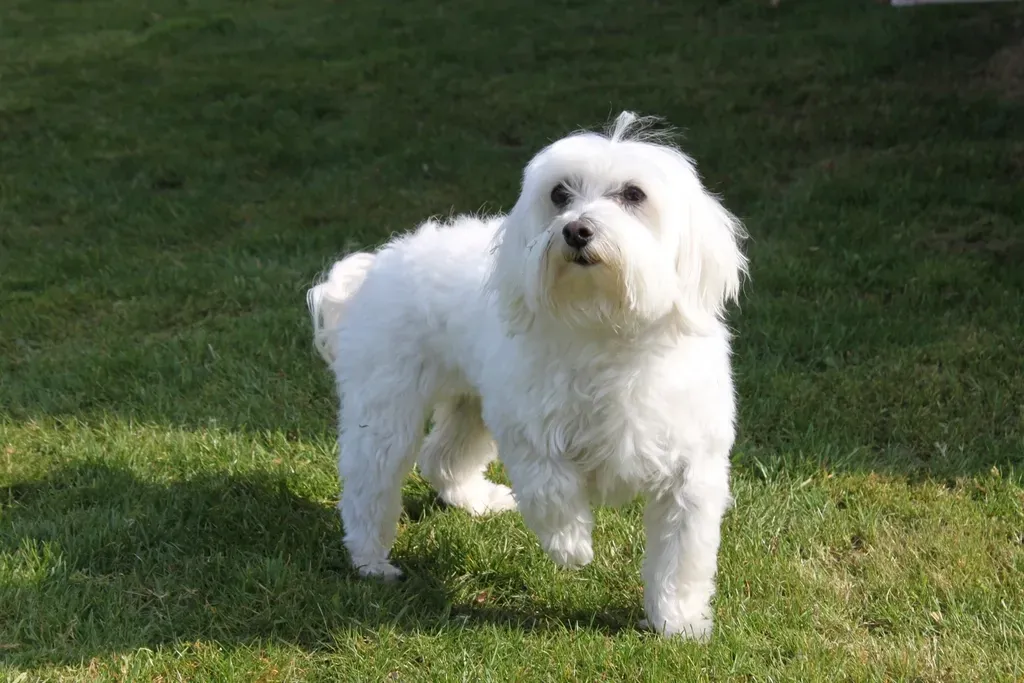
Coyotes are much more likely to snatch a small pet like a Toy Poodle or Maltese. At roughly four to seven pounds when fully grown, a Maltese presents no physical deterrent whatsoever to a coyote that has become habituated to suburban environments. The breed’s long, flowing white coat may even draw visual attention in dim light conditions, making it easier to spot during the crepuscular hours when coyotes are most active.
Attacks often occur during the crepuscular hours of dawn and dusk, when coyotes are most active, but they can happen at any time of day in areas where coyotes are accustomed to human activity. That “any time of day” caveat is particularly relevant for Maltese owners given that these dogs are commonly let out in backyards throughout the day without supervision. In coyote-active neighborhoods across California, this breed warrants the highest level of outdoor vigilance of any dog on this list.
#17 Pomeranian
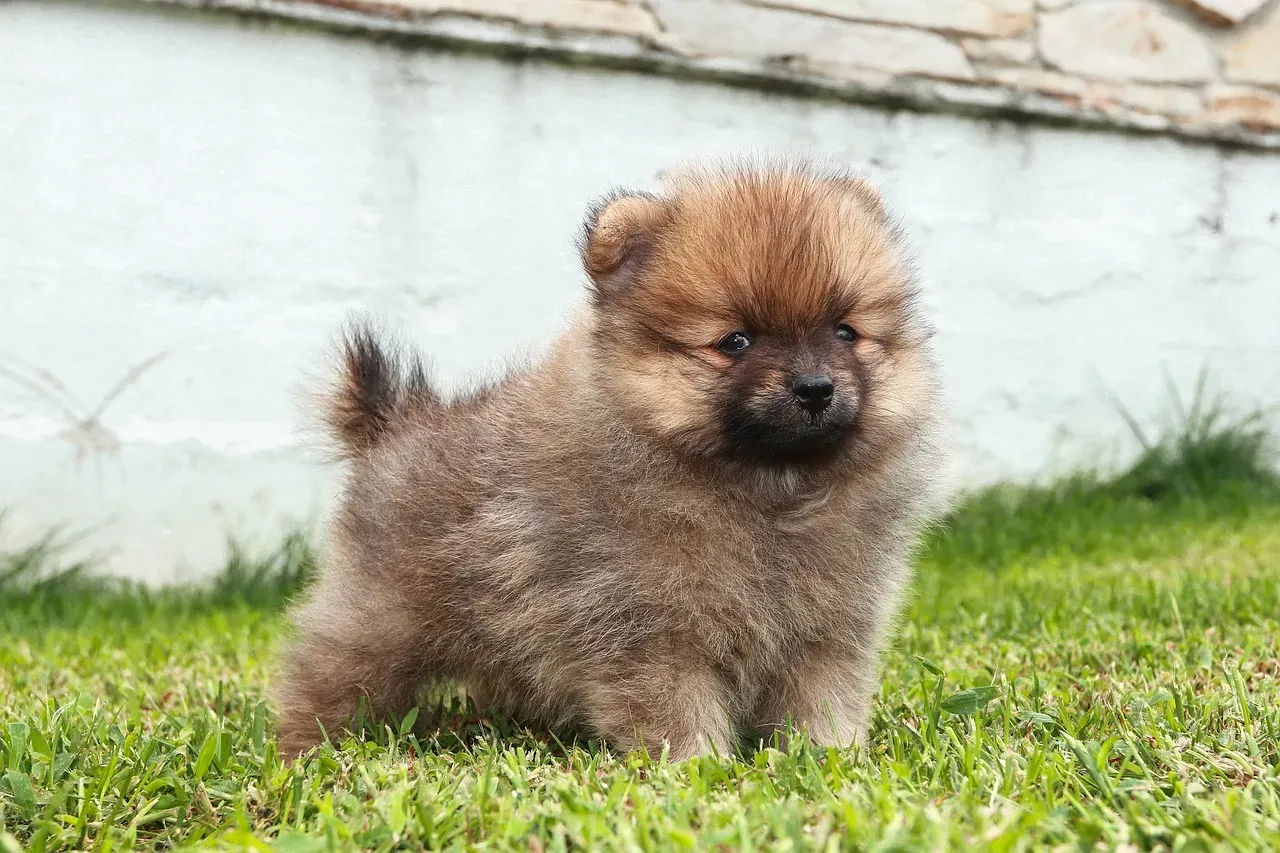
Chihuahuas, Pomeranians, and similar small dogs are particularly vulnerable to coyote attacks. The Pomeranian’s fluffy appearance and small frame, typically between three and seven pounds, places it at the extreme vulnerable end of the spectrum. Coyotes may still go after smaller dogs even with humans nearby. That means even a supervised outdoor moment with a Pomeranian carries more risk in a coyote-active neighborhood than most owners realize.
The Pomeranian is an alert, vocal little dog that will absolutely sound the alarm at a coyote’s approach. The problem is that its warning goes largely unheeded by the threat it’s warning about. Noise without physical backing is not deterrence. Coyotes are naturally cautious around large, assertive dogs, especially those bred for protection. However, smaller or passive dogs may not intimidate coyotes, and in some cases, coyotes may actively attack them. The Pomeranian falls squarely in the second category.
The Bottom Line on Dogs and Coyotes in California
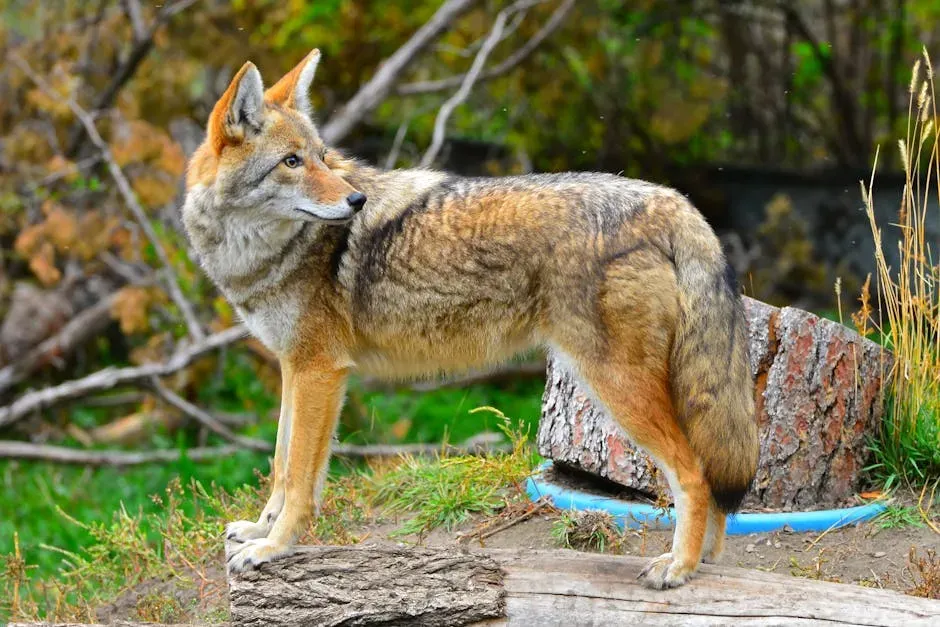
This list isn’t meant to make small dog owners feel powerless. It’s meant to make them realistic. Prioritizing supervision, secure fencing, removing attractants, and training matters more than breed choice alone. Responsible management and environment are the decisive factors in preventing coyote attacks. No dog, regardless of size or breed, is a substitute for a properly secured yard and consistent supervision.
In suburban areas, there have even been instances of groups of coyotes attacking large dogs such as Labrador Retrievers, even in the presence of their owners. Breed gives you an edge, not immunity. Breeds most likely to survive or deter coyotes are large livestock guardian and large working breeds such as the Great Pyrenees, Anatolian Shepherd, Kangal, Maremma, and Akbash, combined with appropriate training, pairing, and management.
Here’s where I’ll say it plainly: California’s coyote situation is only getting more complex. The U.S. coyote population is steadily increasing and expanding, particularly in suburbs and cities. If you’re choosing a dog in a coyote-active neighborhood, breed temperament and physical capacity genuinely belong in that conversation. And if you already have a small dog you love, that’s not a problem, it’s a responsibility. Supervise them, secure your yard, and stop leaving them outside alone after dark. A coyote doesn’t care that your Pomeranian is the heart of your household. Your job is to make sure it never gets the chance to find that out.


