
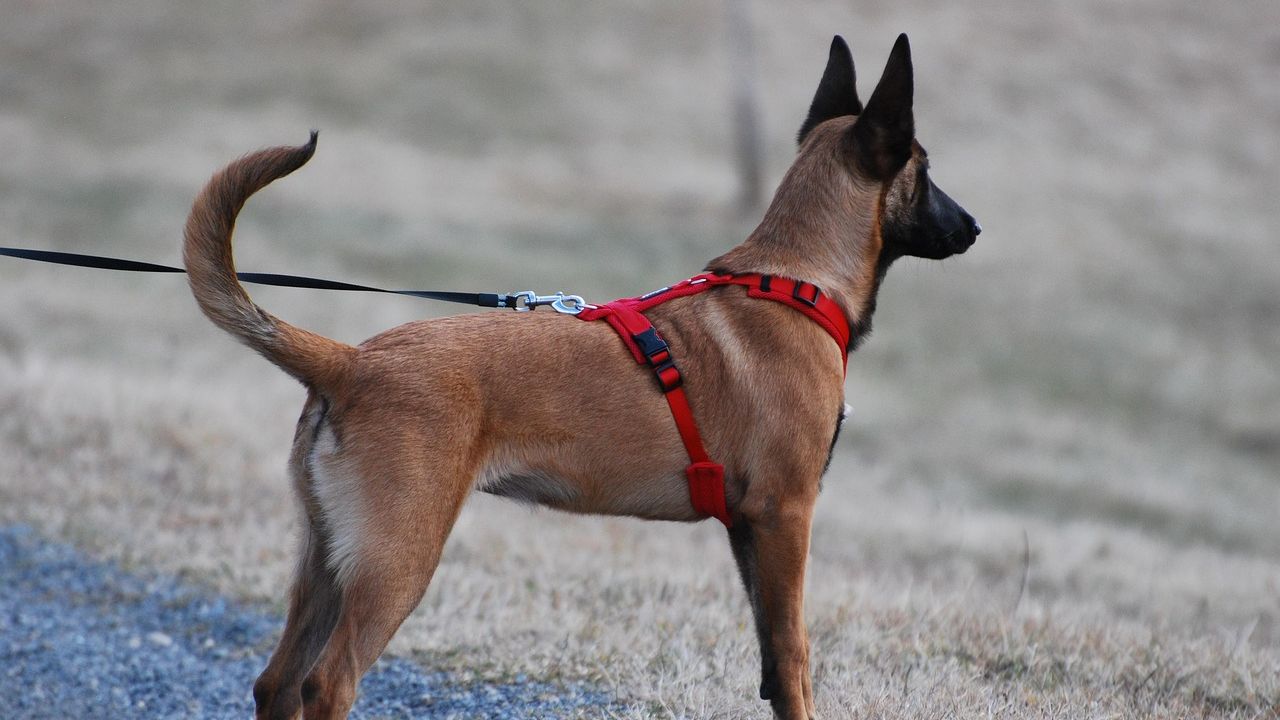
Picture this: you clip the leash on, step outside, and within seconds your dog is three strides ahead of you, straining forward like a sled dog in a blizzard. It’s not a character flaw. It’s not defiance. It’s just a dog being a dog. The frustrating part is that most people try to solve it the wrong way, and end up making things worse.
The good news is that the science of dog behavior has given us something genuinely useful here. You don’t need intimidation, prong collars, or leash pops. What you need is consistency, the right strategy, and a clear understanding of why your dog does what they do. That’s exactly what this article breaks down.
#1: Understand Why Your Dog Pulls in the First Place
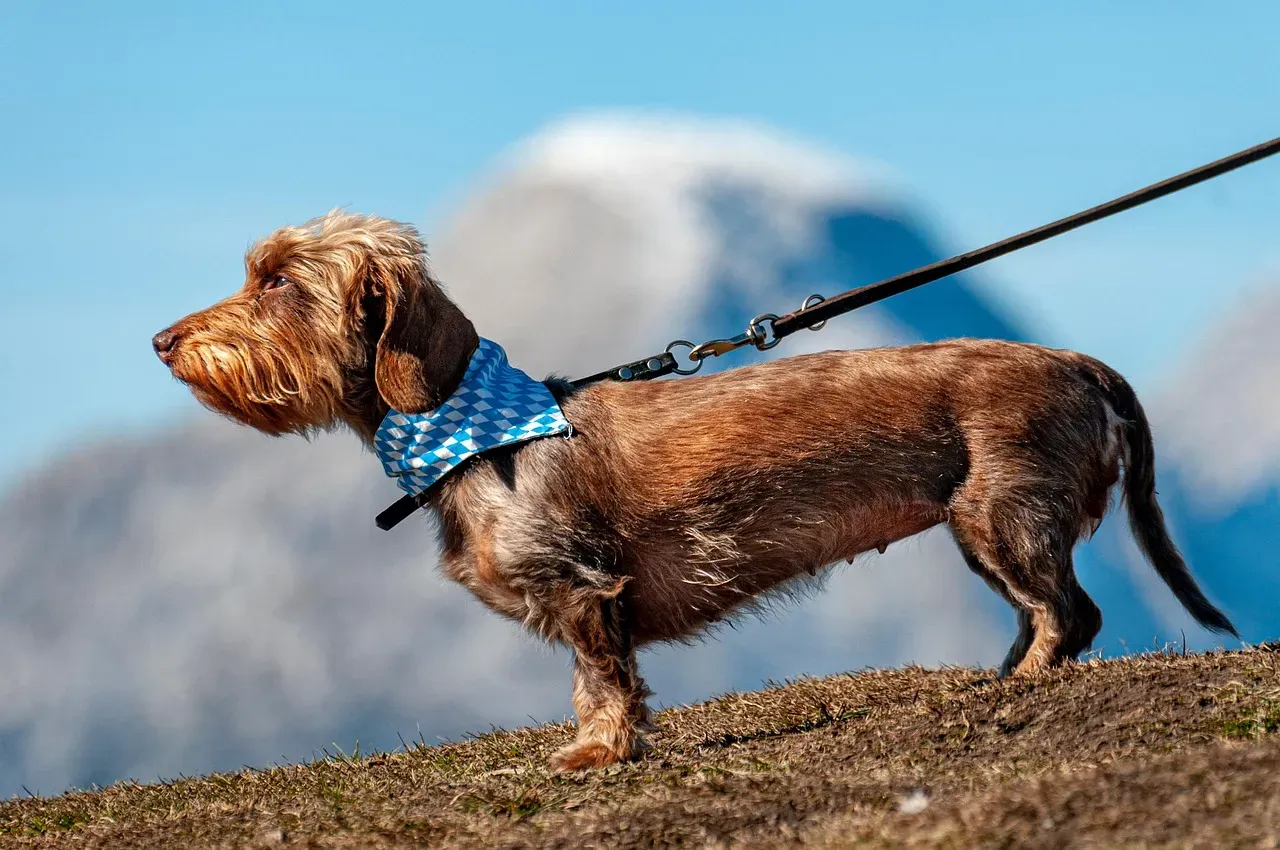
Leash pulling often starts with excitement. Dogs naturally walk faster than humans, and the outdoors offer constant stimulation of new smells, sounds, and sights. When you add the simple fact that pulling has always worked for them, you get a deeply reinforced habit.
From the dog’s perspective, pulling is simply an effective way to get closer to something they want. That’s the core of it, really. Dogs will only expend energy if there’s a reason to do so. Through pulling, dogs are able to obtain real-life rewards such as sniffing bushes, eating food off the ground, and greeting people or other dogs.
Once you understand that pulling is a self-rewarding behavior, the solution becomes a lot clearer. You need to change what works for your dog, not force their body into compliance. The secret to calm walking isn’t strength, it’s engagement. That shift in thinking is everything.
#2: Master the Stop-and-Go Method Before Anything Else
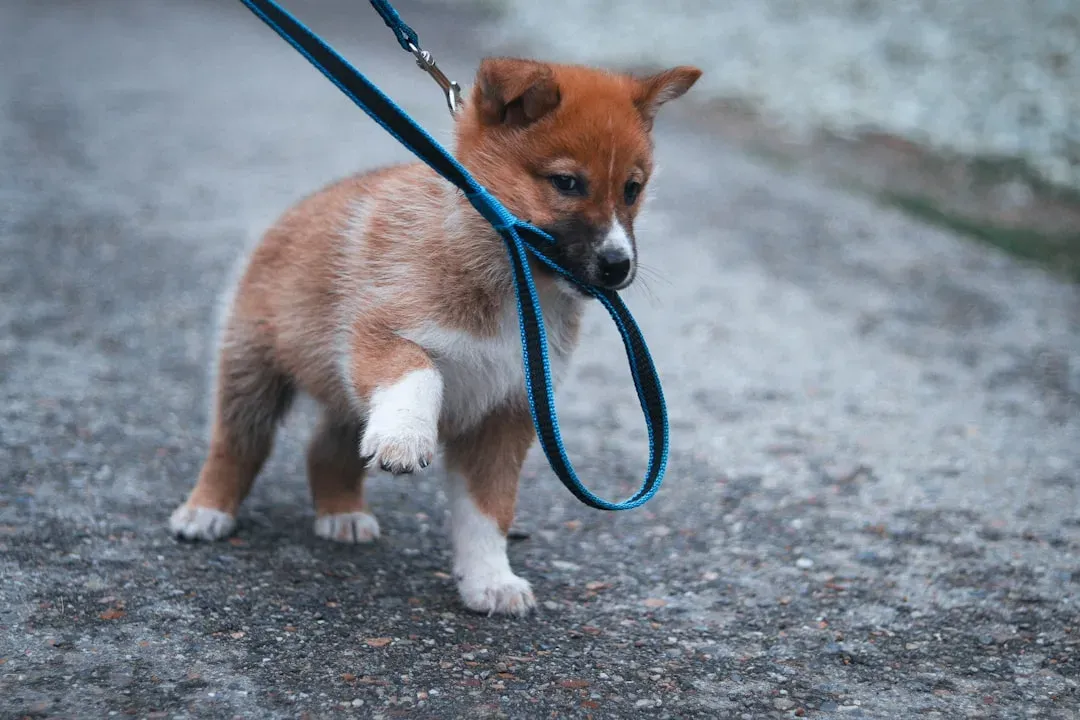
The stop-and-go method teaches dogs that pulling immediately stops forward movement, while a loose leash allows continued walking. When you feel tension on the leash, immediately stop walking and stand still. Wait patiently until your dog releases pressure on the leash by stepping back or looking at you. The moment the leash goes slack, praise enthusiastically and resume walking.
It sounds almost too simple. The catch is that it demands ironclad consistency on your end. You need to be consistent with your no-pulling rule regardless of the situation. Anytime you allow your dog to pull on the leash, you will set your training back to square one. This is where most owners slip up, especially on busy mornings or cold days.
When you stop walking, wait for a slack leash and for your dog to turn their attention back to you. It might take quite a while in the beginning, but eventually your dog will look or walk back to see what’s holding you up. At that moment, praise and reward your dog with a treat at your side, then continue the walk. Your patience in those early sessions is the actual training.
#3: Use Positive Reinforcement to Build a Walk Your Dog Wants to Be Part Of
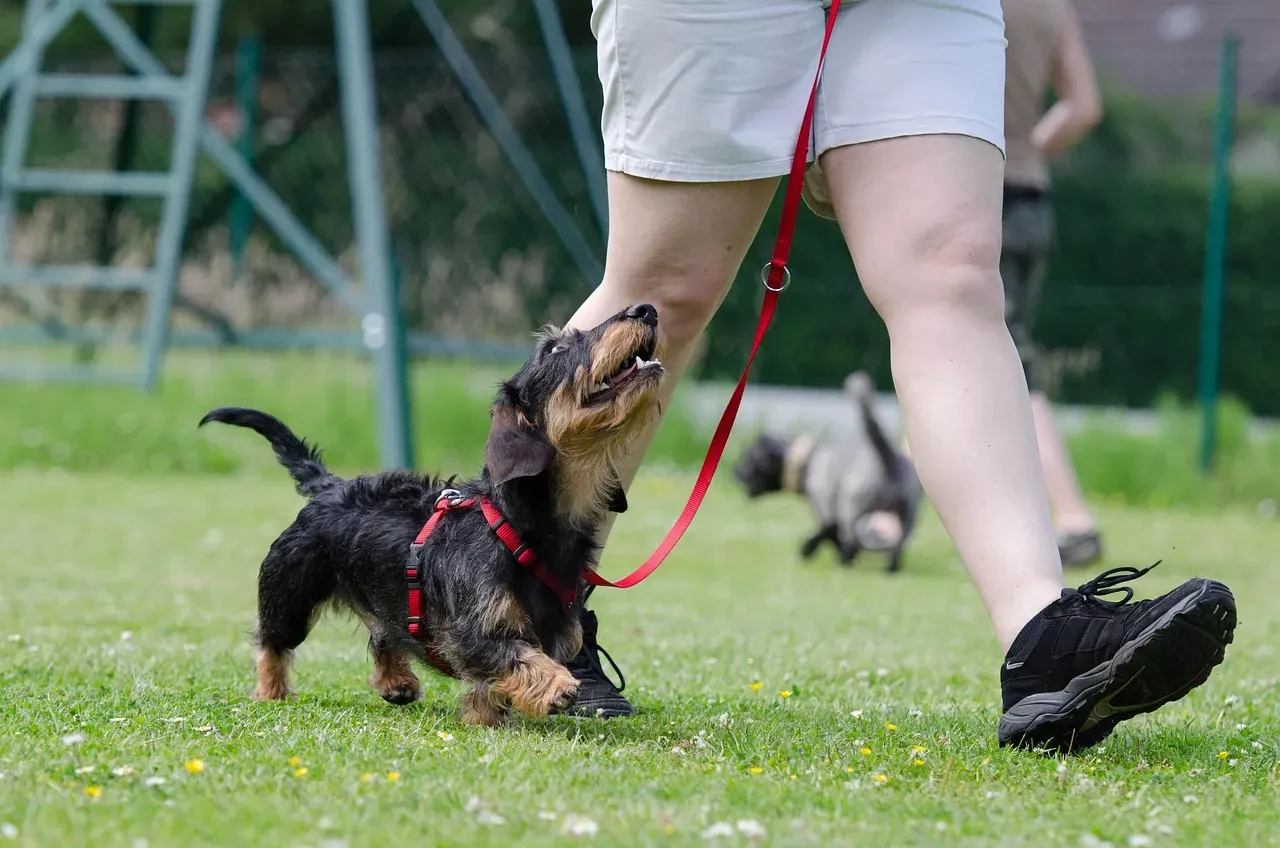
Almost all vets agree that positive reinforcement training gives you the best results when training your dog. Positive reinforcement essentially involves rewarding the good behavior you’d like to see, such as your dog walking calmly beside you, instead of punishing negative behavior you don’t want. This creates a dog that chooses to stay close, rather than one that is simply afraid to move away.
Whenever your dog walks next to you, reward them for simply walking with a loose leash near you. The more you reward your dog, the more they’ll want to hang out near you. The reward doesn’t have to be a treat, as praise, petting, and attention are also rewarding to dogs. Variety in rewards actually keeps dogs more engaged during training sessions.
Dogs trained with this method will learn to walk politely on leash without risking any of the side effects that punishment-based training carries. The biggest benefit is that dogs will learn to want to practice loose leash walking. That internal motivation is what makes the behavior stick long-term, long after the treats get phased out.
#4: Choose the Right Equipment Without Relying On It as a Crutch
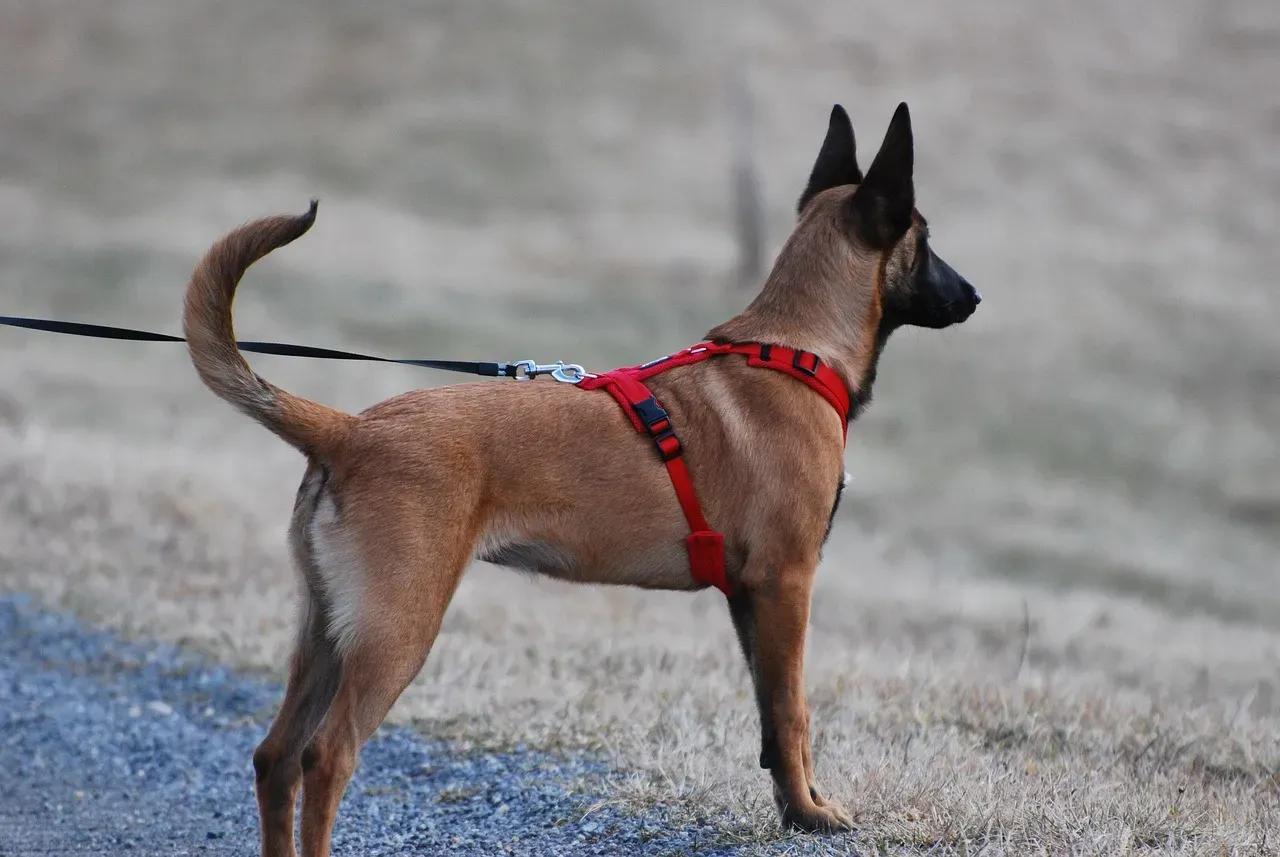
Alongside consistent training, the right equipment can make a significant difference when working on leash pulling. Keep in mind, no tool replaces training, it only supports it. That distinction matters more than most people realize.
On a training harness, or no-pull dog harness, the leash attaches in the front at the dog’s chest, which allows you to have more control when your dog pulls. When pressure is applied on the leash, the dog’s shoulders are turned and forward momentum stops. This makes it physically harder for your dog to lunge forward, which buys you time to reinforce calm walking.
Do not use leash corrections such as jerking or popping the leash or forcefully pulling the dog in the other direction. Avoid using pinch or prong collars or chain collars. These methods can physically harm dogs, make leash pulling worse, and even exacerbate behavioral issues such as lunging at another dog while on leash. Equipment that causes pain doesn’t teach your dog anything useful. It just teaches them that walks are stressful. Avoid retractable leashes during training. A fixed-length leash offers more control and helps maintain consistent communication between you and your dog.
#5: Build Focus, Patience, and Real-World Consistency Over Time
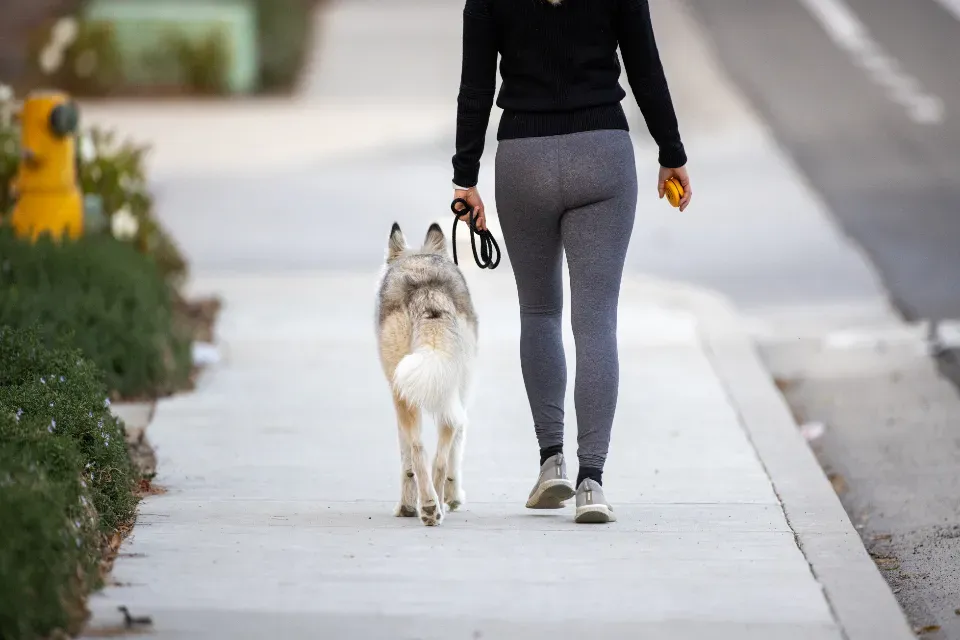
In the beginning, you might get no further than the end of your driveway. Rather than pushing your dog until you’re both feeling cranky with lack of progress, keep your training sessions short and upbeat. Puppies in particular have tiny attention spans, and asking for too much too soon is not going to get you positive results. Remember, your goal isn’t to make it a certain distance, it’s to walk with a loose leash even if that’s just to the house next door.
The first step to set your dog up for success is to choose a location that won’t be overwhelming. Whenever you are teaching a new skill, start in an environment that is quiet and without distractions so that your dog can focus on learning. Start your training at home in your yard or on a quiet street before progressing to more distracting environments. Gradual progression is not slow progress. It’s how lasting skills are built.
Some dogs take weeks to improve, others take months. Your dog’s age, breed, personality, and history all play a role. Aim for gradual improvement, not perfection. Dogs read your energy. Frustration or raised voices can make the situation worse. Stay calm and encouraging, even during setbacks. The relationship you build during these training walks pays dividends far beyond just leash manners.
Final Thought: The Walk Is the Relationship
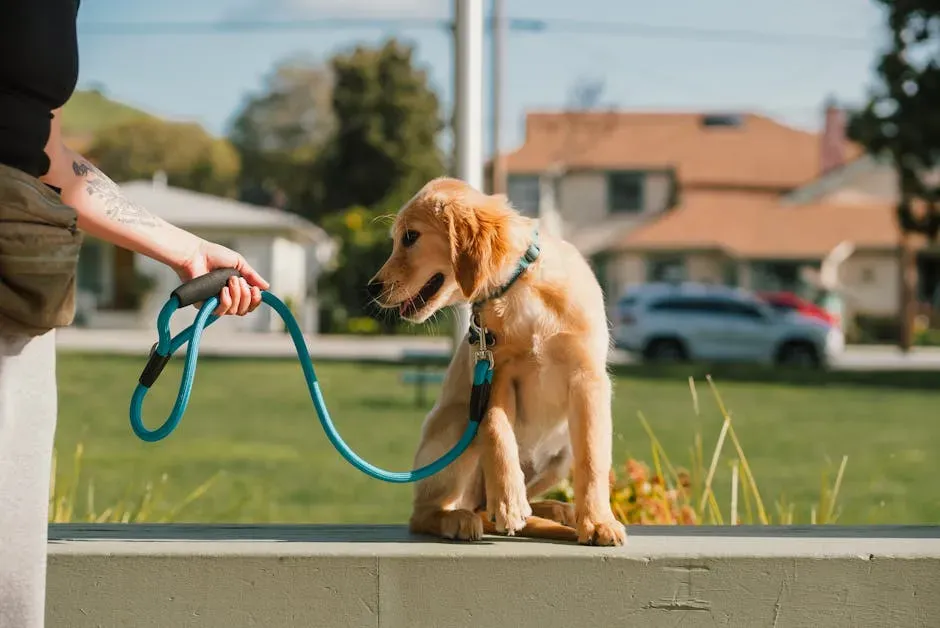
If there’s one opinion worth stating plainly, it’s this: harsh training methods are a shortcut that isn’t actually short. They can suppress behavior temporarily, but they rarely solve the underlying problem, and they almost always cost you something in the bond with your dog. Training without pain is a priority when building a trusting and healthy relationship with our dogs.
Training your dog to walk calmly on a leash isn’t just about preventing pulling. Loose leash walking training is about creating a shared rhythm, a conversation between you and your pup. That’s a far more useful frame than thinking of it as a behavioral problem to fix.
The walk you’re working toward, where the leash hangs loose and your dog checks in with you voluntarily, is built one calm, rewarded step at a time. It takes longer than a prong collar would. It also lasts longer, feels better, and leaves both of you better for it. That trade-off seems pretty obvious once you’ve seen it from the other side.


