
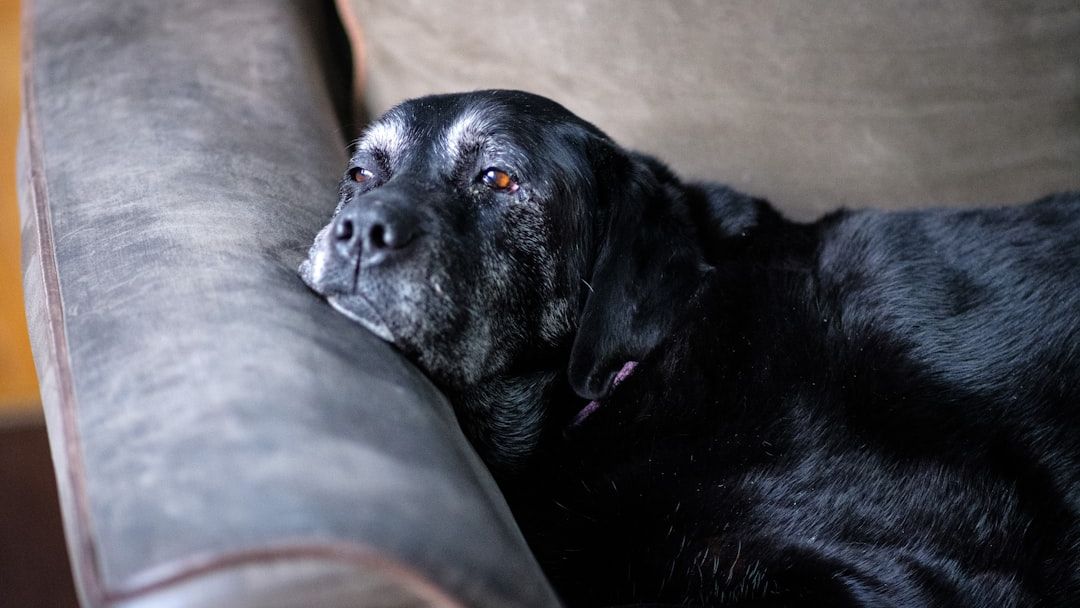
#1. They Stop Eating and Lose Interest in Food and Water
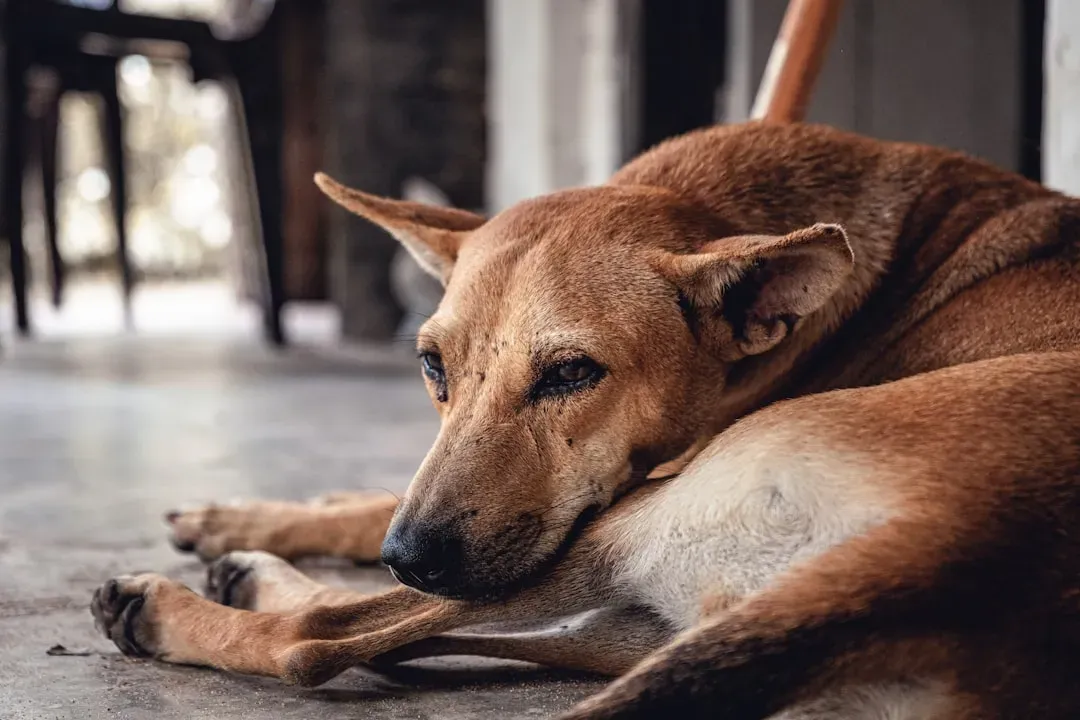
One of the most recognizable signs that a dog is nearing the end of life is a loss of appetite. Many dogs will stop eating altogether and eventually stop drinking water as well. For a pet parent, watching this happen can feel alarming, even cruel. The dog that once spun in circles at the sound of a treat bag now barely lifts their head.
Dehydration sets in quickly as the dog’s systems begin to shut down, and as the illness or aging progresses, dogs often lose weight rapidly. This isn’t a failure on your part. It’s the body’s way of gently easing the transition, conserving what little energy remains for rest rather than digestion. If your dog is on a prescription diet but hates it, this is the time to let them eat whatever they want.
#2. They Sleep Almost Constantly
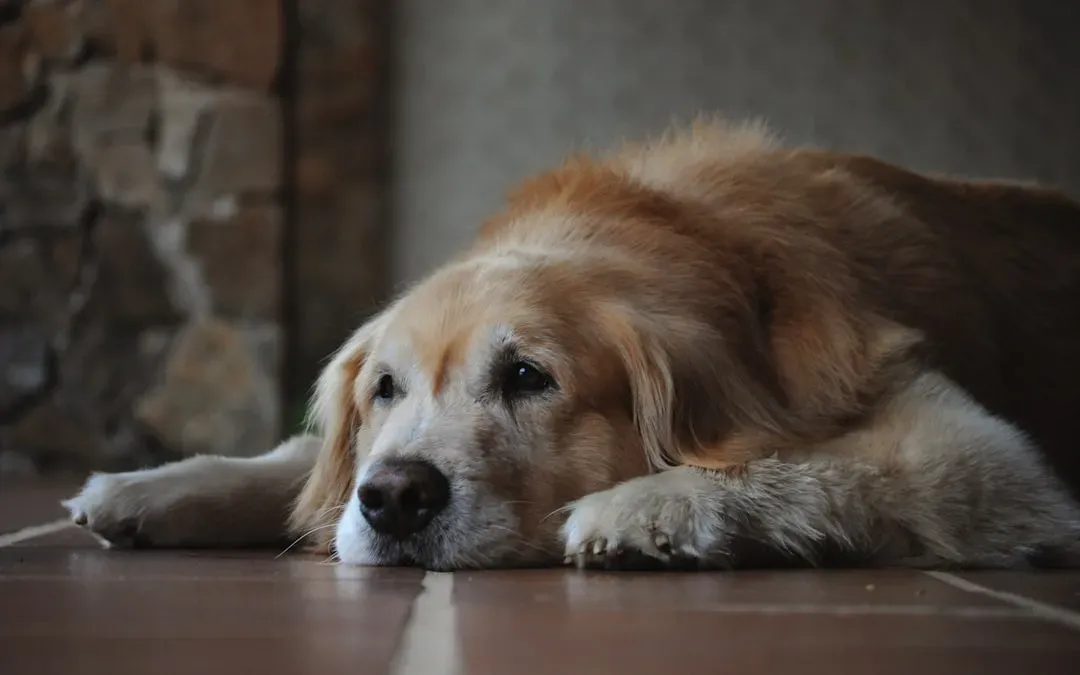
When dogs are nearing the end of life, changes to sleep patterns are common, and they may seem more lethargic. What was once a healthy nap-heavy lifestyle in their golden years now deepens into something closer to a near-constant state of rest. The world outside their bed grows dim and uninteresting.
Your dog may appear tired even after minimal activity, preferring to rest more frequently, and this increased need for rest is a common indicator that your dog is nearing the end of its life. There’s no need to interrupt this sleep or to coax them into activity. What they need most now is the quiet reassurance that you’re close by while they drift through these long, peaceful hours.
#3. They Seek Out Solitude or Unusual Resting Places
Terminally ill dogs may choose to lie down quietly in familiar places, and this peaceful posture is a way for dogs to feel safe and comfortable in their final moments. You might find them tucked into a corner of the hallway, behind the couch, or in a shaded spot in the yard they’ve never shown interest in before. It can feel unsettling when a dog disappears like this.
This is a sign the dog’s mind and body are turning inward, preparing for the natural shutting-down process. Some dogs seek out secluded or dark places to hide as a way to cope with their discomfort. Rather than interpreting this as abandonment, consider it a kind of instinct. They aren’t pulling away from you. They’re simply finding the space that feels most aligned with the stillness growing inside them.
#4. They Become Either Unusually Clingy or Unusually Distant
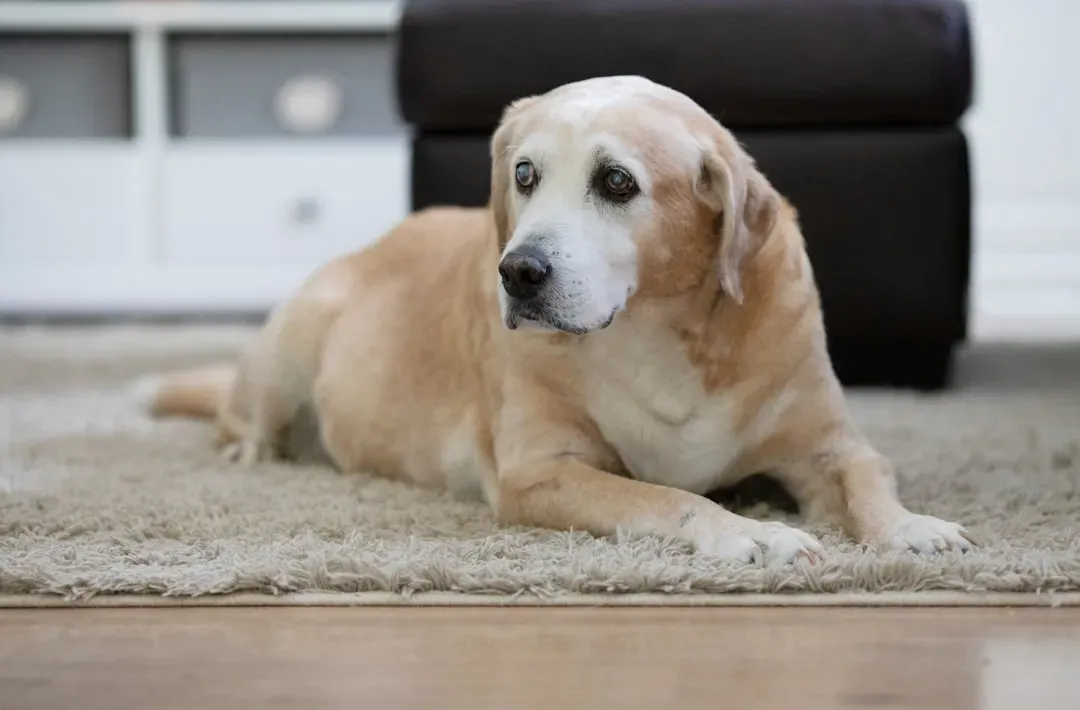
Some dogs seek out the comfort and company of their humans to the point of clinginess, while others become more solitary and seek quiet corners to be alone. Both responses are completely normal, and both are expressions of the same underlying reality: your dog is navigating something enormous, and they’re doing it with whatever emotional tools they have.
Becoming more affectionate and seeking constant proximity to their owners, as if seeking comfort and reassurance, is one of the most tender things a senior dog can do in their final days. If your dog shadows your every step or rests their grey muzzle on your lap for hours at a time, let them. Other dogs may do the opposite, becoming unusually clingy or following the owner everywhere. Both extremes are normal end-of-life behaviors.
#5. Their Breathing Changes in Noticeable Ways
Respiratory changes are common in old dogs nearing death. The breathing may become slower, faster, shallow, or irregular, and may be accompanied by soft whimpers or groans. For someone sitting beside their dog in a quiet room, these changes in breath can be one of the hardest things to witness. The rhythm that has been a comforting background sound for years begins to feel unfamiliar.
Many owners notice long pauses between breaths or sudden bursts of panting. Dogs may stand rather than lie down because breathing is easier that way, and these breathing patterns reflect a weakening body struggling to maintain function. If you notice labored or dramatically irregular breathing, it’s always worth a call to your veterinarian to ensure your dog isn’t in preventable pain or distress.
#6. Their Body Temperature Drops and Their Extremities Feel Cool
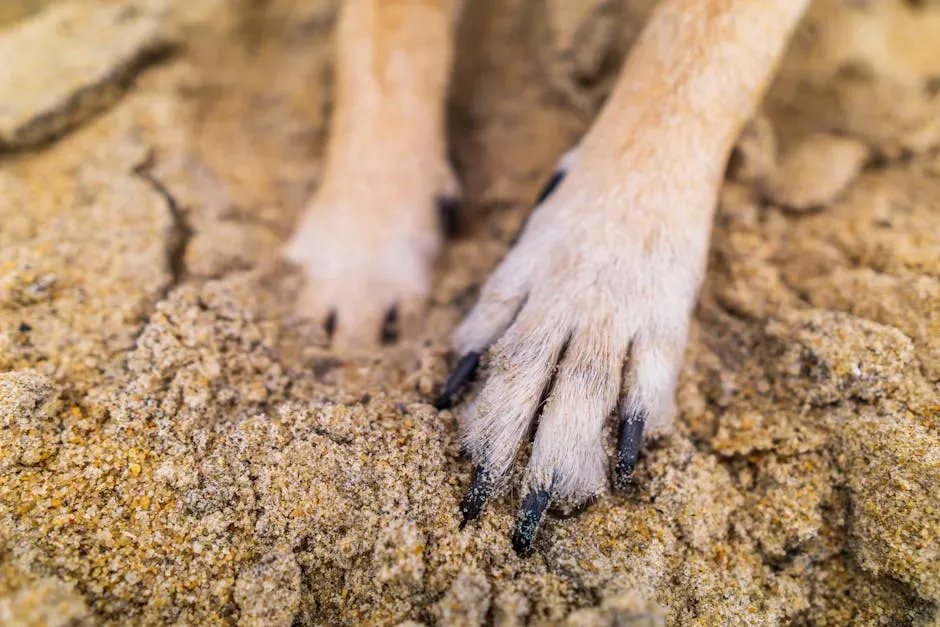
Cooler body temperature is one of the most common signs a dog is nearing the end of their life. You may notice it when you touch their paws, ears, or nose. The warmth that used to radiate from them, that living, furnace-like heat of a healthy dog, quietly fades as circulation slows and the body begins its final retreat.
This cooling is a physical sign that the cardiovascular system is conserving what remains. Keeping your dog warm and providing a comfortable bed and a cozy resting spot becomes one of the most meaningful things you can offer during this time. A soft blanket, a warm towel, and your hand resting gently on their side are small acts that carry enormous weight.
#7. They Lose Interest in the Things They Used to Love

A once playful dog may lose interest in toys, walks, and other activities they previously enjoyed. This lack of enthusiasm is a natural consequence of their declining physical and mental state, and as dogs age, their bodies may become less able to handle exertion, leading to fatigue and a preference for rest over playtime.
As a dog’s illness progresses and natural death nears, their personality, behaviors, and physical abilities may change, including less interest in activities they previously enjoyed such as toys, walks, car rides, and belly rubs. It’s painful to watch. The dog who used to bolt for the door at the word “walk” now stares past it without recognition. Try not to push them. What they’re communicating, quietly and without drama, is that their world has gently contracted to the warmth of your presence alone.
#8. They Experience Incontinence and Loss of Bodily Control
Near the end of their lives, some dogs become incontinent and lose control over their bladder and bowels, even if they are mobile. For a dog that has been house-trained for a decade or more, this can seem deeply distressing, and many pet parents feel heartbroken watching a dignified animal lose that control. It’s important to understand this is physiological, not behavioral.
Incontinence and an increase in accidents are common as a dog’s body systems begin to fail, often signaling a loss of control over bodily functions, including urinating involuntarily or experiencing accidental defecation. Being patient and compassionate if your dog is having accidents is essential, and you may also have your dog wear diapers or place them on a waterproof pet pad if they are not mobile enough to go outside. Keep them clean, keep them comfortable, and meet each moment with grace.
#9. Their Senses Begin to Dull and Fade
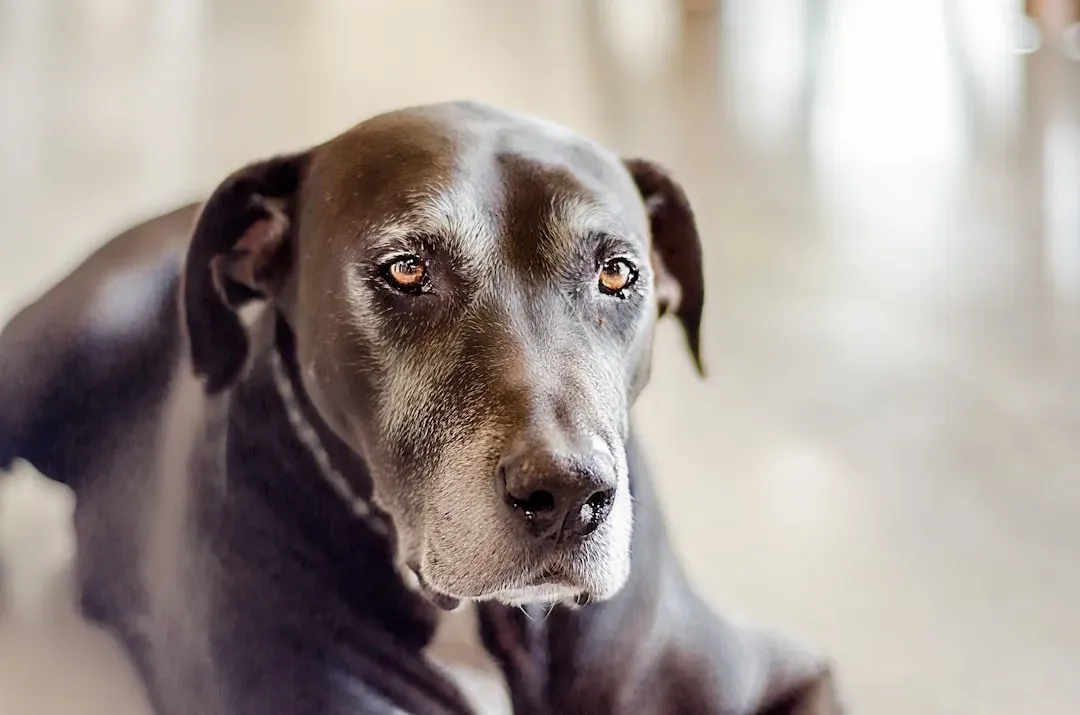
As dogs approach the end of their lives, their senses may begin to decline, affecting how they perceive and interact with their environment. They may become less responsive to their name or loud noises, bump into objects, or have difficulty navigating familiar surroundings, as well as show a diminishing sense of smell, leading to less interest in sniffing around or recognizing familiar scents.
A dog who has always come running when you called their name may now stare blankly in the wrong direction. It isn’t confusion in the way we think of it. Particularly in senior dogs, cognitive decline can manifest as confusion or disorientation, impacting a dog’s awareness of their surroundings. Speak softly, use gentle touch, and remember that even when their hearing and vision falter, your presence and your scent remain one of the last anchors they hold onto. That anchor matters more than you know.
#10. They Offer a Final, Quiet Gesture of Goodbye
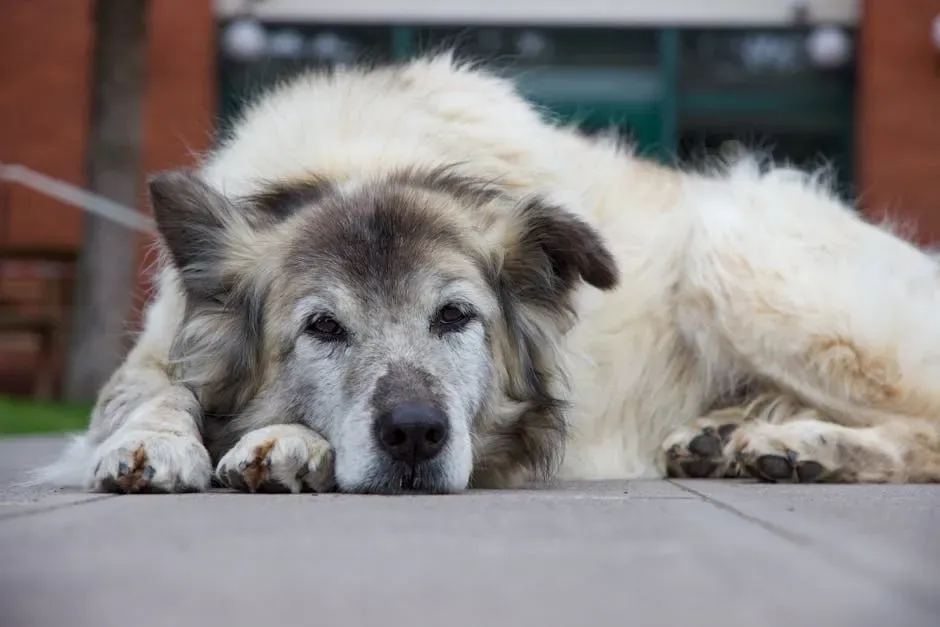
Elderly dogs may leave scent marks by licking their owners or rubbing their bodies against clothing. This is their final goodbye ritual and an expression of love. Many pet owners only recognize this for what it was in retrospect, a slow lick across the hand, a heavy head pressed into a lap for longer than usual, a quiet gaze held just a moment more than normal.
Many dogs do exhibit behaviors seeking their owner’s companionship near the end of their lives, and these behaviors can be seen as dogs seeking comfort and care from their owners in their final moments. Whether your dog gives you this kind of send-off or simply closes their eyes while you sit beside them, trust that the love between you has been felt in full. As you spot these changes, you can create meaningful, peaceful final experiences filled with love and comfort rather than confusion and distress.
A Conclusion Worth Sitting With

There is no perfect way to walk this road. Watching a senior dog let go is one of the most tender, sorrowful, and quietly sacred experiences a person can have. We owe it to them to pay attention, to learn these signs not out of fear but out of love, because understanding what’s happening means we can meet them exactly where they are instead of pulling them back toward a world they’re gently leaving behind.
Losing a dog is incredibly painful, but recognizing the signs of dying gives you a chance to show up for them with even more love, patience, and care. Whether your dog is slowing down from old age, battling illness, or showing sudden changes, staying in close touch with your vet and focusing on comfort will help you make kind, informed decisions.
The rainbow bridge is, at its heart, a metaphor for the grace of letting go. Your dog lived their whole life giving you everything they had. The most meaningful thing you can offer in return is a calm presence, a warm hand, and the quiet reassurance that they are deeply, irreversibly loved. That’s not a small thing. That’s everything.


