
Heightened Alertness Around the House
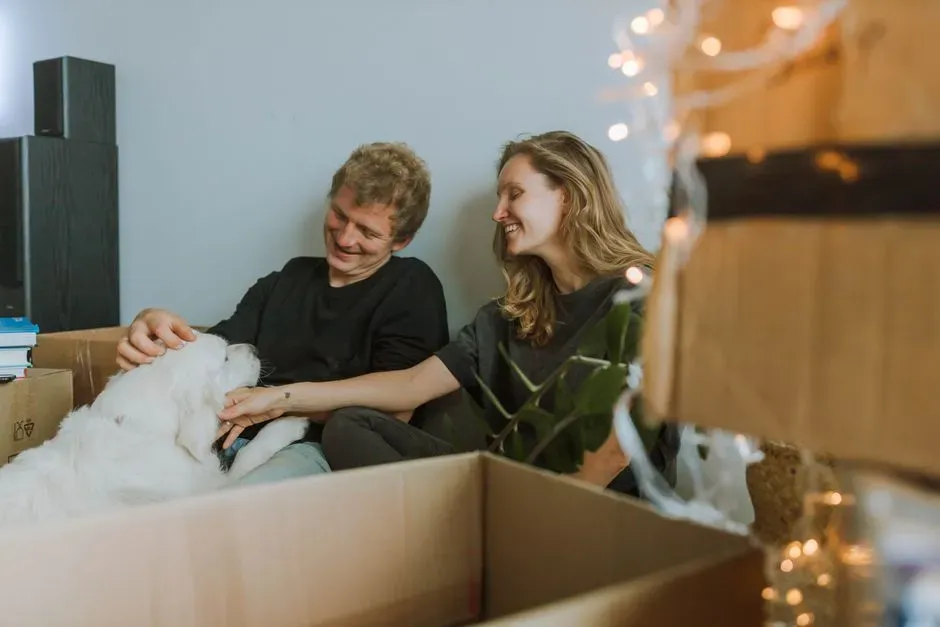
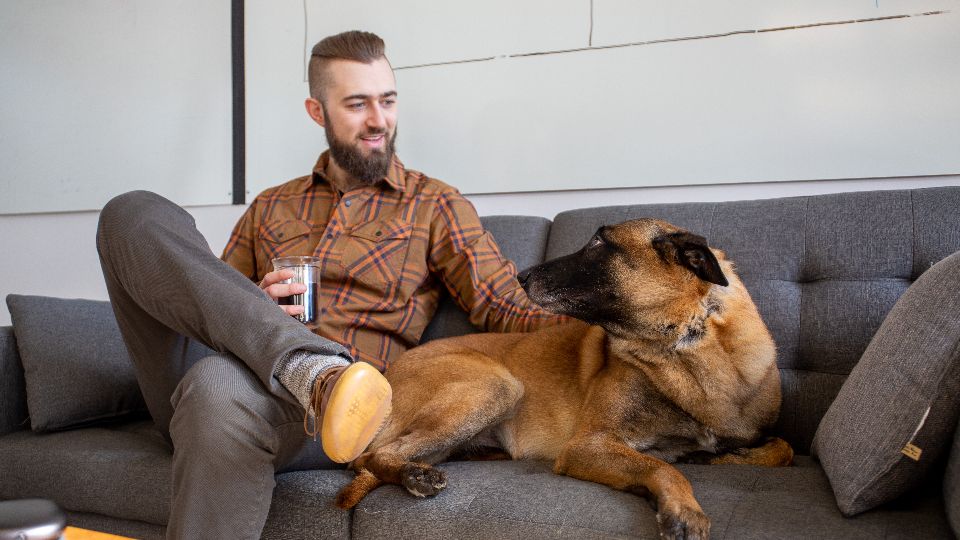
A dog may start patrolling familiar rooms with extra care once a new person arrives. They pause at doorways longer than usual and scan the space as if checking for anything out of place. This behavior stems from their natural instinct to monitor changes in their territory.
Owners often notice the dog lingering near entry points or following the newcomer at a distance. The ears stay perked for longer stretches, and the tail might stay neutral instead of relaxed. These small adjustments help the dog gather information without committing to full interaction right away.
More Frequent Sniffing Sessions
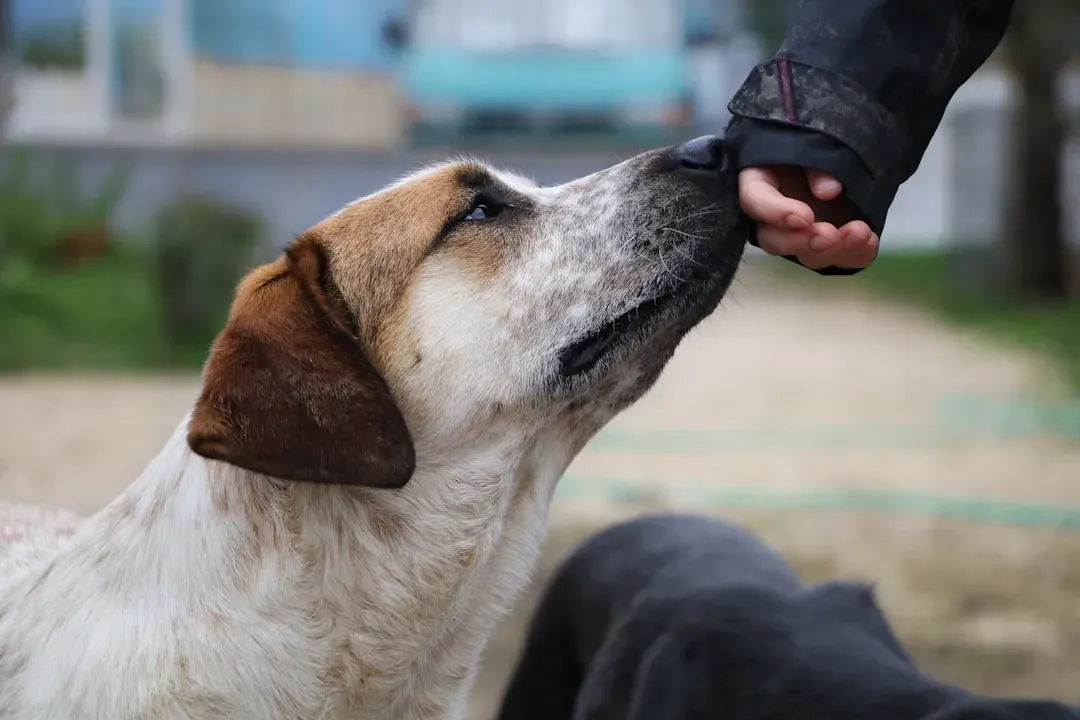
The new partner brings unfamiliar smells that a dog will investigate thoroughly on that first day. You might see repeated sniffing of shoes, coats, or even the air near the person. This is their way of building a mental profile of the stranger.
Some dogs circle the individual a few times before settling. The sniffing can happen in short bursts rather than one long examination. It serves as both curiosity and a low pressure way to gather details about the newcomer.
Shifts in Affection Seeking
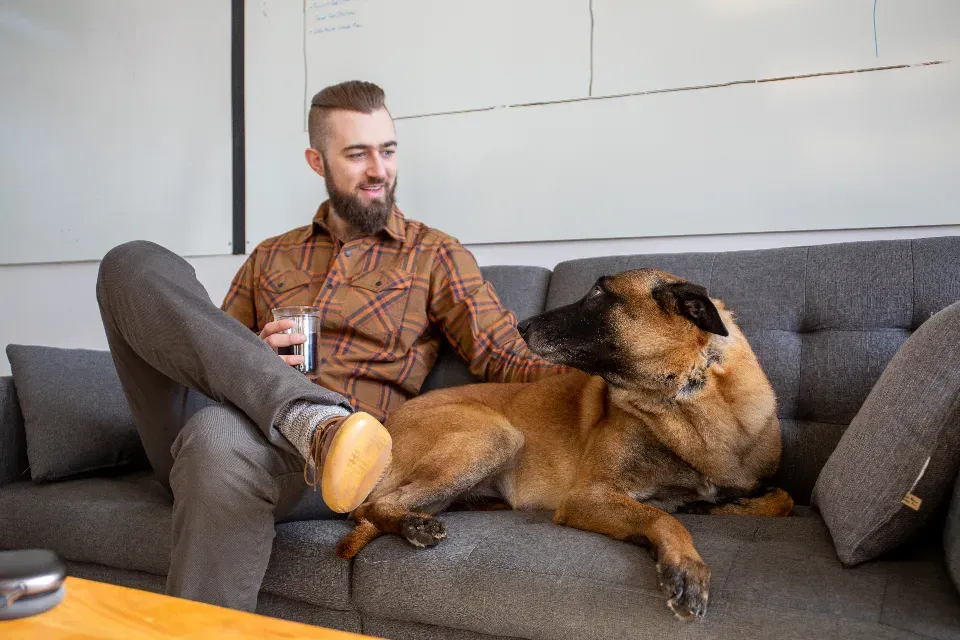
A dog could lean into the owner more than usual for reassurance. They might press against legs or rest a head on a lap during quiet moments. This extra contact often appears when the new person is nearby.
At the same time the dog may test the waters with the partner through brief nudges or eye contact. The balance between seeking comfort from the owner and exploring the new dynamic creates a noticeable pattern. It reflects their attempt to maintain security while adapting.
Changes in Play Behavior
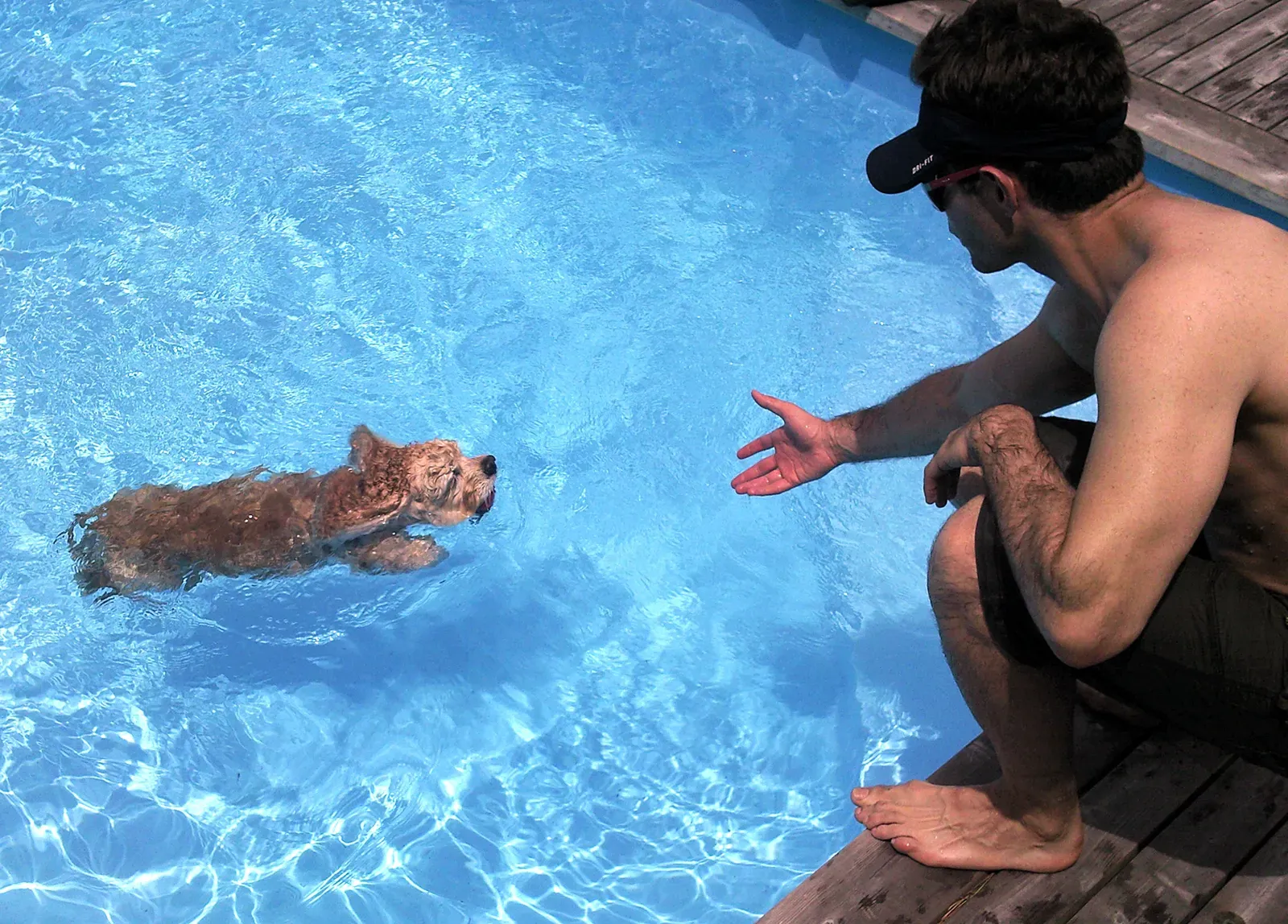
Play sessions with the owner might shorten or become more energetic as the dog works off tension. Toys could be brought over more insistently or ignored altogether depending on the individual dog. The presence of a new person alters the usual rhythm of these interactions.
Some dogs initiate play with the newcomer through gentle paw taps or dropped balls. Others hold back and watch from across the room. Either response shows how the dog recalibrates its social energy on the spot.
Adjustments in Eating Habits
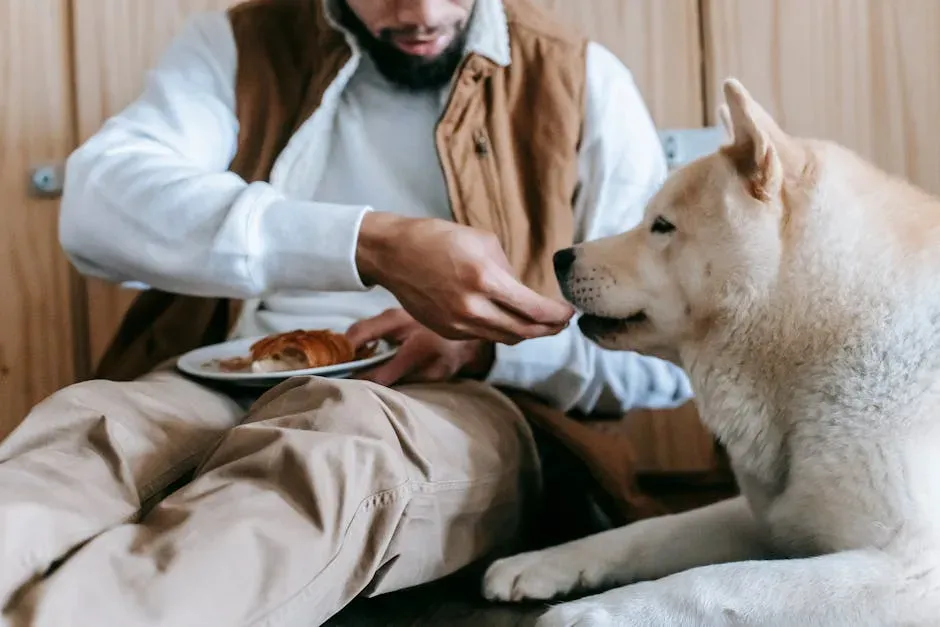
Meals might be approached with less enthusiasm or eaten in smaller portions throughout the day. The dog could check its bowl more often or wait until the new person leaves the room. These patterns emerge because the environment feels less predictable.
Water intake sometimes increases slightly as the dog processes the new situation. Owners who track these details notice the difference within hours. The changes tend to settle once the dog feels more at ease with the routine.
Altered Sleeping Patterns
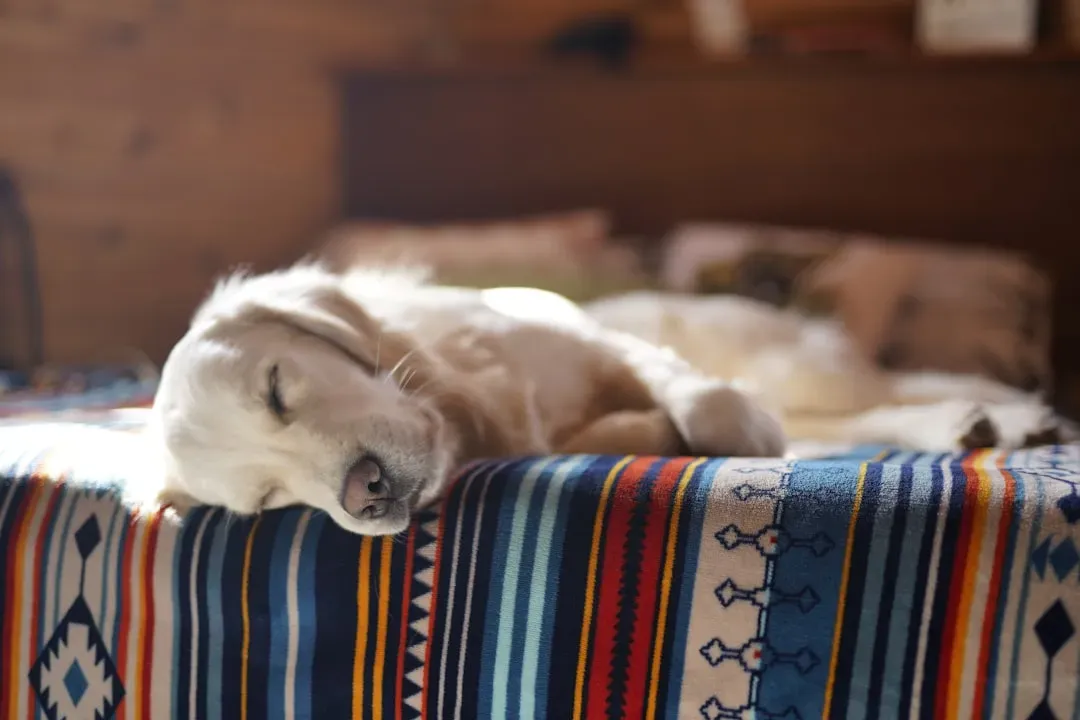
A dog may choose different resting spots on that first day, perhaps closer to the owner or in a spot with a clear view of the new arrival. Naps could be shorter and lighter with more frequent position changes. The usual deep sleep cycles get interrupted by the need to stay aware.
Some dogs stretch out in the middle of the room instead of their favorite corner. This positioning allows them to observe both people without committing to one side. The shift reflects an effort to stay connected while processing the change.
Increased Vocalizations
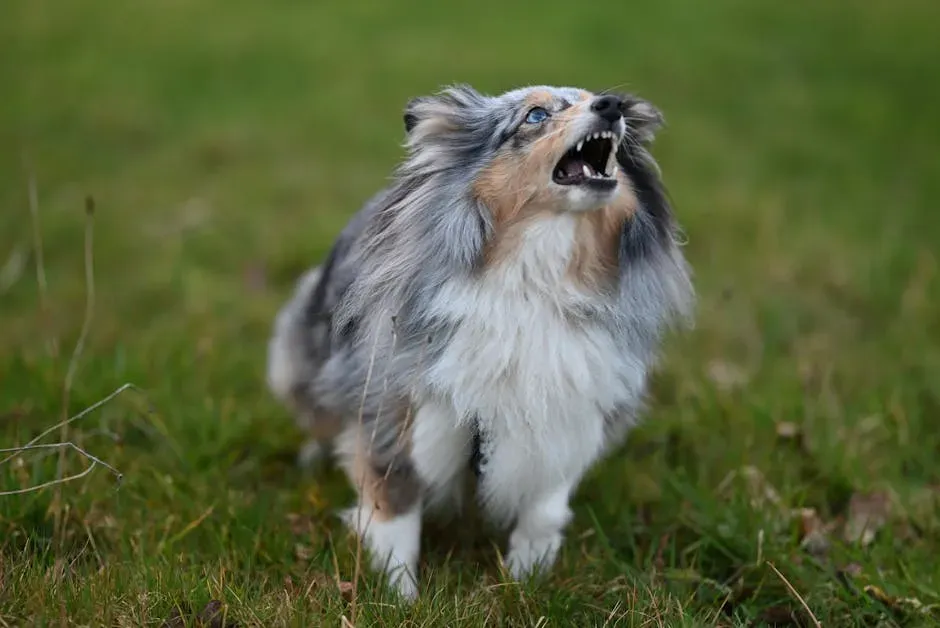
Soft whines or brief barks might appear when the new partner moves around the space. These sounds often serve as low level comments rather than full alerts. The dog uses its voice to acknowledge the unfamiliar presence without escalating.
Owners sometimes hear more sighing or huffing during quiet times. These vocal cues replace the usual silence and signal the dog is actively processing the situation. They tend to fade as familiarity grows.
Closer Following of the Owner
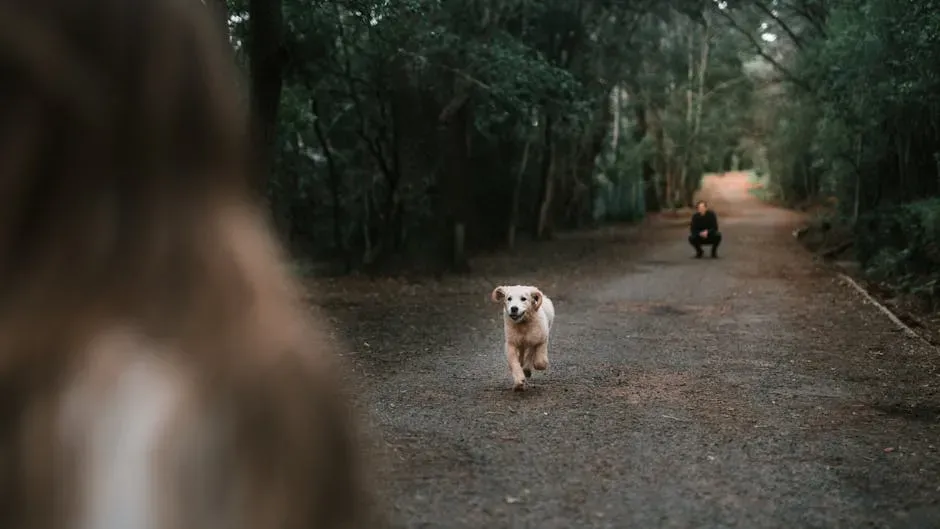
The dog may shadow the owner from room to room with greater consistency. This shadowing provides comfort and keeps the familiar person in sight. It becomes especially noticeable during transitions like moving to the kitchen or settling on the couch.
Even short separations can prompt the dog to check in more often. The behavior helps maintain the established bond while the household expands. It offers the dog a sense of continuity amid the new elements.
Testing Boundaries With the New Person
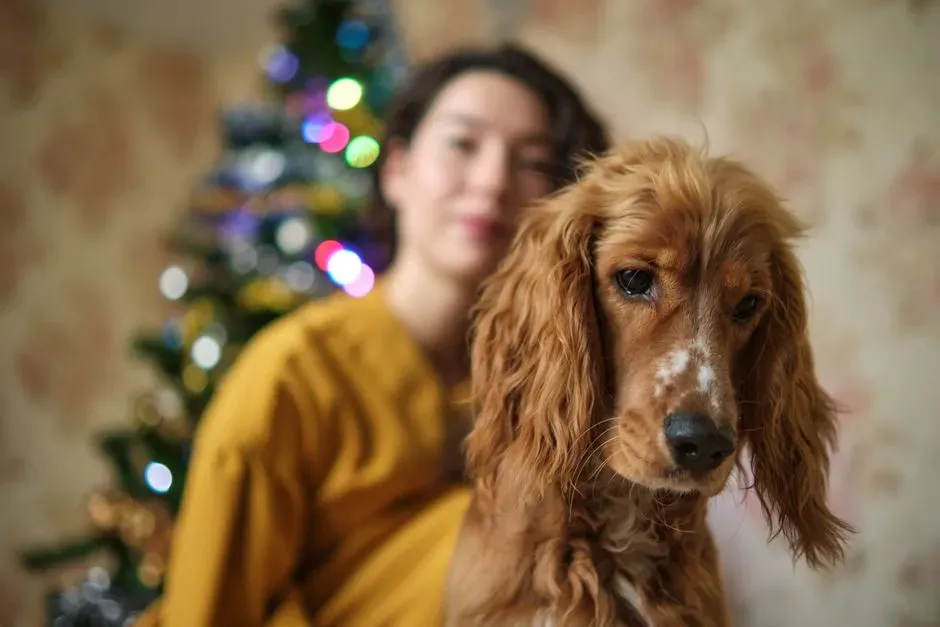
Light approaches such as sitting nearby or offering a toy can signal the dog testing how the newcomer responds. These interactions stay tentative at first. The dog watches for consistent reactions before deepening any connection.
Some dogs keep a respectful distance while still observing closely. Others might lean in for a quick sniff of a hand or sleeve. Both approaches represent the dog gathering data on whether the new person fits into the existing social structure.
Overall Calmness Fluctuations
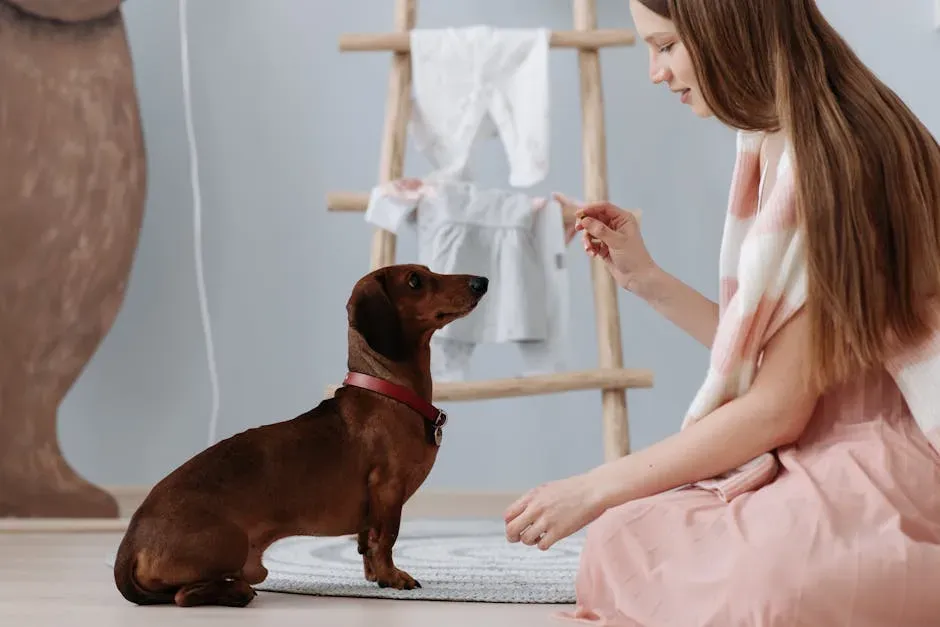
Moments of restlessness can alternate with periods of quiet observation throughout the day. The dog might pace briefly then settle into a watchful state. These fluctuations show the internal balancing act happening in real time.
Owners who stay patient often see the dog gradually relax as the hours pass. The initial uncertainty gives way to a steadier presence. This progression highlights how dogs process change through small, repeated adjustments rather than one big reaction. Dogs adapt to new partners in their own time and on their own terms. The changes that appear on that first day often reveal how deeply they value the stability of their home. Patience and steady routines help most dogs settle into the expanded family without losing their unique personality. In the end the real shift belongs to the humans who learn to read these signals and respond with care.


