
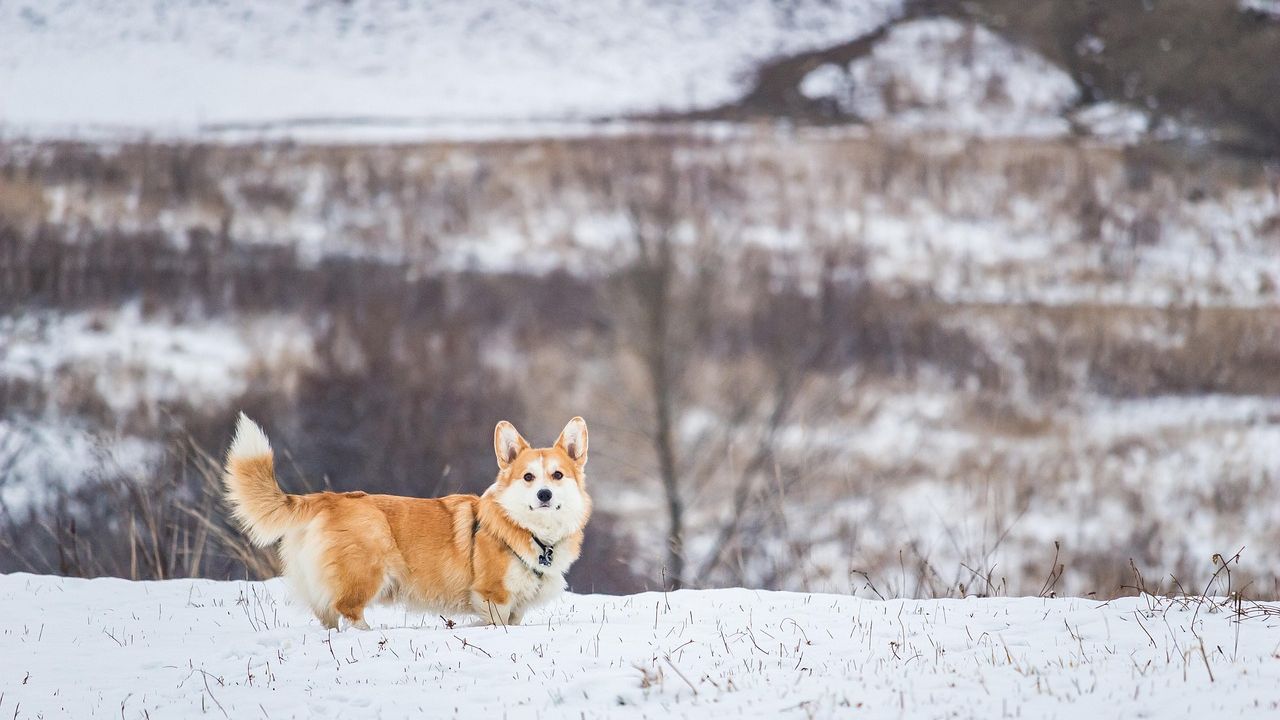
The Way the Dog Holds Its Body When First Approached
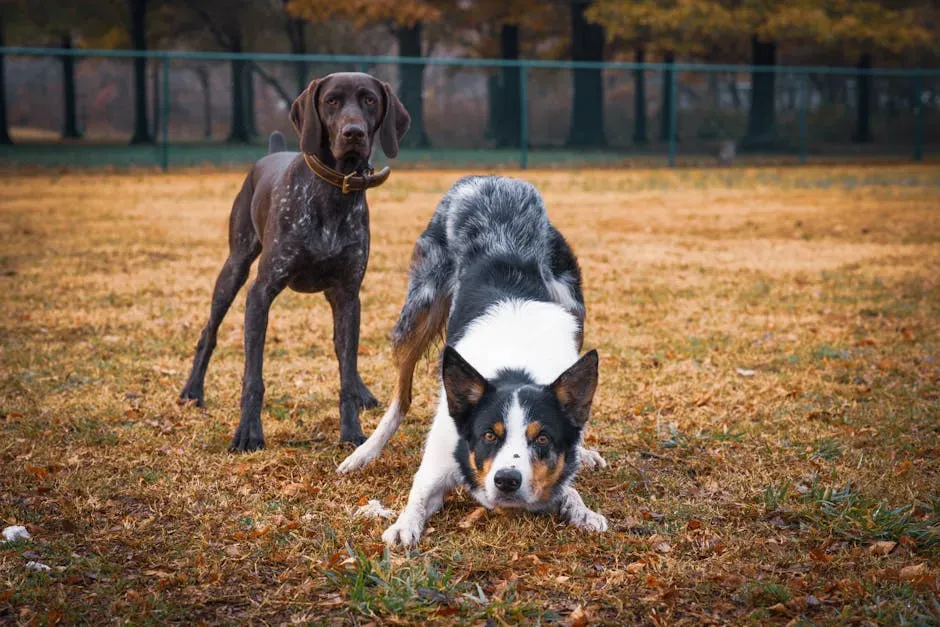
A rescuer watches how the shoulders sit and whether the spine curves slightly away even as the tail moves. That tiny lean can signal lingering caution from past handling rather than simple shyness. Most owners focus on the face or the greeting bark and miss how the whole frame stays ready to retreat.
Over time these details add up to a clearer picture of trust levels. A dog that keeps its weight balanced on all four paws tends to adjust faster than one that shifts constantly. The first ten seconds give rescuers a baseline they can compare against later interactions in the same space.
Quick Eye Contact and How Long It Lasts
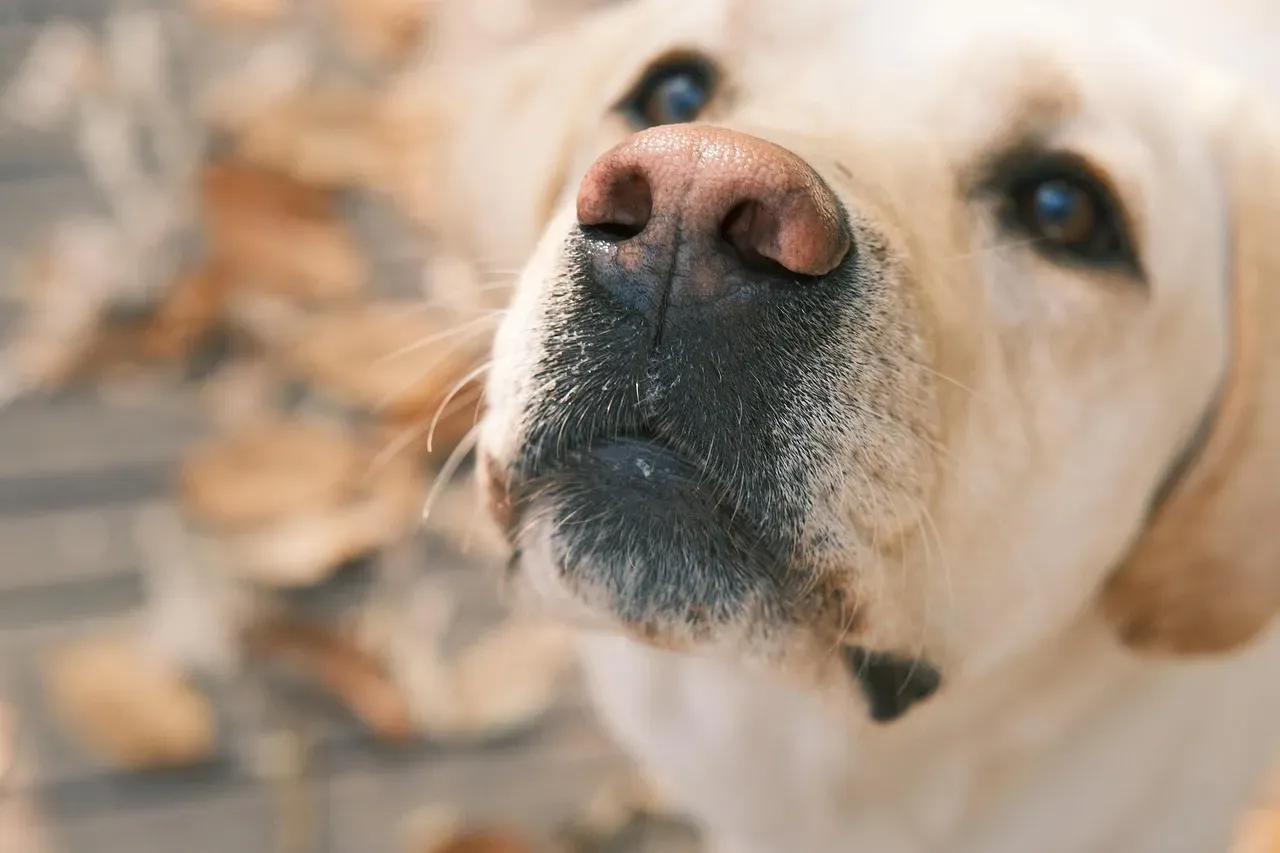
Eyes tell rescuers plenty before any words are exchanged. A dog that glances then looks away repeatedly often carries uncertainty from earlier homes or inconsistent training. Owners sometimes interpret this as politeness when it actually points to a need for slower introductions.
Direct stares that feel too fixed can hint at overstimulation instead of confidence. Rescuers note these patterns because they guide how to introduce new family members or other pets. The timing of that first look sets expectations for daily routines once the dog leaves the shelter.
Breathing Patterns and Any Sudden Changes
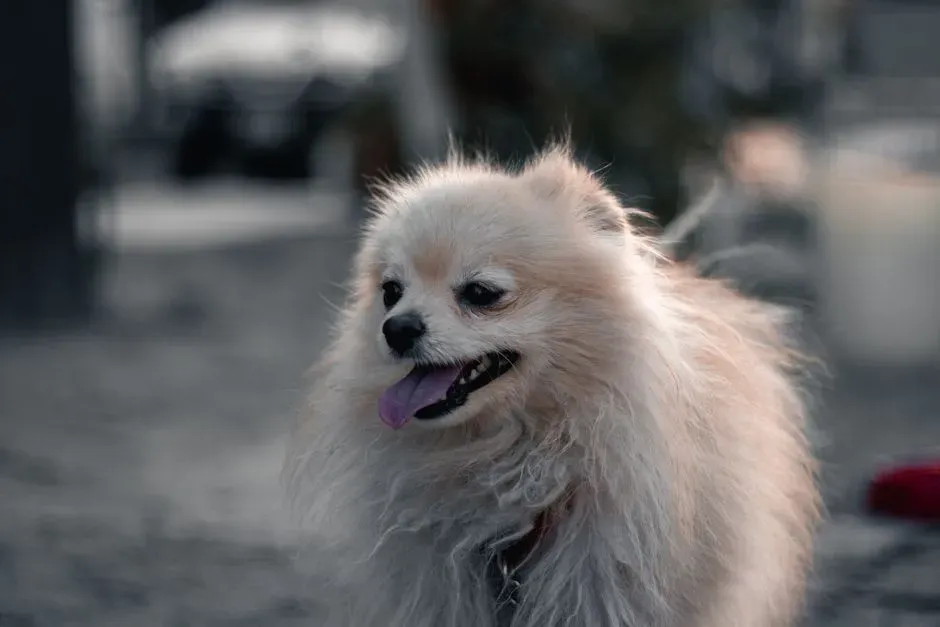
Rescuers listen for the rhythm of breaths right after the door opens or a hand reaches out. Shallow or quick inhales can appear even when the dog stands still and seems relaxed on the surface. These cues often connect to past stress that surfaces again in new settings.
Owners tend to notice louder sounds like whining but overlook the quieter shifts in chest movement. Paying attention early helps decide whether a quiet room or a structured walk works better for the first day home. The pattern usually stays consistent across different handlers in those opening moments.
Reaction to Small Movements in the Room
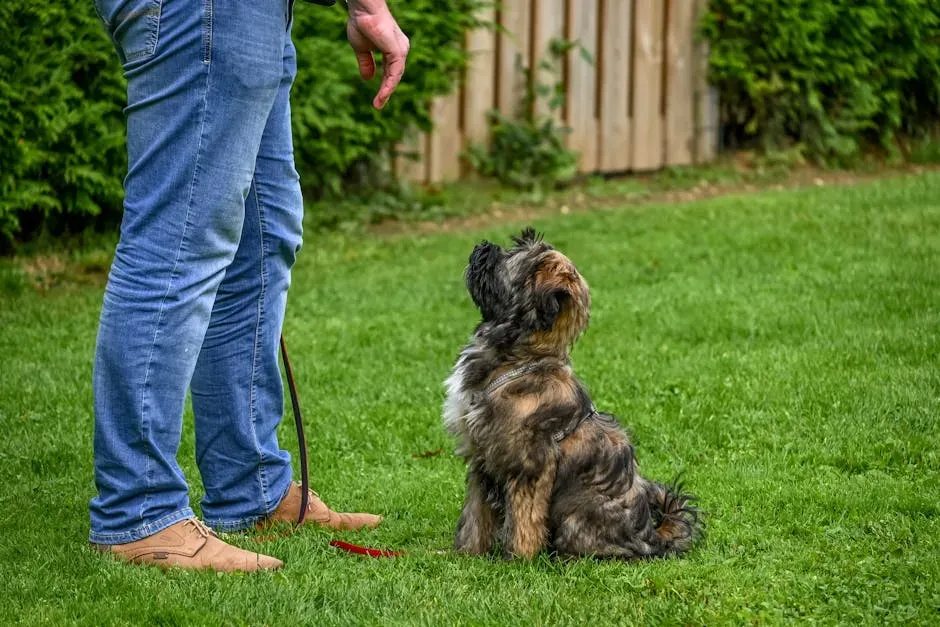
A rescuer tests the waters with a slight shift in weight or a slow step sideways. Some dogs track every motion with their head while others stay loose and unfazed. That tracking can reveal sensitivity built from unpredictable environments before rescue.
Most owners walk straight toward the dog and miss how the animal responds to indirect activity nearby. The response shapes advice on household traffic patterns and where to place food bowls or beds. Early observation prevents later adjustments that might feel disruptive to everyone involved.
The Position and Subtle Movement of the Tail
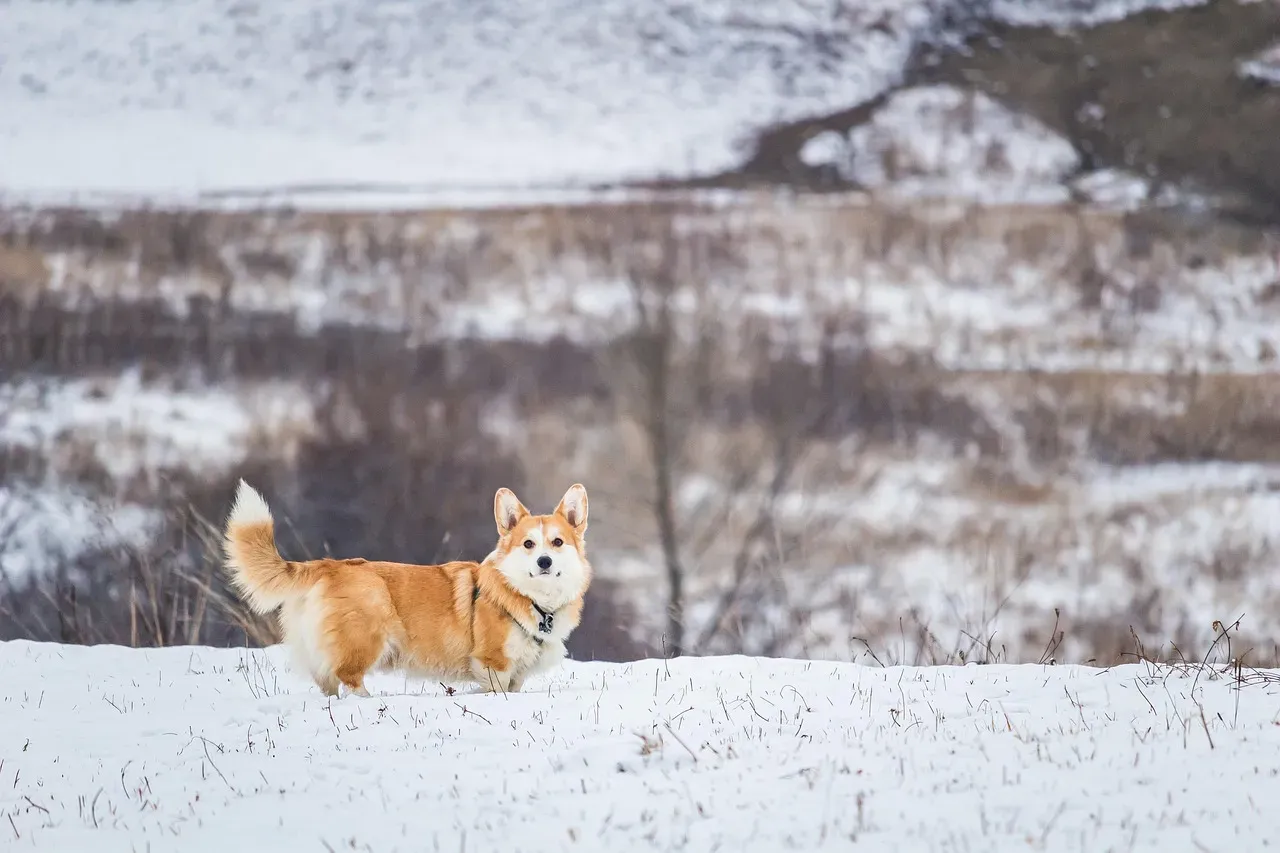
Tails carry more information than a simple wag suggests in those first seconds. A low sweep or a stiff upright position can indicate different emotional states even when the rest of the body looks approachable. Rescuers compare the tail against the overall stance to avoid misreading friendliness.
Owners often focus on speed alone and assume faster means happier. The angle and height add context that influences how quickly children or other animals should enter the picture. Those details help set realistic expectations for the adjustment period ahead.
Signs of Physical Discomfort in the Face or Paws
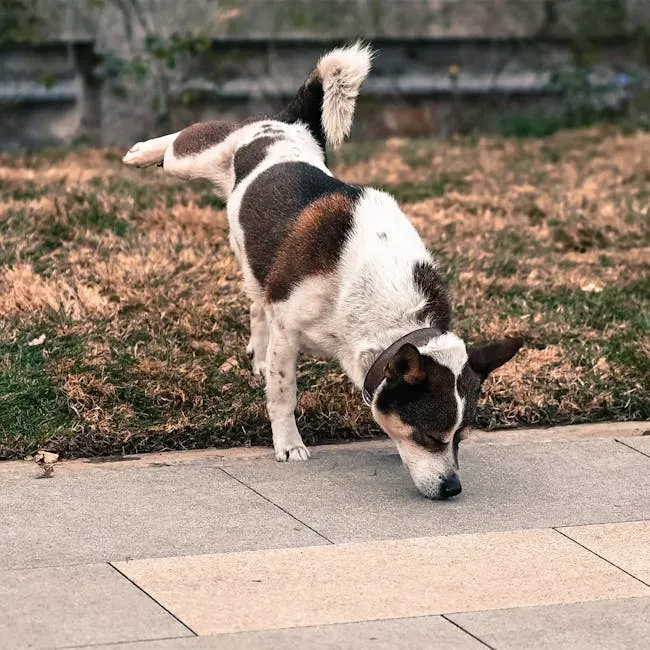
Rescuers scan for squinting, ear pinning, or weight shifting onto certain paws almost immediately. These can point to minor issues like ear irritation or older injuries that owners might not connect to behavior changes. The face often tightens in ways that fade once the dog feels safer.
Most people look for obvious limps or visible wounds and skip the smaller tension around the eyes or mouth. Spotting these early leads to quicker vet checks and smoother settling once pain is addressed. The first impression guides whether a calm crate or an open space feels more comfortable right away.
Overall Willingness to Close the Distance
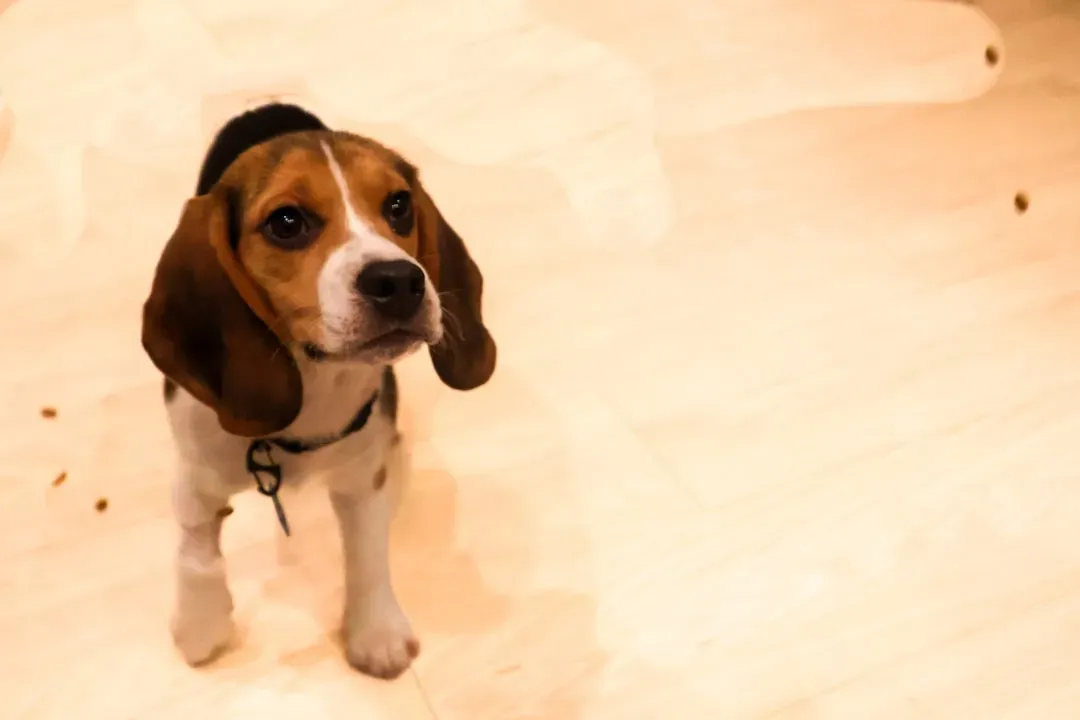
Some dogs step forward on their own while others wait for the person to move first. That choice in the opening seconds reflects how much prior positive contact the dog has experienced. Rescuers use it to gauge how much space the dog prefers during initial handling.
Owners sometimes push for immediate petting and overlook whether the dog initiates contact. The pattern helps decide on training approaches that build confidence without pressure. Those early choices often predict how the dog will greet visitors or settle into daily life over the coming weeks. A rescuer sees these signals as tools rather than judgments. They turn quick observations into better matches and fewer returns. Paying attention in those first moments changes outcomes for dogs and the people who welcome them home.


