
10 Things That Change in Your Dog the Moment You Start Healing From Something That Hurt You
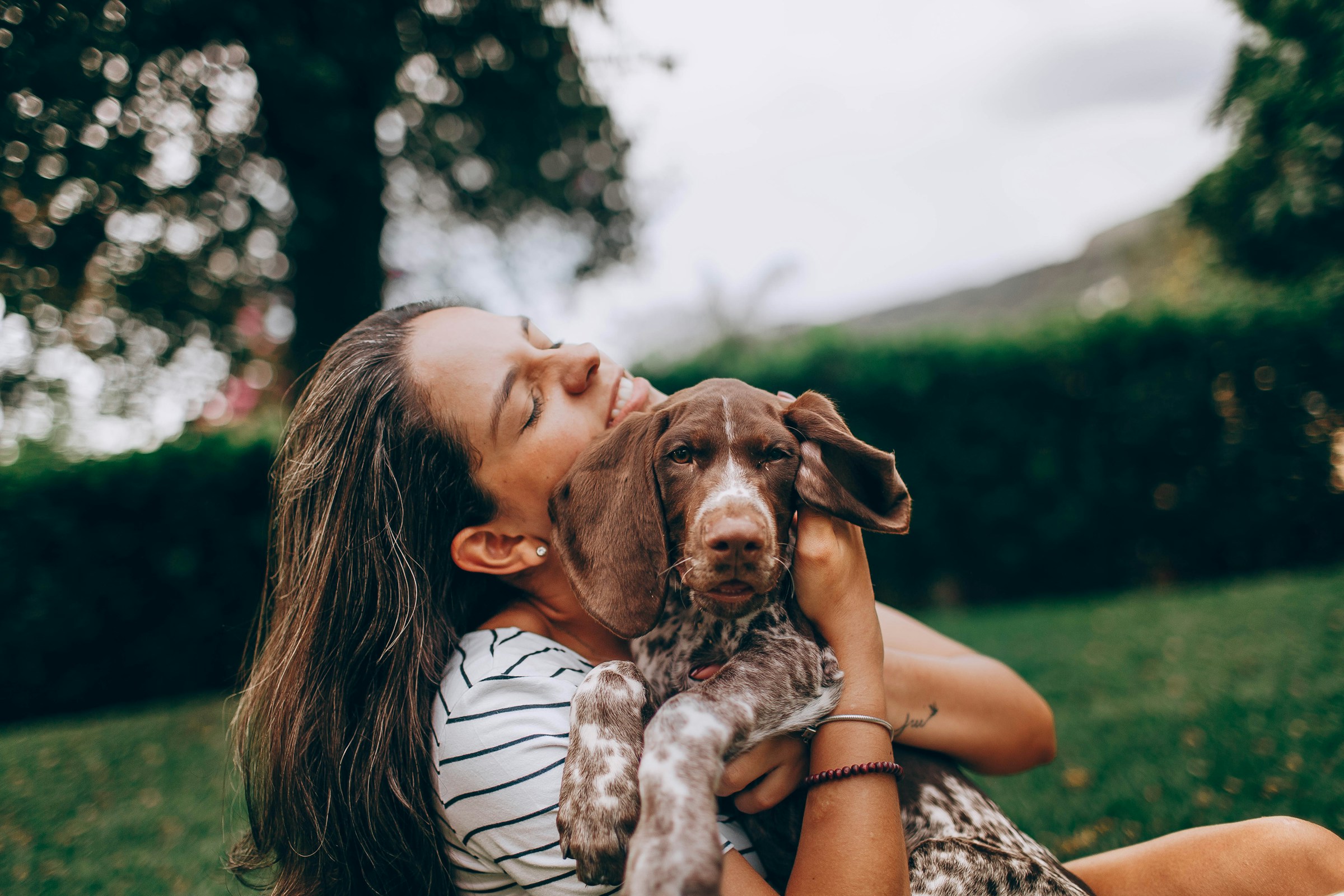
Have you ever noticed your dog acting differently when you’re feeling down? It’s not your imagination. Dogs are incredibly attuned to their owners’ emotions, often mirroring our moods and behaviors. But what happens when you begin to heal from emotional pain? The changes in your dog’s behavior can be both surprising and heartwarming. Let’s explore ten remarkable ways your canine companion responds as you embark on your healing journey.
Increased Playfulness
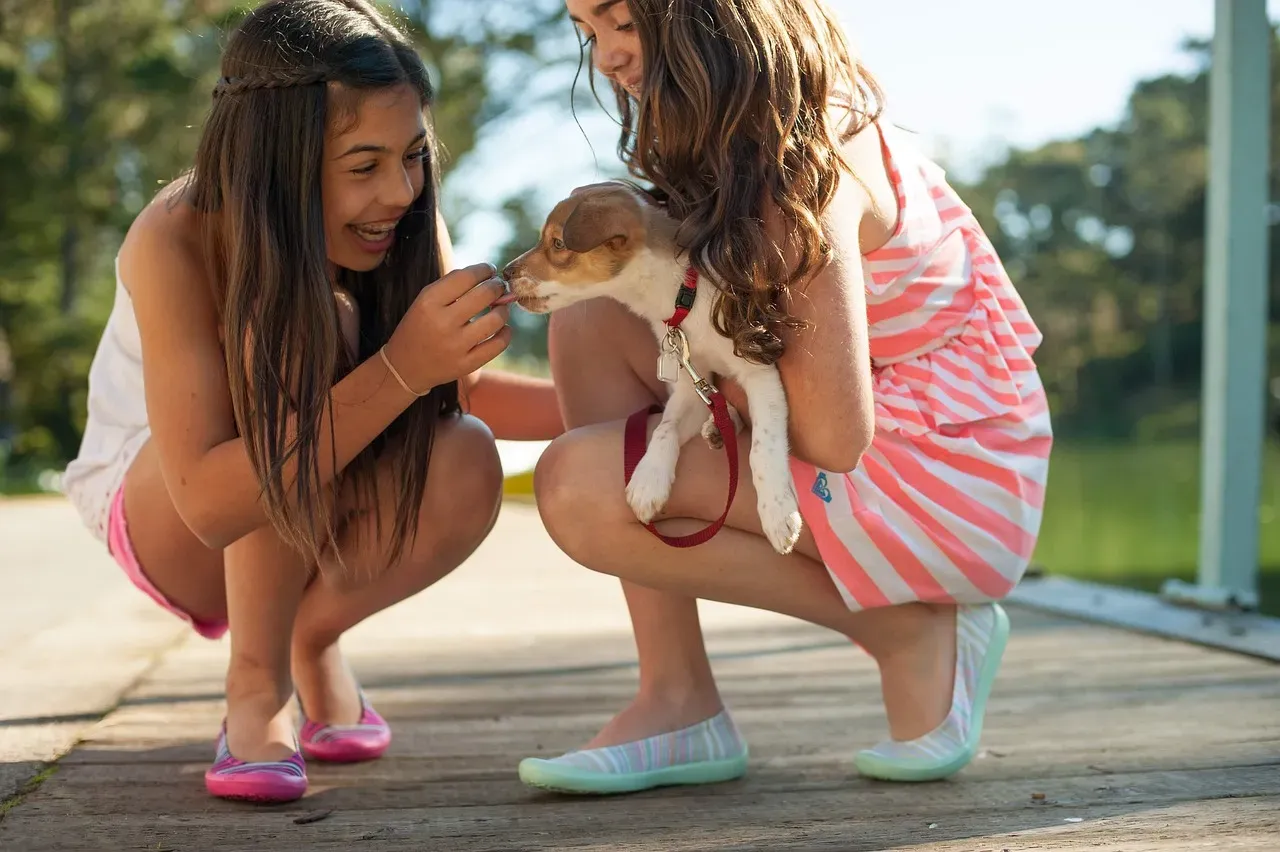
As you start to heal and your mood lifts, your dog often becomes more playful. Dogs are sensitive to their owners’ emotional states and tend to mirror them. When you’re happier, your dog feels more at ease and is likely to engage in more playful behaviors, such as bringing you toys or initiating games of fetch.
This increased playfulness not only strengthens your bond but also contributes to both your and your dog’s well-being. Engaging in play releases endorphins, promoting a positive atmosphere in your home.
Enhanced Appetite

Dogs can experience changes in their eating habits based on their owners’ emotional states. When you’re stressed or upset, your dog might eat less or show disinterest in food. As you heal and your stress levels decrease, your dog’s appetite often returns to normal or even improves.
This change is a reflection of the deep emotional connection between you and your pet. Your well-being directly influences your dog’s behavior and physiological responses.
More Restful Sleep

Your emotional state can impact your dog’s sleep patterns. During times of distress, dogs may be more restless or have difficulty sleeping. As you heal and find peace, your dog is likely to sleep more soundly, benefiting from the calm environment you’ve created.
Restful sleep is crucial for your dog’s health, affecting everything from energy levels to immune function. Your healing journey contributes to a more serene household, promoting better sleep for both of you.
Reduced Anxiety

Dogs are highly perceptive and can pick up on their owners’ anxiety. When you’re anxious, your dog may exhibit signs of stress, such as pacing, whining, or destructive behavior. As you heal and your anxiety diminishes, your dog often becomes calmer and more relaxed.
This reduction in anxiety leads to a more harmonious relationship and a happier, healthier dog. Your emotional stability provides a sense of security for your pet.
Improved Obedience
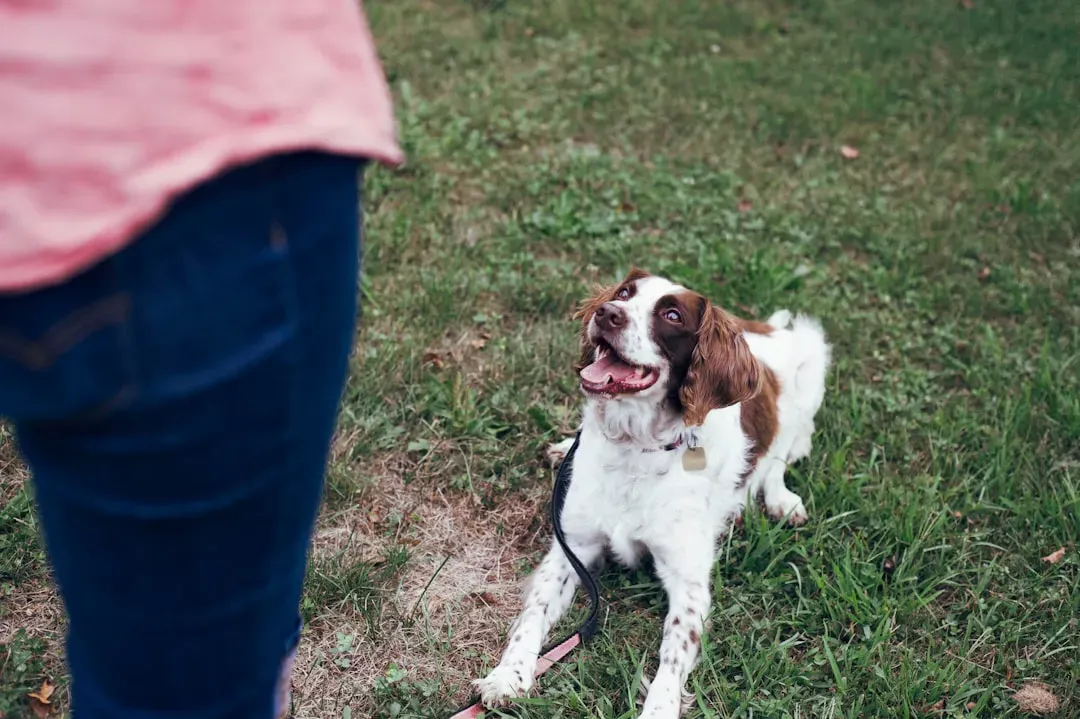
Emotional distress can affect your dog’s responsiveness to commands. When you’re healing and more emotionally balanced, your dog is likely to be more attentive and obedient. This improvement is due to the positive energy and clear communication that come with your healing process.
Consistent, calm interactions foster better understanding and cooperation between you and your dog, enhancing your training efforts and daily routines.
Increased Affection
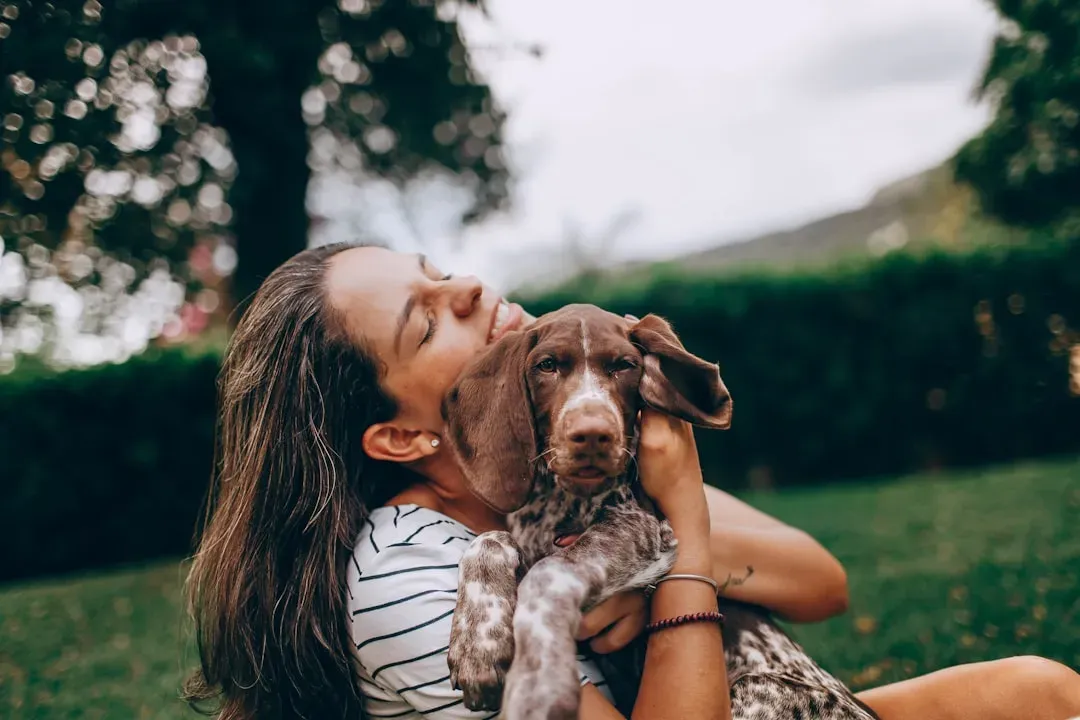
As you heal, you may notice your dog seeking more physical closeness. Dogs are drawn to positive energy and often respond to their owners’ improved moods with increased affection, such as cuddling or following you around more.
This behavior strengthens your bond and provides mutual comfort, reinforcing the emotional connection you share with your canine companion.
More Social Interaction
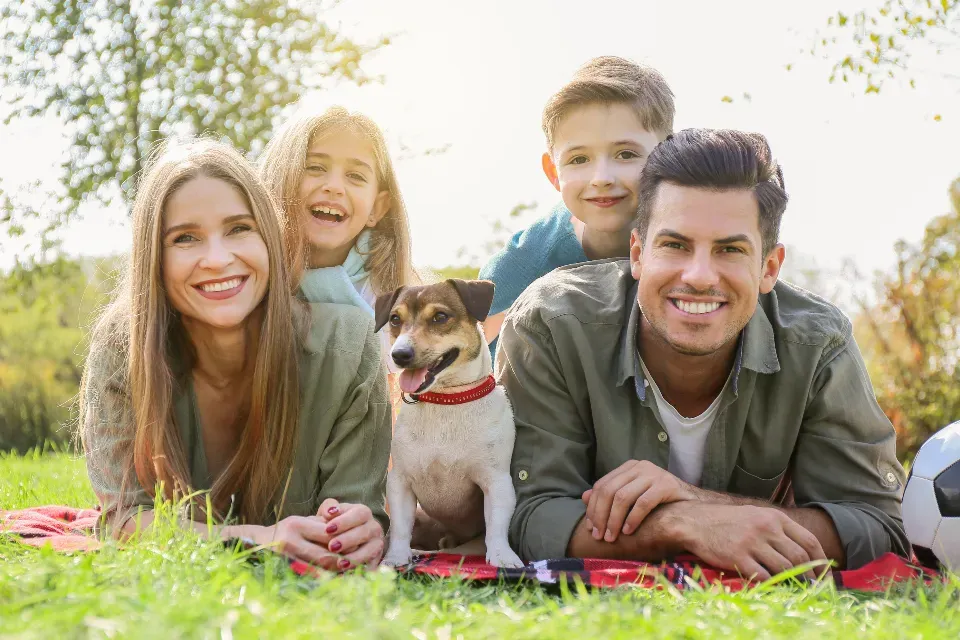
Healing from emotional pain often leads to increased social activity. As you become more social, your dog may also become more outgoing, enjoying interactions with other dogs and people during walks or visits to the park.
This shared socialization enhances your dog’s confidence and provides valuable mental stimulation, contributing to their overall happiness and well-being.
Better Health

Your emotional state can influence your dog’s physical health. Stress and anxiety in owners have been linked to health issues in dogs, such as digestive problems or skin conditions. As you heal and reduce stress, your dog’s health may improve, reflecting the positive changes in your life.
This connection underscores the importance of your well-being in maintaining your dog’s health, highlighting the deep bond you share.
More Responsive to Training
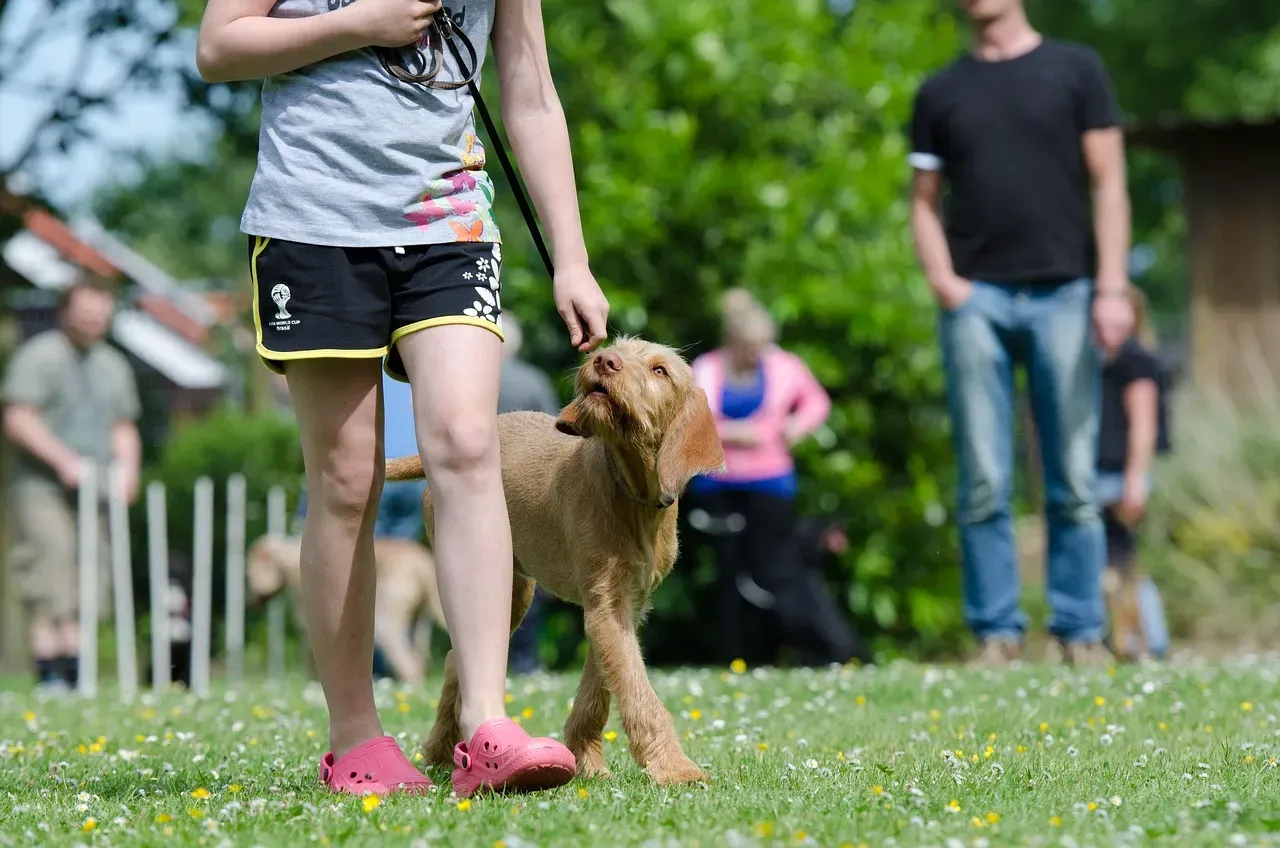
Healing brings clarity and patience, which positively affect your training sessions with your dog. A calm and focused owner creates an environment conducive to learning, making your dog more responsive to training and new commands.
This responsiveness not only improves behavior but also enhances the trust and communication between you and your pet, leading to a more fulfilling relationship.
Increased Energy Levels

As you heal and regain energy, your dog often mirrors this change with increased vitality. Dogs are sensitive to their owners’ energy levels and are likely to become more active and enthusiastic as they pick up on your renewed zest for life.
This shared energy leads to more enjoyable activities together, such as longer walks or play sessions, benefiting both your physical and emotional health.
In conclusion, the bond between you and your dog is profoundly intertwined with your emotional well-being. As you heal from past hurts, your dog reflects these positive changes in various ways, from increased playfulness to better health. This mutual influence highlights the deep connection you share, reminding us that our healing journeys not only transform our lives but also the lives of our beloved canine companions. Have you noticed any of these changes in your dog as you’ve embarked on your healing path?