
10 Things That Happen to the Brain of a Dog Owner That Never Happen to People Who Don’t Have Dogs
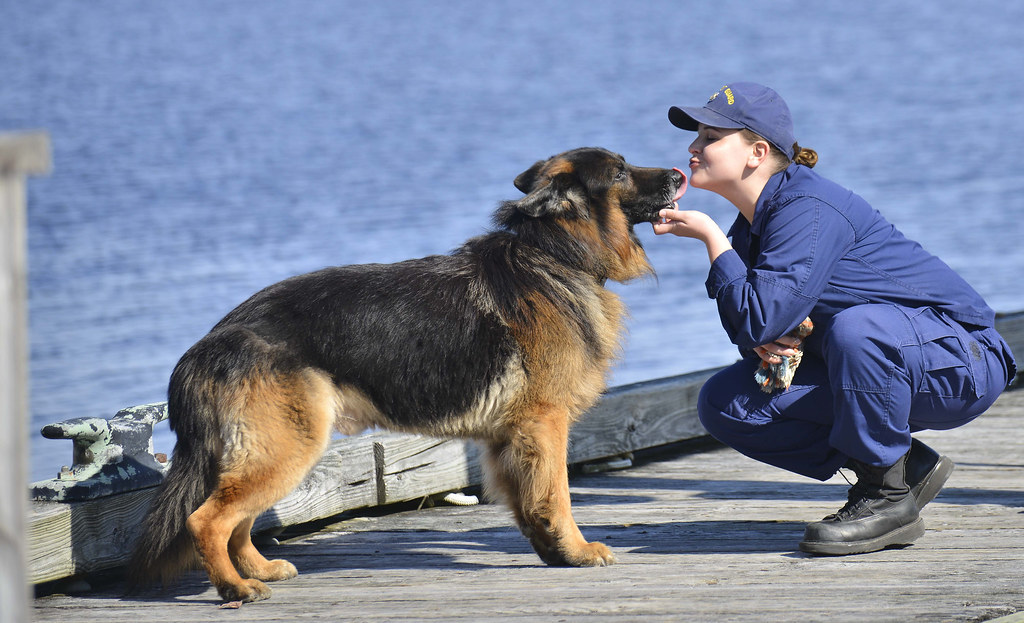
If you’ve ever caught yourself talking to your dog like they’re a tiny furry roommate, you’re not just being cute – your brain is literally doing something different than the brain of someone who’s never had a dog. Living with a dog reshapes your daily routine, sure, but it also quietly rewires your emotional circuits, your stress responses, even how your brain pays attention to the world around you.
When I got my first dog, I was shocked by how my internal world shifted. I started noticing small things: my mood was less fragile, my evenings felt oddly calmer, and even my sense of time changed – suddenly my day revolved around walks, meals, and that expectant stare from across the room. Neuroscience is slowly catching up to what dog people have been feeling for years: sharing life with a dog gives your brain a very specific, very unusual experience that non–dog owners simply don’t get.
1. Your bonding circuits light up like you’re looking at family

Here’s the wild part: when dog owners look into their dog’s eyes, the brain often reacts as if it’s looking at a close human loved one. The regions linked to attachment and reward become more active, creating a genuine sense of emotional closeness that goes beyond “this is my pet.” For people who don’t have dogs, those circuits are mainly reserved for partners, kids, and close friends.
Over time, this repeated activation deepens the sense that your dog really is “one of the family.” Your brain learns that this animal is safe, important, and emotionally relevant. That is why a dog owner might feel a genuine ache in their chest when they think about losing their dog, while a non–dog owner might struggle to understand how it can feel so intense.
2. Your brain’s stress response gets actively soothed by fur and eye contact
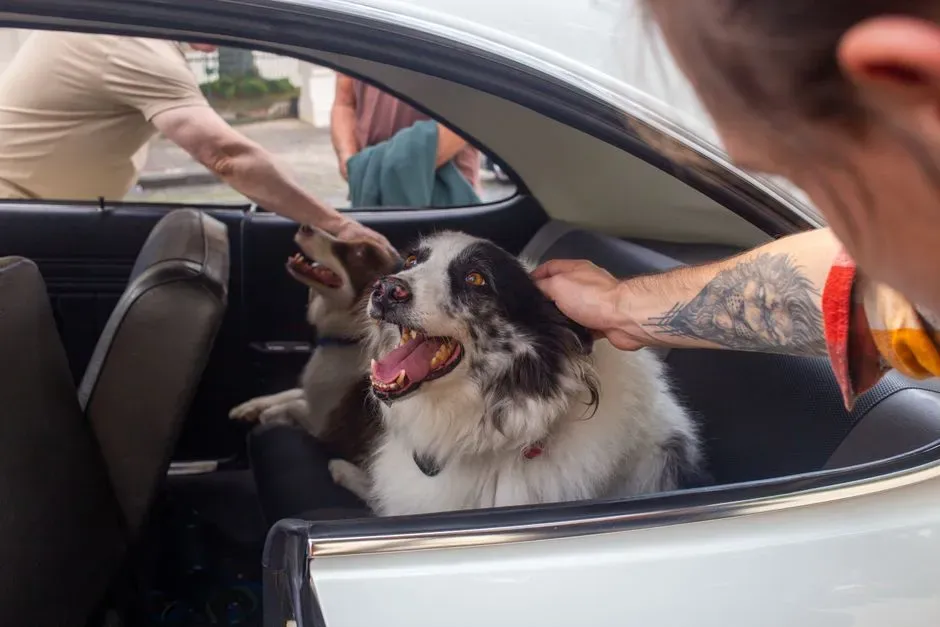
Dog owners often describe a wave of calm washing over them when they pet their dog after a rough day – and that is not just poetic language. The act of calmly stroking a familiar dog can help reduce activity in brain regions involved in alarm and anxiety, and support the release of calming biochemistry that makes your nervous system feel less threatened. Non–dog owners can relax through other methods, but they don’t get that specific “hands on fur, brain downshifting” pathway.
Over time, your brain learns a shortcut: tense feeling plus presence of dog equals signal to stand down a little. That means your stress response can become easier to dial back in daily life, almost like having a personal emotional dimmer switch that lives on your couch. Someone without a dog simply never builds that particular association between touch, eye contact, and natural de-stressing.
3. Your attention system becomes tuned to tiny emotional cues in another species
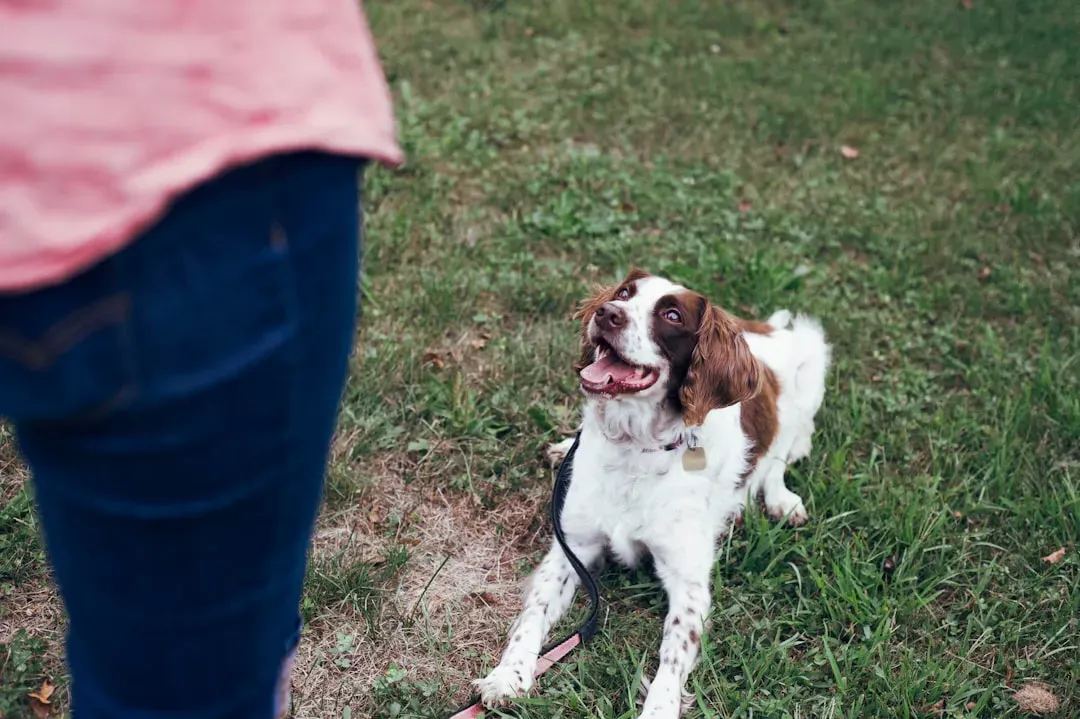
Dog owners end up becoming almost eerily good at reading subtle changes in their dog’s body language. Your brain gradually trains itself to notice micro-shifts: a slight tail tension, a change in breathing, a different kind of bark. The areas that handle attention and social interpretation get practice decoding signals that most non–dog owners do not even register.
This kind of cross-species “emotional literacy” is unusual. Because you repeatedly have to guess what a non-verbal, four-legged roommate needs, your brain constantly runs these small prediction loops. Over the years, your mind becomes faster and more instinctive at interpreting canine signals, while someone without a dog simply never builds that specialized, dog-focused social radar.
4. Your reward system starts treating daily routines as emotionally meaningful

For a lot of dog owners, the most ordinary tasks – refilling a water bowl, clipping on a leash, tossing the same toy again and again – feel surprisingly satisfying. That is because your brain’s reward circuitry gets linked to the small rituals of caring for your dog. Each happy tail wag or eager look can act like a tiny payout to your nervous system, reinforcing those habits.
People who do not live with dogs might experience routine chores as just that: chores. A dog owner’s brain, on the other hand, pairs routine behavior with visible, immediate emotional feedback from the dog. Over time, that repeated pairing can literally make the brain feel that these daily rituals are not just tasks, but mini hits of joy and connection.
5. Your sense of threat and safety expands to include another being

Once you live with a dog, your brain does something quietly powerful: it starts scanning the environment not only for your own safety, but also for your dog’s. You notice loose fences, hot pavement, aggressive dogs at the park, and open gates in a way that simply does not happen when you are only responsible for yourself. Regions that evaluate risk and plan action subtly adjust to account for your dog’s wellbeing.
This creates a sort of shared perimeter in your mind. Your brain now includes another creature inside its map of “things to keep safe.” Non–dog owners can of course care deeply about people, but they usually do not have this constant, low-level monitoring system running for an animal that depends on them moment to moment, all day, every day.
6. Your emotional regulation gets daily practice through co-regulation with your dog
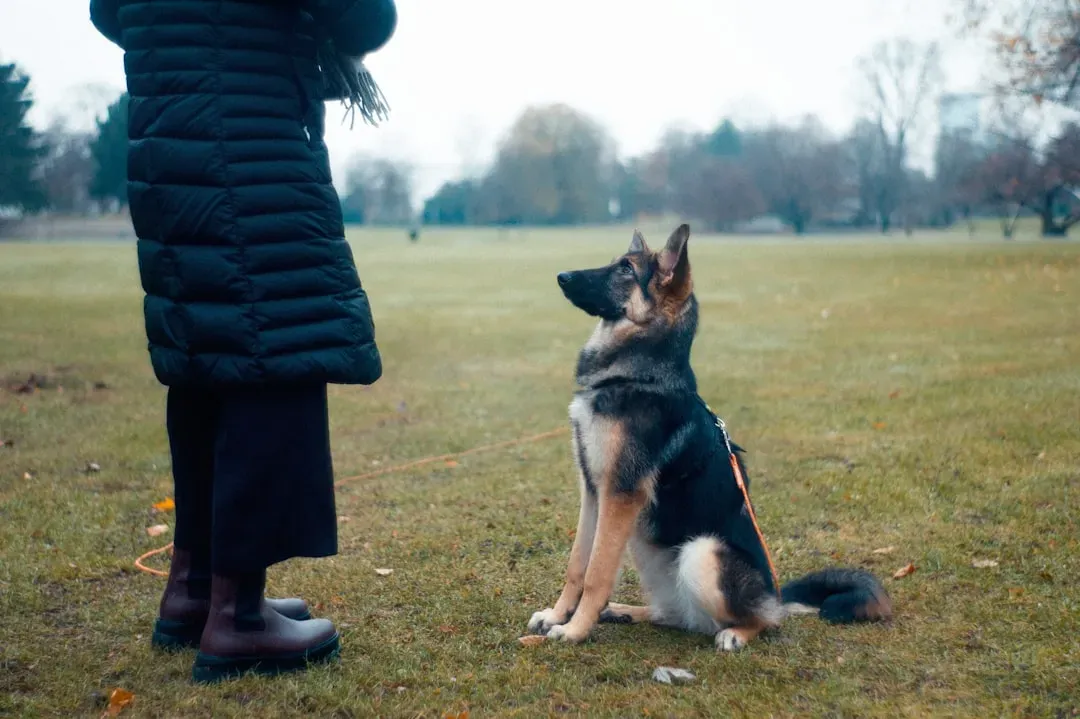
There is a quiet feedback loop that happens when you live with a dog: your dog picks up on your mood, and you pick up on theirs, and your nervous systems subtly adjust to each other. When you calm down, your dog often settles. When your dog relaxes and sighs at your feet, you feel yourself soften too. This back-and-forth is called co-regulation, and dog owners practice it just by existing in the same space as their pet.
Over time, your brain can become better at noticing emotional shifts and nudging itself back toward balance, because it has had so many small rehearsals with your dog. Someone without a dog may practice emotional regulation in other ways, but they do not get this constant, low-intensity training partner in their living room, responding instantly to subtle changes in their inner state.
7. Your memory system quietly fills with vivid, multisensory dog moments
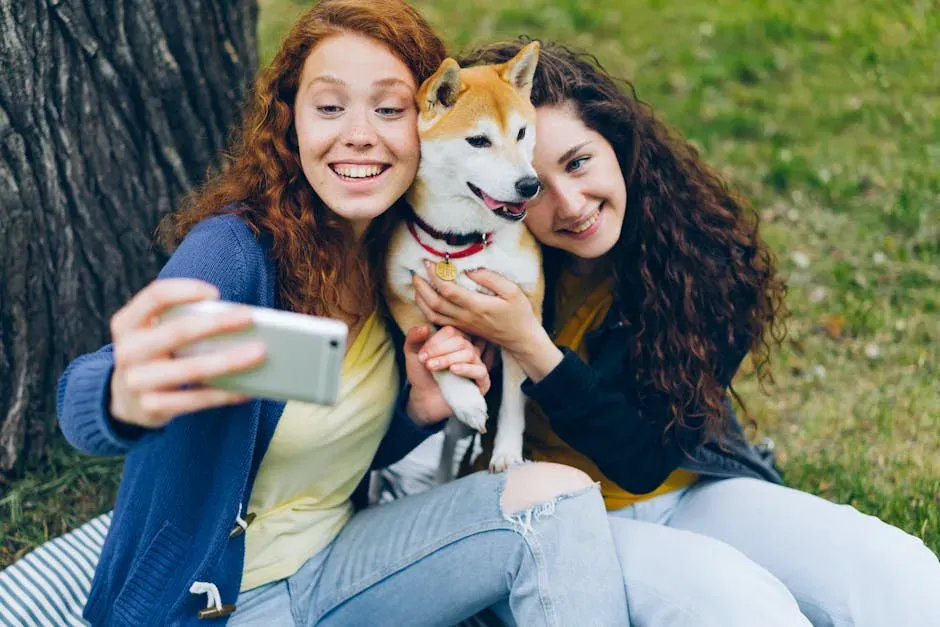
Dog owners accumulate an enormous bank of sensory-rich memories that non–dog owners never form. Your brain stores the sound of your dog’s specific footsteps, the jingle of their collar, the smell of their fur after a walk, the particular way they tilt their head at you. These repeated, emotionally charged experiences create strong, easily accessible memories.
Later, those memories can be triggered by tiny cues – a bark outside, a toy in a store, a photo – pulling up whole scenes in your mind with unusual clarity. For someone who has never had a dog, these neural networks simply never develop. They might understand dogs in a general way, but they lack that deep, memory-layered imprint of sharing daily life with one particular animal.
8. Your movement and planning centers sync to a four-legged daily rhythm
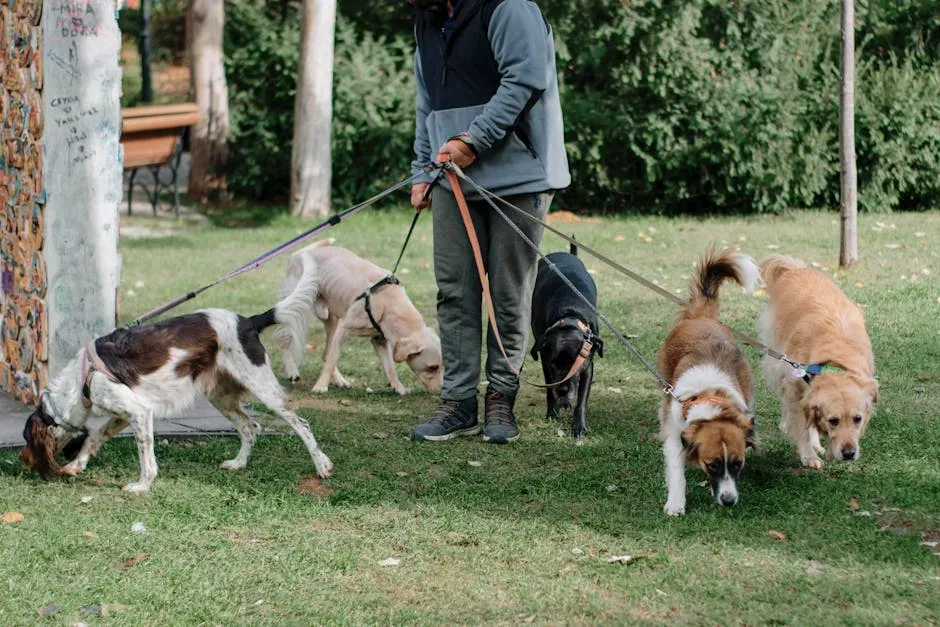
Living with a dog forces your brain to plan your day in a very particular pattern: walks, feeding times, bathroom breaks, and play windows. The brain regions involved in time management, motor planning, and habit formation end up wrapped around this dog-centered schedule. Over months and years, walking at certain times becomes automatic, almost like your legs know what to do before you consciously decide.
People without dogs can of course create routines, but they usually revolve around personal goals or work demands. A dog owner’s brain has to factor in the needs of a creature that cannot adjust its own schedule. That dependence hardwires certain movement patterns and decisions into your brain in a way that non–dog owners simply never have to develop.
9. Your social brain broadens its idea of connection and belonging

One of the underrated shifts in a dog owner’s brain is how it broadens the category of “who counts as part of my social world.” Your social-processing networks do not only light up for humans; they also respond to your dog’s face, their signals, and even their patterns of absence and presence. To your brain, your dog can genuinely occupy a spot in your sense of community and belonging.
This does not mean replacing human relationships, but it does mean your wiring for companionship has a wider reach. Non–dog owners might like animals, but their social brain rarely has the same constant, day-in day-out experience of relating to a specific dog as a full member of the household. That kind of deep, ongoing cross-species relationship shapes your internal sense of “we” in a unique way.
10. Your brain’s narrative about yourself quietly shifts: you become “someone with a dog”
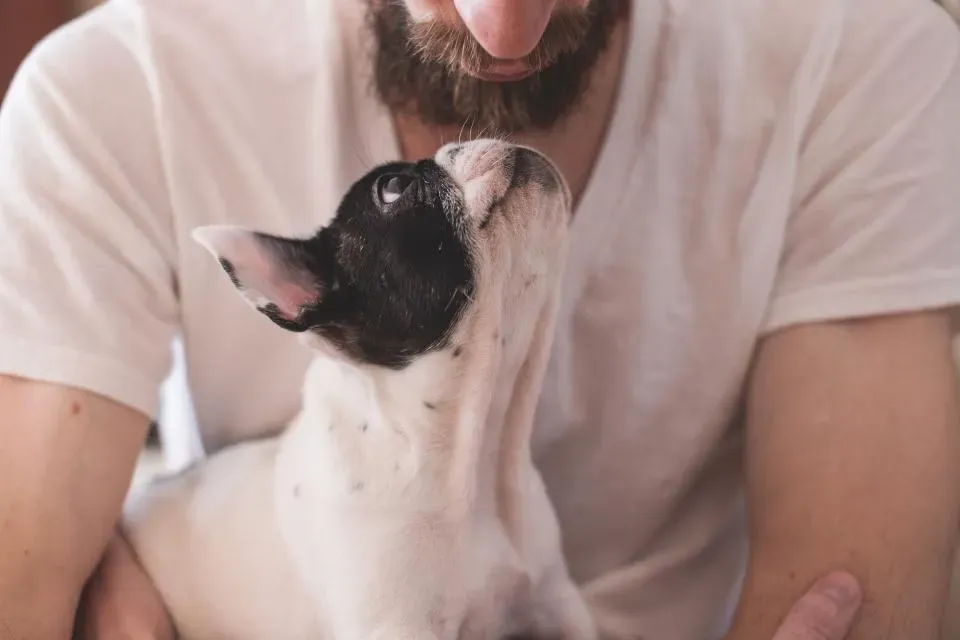
Our brains do not just store facts; they store stories about who we are. For a dog owner, the identity of “person with a dog” becomes a powerful part of that inner story. You are the one who goes on early walks, who chooses vacation spots carefully, who keeps lint rollers everywhere. Identity-related brain networks fold the dog into how you see your own character and lifestyle.
Someone who has never had a dog might identify as a traveler, a gamer, a parent, a runner – but they do not have that constant thread of “the kind of person who shares life with a dog.” That identity shapes decisions, values, and even friendships. The brain of a dog owner carries that narrative in the background, gently influencing everything from where they live to what they do after work.
Conclusion: A brain that chooses to share its life

When you zoom out, the biggest difference is not that dog owners have completely different brains, but that their brains are asked to do different work, day after day, for years. They bond across species, regulate emotions through a living, breathing companion, and build routines, memories, and identities around a creature that cannot speak but absolutely communicates. Those patterns carve out unique neural grooves that people without dogs never need to develop.
Personally, I think that is what makes dog ownership feel so strangely deep: your brain has literally reorganized itself around another life. It is not for everyone, and that is okay – some people find that same richness in art, travel, kids, or careers. But if you are a dog person, or thinking about becoming one, it is worth knowing that the change is not just in your home; it is in your wiring. Knowing that, does it surprise you how much a single wagging tail can rewrite your inner world?