
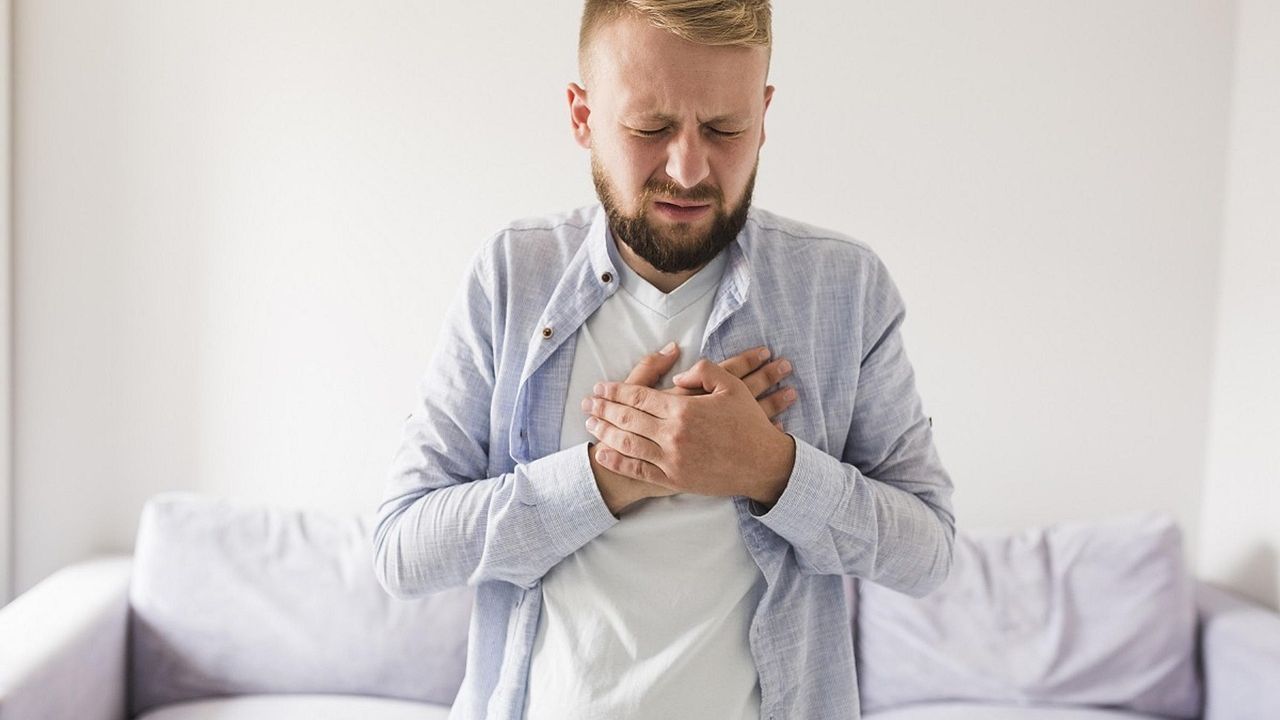
Your Heart Can Develop Broken Heart Syndrome

Intense grief from losing a dog sometimes leads to takotsubo cardiomyopathy, a condition where the heart muscle weakens suddenly. This temporary change makes the left ventricle balloon out, reducing its ability to pump effectively. Cases documented in medical journals show it happening after the death of a beloved pet, with symptoms that closely resemble a heart attack.
Doctors note that stress hormones flood the system during such loss, stunning the heart muscle without blocking arteries. Recovery often occurs within weeks or months with proper care, though the episode itself feels alarming. The syndrome appears more frequently in older adults facing sudden emotional shocks like this one.
Stress Hormones Flood Your System

Grief triggers a sharp rise in cortisol and adrenaline, hormones that directly influence heart function. These chemicals can elevate heart rate and make the organ work harder than usual during rest. Over time the sustained elevation adds strain that the body notices through fatigue or unease.
Studies on emotional stress link these surges to measurable changes in cardiac output. The effect tends to peak in the first days after loss and gradually eases as routines adjust. People often describe a lingering sense of physical heaviness that matches these internal shifts.
Blood Pressure Rises Without Warning

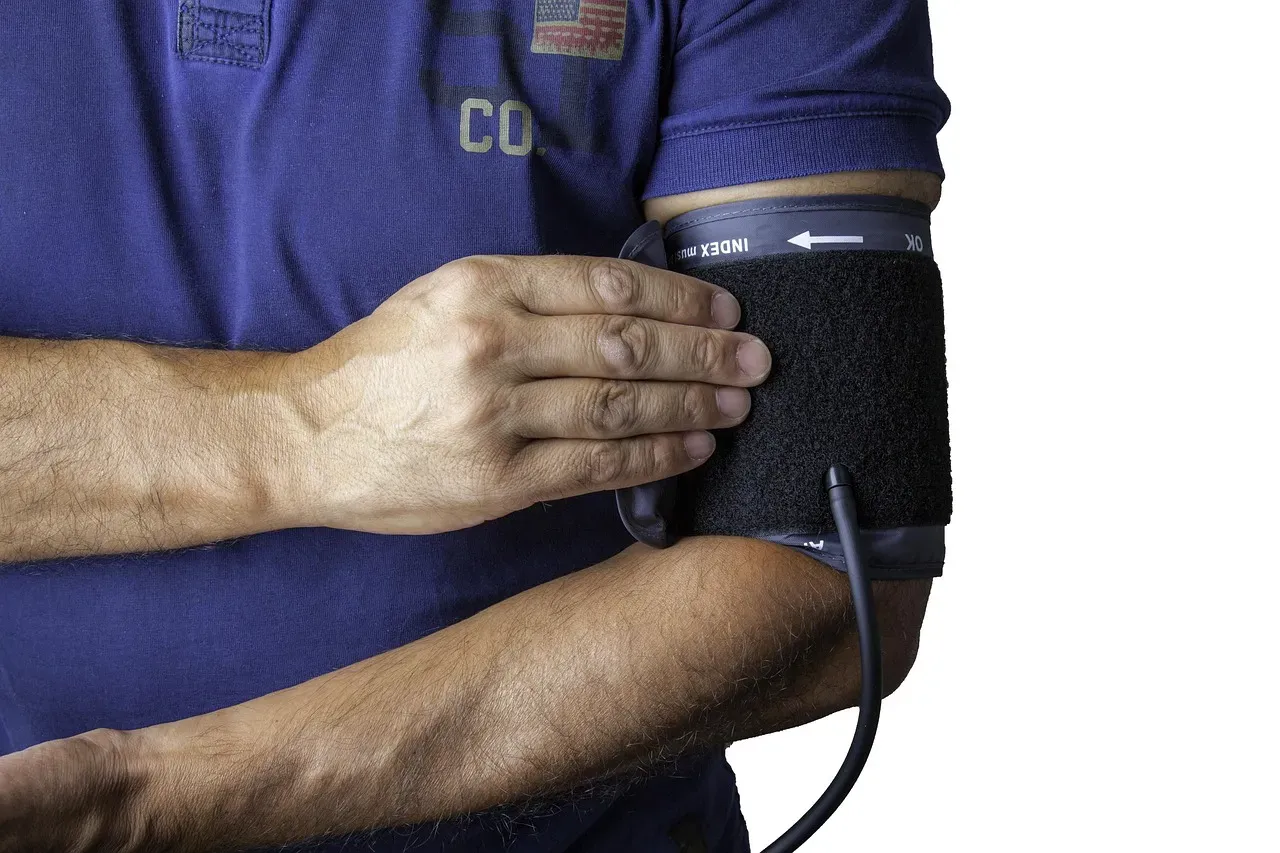
Acute grief commonly pushes blood pressure higher, sometimes dramatically in the initial period. This spike occurs because the nervous system stays on alert, keeping vessels constricted. Monitoring shows readings that return toward normal only after emotional intensity lessens.
Repeated measurements in grieving individuals reveal patterns tied to reminders of the pet or quiet moments of reflection. The change stays temporary for most, yet it underscores how loss registers in vascular responses. Simple rest and hydration help moderate the effect during early weeks.
Heart Rhythm May Turn Irregular
Some experience palpitations or skipped beats as grief disrupts normal electrical signals in the heart. These sensations arise from the same hormone surge that affects overall cardiac performance. They usually fade once the acute phase passes, though they can recur with strong memories.
Medical evaluations after pet loss sometimes capture these variations on monitors, confirming they stem from stress rather than structural issues. The irregularity rarely requires intervention beyond reassurance and follow up. Awareness helps distinguish it from more serious concerns.
Chest Tightness or Pain Appears
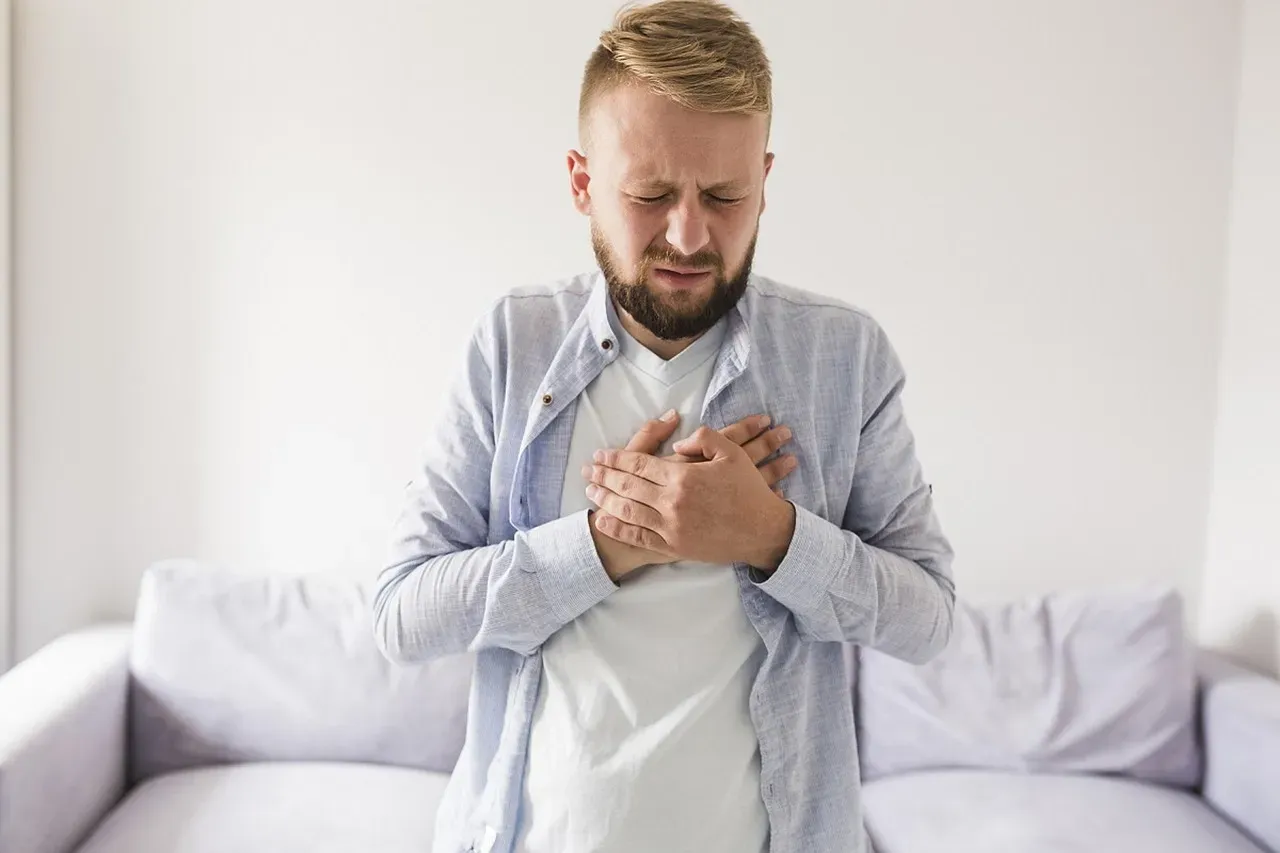
A physical tightness across the chest often accompanies the emotional weight of losing a dog. This symptom reflects both muscle tension and the heart responding to elevated demands. It can feel sharp or pressing, prompting concern that something more serious is underway.
Reports from those who have gone through it describe the sensation easing with time and supportive routines. Physicians advise checking with a doctor to rule out other causes, especially if pain persists. The experience highlights the direct line between profound attachment and bodily signals.
Shortness of Breath Develops
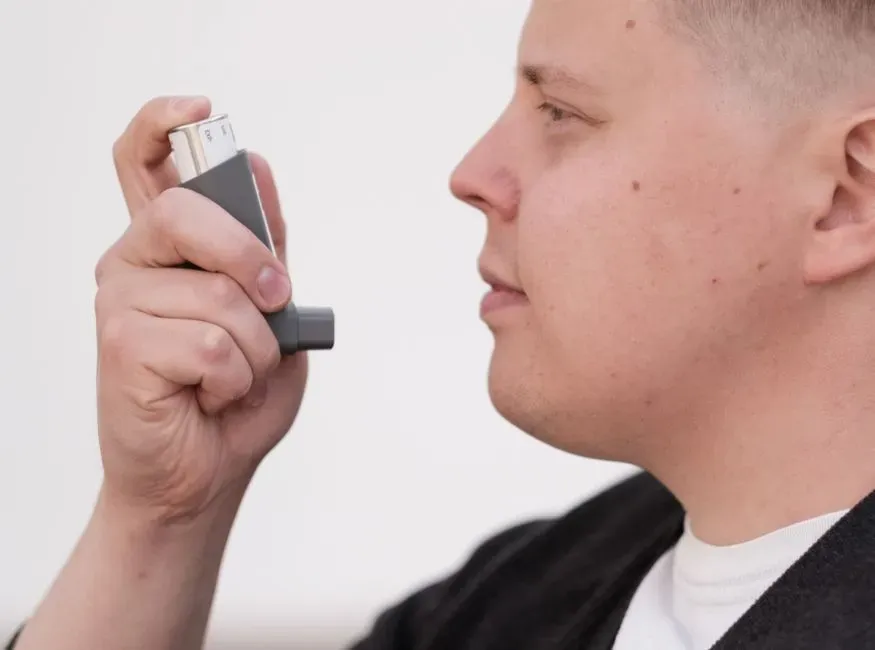
Grief can produce a feeling of breathlessness that traces back to the heart working under stress. Reduced pumping efficiency in some cases leaves less oxygen circulating efficiently. The sensation tends to improve as the body adapts and rest increases.
People note it most during quiet times or when thinking about daily habits that once included the dog. Breathing exercises and gentle movement often bring relief without medical treatment. The symptom serves as another reminder of how loss affects multiple systems at once.
Heart Muscle Function Weakens Temporarily

In documented instances the left ventricle shows reduced contraction strength right after intense loss. Imaging reveals the change without permanent damage in most situations. The heart gradually regains normal squeeze as stress hormones decline.
This weakening explains why some feel unusually tired or lightheaded in the weeks following. Follow up care focuses on monitoring until function stabilizes. The temporary nature offers reassurance once the diagnosis clarifies the cause.
Short Term Cardiovascular Risk Increases

Research connects sudden emotional stress to a modest rise in events like irregular rhythms or fluid buildup around the heart. The window stays narrow for most people yet warrants attention in those with prior conditions. Lifestyle factors such as sleep and nutrition influence how pronounced the shift becomes.
Data from grief studies show the elevation often normalizes within months. Awareness encourages checking in with healthcare providers during this period. The pattern reflects the body’s acute response rather than a lasting alteration.
Prolonged Grief May Affect Long Term Heart Health

Extended mourning sometimes correlates with sustained changes in cardiovascular markers for vulnerable individuals. Chronic elevation of stress responses can influence overall resilience over years. Support networks and routines help buffer these effects.
Observations from pet owners indicate that gradual reengagement with activity supports steadier readings. The link remains individual and depends on prior health status. Many find that honoring the memory through new habits aids both emotional and physical recovery.
Recovery Involves Coordinated Heart and Mind Healing

Healing the heart after such a loss combines medical monitoring with emotional processing. As grief softens, cardiac symptoms typically recede in tandem. People often notice improved energy once daily patterns stabilize again.
Professional guidance from counselors or physicians familiar with pet loss proves valuable for some. The process underscores the depth of the human animal bond and its measurable impact. Time and gentle self care allow both aspects to mend together.
The bond with a dog leaves a mark that science continues to recognize as both emotional and physical. That reality makes the pain feel valid rather than exaggerated, and it points toward the value of allowing space for full recovery.


