
The Steady Flow of Bonding Hormones
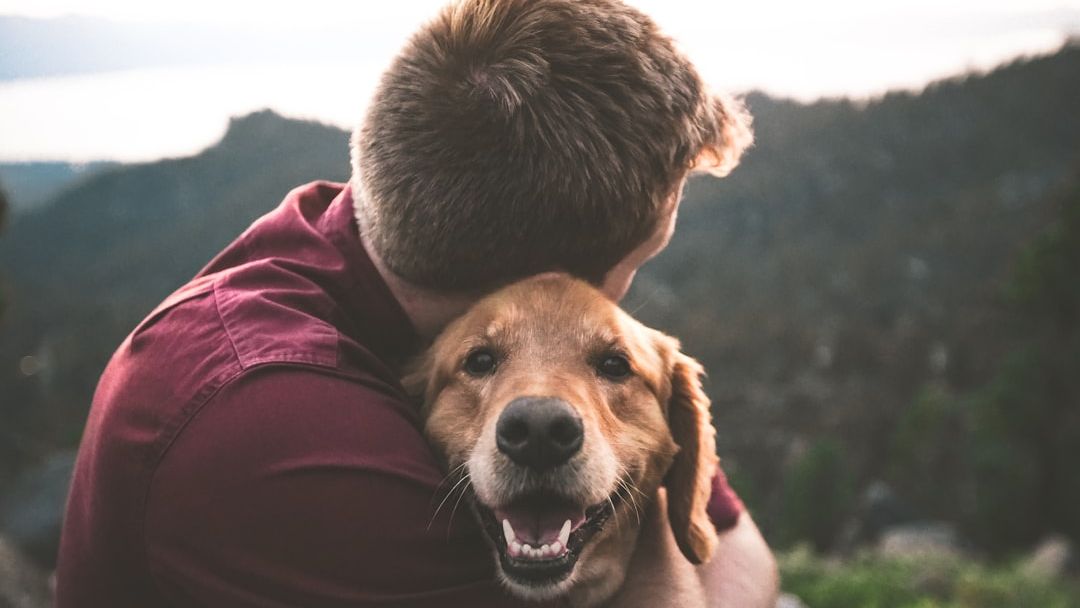
Interactions with dogs trigger measurable shifts in brain chemistry. Studies on human animal contact show increases in oxytocin, the same hormone linked to parent child bonding and trust. This chemical response can create a sense of calm and connection that lingers after the moment passes.
Over time the body begins to associate the dog with reliable comfort. People who live alone often notice the absence of that daily oxytocin lift when their dog is not around. The pattern becomes part of how they regulate mood without even realizing it.
Unconditional Acceptance That Eases Self Judgment

Dogs do not evaluate performance or appearance. They respond to presence and tone rather than status or mistakes. That lack of judgment can lower the internal critic that many adults carry through work and social settings.
Over repeated days this acceptance builds a quiet background of safety. A person might return from a difficult meeting and feel the weight lift simply because the dog greets them the same way regardless of how the day went. The contrast with human interactions makes the relief noticeable.
A Built In Sense of Purpose and Routine
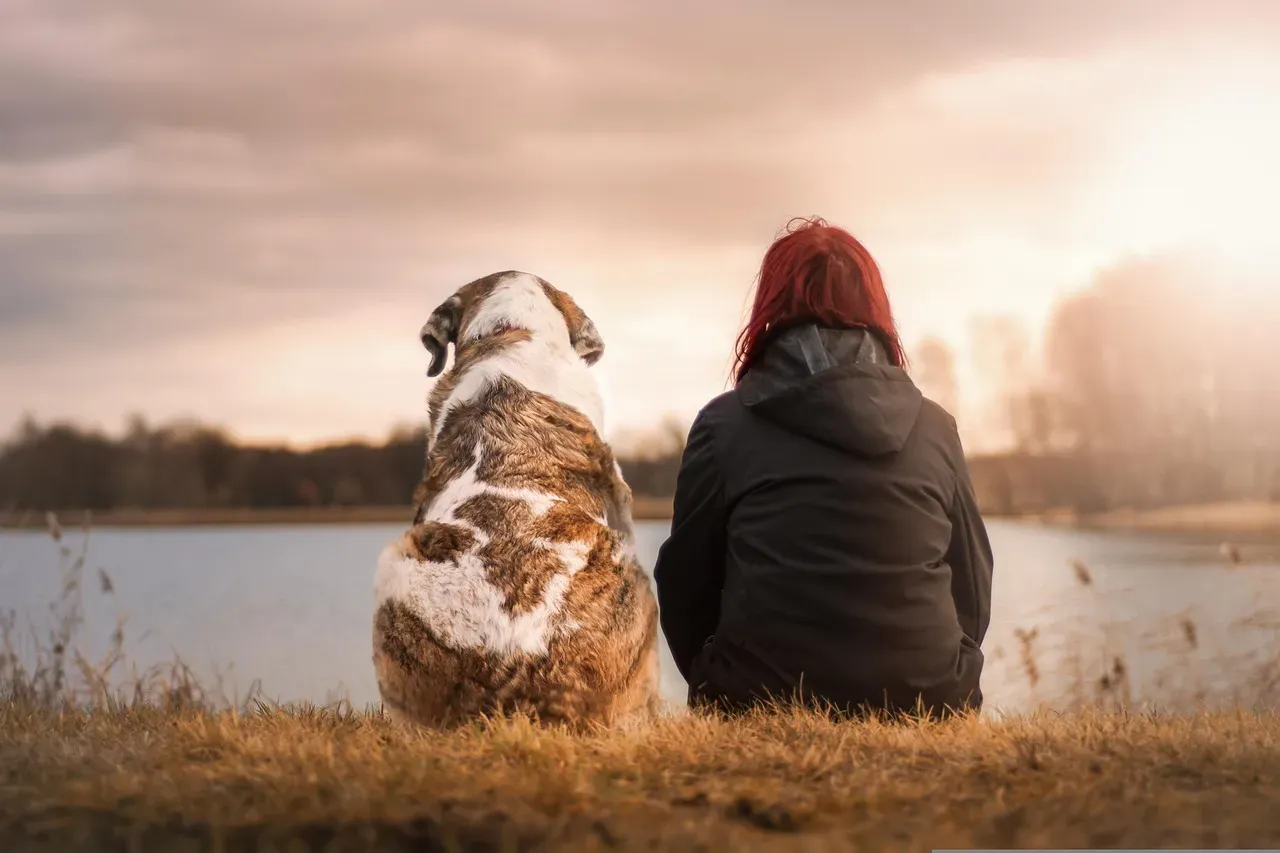
Caring for another living being imposes gentle structure on the day. Feeding times, walks, and play create anchors that keep people moving even on low motivation days. This external demand can reduce the drift that sometimes accompanies unstructured time.
Psychologists note that responsibility toward a dependent can strengthen identity. The dog needs the person, and that need supplies a steady reason to get up and stay engaged. Without it some individuals report a vague emptiness in their schedule.
Immediate Stress Reduction Through Physical Presence
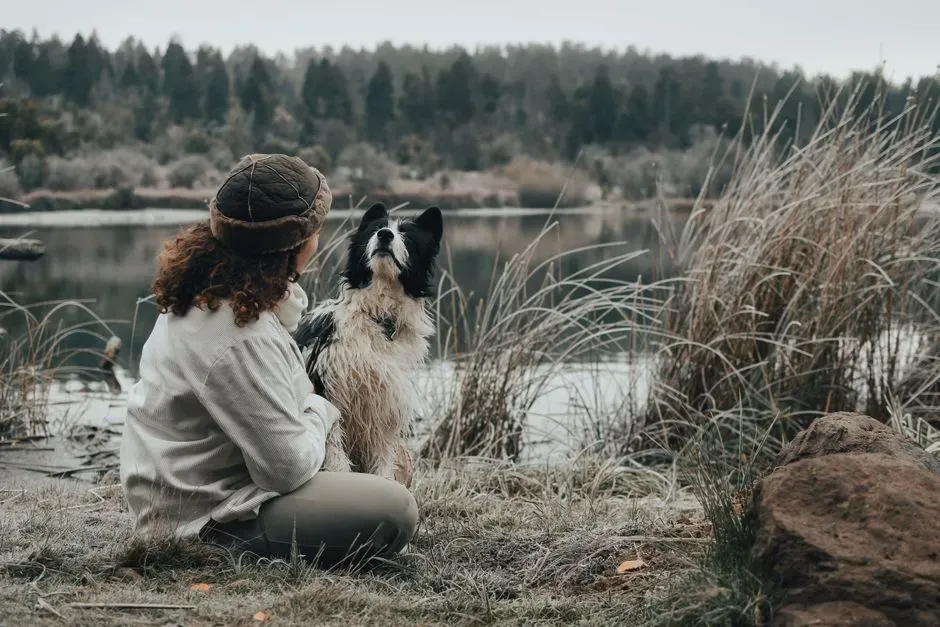
The simple act of a dog resting nearby can lower heart rate and cortisol. Research on pet contact consistently points to faster recovery from acute stress when an animal is present. The effect appears within minutes rather than requiring conscious effort.
People who experience high pressure jobs often describe the dog as a living reset button. Coming home to that presence interrupts the mental loop of the workday. The body registers safety faster than it would through deliberate relaxation techniques alone.
Facilitated Social Connections in Everyday Life
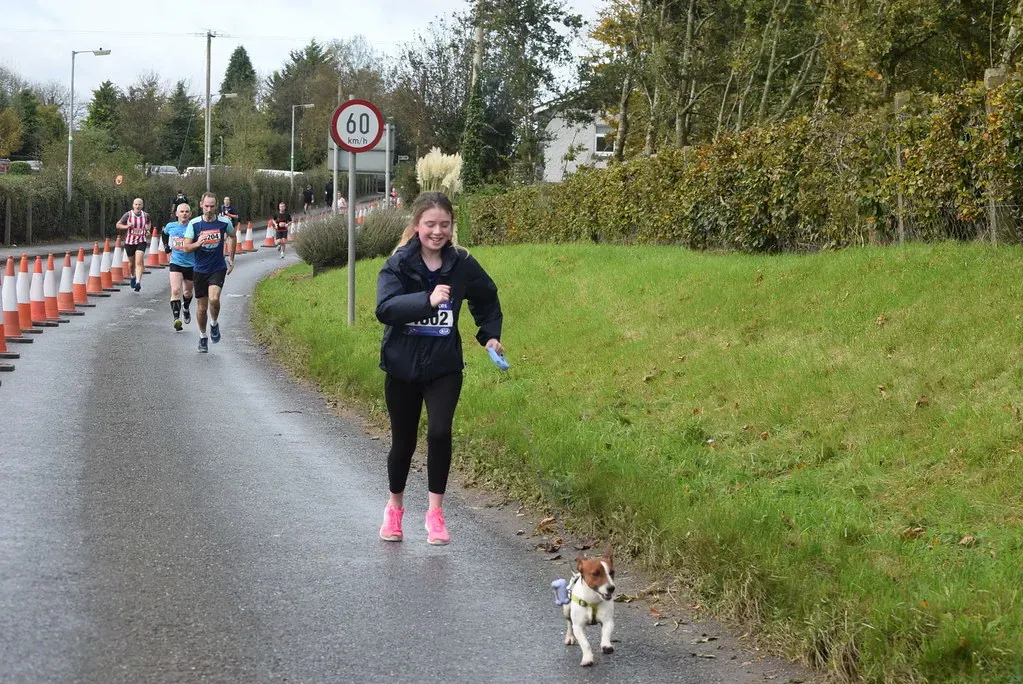
Dogs act as natural icebreakers during walks or visits to parks. Strangers who might otherwise pass by often stop to comment or ask questions. These brief exchanges accumulate into a wider sense of community over weeks and months.
For individuals who find initiating conversation difficult the dog provides an easy shared topic. The animal draws attention outward and reduces self focus. Over time those small interactions can ease feelings of isolation without requiring planned social events.
Training in Present Moment Awareness

Dogs live almost entirely in the current moment. Their attention to smells, sounds, and movement pulls the owner into the same immediate experience during walks or play. This repeated practice can gently counter the habit of mental time travel to worries or plans.
Many owners report that time with the dog feels different from scrolling or working. The sensory engagement interrupts rumination. Over months this pattern can strengthen the ability to notice small pleasures that might otherwise go unregistered.
Reinforcement of Self Worth Through Consistent Care

Successfully meeting a dog needs builds quiet evidence of competence. Each walk completed or health issue handled adds to a personal record of reliability. That record can support self esteem even when other areas of life feel uncertain.
The dog also reflects back affection and trust. Seeing the animal seek comfort or show excitement at the owner return supplies daily confirmation that the person matters. This feedback loop operates without words and without conditions tied to achievement.
Emotional Anchoring During Periods of Change or Loss
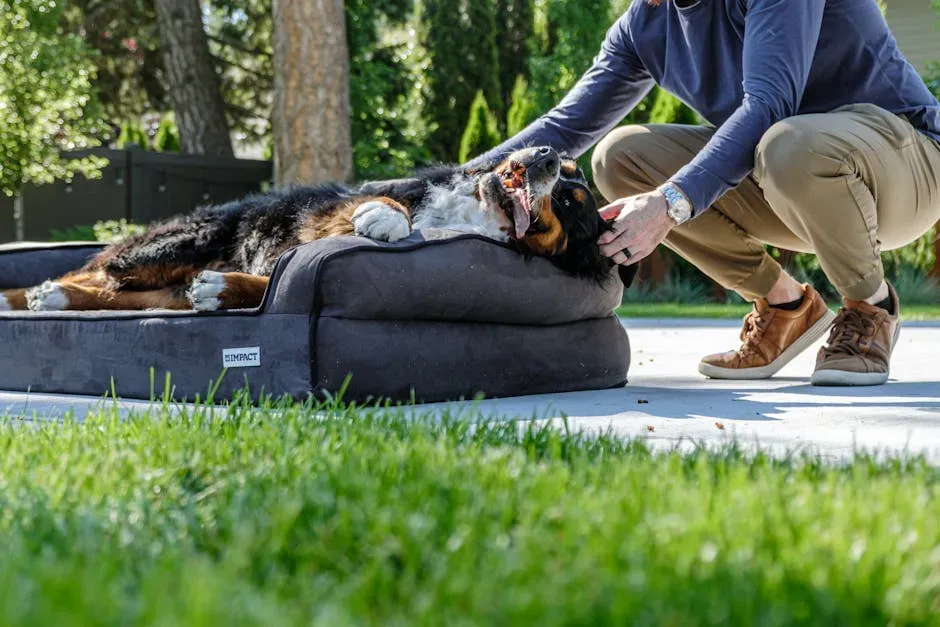
Life transitions such as moves, breakups, or job shifts often disrupt other support systems. A dog remains a stable point of reference through those changes. The familiar routines and affection provide continuity when much else feels fluid.
Grief researchers have observed that pets can serve as transitional objects during mourning. The animal does not replace lost relationships yet it occupies space in the emotional day that might otherwise stay empty. This steady presence can make the adjustment period feel less overwhelming.
Some people discover that no other relationship quite matches the particular mix of simplicity and depth a dog supplies. The bond meets needs that digital connections or occasional human contact often leave untouched. In that sense the attachment makes practical sense rather than appearing excessive.


