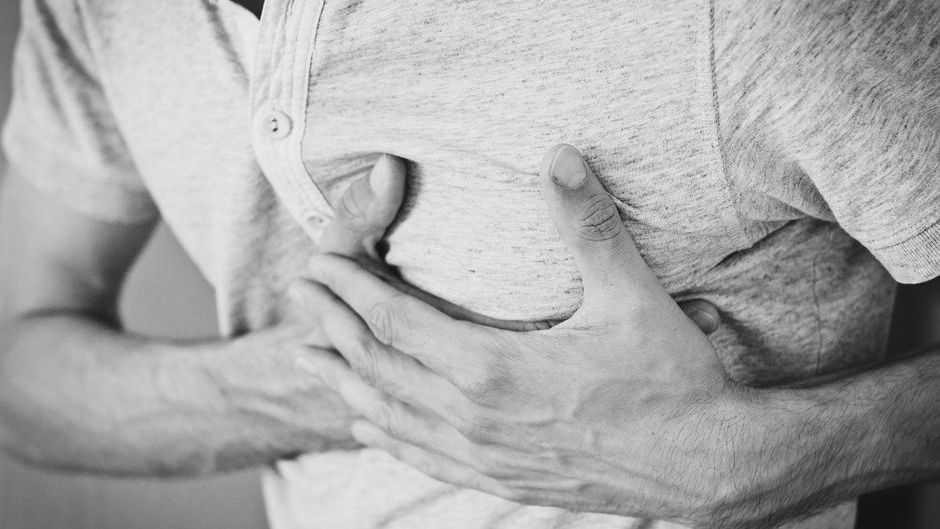
1. Elevated Blood Pressure
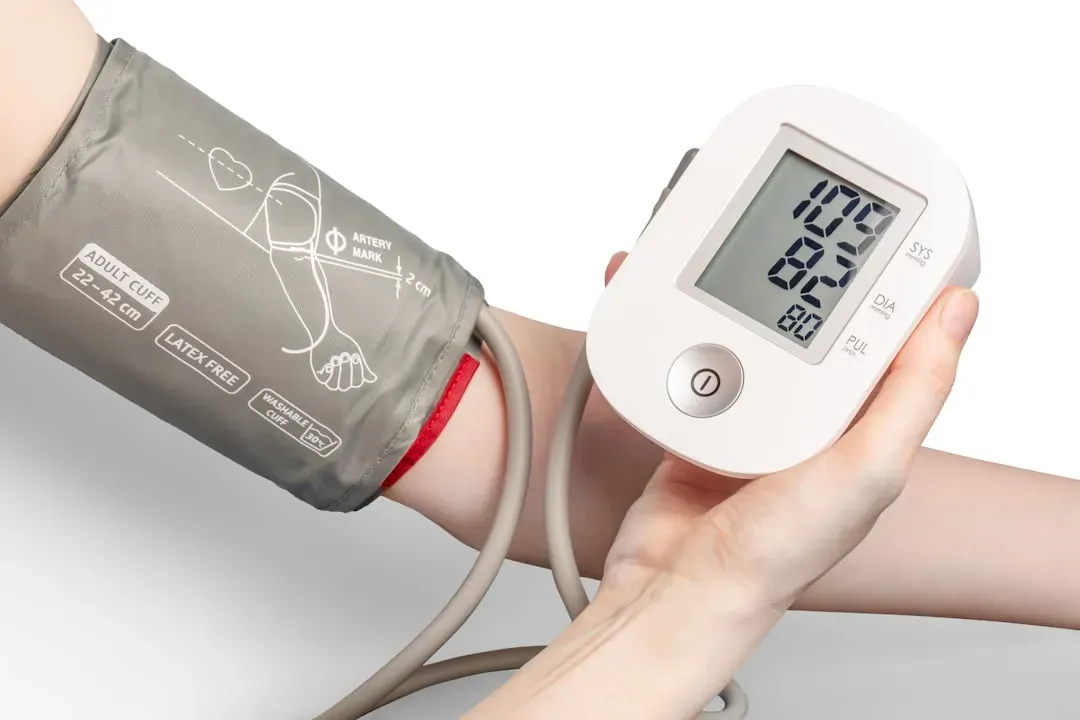
Grieving the loss of a dog can lead to a significant rise in blood pressure. This isn’t just a fleeting change; studies have shown that during intense grief, systolic blood pressure can increase by over 20 mm Hg. Such elevations, if prolonged, can strain the cardiovascular system and increase the risk of heart-related issues.
It’s essential to monitor your blood pressure during periods of intense grief. Engaging in relaxation techniques, such as deep breathing exercises or meditation, can help mitigate these effects and support heart health.
2. Increased Heart Rate
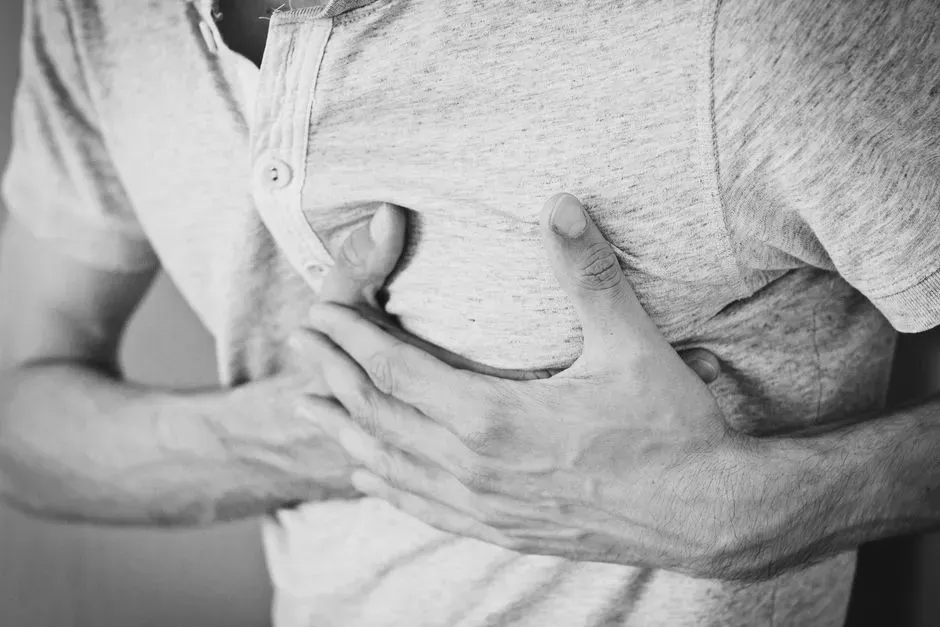
The emotional turmoil of losing a pet can cause your heart rate to spike. This heightened state isn’t merely a reflection of sadness; it’s a physiological response to stress. An elevated heart rate over extended periods can place undue stress on the heart muscle, potentially leading to complications.
To counteract this, incorporating gentle physical activities like walking or yoga can help regulate your heart rate. Additionally, seeking support from friends, family, or support groups can provide emotional relief, indirectly benefiting your heart.
3. Risk of Broken Heart Syndrome
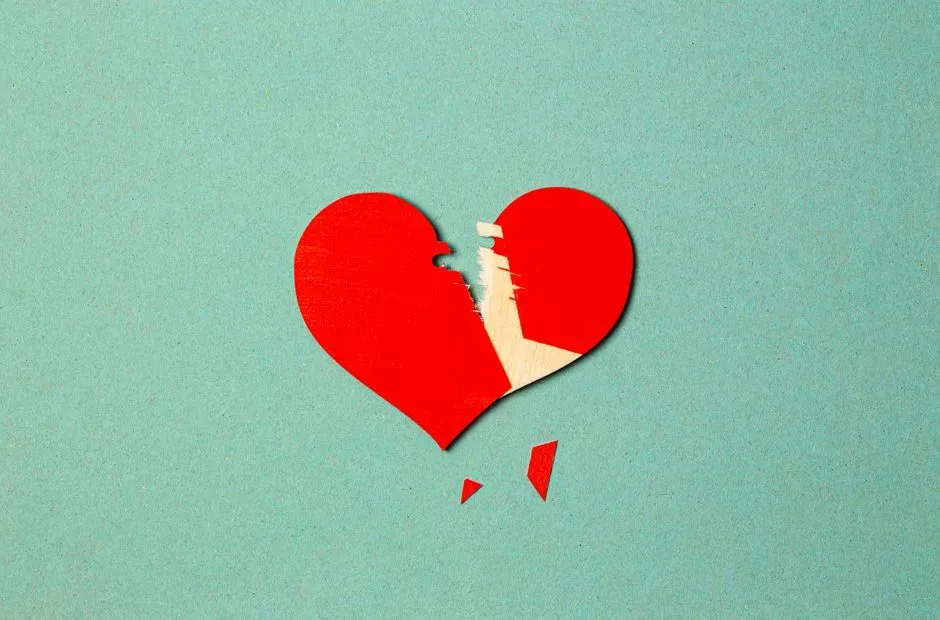
Also known as Takotsubo cardiomyopathy, broken heart syndrome is a real condition where intense emotional stress leads to heart muscle weakness. Symptoms often mimic those of a heart attack, including chest pain and shortness of breath. While typically temporary, it’s a stark reminder of the heart’s vulnerability to emotional distress.
If you experience such symptoms after the loss of your dog, it’s crucial to seek medical attention promptly. Early intervention can prevent complications and ensure a smoother recovery.
4. Elevated Stress Hormones

Grief triggers the release of stress hormones like cortisol and adrenaline. These hormones prepare the body for a ‘fight or flight’ response, but prolonged elevation can have detrimental effects on the heart, including increased blood pressure and heart rate.
Managing stress through mindfulness practices, regular exercise, and adequate sleep can help balance these hormone levels, promoting overall heart health during the grieving process.
5. Increased Risk of Heart Attack

The immediate aftermath of losing a dog can see a spike in heart attack risk. The intense emotional stress can lead to physiological changes that make the heart more susceptible to such events. This risk is particularly pronounced in individuals with pre-existing heart conditions.
Being aware of this risk is vital. If you have underlying heart issues, consult with your healthcare provider about strategies to manage stress and monitor heart health during this vulnerable period.
6. Weakened Immune System

Grief doesn’t just affect the heart directly; it can also weaken the immune system. A compromised immune response can lead to increased inflammation, which is a known risk factor for heart disease. This interplay underscores the holistic impact of losing a beloved pet.
Supporting your immune system through a balanced diet rich in antioxidants, regular physical activity, and adequate rest can help mitigate these effects and protect your heart.
7. Sleep Disturbances

The loss of a dog can disrupt sleep patterns, leading to insomnia or fragmented sleep. Poor sleep quality has been linked to various heart issues, including hypertension and arrhythmias. The emotional pain can make it challenging to find restful sleep, further exacerbating heart health concerns.
Establishing a calming bedtime routine, limiting screen time before bed, and creating a comfortable sleep environment can aid in improving sleep quality during the grieving process.
8. Changes in Appetite and Weight

Grief can lead to changes in appetite, resulting in weight loss or gain. Significant weight fluctuations can impact heart health, either by increasing the risk of hypertension and diabetes or by depriving the body of essential nutrients needed for optimal heart function.
Maintaining a balanced diet, even when appetite is low, is crucial. If eating becomes challenging, consider consulting a nutritionist or healthcare provider for guidance.
9. Increased Risk of Depression

The emotional toll of losing a dog can lead to depression, which has been linked to heart disease. Depression can result in behaviors that negatively impact heart health, such as physical inactivity, poor diet, and neglecting medical care.
Seeking support from mental health professionals, joining support groups, or engaging in activities that bring joy can help manage depressive symptoms and protect heart health.
10. Reduced Physical Activity

Dogs often encourage their owners to stay active through walks and play. Losing this companion can lead to a decrease in physical activity, which is vital for heart health. A sedentary lifestyle can increase the risk of heart disease and other health issues.
Finding alternative ways to stay active, such as joining a walking group or engaging in a new hobby, can help maintain physical activity levels and support heart health during the grieving process.
Conclusion