
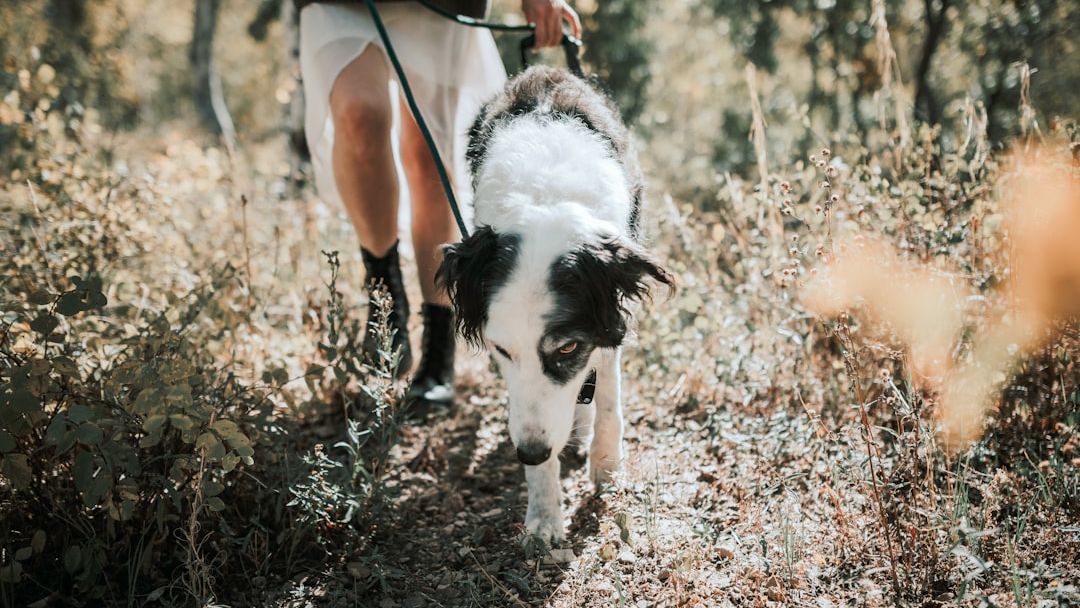
#1: Assuming Every Change Is Just “Old Age”
It’s tempting to chalk up a slower pace or a new stiffness to the natural aging process, and sometimes that’s exactly what it is. It’s a mistake, however, to assume all changes in your dog are a natural part of aging. Behavior changes such as difficulty getting up, stiffness, anxiety, aggression, and other abnormalities may mean something is wrong.
There are many health issues that cause pain and discomfort in dogs which lead to their reluctance to move or increased irritability. A dog that’s quieter or slower isn’t necessarily “just getting old” – it might be in real pain. It’s important to have your veterinarian examine your dog to determine whether their changes are part of the aging process or whether there is an underlying disease or condition.
#2: Skipping or Reducing Vet Visits
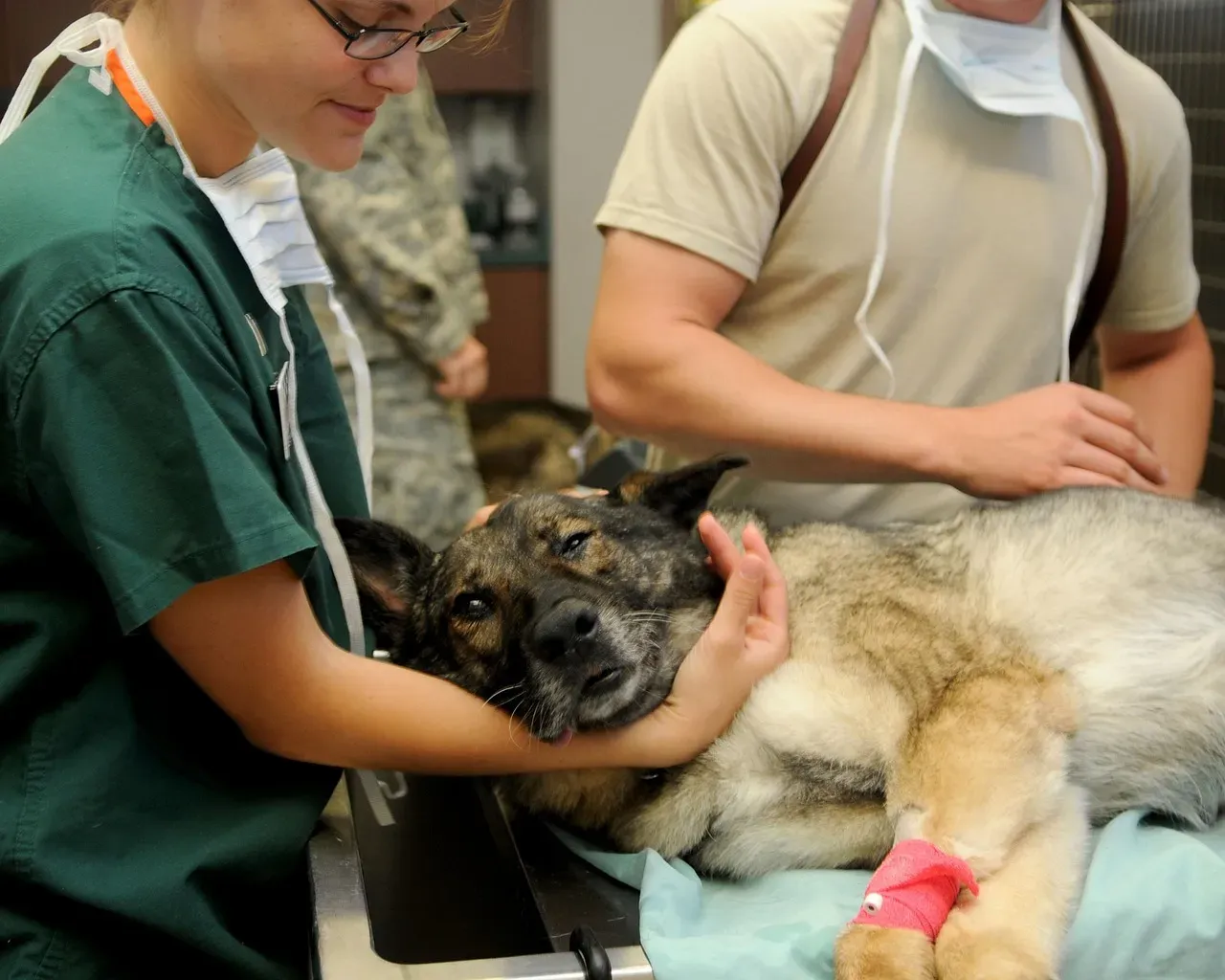
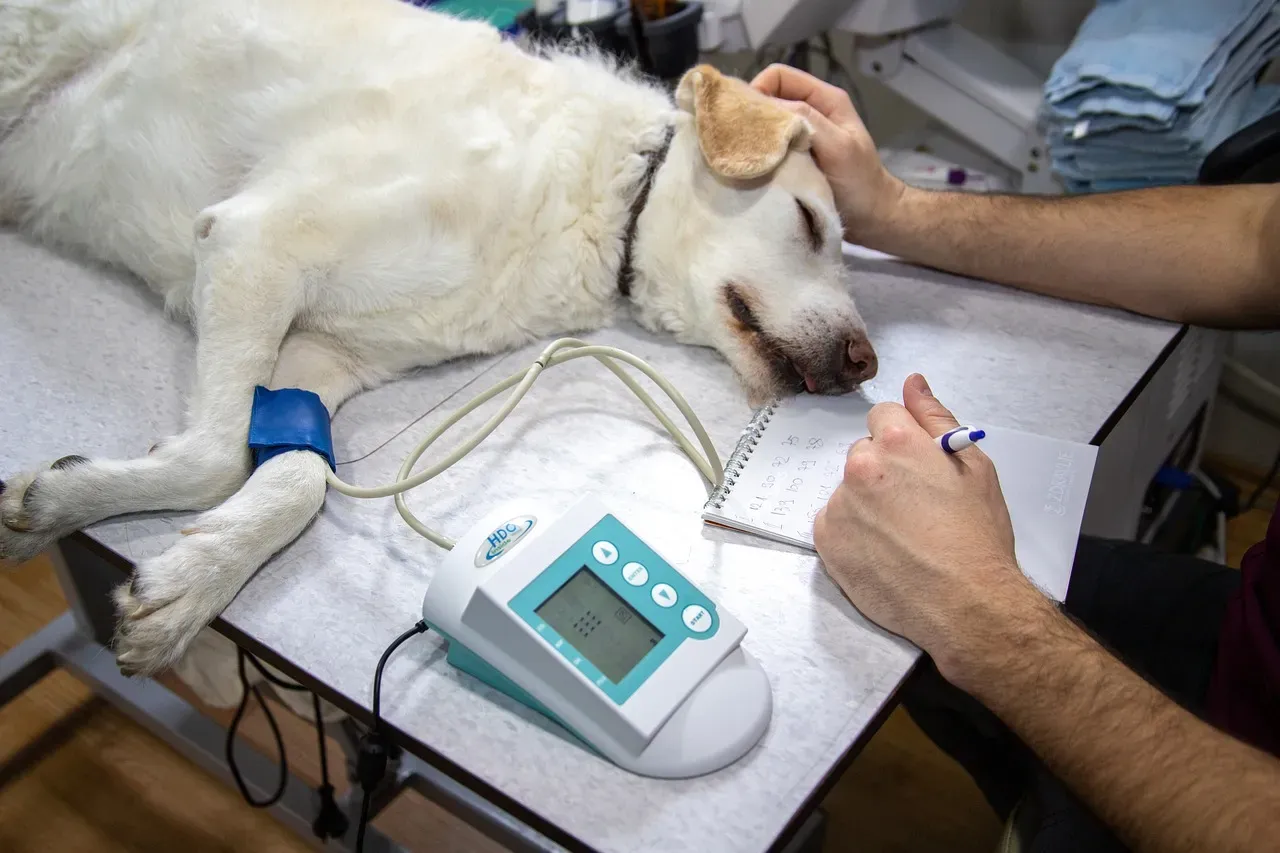
No matter how well cared for, senior pets are vulnerable to aging-related issues, including certain diseases. This means that senior pets require more attention than younger pets, including more frequent visits to the veterinarian as well as possible changes in their diet and home environment. Pulling back on vet appointments during the years when a dog needs them most is one of the most common and consequential mistakes veterinarians see.
The aging process is accelerated in dogs. Therefore, vets recommend seeing all senior dogs at least twice a year. Blood and urine tests should be evaluated at least once a year. Early detection of chronic diseases such as kidney disease, thyroid disease, and diabetes is the key to successful treatment and preservation of quality of life. A wellness visit isn’t just a formality – it’s a search-and-rescue mission for problems hiding beneath the surface.
#3: Overfeeding and Giving Too Many Treats
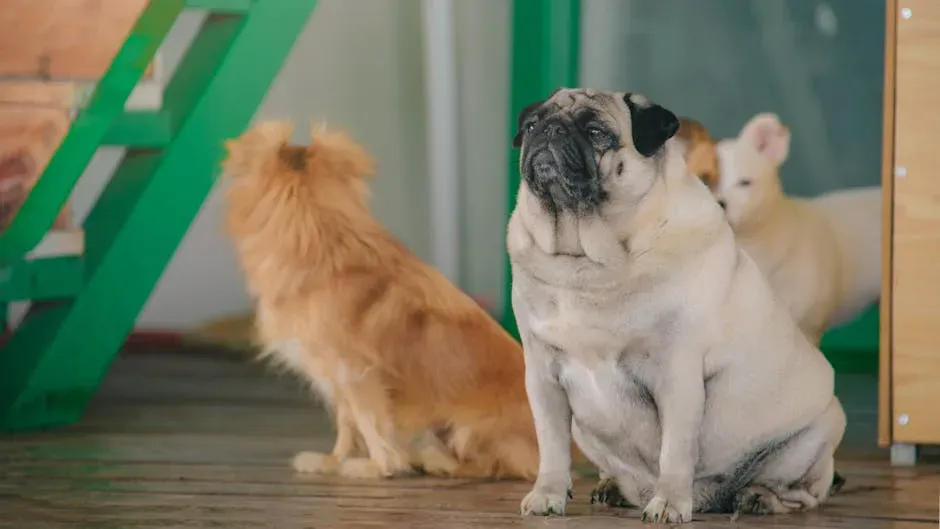
Feeding a dog from the table or sneaking extra treats feels affectionate. It also adds up faster than most owners realize. Overfeeding a dog could lead to excessive weight gain, contributing to obesity. According to a 2022 pet obesity prevalence survey, around 59% of dogs are overweight or obese. Many veterinary professionals recognize obesity as a prevalent disease.
Excess weight can have a major effect on a senior pet’s health. Obesity in senior pets is linked to an increased risk of arthritis, difficulty breathing, insulin resistance or diabetes, heart disease, high blood pressure, skin problems, cancer, and other conditions. Research found that an overweight body condition was associated with a shorter lifespan in all breeds studied. That treat tossed over the dinner table isn’t kindness – it’s quietly borrowing time from the future.
#4: Feeding Human Food Without Knowing What’s Toxic
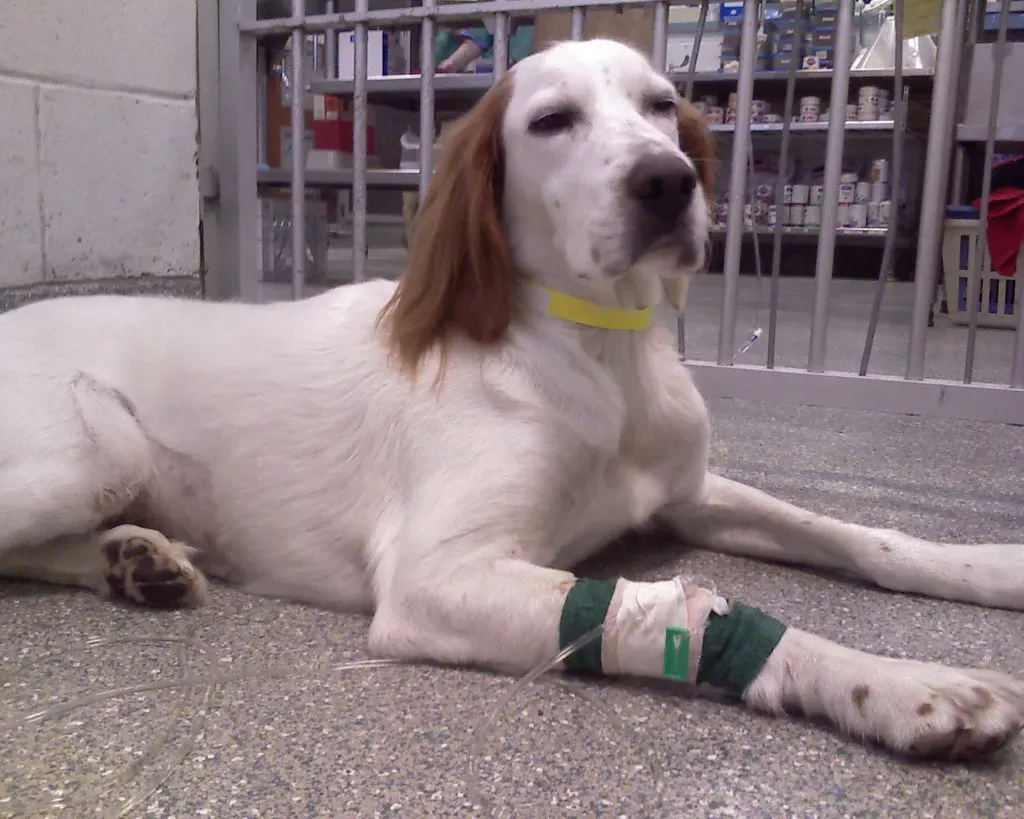
Many older owners grew up in households where dogs ate table scraps without obvious incident, and so the practice feels harmless. The reality is more complicated. Human foods including chocolate, grapes, onions, garlic, raisins, macadamia nuts, and xylitol are highly toxic to dogs even in small amounts. Table scraps also tend to be high in fat, sugar, and sodium, which can lead to digestive problems like pancreatitis.
Pancreatitis is a serious inflammation of the pancreas and can be life-threatening. Pancreatitis inflammation can be triggered by high-fat foods, obesity, food allergies, and some toxins, with a high-fat diet being the most common one. The gap between “my dog ate this before and was fine” and “my dog is in the emergency room” can be smaller than it looks. When in doubt, only offer foods your vet has specifically confirmed as safe.
#5: Neglecting Dental Care
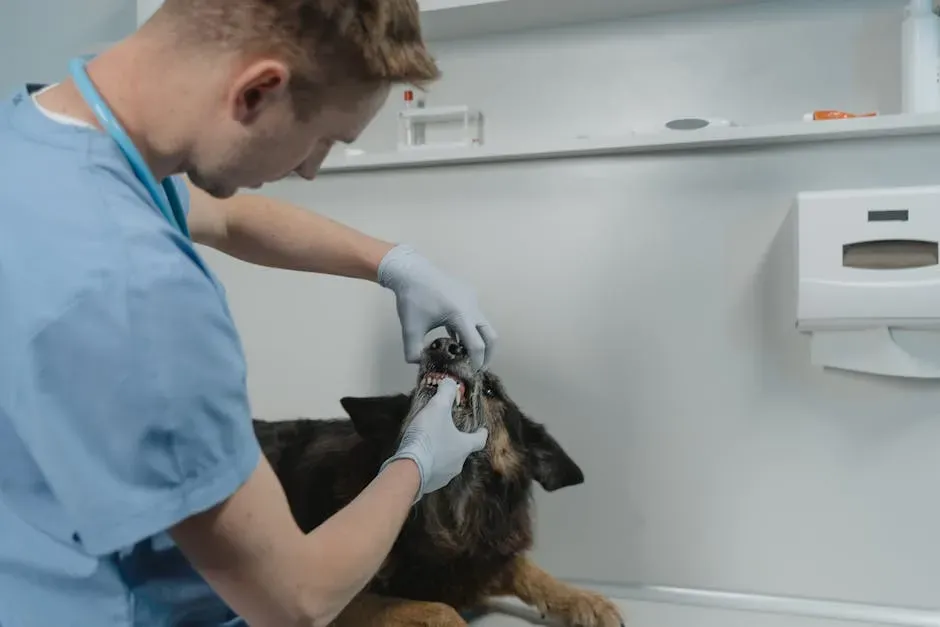
Dental disease is probably the most consistently underestimated health issue in older dogs. Periodontal disease affects over 80% of dogs over the age of 3, and nearly all senior dogs. Dental disease is especially common in senior dogs because it progresses gradually and can easily go unnoticed. Senior dogs simply adapt to living with discomfort. However, adapting to discomfort doesn’t mean that they are not in pain.
What makes this especially serious is that the consequences don’t stay in the mouth. Chronic dental disease in older pets is not just a localized problem. Bacteria from inflamed gums can enter the bloodstream and spread to critical organs like the heart, liver, and kidneys, contributing to or worsening chronic conditions. Many pet owners don’t realize their dog or cat is in pain because animals tend to hide discomfort. You will never know when your pet has a painful tooth. Daily brushing and regular professional cleanings are not optional extras – they’re essential care.
#6: Neglecting Nail Trims and Grooming
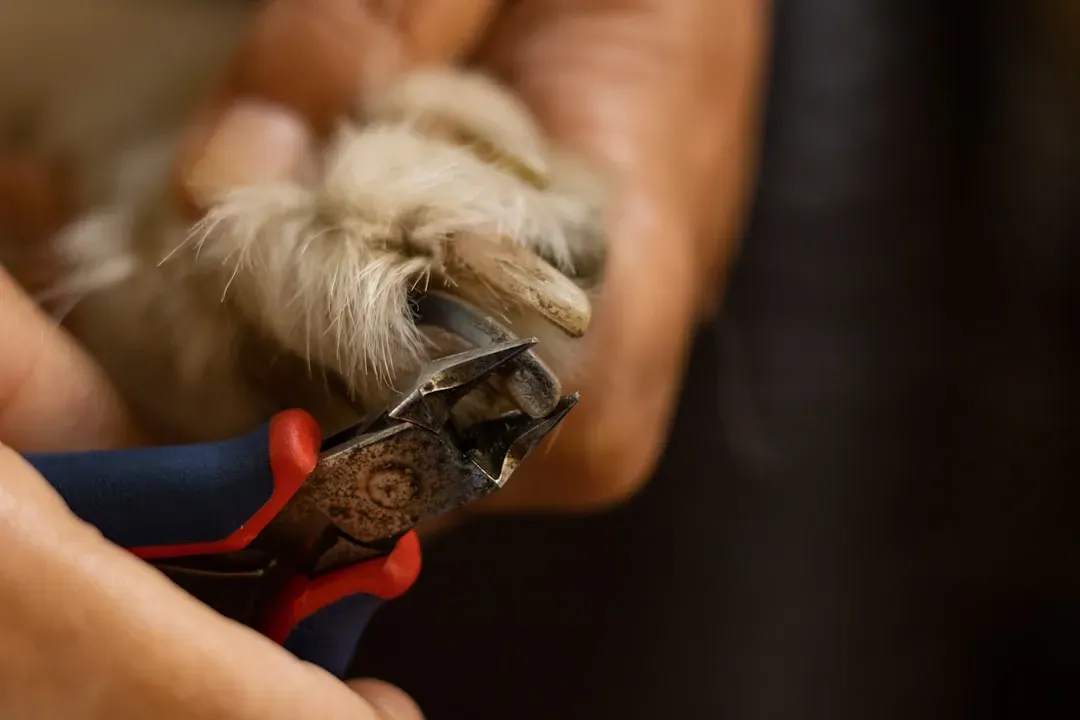
Grooming is easy to deprioritize, especially when a dog doesn’t seem bothered by long nails or a matted coat. The reality is that both of these issues carry genuine health consequences. Nails should be clipped as needed to prevent overgrowth. Long toenails may cause the dog to stand and walk abnormally and result in pain, or accelerate and exacerbate arthritic changes.
Brushing pets frequently is important to prevent mats. Mats can contribute to skin infections and may hide skin tumors. For a senior dog that may already be dealing with arthritis or mobility issues, an abnormal walking posture caused by overgrown nails can quietly compound joint pain over time. These are small, manageable tasks that carry a disproportionately large impact on a dog’s daily comfort and long-term health.
#7: Ignoring Weight Changes as a Warning Sign
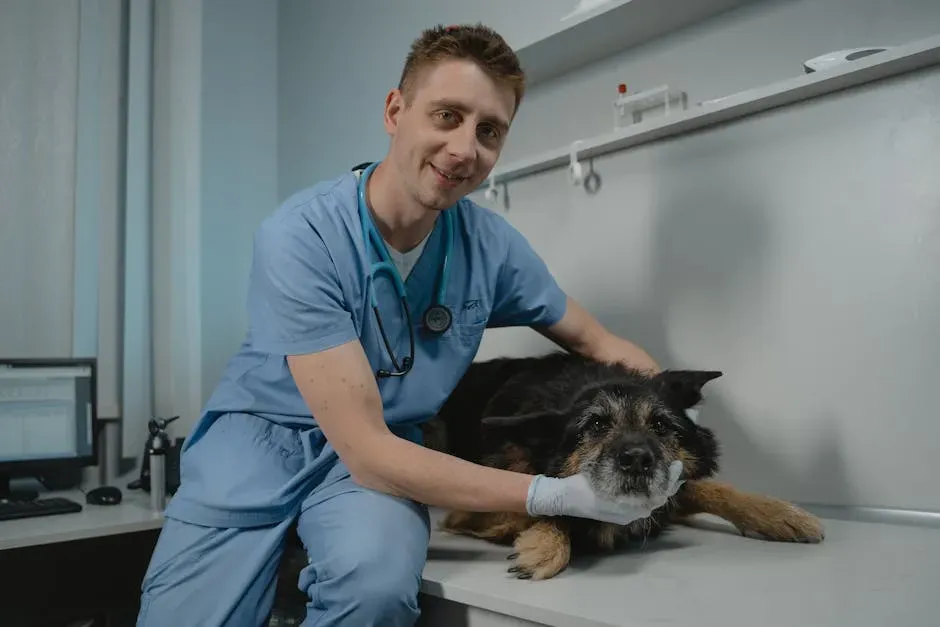
Weight fluctuations in senior dogs rarely happen without a reason. Weighing your dog on the same scale at least every two months is recommended. Weight changes can be an early indicator of disease. Both unexpected weight gain and unexplained weight loss deserve prompt attention, not a “wait and see” approach.
Keeping plenty of fresh water available and monitoring consumption is important. Increased water consumption or urination is associated with diabetes and kidney and liver disease. Changes in thirst, bathroom habits, and body weight often arrive together, and they’re among the clearest signals that something systemic is going on. An overweight pet may not show any early warning signs of health problems, which is one reason why regular visits to your veterinarian are so important. Regular veterinary examinations can detect problems in older pets before those problems become serious or life-threatening.
#8: Missing the Signs of Cognitive Decline
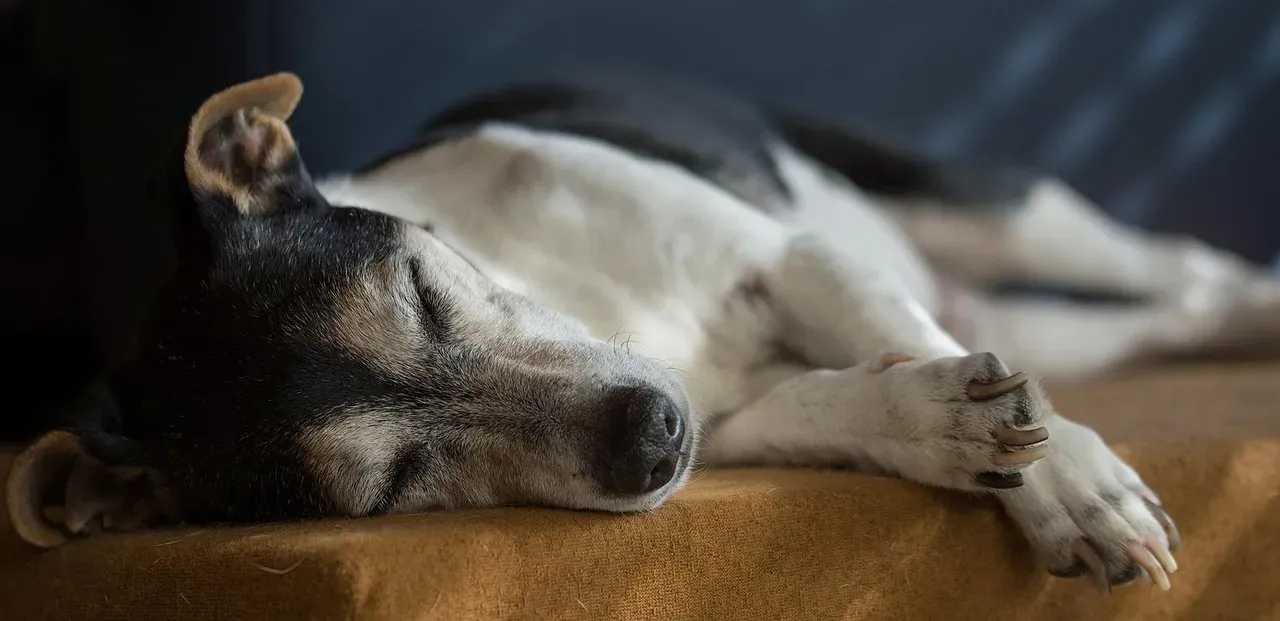
Canine cognitive dysfunction is more common than most owners know, and it’s frequently mistaken for normal aging or stubbornness. Dementia in dogs is called canine cognitive dysfunction (CCD). It is similar to the early stages of Alzheimer’s disease in people. About 14 to 35 percent of dogs over 8 years old are affected, a percentage that increases significantly as dogs continue to age.
Dogs with CCD have a slow progression of behavioral signs, such as aimless wandering and pacing, staring into space, and more. There is currently no cure for CCD, but early diagnosis and treatment can improve a dog’s condition and slow progression. Certain diets, medications, and opportunities to interact with their environment can help support brain function in senior pets. The window for meaningful intervention is real – but only if the signs are caught and reported early.
#9: Letting Pain Go Unaddressed Because the Dog “Seems Fine”
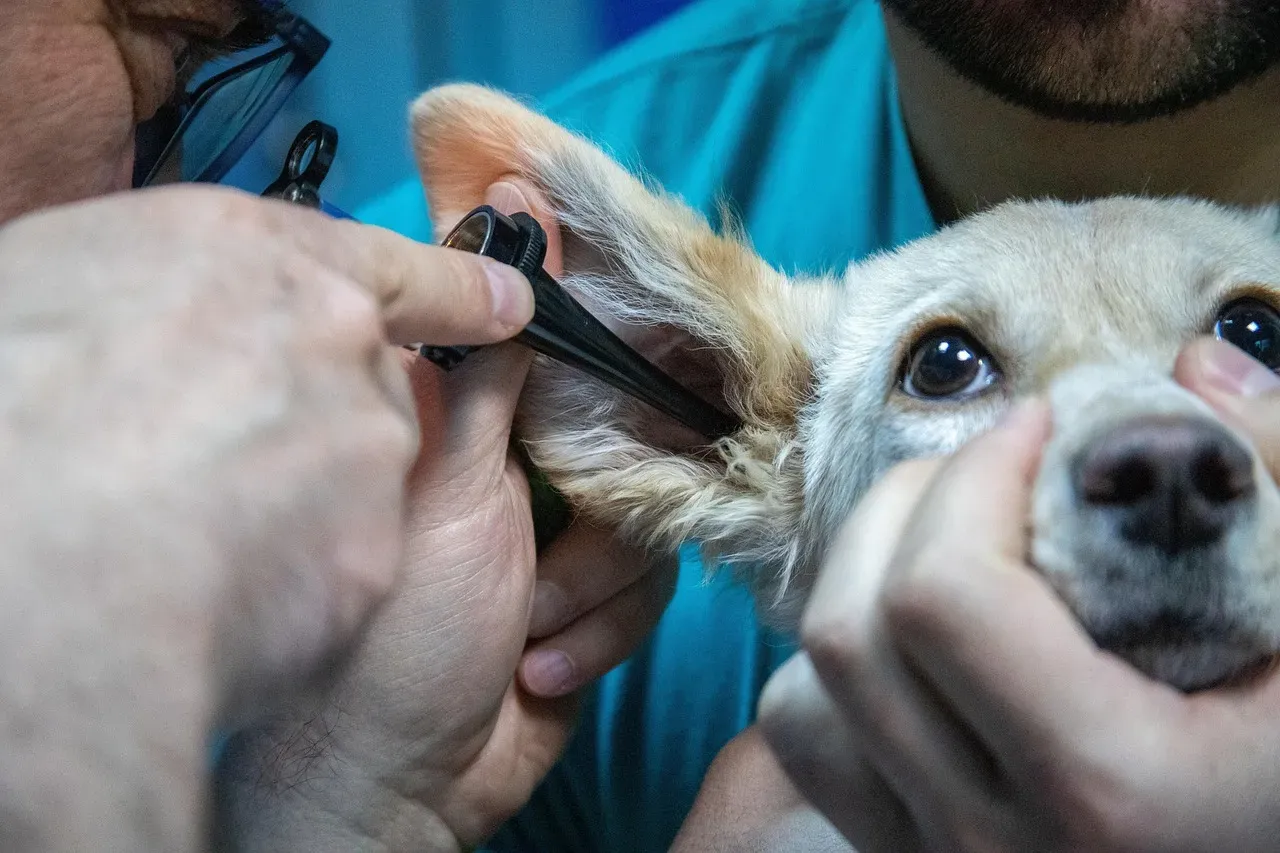
Dogs are remarkably stoic creatures. They don’t limp dramatically or whimper loudly to announce that something is wrong – they simply adjust, slow down, and endure. Another major mistake among pet owners is delaying medical attention. Pets instinctively hide pain, which means symptoms may appear subtle at first. Many conditions become more serious – and more expensive – when left untreated.
Osteoarthritis is a condition that causes changes to a dog’s joint tissues, leading to the bones rubbing against each other, causing pain and inflammation. Large and giant breeds are more predisposed to arthritis, as well as overweight dogs. If a pet has arthritis, simple changes or additions to the home can help them feel more comfortable. Examples include orthopedic pet beds, raised feeding platforms, and pet stairs and ramps. A dog that quietly avoids stairs or hesitates to jump into the car is communicating something important – it just doesn’t speak the language most owners are listening for.
#10: Stopping Exercise Entirely Because the Dog Is Older
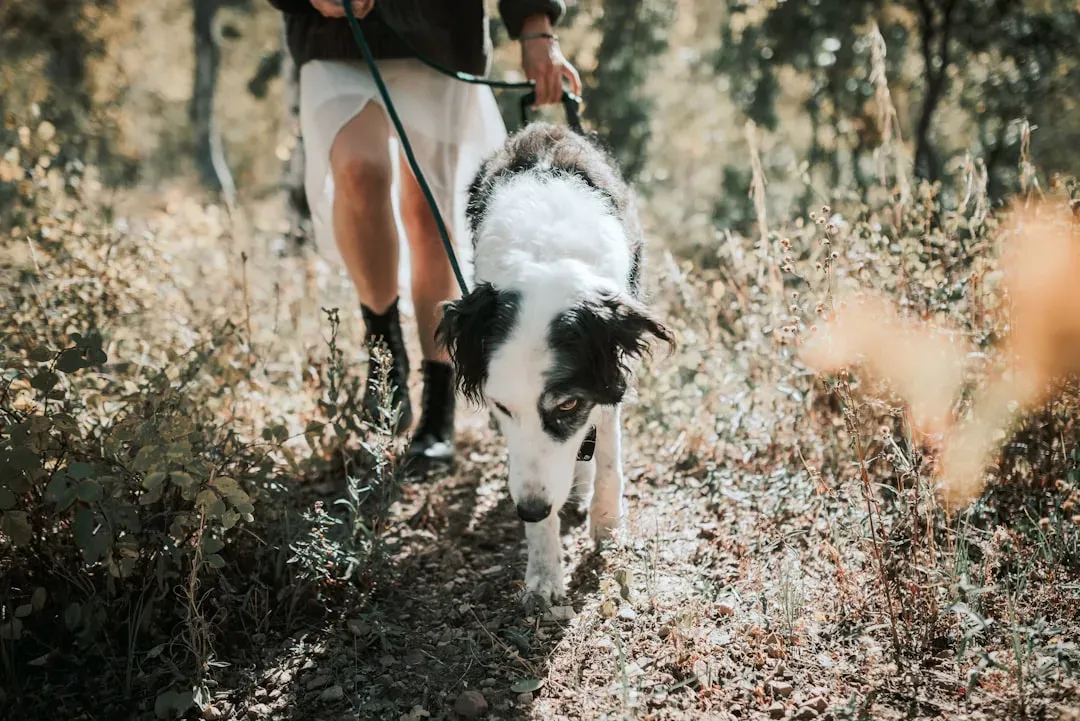
There’s a kind impulse behind this one. When a dog slows down, pulling back on walks and activity feels protective. In practice, it often accelerates decline. Physical activity is essential for both physical and mental health. Dogs benefit from structured walks rather than quick bathroom breaks. Exploring new routes and environments provides important mental stimulation.
Obese dogs tend to lead more sedentary lives, making exercise more difficult to introduce and putting them at risk for heart disease. Inactivity and weight gain feed into each other in a cycle that’s genuinely hard to reverse. The goal isn’t the same brisk two-mile walk from five years ago – it’s consistent, gentle movement calibrated to what the dog can comfortably handle today. With a combination of appropriate nutrition, social interaction, and vigilance for signs of illness, coupled with a veterinarian’s medical skill, a dog can continue to have a great life into their senior years.
A Final Thought: Love Isn’t Always Enough on Its Own
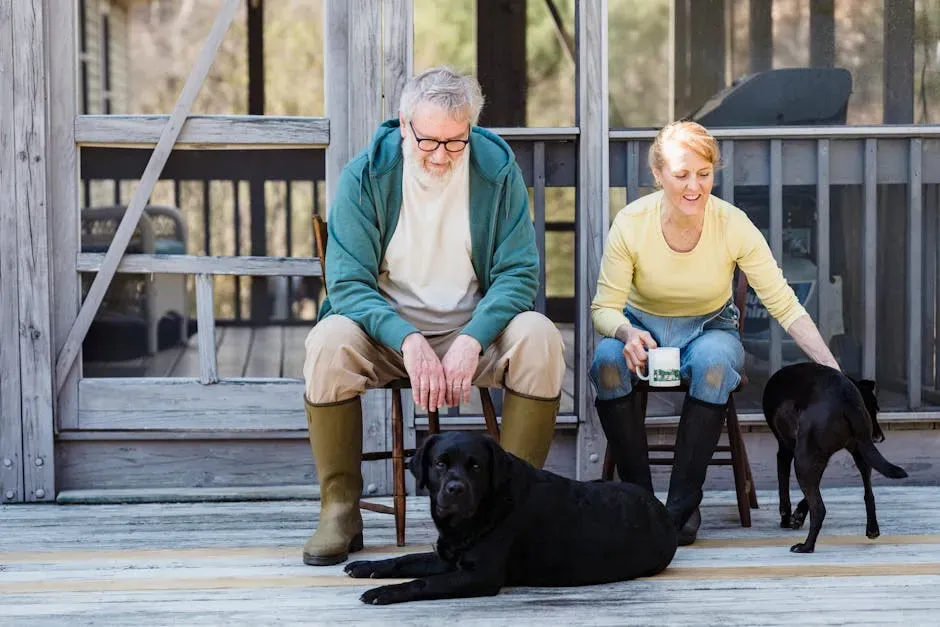
Here’s what makes this topic complicated: almost every mistake on this list comes from genuine affection. The extra treat, the skipped vet visit because “he seemed fine,” the reluctance to push a tired dog too hard – none of it is careless. It’s just love operating without enough current information.
Dog owners over 65 tend to be among the most devoted pet owners there are. That devotion, when paired with accurate veterinary guidance, is a genuinely powerful thing. The challenge is that dogs age faster than we emotionally process, and what worked five years ago may already be overdue for revision.
The most important shift any senior dog owner can make is a simple one: treat your veterinarian as a partner rather than a last resort. Your dog can’t advocate for itself in a waiting room, so the habits, observations, and decisions made at home carry more weight than most people realize. That’s not a burden – it’s actually the whole point of the relationship.


