
#1: Your Brain, Your Dog’s Brain, and the Chemistry Between You

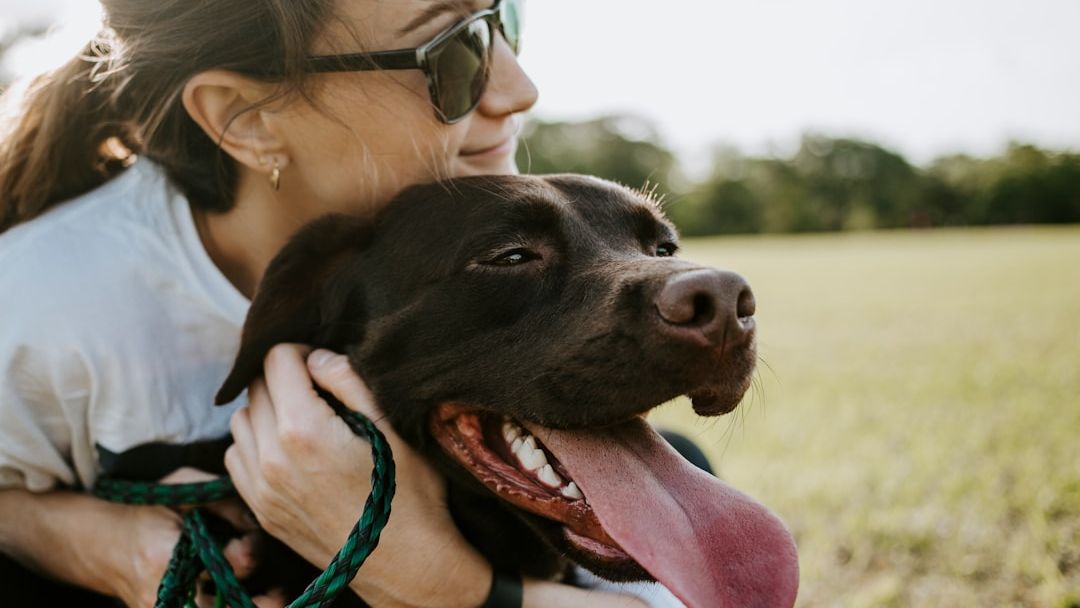
There is a reason the bond between a dog and its owner can feel almost biologically deep, because in many ways, it is. Research has found that when people and their dogs interact or gaze into each other’s eyes, both experience the release of oxytocin, often called the “love hormone.” This isn’t metaphorical. It’s measurable, hormonal, and mutual.
Research suggests that the longer the gaze between a dog and their owner, the greater the oxytocin boost, mirroring the bond between parents and their children. That shared glance across the room isn’t just sweet. It’s neurochemically bonding both of you in real time.
In studies using heart monitors, scientists found that dogs and their owners’ heart rates often sync up, especially when they’re relaxed and calm together. A squeaky toy cannot produce that kind of physiological harmony. Only genuine shared presence can.
#2: The MRI That Changed How We Think About Dogs
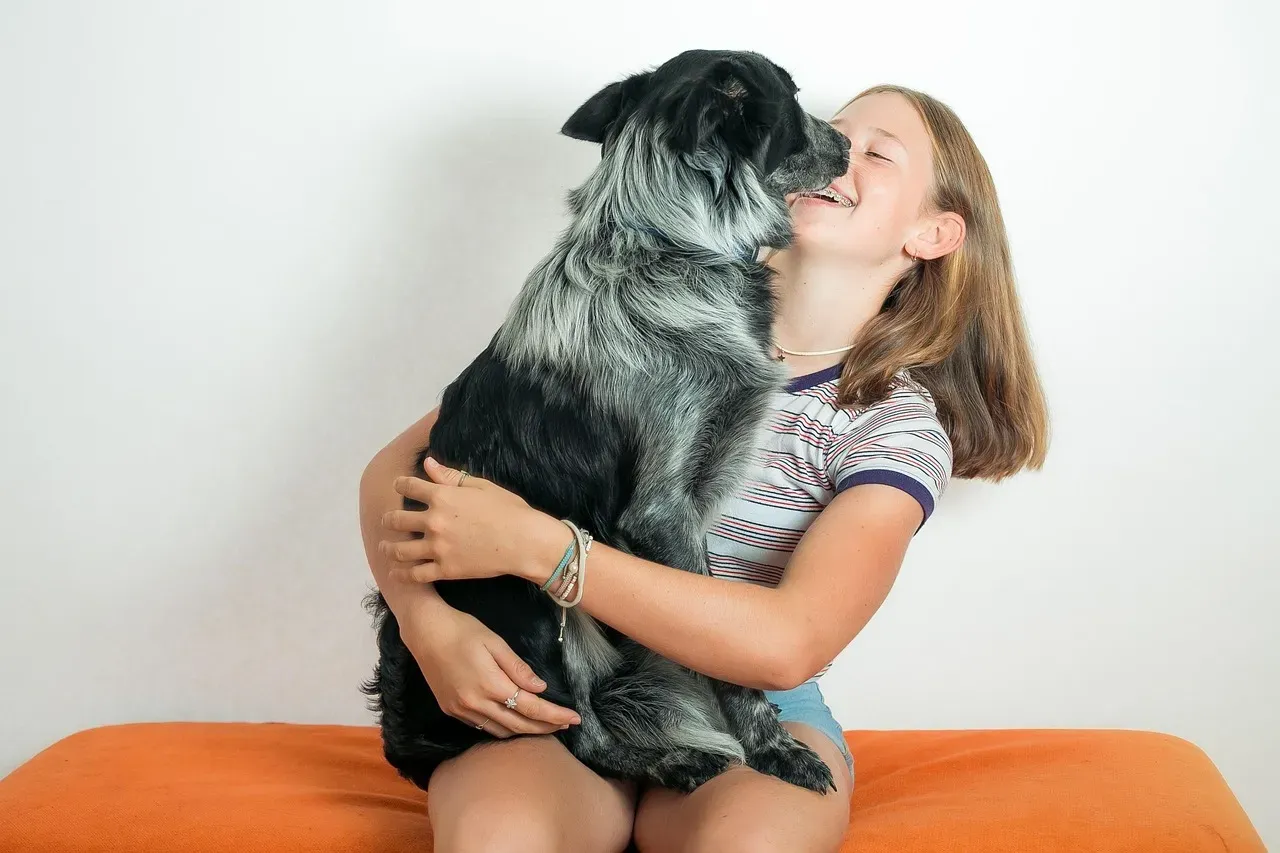
One of the most revealing research projects in canine psychology came out of Emory University, where neuroscientist Gregory Berns trained dogs to lie still, awake and unrestrained, inside an MRI scanner. The study analyzed the brain activity of dogs using MRI scanning, with researchers trying to understand whether the dog-human bond is mainly about food, or about the relationship itself. The results were striking.
Researchers trained dogs to lie awake in an MRI scanner and offered them different smells, including their owner’s scent as well as unfamiliar humans and dogs. The scan showed that the part of the brain associated with reward lit up most strongly when dogs smelled their familiar, beloved person. Not food. Not a toy. Their person.
Another fMRI study compared brain activity when dogs expected food versus praise from their owner. Many dogs showed just as much or even more activation in reward areas when they anticipated their person’s praise compared to when they anticipated food. When researchers then gave the dogs an actual choice, most of the dogs alternated between food and owner, but the dogs with the strongest neural response to praise chose to go to their owners eighty to ninety percent of the time.
#3: What Happens to a Dog When You Leave

The flip side of presence is absence, and the research on what happens when a dog is left alone is equally illuminating. Separation stress in dogs describes a broader spectrum of distressed behavior that occurs in the absence of the owner, including barking, howling, whining, destructive behavior, urination, drooling, panting, and restlessness. These aren’t dramatic personality quirks. They’re physiological stress responses.
From a neurobiological perspective, separation anxiety is characterized by activation of the hypothalamic-pituitary-adrenal axis, accompanied by elevated cortisol levels. Prolonged separation stress is associated with measurable physiological stress markers. An expensive toy left in the corner of a room does not meaningfully address that kind of distress.
When dogs were petted before separation, they displayed behaviors indicative of calmness for a longer period of time while waiting for the owner’s return, and their heart rate showed a marked decrease. This suggests that petting a dog before a brief separation from the owner may have a positive effect, making the dog calmer during the separation itself. Physical presence and affectionate touch leave a kind of emotional residue that carries a dog through the harder moments of the day.
#4: What Toys Actually Do (and Don’t Do) for a Dog
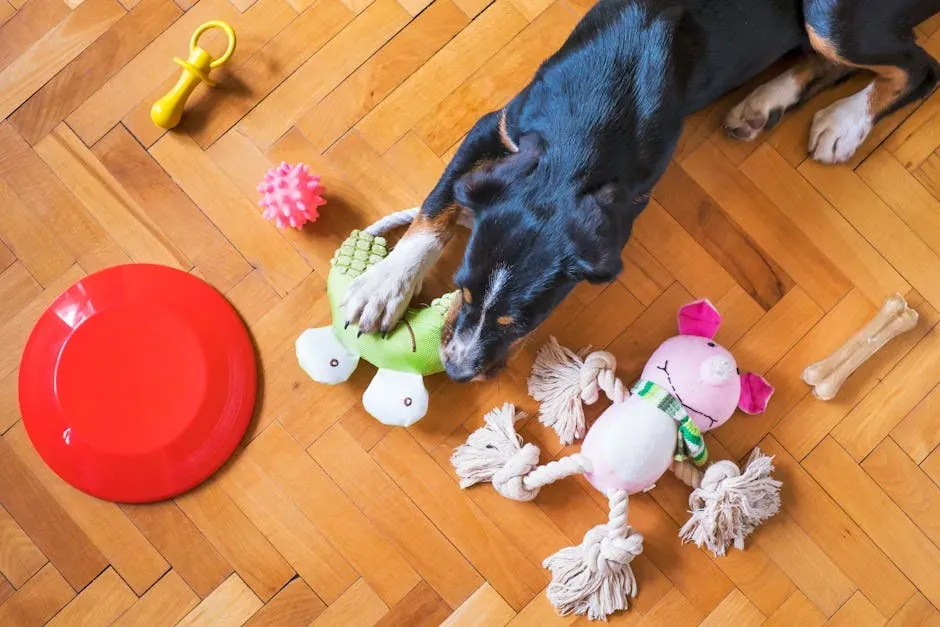
The pet industry is built in part on the idea that enrichment products improve a dog’s well-being. For shelter or laboratory-housed dogs, some evidence supports this. For pet dogs living in homes with their owners, the picture is more nuanced. Dog toys are commonly thought to benefit dogs’ mental and physical health, but a study examining the effect of introducing new toys to companion dogs showed only a slight improvement in some positive welfare measures, and this difference was not statistically significant.
While research has found that toys may improve the welfare of kenneled dog populations such as shelter- and laboratory-housed dogs, findings did not find the same to hold with pet dog populations. The distinction matters. A dog who already has a secure, loving relationship with their owner is drawing emotional nourishment from an entirely different source than a shelter dog trying to cope with isolation.
That’s not an argument against toys entirely. Play is genuinely good for dogs, especially when you’re the one playing with them. The object in the game is almost secondary to the fact that you showed up for it.
#5: Dogs Are Wired for Relationship, Not Reward
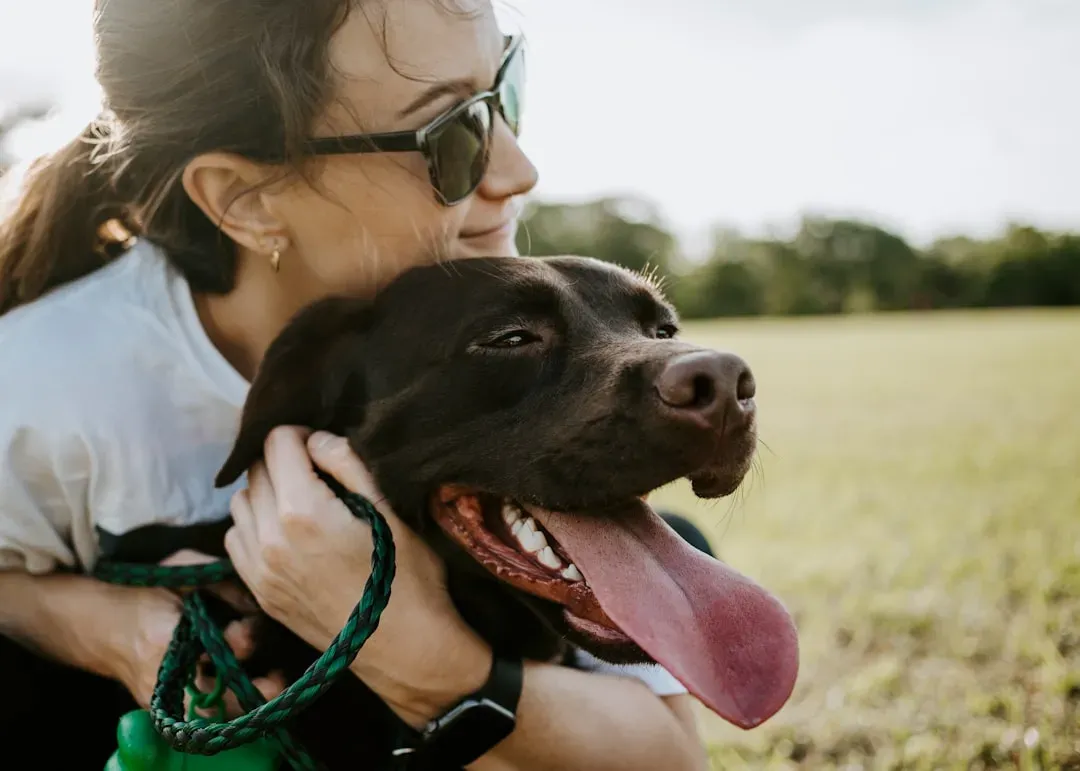
Psychologists believe that the relationship between human and canine is a bidirectional attachment bond, which resembles that of the typical human caretaker and infant relationship, and shows all of the usual hallmarks of a typical bond. This framing is significant. A baby does not feel loved by a well-stocked nursery. They feel loved by a parent who is present, consistent, and attuned.
The study of attachment in human-dog interactions is gaining increasing relevance as these relationships evolve from utilitarian functions to emotionally significant bonds. Attachment theory, initially developed by John Bowlby to explain bonds between children and their caregivers, has since been adapted to investigate the relational dynamics between dogs and their human companions. Dogs, it turns out, follow a remarkably similar emotional logic.
Dogs choose their favorite people, with whom they form a deeper bond, demonstrating greater trust, joy, and peace in their presence. That preference isn’t random, and it isn’t purchased. It’s built through time spent together, through eye contact, through calm afternoons and active walks and the simple, uncomplicated act of being nearby.
Conclusion
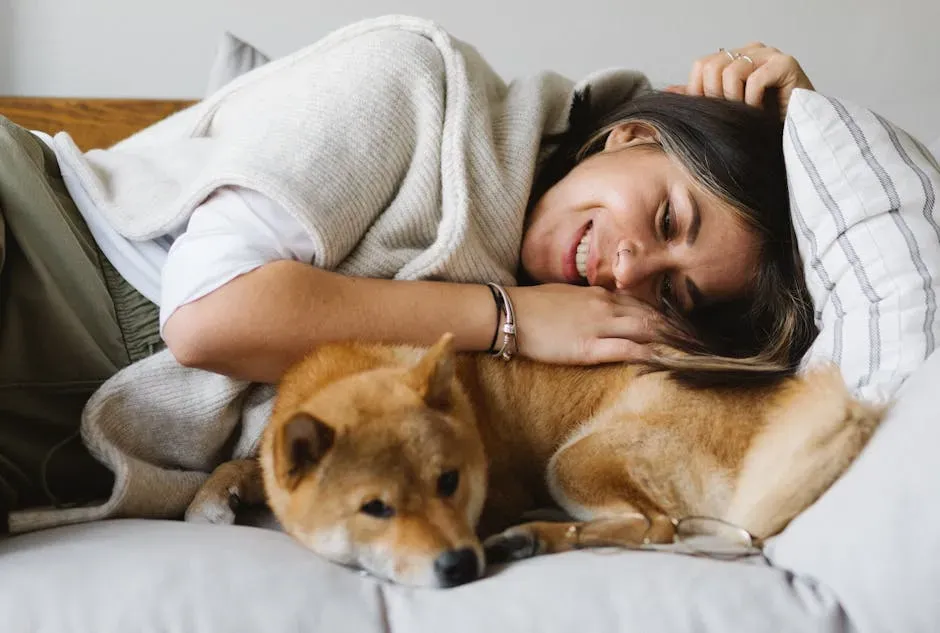
The science here is genuinely humbling. We live in a world that constantly pushes the idea that showing love requires spending money, and the pet industry is not immune to that logic. But dogs didn’t evolve to feel loved by products. They evolved to feel loved by people.
That means the most meaningful thing you can give your dog most days isn’t found on a shelf. It’s found in the way you sit with them, look at them, and simply stay. Presence, it turns out, is not a cheap substitute for something better. For your dog, it is the something better.
If there’s one practical takeaway worth sitting with, it’s this: your dog is not keeping a running tab of the treats they received or the toys that were bought. What they are tracking, with remarkable precision, is whether you showed up. Whether you were there. In a world that sells connection as a product, your dog already knows the truth.


