
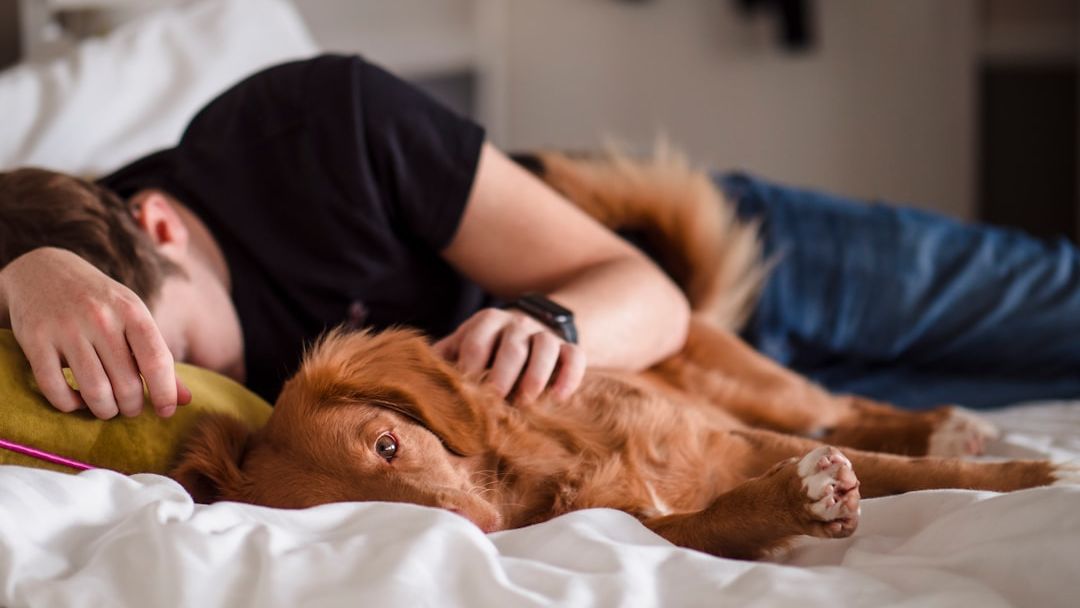
There’s a specific kind of grief that only dog owners understand. It’s not just the loss of an animal. It’s the loss of a presence that never once required anything from you in return for its complete and total devotion. Dogs don’t negotiate affection. They don’t withhold it when they’re tired, uncertain, or in pain. They give it over and over, in the same small ways, every single day.
What’s remarkable isn’t just the loyalty itself. It’s how consistent it is. The same gestures that greeted you on day one are still there years later, worn smooth by repetition, never dulled by habit. Science has started to catch up with what dog owners have felt for a long time. When dogs were domesticated, their neural systems that use gaze as part of communication evolved to activate the human oxytocin release associated with bonding among family members, especially between a parent and child. In other words, the love you feel looking at your dog is real, mutual, and deeply biological. These are the ten tiny acts that prove it.
#1: The Long, Lingering Gaze
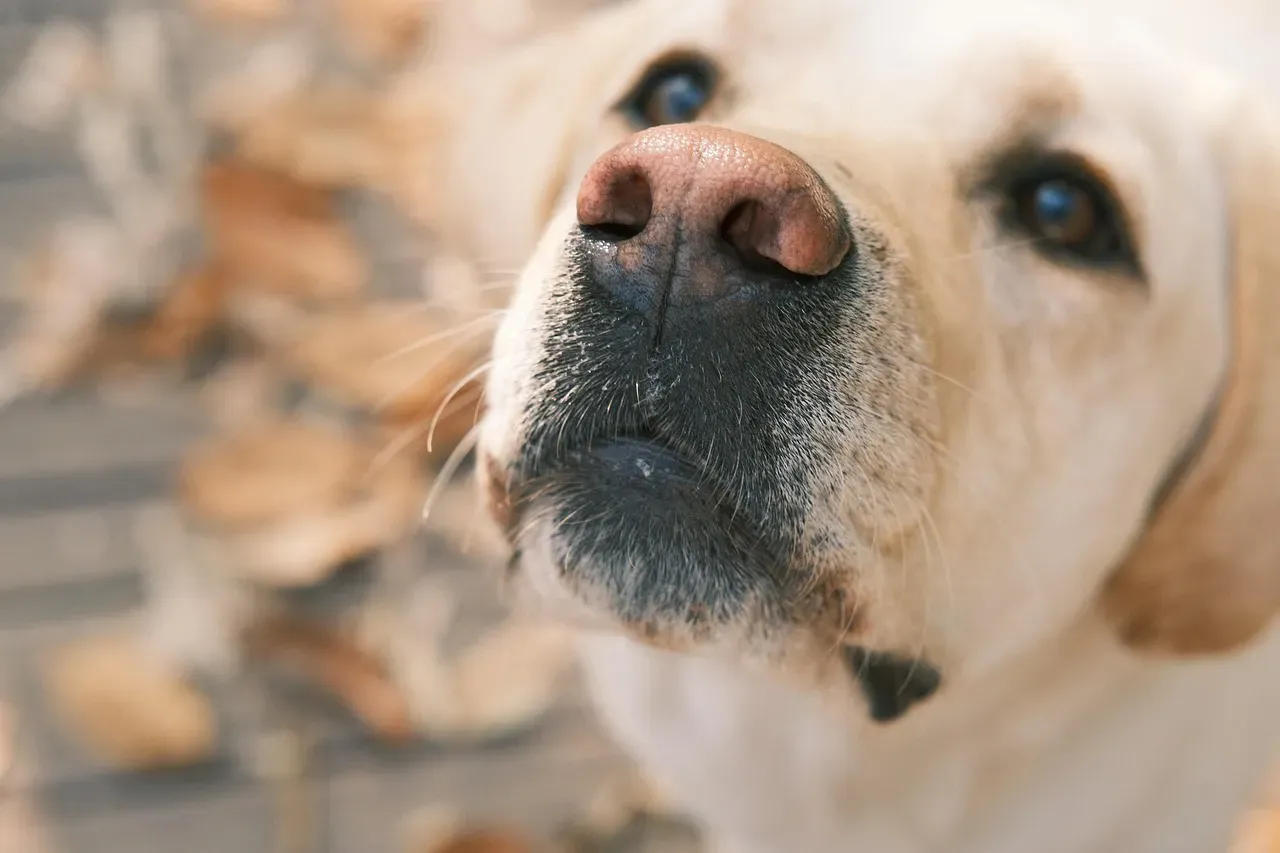
You’ve probably caught your dog just staring at you. Not because they want something, not because the dinner bowl is empty, but simply because you’re there. It turns out that gaze is one of the most powerful things they can offer.
A landmark study published in Science demonstrated that when dogs and their pet parents gaze into each other’s eyes, their oxytocin levels rise significantly. This mutual increase in oxytocin reinforces the emotional bond, which enhances feelings of attachment and love. That’s not a small thing. That’s a chemical conversation happening without a single word.
Even in old age, when energy is low and movement is difficult, dogs maintain this habit. A senior dog may not be able to run to greet you at the door anymore, but they’ll lift their eyes and hold your gaze from across the room. That gaze, quiet and steady, is love in its most distilled form.
#2: Following You From Room to Room
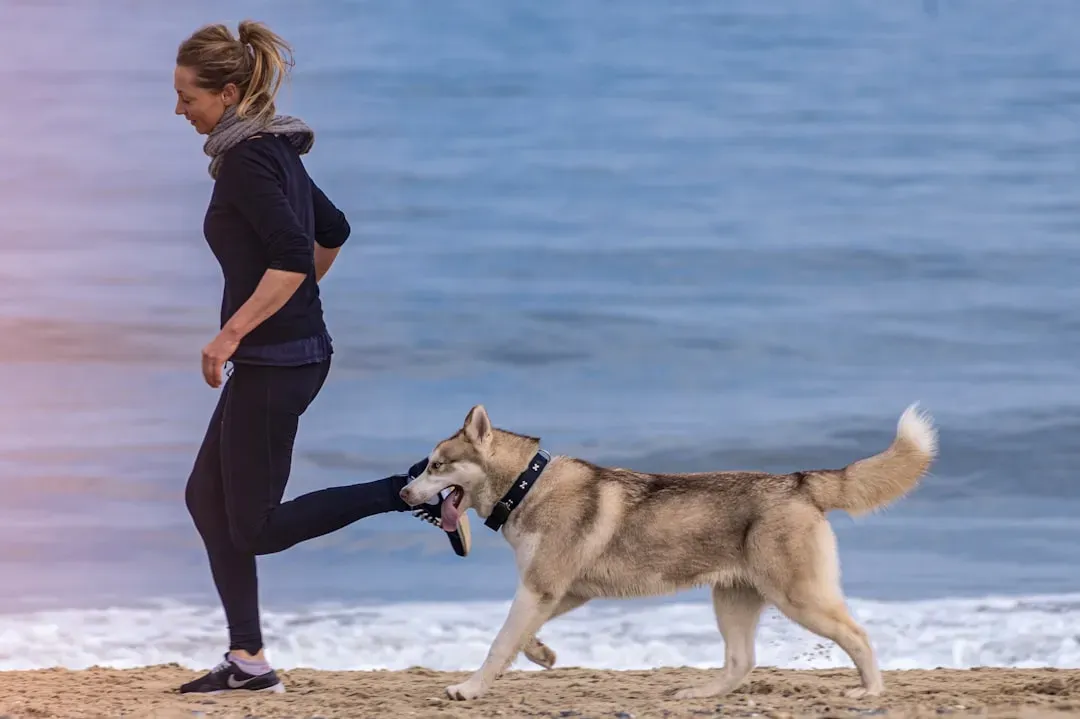
It can feel trivial, even a little inconvenient when you nearly trip over them in the hallway. Yet that habit of trailing your every move is one of the deepest expressions of attachment a dog can show.
Dogs that follow their humans from room to room often do so out of love and trust, not just food motivation. It’s a classic pack mentality behavior. Your dog isn’t following you because you’re interesting. They’re following you because being near you is where they feel safest in the world.
This behavior doesn’t fade with age. Older dogs, even those with stiff joints or diminished mobility, will make the effort to be in whatever room you’re in. It costs them something now. They do it anyway.
#3: The Lean Against Your Leg
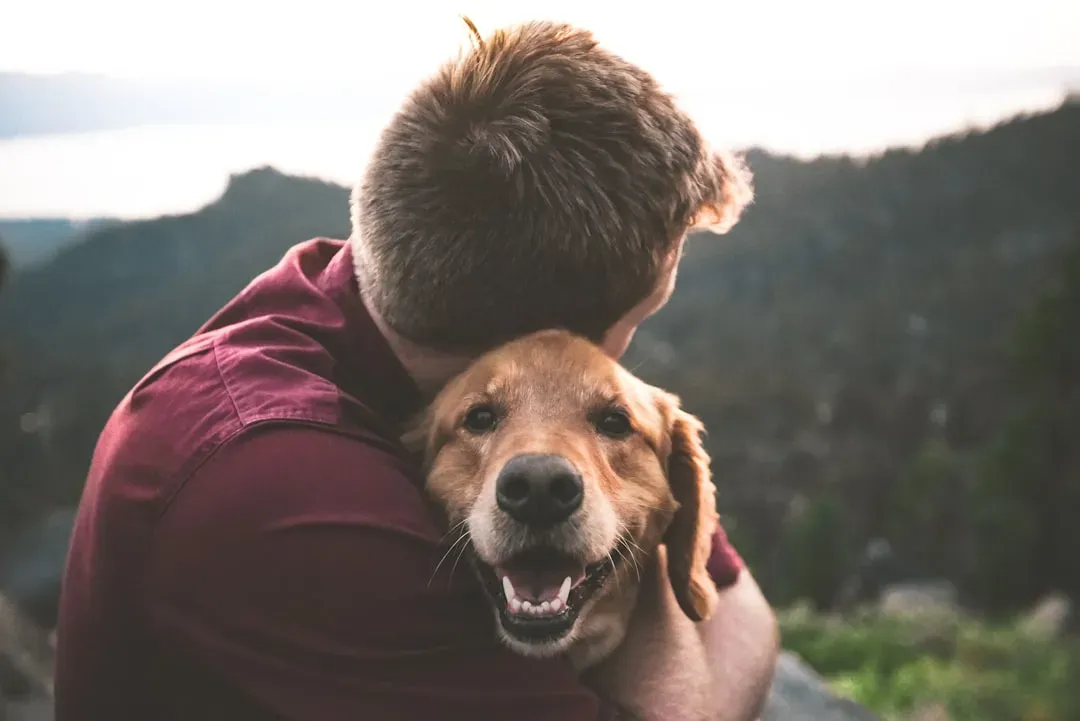
Some dogs throw themselves at you with the full enthusiasm of a puppy. Others do something quieter and, in many ways, more profound. They simply lean. A slow, deliberate press of their body weight against your leg, your arm, your side.
When a dog leans their body or sits pressed against you, it’s a sign of deep trust. This behavior is similar to a hug in dog language. There’s something about its simplicity that hits harder than any enthusiastic jump. It requires no performance. It’s just closeness, offered without fanfare.
You’ll notice this lean becoming more frequent as a dog ages. It’s as though they understand, on some instinctive level, that physical proximity is its own form of communication. No energy required. Just presence. Just warmth. Just you.
#4: Bringing You Their Favorite Toy
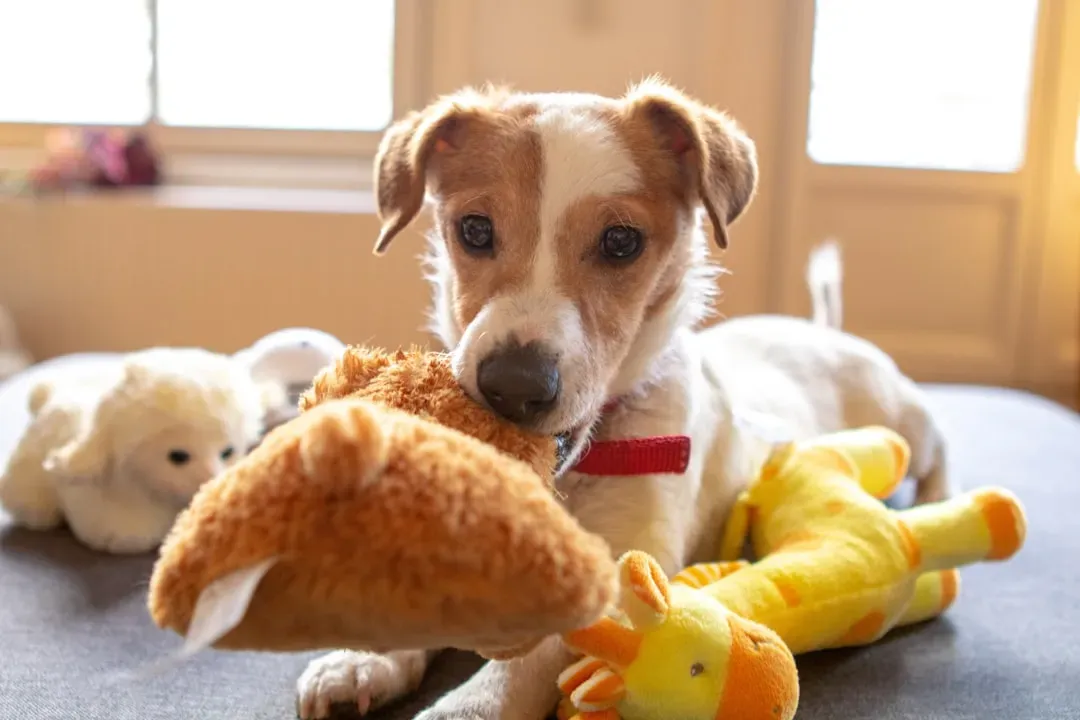
The first time a dog drops a chewed, soggy toy at your feet, it might seem like an invitation to play. Sometimes it is. Other times, particularly as dogs age, it’s something else entirely. It’s a gift. The best thing they have, offered freely.
Dogs might not say “I love you,” but they show it in dozens of heartwarming ways. From subtle glances to full-on cuddles, canine affection is rooted in both instinct and learned behavior. The toy offering is one of the purest examples of this. A dog sharing its prized possession with you is essentially showing you that you belong in its inner circle.
Even elderly dogs who no longer have the energy or desire to play will occasionally retrieve a beloved toy and set it at your feet. They may not ask you to throw it. They just want you to have it. That distinction matters more than it might initially seem.
#5: Licking Away Your Tears
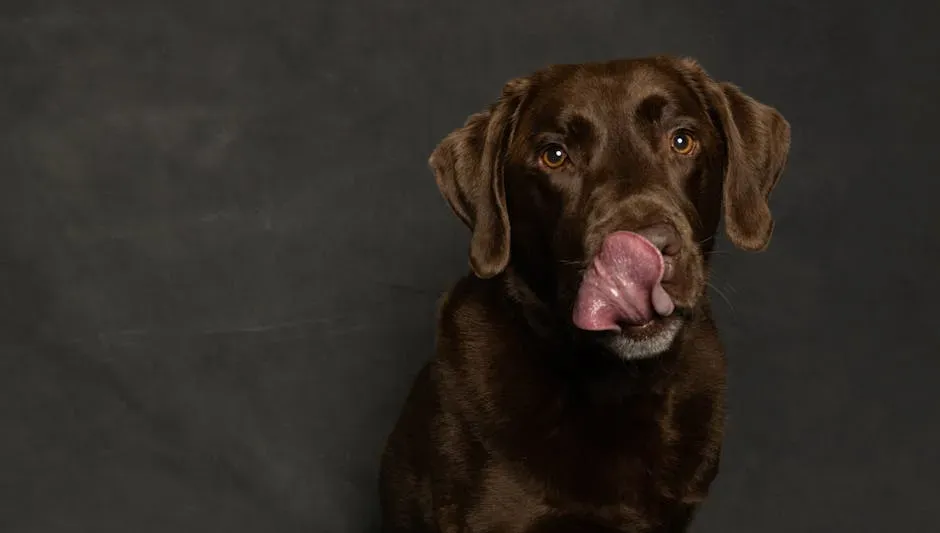
Dogs are emotionally perceptive in a way that continues to surprise researchers. They don’t just react to your mood in broad strokes. They respond to specific emotional cues with specific behaviors. Crying, or even just sitting quietly when something is wrong, often draws them closer.
Dogs are expert emotional readers. If you’re sad, your dog may cuddle closer. If you’re excited, they’ll often reflect that joy. This emotional sync is one of the most profound expressions of love. A dog licking tears isn’t following a script or seeking a reward. They’re responding to you because you matter to them.
According to Dr. Jennifer Merlo, Director of Veterinary Affairs at Fear Free, dogs know we love them too, and their behaviors actively work to deepen our bond. The act of comforting a sad human is one of the clearest demonstrations of that awareness. It’s empathy, expressed in the only language they have.
#6: Waiting at the Door for You
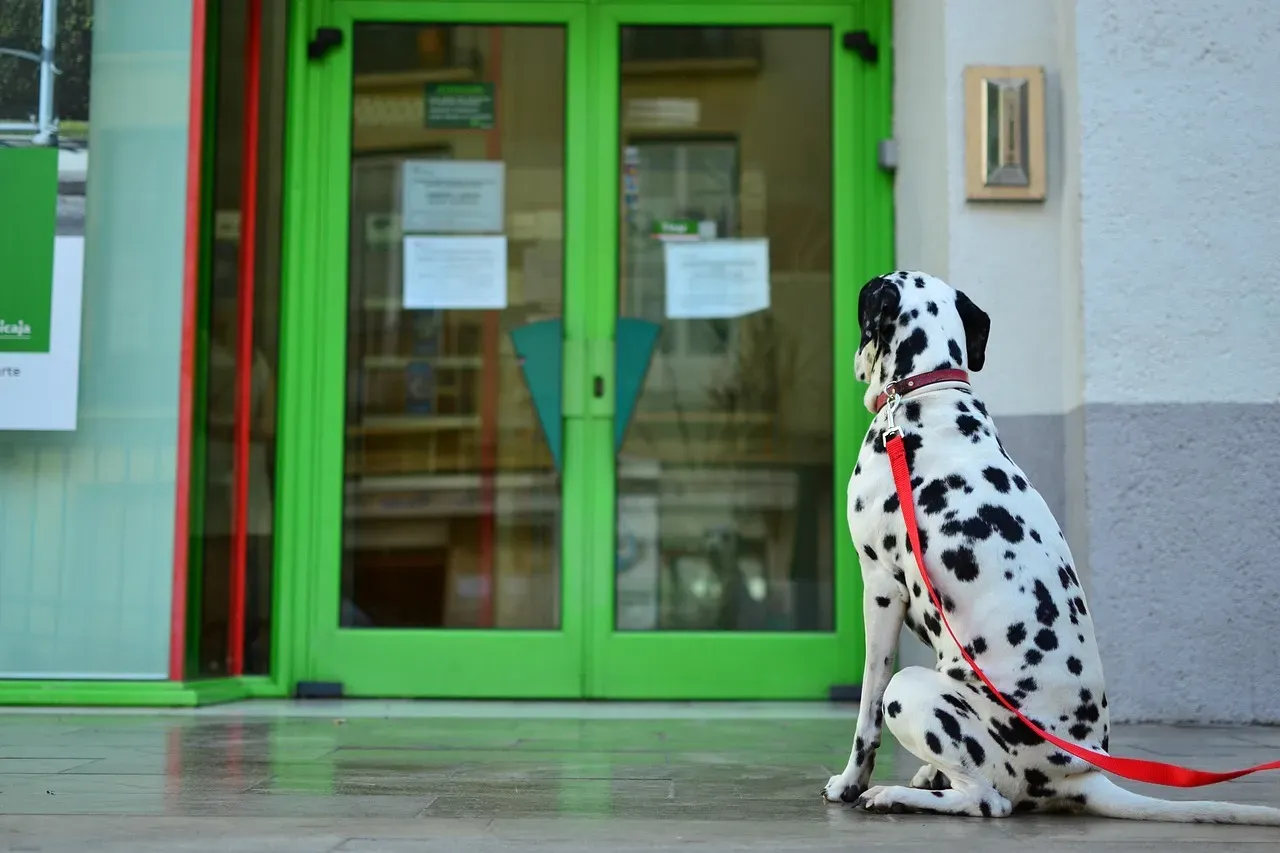
Ask anyone who has come home to a dog. The greeting at the door is one of those experiences that is genuinely hard to replicate. It doesn’t matter if you were gone for eight hours or eight minutes. The response is often identical: absolute, unrestrained joy at your return.
Jumping, spinning, barking – it might be chaotic, but your dog’s over-the-top welcome is one of the purest displays of love. The remarkable thing is that this ritual never really becomes routine for the dog. Every return feels like the first one.
As dogs age, the spinning and jumping may slow. The bark may soften. But older dogs still position themselves near the door when they sense you’re coming home. They wait. Sometimes they’ve been waiting longer than you realize. That patience, that anticipation, is a quiet act of love that persists right to the very end.
#7: Sleeping at Your Feet
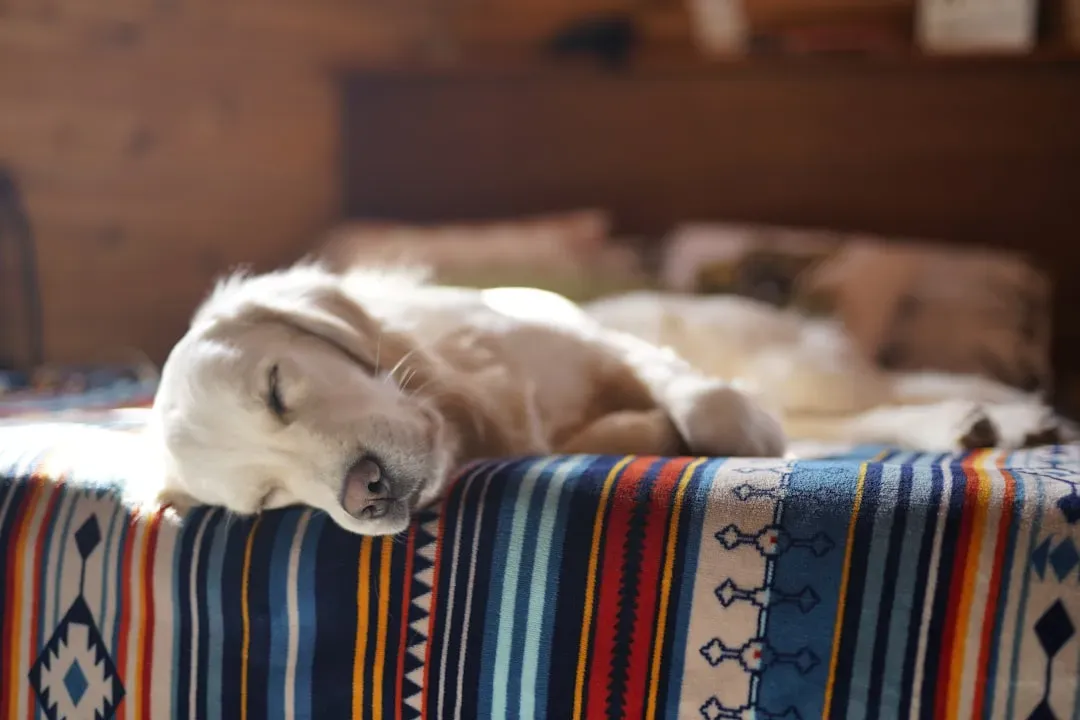
It’s one of the oldest and most overlooked gestures in the human-dog relationship. A dog who chooses to sleep at your feet, or pressed against your legs, or as close to your body as they can manage, is making a deliberate choice about where they feel most secure.
Many scholars have pointed to attachment theory to explain the powerful bond between people and their dogs. Dogs offer all the things that feed an attachment, including responsive interactions, emotional support, and long-lasting companionship. Sleeping near you is the nighttime expression of that attachment. In the wild, sleeping beside someone is an act of profound trust.
Senior dogs often seek this closeness more insistently, not less. As their bodies slow down and the world becomes harder to navigate, the warmth of a familiar person becomes even more important. There’s something quietly heartbreaking and beautiful about a very old dog still curling up at your feet as they’ve always done.
#8: Checking In on You
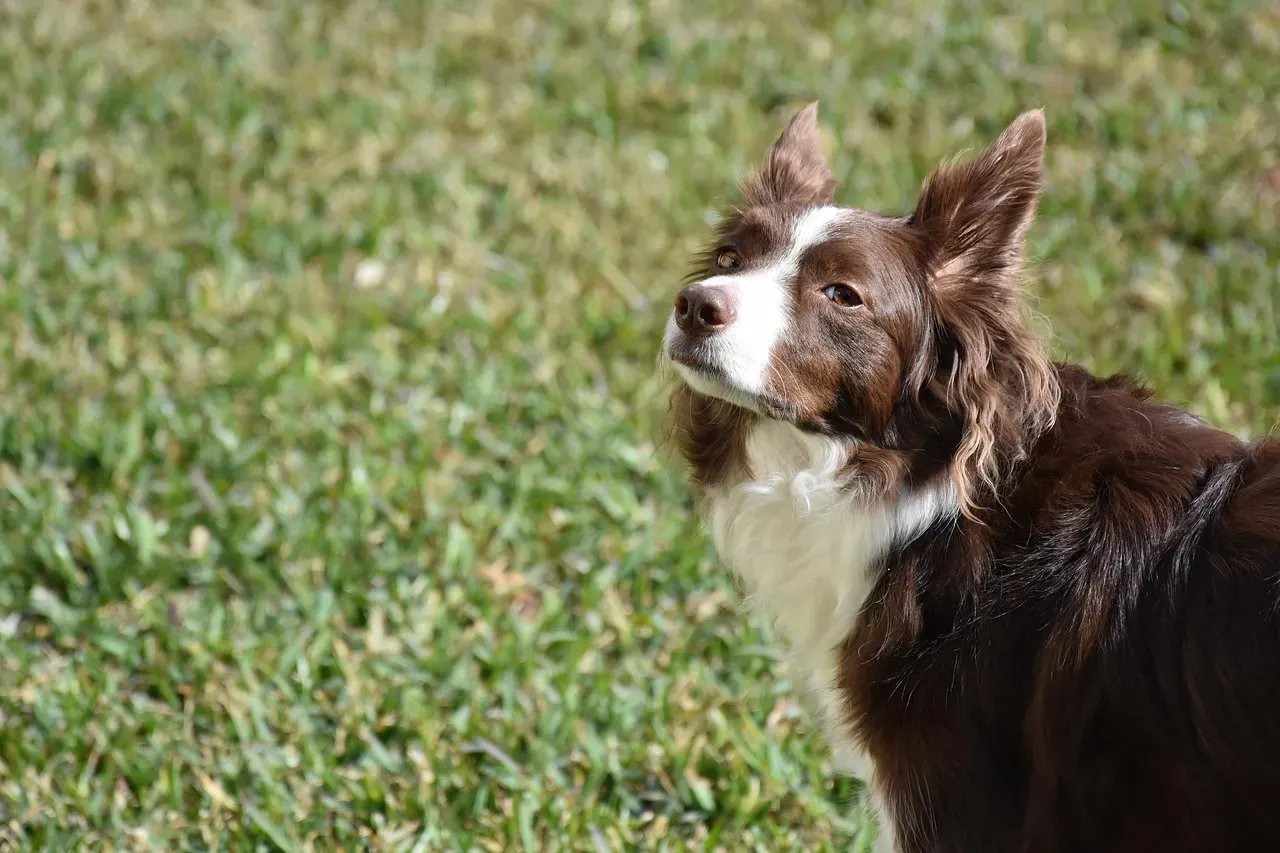
This one tends to go unnoticed because it’s so understated. Your dog glances back at you on a walk. They wander over to check on you while you’re working. They pause whatever they’re doing, look up, make eye contact, and then carry on. It happens dozens of times a day.
Even if your dog is off-leash or ahead of you, looking back to check on you shows they’re keeping you in their social circle, classic pack behavior. It’s an ancient instinct, adapted over thousands of years of living alongside humans. You are their person, and they need to know where you are.
Dogs know we love them too, and their behaviors actively work to deepen our bond. These check-ins are part of that deepening. Small, repeated, easy to miss. They’re a dog’s way of saying: I see you. I haven’t forgotten you’re there. This behavior continues until a dog simply can no longer move to do so, and even then, the eyes still follow.
#9: Nudging You with Their Nose
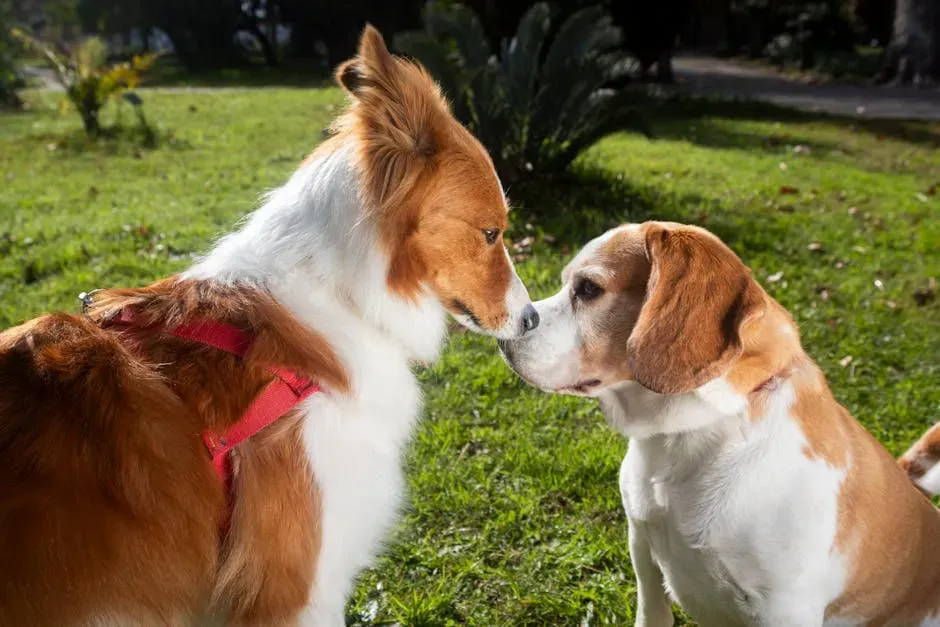
The nose nudge is underestimated as a form of communication. It’s deliberate. Dogs know exactly what they’re doing when they press a wet nose into your hand, your arm, or the side of your face. It’s a request for connection, not necessarily for food or play, just contact.
Dogs cannot communicate verbally, but they use body language and behavior to express their emotions. A dog’s love language is similar to that of a human who prefers physical touch and acts of service. The nose nudge is physical touch distilled to its simplest form. It asks nothing from you except acknowledgment. It says: I’m here. Are you?
In older and ailing dogs, some dogs become more affectionate and clingy, seeking extra comfort and reassurance from their owners. This behavior might be seen as a way for dogs to seek closeness and bond with their loved ones in their final moments. The nose nudge is one of the lowest-effort ways a dog can still reach out and make that connection, even when everything else is fading.
#10: Staying Close When You’re Unwell
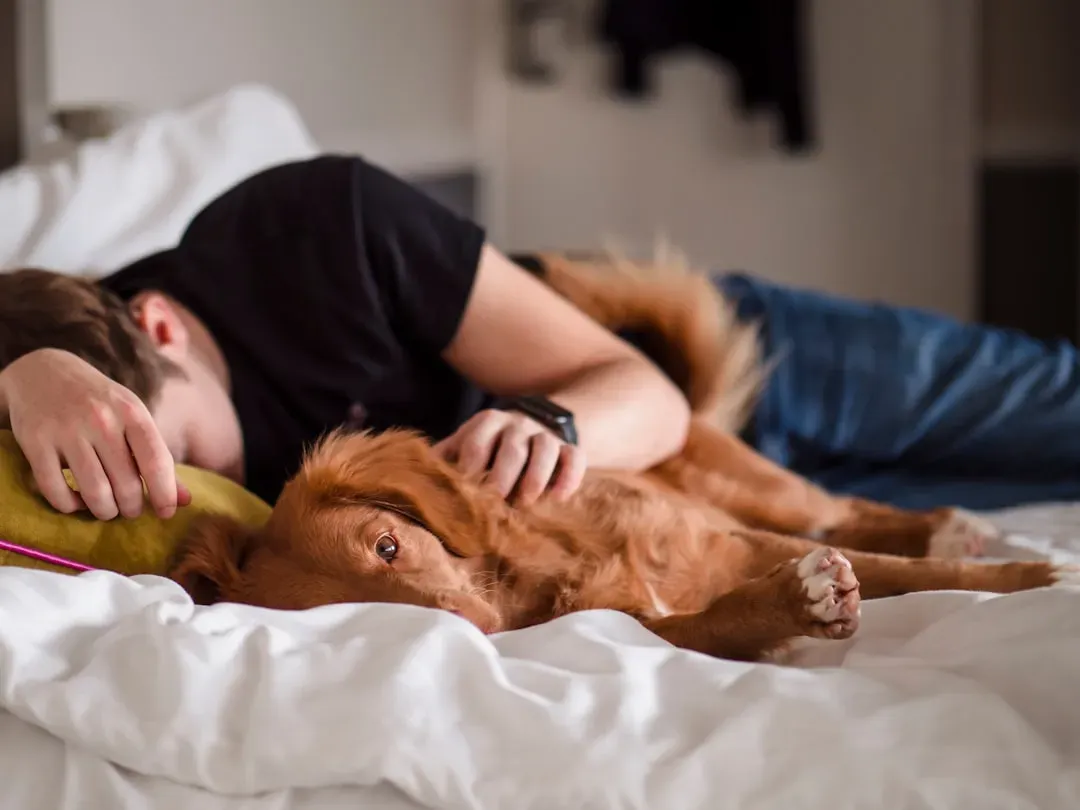
Dog owners tend to notice this one immediately. The day you’re sick, or exhausted, or heartbroken, your dog doesn’t go about their usual business. They change their behavior entirely. They settle beside you. They stay.
On a biological level, our brains use the same neurological pathway to process our love for our pets and our love for our children. It’s the same love hormone. Studies have shown that the same parts of the brain light up when people look at photos of their children and photos of their dogs. That’s the depth of the bond being expressed when a dog refuses to leave your side during a hard day.
Dogs, who have been our loyal companions, often show signs before they pass that can be hard to interpret, but knowing these indicators can help you recognize their needs and make their last days as comfortable as possible. The same loyalty that keeps them beside you on your worst days is what makes their final days so profound to witness. They stay with you until the very end, in exactly the same way they always have.
Conclusion: Love That Never Had to Be Taught
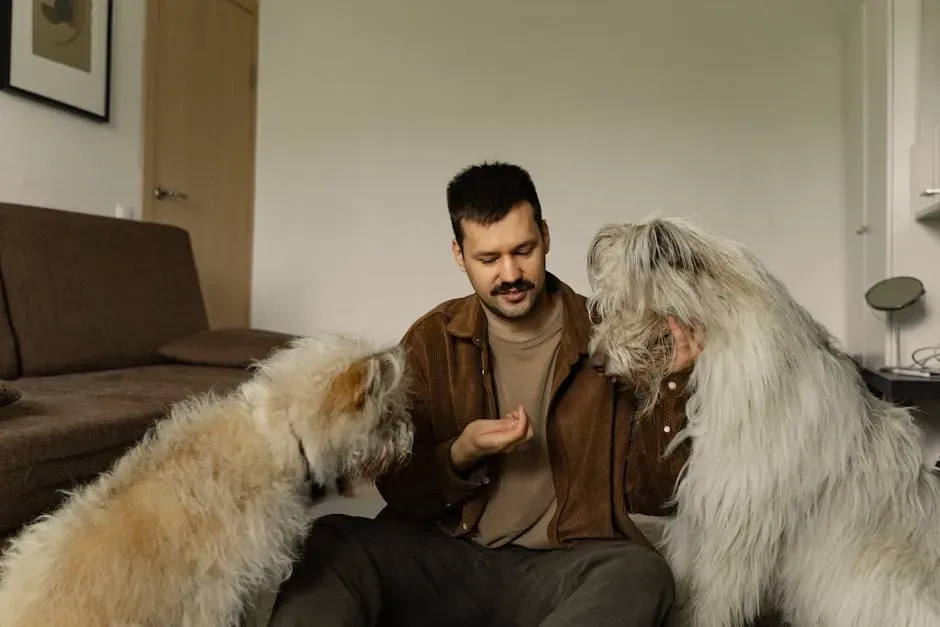
What strikes you, when you sit with all of this, is how none of these behaviors were trained. Nobody taught a dog to check in on you during a walk, to lean against your leg when you’re overwhelmed, or to bring you their favorite toy as an offering. These things happen because dogs have been shaped, over more than fifteen thousand years, to read and respond to humans in ways that no other species quite manages.
No matter what science discovers in the future, it’s clear that our bond with our dogs runs deep. After many years of evolving and living together, our furry friends have become a beloved part of the family. The science is compelling, but it only confirms what every dog owner already knows in their gut.
The ten behaviors described here aren’t remarkable because they’re dramatic. They’re remarkable precisely because they’re not. They’re quiet. Repetitive. Woven so deeply into a dog’s daily life that they often go unnoticed until the day they stop. That’s the thing about tiny acts of love. You don’t always recognize them for what they are until they’re no longer there. Pay attention now, while you still can.


