
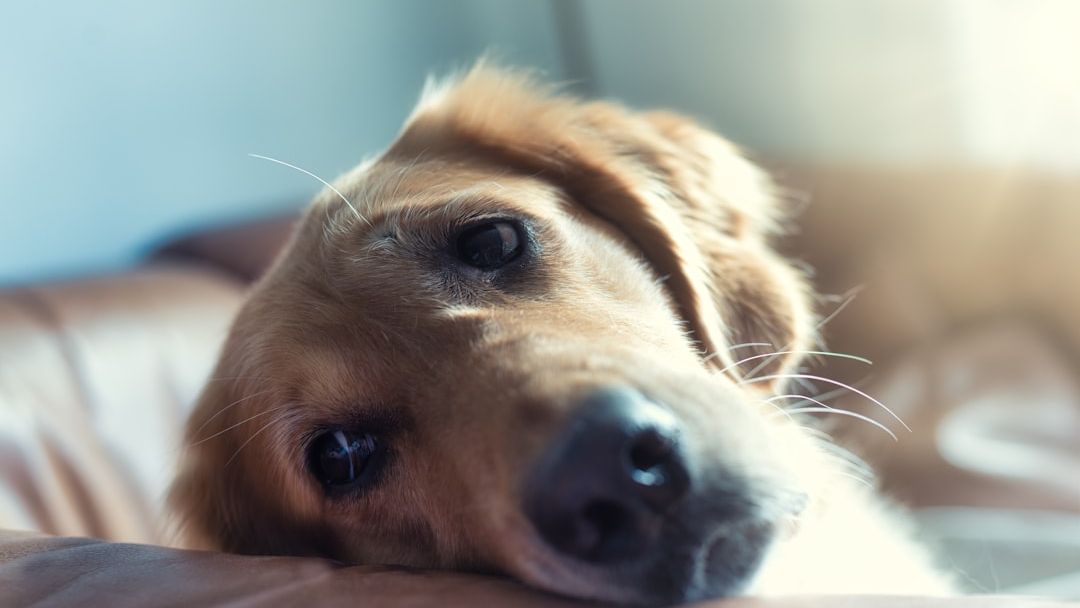
There’s a moment many dog owners know too well. You’re watching your surviving dog wander slowly through the house, pausing at a familiar corner, sniffing a bed that no longer belongs to anyone. Something has shifted, and you can feel it without being able to name it. Dogs don’t have words for what they’re going through – but they have behavior, and it speaks clearly.
Behavioral and emotional changes exhibited by dogs after the death of another dog in the same household could be indicative of grief, according to a survey of dog owners published in Scientific Reports. What’s striking is just how consistent these changes can be. A remarkable 86% of owners observed negative changes in the surviving dog’s behavior after the death of their other dog. That number alone should stop us from dismissing what our dogs go through as “just an adjustment.” These are twelve of the most common and telling behavioral shifts that can emerge, and understanding them may be the first step toward truly helping your dog heal.
#1: Searching the House for Their Missing Friend
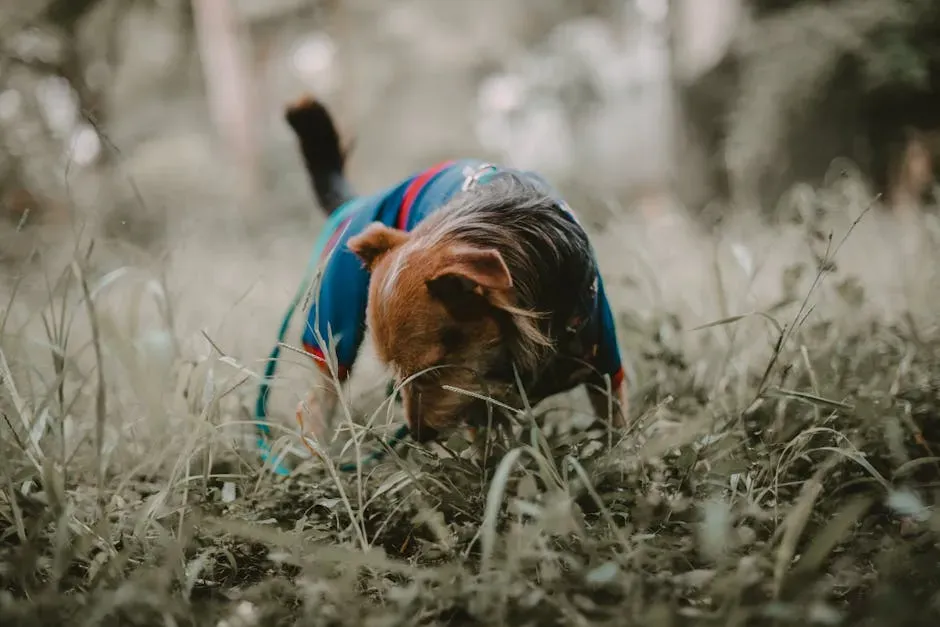
One of the first things many owners notice is their dog methodically checking spots around the home that once belonged to the one they lost. They’ll circle the old dog bed, sniff the food bowl, nose into corners. It’s quiet, unhurried, and somehow more heartbreaking than any obvious sign of distress.
Approximately 60% of pets repeatedly look for lost companions in their normal napping spots. If your pet constantly returns to their deceased friend’s favorite sleeping or resting place, they may be experiencing grief. Surviving dogs may also search for their companion in other places frequently visited by the deceased dog. This searching behavior is thought to reflect the dog’s limited understanding of permanent absence – they know something is missing, they just haven’t accepted that the absence won’t be resolved.
#2: A Noticeable Drop in Appetite

Food is rarely just food for a dog that has lost a bonded companion. Meals were often shared experiences – two bowls side by side, two dogs eating in sync. When that ritual disappears, a grieving dog may lose interest in eating entirely, or approach their bowl with a hesitation that wasn’t there before.
An ASPCA study found that 36% of mourning dogs had a decreased appetite after the loss of a canine companion, with an additional 11% refusing to eat altogether. About 30% of pets show decreased appetite after losing a companion, and for many dogs, eating is a social experience they simply don’t engage with as well without companionship. If your dog has stopped rushing to their bowl the way they used to, this is likely grief talking, not stubbornness.
#3: Sleeping More Than Usual
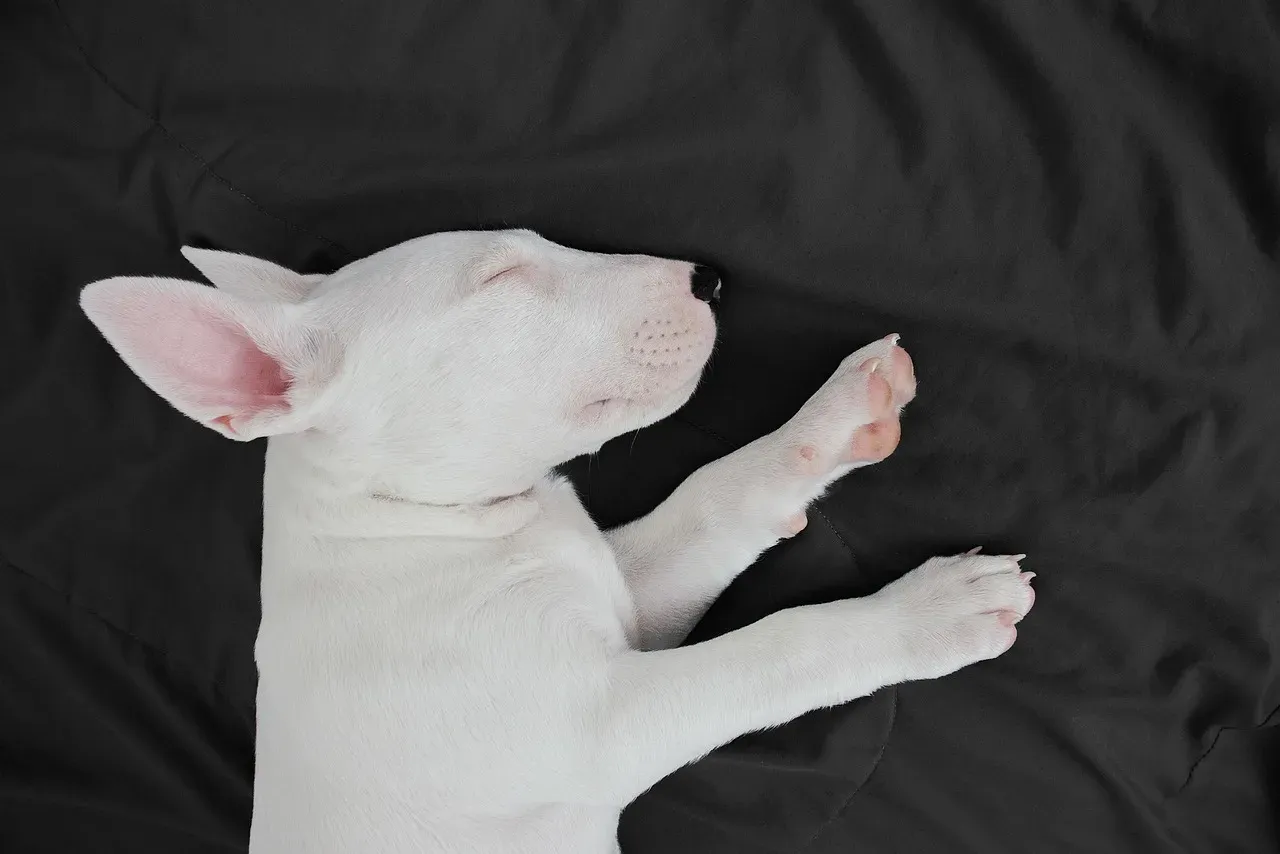
Dogs in mourning often sleep noticeably more. You might find your dog lying down for most of the day, slow to rise, reluctant to engage. It can look a lot like laziness, but it’s closer to the exhaustion that comes with emotional weight.
Grieving dogs may sleep more than usual and move more slowly, sulking around the house. In one study, 57% of owners reported their surviving dog played less and 46% became less active overall. Around 35% reported the dog slept more and became more fearful. The stillness isn’t laziness – it’s a kind of withdrawal, and it mirrors the way many humans respond to loss through fatigue and disengagement.
#4: Becoming Clingy and Shadow-Like with Their Owner
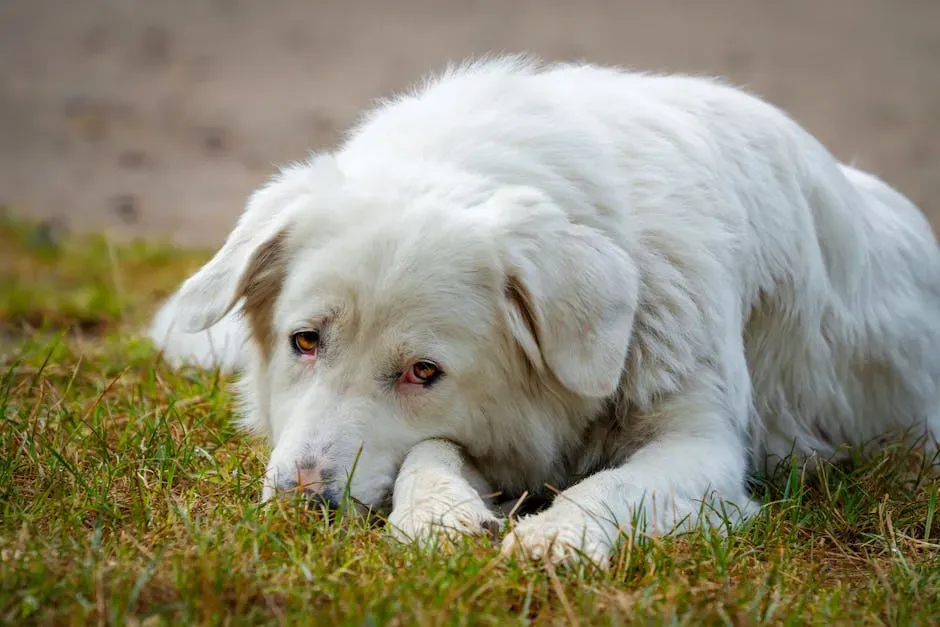
Some dogs turn their grief outward, toward the nearest available source of comfort – their human. A dog that once moved independently through the house may suddenly follow you from room to room, pressing close, waiting outside the bathroom door, sleeping against your legs.
Surviving dogs were often more affectionate with their owners and became clingy. Attention-seeking was the most commonly reported behavior among grieving dogs, with 67% of owners reporting this change after the loss of a canine companion. Clingy behavior may be the dog’s way of seeking comfort when they can no longer find the companion who has passed. It’s worth taking seriously rather than treating it as an inconvenience – your dog is telling you, in the only way they know how, that they need you.
#5: Changes in Vocalization
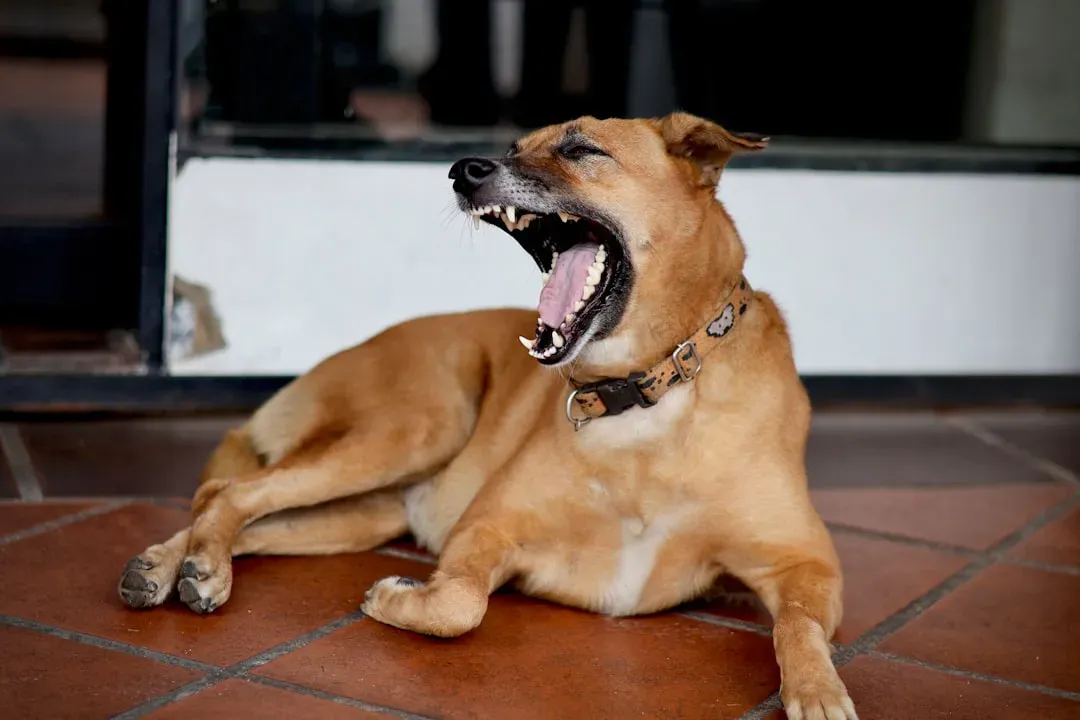
Some grieving dogs become louder. Others go strangely quiet. Both shifts represent the same emotional disruption playing out differently based on personality and the depth of the bond that was lost. Howling in particular has long been linked to distress in dogs, and it takes on a different quality when it’s aimed at nothing obvious.
About 63% of dogs exhibited changes in vocal patterns, with some vocalizing more while others were quieter than they were before their loss. An increase in plaintive vocalizations may be directed toward the owner or may occur in locations that the deceased pet favored. Alternatively, if a dog becomes uncharacteristically quiet, that may also be a sign of emotional depression. Pay attention to any shift in how your dog communicates, not just obvious howling or whining.
#6: Withdrawal from People and Other Pets
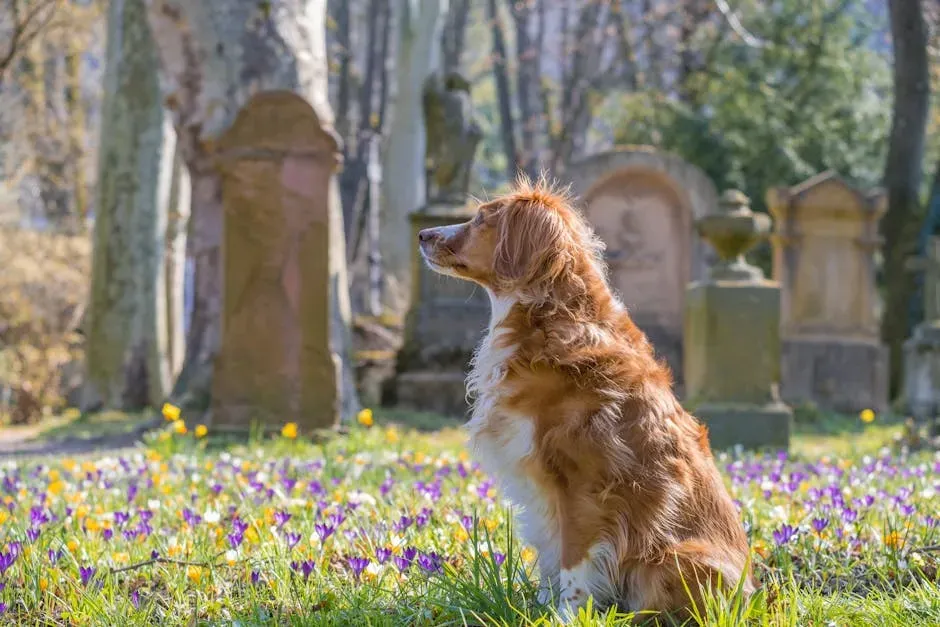
A dog who was once the life of every room can become an invisible presence during grief. They may retreat to a quiet corner, avoid the family common areas, or show little interest in other pets in the household that they previously engaged with freely.
When a dog is upset that a loved one is gone, they might avoid contact with other family members, including pets. Usually social, dogs might become withdrawn after experiencing a major loss, and instead of spending time with their family throughout the day, the dog might lay around in a different room. Some dogs even exhibit signs of depression, including withdrawal from social interactions and a lack of interest in previously enjoyed activities. This kind of social retreat is often temporary, but it needs space and patience, not force.
#7: Disrupted Sleep Patterns at Night
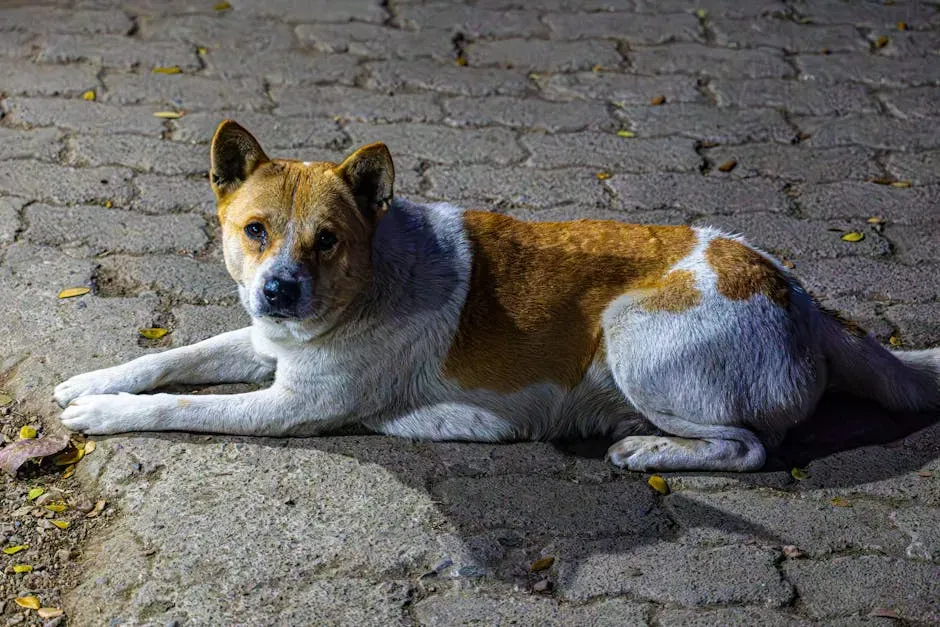
While sleeping more during the day is one common response to grief, some dogs experience a different kind of disruption – restlessness at night, inability to settle, pacing between rooms when the house is dark and quiet. For dogs that used to curl up alongside a companion, nighttime can suddenly feel unsettling in a new way.
Dogs that are grieving may experience a loss of appetite, lethargy or depression, and a lack of ability to sleep or sleep more than normal. Dogs are social animals that rely on relationships and social groups for security, so when a housemate or family member is lost, that social structure is disrupted and can cause anxiety. The nighttime hours, once shared, can amplify that disruption more than any other time of day.
#8: Increased Fearfulness
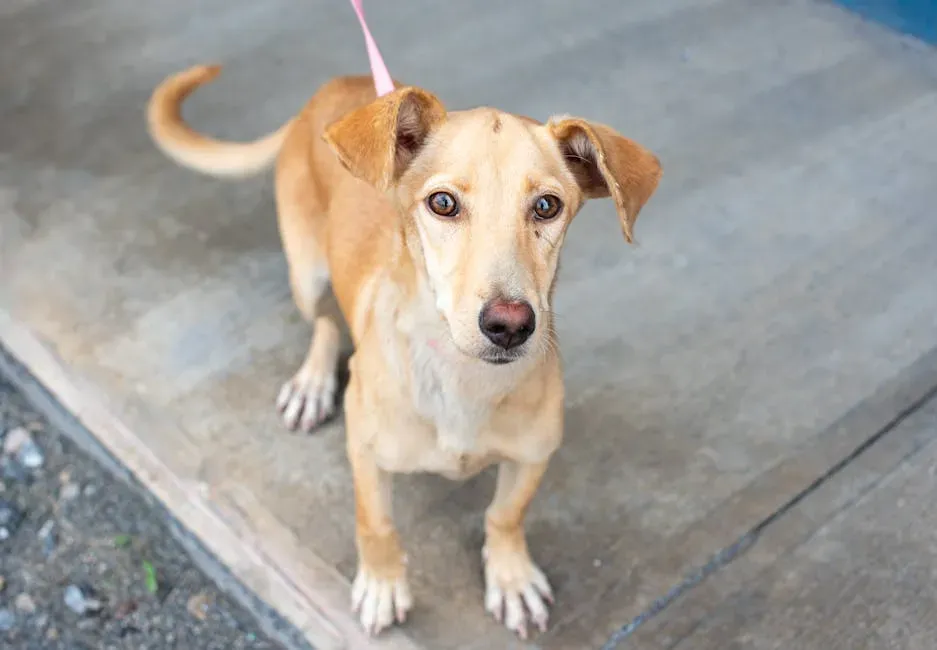
Grief can make a dog feel genuinely vulnerable. The companion they once had may have provided a sense of security, a social anchor, a steady presence that helped them navigate the world. Without that, some dogs become jumpier, more reactive to ordinary sounds, and more nervous in situations they handled calmly before.
Research using logistic regression showed that both a friendly or parental relationship between two dogs and the owner’s grief and anger were principal predictors of negative behavioral changes. Surviving dogs changed in terms of activities including playing, sleeping, and eating, as well as in terms of fearfulness. Owners who experienced anger were more likely to report increased fearfulness in their dogs, and those experiencing grief were more likely to report decreased appetite and increased attention seeking. The emotional state of the household matters more than many people realize.
#9: Destructive or Rebellious Behaviors
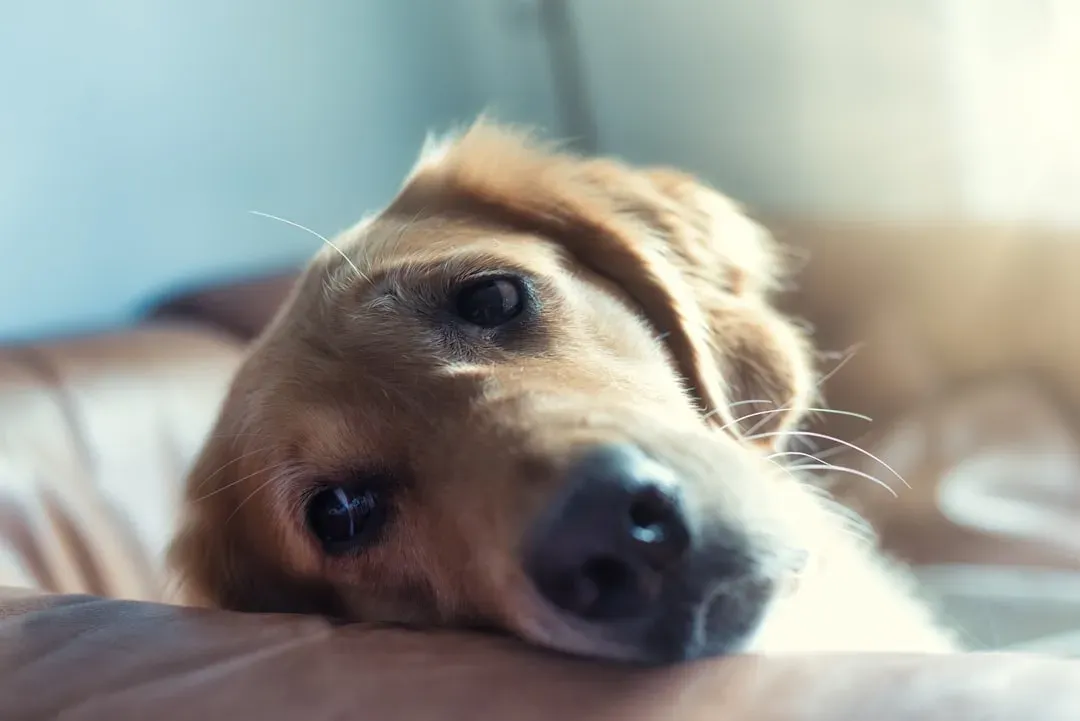
Not all grief looks like sadness. Some dogs respond with frustration, and that frustration needs somewhere to go. Chewing, scratching at doors, shredding toys, or having accidents indoors can all be expressions of emotional dysregulation in a dog that has lost its closest companion.
Acts of rebellion, whether small or large, are another expression of grief. Some dogs will have behavioral issues that come along with their loss, which could be anything from making noise at inappropriate times to destroying belongings or furniture. It can be difficult to ignore the bad behavior when you know your dog is well trained and knows better, but it’s important that for a little while you don’t address them negatively – they are experiencing emotions they don’t fully comprehend and don’t know how to stop. Reacting harshly typically compounds the anxiety rather than correcting the behavior.
#10: Loss of Playfulness and Interest in Toys
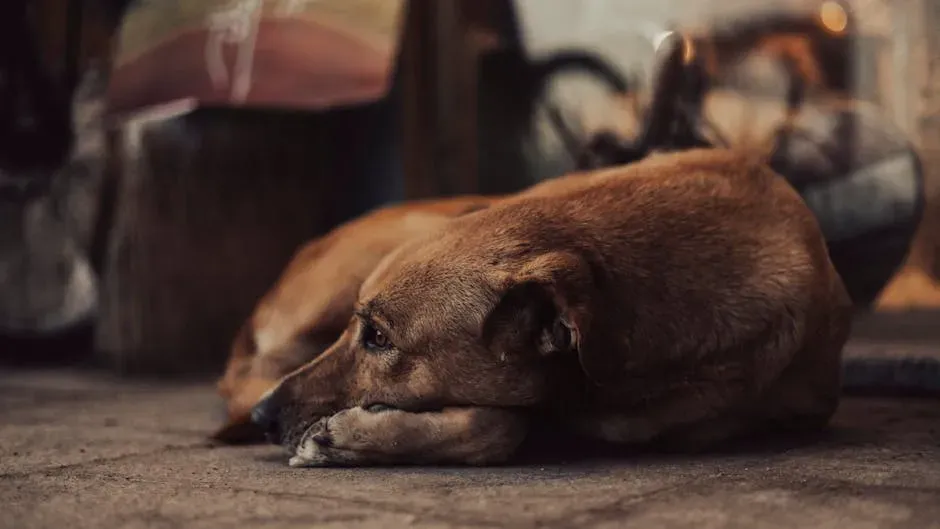
Play is how dogs express joy, curiosity, and connection. When that spark goes dim, it’s one of the more visible signs that something deeper is going on. A dog that once pounced on a ball or initiated tug-of-war with enthusiasm may now walk past their favorite toys without a second glance.
In general, grieving dogs who have recently lost a close buddy may lose their “spark” and suddenly seem less perky, attentive, and active. Research identified that the single significant predictor for playing less was the friendly relationship between the two dogs, meaning the closer the bond, the more pronounced the decline in playfulness tends to be. Dogs who have lost a companion they’ve had for years may experience more intense grief, though dogs of any age or breed can experience grief.
#11: Lingering at the Deceased Companion’s Belongings
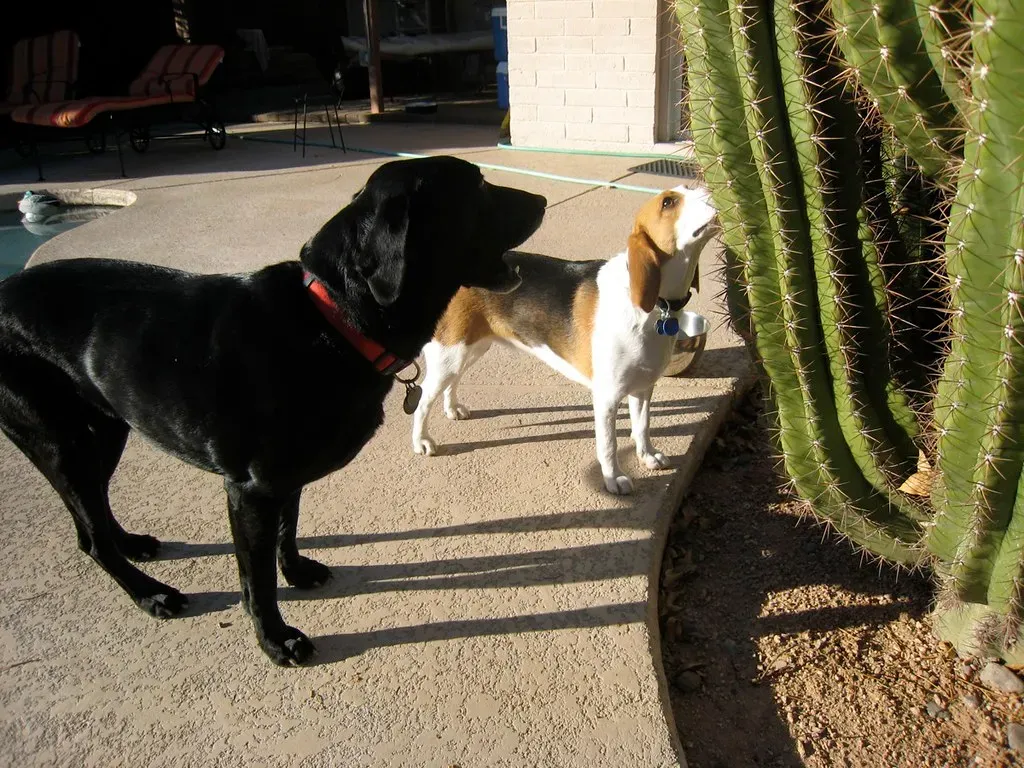
Something quietly profound happens when a dog lies down in the spot their companion used to occupy, or carries around the other dog’s toy with an unusual gentleness. This isn’t confusion – it’s a form of connection to something that is no longer there, and it tends to be one of the more poignant behaviors owners describe.
Pets who’ve lost an animal companion may sometimes want to lie in their friend’s spot. Researchers who surveyed dog owners who had lost one of their pets observed similar grief-like behaviors in surviving dogs, including searching for the deceased animal, increased clinginess towards their humans, and altered sleep patterns. These behaviors aren’t something to redirect immediately – they’re part of the dog’s process, and deserve a degree of respect.
#12: Separation Anxiety and New Fear of Being Alone
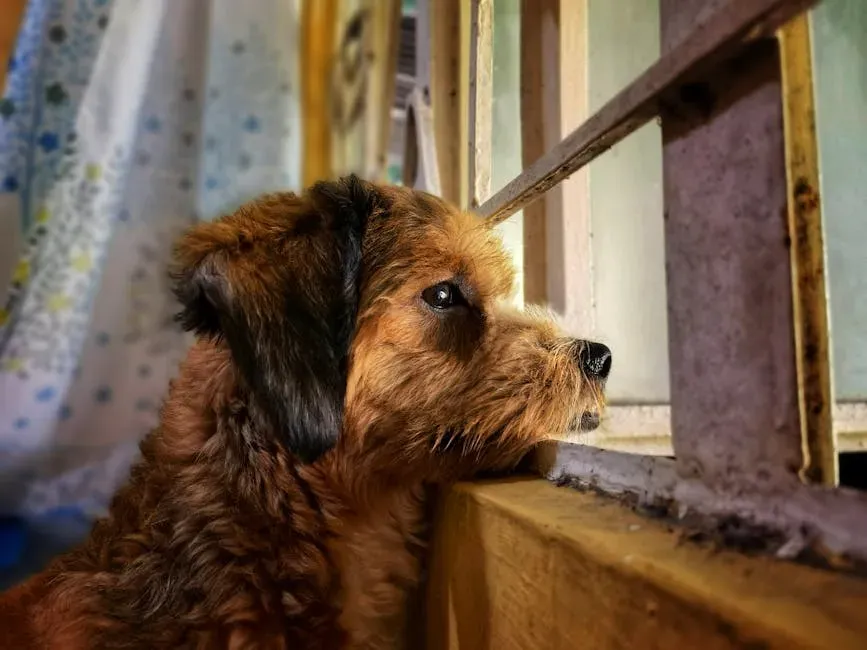
A dog that never struggled with being left home alone may suddenly develop real distress around it after losing their companion. The home that once felt safe and occupied now feels empty in a way it didn’t before, and that shift can trigger anxiety behaviors that seem to come out of nowhere.
Dogs are known to experience distress when separated from an individual to whom they are strongly attached, whether human or animal. When a housemate dies, that permanent separation can lead to separation-related behaviors similar to diagnosed separation anxiety. The amount of time a dog grieves will vary individually, but eventually they do recover and will usually fall back into their daily routines at some point. Patience, routine, and a steady human presence are often the most effective medicine.
What This All Means for You and Your Dog
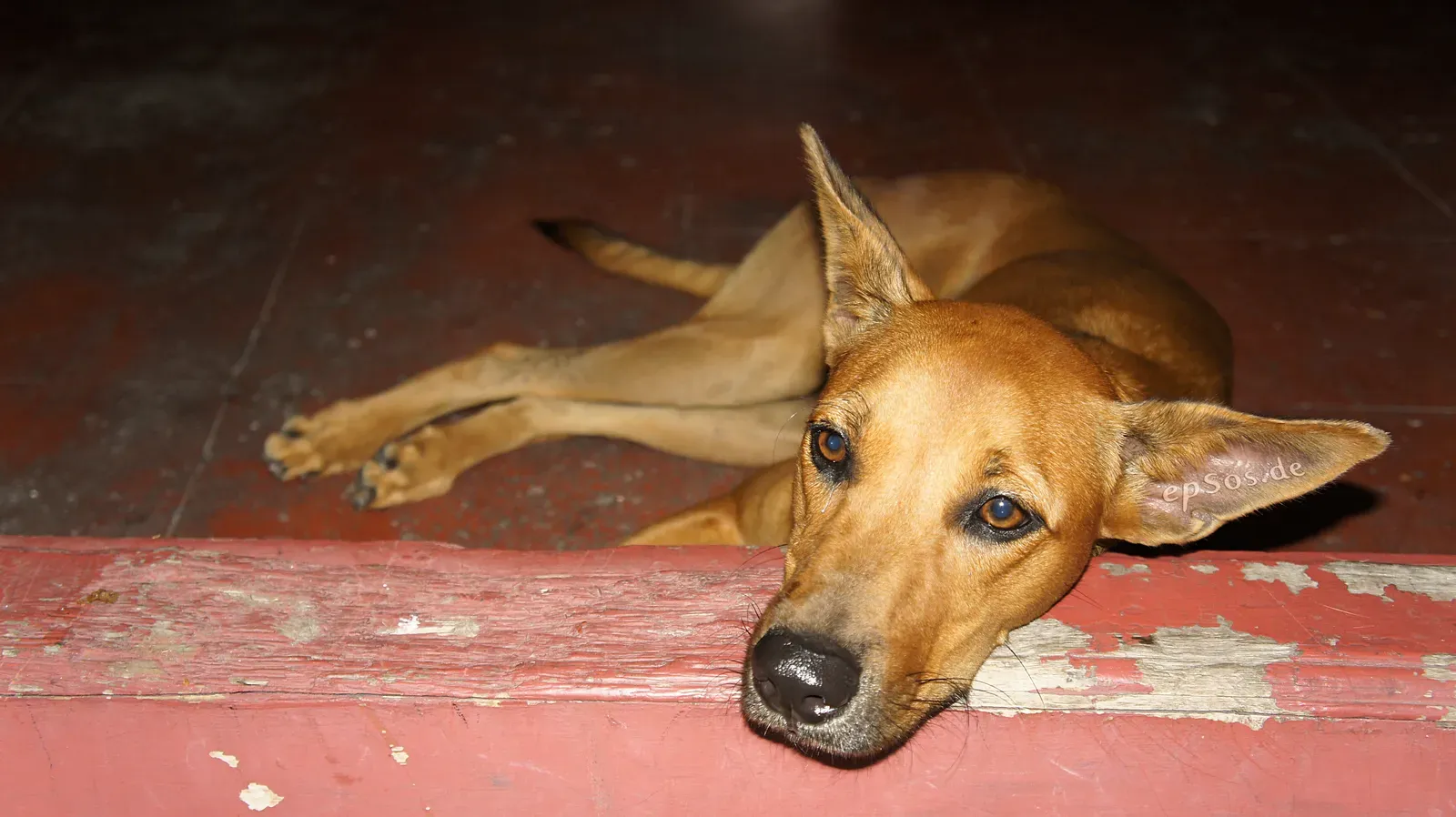
The science is fairly clear that dogs experience something real and significant when they lose a close companion. Research concluded that 66% of dogs experienced four or more behavioral changes after the loss of a family pet, changes that indicated grief. Of those who noticed a negative behavioral change in their surviving dog, about a third said it lasted between two and six months after the death of their companion. These aren’t brief blips – they’re sustained emotional responses that deserve sustained support.
Watching your dog grieve while you’re grieving too is its own kind of difficult. When you’re feeling sad because you’ve lost a beloved pet, your dog is feeding off your sadness. Because dogs are genetically tuned to bond closely with their human owners, this can, in effect, double up on your dog’s emotional stress. That means taking care of yourself isn’t separate from taking care of your dog – it’s part of it.
In the end, the best thing most owners can offer is the simplest: presence, patience, and a willingness to let the grief run its course without rushing it. Your dog trusted their companion completely. Trusting you to see them through what comes next is how that bond continues.


