

Bringing home a rescue dog is a bit like opening a mystery novel you’ve been dying to read. You know there’s a story behind those eyes, but you don’t yet know all the chapters. Many vets will tell you: rehoming a rescue is one of the most rewarding things you can do, but it’s also one of the most misunderstood.
People often expect instant gratitude, instant bonding, instant good behavior. In reality, rescue dogs are navigating grief, confusion, and a brand-new world. The good news? With a plan grounded in what veterinary professionals know about behavior, stress, and health, you can turn that shaky beginning into a rock-solid relationship.
1. Prepare Your Home Like You’re Welcoming a Shy Guest
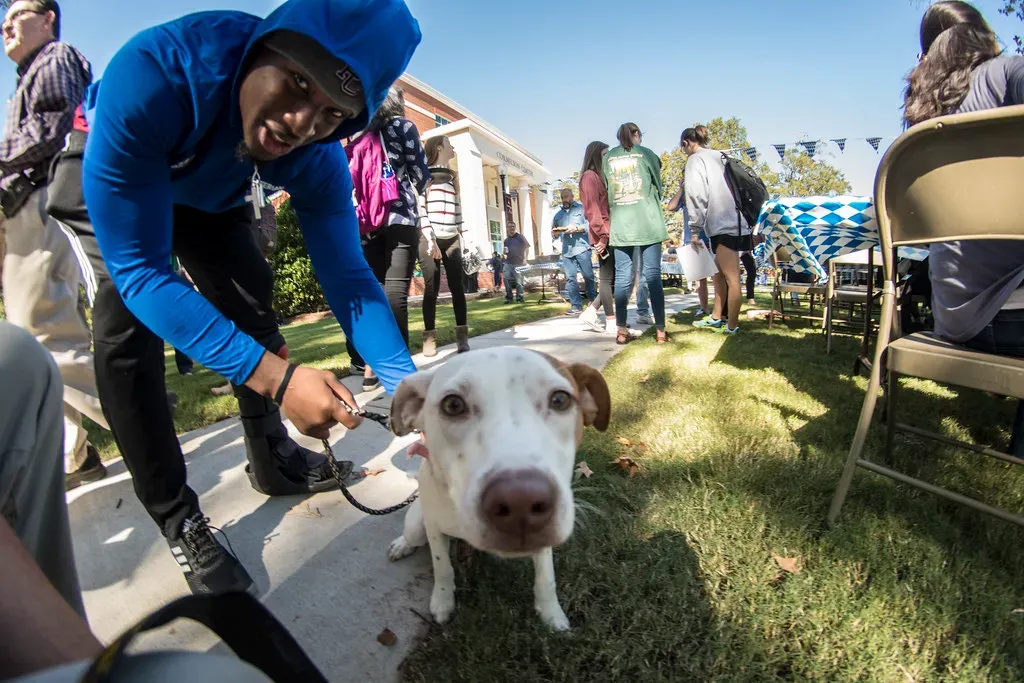
Vets often compare the first days in a new home to a dog landing on a foreign planet. Different smells, strange sounds, and unfamiliar people can all feel overwhelming. Before your new dog walks through the door, set up a quiet, low-traffic space with a comfy bed, water, and a predictable resting spot so they have a safe “base camp.”
Think of it like setting up a guest room for someone who’s just had a tough time in life. Keep toys, food, and water all within easy reach. Store cleaning supplies, medications, and breakable items out of the way, not because you expect chaos, but because stressed brains make poor decisions – in humans and in dogs.
2. Respect the 3-3-3 Rule of Adjustment
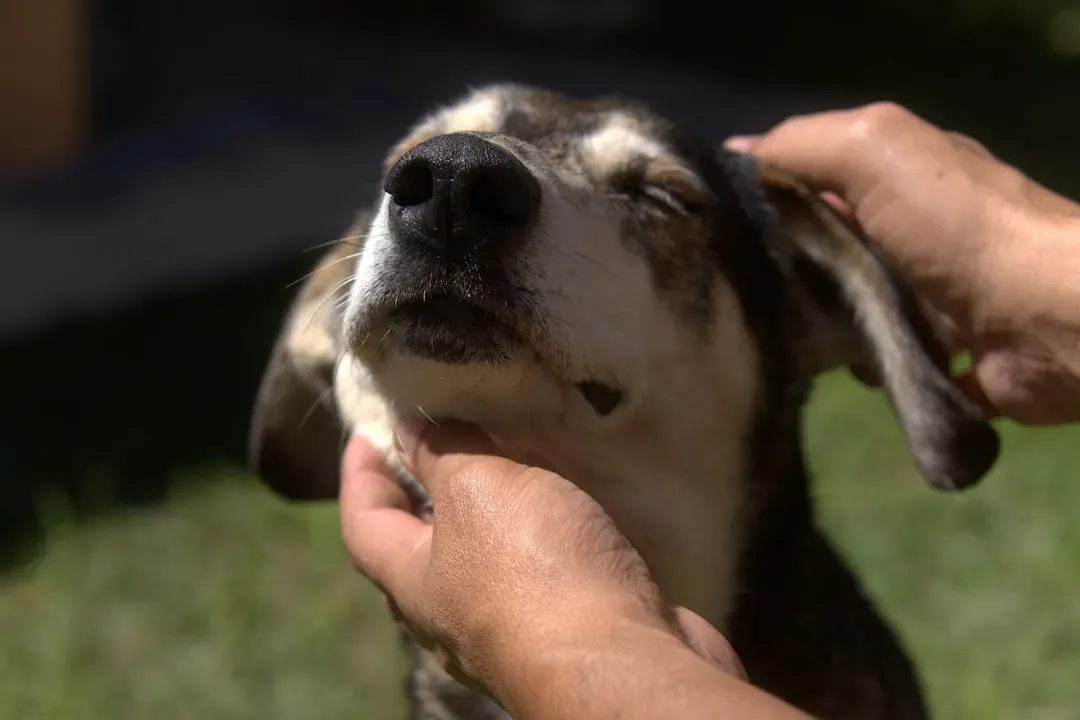
Many vets and behavior professionals talk about a rough “3-3-3” guideline: around three days to decompress, three weeks to start to settle, and about three months to truly feel at home. It’s not a hard rule, but it’s a handy reminder to keep your expectations realistic. During those first three days, your dog might sleep a lot, refuse food, or seem either frozen or frantic.
By the three-week mark, patterns start to emerge: you see what actually stresses them out, what they enjoy, and where the training gaps are. By around three months, most rescue dogs begin acting more like their true selves. When I adopted my last dog, the real personality appeared around week eight – suddenly I had a hidden goofball who loved squeaky toys and ridiculous zoomies.
3. Schedule a Thorough Vet Visit Sooner Rather Than Later
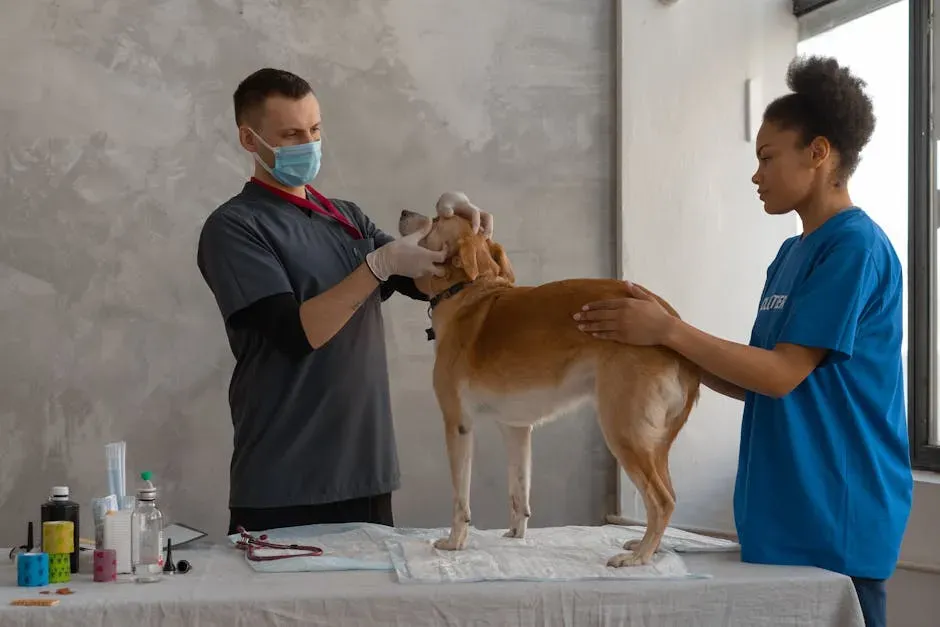
Even if the shelter or previous owner says your dog is “up to date,” most veterinarians still recommend a full check-up shortly after adoption. This usually includes a physical exam, parasite screening, vaccination review, and sometimes blood work, especially for older dogs. Rescue histories can be incomplete, and it’s better to verify than to assume.
That first visit is also your chance to talk about behavior changes to watch for, appropriate diet, and any breed-specific or age-related risks. Come with questions written down; stress can make you forget everything the moment you sit in the exam room. A good vet becomes your long-term teammate, not just someone you see when things go wrong.
4. Go Slow With Introductions to People and Pets

One of the most common mistakes vets see: new adopters throwing a welcome party. From the dog’s point of view, that’s a noisy invasion. Instead, start with immediate family only for the first few days. Keep voices softer, movements slower, and let the dog approach you, not the other way around.
If you have other pets, many veterinary behaviorists suggest controlled, gradual introductions. Use barriers like baby gates at first, allow plenty of sniffing from a distance, and watch body language closely. Curiosity and relaxed postures are good signs; stiff bodies, hard stares, or growling mean you need to back up a step. Think of it like introducing two roommates, not tossing strangers into the same tiny room and hoping for the best.
5. Establish a Calm, Predictable Routine From Day One
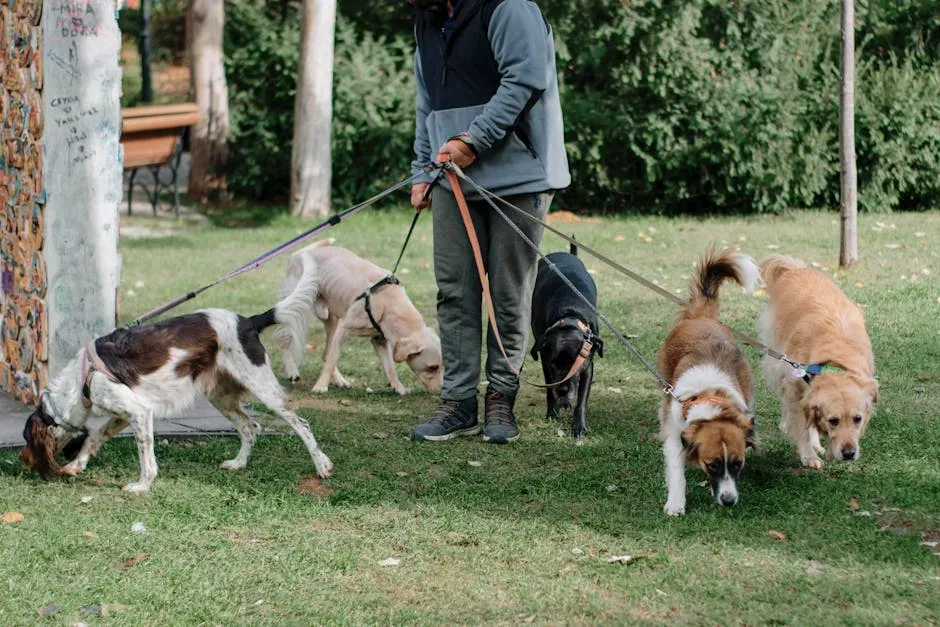
Rescue dogs often come from chaos – multiple homes, shelters, maybe even the streets. Vets frequently emphasize that predictable routines are one of the best antidotes to anxiety. Feed at roughly the same times every day, keep walks generally consistent, and stick to a regular bedtime and wake-up schedule as much as your life allows.
Routine does not mean rigid or joyless. It simply means your dog can start to predict what happens next, which lowers stress hormones over time. Imagine how you’d feel if someone kept changing your work hours without warning. That’s how a dog experiences random meal times and unpredictable environments. Stability is not boring to them; it’s bliss.
6. Prioritize Decompression Over Training in the First Week
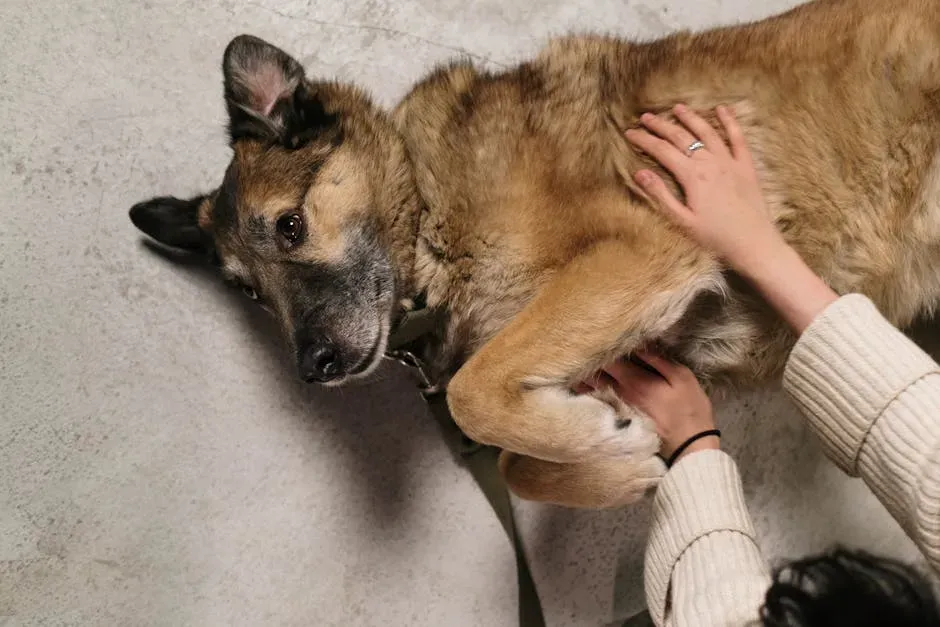
It’s tempting to jump straight into sit, stay, and leash manners the minute your dog arrives. Many vets and certified trainers, though, recommend a different approach for that first week: let the dog breathe. Decompression – quiet time, gentle walks, and simply observing the new environment – helps their nervous system reset.
This doesn’t mean you allow unsafe behavior, but you focus on management rather than correction. Use gates, leashes, and closed doors to prevent problems instead of constantly saying “no.” Once your dog starts to sleep more soundly, explore calmly, and eat consistently, their brain will be in a much better place to actually learn.
7. Use Positive Reinforcement, Not Punishment
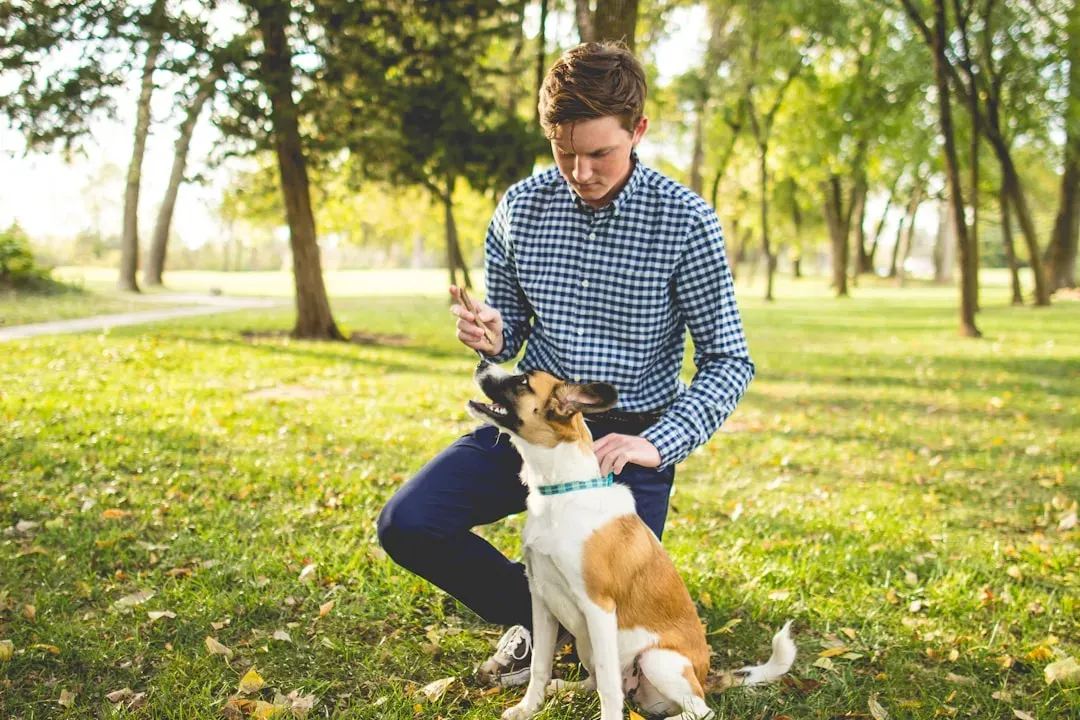
Veterinary behavior guidelines around the world have become increasingly clear: reward-based training is recommended, and punishment-based methods can increase fear and aggression. Rescue dogs may already have a history of rough handling or inconsistent rules. Adding harsh corrections on top of that can make things worse, not better.
Instead, pay your dog generously for the behaviors you like: calm sitting, checking in with you on walks, relaxing on a mat, or ignoring a distraction. Food rewards, play, and praise build trust and confidence. Think of it as tipping your dog well for good work. Most of us work harder and feel safer with a boss who notices our effort rather than one who only shouts when we mess up.
8. Watch for Subtle Signs of Stress and Fear

Vets see a lot of dogs after a bite or serious incident, and many of those owners later realize the warning signs were there but went unnoticed. Stress in dogs is often quiet: lip licking when there’s no food, yawning in the middle of stimulation, turning the head away, pinned ears, tucked tail, or moving behind you. These are early whispers that your dog is uncomfortable.
If you respond to those whispers by giving space, increasing distance, or slowing things down, you often prevent the “screaming” stage of growling, snapping, or biting. Keep a mental log of what situations cause those subtle signs: visitors, kids, certain dogs, particular objects. That list becomes your roadmap for what to work on slowly and carefully, ideally with professional guidance if needed.
9. Enrich Their Life Beyond Just Walks
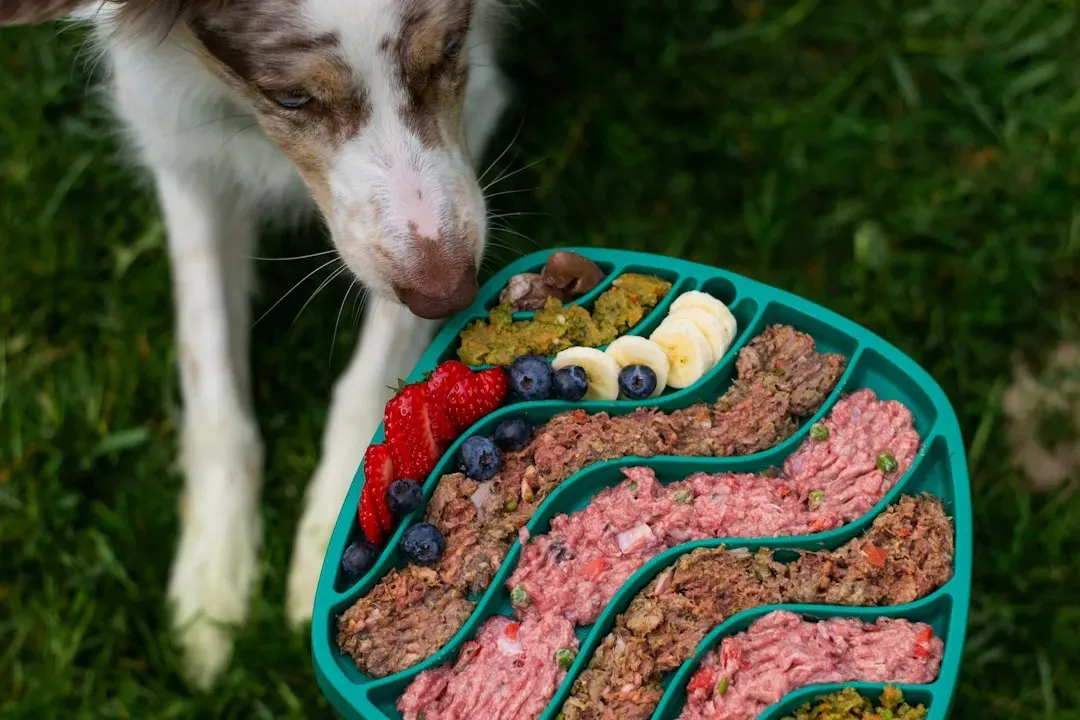
Veterinarians increasingly talk about “behavioral wellness” – not just the absence of problems, but a life that meets a dog’s mental and emotional needs. Walks are important, but they’re not enough for many rescue dogs, especially those with high drive or working-dog ancestry. Simple enrichment activities can transform a restless, destructive dog into a calmer companion.
Use puzzle feeders, snuffle mats, safe chew items, and scent games like scattering kibble in the grass. Training short, fun sessions of tricks or basic cues can act like brain workouts. Think of it this way: a bored mind looks for trouble, while a tired, satisfied mind is more likely to nap peacefully on your couch instead of chewing it.
Some dogs also benefit from dog sports or structured activities like scent work, agility, or hiking groups once they’re settled. Always introduce new activities slowly and watch for signs of overwhelm. Enrichment should feel like a good challenge, not a stressful marathon.
10. Build Your Support Team: Vet, Trainer, and Community

Rehoming a rescue dog is not a solo project, even if it feels that way at two in the morning when your new dog is pacing. Vets often wish people would ask for help earlier, not just when things are on fire. If behavior issues show up – resource guarding, separation distress, reactivity on leash – reach out to your veterinary clinic and ask about trainers or veterinary behaviorists who use evidence-based, humane methods.
Community matters too. Reputable rescue groups, local dog clubs, and online communities centered on positive reinforcement can offer sanity, practical tips, and the comforting reminder that you’re not the only one who has cried in the kitchen over a difficult dog. Having people to text, a vet to email, and a trainer to consult turns a scary problem into a shared puzzle to solve.
Conclusion: The Dog You Save Will Also Change You
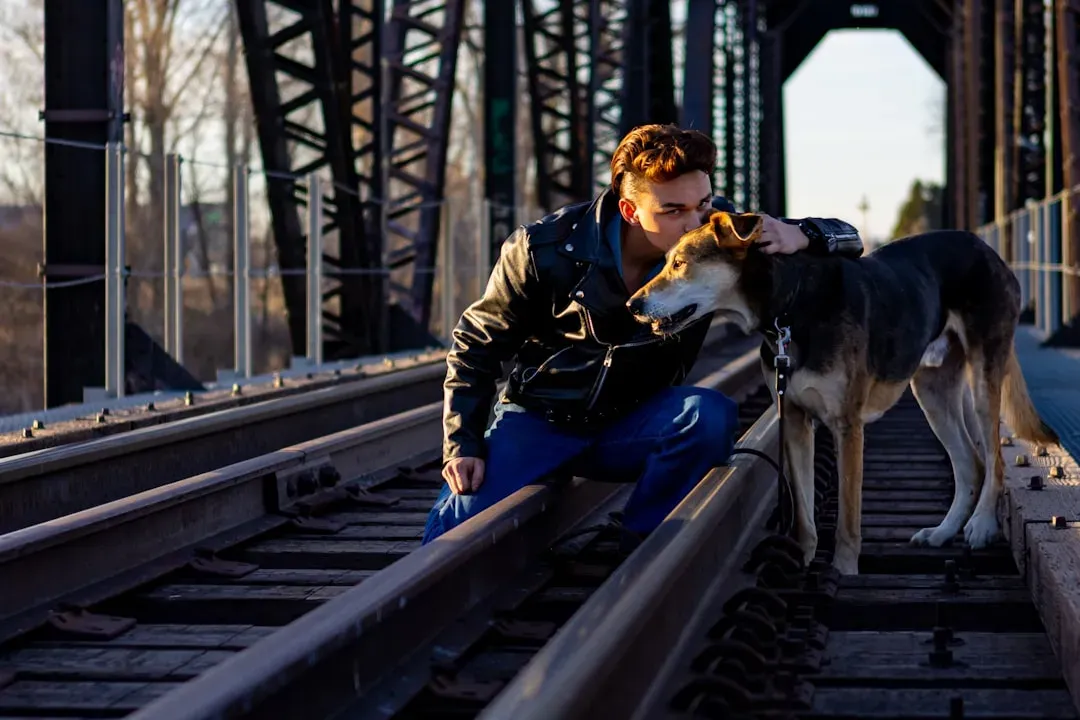
Many vets see the same pattern over and over: the dog who arrives shut down, messy, or mislabeled as “too much,” and the person who almost gives up in those first few weeks. Then, slowly, with routine, patience, medical care, and kind training, the bond clicks. The dog starts to relax, the human starts to understand, and suddenly that rescue is not a project anymore – they’re family.
Rehoming a rescue dog is not about being perfect; it’s about being committed, curious, and willing to adjust when the dog tells you what they really need. If you listen to what veterinary science says about stress, behavior, and health – and combine it with empathy and a bit of stubborn love – you stack the deck in favor of a happy ending for both of you. When you look back a year from now, will you even recognize that anxious newcomer curled up where your heart used to be?


