
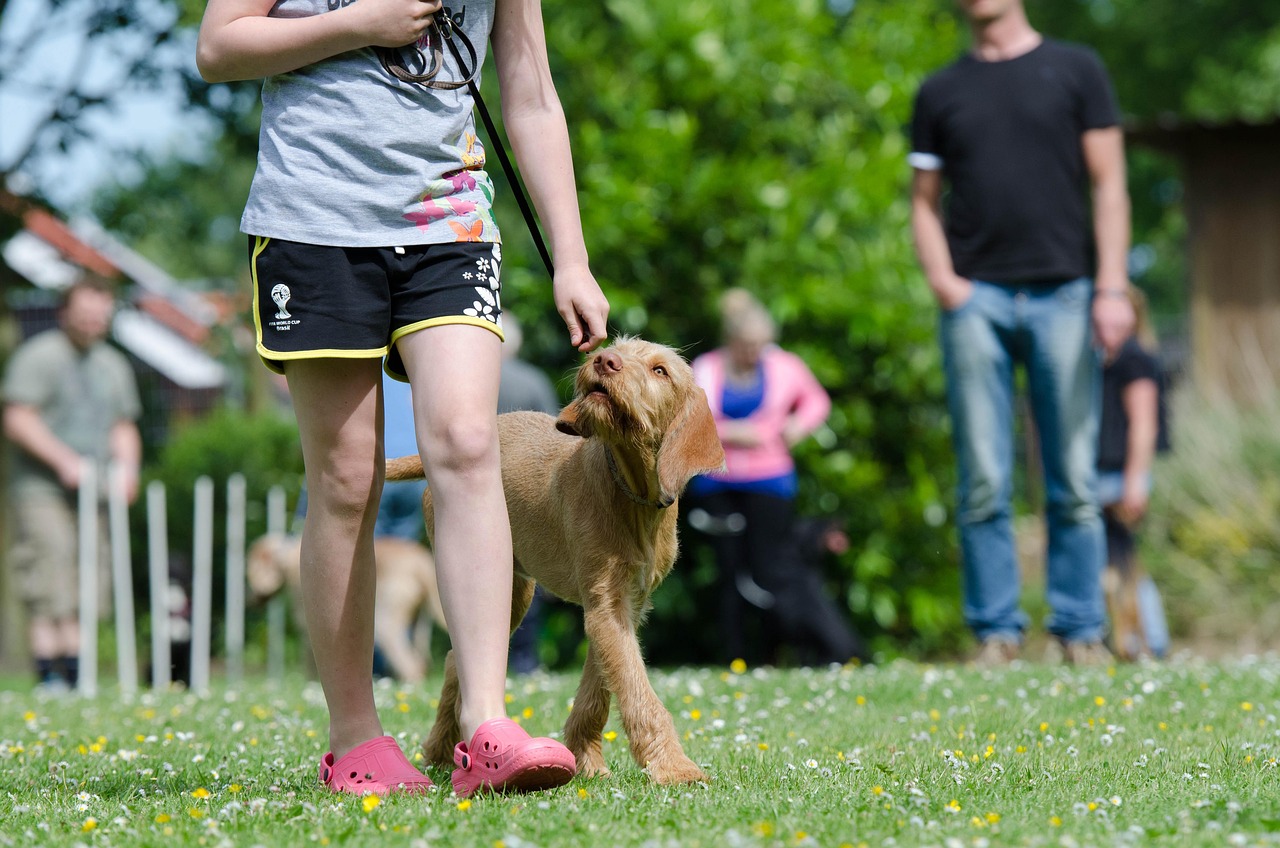
Bringing a new dog home is one of those life moments that feels a bit like a movie: the first meeting, the car ride, the excited paws on your floor. And then, reality hits. This little (or not-so-little) creature is looking at you like, “OK, what now?” The first days after adoption can shape your dog’s entire future with you, for better or worse.
When I adopted my first rescue, I honestly thought love, food, and a comfy bed would be enough. It wasn’t. I had to learn the hard way that what you do in those early days can mean the difference between a confident, happy dog and an anxious, confused one. Let’s walk through the key so you can skip the guesswork and start building a relationship that actually works for both of you.
1. Start With a Calm, Low-Drama Homecoming
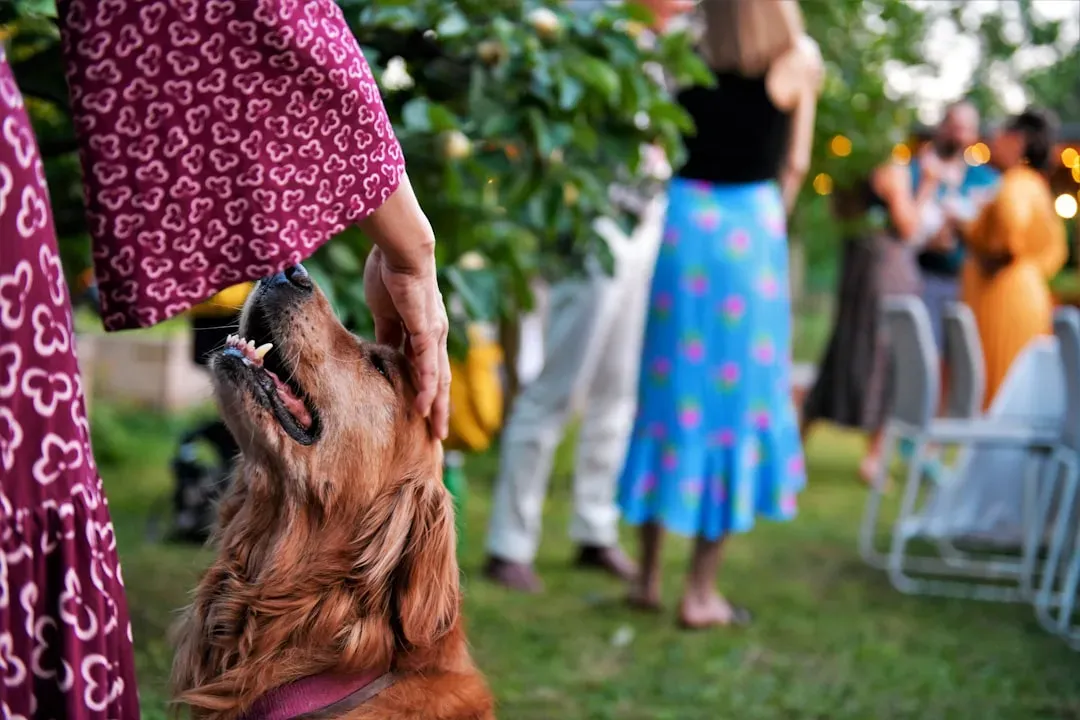
The most surprising truth about adoption day: for your dog, it’s not a celebration, it’s a shock. New smells, new people, new noises, and no idea what’s happening. As tempting as it is to invite friends over, take a ton of videos, and fuss over every little move, your dog actually needs the opposite: quiet, calm, and space.
Think of it like moving to a foreign country where you don’t speak the language. If twenty strangers rushed you at the airport, it wouldn’t feel welcoming; it’d feel terrifying. Keep the first day simple: a calm car ride, a slow walk through the house, and just the household members speaking softly, moving gently, and letting the dog explore on their own terms.
2. Set Up a Safe “Home Base” Zone
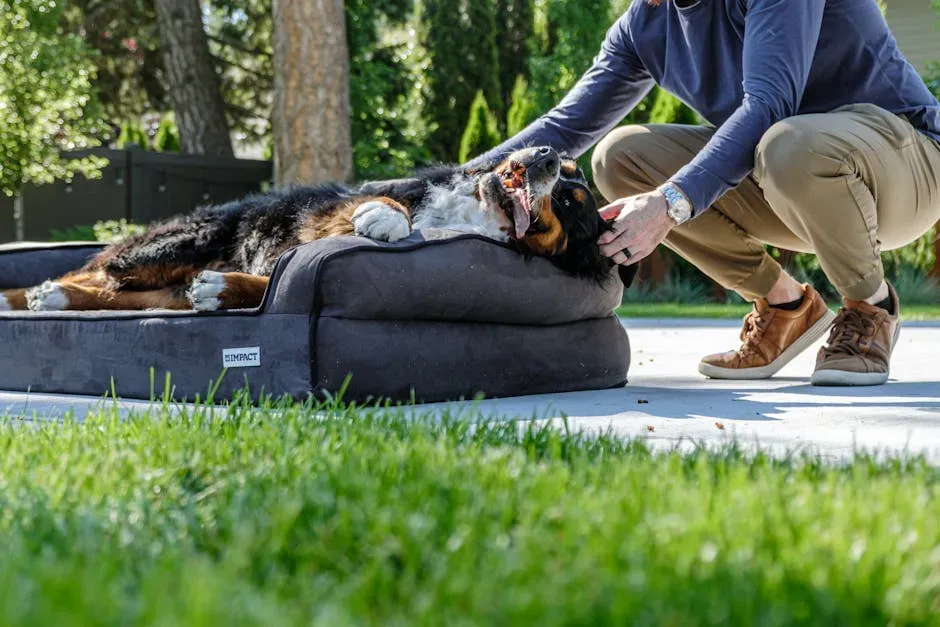
One of the kindest things you can do for a new dog is give them a predictable, safe spot that no one messes with. This might be a crate, a dog bed in a quiet corner, or a small gated area. The point is: this is their space, not a family hangout zone, and not where kids play or guests sit.
Dogs are biologically wired to seek secure resting places, the same way we feel better with a bedroom door we can close. When your dog realizes they have a cozy spot where nothing scary happens and no one drags them out, their stress levels tend to drop. Over time, you’ll see them retreat there on their own when they’re tired, overwhelmed, or just want a break from the world.
3. Establish a Simple, Predictable Routine Early
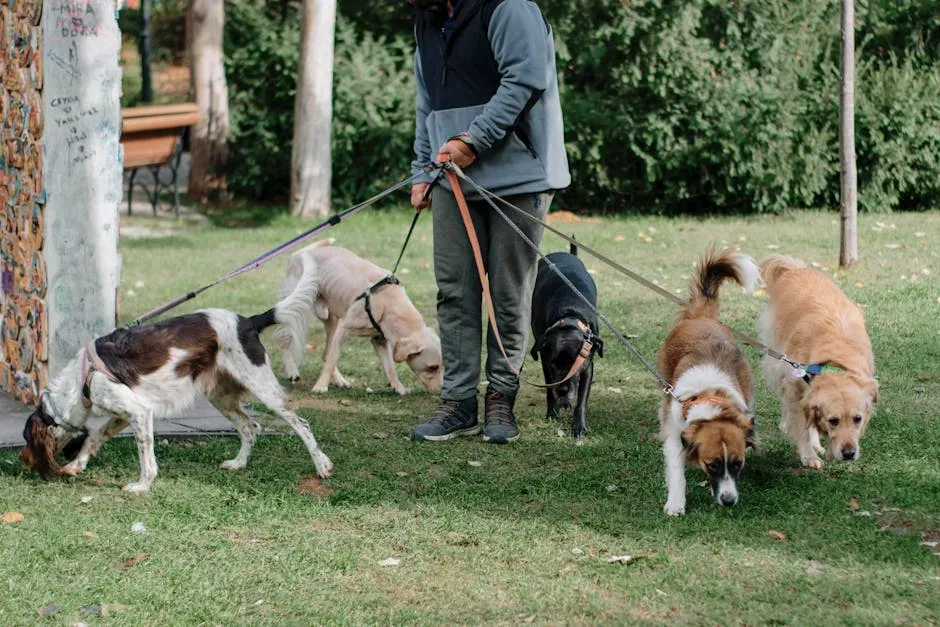
Most dogs do better when their lives are somewhat predictable: meals at similar times, walks roughly on schedule, bedtime not all over the place. After adoption, their entire world has already changed. A loose, dependable routine makes things feel less chaotic and helps them relax into their new life faster.
You don’t need a military-style schedule, just reliable patterns: morning potty break, breakfast, rest, midday outing, evening walk, dinner, quiet time. Dogs quickly learn these rhythms, and that anticipation helps them feel secure. When they know what usually comes next, they spend less energy worrying and more energy bonding with you.
4. Book a Vet Check-Up Sooner Rather Than Later

Even if your new dog came with vaccination records and a clean bill of health, book a vet visit within the first week or two. Shelter and rescue paperwork is often accurate, but it may not tell the whole story about parasites, dental issues, joint pain, allergies, or subtle problems that only show up under a closer look. A baseline exam gives you a starting point for all future health decisions.
This visit is also your chance to ask practical questions: ideal weight, food recommendations, exercise limits, and any breed-specific concerns. If your dog is nervous, keep the experience as low-stress as you can: bring high-value treats, speak calmly, and don’t make the first appointment a marathon of procedures unless it’s truly urgent. A positive or at least neutral first vet visit pays off for years.
5. Introduce Rules and Boundaries From Day One
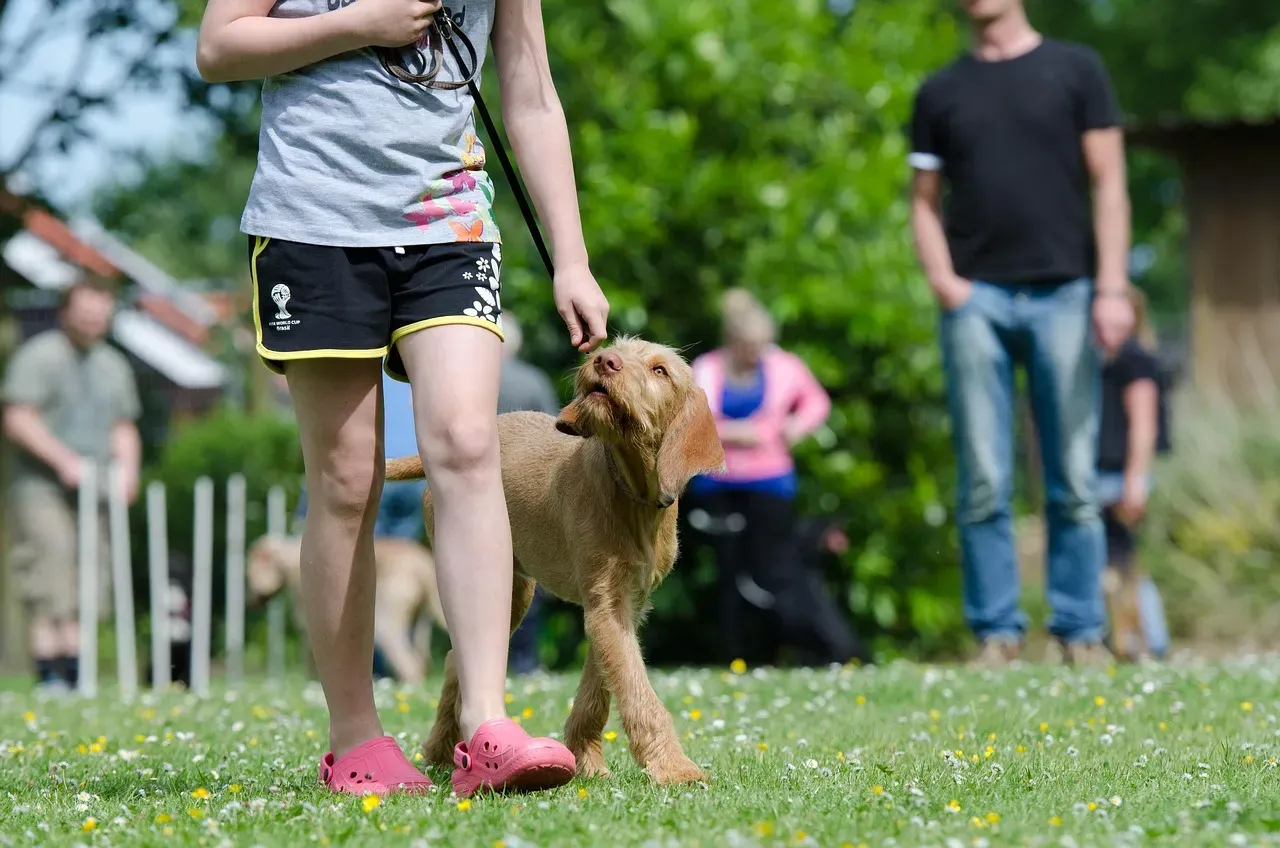
There’s a very human urge to give a newly adopted dog a “honeymoon” with zero rules because you feel bad for what they’ve been through. The problem is, dogs cannot tell the difference between “temporary soft rules” and “forever rules.” If you let them on the couch for three weeks and then suddenly decide it’s not allowed, that is confusing and unfair from their perspective.
Decide early what you want long term: furniture access, sleeping arrangements, feeding rules, areas of the house that are off limits. Then kindly but consistently follow through from the start. Boundaries are not cold; they are actually reassuring. Clear, consistent rules make it easier for your dog to understand how to succeed in your home, which lowers frustration on both sides.
6. Prioritize Potty Training and House Manners
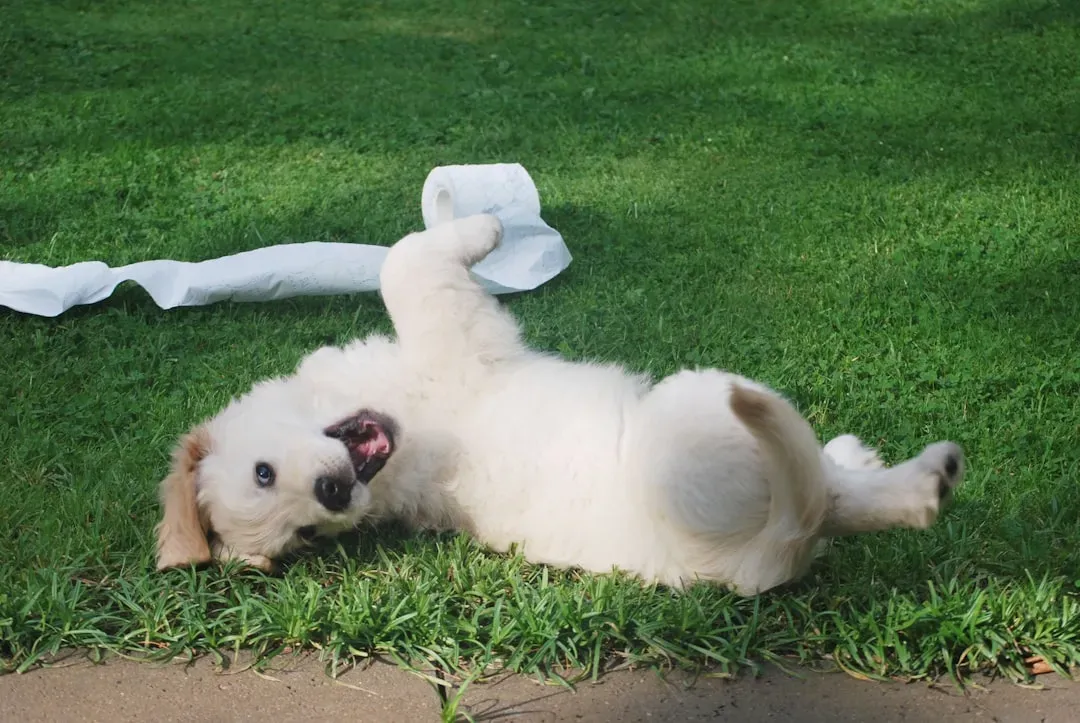
Even adult dogs who were house-trained before can regress or get confused in a brand-new environment. New smells and stress can throw everything off. Assume your dog needs a crash course in potty training, even if they came with a note that says they’re “good in the house.” Start by taking them out frequently, especially after waking, playing, and eating, and heavily reward them for going in the right spot.
Prevention is your best friend. Supervise closely indoors at first, limit access to large areas, and use baby gates or a leash in the house to keep an eye on them. If accidents happen, clean thoroughly with an enzymatic cleaner and avoid punishment. To a dog, punishment for accidents usually just means “don’t go potty when humans are around,” which makes the problem sneakier, not better.
7. Focus on Relationship Before Fancy Training
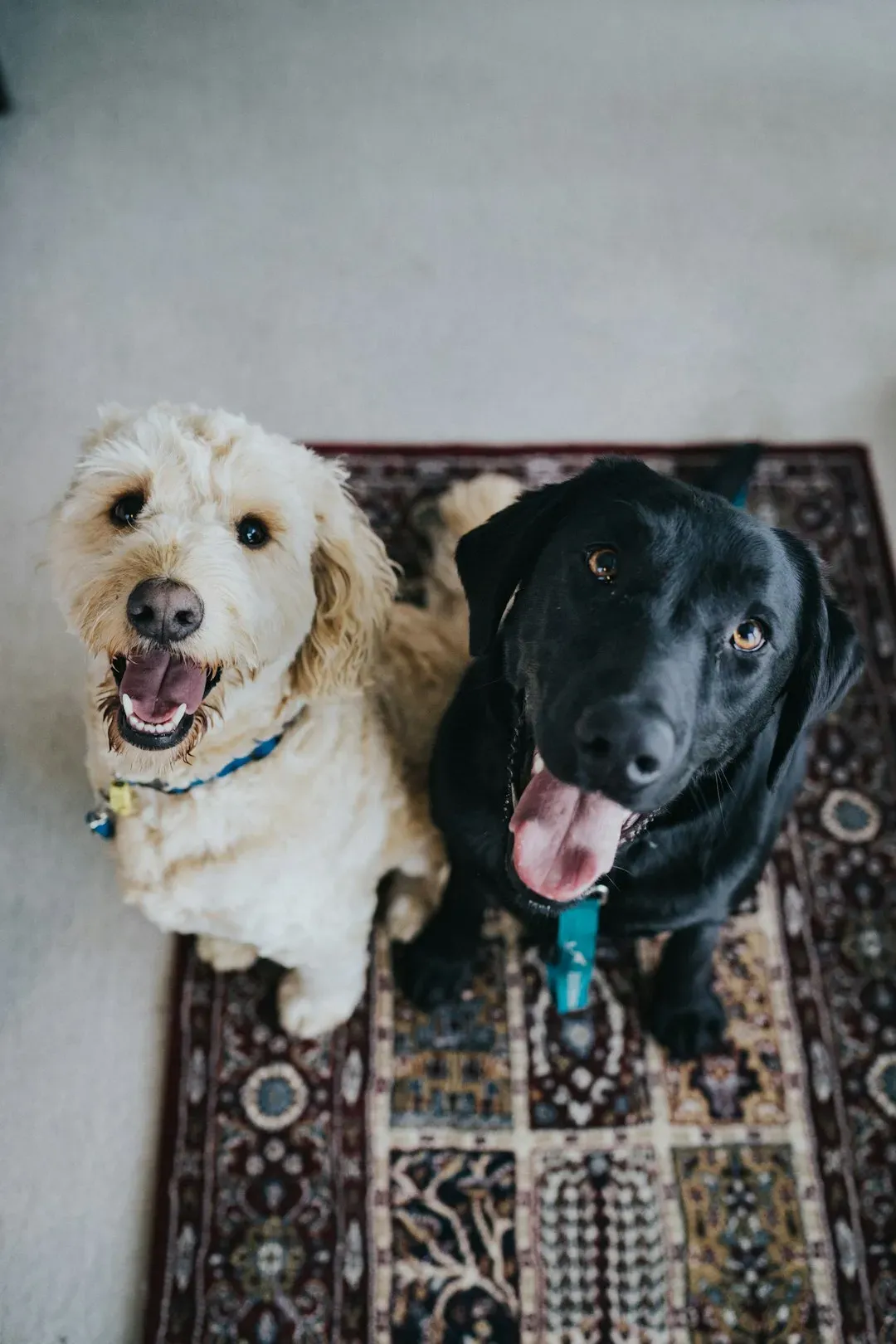
People often rush straight into teaching sit, stay, and all the Instagram tricks, but the real foundation is trust. If your dog doesn’t yet feel safe with you, formal training will feel like pressure, not teamwork. For the first days and weeks, weave in gentle structure, but invest more in simply being reliable, kind, and predictable.
That might look like calmly hand-feeding some meals, playing simple games, walking without constantly correcting, and letting the dog choose to come closer instead of forcing constant cuddles. Once your dog sees you as their safe person, basic training actually becomes easier and much more fun. It feels less like school and more like learning a shared language.
8. Start Socialization Thoughtfully, Not Chaotically

There’s a myth that throwing a new dog into as many situations as possible will “socialize” them quickly. In reality, flooding them with loud streets, crowded dog parks, and constant visitors can actually create fear and reactivity. Socialization is less about exposure quantity and more about quality: calm, controlled, positive experiences at your dog’s pace.
Begin with low-pressure outings: quiet walks, watching the world from a distance, short car rides to calm places, meeting one polite dog, not ten. Observe your dog’s body language closely: soft eyes, loose body, and curiosity are good signs; frozen posture, tail tucked, or frantic movement tell you to slow down. The goal is not a dog who tolerates everything; it’s a dog who trusts that you’ll protect them and not push them too far.
9. Choose the Right Food and Feeding Routine
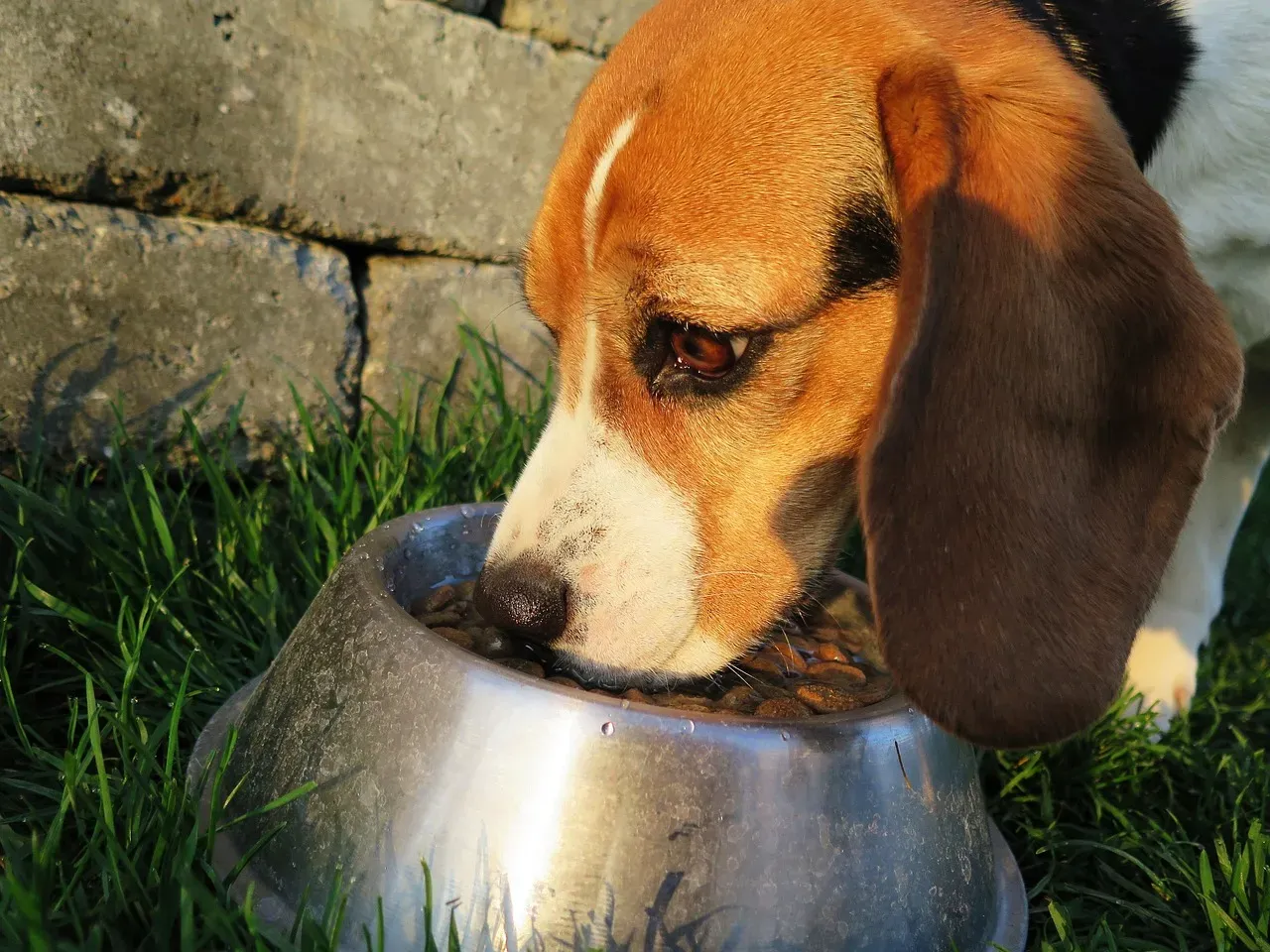
Digestive upset is incredibly common in newly adopted dogs because of stress and sudden diet changes. If possible, start by using the same food they were getting before and then slowly transition to your chosen diet over several days. A gradual shift tends to be much easier on the gut than the “cold turkey” approach of a brand-new kibble on day one.
Pay attention to appetite, stool consistency, and energy levels as you adjust. Some dogs do better with set meal times instead of free-feeding, especially in multi-dog homes where guarding can become an issue. Also, be honest with yourself about treats: it’s easy to overdo it in those early bonding days. Plenty of training treats are useful, but they should be balanced against your dog’s main diet so they don’t slowly pack on extra weight.
10. Invest in Mental Enrichment, Not Just Walks
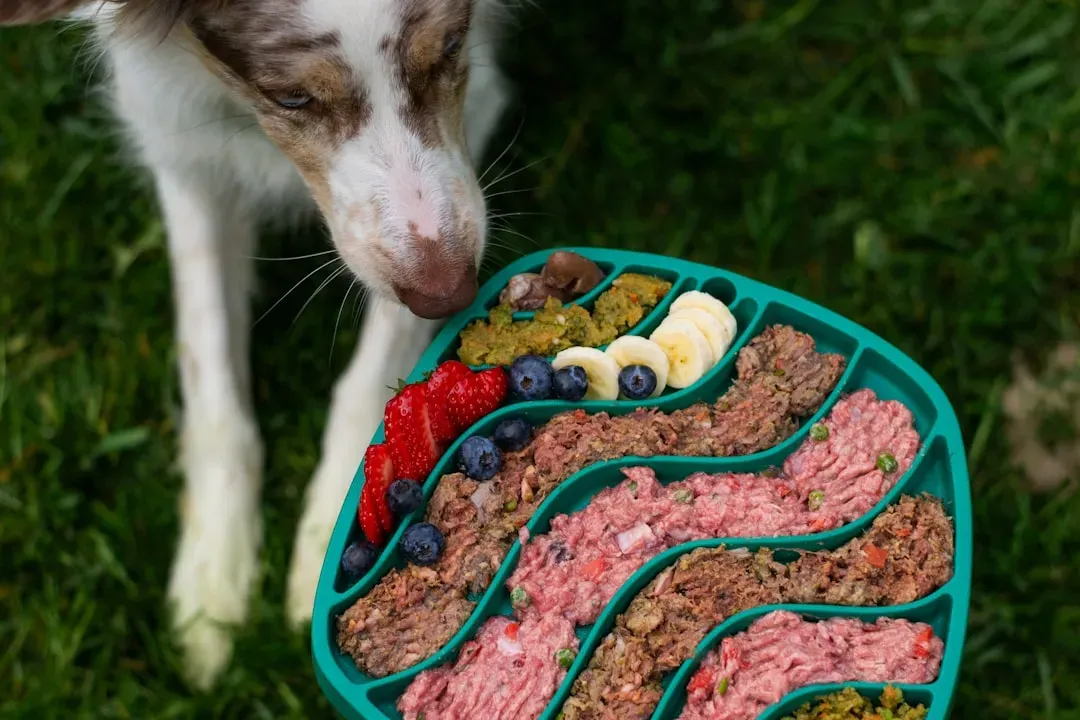
A tired dog is not just a physically tired dog; they need mental workouts too. People often assume more and longer walks will fix every behavior issue. In reality, many dogs benefit more from a mix of moderate exercise and brain work: sniffing games, puzzle feeders, simple scent work, and training short “learning sessions” throughout the day.
Dogs are natural problem-solvers and foragers. Using food-dispensing toys, hiding treats around a room, or doing a few minutes of basic obedience makes their brain pleasantly tired. This kind of enrichment is especially important for young, energetic, or working-breed dogs. Ten minutes of nose work can sometimes relax a dog more effectively than a long, overstimulating walk in a chaotic environment.
11. Build Your Support System and Ask for Help
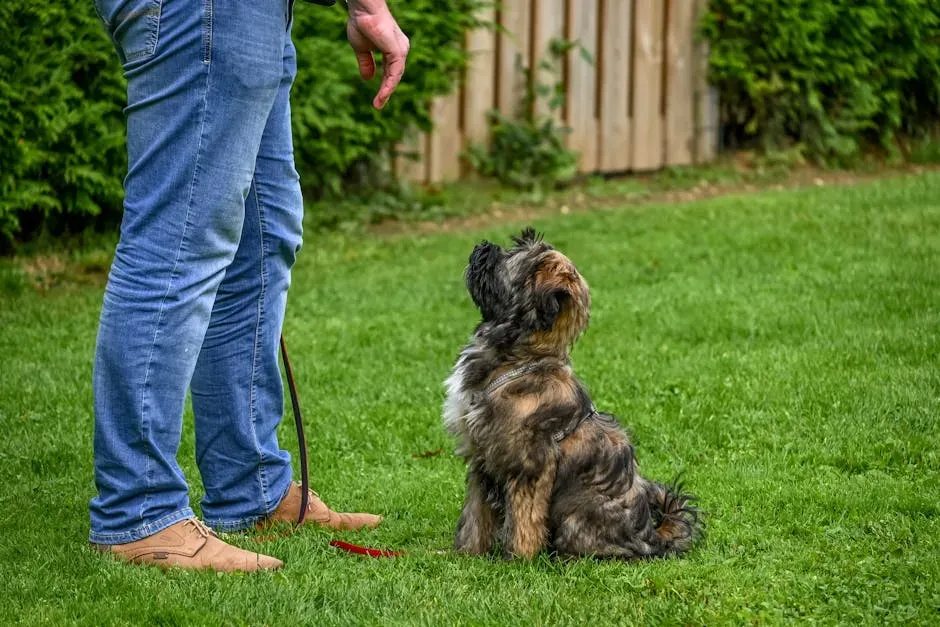
One of the most underrated is building your human support network: a good vet, possibly a positive-based trainer, a trusted pet sitter, and even other dog guardians you can learn from. No one gets it right all the time, and pretending you should naturally “just know” what to do sets you up for burnout and guilt.
If you run into behavior issues, anxiety, or aggression, reaching out to a qualified professional sooner is almost always easier than waiting. Online resources and social media can be helpful, but they’re a mixed bag, and not all advice fits your particular dog. Treat this like any serious long-term commitment: you’re allowed to ask questions, change course, and learn as you go.
Conclusion: Adoption Is a Beginning, Not a Magic Fix

Adopting a dog is powerful, but it is not a fairy-tale shortcut. A new home does not instantly erase past stress, bad habits, or fear. What truly transforms a dog’s life is what you do after that adoption photo: the boundaries you set, the patience you show on hard days, and the small, consistent choices that build trust over time.
In my experience, the most successful adopters are not the ones who are perfect; they’re the ones who are curious, flexible, and willing to adjust. They see their dog not as a project to complete, but as a partner they’re still getting to know. If you approach these first weeks with empathy and clear structure, you’re not just giving a dog a home – you’re building a life together. Looking at your new dog right now, what kind of life do you want that to be?


