
You know that gut-punch feeling when you find out your dog has been hurting for a while and you somehow missed the signs? Most dog parents go through that at least once, and it leaves you replaying every little moment, wondering how you didn’t see it. The hard truth is that dogs are experts at hiding pain, and a lot of their signals look like totally normal, everyday behavior.
What makes it even trickier is that many of these “red flags” are subtle things you’ve probably already written off as age, moodiness, laziness, or just “how my dog is.” But tiny changes, repeated over days or weeks, can be your dog’s version of shouting. Let’s walk through seven of the most misleading signs, so the next time your dog whispers that something hurts, you don’t miss it.
1. Sleeping More (Or Hiding Away) And Calling It “Just Tired”
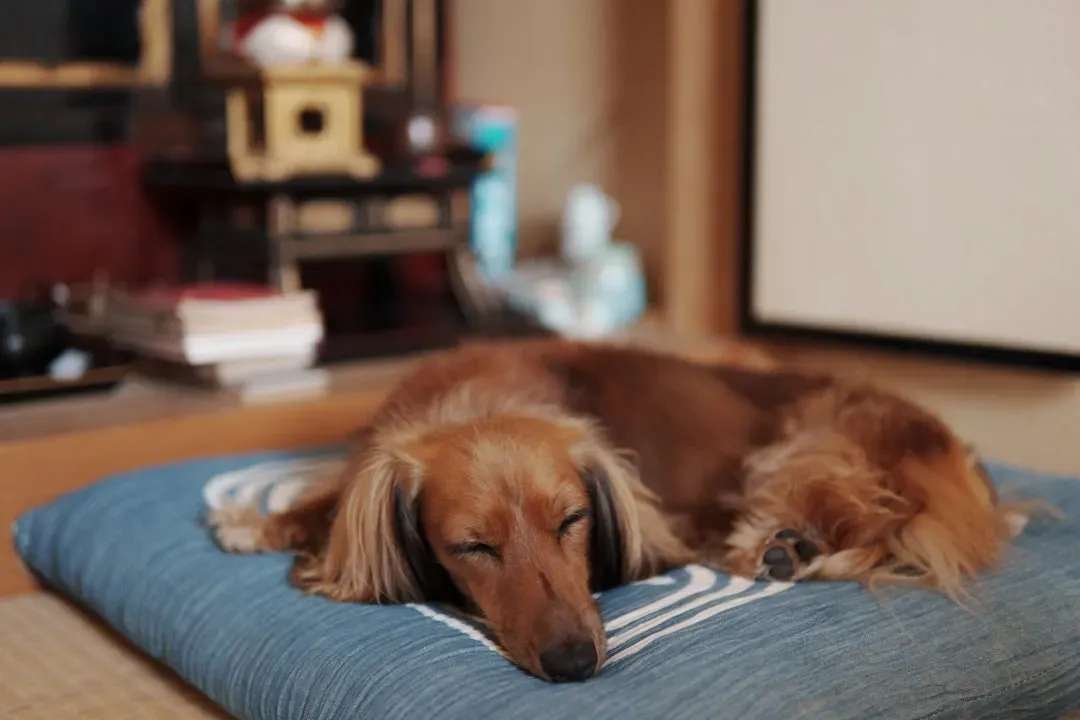
One of the easiest pain signals to overlook is when a dog quietly starts sleeping more, especially during the day. It looks harmless: your dog used to follow you around the house and now they spend more time in their bed, under a table, or tucked into a quiet corner. You might think they are maturing, calming down, or just having a lazy day, but in many cases a dog that withdraws from family activity is actually trying to cope with discomfort.
Dogs in pain will often choose spots where they are less likely to be bumped, touched, or disturbed, which can easily be misread as “independent” or “chill.” If your usually social dog starts opting out of the couch, the kids’ chaos, or the front-door excitement, that shift matters. A change in sleep patterns over several days, especially if paired with less interest in play or walks, is one of those “normal-looking” behaviors that deserves a second look.
2. Moving Slower And Blaming It On “Just Getting Older”
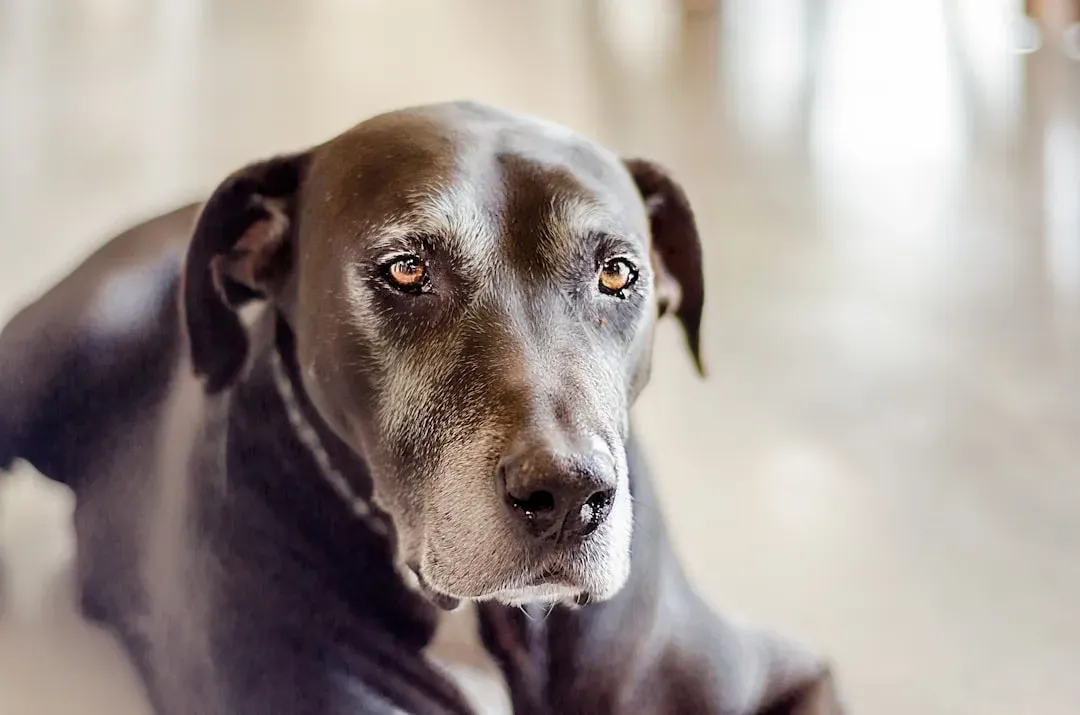
Almost everyone with a senior dog has said the phrase “he’s just slowing down” at some point, but slowing down is not a personality trait; it is often a symptom. Dogs are fantastic at working through joint pain, back pain, or muscle soreness without a dramatic limp. Instead, they might hesitate at the stairs, pause before jumping into the car, or choose the shorter route on a walk. Because these changes are gradual, it is easy to write them off as age instead of pain.
A dog that used to rocket off the couch to chase a toy but now takes an extra beat to stand up is sending data you should not ignore. That slight bunny-hop on the stairs, the way they avoid sharp turns during zoomies, or their new habit of walking behind you instead of dragging ahead are all subtle adaptations. Your dog is not being difficult, stubborn, or lazy; they are engineering their movements to hurt less, and that is your cue to step in.
3. Getting “Grumpy” Or “Stubborn” Out Of Nowhere
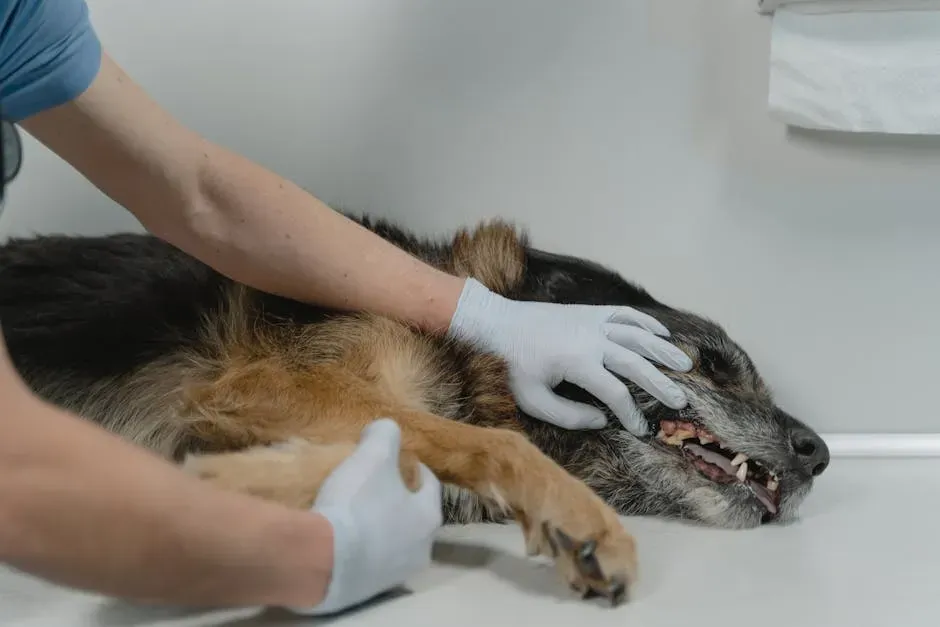
Behavior changes are one of the most misunderstood ways dogs show pain, because we tend to label them as personality problems. A dog who has always been sweet but suddenly growls when you touch their hip, pick them up, or ask them to move off the couch might get called rude or reactive. In reality, that small growl can be their only way to say “that hurts, please stop” before it escalates to a snap or bite.
Pain can also make dogs less patient with other pets or kids, more clingy with one person yet avoidant with others, or strangely picky about being groomed or handled. What looks like attitude is often self-protection. If your dog starts guarding certain parts of their body, resists being harnessed, or acts like everyday handling is suddenly annoying, assume pain first and training problems second. Your dog is not “turning bad”; they are just tired of hurting.
4. Subtle Changes In Eating And Drinking That Seem “No Big Deal”
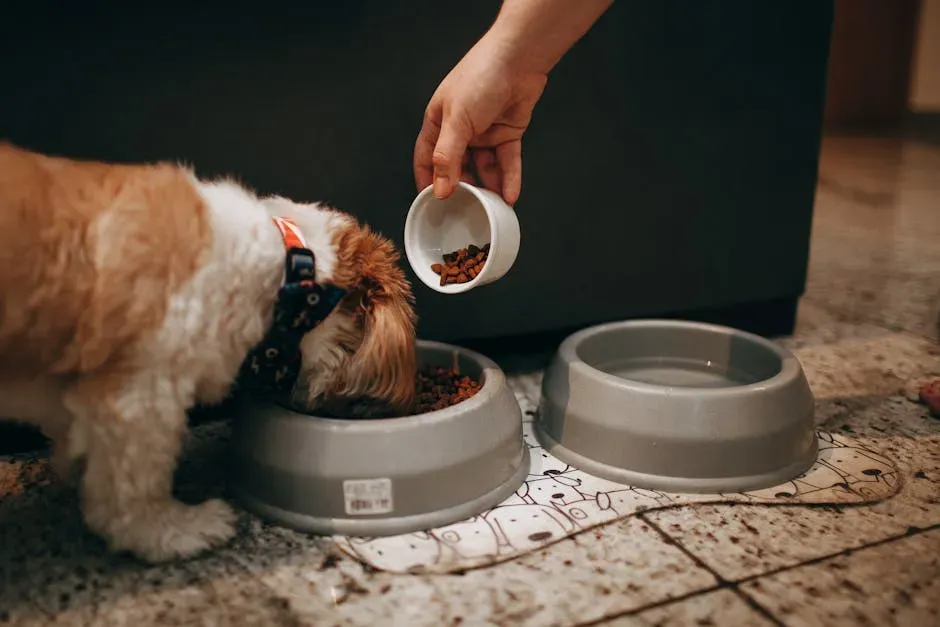
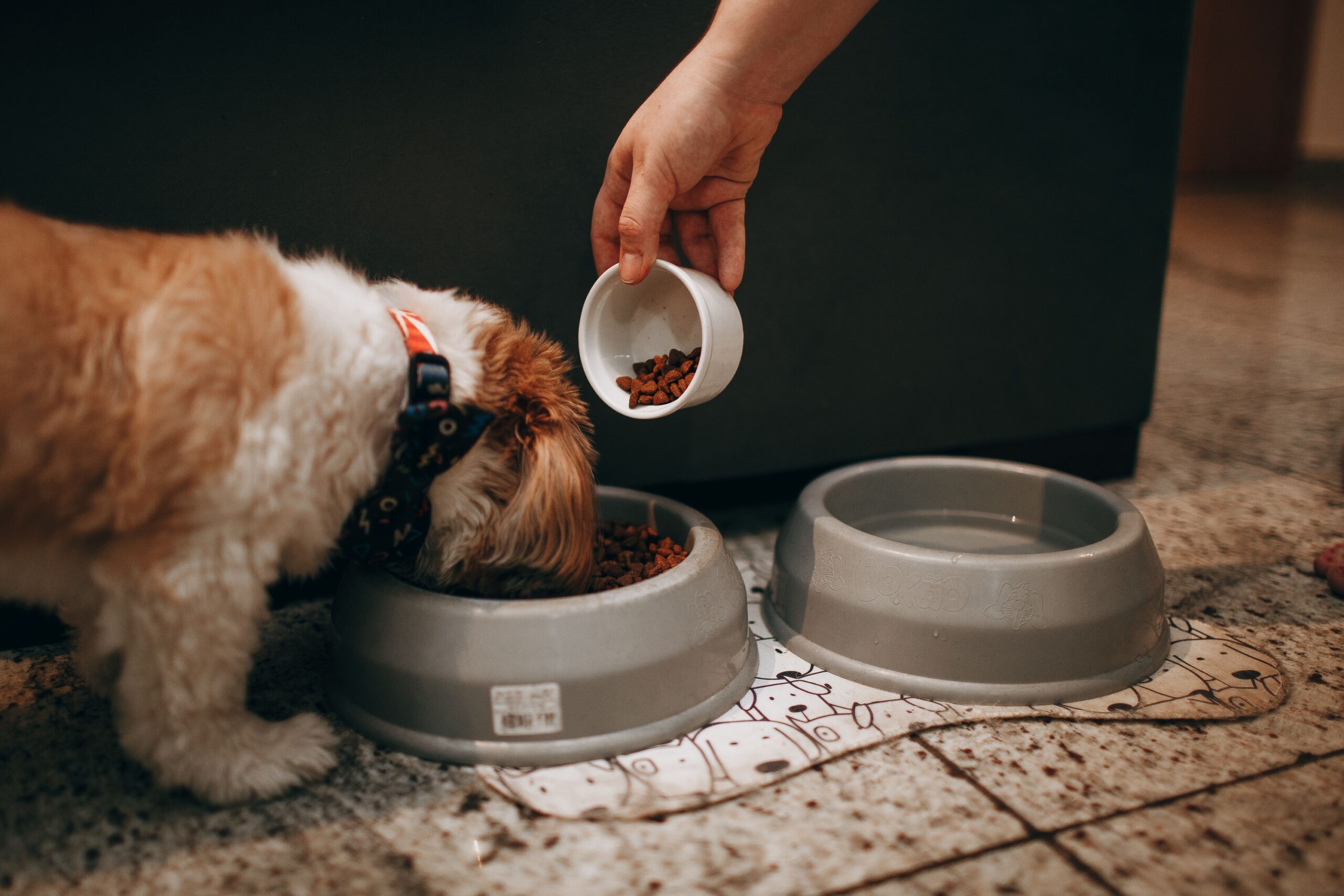
Most people know that refusing food can be a sign something is wrong, but pain rarely shows up as a dramatic hunger strike. More often, you see quiet, sneaky shifts: your dog still eats but slower, leaves a few kibbles in the bowl, or walks away mid-meal. Dental pain, stomach discomfort, or neck and back issues can all make eating uncomfortable, yet from the outside it can look like “being picky” or “not that hungry today.”
Watch for small patterns: your dog dropping food, chewing on one side, gulping, licking their lips repeatedly, or seeming eager to eat but then hesitating once they reach the bowl. Drinking more or less than usual, especially combined with changes in appetite or energy, can also point to underlying pain or illness. Those tiny appetite wobbles that seem harmless over a week or two are often your early warning system long before you see anything dramatic.
5. Licking, Chewing Or Grooming One Spot And Calling It “Just A Quirk”
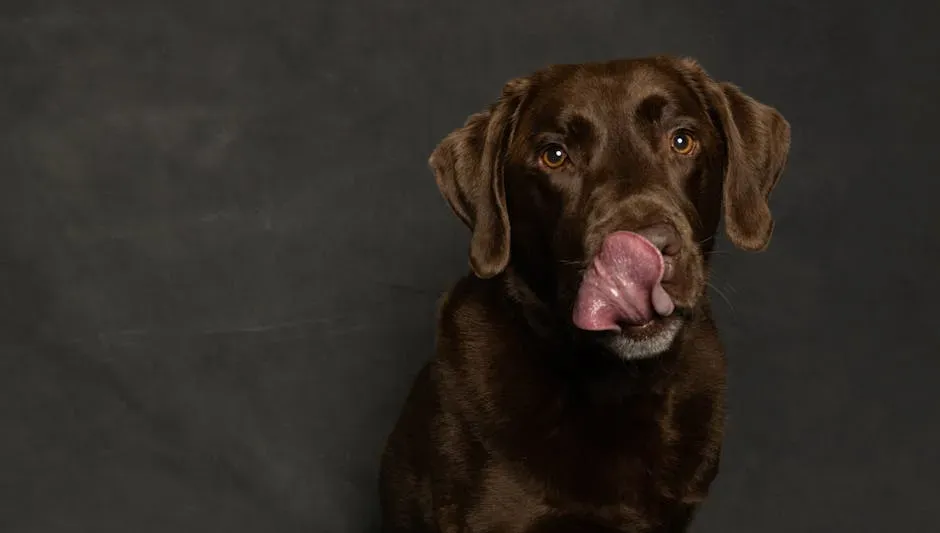
Lots of dogs lick themselves, and many owners shrug off repetitive licking or chewing as a habit or boredom. But when a dog keeps going back to the same joint, paw, flank, or patch of skin, especially when nothing obvious is visible at first glance, that can be a pain signal. Dogs sometimes lick areas that hurt deep inside, like a joint or muscle, not just where there is a cut or rash on the surface.
Over time that licking can actually create redness, hair loss, stains, or even open sores, which then get blamed as the problem instead of a symptom. Think of obsessive licking like a human constantly rubbing their temples when they have a headache – it is self-soothing, not random. If your dog always seems to be nibbling that same back leg, ankle, or side of their body, even when you redirect them, it is worth asking a vet what might be hurting underneath the skin.
6. Restlessness, Pacing Or Night-Time “Fidgeting” You Brush Off As Anxiety
Sometimes pain doesn’t shut a dog down; it winds them up. Dogs that cannot get comfortable because something hurts will change positions over and over, pace the room, get up and lie down repeatedly, or keep shifting in their bed like they are searching for that one magic angle. At night, this can look like simple restlessness or anxiety, and many people assume it is just a temperament issue or a reaction to noise outside.
What is really going on can be more physical than emotional. Joint pain, abdominal discomfort, spinal issues, or even certain systemic illnesses can make resting difficult. If your dog suddenly stops sleeping through the night, pants indoors for no clear reason, or keeps moving to cooler or softer spots, pay attention. Anxiety absolutely exists in dogs, but it is frequently tangled up with pain, and treating it like a “behavior problem” alone can leave the real cause untouched.
7. Very Slight Changes In Expression Or Posture That Look Completely Normal

Some of the most important pain clues are the ones you only notice when you know your dog really, really well. Things like a slightly furrowed brow, ears held a bit further back than usual, a tighter mouth, or a tail that is carried just a notch lower can all be part of a dog’s silent pain face. None of these scream emergency on their own, which is exactly why they get dismissed as nothing.
Posture tells the same quiet story: a dog that stands more hunched, shifts weight off one leg, tucks their belly, or curls up differently than normal might be trying to protect a sore area. Even the way they sit can matter, like always sliding into a “lazy sit” with one leg out or refusing to sit squarely at all. When you stack these small details together – tiny facial changes, a different way of lying down, less tail wag, more guarded body language – you start to see the bigger picture your dog has been trying to show you.
Conclusion: Listening Before The Whisper Turns Into A Scream
If there is one uncomfortable truth that comes with loving dogs, it is this: by the time the signs of pain are obvious, your dog has probably been struggling for a while. That does not make you a bad owner – it makes you human, living with an animal whose natural instinct is to hide weakness. But once you know that slow walks, extra naps, little growls, picky eating, fidgety nights, obsessive licking, and subtle posture shifts can all be part of a pain puzzle, it is hard to unsee it, and that is actually a good thing.
My own view is that we tend to overestimate training and underplay pain; we call dogs stubborn when they are actually sore, dramatic when they are simply desperate to be understood. The real power move as a dog parent is to let curiosity beat guilt: instead of brushing off these “normal” behaviors, choose to investigate them early, talk to your vet, and trust your sense of “something feels off.” Your dog cannot say “this hurts,” but they are talking all the time – are you ready to listen a little closer the next time something seems just slightly… not quite right?


