
Dogs have a reputation for eating just about anything they can get their paws on. Most of the time they get away with it. But every so often, something goes wrong inside that busy little gut, and the signs show up in ways that are easy to dismiss as a bad day or a minor upset. That’s where things get tricky.
In many cases, digestive distress goes away on its own after a short time. Other times, however, those seemingly benign symptoms are signs of a more serious medical condition. Knowing which is which could genuinely make a difference for your dog’s health and comfort. Here are ten warning signs worth paying close attention to.
#1: Frequent or Persistent Vomiting
While occasional vomiting might not be a cause for alarm, frequent or chronic vomiting requires veterinary attention. The occasional sick morning can happen to any dog, but a pattern is a different story entirely. If your dog is vomiting multiple times in a day or regularly across several days, something is going on that goes beyond a simple stomach flip.
Most dogs with gastroenteritis will have intermittent episodes of vomiting and diarrhea. The vomit may contain foamy, yellowish bile, especially after emptying the stomach. Many owners observe dry heaving or gagging after their dog eats or drinks. That dry heaving detail is often missed. If your dog keeps retching without bringing anything up, don’t write it off. It’s the digestive system telling you it’s struggling.
#2: Diarrhea That Won’t Quit

Diarrhea is a common sign of digestive issues, particularly with the large and small intestine. If your dog has diarrhea, they will feel the need to move their bowels more frequently and do so very regularly. Their stool is likely to be more liquid-like than solid, and may contain mucous. One loose stool isn’t a crisis, but recurring episodes are worth tracking carefully.
Loose stools can result from infections, dietary indiscretions, or even stress. Persistent diarrhea, especially when accompanied by other symptoms, needs to be checked. Pay particular attention to what the stool looks like. Blood or mucus mixed in raises the urgency level considerably, and that’s the kind of detail your vet will want to know about right away.
#3: Noticeable Loss of Appetite
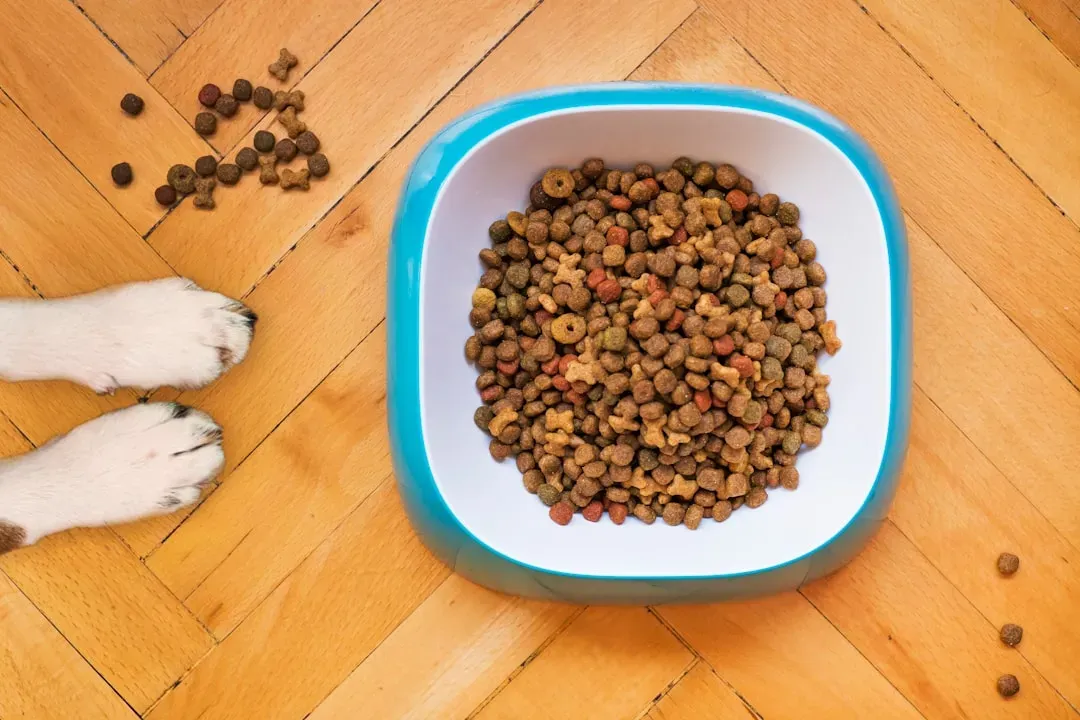
A sudden disinterest in food is a common red flag that something may be off with your dog’s digestive system. For dogs that normally rush to their bowl, a sudden reluctance to eat is hard to ignore. It may last just a meal or two, or it may stretch on. Either way, it’s one of those signs that deserves more than a shrug.
Appetite changes, along with flatulence and abdominal discomfort, may be a sign of problems in the small intestine, and if your dog exhibits many of these signs frequently, this could indicate they are suffering with chronic gastrointestinal problems. The word “chronic” matters here. A single off day is one thing, but repeated appetite dips across weeks can quietly point to an underlying condition that won’t resolve on its own.
#4: Unexplained Weight Loss
Unexplained weight loss, even if your dog seems to be eating normally, can signal underlying digestive problems. This one tends to sneak up on owners. Weight loss that happens gradually is harder to notice until the dog’s ribs feel more prominent or their waistline looks sharper than usual. It’s worth monitoring your dog’s weight regularly at home or during routine vet visits.
Chronic digestive issues can cause an inability to absorb all the nutrients the body needs, leading to weight loss and a dry, dull, brittle coat. That combination of a thinner frame and a lackluster coat is a meaningful pairing. When the gut isn’t absorbing nutrients properly, the effects ripple outward, showing up in the skin, the fur, and the energy levels before owners realize what they’re seeing.
#5: Constipation and Straining to Defecate
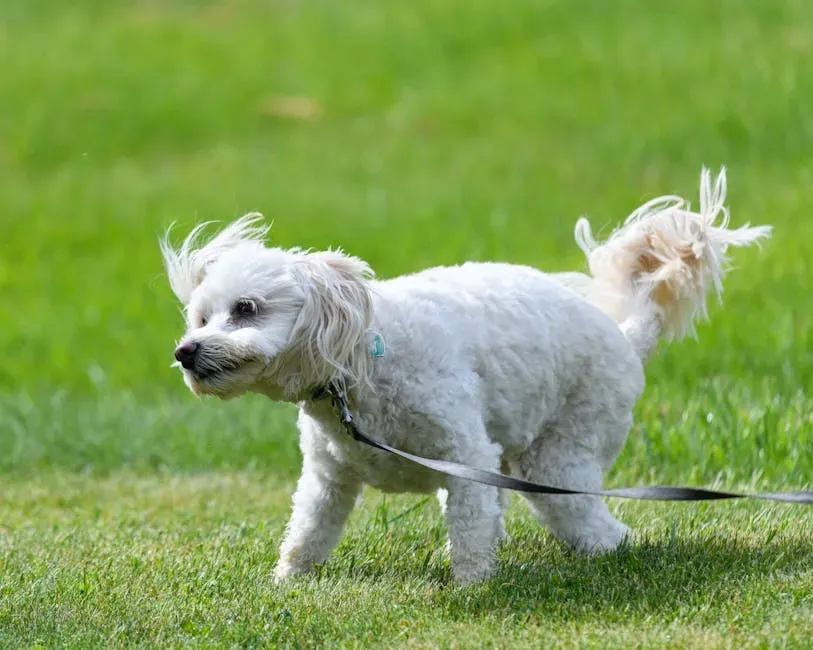
Constipation is a commonly occurring sign of digestive problems and can have a number of potential underlying causes. If your dog is constipated, their feces will be hard or dry, and they will move their bowels infrequently. They may also show signs of increased straining when attempting to move their bowels. Straining is uncomfortable to watch and uncomfortable for your dog. It’s not something to wait out indefinitely.
The longer feces remain in the colon, the drier, harder, and more difficult to pass they become. Obstipation is constipation that resists treatment, in which the animal is unable to successfully defecate. Left unaddressed, what starts as simple constipation can develop into something more serious. A lack of water intake or the reluctance to defecate on a regular basis due to environmental stress or pain that occurs while defecating contributes to the formation of hard, dry feces.
#6: Excessive Gas and Bloating
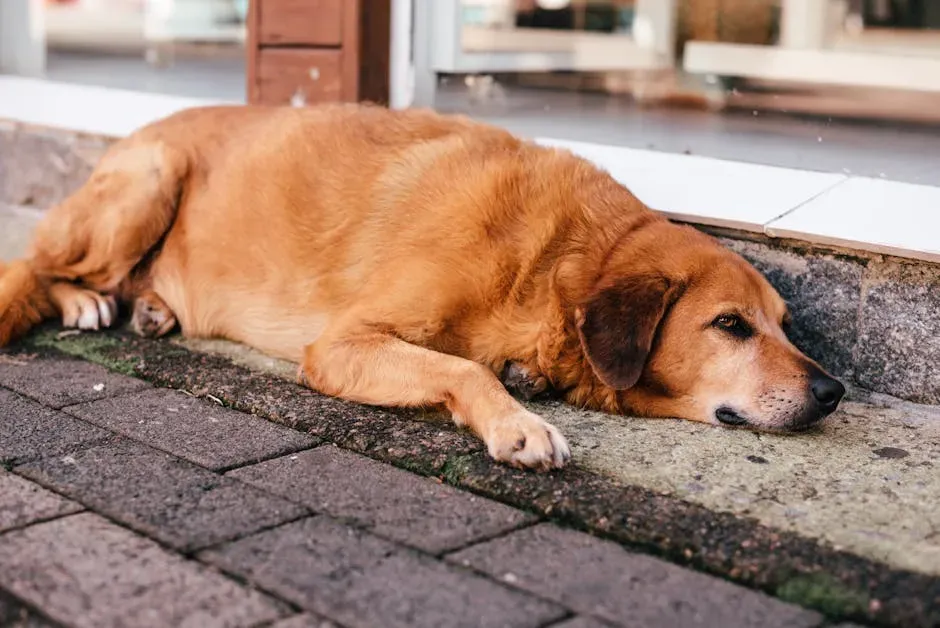
While some gas is normal, excessive flatulence can be a sign of a dietary issue or gastrointestinal disorder. Every dog produces gas. That’s just reality. What’s worth noting is a sudden change in frequency or intensity. If your dog went from occasional toots to constant discomfort, something in the gut has shifted.
Other symptoms to be aware of include changes in appetite, excessive drooling, abdominal bloating, straining or difficulty during bowel movements, and an unusual amount of gas. Bloating in particular deserves special attention. A visibly distended abdomen combined with restlessness and unproductive attempts to vomit can indicate a serious and potentially life-threatening condition in larger dogs. That combination warrants emergency veterinary attention without delay.
#7: Blood in Stool or Vomit
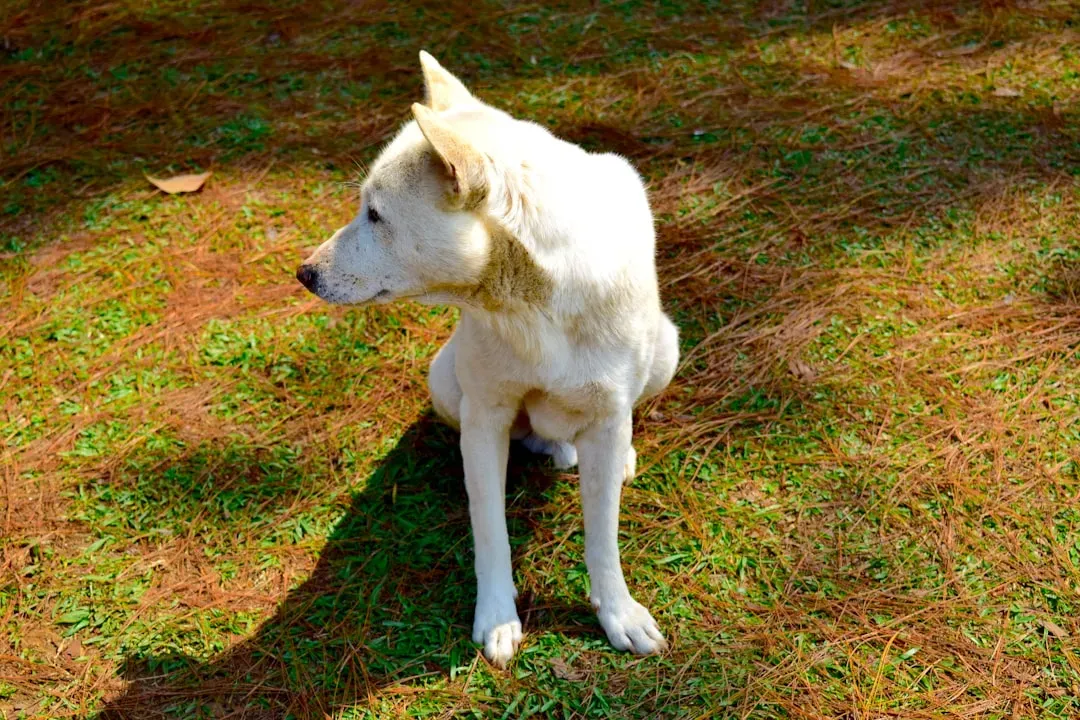
Signs of colitis in your dog include seeing blood and/or mucus in their stools, diarrhea, and frequently passing small amounts of stool. Blood in the stool is one of those signs that stops most owners cold, and rightly so. Whether it appears bright red or as a dark, tarry consistency, both presentations point to something happening in the gastrointestinal tract that needs professional evaluation.
If your pet’s symptoms last more than a day, become more severe, or are accompanied by blood in the vomit or stool, it’s important to consult your veterinary team promptly. Dogs with stomach ulcers can have a history that includes vomiting, sometimes with fresh or digested blood, and abdominal discomfort. Dark stools stained with blood and pale gums suggesting anemia may also be seen. Pale gums alongside any of these signs means it’s time to move fast.
#8: Abdominal Pain and Discomfort
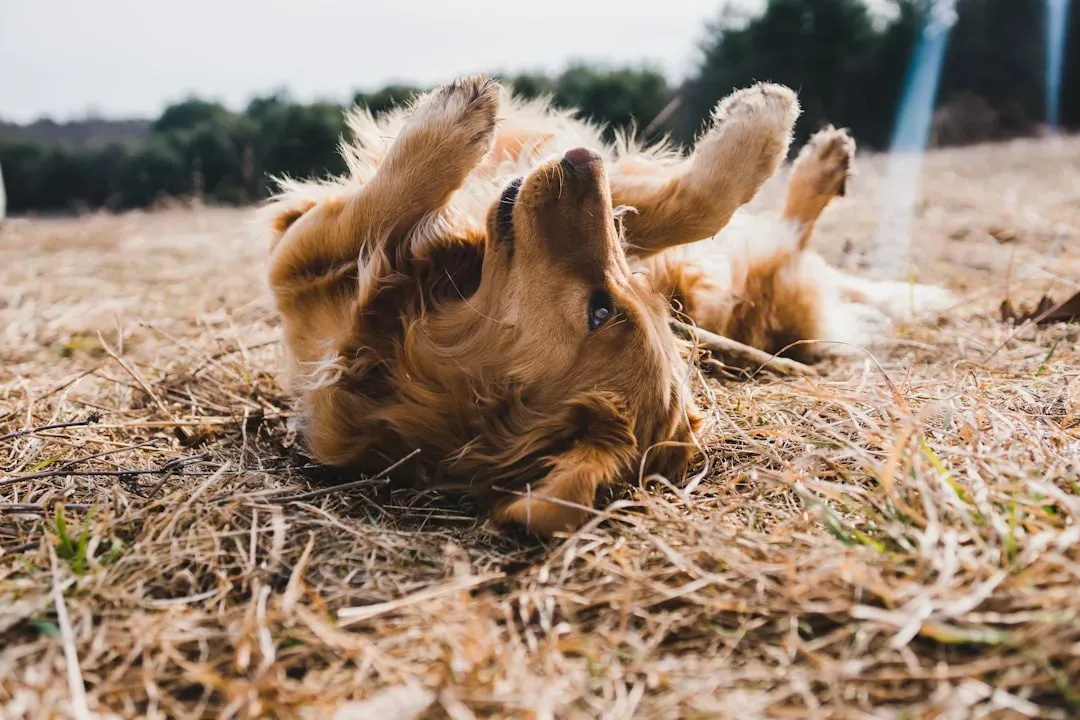
Abdominal pain may show up as a hunched posture, a “praying” posture with the forelimbs and chest on the floor while the hind end is raised, or yelping when you try to pick up your pup. Dogs don’t always cry out in pain the way we might expect them to. More often they communicate discomfort through posture and behavior. That prayer-position stretch is one of the more reliable physical clues that something in the abdomen is causing distress.
Many dogs will be tender when picked up around the abdomen or resist handling of the stomach and hindquarters. If your normally cuddly dog suddenly flinches or pulls away when you touch their belly, take note. Abdominal pain can also present as panting, pacing, or whining. These are quiet signs, easy to mistake for anxiety or a bad mood, but they’re worth taking seriously when they appear alongside other digestive symptoms.
#9: Lethargy and Unusual Behavioral Changes

Additional signs include flatulence, lethargy, and uncharacteristic behavior such as restlessness or hiding. When a dog that normally leaps at the sound of a leash suddenly has no interest in a walk, something has changed. Lethargy is one of the digestive system’s more indirect warning signs, and it’s easy to overlook precisely because it doesn’t seem digestive at first glance.
Dogs might be less interested in walks or playtime, or you may observe repeated attempts to vomit without producing anything. Most dogs affected with gastroenteritis will appear less active and have a decreased appetite. These behavioral shifts often arrive before the more obvious physical signs do. Paying attention to your dog’s energy baseline and noticing when it drops is one of the more valuable habits a dog owner can develop.
#10: Changes in Coat Quality and Signs of Dehydration
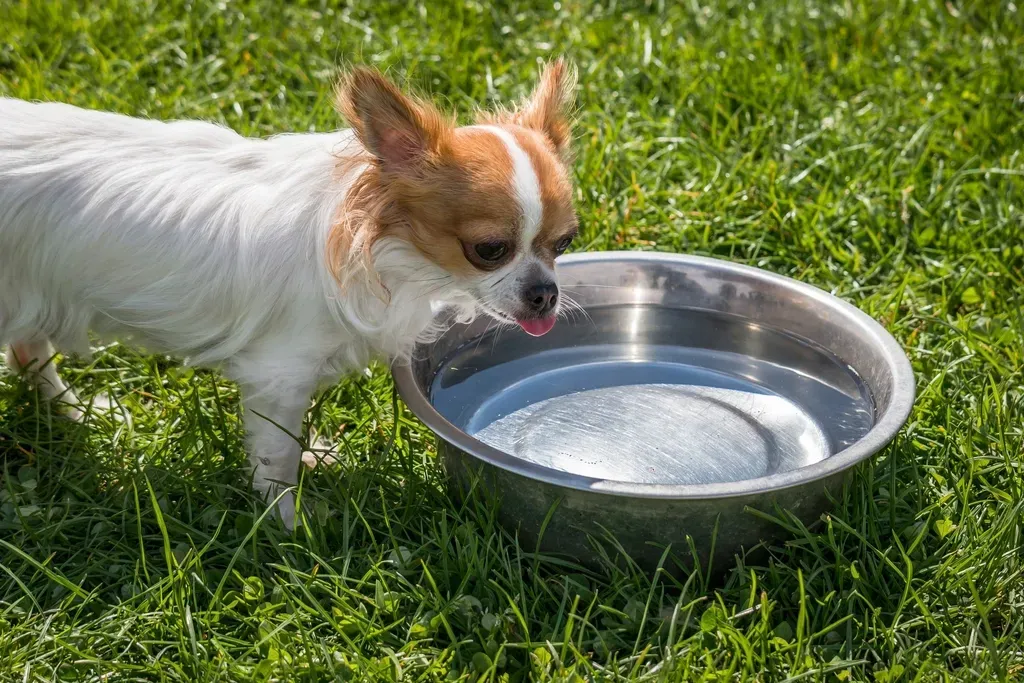
GI disorders can lead to dehydration, acid-base and electrolyte imbalances, and malnutrition, so it is important to recognize the signs and consult with your veterinarian. Dehydration is one of the more serious consequences of ongoing digestive issues, and it can develop faster than owners expect, particularly in puppies and senior dogs. Dry, tacky gums and skin that doesn’t spring back quickly after being gently pinched are two practical things to check at home.
Persistent symptoms lasting more than 24 hours, or any signs of dehydration such as sunken eyes, tacky gums, or decreased skin elasticity, should never be ignored. On top of dehydration, a coat that has lost its luster can be an early indicator of chronic nutritional deficiency tied to poor gut absorption. Puppies, senior pets, and those with chronic illnesses are at greater risk of serious complications from digestive problems and require even more vigilant observation. If your dog’s coat has gone dull and dry without any recent change in grooming or season, it’s worth having a vet check what’s happening on the inside.
When to Stop Watching and Start Acting
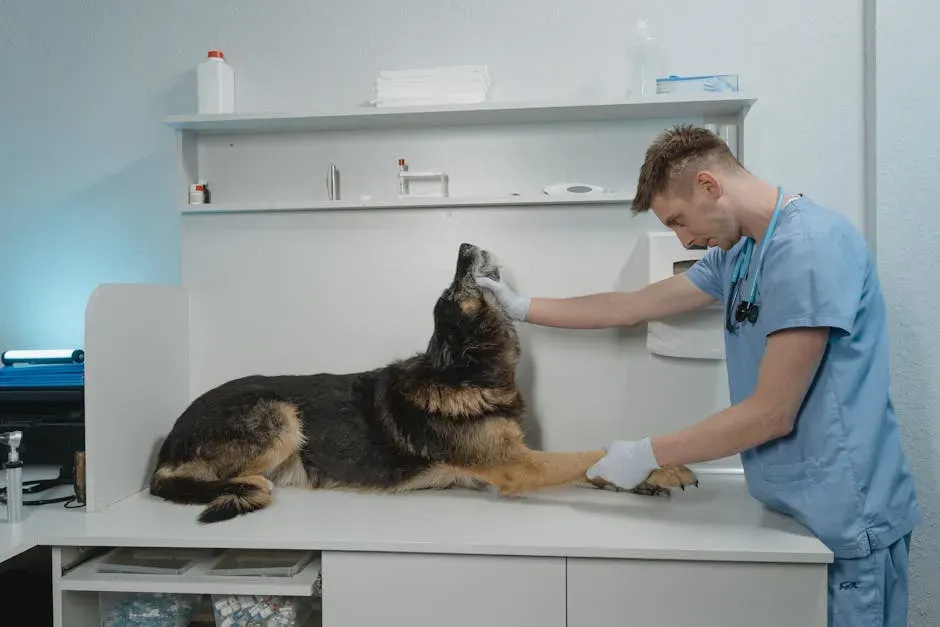
Recognizing these signs early is genuinely useful, but noticing them and acting on them are two different things. Dogs usually won’t have all of these symptoms at once, so even just one or two signs can be a cause for concern. When in doubt, it’s better to be on the safe side and call your vet, or seek emergency veterinary care if it’s after hours and your pet seems very ill.
Gastrointestinal disorders and diseases affect a dog’s stomach and intestines, resulting in pain and other problems. Any disorder that reduces the digestion or absorption of food, or alters its passage through the digestive tract, can be called a digestive disorder. Healthy digestion is essential for your dog to be able to use the nutrients from his food to build and repair tissues and obtain energy. That’s the real bottom line. The gut is the engine of your dog’s health, and when it’s off, everything else tends to follow.
Here’s the honest opinion: too many owners wait too long. The signs outlined above aren’t rare or obscure. They’re everyday signals that dogs send out, and they deserve to be met with curiosity rather than dismissal. A dog who’s uncomfortable can’t tell you what’s wrong. All they can do is show you. The least we can do is pay attention.


