
Most dog owners have been there. You come home to find a chewed cushion, claw marks on the door frame, or a dog trembling in the corner for no reason you can immediately see. It’s easy to label these moments as “bad behavior,” but more often, something quieter and more painful is going on beneath the surface.
Dog anxiety is a persistent state of fear or stress that can affect a dog’s behavior and overall well-being, with common triggers including loud noises, separation from pet parents, schedule changes, and past trauma. The signs can be easy to miss, easy to misread, or easy to chalk up to personality. Some dogs simply need more help feeling secure, and that’s not a flaw. It’s just who they are.
What’s genuinely encouraging is that there are real, evidence-based ways to make a meaningful difference in how safe your dog feels at home every single day. These aren’t quick fixes. They’re habits, adjustments, and approaches worth understanding well.
#1: Create a Dedicated Safe Space
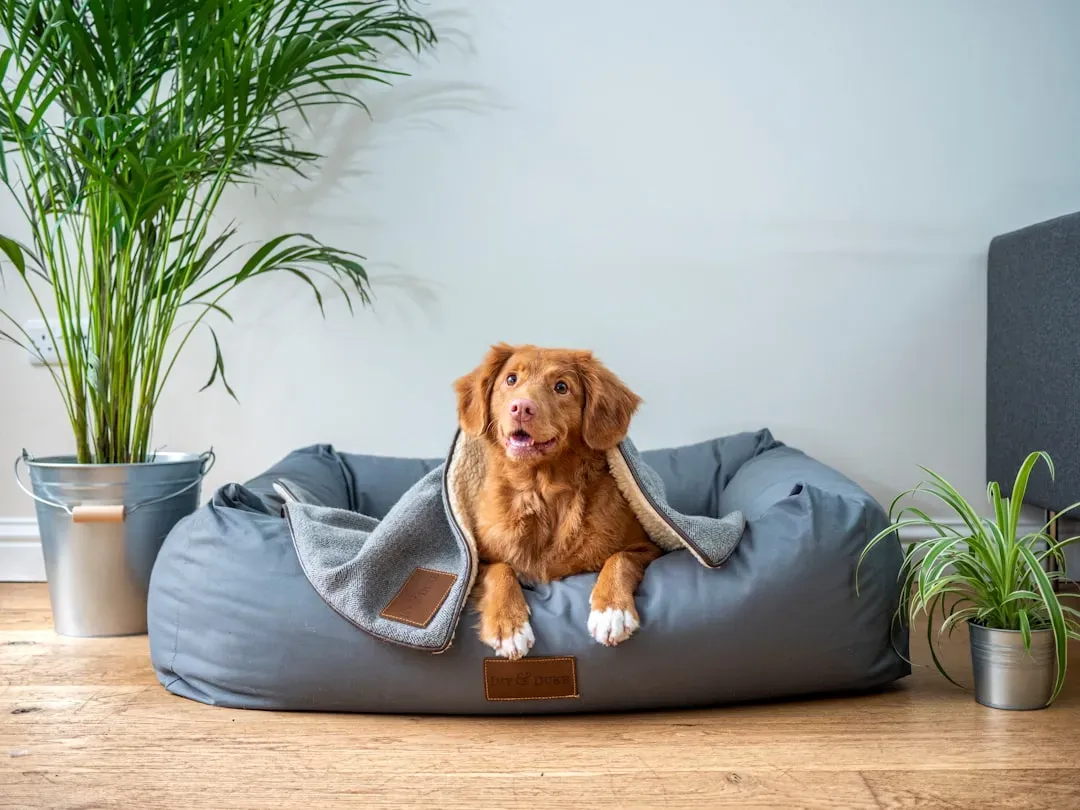
Every dog needs a place where they feel secure. A quiet, comfortable area can help soothe an anxious dog quickly, acting as a retreat where your dog can relax during stressful situations. Think of it as their personal corner of the world, somewhere the noise and unpredictability of daily life can’t reach them so easily.
Anxious dogs benefit from a safe place that they associate with positive things, such as treats, toys, or undisturbed rest. A dog bed or mat is perfect for this because it’s portable, meaning you can take that safety on the road. Over time, your dog will learn to go there voluntarily when they need to decompress, which is a genuinely healthy skill for any dog to develop.
#2: Stick to a Consistent Daily Routine
It’s essential to establish a routine for your dog so they feel comfortable and secure. Dogs are creatures of habit and thrive on predictability and structure. Feeding times, exercise times, playtimes, and sleep times are all part of a routine. When dogs know what’s coming next, the world feels far less threatening.
Consistency reduces uncertainty, which is a major trigger for anxiety. When your dog knows what to expect, they feel more in control and less stressed. Even small disruptions, like a delayed walk or an irregular feeding time, can quietly unsettle an anxious dog. Keeping things predictable isn’t boring. For them, it’s deeply reassuring.
#3: Use Calming Music or White Noise

Sound can influence your dog’s mood more than you might think. Soft classical music or white noise can mask loud, sudden sounds that trigger anxiety. Many pet owners use calming playlists when leaving their dogs alone, which helps soothe an anxious dog during separation. It’s a low-effort change that can have a surprisingly real impact.
The power of music can be calming and relaxing while you’re home, in the car, or away from your pet. Music can also alleviate noise sensitivity by blocking the street or scary noises that bother some dogs and create anxiety. Research has shown that many dogs prefer classical music. It’s worth experimenting with different genres and volumes to find what works best for your specific dog.
#4: Make Exercise a Daily Priority
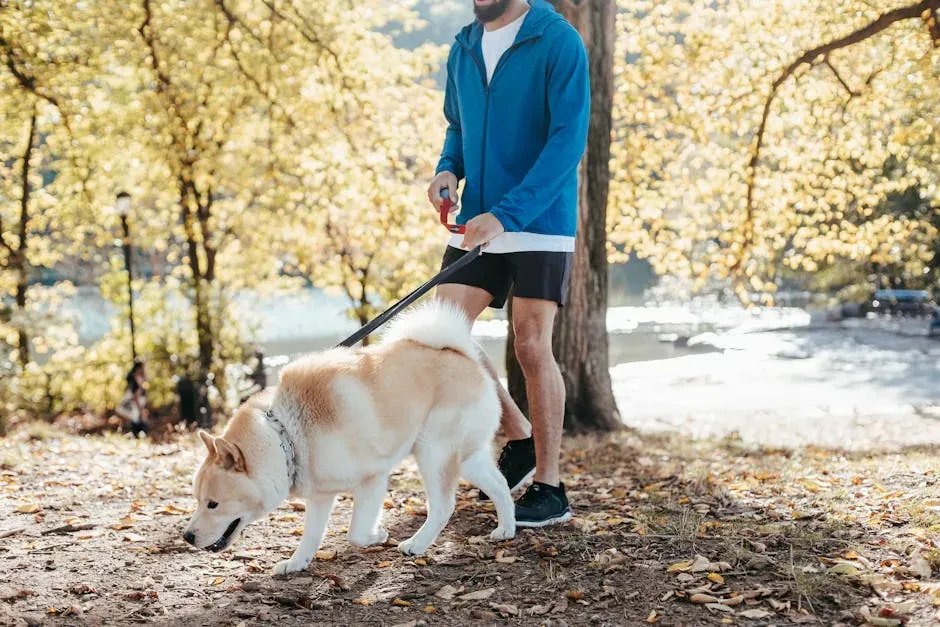
Playtime and exercise are essential for a dog’s mental and physical health. In addition to burning off excess energy, regular exercise releases endorphins, which reduce anxiety and stress in dogs. The relationship between physical movement and emotional regulation is well established, and it applies as much to dogs as it does to us.
Using exercise as both a bonding time and to tire out your pet is often an easy fix. Because anxiety can cause an excess of energy, taking your dog out to play ball or on a long walk before a stressful event can be helpful. Walks also provide opportunities for socialization and exposure to new sights, sounds, and smells, helping build confidence and reduce focus on anxiety. A well-exercised dog simply has less nervous energy to burn.
#5: Try Gentle Massage and Physical Touch
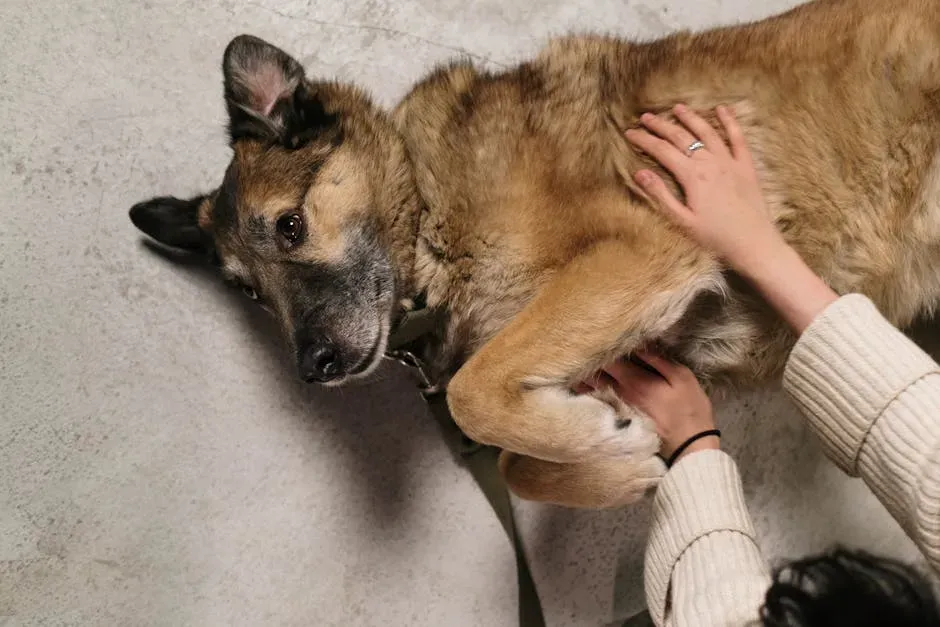
A massage will relax and calm even the most anxious human, and it also works wonders with dogs. Anxiety often causes tensing of the muscles, and massage therapy is one way to alleviate tension. Starting at the neck and working downward with long strokes, keeping one hand on the dog while the other works to massage, can be very effective. Over time you may even be able to identify where your dog holds its stress and work on that specific area.
Physical contact can have a calming effect on dogs. Gently massaging your dog’s neck, shoulders, and back using slow, steady movements, and spending quiet time together, strengthens your bond and reassures your dog that they are safe. This kind of calm, intentional touch communicates safety in a language your dog understands instinctively.
#6: Consider an Anxiety Wrap or Pressure Garment
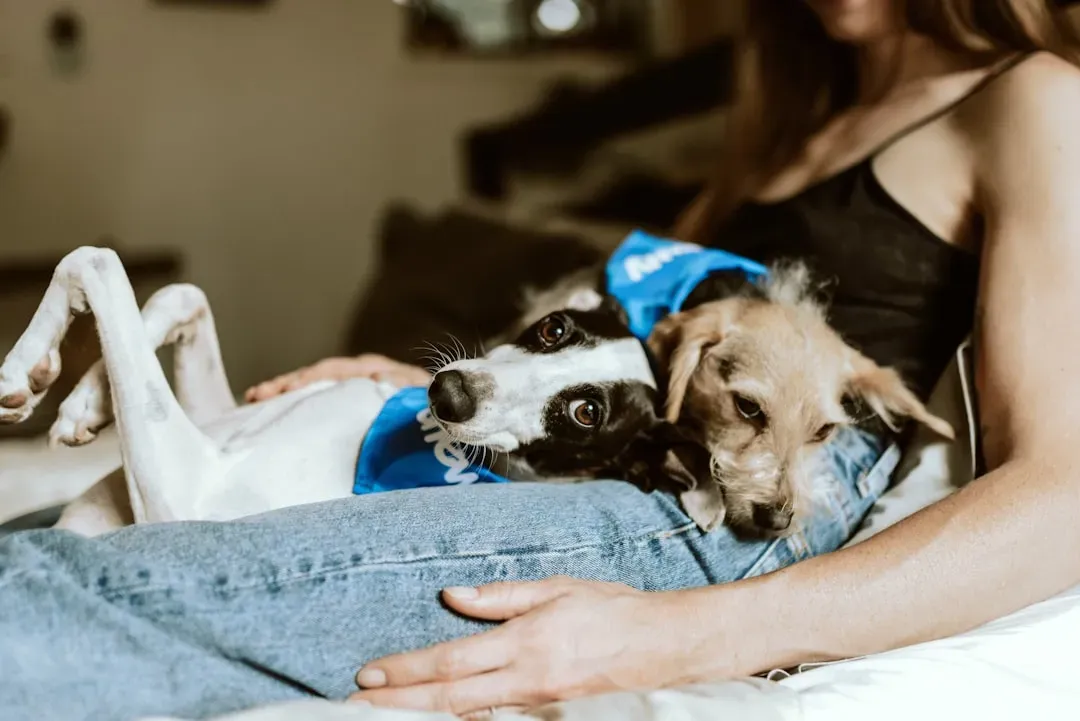
Anxiety wraps, often called Thunder Shirts, are garments that help dogs cope with many types of stressful situations, including thunderstorms, car rides, trips to the veterinarian, or fireworks. They work by gently applying pressure to a dog’s body, which can make them feel hugged and soothe anxieties. As a result of this pressure, the dog stays calm in situations that would normally distress them, similar to the way humans use a weighted blanket.
Body wraps apply mild pressure to a dog’s torso, deactivating the sympathetic nervous system. This system is responsible for kicking the fight-or-flight response in potentially dangerous situations. Pressure stimulation is similar to swaddling a baby and is reported to benefit dogs with separation anxiety, travel anxiety, and similar issues. It helps the nervous system relax and rest. If your dog is comfortable wearing clothing, it’s absolutely worth trying during their most challenging moments.
#7: Use Calming Pheromone Products
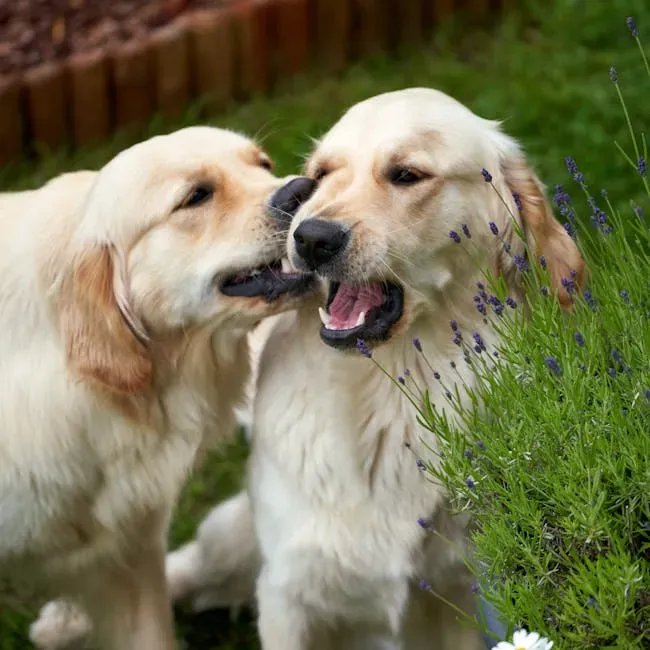
Pheromone sprays and diffusers imitate a mother’s natural nursing pheromones to help dogs feel calm and secure. This is a particularly gentle approach, since it works with your dog’s natural biology rather than against it. Many dogs respond to these products without any side effects whatsoever.
Dogs communicate with each other by releasing pheromones. These chemicals are released to show dominance, submission, or to attract a mate. When dogs are in a new environment, or are feeling anxious, synthetic pheromones like Adaptil can help calm them down. It is available in a variety of forms including diffusers, sprays, and collars. Placing a diffuser near your dog’s safe space can make that corner of the home feel even more comforting to them over time.
#8: Provide Mental Enrichment and Brain Games
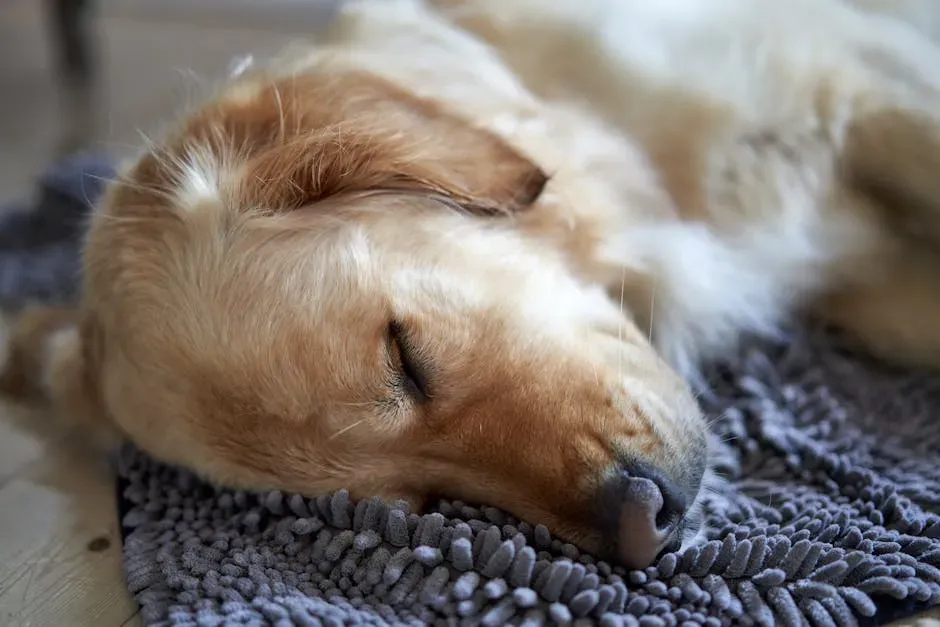
Games can be a great way to ease your dog’s nerves and distract them from their anxiety triggers. Consider calm games that engage your dog’s brain rather than riling them up with roughhousing or high-energy activities. Scattering food across the ground for your dog to sniff out or placing treats behind furniture or pillows in a doggie game of hide-and-seek works well. Snuffle mats also encourage your dog to sniff out hidden food, and lick mats are particularly handy if bath time or grooming stress your dog.
Physical activity and mental stimulation help burn anxious energy. Interactive toys, training sessions, and puzzle feeders can ease stress. The act of sniffing and searching is deeply instinctive for dogs, and it triggers a calm, focused mental state that actively counteracts anxiety. It’s one of those tools that feels like play but works like therapy.
#9: Practice Positive Reinforcement Training
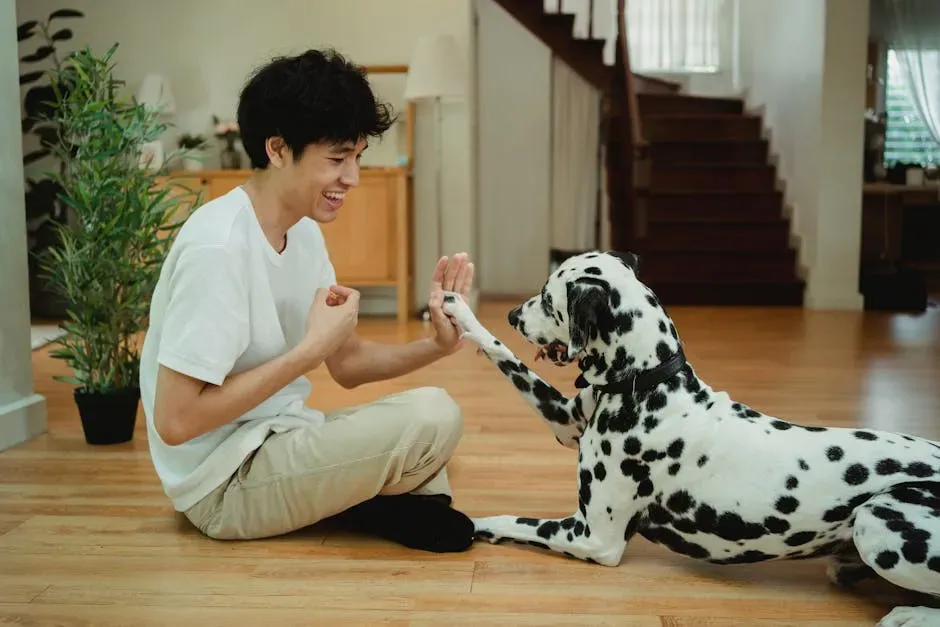
Positive reinforcement is key to helping a nervous dog feel more secure. Whenever they behave in a relaxed or brave way, giving your dog treats, affection, or a fun game helps. Directing their attention towards desirable actions instead of reacting to anxiety is the key principle here. Rewarding calm behavior consistently tells your dog that the world is safe, and that good things happen when they’re relaxed.
The more confident your dog feels, the better they can cope with situations that trigger their fear. Providing a consistent routine is one way to build confidence so that your dog can predict when they will eat, take a walk, and engage in playtime. Teaching your dog how to earn what they want, such as sitting before you lower the food bowl or clip on the leash, gives your dog a sense of control over their environment and therefore reduces anxiety.
#10: Manage Triggers Proactively
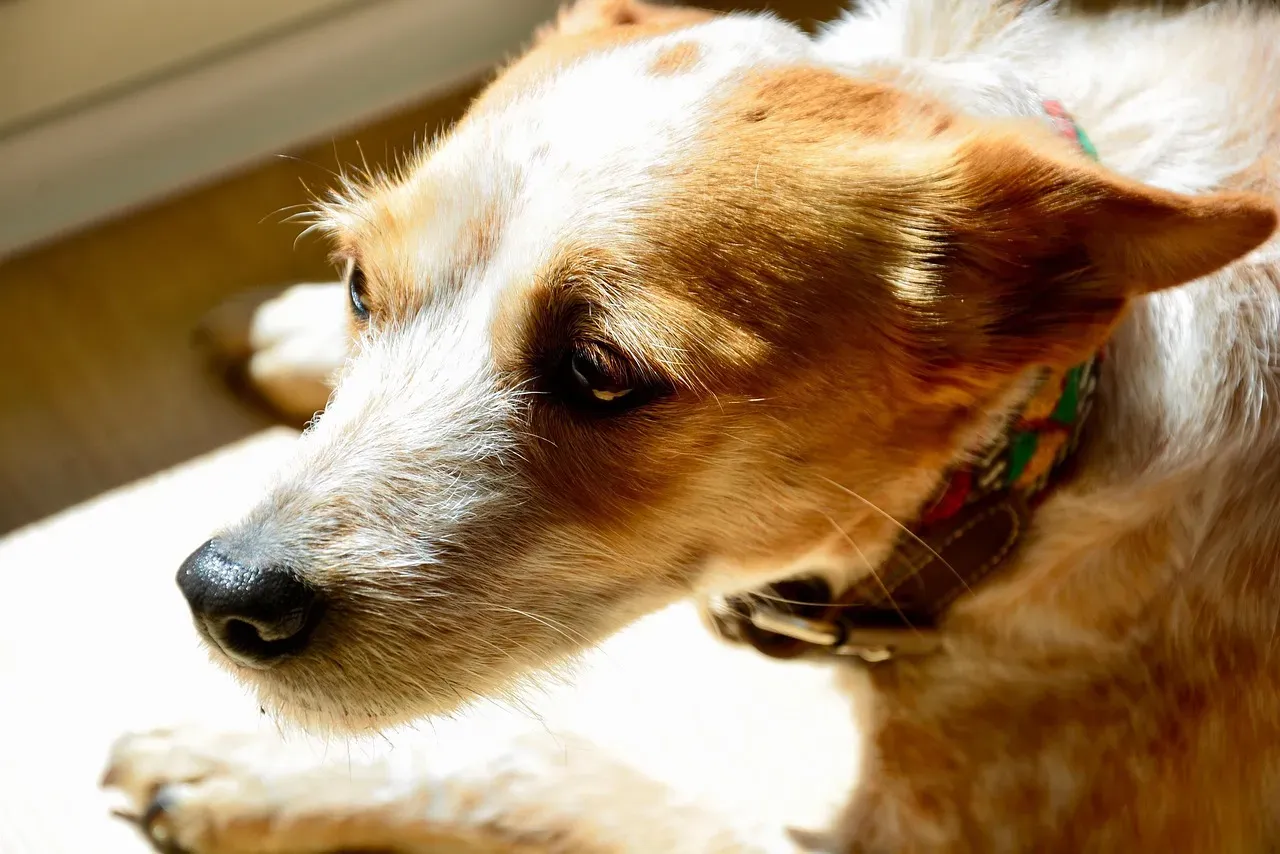
One of the best ways to help your dog feel better is to minimize or remove the trigger when possible. For sudden or loud noises, playing soothing music or white noise can mask scary sounds such as thunder or construction noise, and taking your dog to an interior room helps muffle outside noises. The goal isn’t to wrap your dog in cotton wool forever. It’s to reduce unnecessary stress while you work on longer-term solutions.
Hanging curtains or covering windows with opaque film so your dog can’t see what’s going on outside can help with visual stimuli triggers. Creating a quiet, safe space where your dog can retreat when they need a break also addresses overstimulation. If your dog is nervous and perhaps even somewhat fearful at times, it’s wise to look deeply into what may be causing these behavioral issues and devise a plan to help your dog become more confident. An anxious dog is an unhappy dog. You can change that by adding consistency and predictability to your dog’s life.
#11: Use Desensitization and Counterconditioning
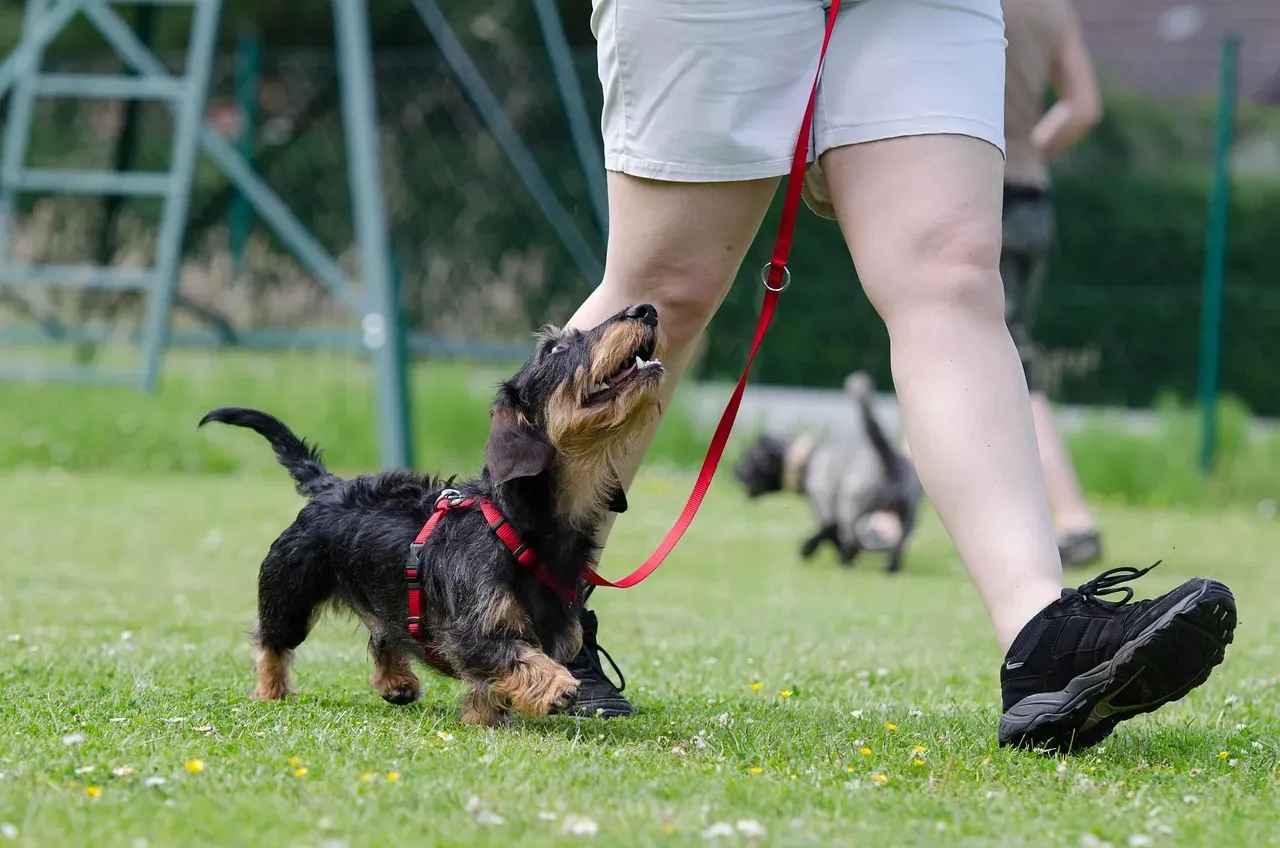
Desensitization and counterconditioning are techniques that help your dog gradually build tolerance to anxiety triggers. They involve slowly exposing your dog to the source of their fear at low intensity, like playing a quiet recording of thunder, and rewarding them with a treat for staying calm. As your dog becomes more comfortable, the intensity of the exposures is increased until they can remain calm during the real event.
Desensitization involves slowly exposing your dog to anxiety triggers in a controlled way. Rewarding calm behavior with treats and praise during these sessions is essential. This method takes patience but can lead to long-term improvement. It’s genuinely one of the most effective behavioral tools available, though it works best when introduced gradually and without pressure. Rushing this process can set your dog back rather than move them forward.
#12: Consult Your Vet When Anxiety Persists
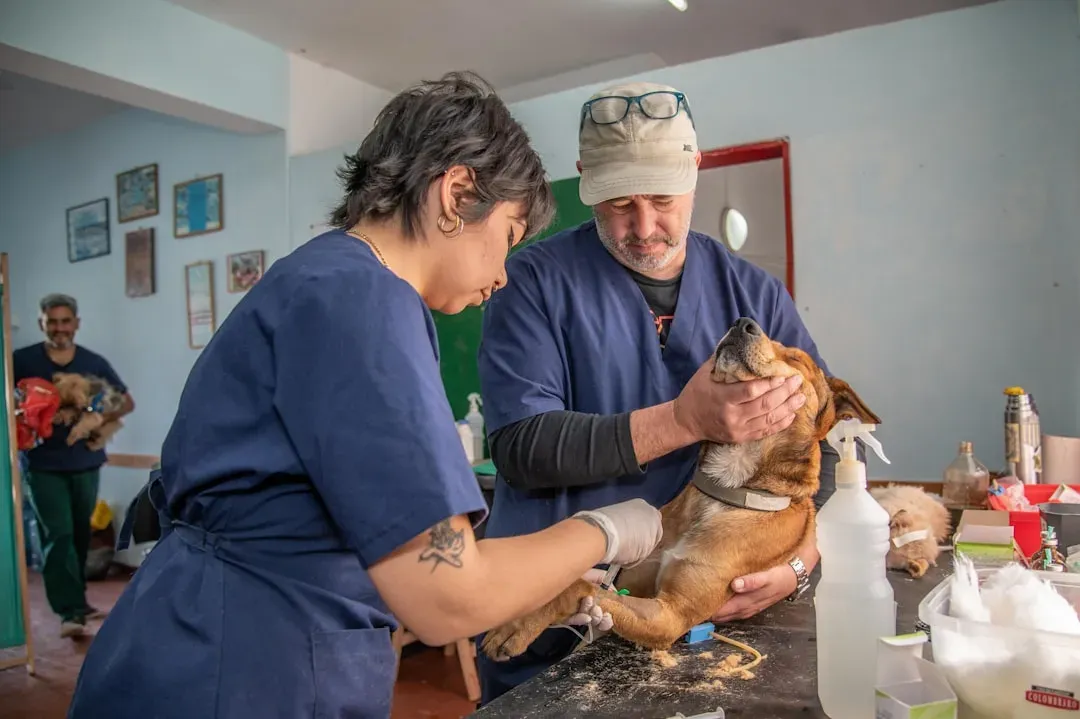
The best way to help an anxious dog is to first schedule a vet visit to check for medical causes, such as pain, inflammation, or disease. If your vet diagnoses a medical issue, they will begin appropriate treatment. You can help an anxious dog relax with positive reinforcement, training, and calming pheromones and supplements that promote calm, balanced behavior.
It is important to speak with your vet first before giving anything to your dog for anxiety. Your vet will determine what is best to give your dog based on the underlying cause and severity of their anxiety, their medical history, and their breed, age, and weight. Your vet might recommend giving your dog over-the-counter natural calming supplements, calming pheromones, or sometimes prescription anti-anxiety medication. Knowing when to ask for professional help isn’t giving up. It’s one of the most responsible things you can do for an animal who can’t ask for it themselves.
The Bottom Line
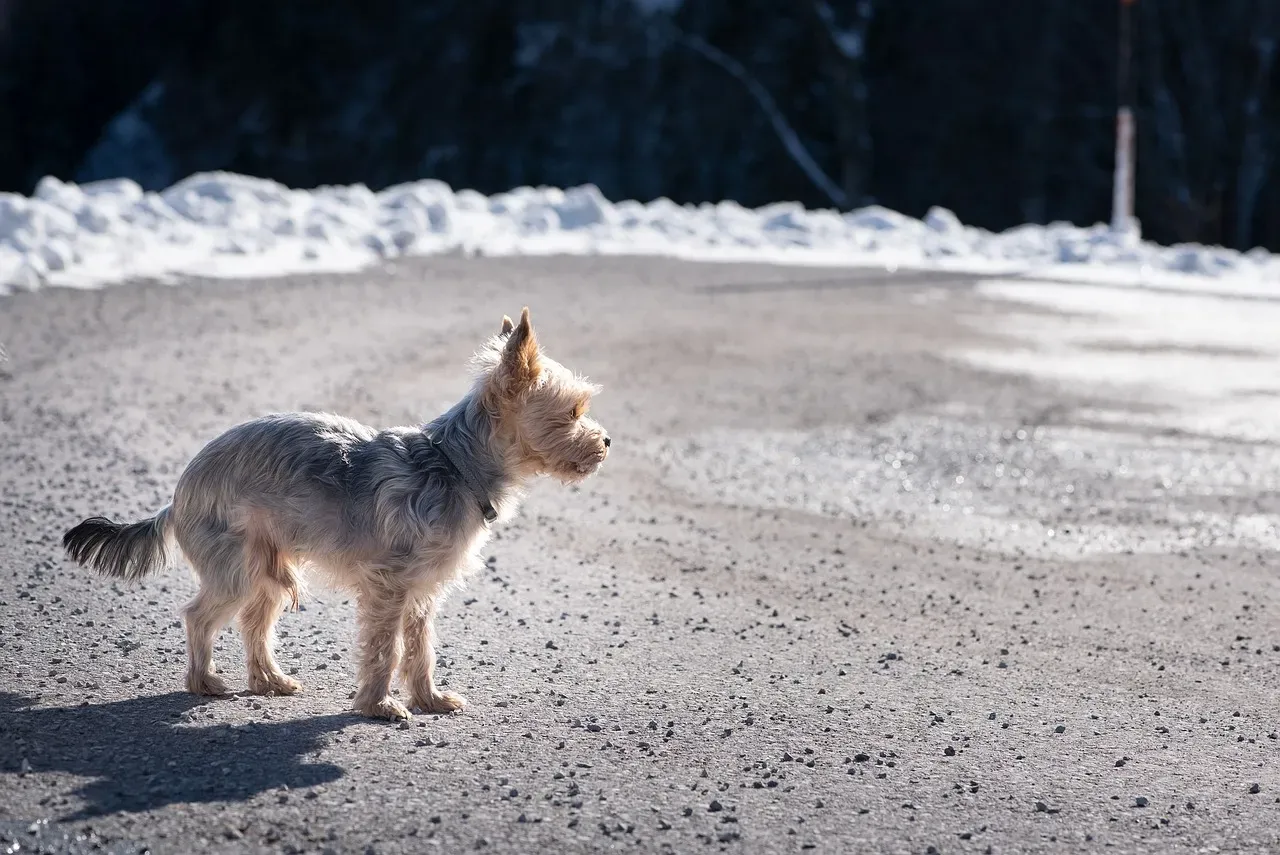
Caring for an anxious dog requires patience that doesn’t always get recognized or rewarded in the short term. Some days, your dog will still tremble at a thunderclap or pace the hallway when a stranger rings the doorbell, even after months of careful effort. That’s not failure. It’s a reminder that anxiety, in dogs as in people, rarely disappears overnight.
What you can genuinely offer is a home that feels predictable, calm, and full of signals that say: you’re safe here. The twelve approaches above aren’t meant to be used all at once. Start with one or two that feel most relevant to your dog’s specific triggers, build consistency, and add others as you go. Small, steady changes accumulate into something real.
The dogs who struggle with fear and anxiety aren’t broken. They’re just waiting for someone to show them the world is a little less scary than it seems. You can be that for them.


