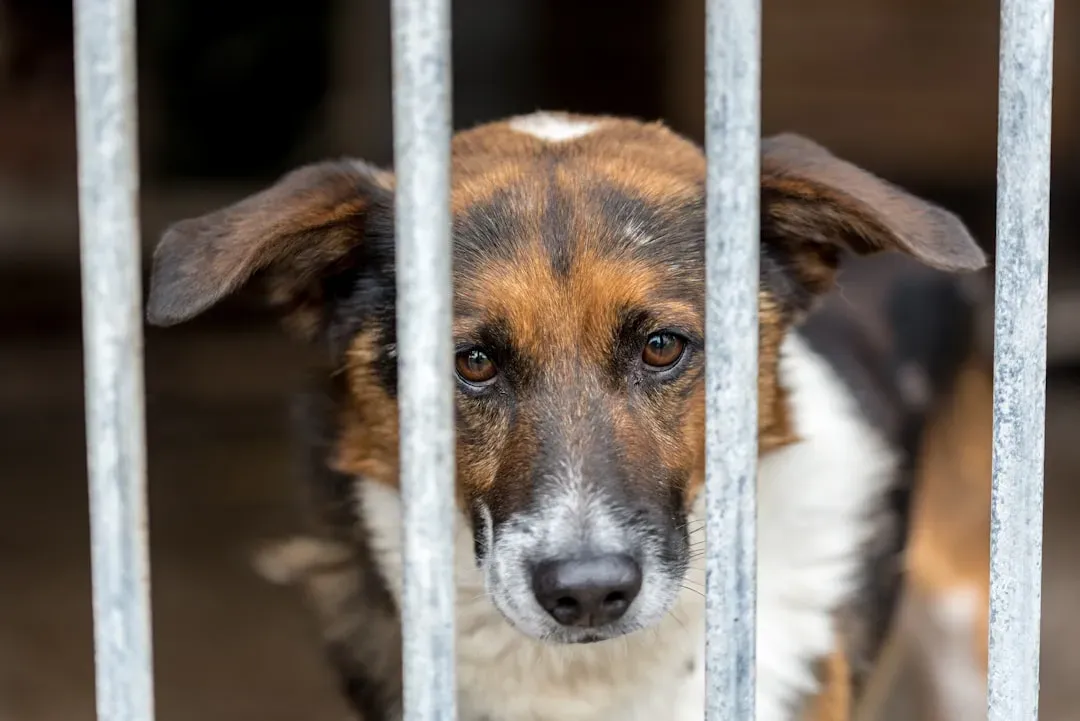
Bringing home a dog that’s spent over six months in a shelter is a noble act, but it comes with its own set of challenges. Despite your best efforts to provide a loving environment, certain behaviors ingrained during their prolonged shelter stay may persist. Understanding these behaviors is crucial for a harmonious relationship with your new companion.
Heightened Anxiety and Stress Responses
Heightened Anxiety and Stress Responses (Image Credits: Pixabay)Dogs confined to shelters for extended periods often develop heightened anxiety. The constant exposure to unfamiliar environments, loud noises, and limited social interactions can lead to chronic stress. Even after adoption, these dogs might exhibit signs like excessive panting, pacing, or trembling in response to everyday stimuli. This heightened state of alertness is a coping mechanism developed during their shelter stay.In a home setting, this can translate to overreacting to common household noises or new experiences. Patience and gradual desensitization are key. Creating a predictable routine and providing a safe space can help alleviate some of this anxiety over time.
Difficulty Adjusting to New Environments
Difficulty Adjusting to New Environments (Image Credits: Unsplash)Long-term shelter dogs often struggle with adapting to new surroundings. The shelter environment, though stressful, becomes their norm. Transitioning to a home, with its myriad of new sights, sounds, and routines, can be overwhelming. They might display reluctance to explore, hide in corners, or show hesitation in using stairs or unfamiliar furniture.This behavior stems from the lack of varied experiences during their shelter stay. Introducing them slowly to different parts of the house and allowing them to explore at their own pace can ease this transition. Positive reinforcement when they show curiosity can also encourage more confident behavior.
Persistent Fearfulness or Shyness
Persistent Fearfulness or Shyness (Image Credits: Pixabay)Extended periods in shelters can lead to dogs developing a general distrust or fear of humans. Limited positive human interactions and potential past traumas contribute to this wariness. In a home environment, this may manifest as avoiding eye contact, cowering, or reluctance to be touched.Building trust takes time. Consistent, gentle interactions without forcing affection are essential. Allowing the dog to approach on their terms and rewarding them for positive interactions can gradually reduce fearfulness.
Overattachment and Separation Anxiety
Overattachment and Separation Anxiety (Image Credits: Pexels)Once adopted, some long-term shelter dogs may develop an intense attachment to their new owners. The fear of abandonment can lead to separation anxiety, where the dog becomes distressed when left alone. Signs include excessive barking, destructive behavior, or house soiling when the owner is away.Addressing this requires a balance of affection and independence training. Gradually increasing the time spent apart and providing engaging toys can help the dog feel more secure when alone.
Unpredictable Aggression or Reactivity
Unpredictable Aggression or Reactivity (Image Credits: Unsplash)Prolonged shelter stays can sometimes result in dogs developing reactive behaviors, especially if they had limited positive interactions with other dogs or people. This can manifest as growling, barking, or even snapping in situations that trigger their stress.Understanding their triggers is crucial. Professional training and behavior modification techniques can help manage and reduce reactivity. It’s essential to approach this with patience and avoid situations that might provoke aggressive responses until the dog is better adjusted.Adopting a dog with a prolonged shelter history is both rewarding and challenging. While these behaviors may persist, they don’t define the dog’s entire personality. With understanding, patience, and consistent positive reinforcement, many of these behaviors can be managed or even diminished over time. The journey may be demanding, but the bond formed with a resilient canine companion is unparalleled.