
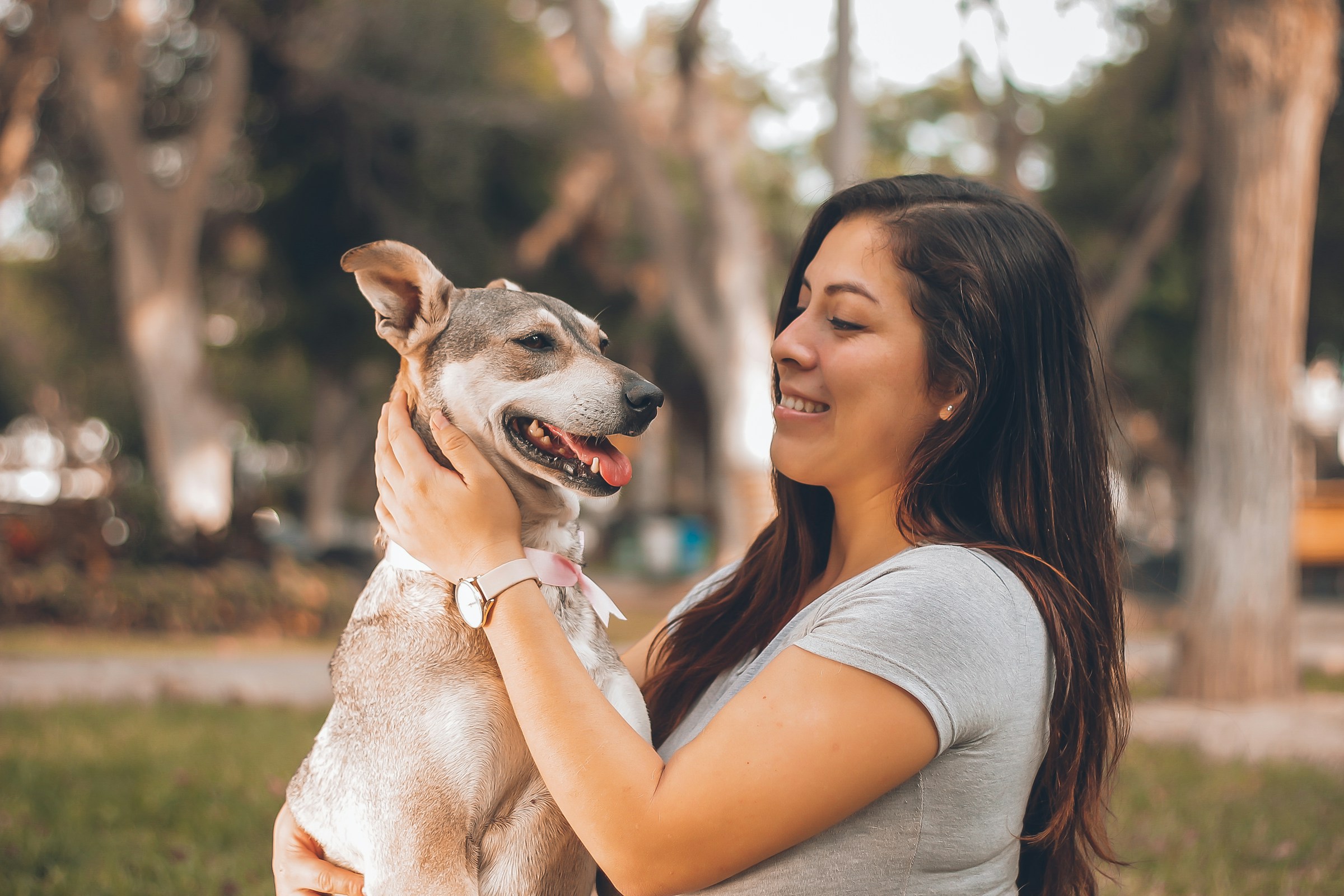
Ever wondered if your furry friend understands you better than your human companions? Recent studies suggest that dogs possess an uncanny ability to perceive and respond to human emotions, often surpassing even the most educated individuals in emotional intelligence. Let’s delve into seven compelling reasons why your dog might just be the most emotionally perceptive being in your life.
1. Dogs Recognize Human Emotions Without Training

Unlike humans who often require education and experience to interpret emotional cues accurately, dogs have an innate ability to recognize human emotions. Research indicates that dogs can distinguish between positive and negative emotional expressions in humans without prior training. This suggests that their emotional perception is hardwired, allowing them to respond appropriately to our feelings from the get-go.
This natural sensitivity enables dogs to provide comfort during our low moments and share in our joy during happy times. Their immediate and untrained responses to our emotional states highlight a level of empathy that many humans strive to achieve.
2. Dogs Integrate Multiple Sensory Cues

While humans often rely heavily on verbal communication, dogs excel at integrating various sensory cues to assess emotional states. They combine visual signals, such as facial expressions and body language, with auditory cues like tone of voice, to form a comprehensive understanding of human emotions. This multimodal approach allows them to detect subtleties that might escape even the most observant human eye.
For instance, a slight change in your posture or a subtle shift in your tone can alert your dog to your emotional state, prompting them to react accordingly. This holistic perception underscores their advanced emotional intelligence.
3. Dogs Respond to Genuine Human Emotions

Dogs don’t just recognize emotions; they respond to them in meaningful ways. Studies have shown that dogs alter their behavior based on the authentic emotional expressions of their owners. When owners display sadness, dogs tend to reduce their activity and show signs of empathy, such as staying close or nuzzling. Conversely, they become more playful and energetic when their owners are happy.
This responsiveness indicates that dogs are not merely reacting to learned cues but are genuinely attuned to the emotional well-being of their human companions. Their actions are driven by a deep-seated connection that transcends basic training.
4. Dogs Prioritize Emotional Cues Over Facial Features

While humans often focus on facial expressions to gauge emotions, dogs pay more attention to overall body language and emotional cues. Research suggests that dogs are more attuned to bodily emotional expressions than to facial features alone. This broader focus allows them to interpret emotions more accurately, as they consider the entire context rather than isolated signals.
This means that even if you’re trying to mask your feelings with a smile, your dog can sense your true emotions through your posture, movements, and energy levels. Their comprehensive approach to emotional perception often gives them an edge over humans who might miss these subtleties.
5. Dogs Detect Emotional Changes Through Scent

Beyond visual and auditory cues, dogs have an extraordinary sense of smell that enables them to detect chemical changes associated with human emotions. They can pick up on pheromones and other scent markers that indicate stress, fear, or happiness. This olfactory sensitivity allows them to sense emotional shifts even when no visible or audible signs are present.
This ability is so refined that dogs are often used in therapeutic settings to assist individuals with anxiety or PTSD, as they can detect and respond to emotional distress before it becomes outwardly apparent. Their noses provide them with a window into our emotional world that is beyond human capability.
6. Dogs Exhibit Empathetic Behavior
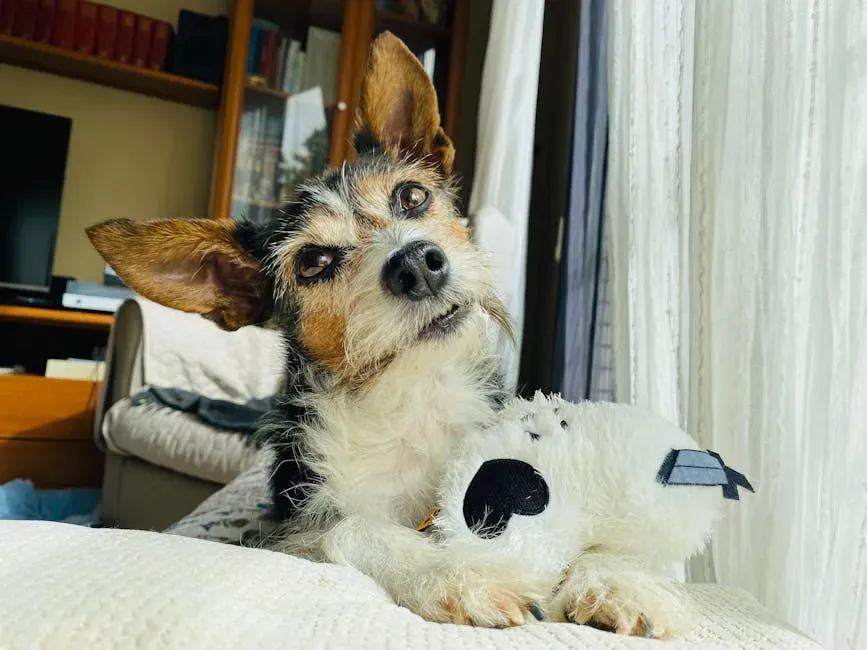
Empathy – the ability to understand and share the feelings of another – is a trait that dogs display remarkably well. They not only recognize human emotions but also adjust their behavior to provide comfort and support. For example, a dog might lay its head on your lap when you’re feeling down or bring you a toy to cheer you up.
This empathetic behavior is not just a response to training but a natural inclination to connect with and support their human companions. Their actions often mirror the kind of emotional support that humans seek from close friends and family.
7. Dogs Learn and Remember Individual Human Emotional Responses

Dogs have the capacity to learn and remember how specific individuals express emotions. They can recognize and recall the unique ways their owners display happiness, anger, or sadness, allowing them to tailor their responses accordingly. This personalized understanding enhances their ability to provide appropriate emotional support.
Over time, this learning leads to a deep bond between dogs and their owners, as the dogs become finely tuned to the emotional nuances of their human counterparts. This individualized attention is a testament to their advanced emotional perception.
Conclusion

In a world where emotional intelligence is highly valued, dogs exemplify an innate ability to perceive and respond to human emotions with remarkable accuracy and empathy. Their multimodal sensory integration, responsiveness to genuine emotions, and empathetic behaviors often surpass human capabilities. Perhaps it’s time we acknowledge that our canine companions are not just pets but profound emotional allies. Isn’t it fascinating to consider that the most emotionally perceptive being in your life might just be your dog?


